Punching Machine Applications for Furniture and Metal Frame Parts: A Comprehensive Guide


Introduction to Punching Machine Applications in Modern Manufacturing
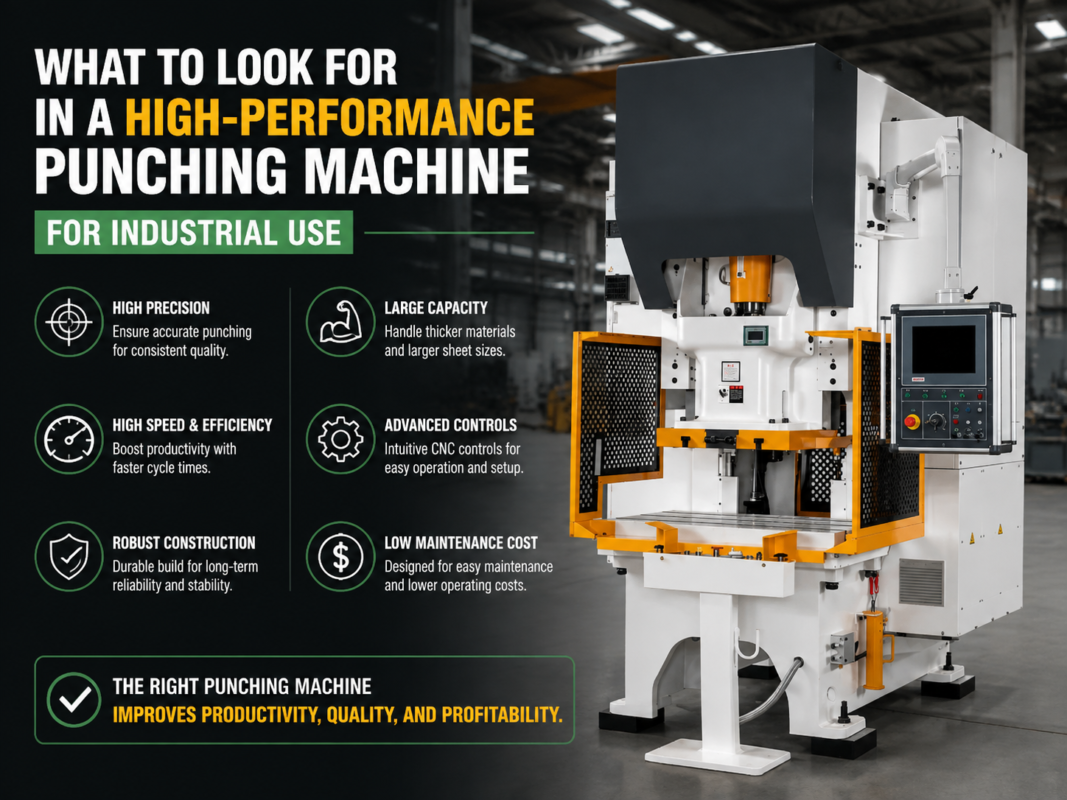
The landscape of modern furniture and structural manufacturing has undergone a radical transformation, driven largely by advancements in metal fabrication technology. At the heart of this revolution is the industrial punching machine. Whether it is the sleek lines of a contemporary office chair or the robust skeleton of an industrial racking system, punching machine applications for furniture and metal frame parts are ubiquitous. These machines provide the precision, speed, and versatility required to transform raw sheet metal into intricate components that define the strength and aesthetics of final products.
HARSLE has long been at the forefront of providing high-performance punching solutions that cater specifically to the needs of the furniture and construction industries. A punching machine operates by applying a high-pressure force to a tool set (punch and die) to create holes, notches, or formed shapes in a workpiece. Unlike laser cutting, which melts material, punching is a mechanical process that is often faster for repetitive patterns and allows for secondary operations like louvering, countersinking, and embossing within the same cycle.
In the furniture sector, where design trends shift rapidly, the ability to quickly reconfigure production lines is essential. Punching machines offer this flexibility through modular tooling and CNC (Computer Numerical Control) programming. This guide explores the depth of punching machine applications for furniture and metal frame parts, detailing why this technology remains a cornerstone of efficient metal fabrication.
Key Considerations for Furniture and Metal Frame Production
When integrating punching machine applications for furniture and metal frame parts into a production workflow, several critical factors must be evaluated. The first is material compatibility. Furniture often utilizes a variety of materials, including cold-rolled steel, stainless steel, and aluminum alloys. Each material reacts differently to the punching process; for instance, aluminum requires specific lubrication to prevent galling, while stainless steel demands higher tonnage and specialized tool coatings due to its work-hardening properties.
Precision and repeatability are the next major considerations. In the assembly of metal frames, even a fraction of a millimeter in hole misalignment can lead to structural instability or aesthetic defects. CNC punching machines excel here, offering tolerances that ensure every part fits perfectly during the final assembly. This is particularly important for “Ready-to-Assemble” (RTA) furniture, where end-users expect seamless bolt-hole alignment.
Surface finish is another vital aspect. Furniture is a consumer-facing product, meaning the edges of punched holes must be clean and free of excessive burrs. High-quality punching machines utilize precise die clearances and hydraulic cushioning to minimize deformation. Furthermore, the ability to perform “no-mark” punching is a significant advantage when working with pre-painted or polished materials, ensuring that the aesthetic integrity of the furniture is maintained throughout the fabrication process.
Finally, production volume dictates the type of punching machine required. For high-volume metal frame parts, a mechanical press with an automated coil feed system might be the most efficient choice. Conversely, for custom furniture pieces or small batch runs, a CNC turret punch press offers the versatility to switch between different hole sizes and shapes without significant downtime for tool changes.
Technical Details of Punching Machine Operations
The Mechanics of the Punch and Die
The fundamental principle of punching involves a punch being forced through a workpiece into a die. The clearance between the punch and the die is the most critical technical parameter. For furniture parts, which often use thinner gauges of sheet metal (0.5mm to 3.0mm), the clearance must be calculated precisely to ensure a clean shear. If the clearance is too large, the material will stretch and create a large burr; if it is too small, it increases tool wear and requires more tonnage.
CNC Integration and Tooling Turrets
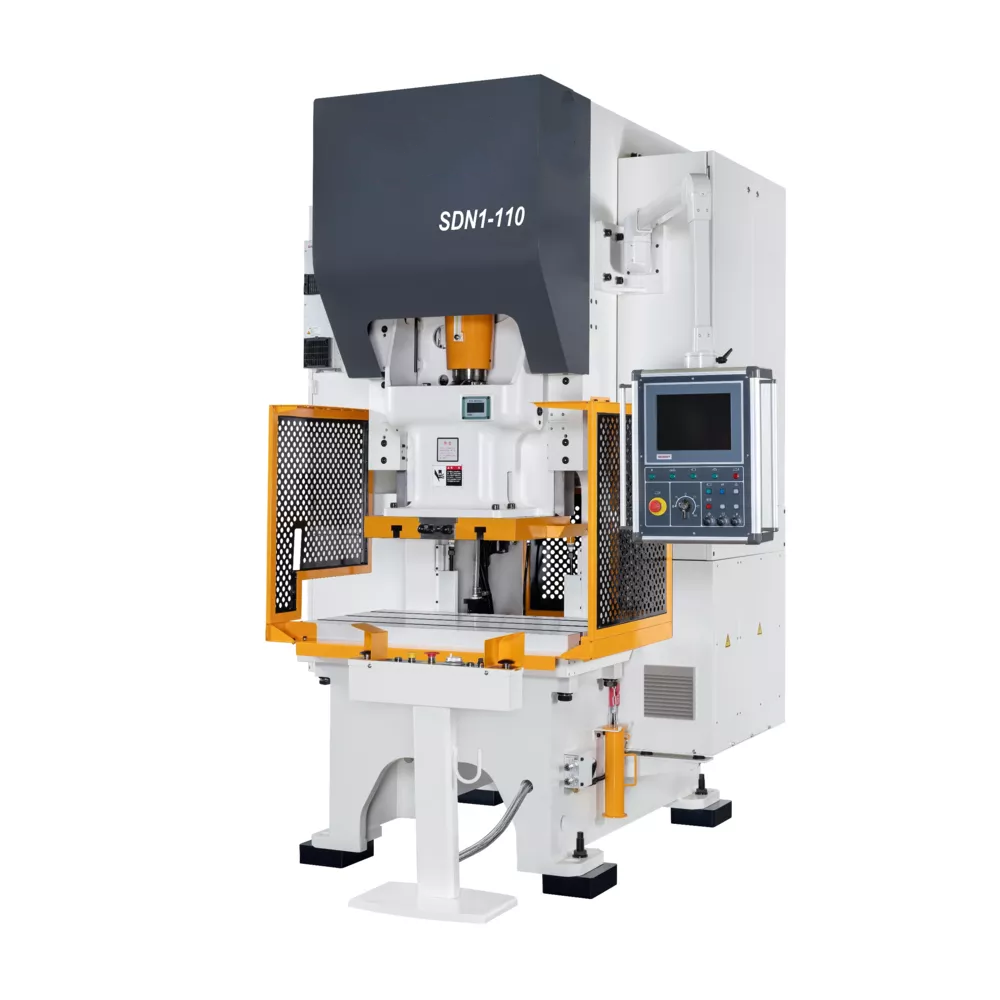
Modern punching machine applications for furniture and metal frame parts rely heavily on CNC technology. A CNC turret punch press houses dozens of tools in a rotating carousel. This allows the machine to perform complex patterns—such as the perforated backrests of office chairs or the ventilation slots in metal lockers—in a single setup. The CNC controller manages the X and Y axis movement of the sheet metal with incredible speed, often reaching hundreds of hits per minute.
Forming Capabilities Beyond Simple Holes
One of the unique technical advantages of punching machines over other cutting methods is the ability to “form” the metal. In furniture manufacturing, this includes creating louvers for airflow, bridge lances for cable management, and countersinks for flush-mounted screws. These features are created using specialized forming tools that deform the metal rather than shearing it completely. This multi-functionality reduces the need for secondary machines, thereby streamlining the production line.
Specific Applications in the Furniture Industry
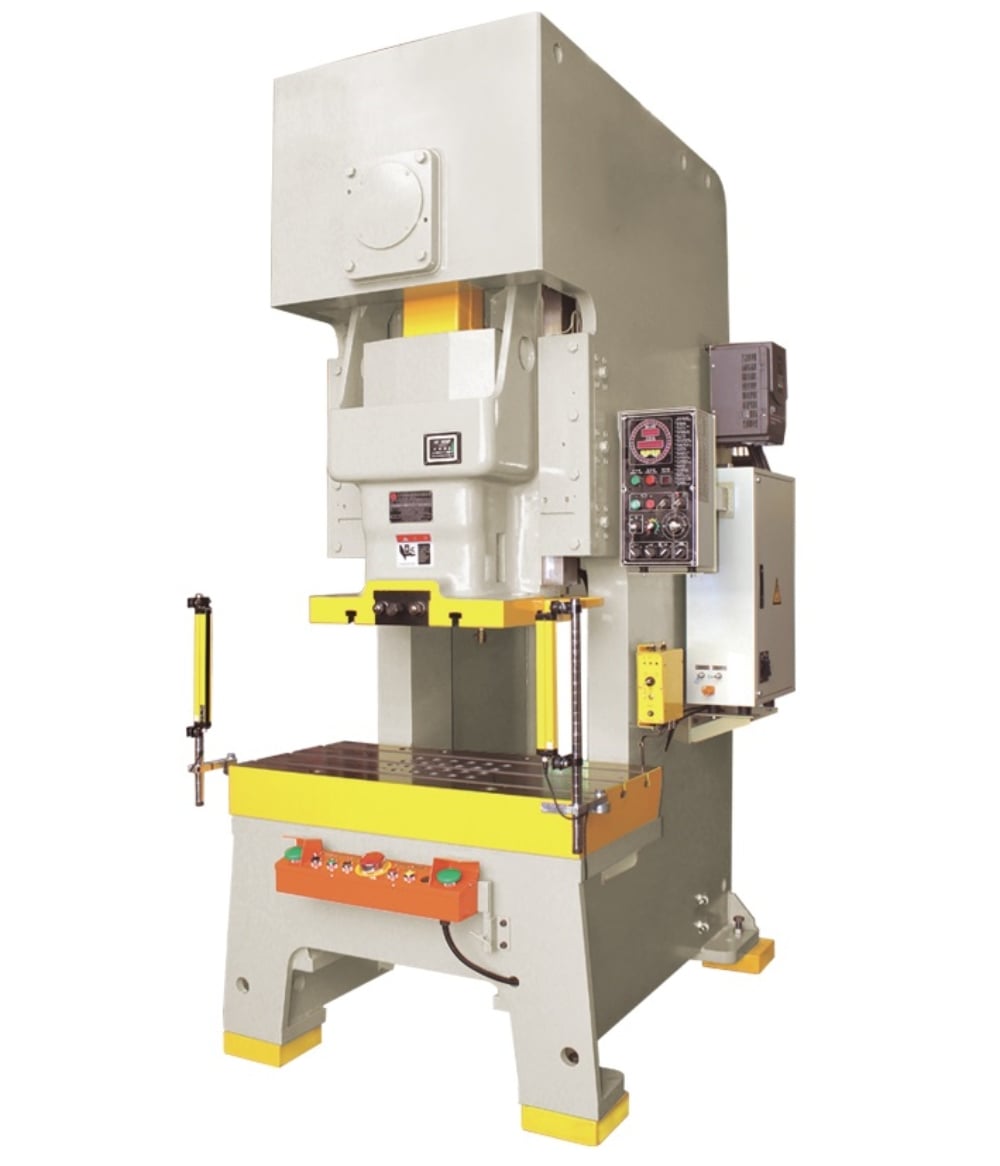
The furniture industry utilizes punching machines in a myriad of ways. One of the most common applications is in the production of office furniture. Desks, filing cabinets, and modular workstations require numerous holes for assembly, as well as specialized cutouts for power outlets and data ports. The speed of a punching machine makes it the ideal choice for these high-volume, repetitive tasks.
In the realm of seating, metal chair frames—particularly those used in commercial or outdoor settings—rely on punching for both structural and decorative purposes. Perforated metal sheets are often used for seat pans and backrests to provide ventilation and a modern aesthetic. A CNC punching machine can create intricate geometric patterns that would be cost-prohibitive to produce using other methods.
Shelving and storage systems also represent a significant portion of punching machine applications. Industrial racking requires heavy-duty uprights with precisely spaced teardrop or rectangular holes for adjustable shelving brackets. These parts are often made from thicker gauge steel, requiring high-tonnage hydraulic punching machines that can maintain accuracy over long lengths of material.
Furthermore, the hardware components of furniture, such as drawer slides, hinges, and brackets, are almost exclusively produced using punching and stamping processes. These small but essential parts require high-speed production and extreme consistency, which is exactly what HARSLE’s range of mechanical and pneumatic punching machines provides.
Applications in Metal Frame Parts and Structural Components
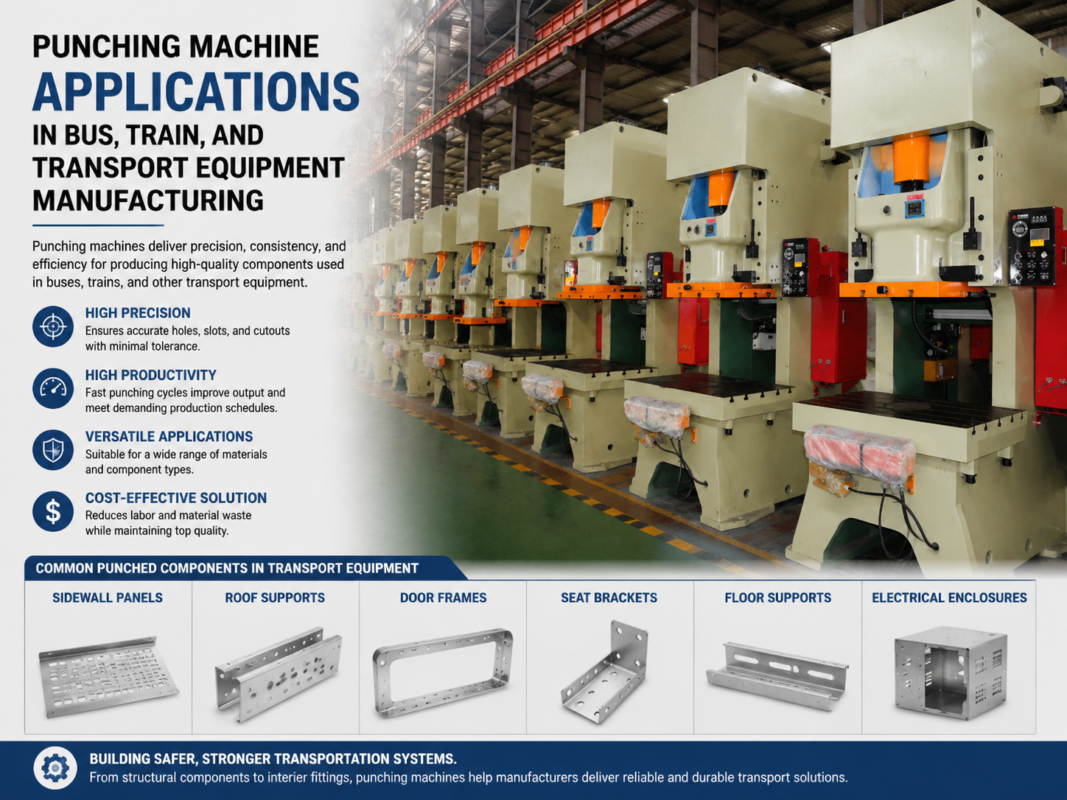
Beyond decorative furniture, punching machines are vital for the fabrication of structural metal frame parts. This includes frames for windows and doors, solar panel mounting structures, and automotive chassis components. In these applications, the focus shifts from aesthetics to structural integrity and load-bearing capacity.
For window and door frames, punching machines are used to create the slots for locks, handles, and drainage. These frames are often made from extruded aluminum profiles. Specialized profile punching machines are designed to handle these long, three-dimensional shapes, punching through multiple walls of the extrusion simultaneously to ensure perfect alignment of the internal components.
In the construction sector, metal studs and tracks used in drywall framing are produced using high-speed punching lines. These machines punch the “knockouts” used for electrical wiring and plumbing while simultaneously cutting the studs to length. The integration of punching into a roll-forming line is a prime example of how this technology maximizes industrial efficiency.
Heavy-duty metal frames used in transport and logistics, such as pallet frames and shipping container components, also utilize punching. These parts often require large diameter holes in thick plate steel. Hydraulic punching machines with high tonnage capacities are employed here, providing the raw power necessary to shear through tough materials while maintaining the dimensional accuracy required for global shipping standards.
Selection Advice: Choosing the Right Punching Machine
Selecting the appropriate equipment for punching machine applications for furniture and metal frame parts requires a strategic approach. The first step is to define your maximum material thickness and the largest hole diameter you intend to punch. This will determine the required tonnage. A common mistake is underestimating the tonnage needed for stainless steel, which requires roughly 50% more force than mild steel of the same thickness.
Next, consider the throat depth and table size. For large furniture panels or long frame sections, you need a machine with a throat depth that can accommodate the width of the sheet. If you are working with very large sheets, look for machines with repositioning capabilities, which allow the grippers to move the sheet and continue punching beyond the initial physical reach of the X-axis.
The choice between a mechanical, pneumatic, or hydraulic drive system is also crucial. Mechanical presses are generally faster and better for high-volume stamping of small parts. Hydraulic presses offer more control over the stroke, making them ideal for forming operations and working with thicker materials. CNC turret punches provide the most versatility for complex designs and varied tool requirements.
Finally, evaluate the software and control system. For furniture manufacturers, the ability to import CAD files directly into the machine’s controller can save hours of programming time. Look for user-friendly interfaces that offer nesting features to minimize material waste, which is a significant cost factor in high-volume production.
Maintenance and Longevity of Punching Equipment
To ensure the longevity of your investment, a rigorous maintenance schedule is essential. The most critical aspect of punching machine maintenance is tool care. Punches and dies must be kept sharp; dull tools increase the required punching force, lead to poor edge quality, and can eventually damage the machine’s drive system. Regular sharpening using a surface grinder is a standard practice in any professional fabrication shop.
Lubrication is another key factor. The moving parts of the press, as well as the interface between the tool and the workpiece, must be properly lubricated to reduce friction and heat. Many modern HARSLE machines feature automatic lubrication systems that ensure all critical points receive the correct amount of oil at the right intervals.
Alignment checks should be performed periodically. The alignment between the ram and the bolster plate (or the upper and lower turret) must be perfect to prevent uneven tool wear and “slug pulling,” where the waste material is pulled back up out of the die. By following a proactive maintenance plan, manufacturers can ensure their punching machines remain productive for decades.
Frequently Asked Questions (FAQ)
1. What is the advantage of punching over laser cutting for furniture parts?
Punching is generally faster for creating multiple holes and can perform forming operations like louvering and embossing that a laser cannot. It also has a lower cost per hit for high-volume repetitive tasks.
2. Can a punching machine handle stainless steel for high-end furniture?
Yes, but it requires a machine with sufficient tonnage and high-quality, coated tooling to handle the material’s hardness and prevent galling.
3. How do I minimize burrs on my punched metal frames?
Minimizing burrs requires maintaining the correct die clearance (typically 10-15% of material thickness) and ensuring that tools are sharp and well-lubricated.
4. Is CNC punching suitable for small-scale custom furniture shops?
While the initial investment is higher, a CNC punching machine offers the flexibility to produce custom designs quickly without the need for expensive dedicated hard-tooling for every new project.
5. What safety features should I look for in a punching machine?
Essential safety features include light curtains, emergency stop buttons, two-hand start controls, and interlocked guarding to prevent access to the work zone during operation.
Conclusion: The Future of Punching in Metal Fabrication
The diverse punching machine applications for furniture and metal frame parts highlight the indispensable nature of this technology in the industrial sector. From the intricate patterns of decorative screens to the rugged durability of structural frames, punching machines provide a unique combination of speed, precision, and multi-functional capability. As the industry moves toward Industry 4.0, we can expect even greater integration of automation, real-time monitoring, and AI-driven optimization in punching processes.
HARSLE continues to innovate, providing manufacturers with the tools they need to meet the challenges of a competitive global market. By understanding the technical nuances and selecting the right equipment for the task, businesses can significantly enhance their production efficiency and product quality. Whether you are a boutique furniture designer or a large-scale industrial fabricator, the right punching machine is a gateway to superior craftsmanship and operational excellence.