Punching Machine Applications in Metal Fabrication: A Complete Guide


Introduction to Punching Machine Applications in Metal Fabrication
In the modern industrial landscape, the punching machine stands as a cornerstone of metal fabrication. From the creation of simple washers to the intricate perforated panels used in architectural wonders, punching technology has evolved from manual lever-operated tools to highly sophisticated CNC (Computer Numerical Control) systems. At HARSLE, we recognize that understanding the breadth of Punching Machine Applications In Metal Fabrication: A Complete guide is essential for manufacturers looking to optimize their production lines and achieve unparalleled precision.
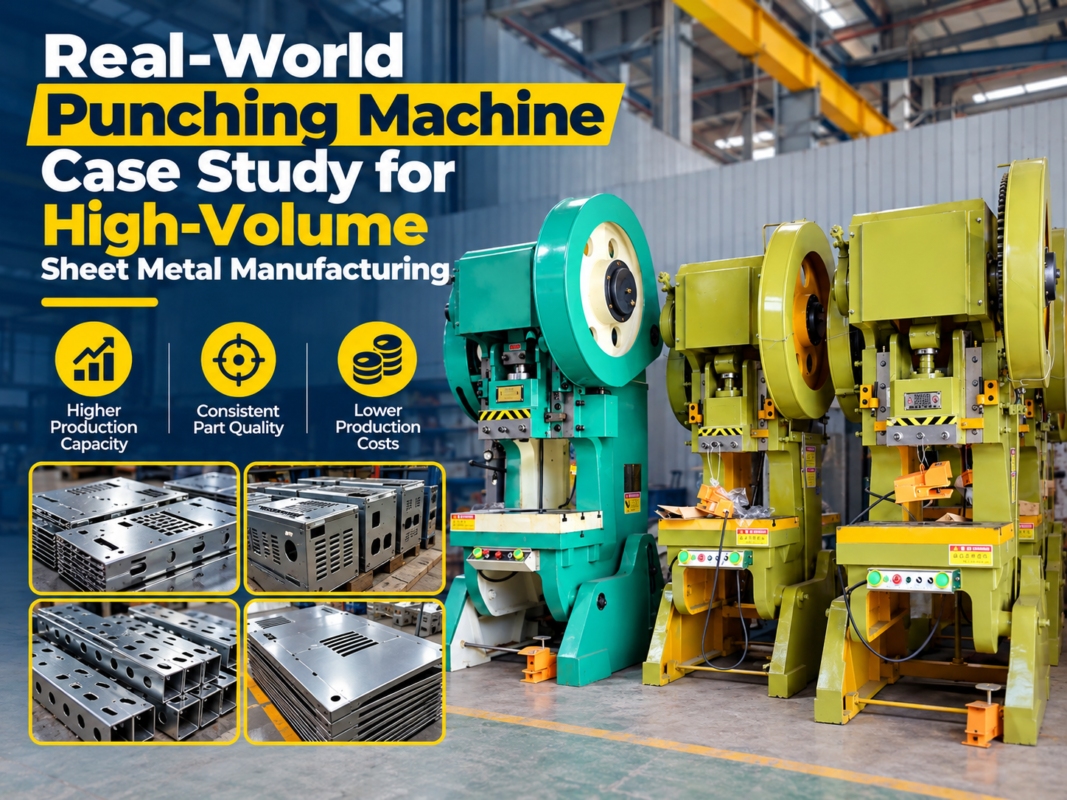
Metal punching is a process that involves a punch press pushing a tool, known as a punch, through a workpiece to create a hole via shearing. This process is not merely about making holes; it encompasses forming, extruding, and even threading in some advanced configurations. The efficiency of a punching machine lies in its speed and repeatability, making it the preferred choice for high-volume production where laser cutting might be too slow or cost-prohibitive. As industries demand tighter tolerances and faster turnaround times, the role of the punching machine has expanded into diverse sectors including automotive, aerospace, and electronics.
This comprehensive guide will delve into the technical nuances, application varieties, and selection criteria for punching machines. Whether you are a seasoned fabricator or a newcomer to the industry, understanding how to leverage this equipment can significantly impact your bottom line. We will explore how HARSLE’s engineering excellence provides the tools necessary to tackle the most demanding fabrication challenges, ensuring that every stroke of the machine contributes to a high-quality finished product.
Key Considerations for Punching Machine Applications
Before integrating a punching machine into your workflow, several critical factors must be evaluated to ensure the process is both feasible and economical. The first consideration is material compatibility. While punching is most commonly associated with mild steel and aluminum, it is also highly effective for stainless steel, copper, and brass. However, each material possesses unique mechanical properties, such as tensile strength and ductility, which dictate the required tonnage and the type of tooling needed. For instance, punching stainless steel requires significantly more force and specialized coatings on the punch to prevent galling.
Material thickness is another pivotal factor. The “rule of thumb” in punching is that the hole diameter should not be smaller than the material thickness. Attempting to punch a 2mm hole in 5mm thick steel can lead to premature tool failure or even machine damage due to the extreme lateral forces exerted on the punch. Furthermore, the clearance between the punch and the die must be meticulously calculated—typically ranging from 10% to 20% of the material thickness—to ensure a clean shear and minimize the burr height on the exit side of the hole.
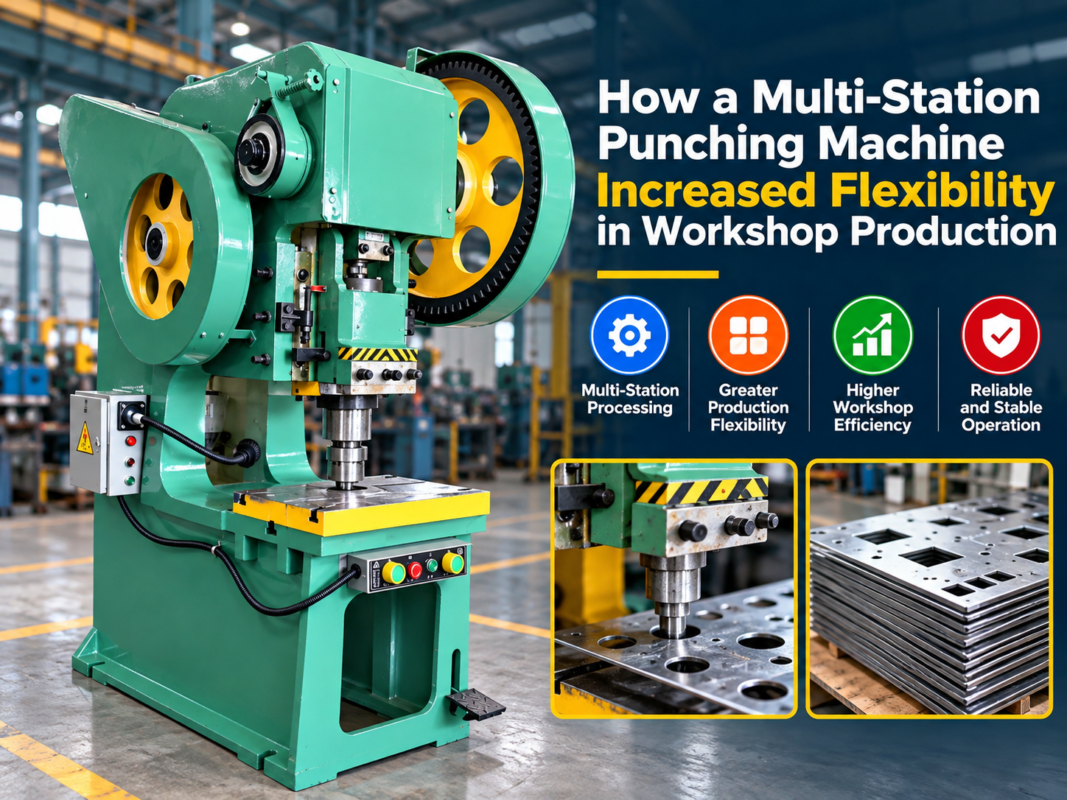
Production volume and part complexity also play a role in determining the right punching strategy. For simple, high-volume parts, a mechanical gap-frame press might be sufficient. However, for complex parts requiring multiple hole sizes, shapes, and forming operations, a CNC Turret Punch Press is indispensable. These machines can house dozens of tools in a rotating turret, allowing for rapid tool changes and the ability to create complex geometries through a process called “nibbling,” where a series of overlapping hits creates a larger or non-standard shape.
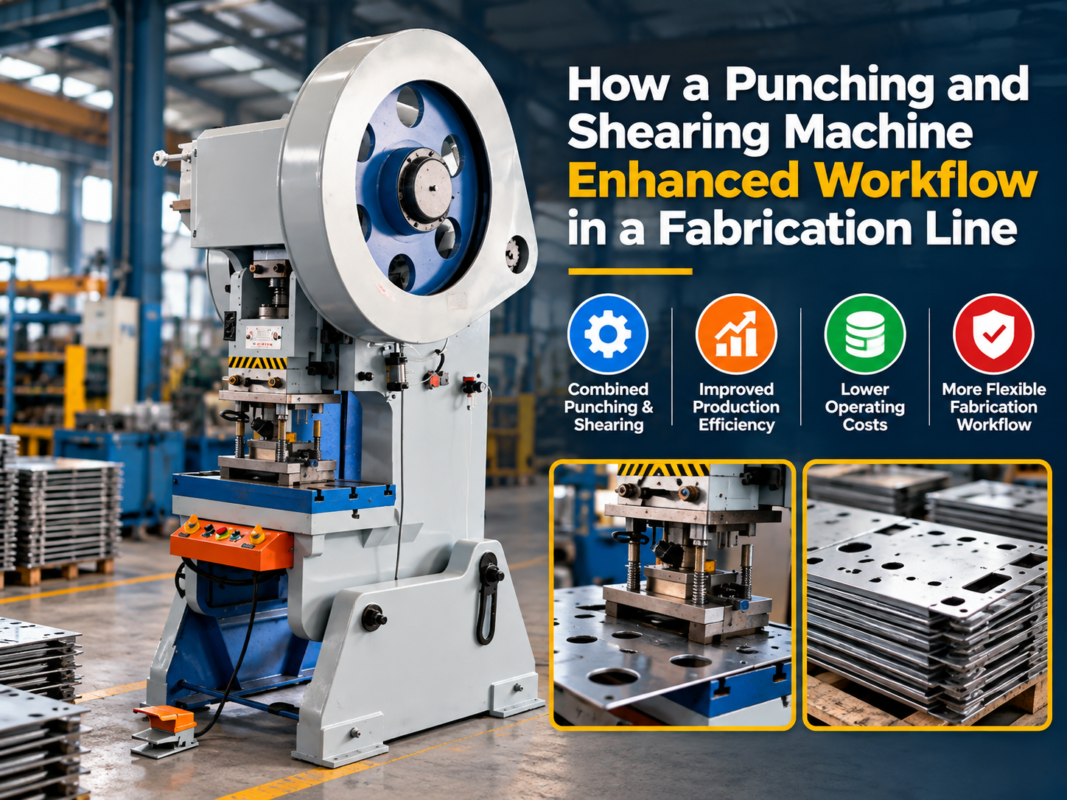
Finally, one must consider the post-processing requirements. Modern punching machines are capable of more than just cutting. They can perform countersinking, louvering, and even tapping. By consolidating these operations into a single machine cycle, fabricators can drastically reduce material handling time and eliminate the need for secondary workstations. This holistic approach to part design and production is what separates industry leaders from the competition.
Technical Details: Mechanics and Machine Types
Mechanical vs. Hydraulic Punching Systems
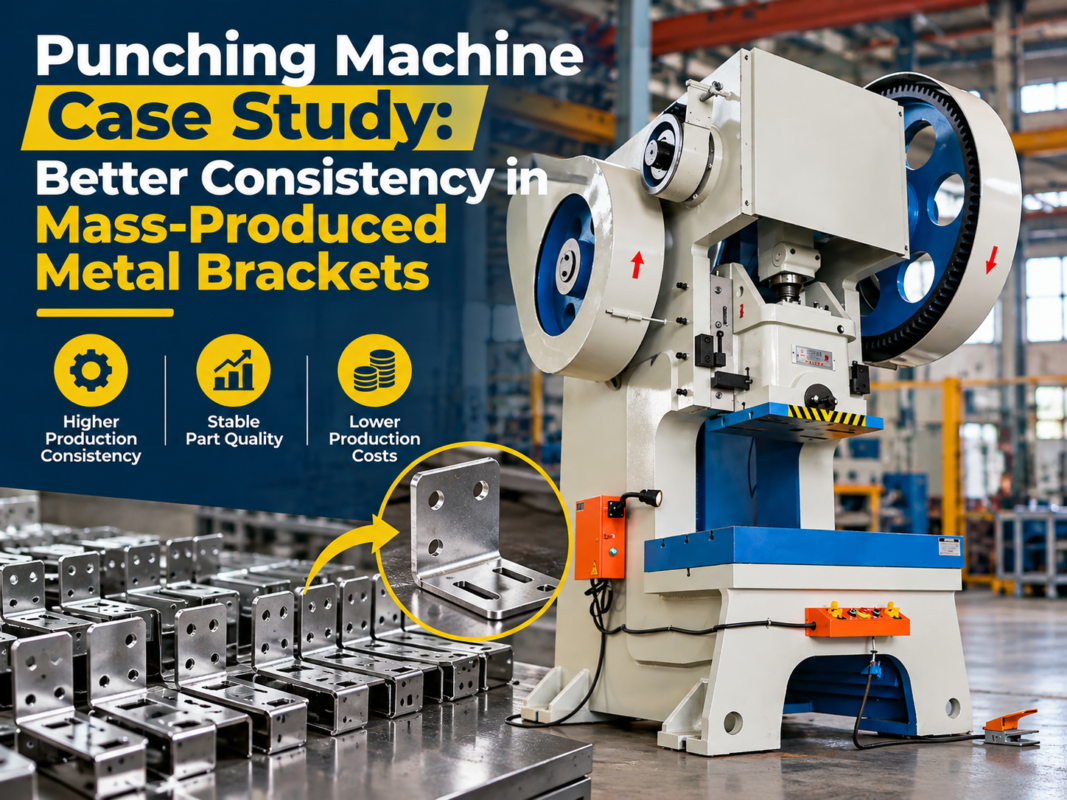
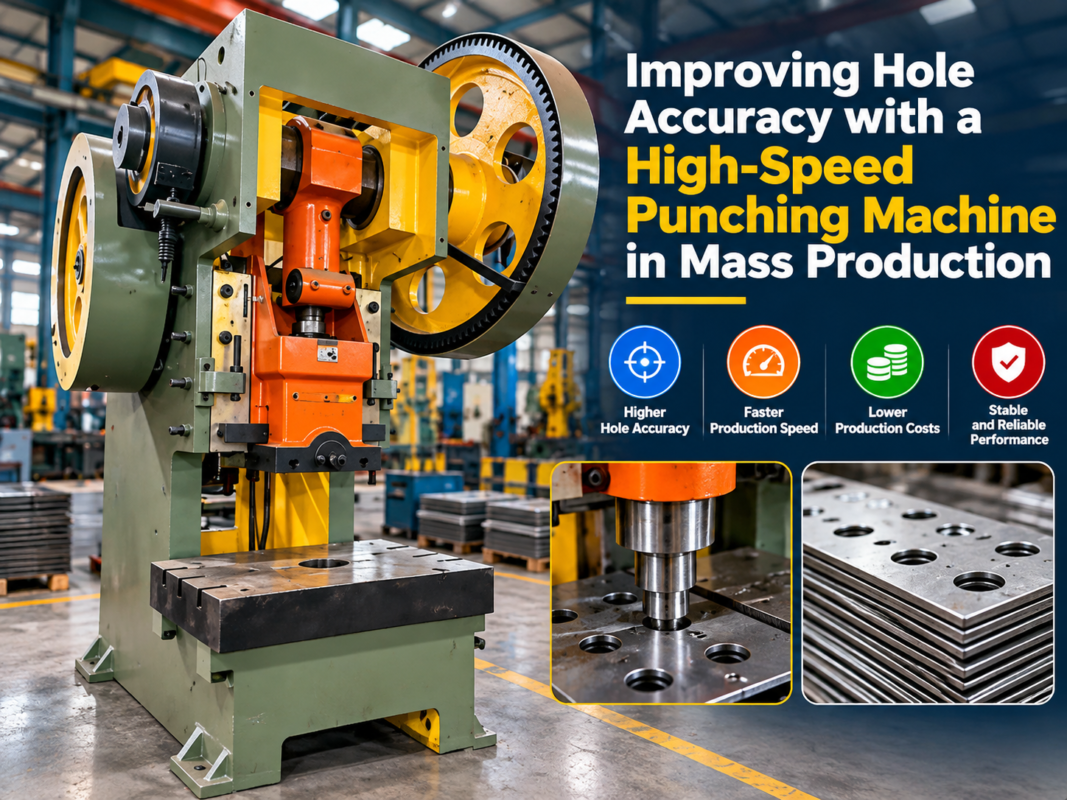
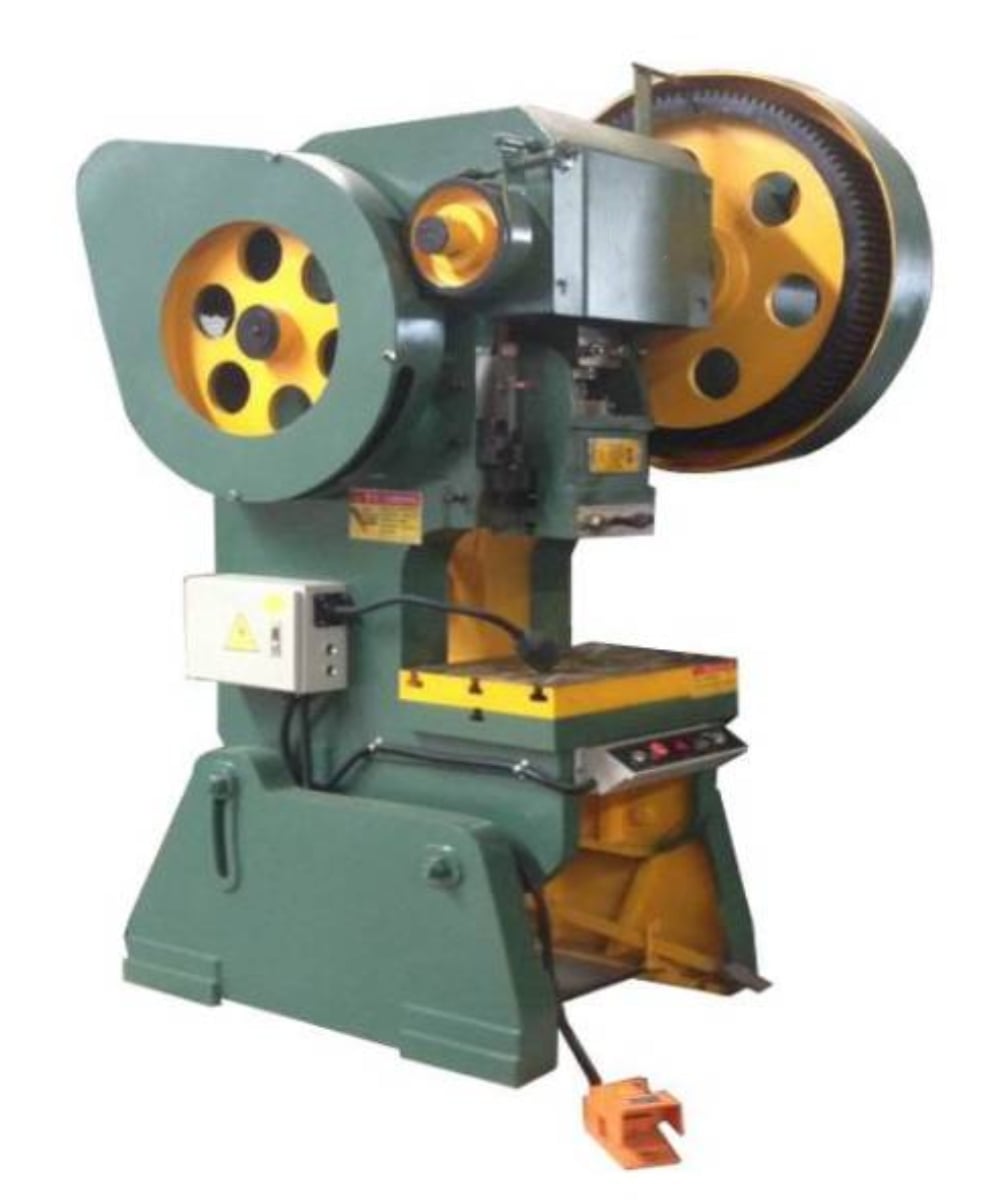
The heart of any punching machine is its drive system. Mechanical punching machines utilize a flywheel to store energy, which is then released through a clutch and crankshaft mechanism to drive the ram. These machines are known for their high speed and are ideal for long production runs of relatively simple parts. However, they offer limited control over the stroke length and speed, which can be a disadvantage when working with delicate materials or performing forming operations.
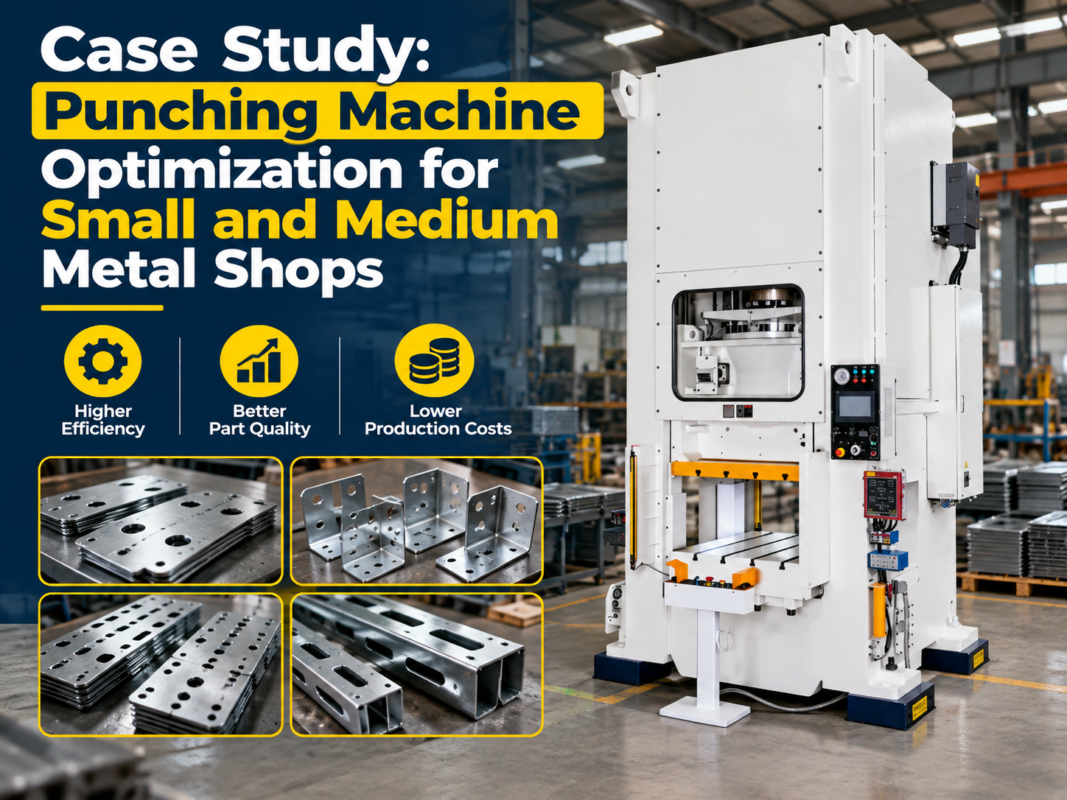
In contrast, hydraulic punching machines use fluid power to move the ram. This allows for full tonnage throughout the entire stroke and precise control over the ram’s position and velocity. Hydraulic systems are generally quieter and more versatile, making them suitable for a wider range of material thicknesses and complex forming tasks. HARSLE’s hydraulic solutions are engineered to provide the perfect balance of power and finesse, ensuring that even the most intricate designs are executed with precision.
CNC Turret Punching Technology
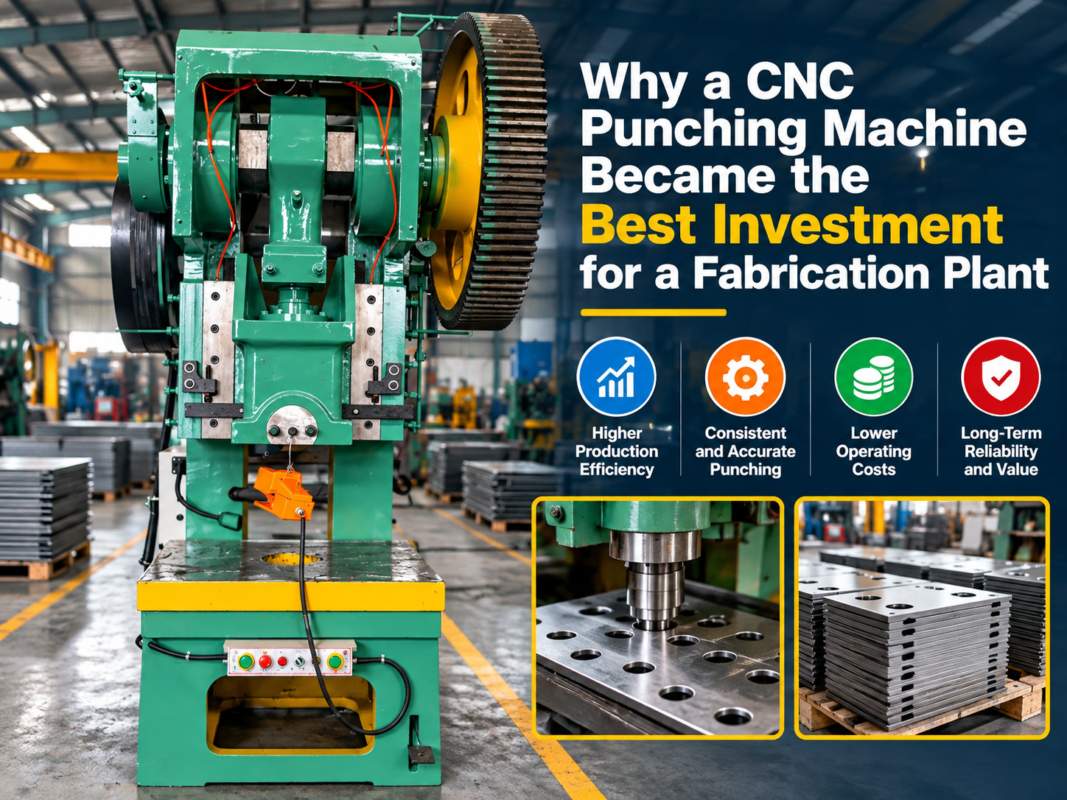
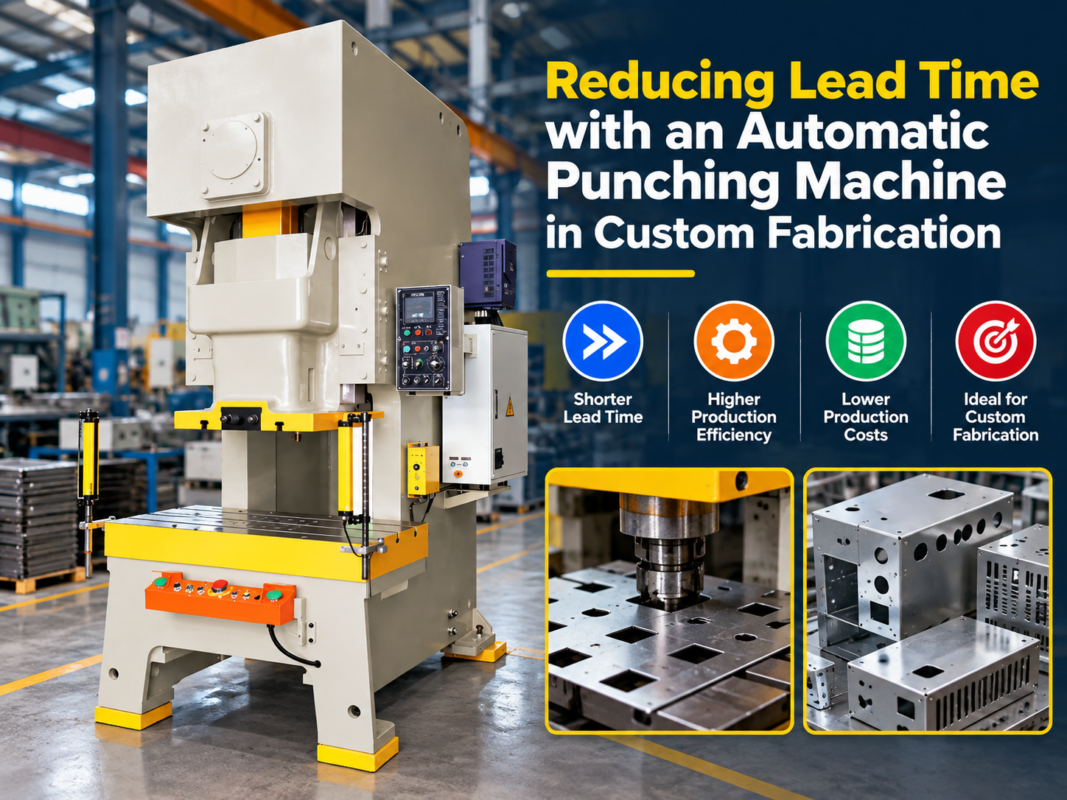
The CNC Turret Punch Press represents the pinnacle of punching versatility. The machine features a turret that holds a variety of punches and dies. Under computer control, the sheet metal is moved along the X and Y axes by a series of clamps, while the turret rotates to bring the required tool into the punching position. This allows for the creation of complex hole patterns and shapes without manual intervention. Advanced CNC systems also include “Auto-Index” stations, where the tool can be rotated to any angle, further increasing the machine’s flexibility and reducing the number of specialized tools required.
| Feature | Mechanical Punch Press | Hydraulic Punch Press | CNC Turret Punch |
|---|---|---|---|
| Drive Mechanism | Flywheel & Crankshaft | Hydraulic Cylinder | Servo-Hydraulic or Electric |
| Stroke Control | Fixed | Variable/Adjustable | Fully Programmable |
| Best For | High-speed, simple parts | Heavy-duty, thick plate | Complex, multi-tool parts |
| Tooling Capacity | Single Station | Single or Dual Station | Multi-tool Turret (20-60+) |
Tooling and Die Clearance
The quality of a punched hole is heavily dependent on the tooling. High-speed steel (HSS) and carbide are the most common materials for punches, often treated with TiN (Titanium Nitride) coatings to extend life. Die clearance is the gap between the punch and the die. If the clearance is too small, it increases the force required and causes excessive tool wear. If it is too large, it results in a large burr and a distorted hole. Proper clearance ensures that the fracture lines from the top and bottom of the material meet perfectly, resulting in a clean, straight edge.
Diverse Applications in Metal Fabrication
The versatility of punching machines allows them to serve a staggering array of industries. In the Automotive Industry, punching is used to create chassis components, seat frames, and intricate heat shields. The ability to punch and form in a single operation is particularly valuable here, as many automotive parts require louvers for airflow or embossed sections for structural rigidity. The high repeatability of CNC punching ensures that every part fits perfectly during assembly, which is critical for automated vehicle production lines.
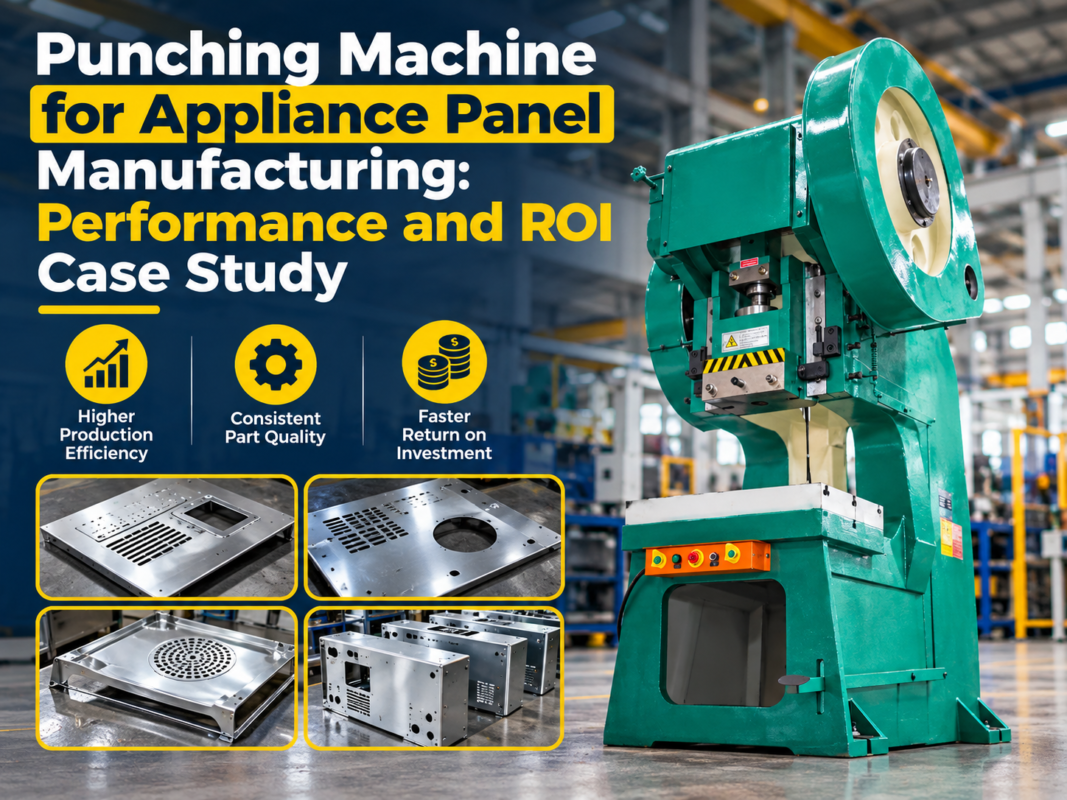
In the Electronics and Telecommunications sector, punching machines are used to manufacture server racks, computer chassis, and EMI (Electromagnetic Interference) shielding. These parts often require hundreds of small, closely spaced holes for ventilation. A CNC turret punch can execute these patterns at speeds exceeding 500 hits per minute, making it far more efficient than laser cutting for these specific geometries. Additionally, the ability to create “knockouts” for cable entry points is a standard requirement that punching machines handle with ease.
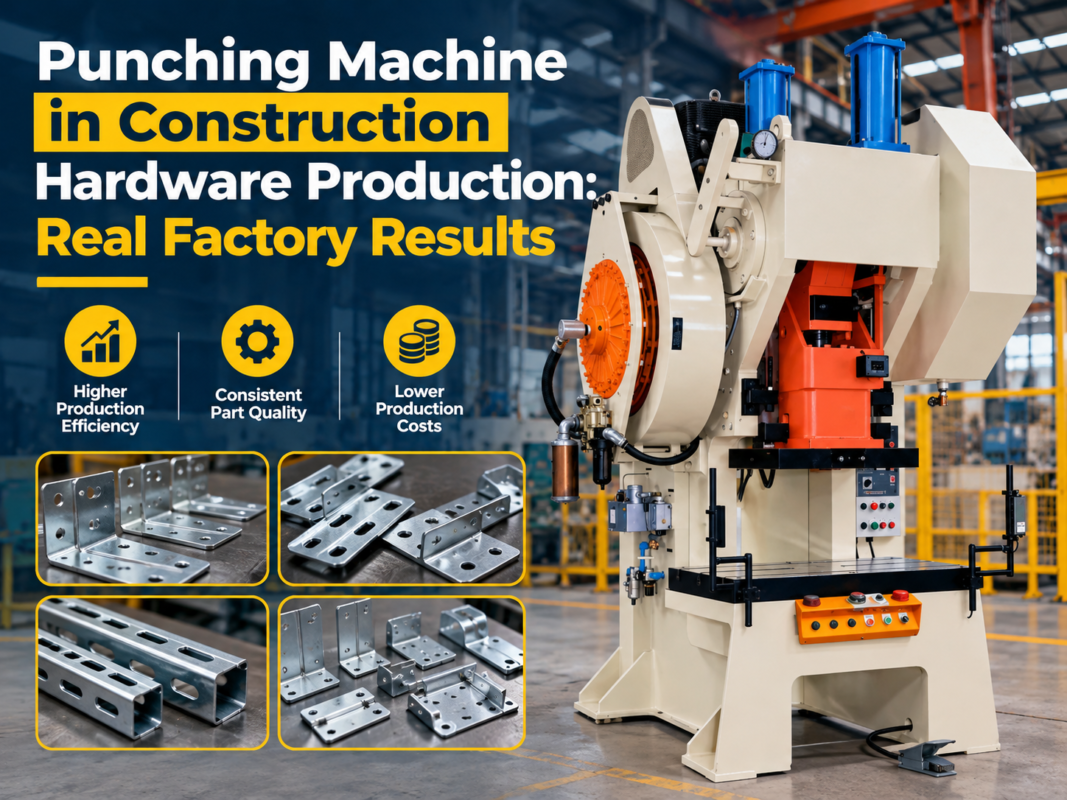
The Construction and Architectural industry utilizes punching for both structural and aesthetic purposes. Perforated metal panels are a popular choice for building facades, providing shade and ventilation while maintaining a modern aesthetic. Punching machines can create custom patterns, including logos or artistic designs, across large sheets of aluminum or stainless steel. On the structural side, punching is used to create gusset plates, joist hangers, and other connectors that require precise hole placement for bolting.
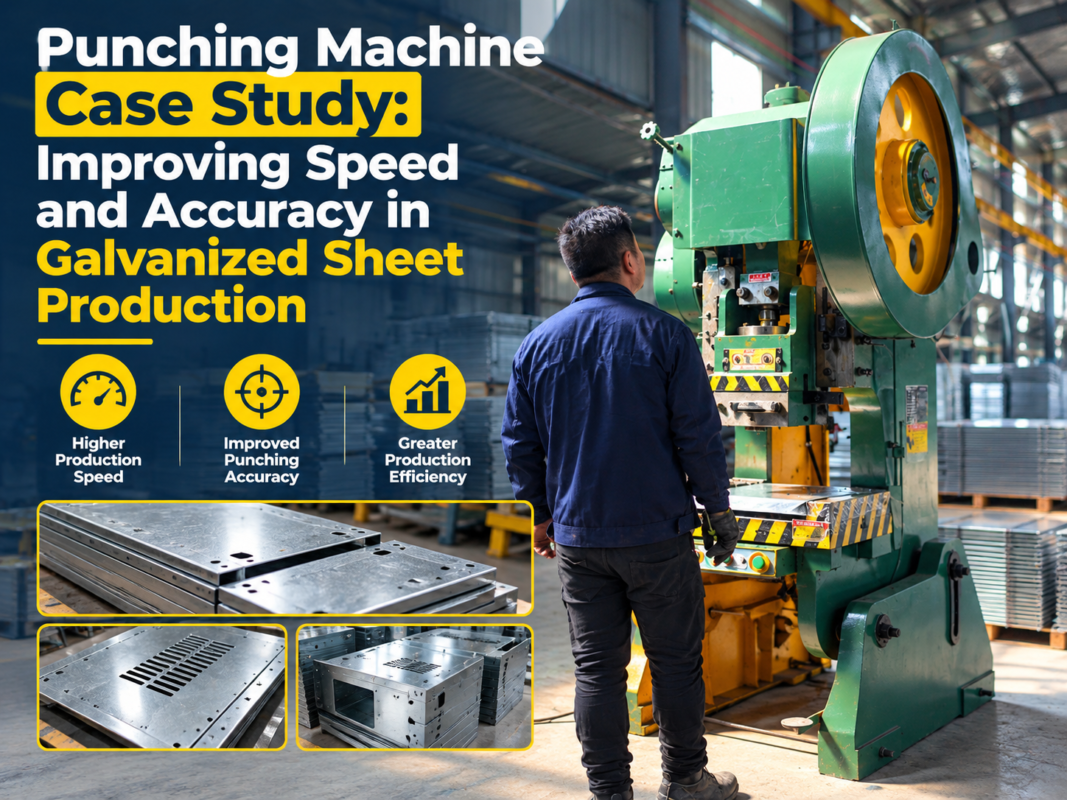
HVAC (Heating, Ventilation, and Air Conditioning) manufacturing relies heavily on punching for the production of ductwork, grilles, and furnace casings. The ability to punch galvanized steel without damaging the protective zinc coating is a major advantage. Furthermore, specialized tooling can create the “hems” and “flanges” necessary for joining duct sections, streamlining the entire fabrication process. From industrial-scale air handlers to residential vent covers, the punching machine is an indispensable tool in the HVAC shop.
Selection Advice: Choosing the Right Punching Machine
Selecting the right punching machine for your facility is a strategic decision that requires a deep dive into your current and future production needs. The first step is to perform a Tonnage Analysis. You can calculate the required force using the formula: Force (Tons) = Length of Cut × Material Thickness × Shear Strength / 2000. Always choose a machine with a capacity at least 20% higher than your maximum requirement to avoid running the machine at its limit, which can lead to premature wear and frame deflection.
Consider the Worktable Size and the weight capacity. If you frequently work with large 4’x8′ or 5’x10′ sheets, ensure the machine’s throat depth and table travel can accommodate them without excessive repositioning. Repositioning can introduce slight inaccuracies, so for high-precision work, a larger table is always preferable. Additionally, look for machines with robust clamping systems that can securely hold the material during high-speed movements.
The Control System is the brain of the machine. Modern CNC controls should be user-friendly, supporting standard G-code and offering graphical simulations of the punching process. This allows operators to catch errors before the first hit is made. Compatibility with CAD/CAM software is also vital; the ability to import a DXF file and automatically generate a tool path can save hours of manual programming time. HARSLE machines often feature intuitive interfaces that bridge the gap between complex engineering and shop-floor operation.
Finally, evaluate the Tooling Compatibility. Some machines use proprietary tooling systems, while others adhere to industry standards like the “Thick Turret” style. Standardized tooling is generally more affordable and easier to source from multiple vendors. Also, consider the ease of tool maintenance. Features like quick-change tool holders and automatic tool lubrication systems can significantly reduce downtime and extend the life of your expensive punch and die sets.
Maintenance and Safety Protocols
To ensure the longevity of your punching machine and the safety of your operators, a rigorous maintenance schedule is mandatory. Daily inspections should include checking hydraulic fluid levels, inspecting air filters, and lubricating moving parts. The turret alignment should be checked periodically; even a slight misalignment can cause the punch to hit the edge of the die, leading to catastrophic tool failure and potential damage to the turret itself.
Tool sharpening is another critical aspect of maintenance. A dull punch requires more force, creates larger burrs, and generates more heat. Investing in a dedicated tool grinder and establishing a routine for sharpening punches and dies will pay for itself in improved part quality and reduced machine strain. Always monitor the “slug” (the piece of metal removed); if the slug is not falling through the die properly, it can lead to “slug pulling,” where the waste material comes back up and damages the sheet or the tool.
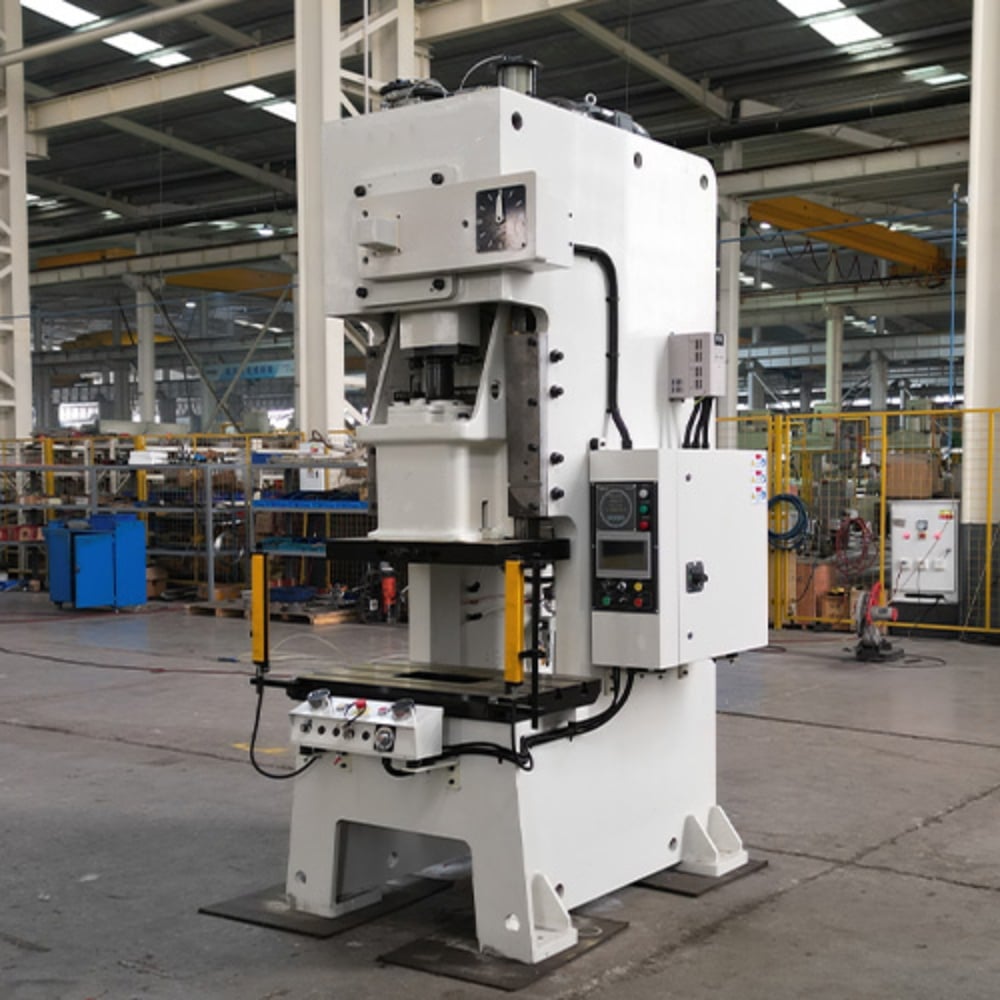
Safety is paramount in any metalworking environment. Punching machines should be equipped with light curtains or physical barriers to prevent operators from reaching into the work zone during operation. Emergency stop buttons must be easily accessible. Furthermore, operators should be trained in the proper handling of heavy metal sheets and the correct procedure for changing tools. At HARSLE, we prioritize safety features in our machine designs, ensuring that high productivity never comes at the cost of worker well-being.
Frequently Asked Questions (FAQ)
1. What is the difference between punching and laser cutting?
Punching is generally faster and more cost-effective for creating standard holes and forms (like louvers or ribs) in high volumes. Laser cutting offers more flexibility for complex, non-standard shapes and is better for very thick materials where punching tonnage would be excessive. Many modern shops use both technologies to complement each other.
2. How do I calculate the correct die clearance?
Die clearance is typically 10% to 20% of the material thickness. For thinner, softer materials like aluminum, a smaller clearance (10-12%) is used. For harder materials like stainless steel, a larger clearance (15-20%) is required to prevent tool breakage and ensure a clean shear.
3. Can a punching machine create threads?
Yes, advanced CNC punching machines can use specialized “tapping tools” to create internal threads in a punched hole. This eliminates the need for a separate tapping operation, saving time and reducing material handling.
4. What causes “slug pulling” and how can it be prevented?
Slug pulling occurs when the waste material sticks to the punch and is lifted out of the die. This can be caused by oil on the material, vacuum effects, or dull tools. It can be prevented by using “slug-hugger” dies, adding urethane strippers to the punch, or using a vacuum system to pull the slug down.
5. Is it possible to punch painted or coated metals?
Yes, but care must be taken to avoid scratching the surface. Using brushed tables (instead of ball-transfer tables) and specialized urethane-coated tools can help protect the finish of the material during the punching process.
Conclusion: The Future of Punching in Metal Fabrication
The Punching Machine Applications In Metal Fabrication: A Complete overview demonstrates that this technology remains a vital and evolving part of the manufacturing world. Despite the rise of alternative cutting methods, the unique ability of the punch press to combine cutting, forming, and finishing into a single, high-speed process ensures its continued relevance. As we move toward Industry 4.0, the integration of IoT (Internet of Things) and AI-driven predictive maintenance will further enhance the efficiency and reliability of these machines.
At HARSLE, we are committed to pushing the boundaries of what is possible in metal fabrication. Our range of punching machines is designed with the user in mind, focusing on precision, durability, and ease of operation. By choosing the right equipment and following the best practices outlined in this guide, manufacturers can achieve a competitive edge in an increasingly demanding global market. Whether you are producing simple brackets or complex architectural panels, the right punching solution is the key to unlocking your production potential.