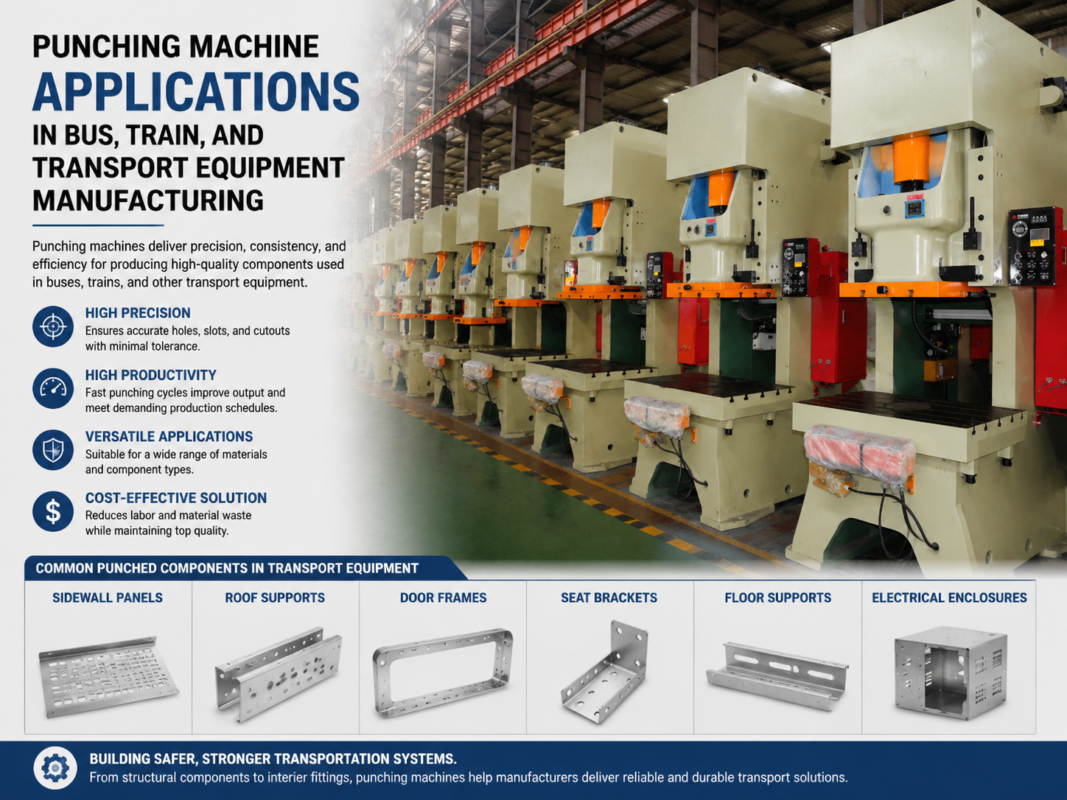
Punching Machine Applications for Fast, Accurate, and Repeatable Sheet Metal Processing


Introduction to Modern Punching Machine Applications
In the competitive landscape of modern manufacturing, the ability to produce high-quality components with speed and precision is paramount. Punching machine applications for fast, accurate, and repeatable sheet metal processing have become the backbone of industries ranging from automotive to electronics. A punching machine, at its core, is designed to create holes, indentations, or shapes in sheet metal by applying high force through a die and punch set. However, the evolution from manual mechanical presses to sophisticated CNC (Computer Numerical Control) turret punch presses has revolutionized how we approach metal fabrication.
HARSLE has been at the forefront of this evolution, providing machinery that integrates advanced hydraulics and servo-electric systems to meet the rigorous demands of the global market. The primary advantage of utilizing modern punching machines lies in their versatility. Unlike specialized machines that only perform one task, a CNC punch press can handle complex nesting, forming, and multi-tool operations in a single setup. This efficiency is what drives the ‘fast’ aspect of the processing, while the precision of the CNC controller ensures ‘accuracy’ and ‘repeatability’ across thousands of cycles.
As we delve deeper into the specific applications and technical nuances of these machines, it is important to understand that the choice of equipment directly impacts the bottom line. Whether you are producing simple brackets or intricate perforated panels for architectural use, the consistency of the punch determines the quality of the final assembly. This guide explores the critical factors that make punching machines indispensable for high-volume, high-precision sheet metal work.
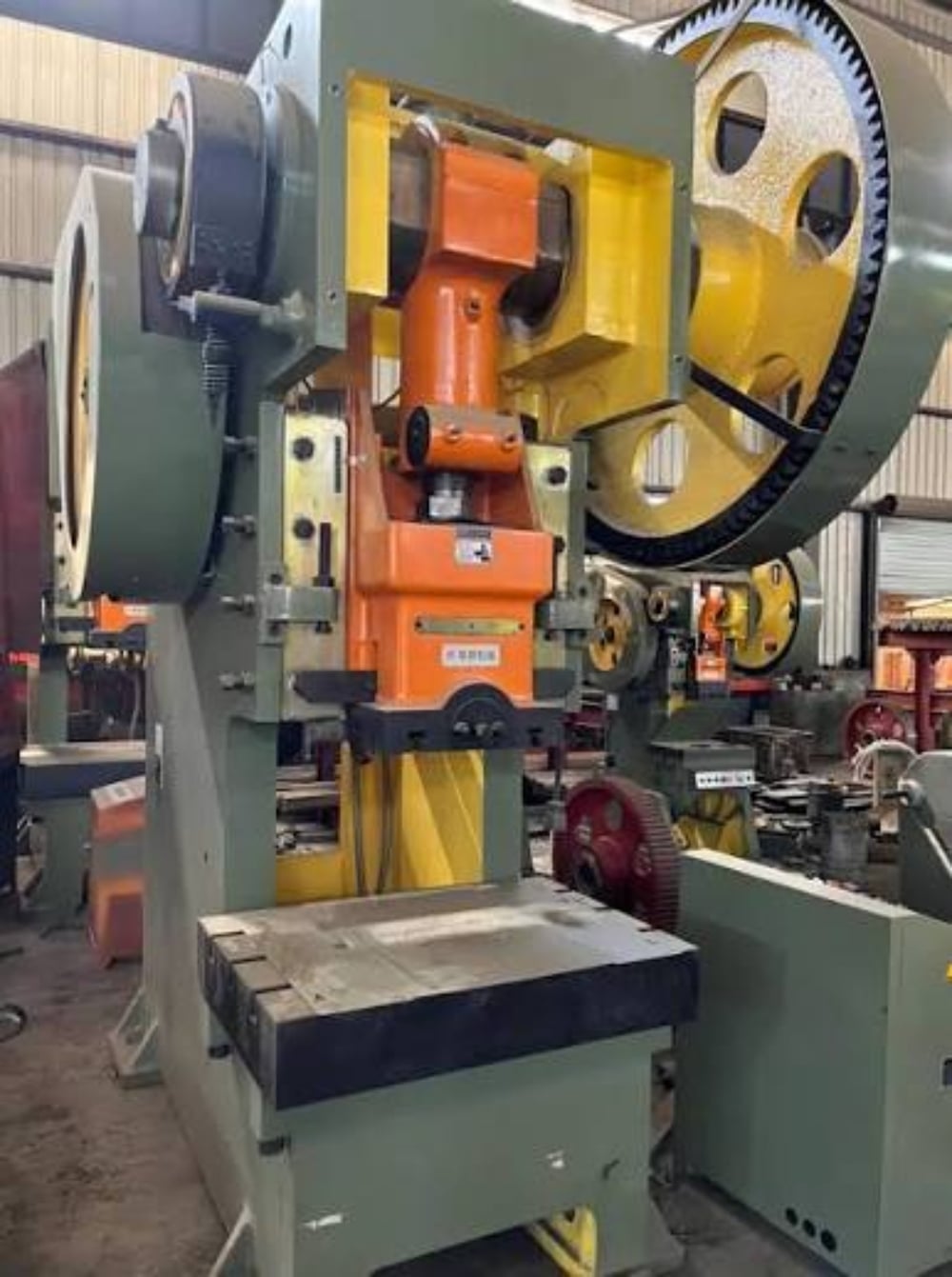
Key Considerations for Sheet Metal Punching
When implementing punching machine applications for fast, accurate, and repeatable sheet metal processing, several key considerations must be addressed to optimize performance. The first is material compatibility. Different metals—such as cold-rolled steel, aluminum, stainless steel, and copper—react differently under the pressure of a punch. For instance, aluminum is prone to galling, where material sticks to the punch, requiring specialized coatings or lubrication systems. Stainless steel, on the other hand, requires significantly higher tonnage due to its tensile strength.
Another critical factor is the geometry of the part. Modern punching is not limited to round holes. With the right tooling, machines can perform ‘nibbling’ (creating large or irregular shapes through a series of overlapping small punches), louvering, embossing, and even tapping. The complexity of the part dictates the number of tool stations required in the turret. A machine with a larger turret capacity allows for more complex parts to be finished without manual tool changes, significantly reducing downtime and increasing throughput.
Production volume also plays a decisive role in machine selection. For high-volume runs, the speed of the ram (measured in hits per minute) and the traverse speed of the worktable are the most important metrics. However, for short-run or prototype work, the ease of programming and the speed of tool setup become more valuable. HARSLE machines are designed to balance these needs, offering intuitive software interfaces that allow for rapid transition between different job files.
Finally, one must consider the ‘burr’ factor. Every punch operation creates a slight deformation at the edge of the hole. Minimizing this burr is essential for parts that require a high-quality finish or those that will be handled by end-users. Proper die clearance—the gap between the punch and the die—is the technical solution here. It must be calculated based on the material type and thickness to ensure a clean shear and a flat, repeatable result every time.
Technical Details of Punching Systems
The technical architecture of a punching machine determines its capability for fast, accurate, and repeatable sheet metal processing. There are three primary drive systems used in the industry today: Mechanical, Hydraulic, and Servo-Electric. Mechanical presses are known for their speed but lack the flexibility of stroke control. Hydraulic systems offer full tonnage throughout the stroke and are excellent for forming operations. Servo-electric systems, the newest innovation, combine the speed of mechanical presses with the control of hydraulics, all while being significantly more energy-efficient.
Drive System Comparison
| Feature | Mechanical Drive | Hydraulic Drive | Servo-Electric Drive |
|---|---|---|---|
| Stroke Control | Limited | Full Control | Precision Control |
| Energy Efficiency | Moderate | Low | High |
| Maintenance | High (Clutch/Brake) | Moderate (Oil/Seals) | Low |
| Noise Level | High | Moderate | Low |
| Forming Capability | Poor | Excellent | Excellent |
The CNC controller is the brain of the operation. It manages the X and Y axis movement of the sheet metal while simultaneously controlling the Z-axis (the ram). Advanced controllers use closed-loop feedback systems to monitor the position of the sheet in real-time, compensating for any mechanical vibrations or thermal expansion. This is what ensures that the 1,000th hole is in the exact same relative position as the first hole, achieving the ‘repeatability’ required for industrial standards.
Tooling is another technical pillar. Turret punch presses utilize a rotating turret that holds dozens of tools. These tools are often ‘indexed,’ meaning they can rotate 360 degrees to punch at any angle. This reduces the number of specialized tools needed and allows for more creative nesting of parts on a single sheet, which minimizes material waste. High-quality tool steel, often D2 or M2 grade, is used to ensure the punch retains its edge over hundreds of thousands of hits.
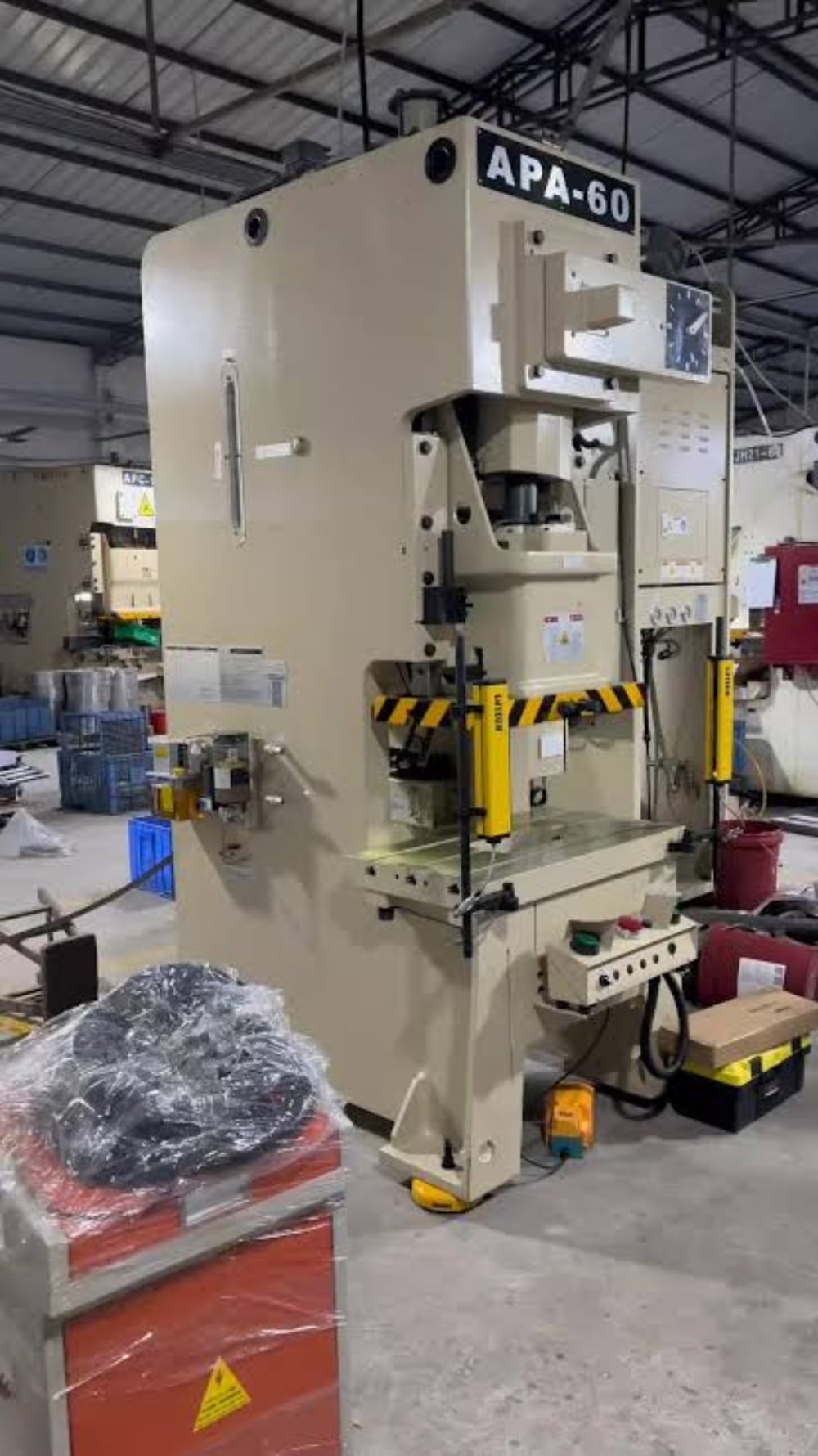
Selection Advice for Industrial Punching Machines
Choosing the right machine for your specific punching machine applications for fast, accurate, and repeatable sheet metal processing requires a strategic approach. The first step is to define your maximum sheet size and thickness. If you primarily work with 4×8 foot sheets of 10-gauge steel, you need a machine with a throat depth and tonnage (typically 20 to 30 tons) that can handle those specifications without straining the frame. Overloading a machine leads to ‘frame deflection,’ which ruins accuracy and shortens the lifespan of the tooling.
Consider the level of automation your facility can support. Entry-level machines require manual loading and unloading of sheets. However, for true high-speed processing, integrated loading systems (suction lifters) and unloading systems (part chutes or stacking robots) can allow the machine to run ‘lights-out’ or with minimal supervision. This drastically reduces the cost per part and increases the overall repeatability of the production process by removing human error from the material handling phase.
Software integration is often overlooked but is vital. Ensure the machine’s software is compatible with your existing CAD/CAM systems. The ability to import a DXF or STEP file and automatically generate a tool path with optimized nesting is a massive time-saver. HARSLE provides integrated software solutions that calculate the most efficient path for the turret and the table, ensuring the fastest possible cycle times while maintaining the structural integrity of the remaining ‘skeleton’ of the sheet.
Finally, evaluate the after-sales support and availability of consumables. Punching machines are workhorses, but they require regular maintenance. Choosing a manufacturer like HARSLE ensures that you have access to technical support, spare parts, and expert advice on tooling selection. A machine is only as good as its uptime, so a robust support network is a critical component of your investment strategy.
Frequently Asked Questions (FAQ)
1. What is the difference between a CNC punch press and a laser cutting machine?
While both machines cut sheet metal, a CNC punch press is significantly faster for creating repetitive holes and can perform forming operations like louvers, ribs, and tabs, which a laser cannot. Laser cutting is better for very complex, irregular contours in thicker materials where tooling costs for a punch would be prohibitive. For high-volume production of parts with many holes, the punch press is usually more cost-effective.
2. How often should I sharpen my punching tools?
Tooling life depends on the material being punched. As a general rule, tools should be inspected every 50,000 to 100,000 hits. Sharpening the punch and die regularly (removing only 0.1mm to 0.2mm) is much better than waiting for the tool to become dull, which causes excessive burrs and puts unnecessary stress on the machine’s ram and motor.
3. Can a punching machine handle stainless steel?
Yes, but it requires careful consideration. Stainless steel is harder and work-hardens quickly. You must use a machine with sufficient tonnage and high-quality, coated tooling. Additionally, the die clearance must be increased (typically 20-25% of material thickness) compared to mild steel (15-20%) to prevent the material from ‘hugging’ the punch.
4. What is ‘nibbling’ in sheet metal punching?
Nibbling is a process where the machine uses a standard round or square punch to create a larger opening or a contoured edge by taking many small, overlapping bites. This allows a punching machine to create shapes that are larger than any single tool in its turret, though it leaves a slightly scalloped edge that may require secondary finishing depending on the application.
5. How does a servo-electric punch press save money?
Servo-electric machines only consume significant power during the actual punch stroke, unlike hydraulic systems where the pump runs continuously. Furthermore, they eliminate the need for hydraulic oil changes, cooling systems, and seal replacements, leading to lower utility bills and reduced maintenance costs over the machine’s lifecycle.
Conclusion: The Future of Sheet Metal Processing
The integration of punching machine applications for fast, accurate, and repeatable sheet metal processing is a transformative step for any fabrication shop. By understanding the technical requirements of the material, the capabilities of different drive systems, and the importance of precision CNC control, manufacturers can achieve levels of productivity that were previously impossible. The speed of modern turrets, combined with the accuracy of servo-driven axes, ensures that even the most complex parts are produced with minimal waste and maximum consistency.
As the industry moves toward Industry 4.0, the role of the punching machine continues to expand. With better data integration, remote monitoring, and increasingly efficient energy usage, these machines remain a cornerstone of the metalworking world. HARSLE remains committed to pushing the boundaries of what is possible, providing our clients with the tools they need to succeed in an ever-changing global market. Investing in a high-quality punching system is not just about buying a machine; it is about securing the future of your production capabilities.
Whether you are looking to upgrade an existing line or establish a new facility, focusing on the core principles of speed, accuracy, and repeatability will guide you to the right solution. With the right equipment and a clear understanding of the applications, your sheet metal processing can reach new heights of efficiency and quality, ensuring a competitive edge for years to come.