Best Hydraulic Press Buying Guide for Manufacturers: What to Check Before You Buy


Introduction to Hydraulic Press Procurement
In the competitive landscape of modern metal fabrication, selecting the right machinery is not just a purchase; it is a strategic investment that dictates your production capacity for decades. For manufacturers looking for the best hydraulic press buying manufacturers check before you buy, the process involves more than just comparing price tags. A hydraulic press is the backbone of operations ranging from deep drawing and stamping to forging and assembly. Understanding the nuances of hydraulic force, frame rigidity, and control precision is essential for any facility manager or business owner.
HARSLE has long been at the forefront of providing high-quality industrial solutions, and this guide is designed to navigate the complexities of the hydraulic press market. Whether you are a small workshop or a large-scale industrial plant, the criteria for selection remain consistent: reliability, efficiency, and adaptability. This article will break down every critical factor you need to consider to ensure your next hydraulic press delivers the maximum return on investment (ROI) while meeting your specific production requirements.
Price Range Overview: Understanding the Market
The price of a hydraulic press can vary significantly based on tonnage, frame type, and technological integration. Generally, the market is divided into three main tiers. Entry-level presses, often benchtop or small C-frame models ranging from 5 to 50 tons, typically cost between $5,000 and $20,000. These are ideal for light assembly, laboratory testing, or small-scale jewelry and electronics manufacturing. While they lack the speed of larger units, their footprint and ease of use make them indispensable for specific niches.
Mid-range presses, which are the workhorses of the automotive and appliance industries, usually fall between 100 and 500 tons. These machines can cost anywhere from $30,000 to $150,000. At this level, you begin to see advanced PLC (Programmable Logic Controller) systems, faster cycle times, and enhanced safety features. These machines are designed for multi-shift operations and require robust construction to maintain precision under heavy loads over long periods.
High-end, heavy-duty hydraulic presses exceeding 1,000 tons or those featuring custom configurations for deep drawing and aerospace applications can exceed $500,000. These units often incorporate servo-hydraulic technology, specialized cooling systems, and automated material handling interfaces. When evaluating the best hydraulic press buying manufacturers check before you buy, it is vital to align your budget not just with the initial purchase price, but with the machine’s ability to handle your projected growth and complexity of work.
Main Cost Drivers in Hydraulic Press Manufacturing
Several technical factors dictate the final cost of a hydraulic press. The most obvious is Tonnage. The amount of force required to deform a material is the primary engineering constraint. Higher tonnage requires thicker steel plates for the frame, larger hydraulic cylinders, and more powerful pump motors. Manufacturers must accurately calculate their required force; buying a press with too much tonnage is a waste of capital, while too little will lead to machine fatigue and poor part quality.
Stroke and Daylight are the next major drivers. The stroke is the distance the ram travels, while daylight is the vertical opening between the bolster plate and the ram in its retracted position. Larger dimensions require longer cylinders and taller frames, which increases material costs and shipping complexities. If your application involves deep-drawn parts or large molds, you will need to invest in a machine with significant daylight and stroke, which naturally pushes the price upward.
The Control System is where modern presses differentiate themselves. A basic manual valve system is inexpensive but lacks repeatability and safety. Moving up to a PLC-controlled system with a touchscreen HMI (Human Machine Interface) allows for precise control over pressure, speed, and position. Advanced systems from brands like Siemens or Schneider Electric add to the cost but provide critical data logging and diagnostic capabilities that reduce downtime and improve quality control.
Finally, Speed and Cycle Time significantly impact the price. Standard hydraulic presses are relatively slow compared to mechanical presses. However, by using high-flow pumps, accumulators, or servo-motor driven pumps, manufacturers can achieve much higher approach and pressing speeds. These components are expensive but are necessary for high-volume production environments where every second saved per cycle translates into thousands of dollars in annual revenue.
Configuration Impact: Choosing the Right Frame and Hydraulics
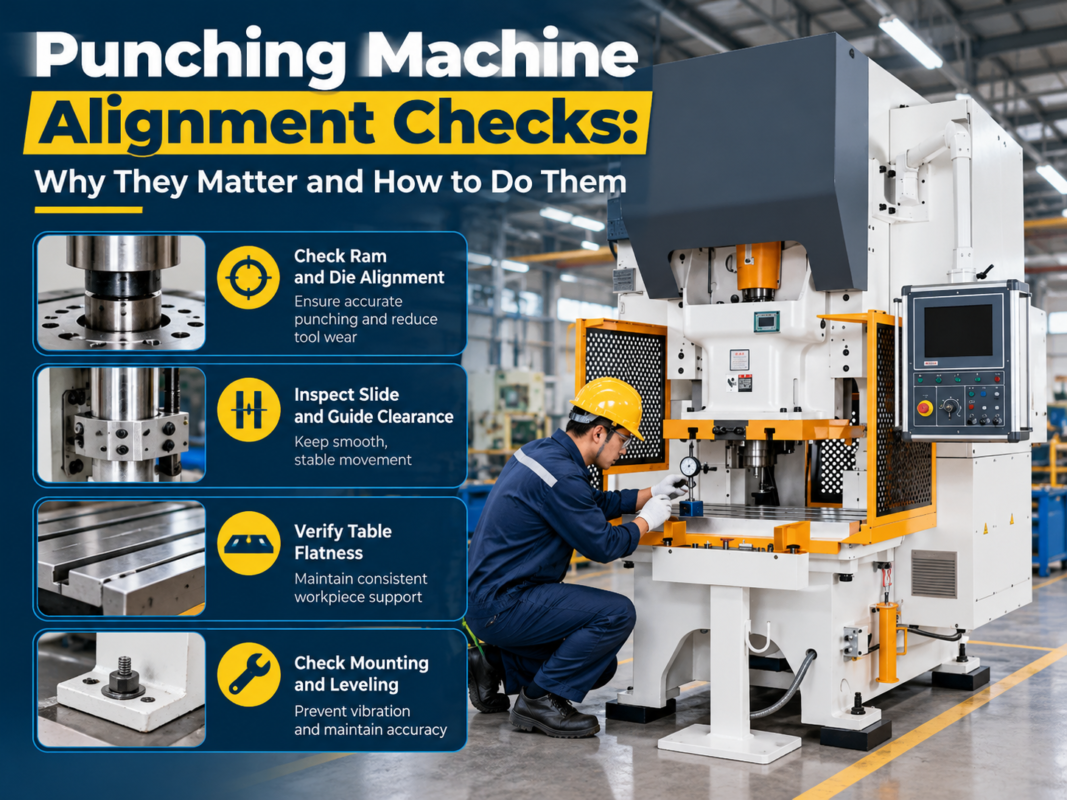
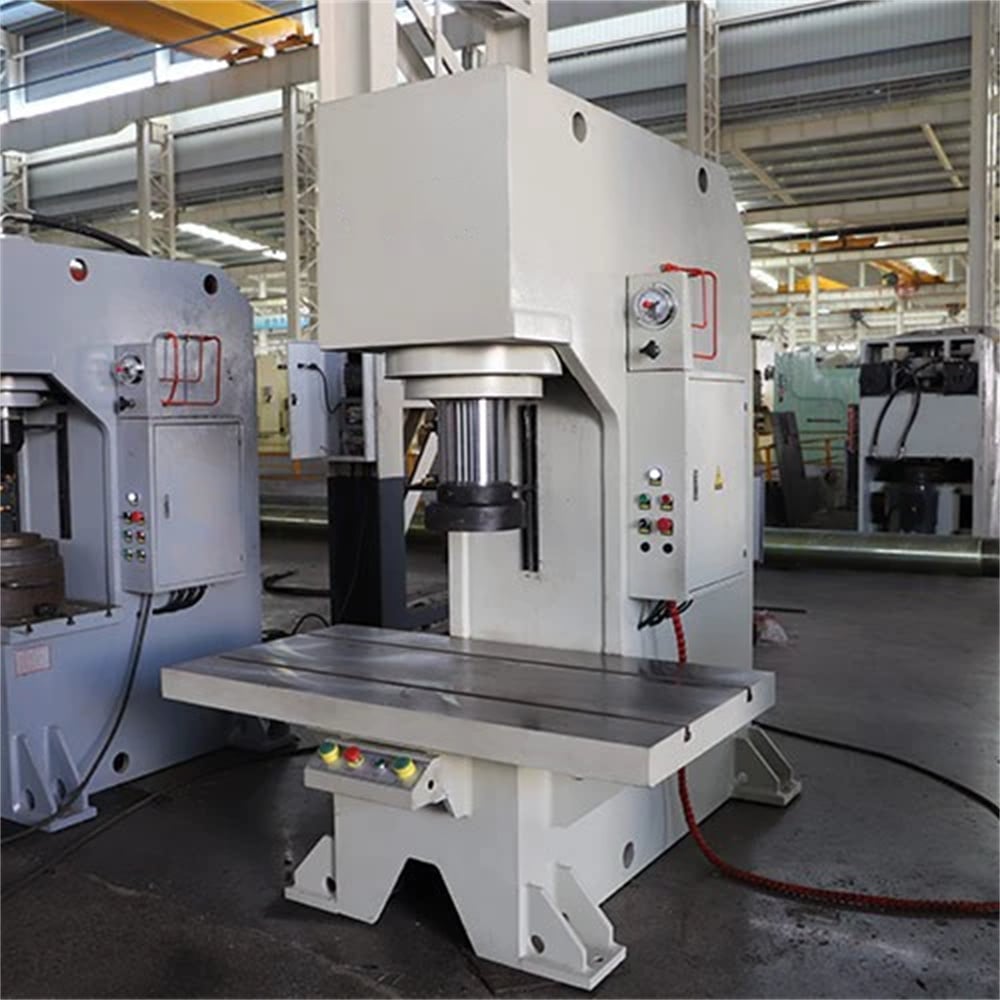
The physical structure of the press, or its frame, determines its rigidity and the types of jobs it can handle. The C-Frame (or Gap Frame) press is popular for its three-sided access, making it easy for operators to load and unload parts. However, C-frames are prone to “yaw” or deflection under high pressure, which can affect die alignment. They are best suited for lighter tonnage applications where accessibility is more critical than extreme precision.
The H-Frame (or 4-Column) press offers superior rigidity. By distributing the load across four points or a closed box frame, these machines minimize deflection. This is essential for high-precision stamping and molding where die life is a concern. The 4-column design also allows for even pressure distribution across large die areas, making it the preferred choice for manufacturers dealing with complex geometries or heavy-gauge materials.
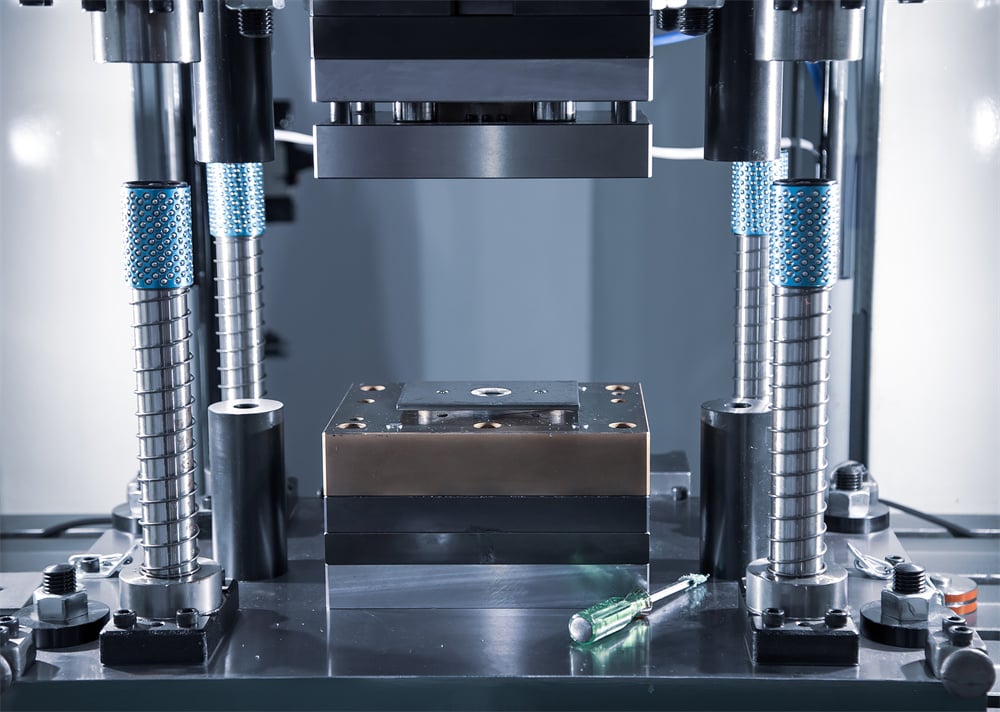
Hydraulic configuration also plays a role. Traditional systems use a constant-speed motor to drive a pump, with valves regulating flow. Modern Servo-Hydraulic systems use a servo motor to drive the pump only when needed. This configuration can reduce energy consumption by up to 70%, reduce noise, and provide unparalleled control over the pressing cycle. While the initial investment is higher, the long-term energy savings and precision often make it the “best” choice for modern manufacturers.
Hidden Costs of Hydraulic Press Ownership
When manufacturers search for the best hydraulic press buying manufacturers check before you buy, they often overlook the costs that occur after the machine arrives. Shipping and Rigging are significant; these machines are incredibly heavy and often require specialized flatbed transport and heavy-duty cranes for installation. Depending on your location and the size of the press, this can add $5,000 to $50,000 to your project budget.
Foundation Requirements are another critical factor. A 500-ton press cannot simply sit on a standard factory floor. It often requires a reinforced concrete pit or pad to handle the vibration and concentrated weight. Failure to prepare the site correctly can lead to the floor cracking or the machine falling out of alignment, which voids warranties and ruins precision. Always consult the manufacturer’s foundation drawings before the machine arrives.
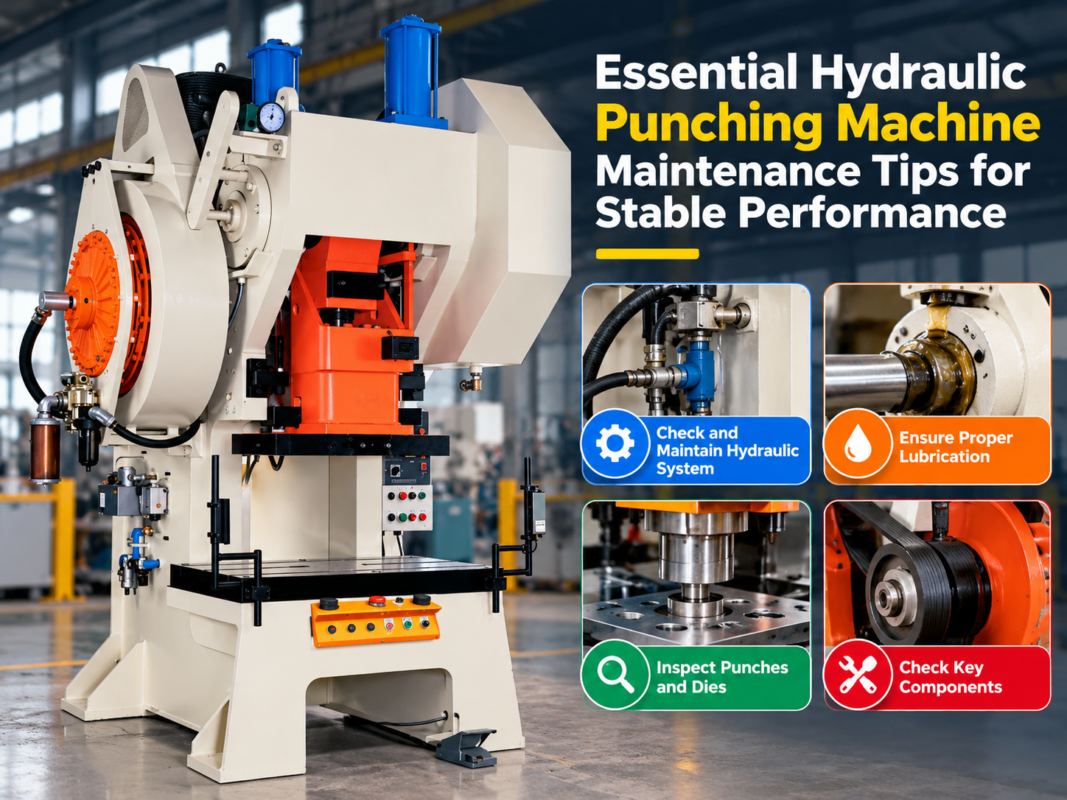
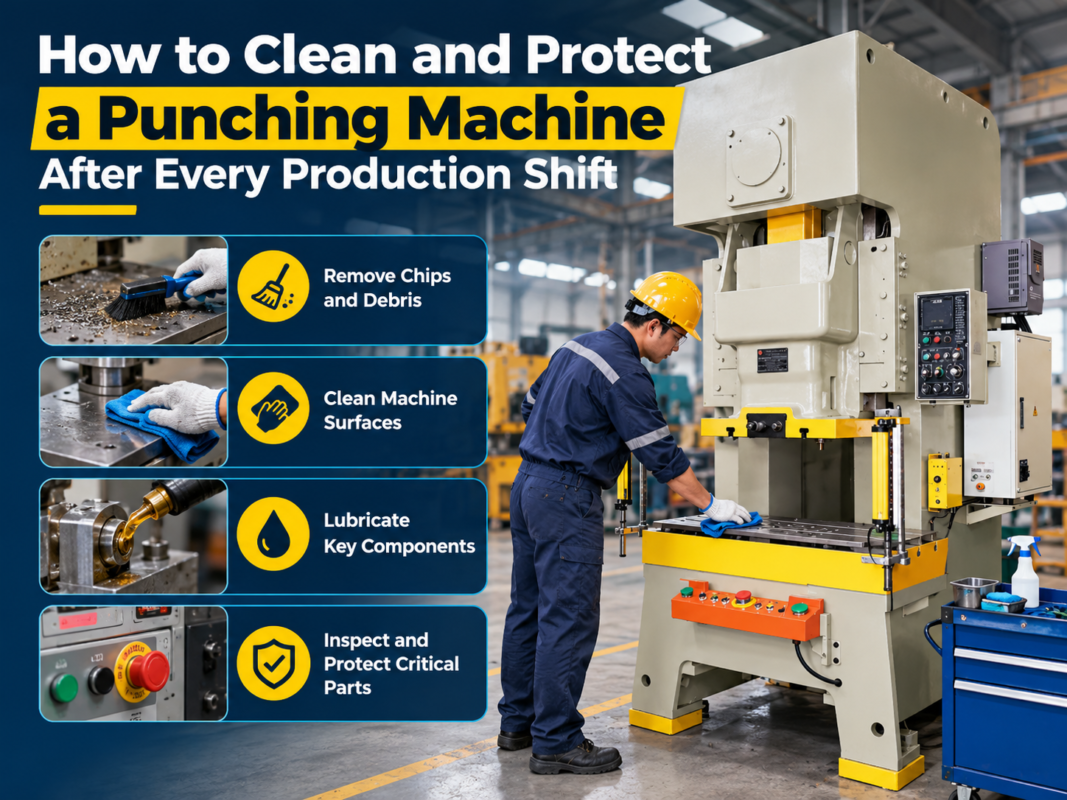
Tooling and Maintenance are ongoing expenses. A hydraulic press is only as good as the dies it uses. High-quality tooling can cost as much as the press itself. Furthermore, hydraulic systems require regular oil changes, filter replacements, and seal inspections. Using low-quality hydraulic oil or neglecting leaks will lead to pump failure, which is one of the most expensive repairs in a fabrication shop. Factor in the cost of a preventative maintenance contract or internal training for your maintenance team.
ROI Calculation: Is the Investment Worth It?
Calculating the Return on Investment (ROI) for a hydraulic press involves more than just looking at production output. You must consider Scrap Reduction. A modern press with precise PLC controls and pressure monitoring will produce fewer defective parts than an aging, manual machine. If you reduce your scrap rate from 5% to 1%, the savings in raw materials alone can pay for the machine over several years.
Labor Savings are also a major factor. Automated features, such as light curtains that allow for faster loading/unloading and programmable cycles that reduce operator intervention, allow one operator to manage multiple machines or perform secondary tasks. Additionally, the versatility of a hydraulic press—being able to perform multiple types of operations (forming, punching, assembly) on one machine—reduces the need for multiple specialized machines, saving floor space and capital.
To calculate ROI, use the formula: (Annual Savings + Annual Increased Profit) / Total Investment Cost. If the result shows a payback period of less than 3 years, the investment is generally considered excellent in the industrial sector. Remember to include the machine’s resale value; high-quality brands like HARSLE retain their value well on the secondary market, providing a safety net for your investment.
Buying Advice: What to Check Before You Buy
Before finalizing your purchase, there is a checklist every manufacturer should follow. First, Verify the Manufacturer’s Reputation. Look for companies with a proven track record, global presence, and accessible customer reviews. A manufacturer that provides detailed technical documentation and video demonstrations is usually more reliable than one that only provides a basic spec sheet.
Second, Check Component Brands. A hydraulic press is an assembly of various parts. Ensure the valves, pumps, and electrical components are from reputable, globally recognized brands. This ensures that if a part fails five years from now, you can source a replacement locally rather than waiting weeks for an overseas shipment of a proprietary part. Common high-quality brands include Rexroth, Vickers, and Parker for hydraulics, and ABB or Siemens for electronics.
Third, Request a Test Run. If possible, send your material and dies to the manufacturer for a test pressing. This confirms the machine can handle your specific application and allows you to inspect the quality of the finished part. If a physical visit isn’t possible, request a live video demonstration of the machine operating under load. Pay attention to the noise level, the smoothness of the ram movement, and the responsiveness of the control system.
Finally, Review the Warranty and Support. What does the warranty cover? Is it just parts, or does it include labor? Does the manufacturer offer remote diagnostic support via the internet? In today’s connected world, the ability for a technician to log into your machine’s PLC from across the globe to troubleshoot a software glitch can save you days of downtime. This level of support is a hallmark of the best hydraulic press buying manufacturers check before you buy.
Frequently Asked Questions (FAQ)
1. What is the difference between a hydraulic press and a mechanical press?
A hydraulic press uses fluid pressure to generate force, providing full tonnage throughout the entire stroke. This makes it ideal for deep drawing and forming. A mechanical press uses a flywheel and crank, delivering maximum force only at the bottom of the stroke, making it faster and better for high-volume, shallow stamping.
2. How often should I change the hydraulic oil?
Generally, hydraulic oil should be changed every 2,000 to 4,000 hours of operation, or at least once a year. However, you should perform regular oil analysis to check for contamination, oxidation, and viscosity breakdown. Keeping the oil clean is the single most important factor in extending the life of your pumps and valves.
3. Can a hydraulic press be automated?
Yes, modern hydraulic presses are easily integrated into automated production lines. They can be equipped with robotic arms for loading and unloading, conveyor systems, and sensors that communicate with a central factory management system (Industry 4.0). This is a key consideration for manufacturers looking to scale production.
4. What safety features are mandatory?
At a minimum, a hydraulic press should have dual palm button controls (requiring both hands to be away from the work area), emergency stop buttons, and safety interlocks on all access doors. Most modern manufacturers also include light curtains, which automatically stop the machine if an object enters the pressing zone during operation.
5. How do I choose the right tonnage?
Tonnage is calculated based on the material type, thickness, and the perimeter of the cut or the surface area of the form. It is standard practice to add a 20-30% safety margin to your calculated tonnage to ensure the machine isn’t constantly running at its absolute limit, which extends the life of the frame and hydraulics.
6. Why is frame rigidity so important?
Frame rigidity ensures that the upper and lower dies remain perfectly aligned during the pressing cycle. If the frame flexes (deflection), the dies will meet at an angle, leading to uneven part thickness, premature tool wear, and potential damage to the press’s guiding system.