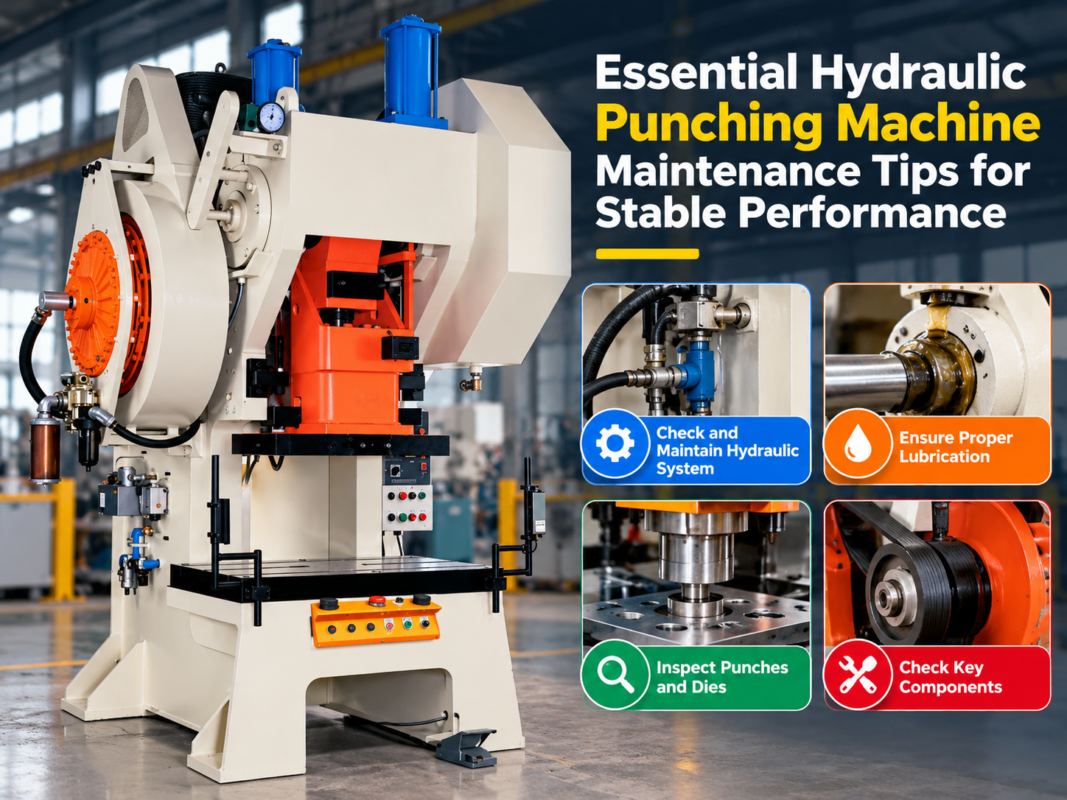
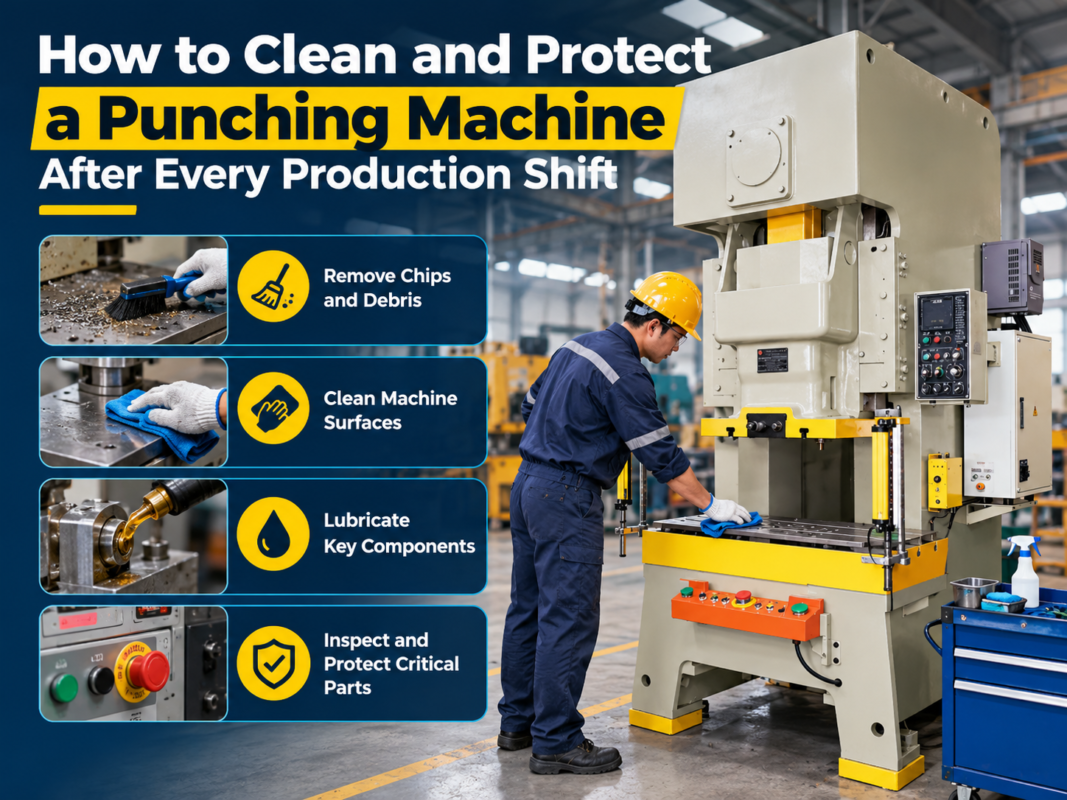
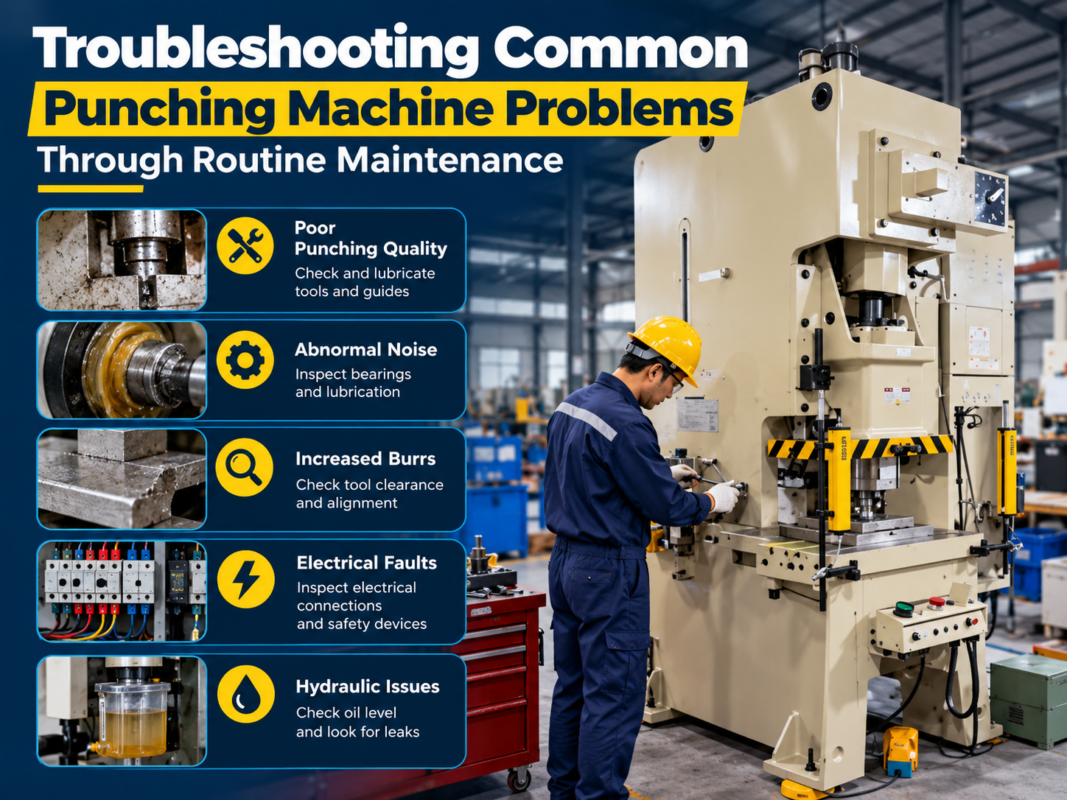
Choosing the Right Hydraulic Press for Your Production Line: A Buyer’s Guide


Introduction to Hydraulic Press Selection
In the competitive landscape of modern manufacturing, the efficiency of your production line often hinges on the quality and suitability of your heavy machinery. For metal fabrication, the hydraulic press remains a cornerstone of operations, offering unmatched versatility in forming, punching, deep drawing, and assembly. However, the process of choosing hydraulic press production line: a buyer’s journey is fraught with technical complexities and significant financial implications. Selecting a machine that is underpowered leads to production bottlenecks and premature wear, while over-specifying can result in unnecessary capital expenditure and high operational costs.
HARSLE understands that every production environment is unique. Whether you are a small workshop looking for a versatile C-frame press or a large-scale automotive supplier requiring a high-tonnage H-frame system, the decision-making process must be data-driven. This guide is designed to walk you through the critical factors of procurement, from initial price estimations to long-term ROI calculations, ensuring your investment drives growth and operational excellence.
Price Range Overview: What to Expect
The cost of a hydraulic press varies significantly based on its capacity, frame design, and level of automation. Understanding the market price tiers is the first step in budgeting for your production line. Generally, hydraulic presses are categorized into three main price brackets: entry-level, mid-range, and high-end industrial systems.
Entry-level machines, typically C-frame or small four-column presses with capacities between 10 and 100 tons, usually range from $5,000 to $25,000. These are ideal for simple punching, bending, or assembly tasks where high-speed cycling is not a primary requirement. They often feature manual or basic PLC controls and are suitable for smaller batches or prototype development.
Mid-range hydraulic presses, which include standard H-frame models and more advanced four-column designs with 100 to 500 tons of pressure, typically cost between $30,000 and $150,000. These machines are the workhorses of the metal fabrication industry, offering better rigidity, faster approach speeds, and more sophisticated control systems. They are often integrated into semi-automated production lines where consistency and durability are paramount.
High-end industrial systems, often exceeding 1,000 tons of capacity or featuring specialized servo-hydraulic technology, can cost anywhere from $200,000 to over $1 million. These systems are custom-engineered for specific applications like deep drawing of large automotive panels or high-precision aerospace components. They feature advanced data logging, remote diagnostics, and full integration capabilities with Industry 4.0 standards.
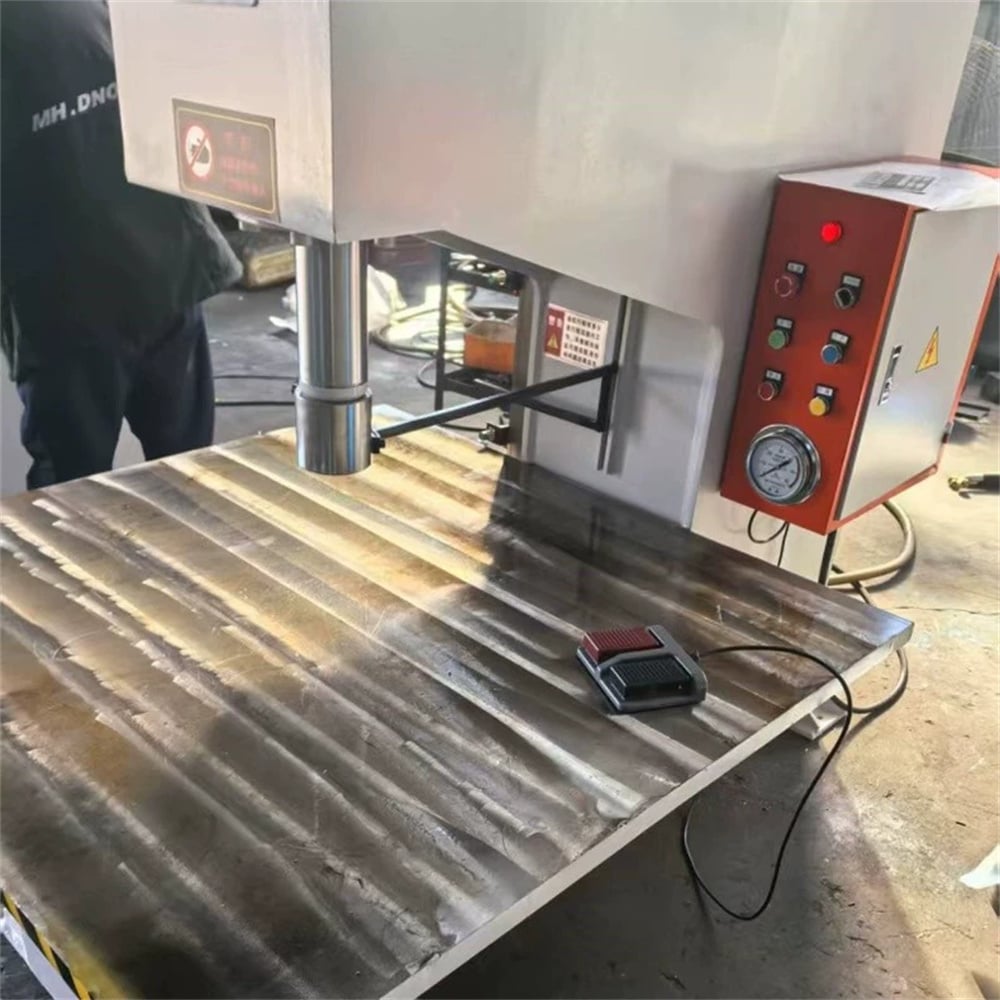
Main Cost Drivers in Hydraulic Press Procurement
When choosing hydraulic press production line: a buyer’s focus should be on the specific technical attributes that drive the price upward. The most significant factor is tonnage. The amount of force required to deform a material determines the size of the hydraulic cylinders, the thickness of the steel frame, and the power of the motor. As tonnage increases, the structural integrity of the machine must scale exponentially to prevent frame deflection, which adds significant material and manufacturing costs.
Frame type is another critical driver. C-frame (or gap-frame) presses are generally more affordable because they offer three-sided access, but they are prone to ‘yawning’ or deflection under high pressure. H-frame and four-column presses are more expensive due to their closed-loop structural design, which provides superior rigidity and ensures that the die remains perfectly aligned during the stroke. This alignment is crucial for high-precision work and extending the life of expensive tooling.
Speed and cycle time also play a major role in pricing. A standard hydraulic press moves relatively slowly compared to mechanical presses. To achieve high production rates, manufacturers must invest in high-flow pumps, larger valves, and advanced cooling systems to manage the heat generated by rapid cycling. These components significantly increase the initial purchase price but are essential for high-volume production environments.
Configuration Impact: Customizing for Efficiency
The configuration of your hydraulic press determines its versatility and efficiency on the shop floor. One of the most impactful modern configurations is the transition from traditional induction motors to servo-driven hydraulic systems. While a servo-hydraulic press has a higher upfront cost, it offers precise control over the ram’s position, speed, and pressure. This results in significant energy savings (up to 50-70%) and reduced noise levels, making it a preferred choice for modern, sustainable factories.
Control systems are another area where configuration impacts both cost and performance. Basic machines use manual lever controls or simple digital timers. However, for complex production lines, a CNC or PLC system with a touchscreen HMI (Human-Machine Interface) is necessary. These systems allow operators to store hundreds of ‘recipes’ or job profiles, reducing setup times from hours to minutes. Integration with light curtains, safety interlocks, and pressure sensors ensures both operator safety and part quality.
Additional features such as hydraulic cushions (for deep drawing), automatic die change systems, and material handling robots can be integrated into the press configuration. While these add to the complexity, they are vital for reducing labor costs and increasing the overall throughput of the production line. When choosing hydraulic press production line: a buyer’s checklist should prioritize these features based on the specific geometry and material of the parts being produced.
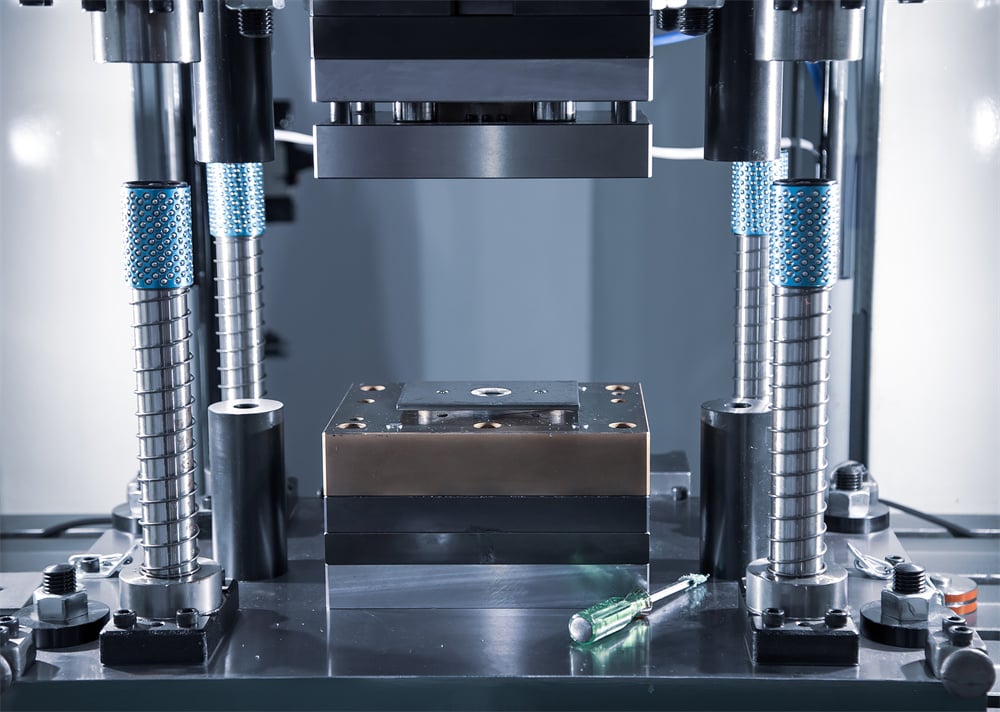
Hidden Costs of Ownership
The purchase price of a hydraulic press is only the ‘tip of the iceberg.’ To truly understand the financial commitment, buyers must account for hidden costs. Installation and commissioning are often overlooked. For large H-frame presses, this may involve specialized rigging, foundation reinforcement (to handle vibration and weight), and electrical upgrades to the facility’s power grid.
Maintenance and spare parts represent ongoing expenses. Hydraulic systems are susceptible to oil contamination and leaks. Regular fluid analysis, filter changes, and seal replacements are necessary to prevent catastrophic pump failure. Furthermore, the cost of hydraulic oil itself can be substantial, especially for machines with large reservoirs. Choosing a machine with high-quality components (like Rexroth valves or Siemens motors) can reduce the frequency of repairs, though the initial parts cost may be higher.
Energy consumption is a major operational cost. Traditional hydraulic presses run the motor constantly, even when the ram is idle. Over a year of multi-shift operation, this wasted energy can amount to thousands of dollars. This is why many buyers are now opting for servo-driven systems or variable frequency drives (VFDs) to mitigate long-term utility expenses. Finally, consider the cost of floor space; a larger footprint machine might require rearranging your entire shop layout, impacting workflow efficiency.
ROI Calculation: Justifying the Investment
Calculating the Return on Investment (ROI) is essential for justifying the purchase of a new hydraulic press to stakeholders. The formula for ROI is (Net Profit from Investment / Cost of Investment) x 100. To find the net profit, you must estimate the annual savings or additional revenue the machine will generate.
Consider the following factors in your ROI calculation:
- Labor Savings: If a new automated press allows one operator to manage two machines, or reduces the need for manual secondary operations, calculate the annual wage savings.
- Scrap Reduction: High-precision presses with consistent pressure control reduce the number of rejected parts. Calculate the material cost saved by lowering your scrap rate from, say, 5% to 1%.
- Cycle Time Improvement: If the new machine produces 20% more parts per hour than your current setup, multiply that extra volume by your profit margin per part.
- Energy Efficiency: Compare the KWh usage of your old machine versus the new one, especially if moving to a servo-hydraulic model.
Typically, a well-chosen hydraulic press in a high-volume environment should see an ROI within 18 to 36 months. Beyond that period, the machine contributes directly to the company’s bottom line through significantly lower production costs per unit.
Buying Advice: A Step-by-Step Checklist
When you are ready to move forward with choosing hydraulic press production line: a buyer’s final decision should be based on a rigorous evaluation process. Follow this checklist to ensure no detail is missed:
- Define Your Requirements: Determine the maximum tonnage, stroke length, and bed size required for your largest and most complex parts. Always add a 20% safety margin to the tonnage.
- Evaluate Frame Rigidity: For high-precision work, prioritize H-frame or four-column designs. Ask the manufacturer for deflection specifications under full load.
- Check Control Compatibility: Ensure the PLC or CNC system can integrate with your existing factory software or future automation plans.
- Assess Safety Standards: Verify that the machine meets local safety regulations (CE, OSHA, ANSI). Look for integrated safety features like dual-hand start buttons and light curtains.
- Research the Manufacturer: Look for companies like HARSLE that have a proven track record, provide comprehensive warranties, and offer reliable after-sales support and spare parts availability.
- Request a Test Run: If possible, send your dies to the manufacturer for a trial run to verify cycle times and part quality before final payment.
Frequently Asked Questions (FAQ)
1. What is the difference between a hydraulic press and a mechanical press?
A hydraulic press uses fluid pressure to generate force, providing full tonnage throughout the entire stroke. This makes it ideal for deep drawing and forming. A mechanical press uses a flywheel and crank, delivering maximum force only at the bottom of the stroke, which is better for high-speed blanking and punching.
2. How often should I change the hydraulic oil?
Generally, hydraulic oil should be changed every 2,000 to 4,000 hours of operation. However, it is better to perform regular oil analysis to check for oxidation and contamination, as some high-quality oils in clean environments can last much longer.
3. Can I upgrade an old hydraulic press with modern controls?
Yes, this is known as retrofitting. You can replace old manual valves with proportional valves and install a new PLC system. While this is cheaper than buying a new machine, it does not fix structural wear or fundamental design limitations of the old frame.
4. Why is my hydraulic press losing pressure?
Pressure loss is usually caused by internal leaks in the cylinder seals, a failing pump, or a malfunctioning relief valve. It can also be caused by air trapped in the hydraulic lines. Regular maintenance is key to identifying these issues early.
5. Is a servo-hydraulic press worth the extra cost?
For most high-volume or high-precision applications, yes. The energy savings, reduced heat generation (which extends component life), and superior control over the pressing cycle usually result in a lower total cost of ownership over the life of the machine.
Conclusion
Choosing the right hydraulic press is a pivotal decision that impacts your production capacity, product quality, and long-term profitability. By focusing on the total cost of ownership—including price drivers, configuration choices, and hidden operational costs—you can make an informed investment. HARSLE remains committed to providing high-performance hydraulic solutions that empower manufacturers to reach new levels of efficiency. Whether you are upgrading an existing line or building a new facility, the right hydraulic press is the foundation upon which your manufacturing success is built.