Fiber Laser Cutting Machine Price Guide for Metal Fabrication Buyers


Introduction to Fiber Laser Cutting Machine Investment
In the rapidly evolving landscape of metal fabrication, the transition from traditional cutting methods to fiber laser technology represents one of the most significant shifts in industrial history. For metal fabrication buyers, understanding the fiber laser cutting machine price is not just about looking at a sticker value; it is about analyzing a complex ecosystem of technology, performance, and long-term value. As a leading manufacturer, HARSLE recognizes that purchasing a fiber laser is often the largest capital expenditure a fabrication shop will make. This guide is designed to demystify the pricing structures and provide a roadmap for making an informed investment.
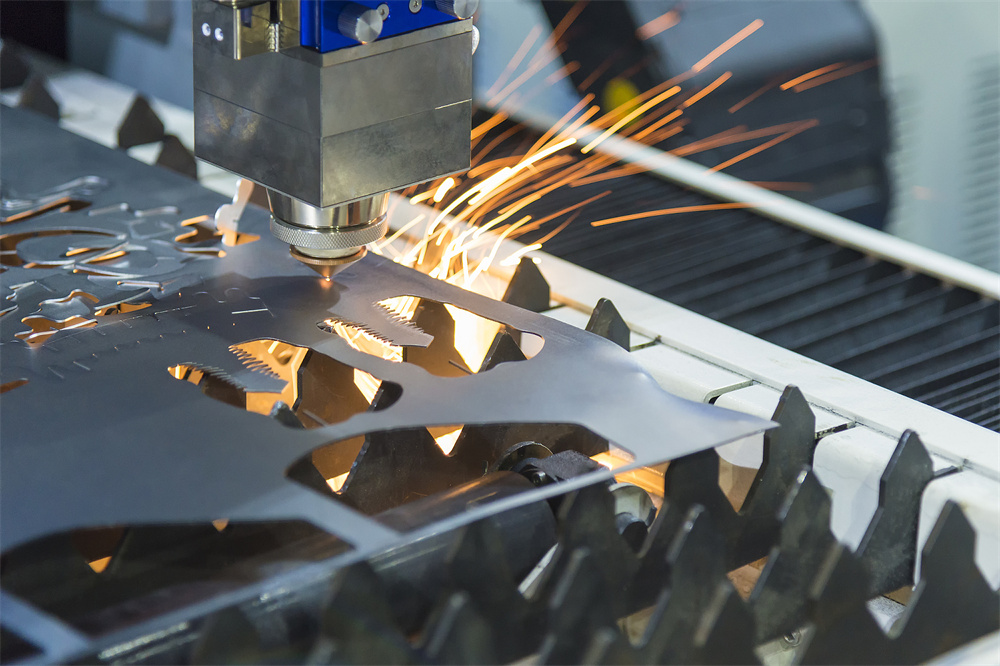
Fiber lasers have largely superseded CO2 lasers and plasma cutters in many applications due to their superior speed, lower maintenance requirements, and exceptional precision. However, the market is flooded with options ranging from budget-friendly entry-level models to high-performance ultra-high-power systems. Navigating this spectrum requires a deep dive into what actually drives the cost and how those costs translate into production efficiency. Whether you are a small job shop looking for your first laser or a large-scale manufacturer upgrading your fleet, this guide covers every financial and technical aspect you need to consider.
Price Range Overview: Categorizing the Market
The price of a fiber laser cutting machine can vary wildly, typically ranging from $20,000 to well over $500,000. To make sense of these numbers, we must categorize machines based on their power output and intended application. For metal fabrication buyers, the first step is identifying which category aligns with their production volume and material thickness requirements.
Entry-Level and Small Format Machines ($20,000 – $50,000)
Entry-level machines usually feature laser sources between 1kW and 3kW. These are often “open-type” machines without an exchange table, meaning the operator must manually load and unload sheets. They are ideal for thin sheet metal fabrication (up to 6mm carbon steel or 3mm stainless steel) and are popular among startups or shops that do not require 24/7 operation. While the initial price is low, buyers should be aware that these machines often use more economical components for the motion system and frame.
Mid-Range Production Machines ($60,000 – $150,000)
This is the “sweet spot” for most professional fabrication shops. These machines typically offer 4kW to 12kW of power and include essential productivity features like an automatic exchange table (shuttle table) and a full protective enclosure. A mid-range machine can handle a wide variety of materials, including thick plates up to 20mm-30mm. The build quality is significantly higher, featuring stress-relieved heavy-duty frames and high-precision components from brands like Yaskawa or Panasonic for the servo motors.
High-End and Ultra-High Power Systems ($180,000 – $500,000+)
High-end systems are defined by extreme power (15kW to 60kW) and advanced automation. These machines are designed for heavy industry, shipyards, and large-scale steel service centers. They can cut through 50mm+ steel with ease and at incredible speeds. The price reflects not only the expensive high-power laser source but also the sophisticated cooling systems, advanced gas control technology, and often, integrated loading/unloading robotics.
Main Cost Drivers: What Are You Paying For?
When analyzing a quote for a fiber laser cutting machine, several core components dictate the final price. Understanding these drivers allows buyers to prioritize features that offer the best return on investment for their specific needs.
The Laser Source: The Heart of the Machine
The laser source is the single most expensive component, often accounting for 30% to 50% of the total machine cost. There are three primary tiers of laser sources available in the market:
- Premium Tier (IPG Photonics): Known for global reliability and extensive service networks. IPG sources command a premium price but offer the highest stability and longevity.
- Value Tier (Raycus, Max): These Chinese-manufactured sources have seen massive quality improvements over the last decade. They offer excellent performance-to-price ratios and are the standard for many mid-range machines.
- Specialized Tier (nLIGHT): Often chosen for their back-reflection protection, making them ideal for cutting highly reflective materials like brass and copper.
Power Output (Wattage)
The relationship between power and price is roughly linear up to a certain point, after which it becomes exponential. Moving from a 3kW to a 6kW source might add $15,000 to $25,000 to the price, but moving from 12kW to 30kW can add over $100,000. Higher wattage doesn’t just allow for thicker cutting; it dramatically increases the cutting speed on medium-thickness materials, which is a key factor in ROI.
The Cutting Head and Motion System
The cutting head (such as Precitec or Raytools) and the motion system (linear guides, racks, pinions, and servo motors) are critical for precision. An autofocus cutting head is now standard on most professional machines, but high-end heads with integrated sensors for pierce monitoring and cut quality control will increase the machine’s price. Similarly, using high-precision helical racks and premium linear guides ensures the machine maintains its accuracy over years of high-speed vibration.
Configuration Impact: Customizing for Efficiency
The physical configuration of the machine significantly impacts both the price and the operational efficiency. Metal fabrication buyers must decide which “add-ons” are actually necessities for their workflow.
Exchange Tables vs. Single Tables
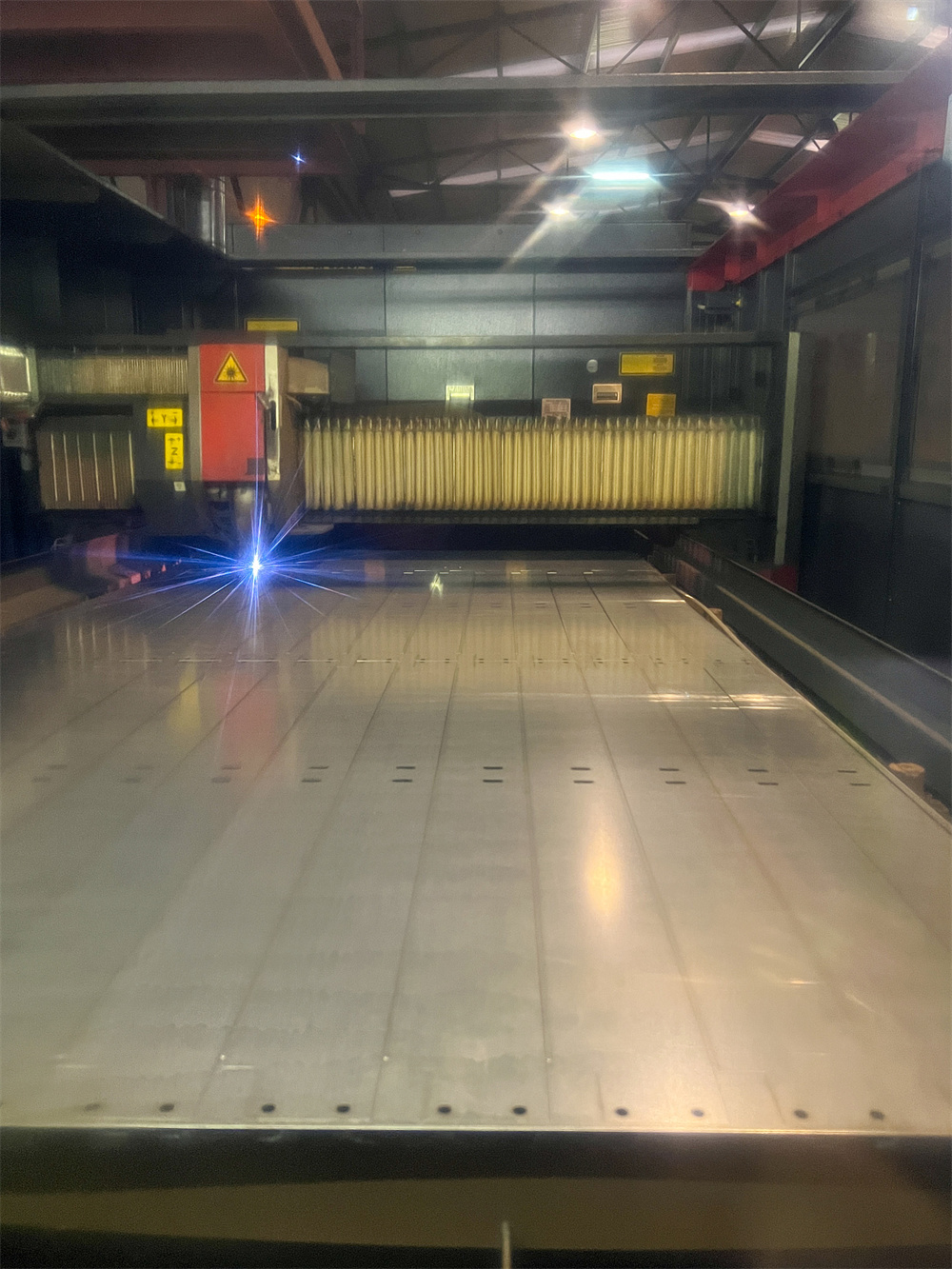
An exchange table allows the machine to cut one sheet while the operator loads the next sheet and unloads finished parts on a second table outside the cutting area. This feature can increase productivity by 50% to 100% because the laser is almost always firing. For a professional shop, the $10,000 to $20,000 premium for an exchange table is almost always justified by the labor savings and increased throughput.
Full Enclosure and Safety
In many regions, safety regulations require fiber lasers to be fully enclosed to protect workers from the invisible but dangerous laser radiation (Class 4 laser). An enclosed machine also allows for better dust and fume extraction. While an open-frame machine is cheaper and easier to access, the safety and environmental benefits of a full enclosure are vital for modern industrial standards.
Tube Cutting Attachments
Many buyers opt for a “combo” machine that includes a rotary axis for cutting pipes and tubes. This adds versatility to the shop without requiring the floor space of a dedicated tube laser. A tube cutting attachment typically adds $15,000 to $30,000 to the price, depending on the diameter and length capacity required.
Hidden Costs: Beyond the Initial Purchase
The “Fiber Laser Cutting Machine Price Metal Fabrication Buyers” see on a quote is rarely the total cost of getting the machine up and running. It is essential to budget for the following additional expenses:
Installation and Training
While some manufacturers include installation, others charge separately. This involves the physical setup, leveling the machine, and calibrating the laser. More importantly, training for your operators on the CNC software (like CypCut) and nesting software is crucial. Expect to spend $2,000 to $5,000 on professional commissioning if it is not bundled.
Auxiliary Equipment
A fiber laser cannot run in isolation. You will need:
- Industrial Chiller: To keep the laser source and cutting head at a constant temperature.
- Voltage Stabilizer: To protect the sensitive electronics from power surges.
- Dust Collector: To remove the hazardous fumes and fine metallic dust generated during cutting.
- Air Compressor: If you plan to cut with air instead of oxygen or nitrogen, you need a high-pressure (16-30 bar) screw air compressor with integrated dryers and filters.
Operating Gases and Consumables
The cost of Nitrogen (for clean, oxidation-free cuts in stainless and aluminum) or Oxygen (for carbon steel) can be significant. Additionally, consumables like copper nozzles, protective windows (lenses), and ceramic rings need regular replacement. A typical shop might spend $200 to $500 per month on these small parts.
ROI Calculation: Justifying the Investment
To determine if the fiber laser cutting machine price is worth it, buyers must calculate the Return on Investment (ROI). Fiber lasers offer a much lower cost-per-part compared to CO2 lasers or plasma cutters due to their speed and energy efficiency.
| Factor | Fiber Laser (6kW) | CO2 Laser (4kW) | Plasma Cutter |
|---|---|---|---|
| Cutting Speed (3mm Steel) | 35+ m/min | 10 m/min | 5 m/min |
| Wall-Plug Efficiency | ~30-40% | ~10% | ~15% |
| Maintenance Cost | Low (No mirrors/gas) | High (Turbines/Mirrors) | Moderate |
| Edge Quality | Excellent | Excellent | Rough |
Consider a scenario where a shop moves from outsourcing laser cutting to bringing it in-house. If the shop spends $5,000 a month on outsourcing, a $100,000 machine could theoretically pay for itself in less than two years, not accounting for the added value of faster lead times and better quality control. Furthermore, the ability to cut with compressed air on a fiber laser can reduce gas costs by up to 90% for certain materials, further accelerating the ROI.
Buying Advice for Metal Fabrication Buyers
Choosing the right machine requires a balance between current needs and future growth. Here is a checklist for buyers:
- Analyze Your Material Mix: If 90% of your work is under 10mm, a 6kW or 12kW machine is more than sufficient. Don’t overpay for 30kW if you don’t need the thickness or extreme speed.
- Check the Frame Construction: A machine is only as good as its bed. Look for a plate-welded frame that has been heat-treated (annealed) to prevent deformation over time. A cast-iron bed is even better for high-power applications.
- Software Compatibility: Ensure the machine uses a reputable control system like CypCut or Beckhoff. The software should be easy to learn and compatible with your existing CAD/CAM workflows.
- After-Sales Support: This is the most critical factor. A cheap machine becomes very expensive if it sits idle for weeks waiting for a spare part. Verify the manufacturer’s service capability in your region.
- Test Cut Your Parts: Before finalizing the purchase, send your most complex CAD files to the manufacturer. Have them cut the parts in your specific material and thickness to verify the edge quality and cycle time.
Frequently Asked Questions (FAQ)
1. How long does a fiber laser source last?
Most reputable fiber laser sources are rated for 100,000 hours of operation. In a typical single-shift shop, this equates to over 20 years of service. Unlike CO2 lasers, there are no expensive gas refills or internal optics to replace within the source itself.
2. Can I cut copper and brass with a fiber laser?
Yes. Unlike CO2 lasers, which suffer from back-reflection that can damage the machine when cutting reflective metals, fiber lasers are well-suited for copper, brass, and aluminum. However, it is recommended to use a laser source with back-reflection protection (like nLIGHT or certain IPG models) for frequent cutting of these materials.
3. Is it better to buy a used fiber laser cutting machine?
While the lower price of a used machine is tempting, it is often risky. Fiber laser technology advances rapidly. A 5-year-old machine may be significantly slower and less efficient than a modern entry-level model. Additionally, the warranty and manufacturer support are usually non-transferable or expired.
4. What is the difference between air cutting and nitrogen cutting?
Nitrogen cutting provides a clean, shiny edge because it displaces oxygen and prevents burning. Air cutting uses high-pressure compressed air (which is ~78% nitrogen). It is much cheaper but leaves a slight oxide layer on the edge. For many industrial parts that will be painted or powder-coated, air cutting is a highly cost-effective alternative.
5. How much floor space is required?
A standard 3015 (3m x 1.5m) machine with an exchange table and enclosure typically requires a footprint of about 10m x 5m, including space for the chiller, dust collector, and material handling. Always check the layout drawings provided by the manufacturer before preparing your shop floor.
Conclusion
Investing in a fiber laser cutting machine is a transformative step for any metal fabrication business. While the initial fiber laser cutting machine price can seem daunting, the long-term benefits of speed, precision, and low operating costs make it one of the most profitable tools in a modern workshop. By focusing on the right power level, a robust motion system, and a reliable manufacturer like HARSLE, buyers can ensure their investment drives growth for decades to come. Remember to look beyond the purchase price and consider the total cost of ownership, including consumables, gas, and maintenance, to truly understand the value of your new asset.