Laser Cutting Machine Buying Guide for Fabrication Plants: A Complete Overview


Introduction to Laser Cutting in Modern Fabrication
In the rapidly evolving landscape of metalworking, the decision to invest in a laser cutting machine is often the turning point for a fabrication plant’s growth. As global manufacturing demands higher precision, faster turnaround times, and reduced waste, the laser cutting machine has transitioned from a luxury to a fundamental necessity. For plant managers and business owners, the process of Laser Cutting Machine Buying Fabrication Plants: A Complete Overview involves more than just comparing price tags; it requires a deep dive into technology, operational costs, and long-term scalability.
HARSLE understands that a laser cutter is a significant capital investment. Whether you are transitioning from traditional plasma cutting or upgrading an older CO2 system, the shift to fiber laser technology offers unparalleled advantages in speed and accuracy. This guide is designed to navigate the complexities of the market, providing a roadmap for selecting a machine that aligns with your production goals and budgetary constraints. From understanding the nuances of laser sources to calculating the true cost of ownership, we cover every critical aspect of the acquisition process.
The modern fabrication environment is characterized by high competition and thin margins. To stay ahead, plants must adopt equipment that not only performs but also optimizes the entire workflow. A well-chosen laser cutting machine reduces secondary operations like grinding or deburring, allows for intricate designs that were previously impossible, and significantly lowers the cost per part. In the following sections, we will break down the financial and technical components that define a successful purchase.

Price Range Overview: What to Expect
When embarking on the journey of Laser Cutting Machine Buying Fabrication Plants: A Complete Overview, the first question is almost always about the price. The market for fiber laser cutting machines is broad, with prices ranging from $20,000 for entry-level models to over $500,000 for high-power, fully automated systems. Understanding where your needs fall within this spectrum is crucial for realistic budgeting.
Entry-Level and Small-Scale Solutions ($20,000 – $50,000)
Entry-level machines typically feature laser powers between 1kW and 3kW. These are ideal for small fabrication shops or plants that primarily work with thin materials (under 6mm carbon steel or 3mm stainless steel). While these machines may lack the rapid traverse speeds of higher-end models, they offer a massive leap in precision over manual methods or entry-level plasma cutters. They are often “open-bed” designs, which save on initial costs but require stricter safety protocols regarding laser reflections.
Mid-Range Industrial Workhorses ($60,000 – $150,000)
The mid-range segment is where most medium-sized fabrication plants find their ideal balance. These machines usually offer 6kW to 12kW of power and come equipped with features like exchange tables (shuttle tables) and full enclosures. The increased power allows for efficient cutting of thicker materials (up to 20mm-30mm) and significantly higher cutting speeds on thinner gauges. At this price point, you also see better components, such as high-end motion controllers and more robust machine frames designed for 24/7 operation.
High-Power and Automated Systems ($200,000+)
For large-scale industrial plants, high-power machines (20kW to 60kW and beyond) are the standard. These systems are designed for maximum throughput and the ability to cut extremely thick plates (up to 50mm or more) with high quality. Often, these machines are integrated with automated loading and unloading systems, tower storage for raw materials, and advanced software for nesting and factory management. The investment here is not just in the machine, but in a complete production ecosystem.
Main Cost Drivers: What Are You Paying For?
Understanding the components that drive the price of a laser cutting machine is essential for making an informed choice. Not all 3kW machines are created equal, and the difference often lies in the quality of the internal components. When considering Laser Cutting Machine Buying Fabrication Plants: A Complete Overview, pay close attention to these four pillars:
- The Laser Source: This is the most expensive component. Brands like IPG Photonics are considered the gold standard for stability and longevity, while brands like Raycus and Maxphotonics offer excellent value-to-performance ratios. The wattage of the source directly correlates with cutting speed and maximum thickness capability.
- The Cutting Head: The cutting head houses the optics and the autofocus mechanism. Premium heads from manufacturers like Precitec offer advanced sensors that prevent collisions and maintain a perfect focal point even on uneven materials. Lower-cost domestic heads are functional but may require more frequent manual adjustment or maintenance.
- The Machine Bed and Gantry: A laser cutter is only as accurate as its frame. High-quality machines use heavy-duty, heat-treated welded steel frames or cast iron beds to eliminate vibrations. A lightweight frame will flex over time, leading to a loss of precision and shortened component life.
- Motion Control and Drive Systems: The speed and accuracy of the machine depend on the servo motors, gear racks, and guide rails. Japanese brands like Yaskawa or Fuji for motors, and high-precision racks from Alpha or YYC, ensure that the machine can move at high speeds without losing positional accuracy.
By evaluating these drivers, a buyer can determine if a lower-priced machine is a bargain or a liability. For instance, saving $10,000 on a machine with a generic laser source might result in $20,000 of lost production due to downtime over the next three years.
Configuration Impact on Production Efficiency
The configuration of your laser cutting machine determines how it fits into your plant’s workflow. Choosing the right features can double your output without increasing your footprint. In the context of Laser Cutting Machine Buying Fabrication Plants: A Complete Overview, consider the following configuration options:
Single Table vs. Exchange Table
A single table machine requires the operator to stop the machine, unload the finished parts, and load a new sheet. This results in significant downtime. An exchange table (or shuttle table) allows the machine to cut on one table while the operator unloads the previous job on the other. This can increase productivity by 30% to 50%, making it a mandatory feature for high-volume plants.
Open vs. Enclosed Designs
Open machines are easier to access and cheaper to manufacture. However, fiber laser light is extremely dangerous to the human eye, even through reflections. Enclosed machines provide a safe environment, contain the dust and fumes generated during cutting, and are often required by safety regulations in many regions. For a professional fabrication plant, an enclosed design is generally the recommended choice for safety and environmental compliance.
Tube Cutting Attachments
Many modern sheet metal lasers can be equipped with a rotary axis for tube and pipe cutting. If your plant handles both flat sheets and structural tubing, a “combo” machine can save space and the cost of buying two separate machines. However, if tube cutting is a primary part of your business, a dedicated tube laser might be more efficient due to specialized loading systems.
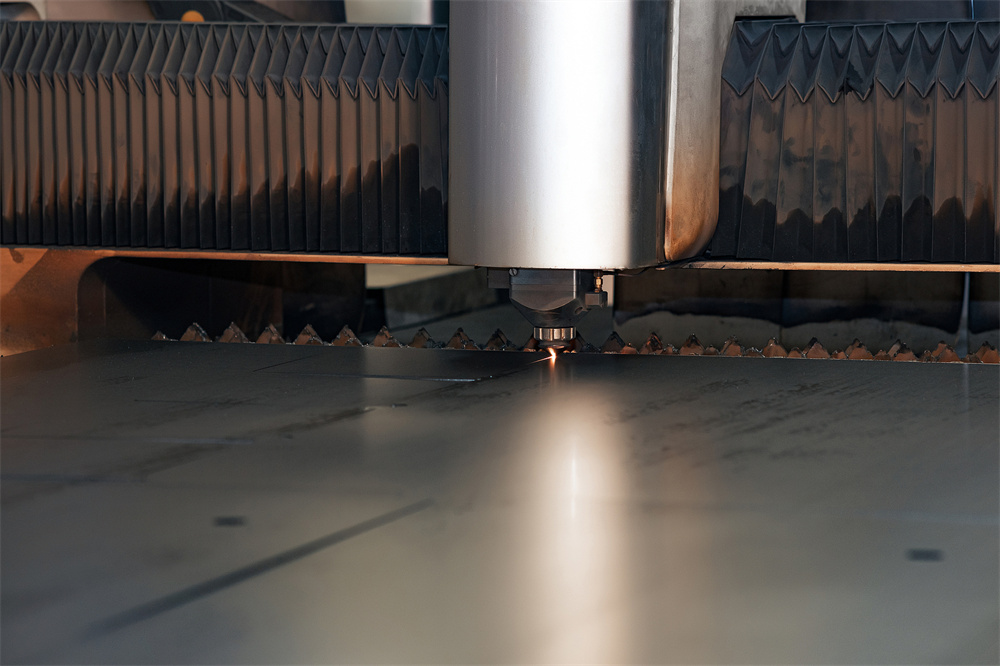
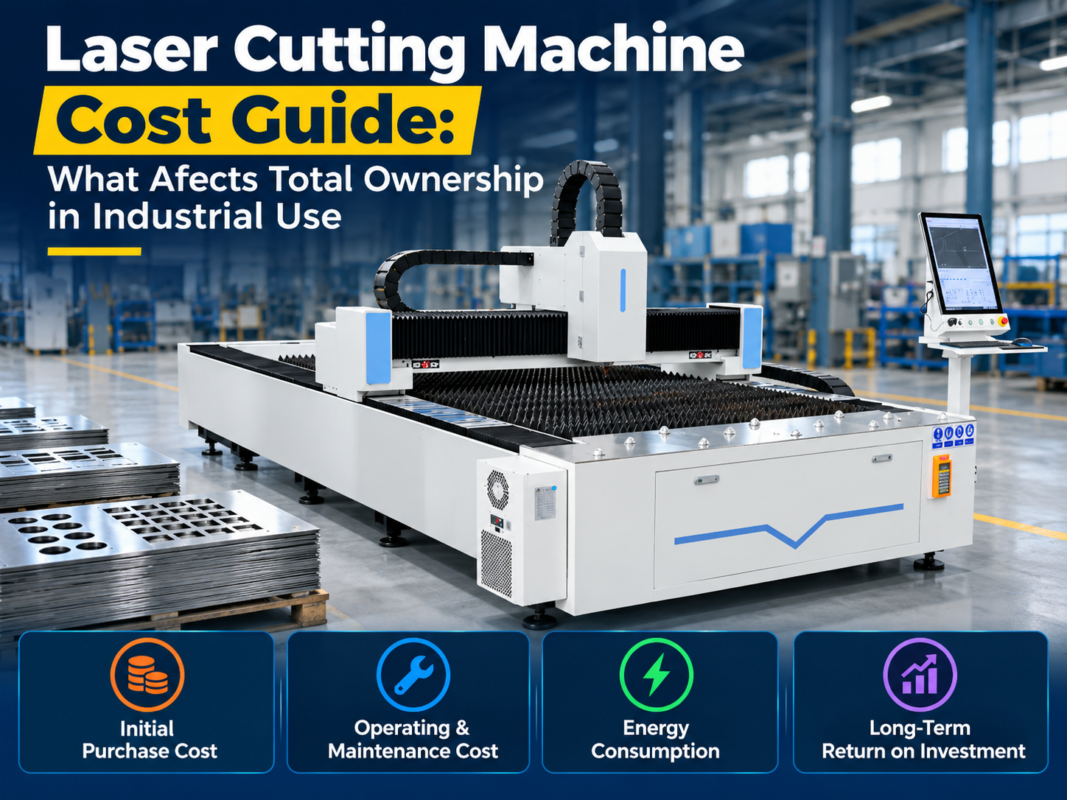
Hidden Costs of Laser Cutting Machine Ownership
The purchase price is only the beginning. To truly understand Laser Cutting Machine Buying Fabrication Plants: A Complete Overview, you must account for the ongoing operational expenses. These “hidden” costs can significantly impact your monthly overhead.
| Cost Category | Description | Estimated Impact |
|---|---|---|
| Assist Gases | Oxygen, Nitrogen, or Compressed Air used to clear the melt. | High (Nitrogen is expensive) |
| Electricity | Power for the laser source, chiller, and dust extractor. | Moderate |
| Consumables | Nozzles, protective windows, and ceramic rings. | Low but frequent |
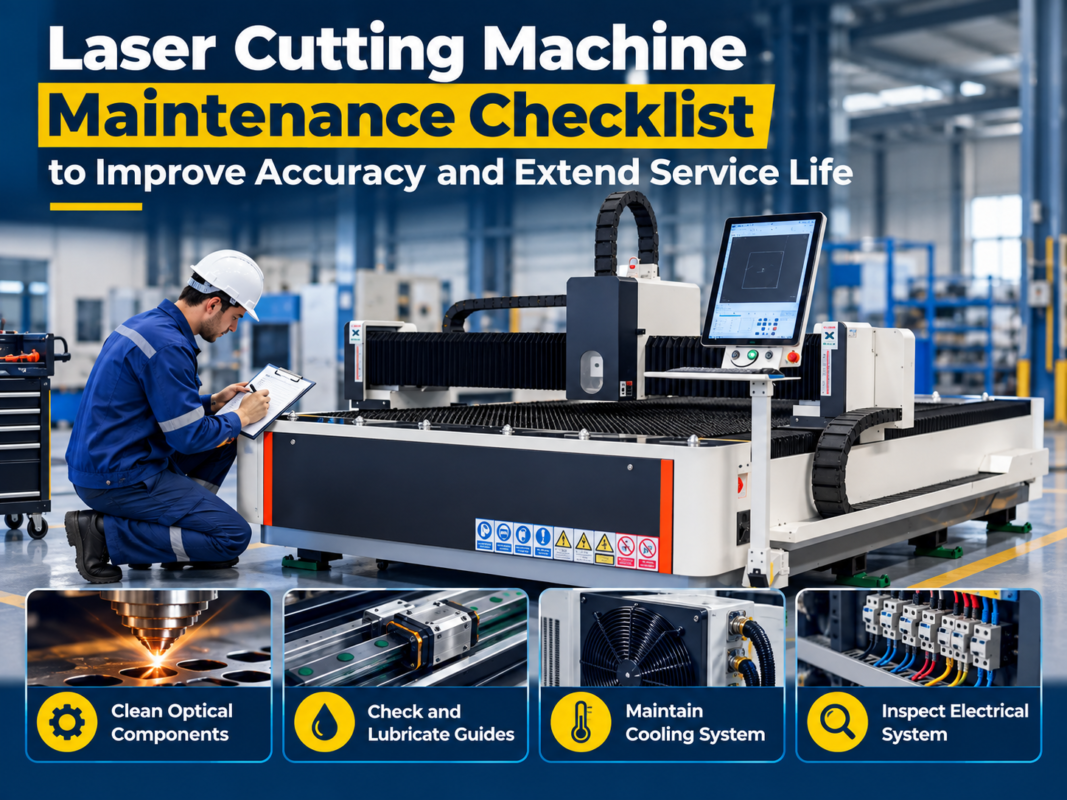
| Maintenance | Regular cleaning, lubrication, and filter changes. | Moderate |
| Operator Labor | Skilled labor to run the machine and nest parts. | Variable |
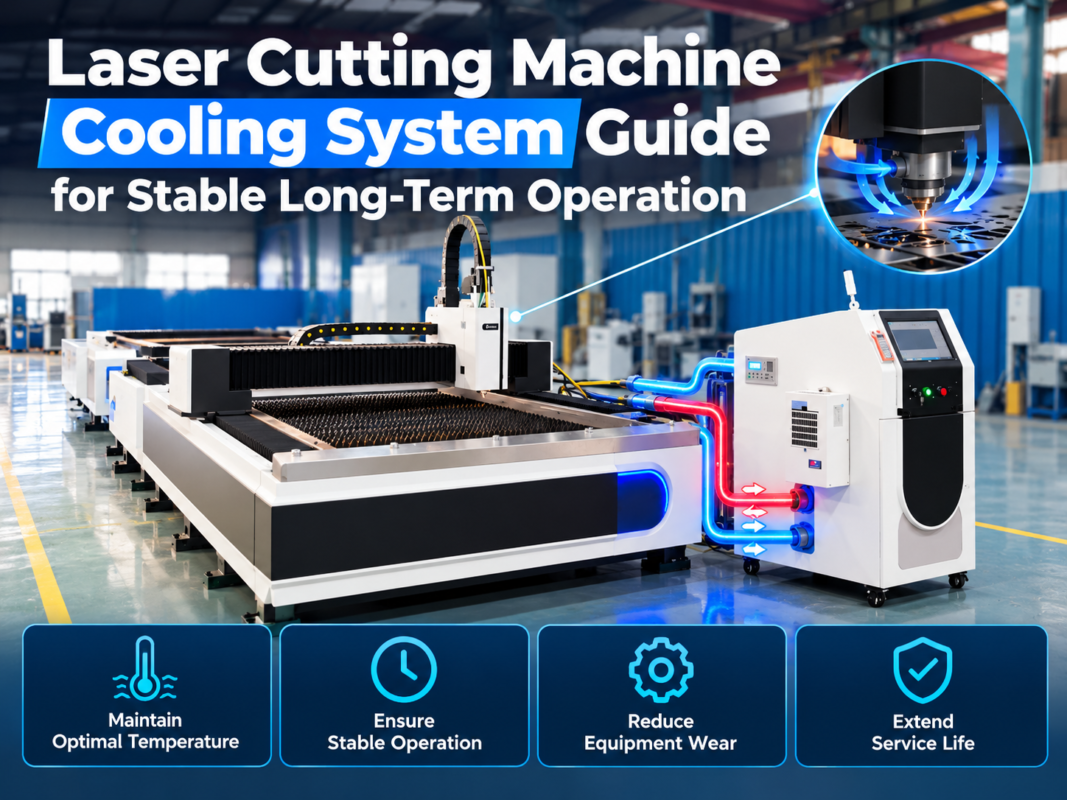
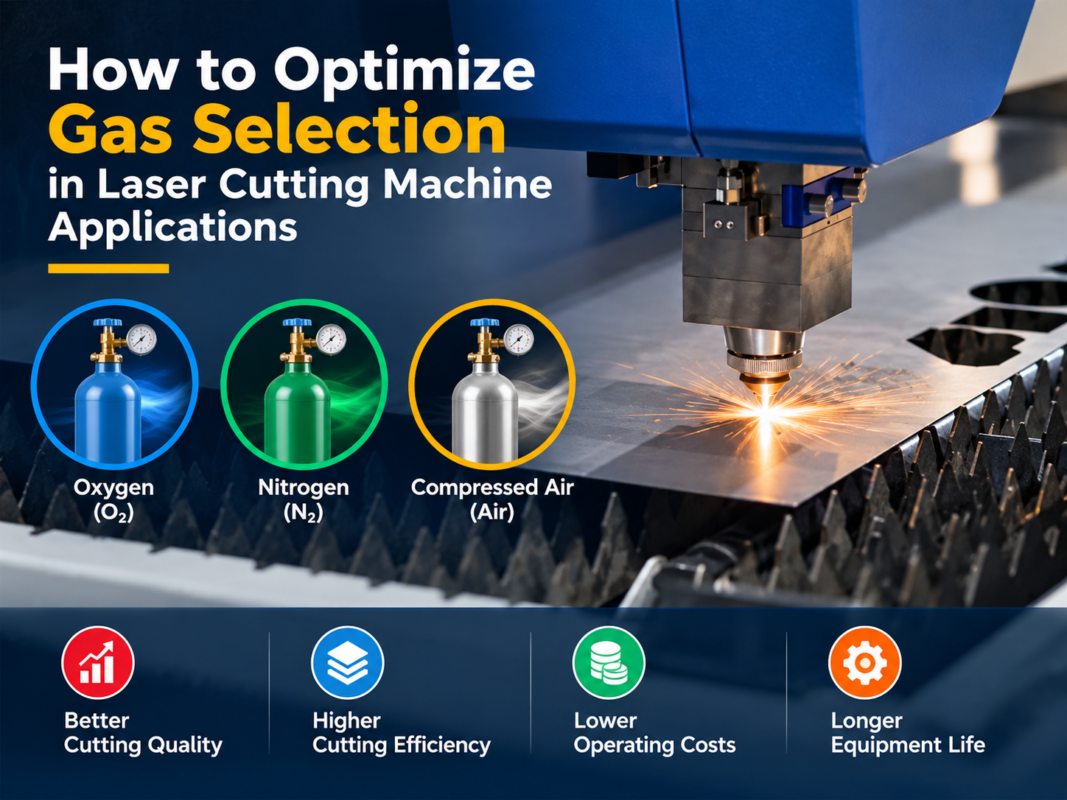
Assist gas is often the largest recurring expense. Cutting stainless steel with Nitrogen provides a clean, oxide-free edge but consumes a large volume of gas. Many plants are now switching to high-pressure air cutting for certain thicknesses to save on gas costs, though this requires a high-performance air compressor and filtration system. Additionally, the chiller unit, which keeps the laser source and head at a constant temperature, can consume a significant amount of electricity, especially in warmer climates.
ROI Calculation: When Will the Machine Pay for Itself?
Calculating the Return on Investment (ROI) is the most critical step for any plant manager. A laser cutting machine should be viewed as a profit center. To calculate ROI, you must compare the total cost of the machine (including financing and operational costs) against the revenue it generates or the costs it saves.
Consider a scenario where a plant currently outsources $10,000 worth of laser cutting per month. By bringing this in-house, they not only save the markup paid to the supplier but also gain control over lead times. If the monthly payment on a new machine is $3,000 and operational costs are $2,000, the plant is already saving $5,000 per month. In this case, a $150,000 machine would pay for itself in 30 months. Furthermore, the ability to offer faster turnaround times often leads to more orders, accelerating the ROI even further.
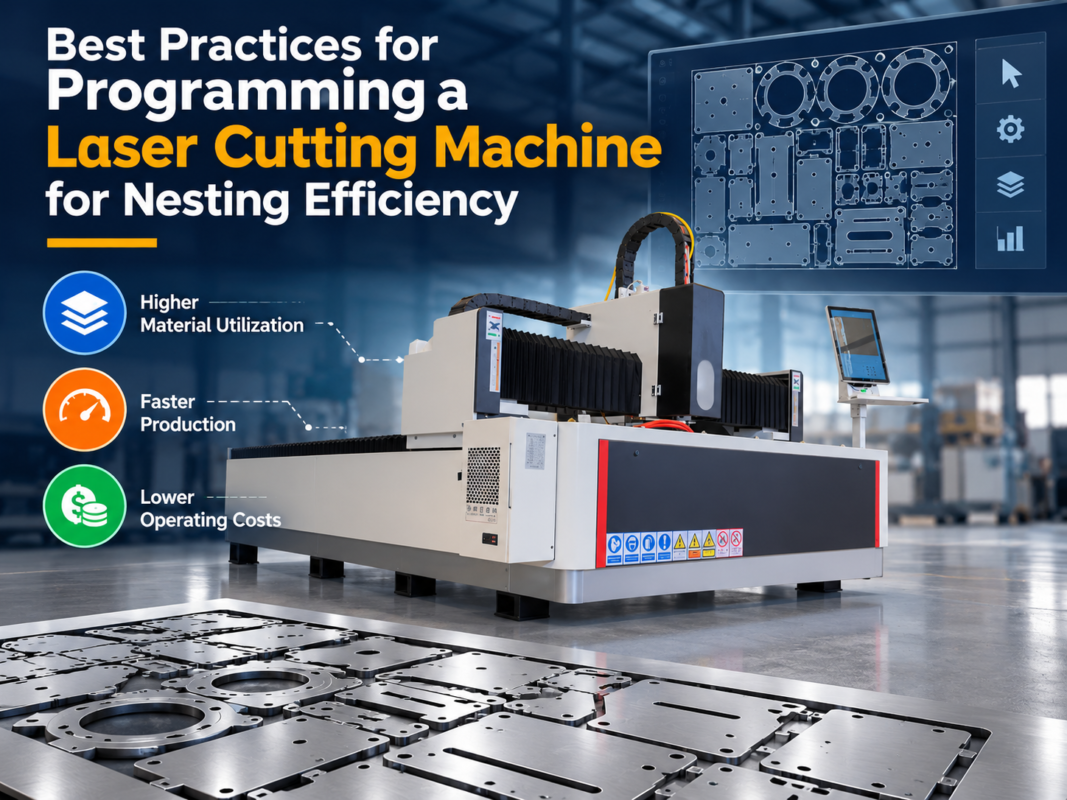
Another factor in ROI is material utilization. Advanced nesting software can reduce scrap by 10% to 15% compared to older methods. In a plant processing tons of steel every month, these material savings alone can contribute thousands of dollars toward the machine’s monthly payment. When performing your Laser Cutting Machine Buying Fabrication Plants: A Complete Overview analysis, always include these indirect financial benefits.
Buying Advice for Fabrication Plant Managers
Choosing the right machine requires a strategic approach. Here is a checklist of advice for those in the final stages of the decision-making process:
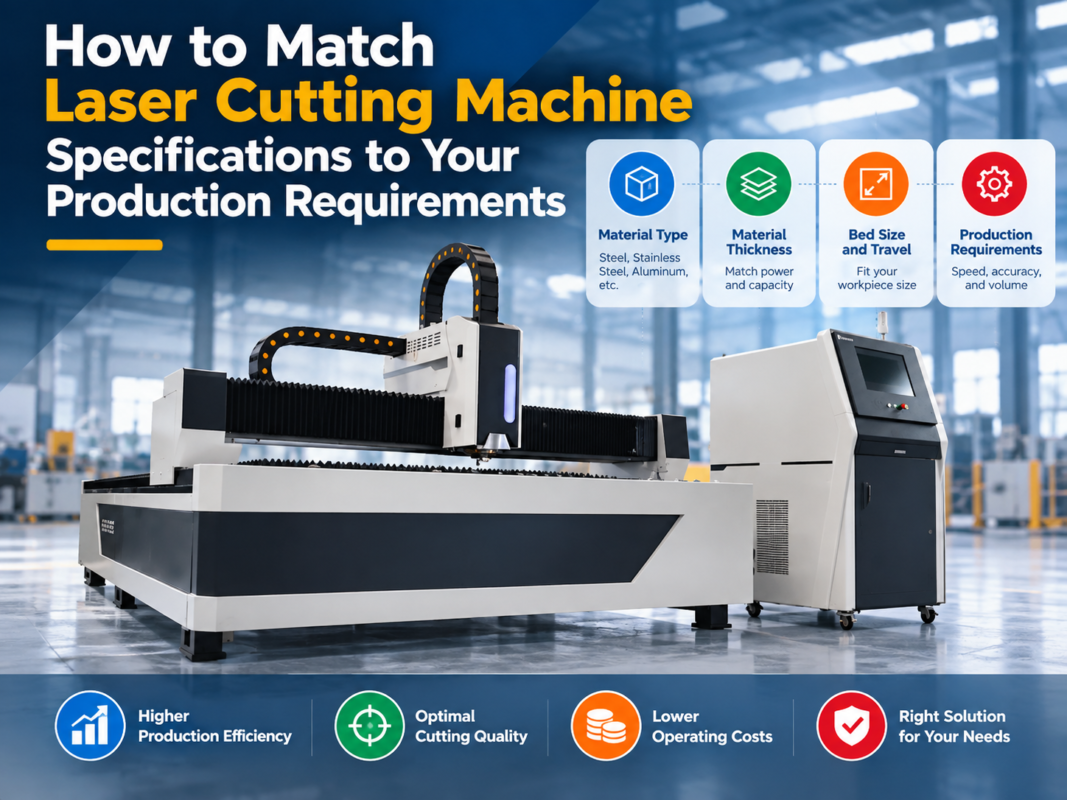
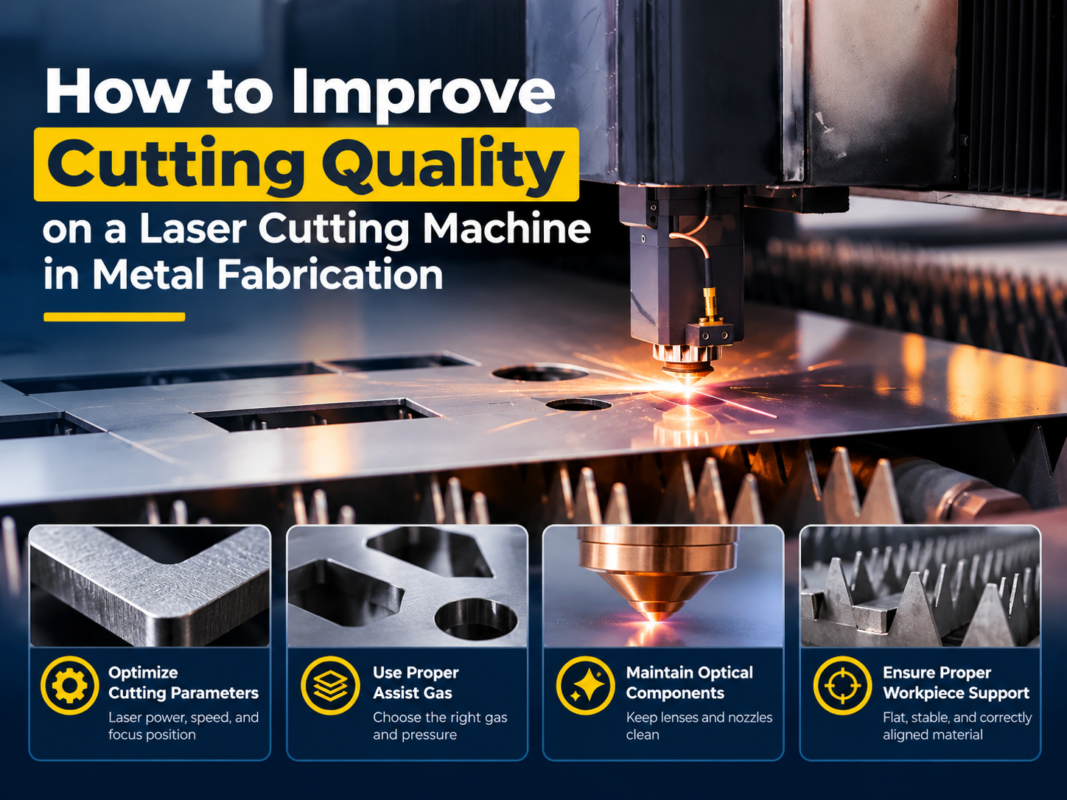
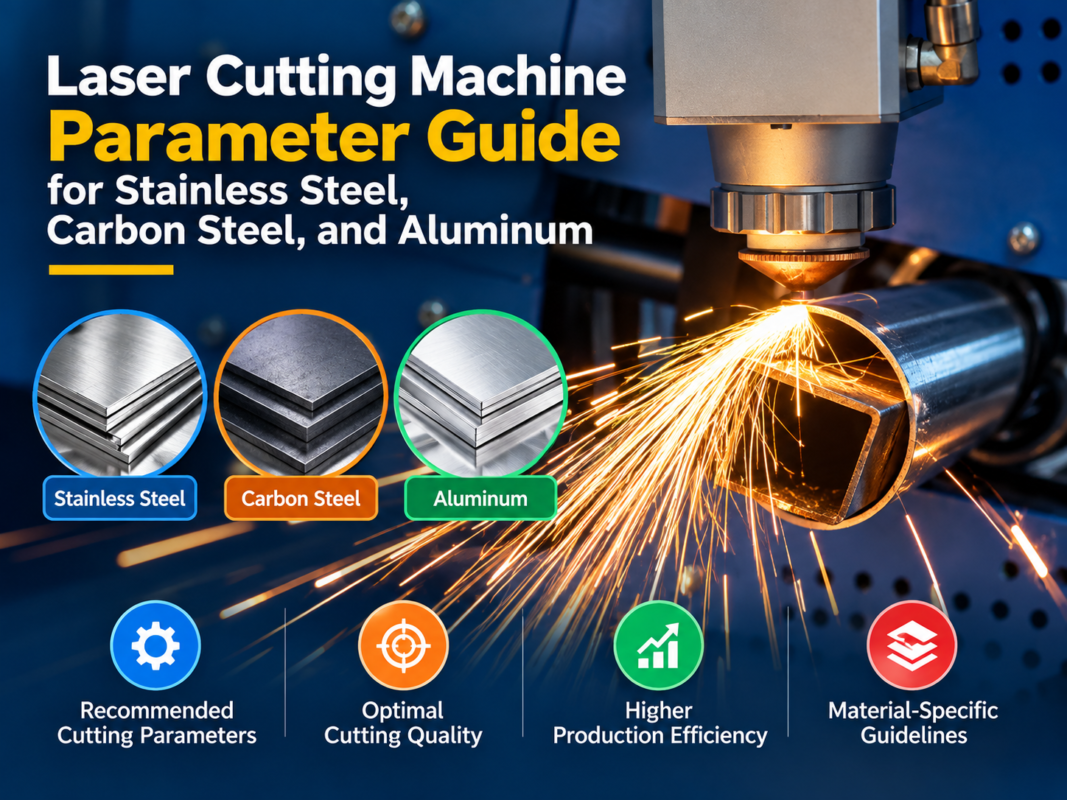
- Define Your Material Profile: Don’t buy a 12kW machine if 90% of your work is 3mm aluminum. Conversely, don’t underpower your machine, as cutting at the limit of a machine’s capability leads to poor edge quality and slower speeds.
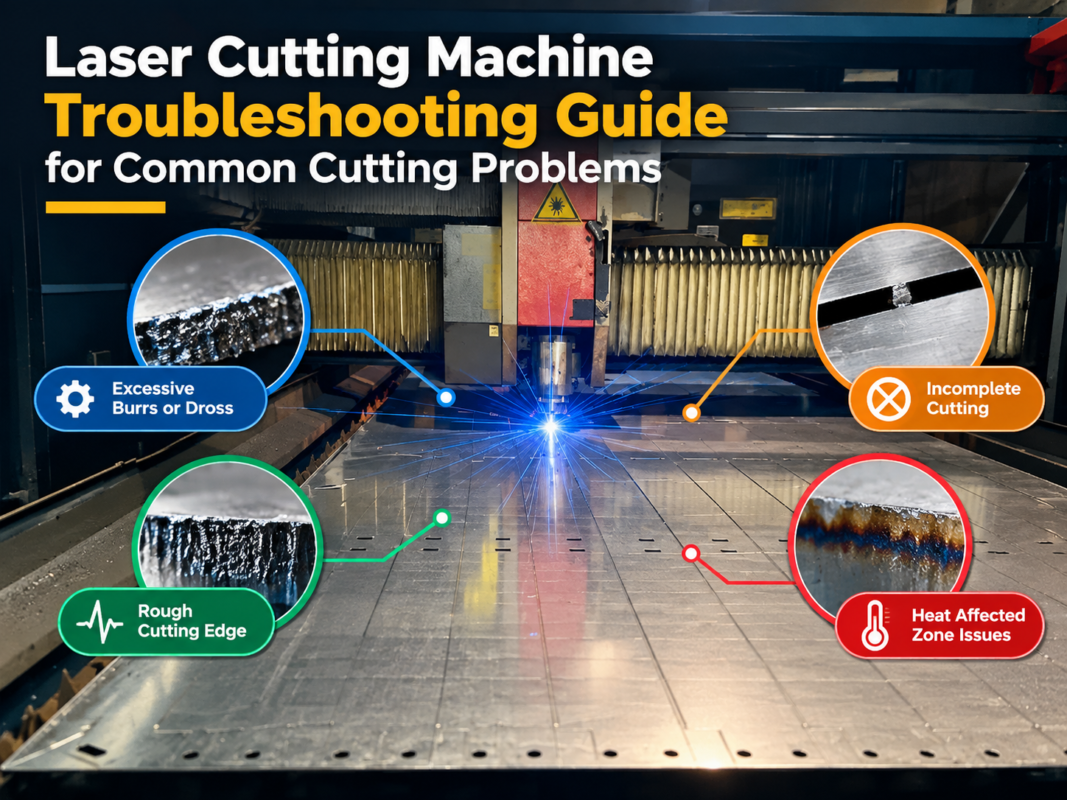
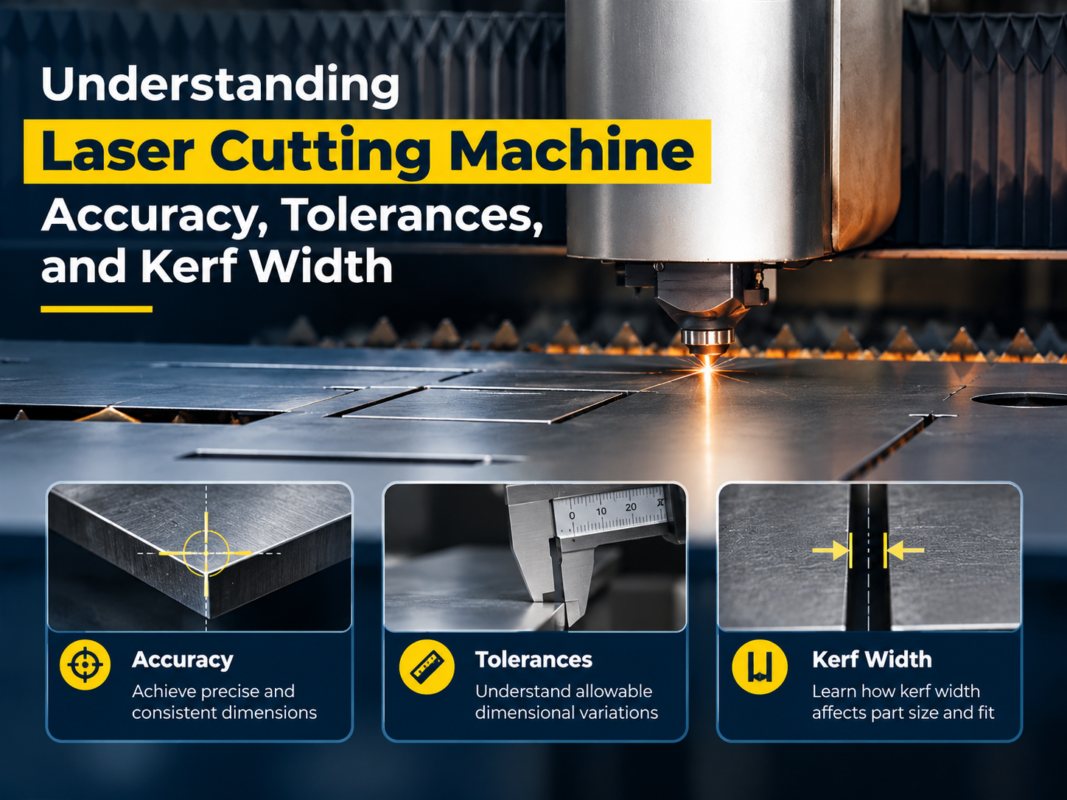
- Test Cut Your Parts: Any reputable manufacturer, like HARSLE, will provide test cuts of your specific drawings on your chosen material. Inspect the edge quality, dross levels, and dimensional accuracy.
- Evaluate After-Sales Support: A laser cutter is a complex machine. When it goes down, you need a partner who can provide remote diagnostics and fast spare parts delivery. Ask about the manufacturer’s service network in your region.
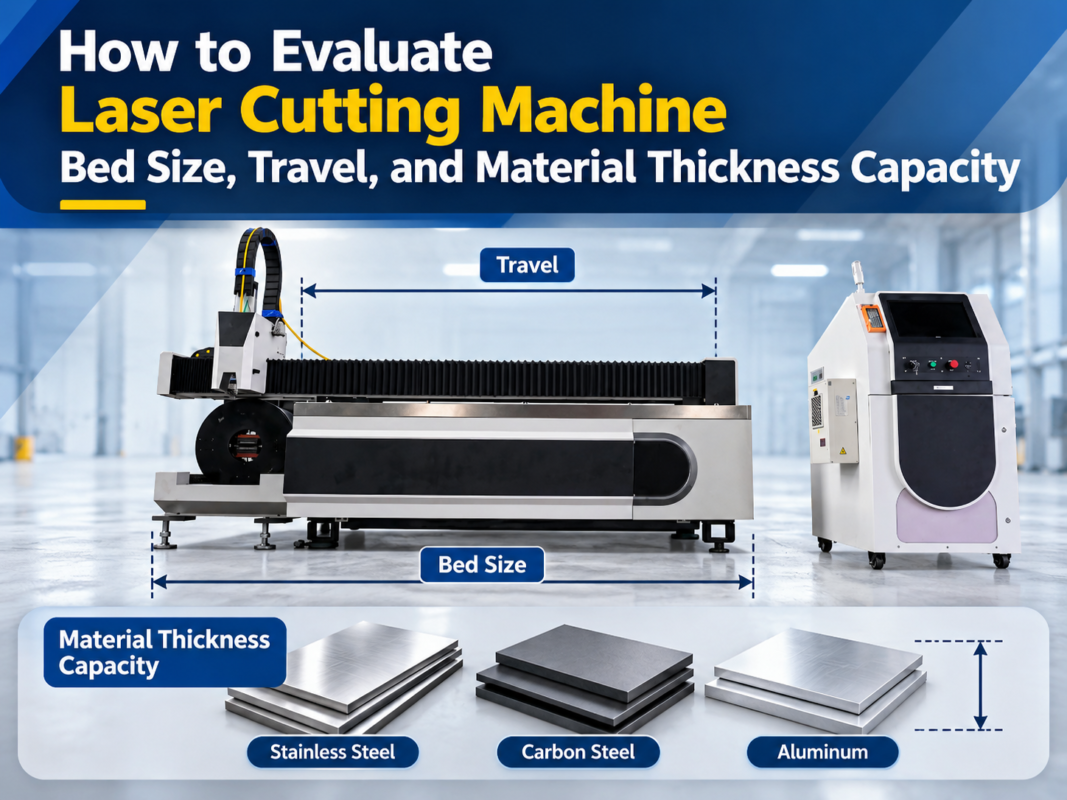
- Future-Proof Your Investment: If you expect your business to grow, consider a machine with a larger bed size or a power source that can be upgraded. It is much cheaper to buy more capacity now than to replace the entire machine in two years.
- Check Software Compatibility: Ensure the machine’s control software integrates well with your existing CAD/CAM workflow. Ease of use for the operator is key to reducing errors and training time.
Frequently Asked Questions (FAQ)
What is the difference between Fiber and CO2 lasers?
Fiber lasers are the modern standard for metal cutting. They are more energy-efficient, have no moving parts in the light generation process (reducing maintenance), and cut thin to medium-thickness metals much faster than CO2 lasers. CO2 lasers are now mostly reserved for non-metallic materials or very specific thick-plate applications where edge finish is the only priority.
How long does a fiber laser source last?
Most high-quality fiber laser sources are rated for 100,000 hours of operation. In a typical single-shift operation, this equates to over 20 years of use. However, the actual lifespan depends on the environment (dust and temperature control) and regular maintenance of the cooling system.
Can I cut reflective materials like copper and brass?
Yes, fiber lasers are well-suited for reflective materials. Unlike CO2 lasers, where reflections could damage the resonator, fiber lasers are designed with back-reflection protection. However, you still need sufficient power to pierce these materials efficiently.
What kind of training is required for operators?
Modern CNC laser software, such as CypCut, is very user-friendly. A person with basic computer skills and an understanding of metalworking can usually be trained to operate the machine in 3 to 5 days. However, mastering nesting optimization and advanced cutting parameters may take a few weeks of hands-on experience.
Is air cutting a viable alternative to Nitrogen?
Yes, for many applications, high-pressure air cutting is a cost-effective alternative. It is faster than Oxygen cutting and much cheaper than Nitrogen. The trade-off is a slightly lower edge quality (a small amount of nitriding) which may affect paint adhesion if not properly handled. For many industrial parts, however, it is perfectly acceptable.
Conclusion
The journey of Laser Cutting Machine Buying Fabrication Plants: A Complete Overview is one of balancing technical capability with financial reality. By focusing on high-quality components, understanding the true cost of operation, and selecting a configuration that matches your production needs, you can transform your fabrication plant into a high-efficiency powerhouse. HARSLE remains committed to providing the industry with the tools and knowledge necessary to succeed in this competitive market. Investing in the right laser technology today is the surest way to secure your plant’s profitability for the next decade.