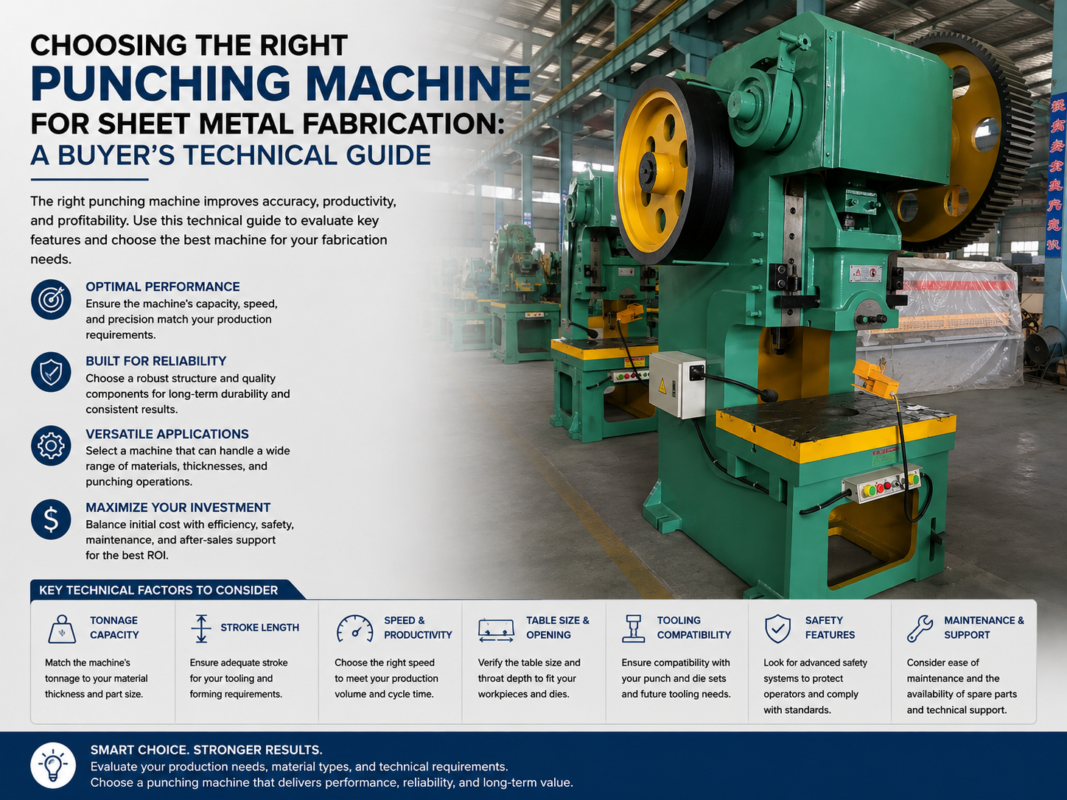
Hydraulic Press Brake vs Traditional Hydraulic Press: Which Is Best for Sheet Metal Work?


Comparison Summary: Understanding the Core Differences
In the world of metal fabrication, choosing the right machinery is the difference between a profitable production line and a bottlenecked workshop. Two of the most common yet frequently confused machines are the hydraulic press brake and the traditional hydraulic press. While both utilize hydraulic power to exert force on metal, their design, functionality, and intended outcomes are vastly different. This guide explores the nuances of Hydraulic Press Brake Vs Traditional Hydraulic Press: Which Is Best Sheet Metal Work? to help you make an informed investment for your facility.
A hydraulic press brake is a specialized machine designed specifically for bending sheet and plate material, most commonly sheet metal. It features a long, narrow bed and a matching ram that moves vertically to press the metal into a die. Conversely, a traditional hydraulic press is a more generalized machine used for a wide range of applications, including deep drawing, punching, molding, and assembly. While a traditional press can technically bend metal, it lacks the precision controls and specialized geometry that make the press brake the industry standard for complex bending tasks.
The primary distinction lies in the ‘axis of operation’ and ‘precision control.’ Press brakes are built for accuracy over long lengths, often equipped with sophisticated CNC systems to manage multiple axes of movement. Traditional presses are built for raw force and versatility, often featuring larger, square bolster areas rather than the elongated beds found on brakes. Understanding these fundamental differences is the first step in optimizing your sheet metal workflow.
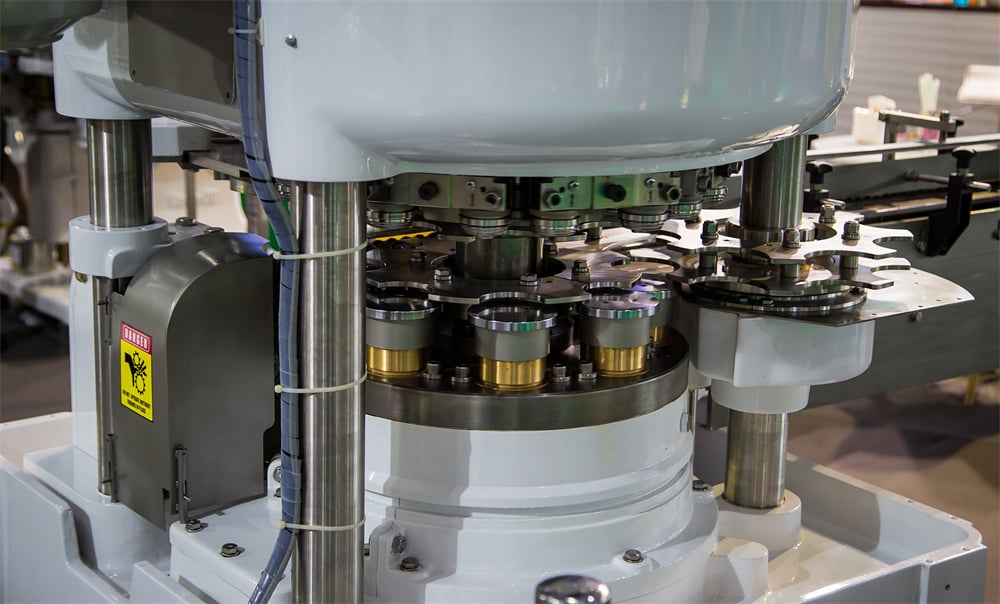
Machine A Overview: The Hydraulic Press Brake
The hydraulic press brake is the backbone of any sheet metal shop. Its primary function is to create precise bends at specific angles across the length of a workpiece. Modern press brakes, such as those manufactured by HARSLE, utilize advanced hydraulic cylinders (usually two, labeled Y1 and Y2) that are synchronized via electronic or mechanical means to ensure the ram remains perfectly level, even when the load is off-center.
Precision and Control Systems
One of the defining features of a hydraulic press brake is its CNC (Computer Numerical Control) integration. A CNC press brake allows operators to program the exact depth of the stroke, the angle of the bend, and the position of the backgauge. The backgauge is a critical component that moves in multiple axes (X, R, Z1, Z2) to position the metal sheet accurately before the ram descends. This level of automation ensures that the first part is identical to the thousandth part, which is vital for high-volume sheet metal work.
Tooling and Versatility in Bending
Press brakes use a specific set of tools known as punches (the upper tool) and dies (the lower tool). These tools are often segmented, allowing the operator to set up different lengths for various box-bending or complex folding operations. The versatility of a press brake comes from its ability to perform ‘air bending,’ where the material does not need to be pressed all the way into the die to achieve an angle. This allows a single set of tools to produce a wide range of angles simply by adjusting the ram’s stroke depth.
Structural Design for Long Workpieces
Unlike traditional presses, press brakes are designed with a wide distance between the side frames. This allows for the processing of very long sheets of metal—sometimes up to 6 meters or more. The throat depth of the machine also determines how large a flange can be bent. For fabricators working on HVAC ducts, roofing panels, or large enclosure cabinets, the elongated geometry of the press brake is non-negotiable.
Machine B Overview: The Traditional Hydraulic Press
A traditional hydraulic press, often referred to as an H-frame, C-frame, or four-column press, is a powerhouse of vertical force. Its design is centered around a large ram that applies pressure to a workpiece situated on a flat bolster plate. While it can be used for bending, its strengths lie in operations that require uniform pressure over a specific area rather than a specific line.
Force Distribution and Bed Geometry
Traditional presses are characterized by their bed shape, which is typically square or rectangular. This makes them ideal for ‘stamping’ or ‘die-cutting’ operations where a large tool is used to punch shapes out of a sheet. Because the force is often concentrated in the center or distributed across a large platen, these machines can handle much higher tonnages than standard press brakes, often ranging from 50 tons to several thousand tons for heavy industrial applications.
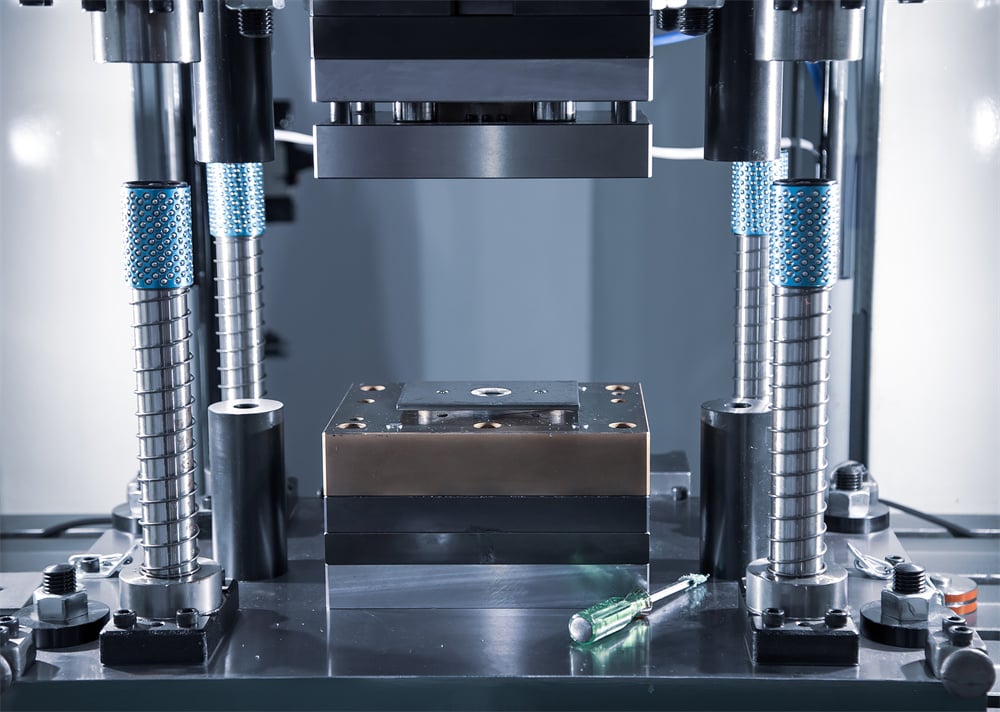
Deep Drawing and Molding Capabilities
One area where the traditional hydraulic press outshines the press brake is in deep drawing. This process involves stretching a flat sheet of metal into a three-dimensional shape, such as a kitchen sink, an automotive oil pan, or a gas cylinder. A traditional press can be equipped with a ‘cushion’ or ‘blank holder’ that controls the flow of metal into the die, preventing wrinkles and tears. A press brake is physically incapable of performing these types of volumetric forming operations.
Multi-Purpose Utility
In many maintenance shops, a traditional hydraulic press is used for more than just sheet metal. It is frequently used for pressing bearings onto shafts, straightening warped parts, or even compacting scrap material. Its simplicity is its greatest asset; without the complex backgauging and multi-axis synchronization of a press brake, the traditional press is easier to operate for basic ‘pushing’ tasks but lacks the finesse required for precision sheet metal folding.
Specification Comparison Table
To better understand the technical trade-offs, the following table compares the typical specifications of a mid-range hydraulic press brake versus a traditional hydraulic press of similar tonnage.
| Feature | Hydraulic Press Brake | Traditional Hydraulic Press |
|---|---|---|
| Primary Function | Linear Bending & Folding | Stamping, Drawing, Punching, Assembly |
| Bed Geometry | Long and Narrow (e.g., 3100mm x 200mm) | Square or Rectangular (e.g., 1000mm x 1000mm) |
| Control System | Multi-axis CNC (Y1, Y2, X, R, Z) | Manual, PLC, or Simple Stroke Control |
| Precision | High (+/- 0.01mm) | Moderate (+/- 0.1mm) |
| Tooling Type | V-Dies and Punches | Custom Die Sets, Platens, or Molds |
| Stroke Speed | Fast approach, controlled bending speed | Variable, often slower for deep drawing |
| Backgauge | Integrated Multi-axis Backgauge | Usually none (manual positioning) |
| Typical Application | Cabinets, Brackets, Profiles | Auto Body Parts, Cookware, Bearings |
Best-fit Applications: When to Choose Which?
The question of Hydraulic Press Brake Vs Traditional Hydraulic Press: Which Is Best Sheet Metal Work? often depends on the specific geometry of the final product. If your workflow involves taking flat sheets and turning them into three-dimensional boxes, frames, or complex profiles with multiple bends, the press brake is the clear winner. Its ability to handle different bend angles in a single setup using CNC programming reduces labor costs and increases accuracy.
For example, in the production of electrical enclosures, a single sheet of metal may require eight or more bends. A CNC press brake can be programmed to move the backgauge automatically for each bend, allowing the operator to complete the part in one sequence. Attempting this on a traditional hydraulic press would require multiple manual setups and custom jigs, leading to significant errors and wasted time.
On the other hand, if your sheet metal work involves ‘blanking’ (cutting out shapes) or ‘forming’ (creating indentations or deep shapes), the traditional hydraulic press is superior. In the automotive industry, parts like fenders or door panels are created using massive traditional presses because the metal needs to be stretched into a mold. Similarly, if you are manufacturing small, high-volume parts like washers or simple brackets that are stamped from a coil, a traditional press (specifically a high-speed stamping press) is the most efficient tool.
Cost and Maintenance Comparison
Investing in industrial machinery requires a look at both the initial capital expenditure and the long-term operational costs. Generally, a CNC hydraulic press brake is more expensive than a basic traditional hydraulic press of the same tonnage. This is due to the sophisticated electronics, precision-ground tooling, and the multi-axis backgauge system. However, the ROI on a press brake is often higher for sheet metal shops because it eliminates the need for multiple machines and reduces scrap rates.
Maintenance of Hydraulic Systems
Both machines share similar hydraulic maintenance requirements. This includes regular oil changes, monitoring for leaks in the seals, and ensuring the hydraulic pumps are operating at the correct pressure. However, the press brake has additional maintenance needs related to its precision components. The linear scales (which track the ram position) must be kept clean, and the backgauge lead screws require regular lubrication to maintain accuracy.
Tooling Costs
Tooling for a press brake is standardized but can be expensive if you require specialized ‘gooseneck’ punches or ‘multi-V’ dies. Traditional press tooling is often custom-made for a specific part (a ‘die set’). While a press brake’s tools are more versatile and can be used for many different jobs, a traditional press’s custom dies are more expensive to design and manufacture but allow for much faster production of a single, specific part.
Recommendation: Making the Final Decision
So, which is best for your sheet metal work? Here is a quick decision-making framework:
- Choose a Hydraulic Press Brake if: You produce a variety of parts with different bend angles; you work with long sheets of metal; precision and repeatability are your top priorities; you need to minimize setup times for small to medium batch sizes.
- Choose a Traditional Hydraulic Press if: You are performing deep drawing or complex 3D forming; you need to stamp or punch thousands of identical parts; your work involves heavy-duty assembly or straightening; you require extremely high tonnage over a concentrated area.
For most modern sheet metal fabricators, the Hydraulic Press Brake is the more essential tool. It offers the flexibility needed to respond to diverse customer demands. However, many high-capacity shops find that having both machines allows them to handle the full spectrum of metal forming, from simple bends to complex deep-drawn components.
Frequently Asked Questions
1. Can I use a traditional hydraulic press to bend sheet metal?
Yes, you can use a traditional press for bending by installing a punch and die set. However, it will lack a backgauge for accurate positioning and the precision control needed for consistent angles. It is only recommended for simple, non-critical bends.
2. Is a CNC press brake harder to operate than a traditional press?
While the software requires some training, modern CNC interfaces are very user-friendly. In fact, the automation makes it easier to produce complex parts correctly compared to the manual trial-and-error often required on a traditional press without CNC controls.
3. What is the most common cause of failure in these machines?
For both machines, hydraulic oil contamination is the leading cause of component wear and valve failure. Regular filtration and oil changes are essential. For press brakes specifically, mechanical misalignment of the backgauge is also a common issue if not properly maintained.
4. How do I determine the tonnage I need?
Tonnage depends on the material thickness, the length of the bend, and the V-opening of the die. Most manufacturers, including HARSLE, provide tonnage charts to help you select the right machine capacity for your specific material types.
5. Can a press brake do punching?
Yes, press brakes can perform punching with the right tooling, but they are not optimized for it. Continuous punching can put uneven stress on the ram and hydraulic system. If your primary task is punching, a traditional press or a dedicated turret punch press is a better choice.
6. What is ‘crowning’ in a press brake?
Crowning is a feature in press brakes that compensates for the natural deflection of the machine’s bed under load. It ensures that the bend angle is consistent across the entire length of the sheet, a feature not typically found or needed in traditional hydraulic presses.