Best Punching Machine for Sheet Metal: A Practical Buyer’s Guide

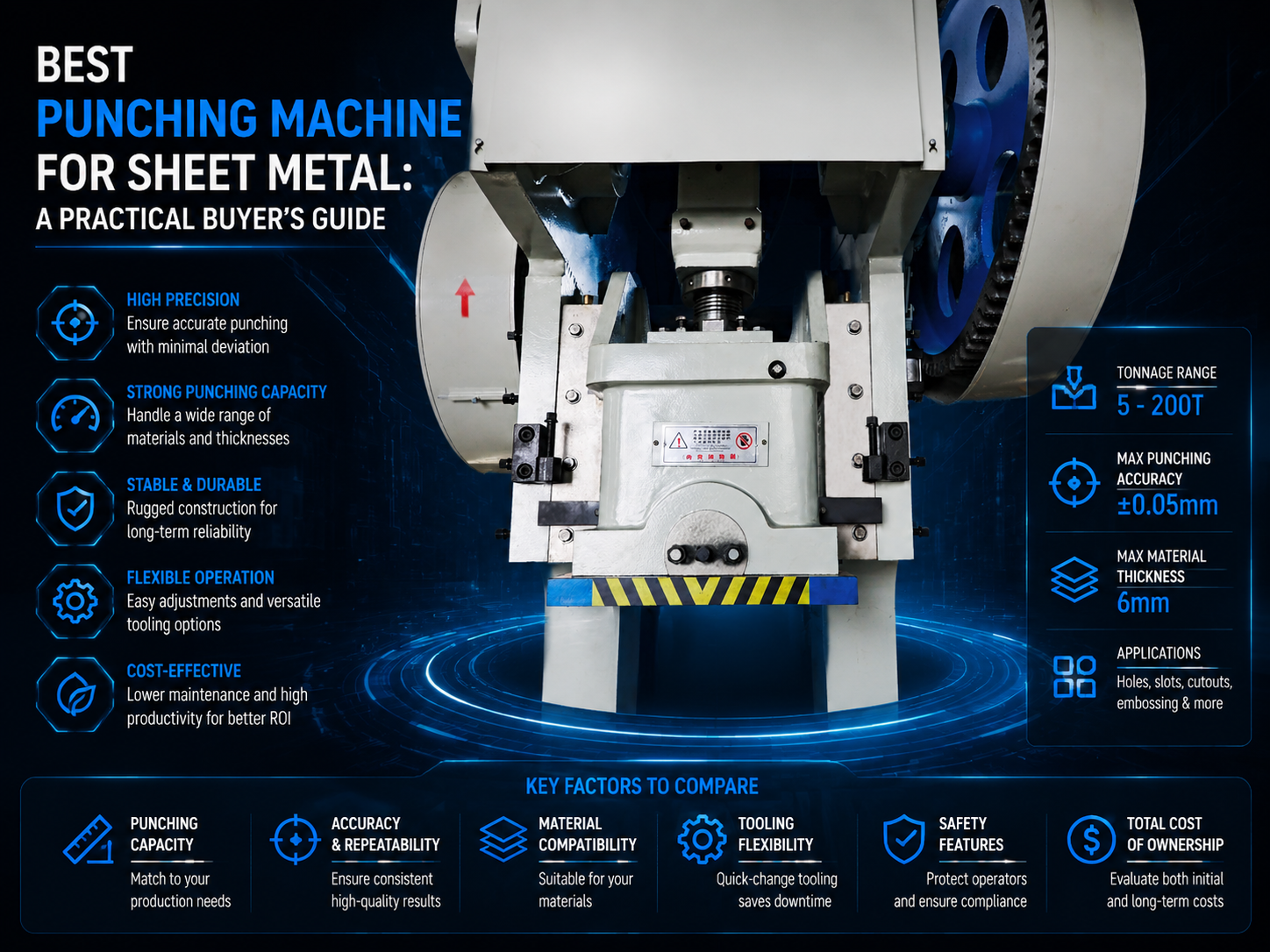
Introduction to Modern Sheet Metal Punching
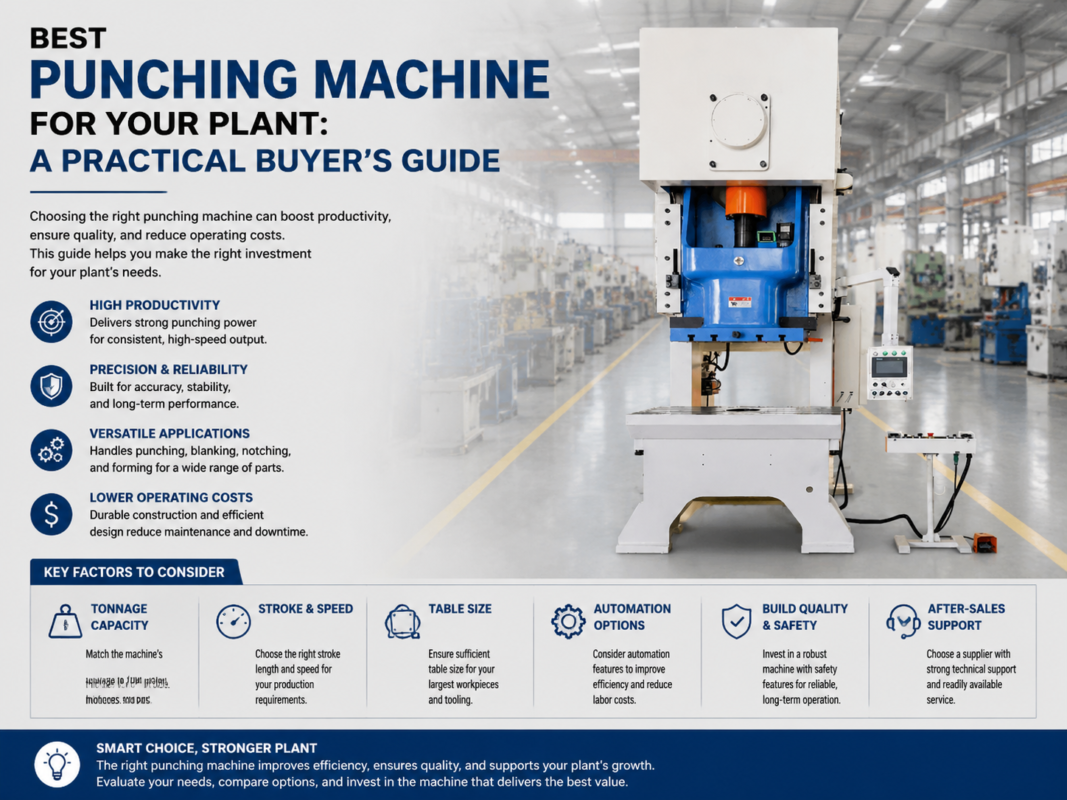
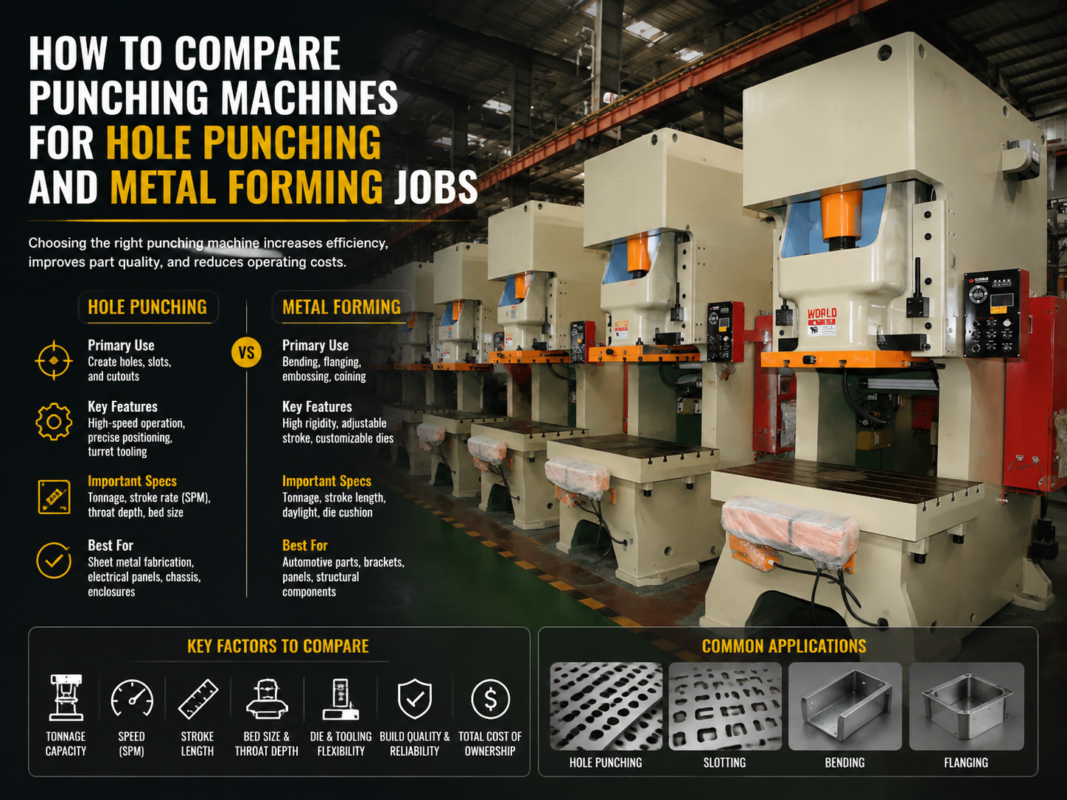
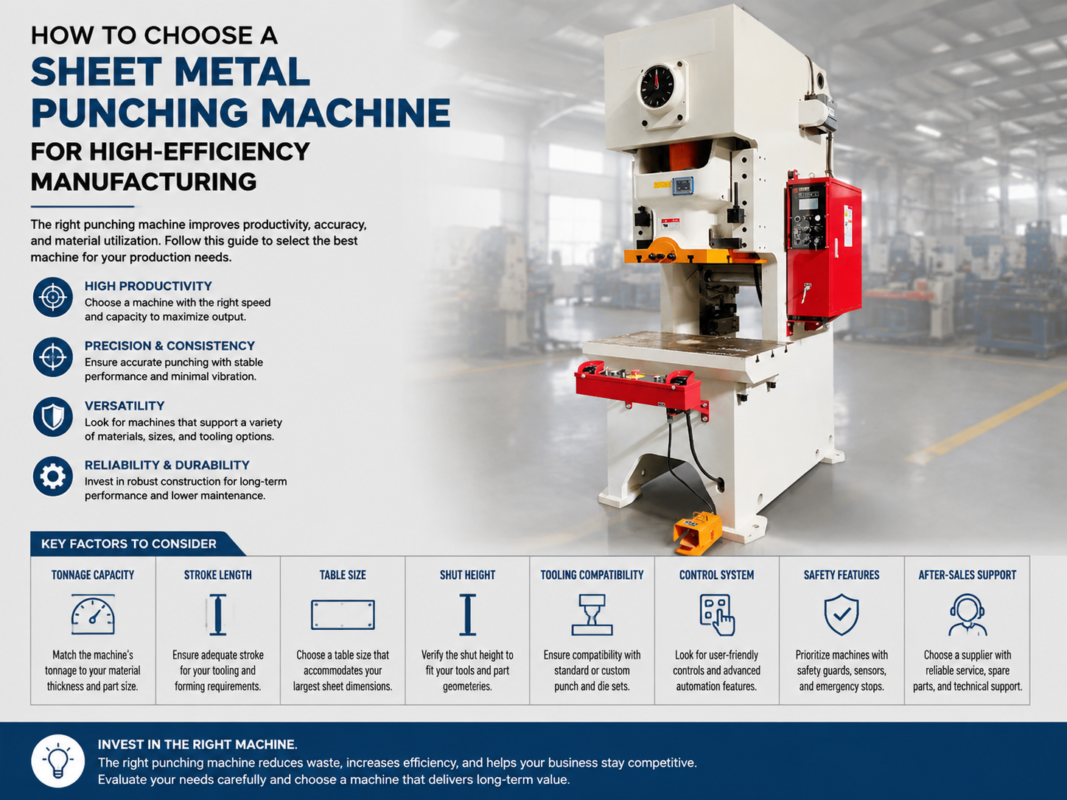
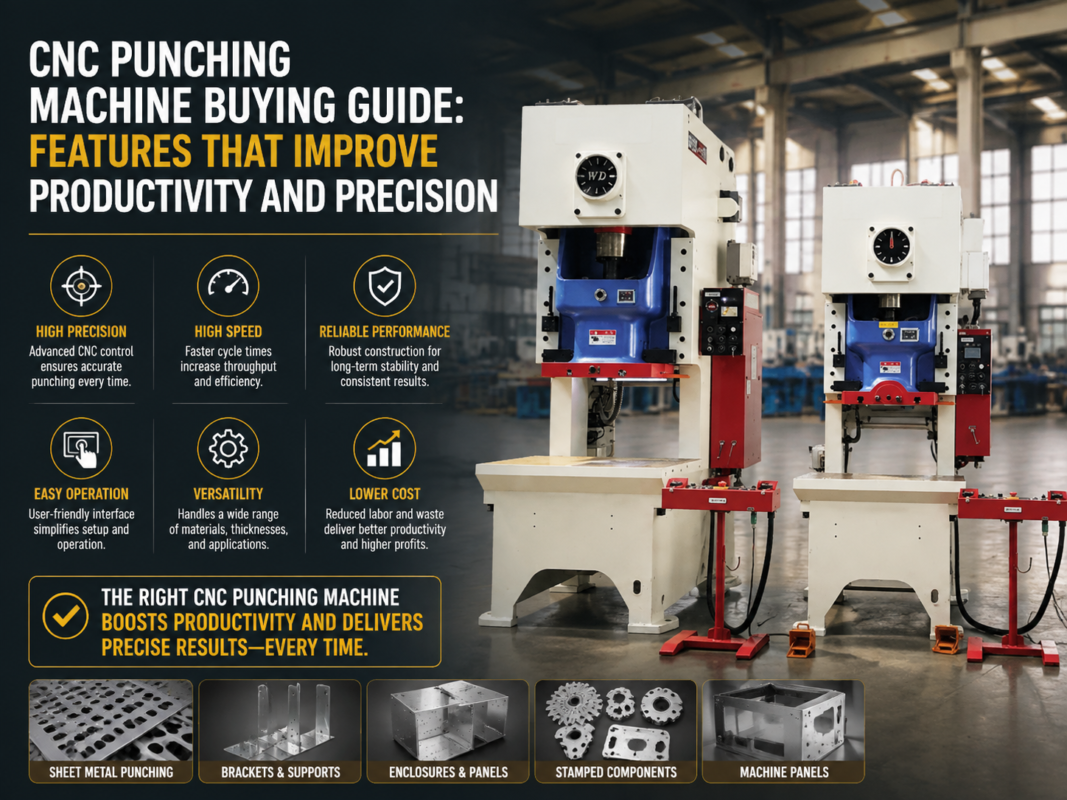
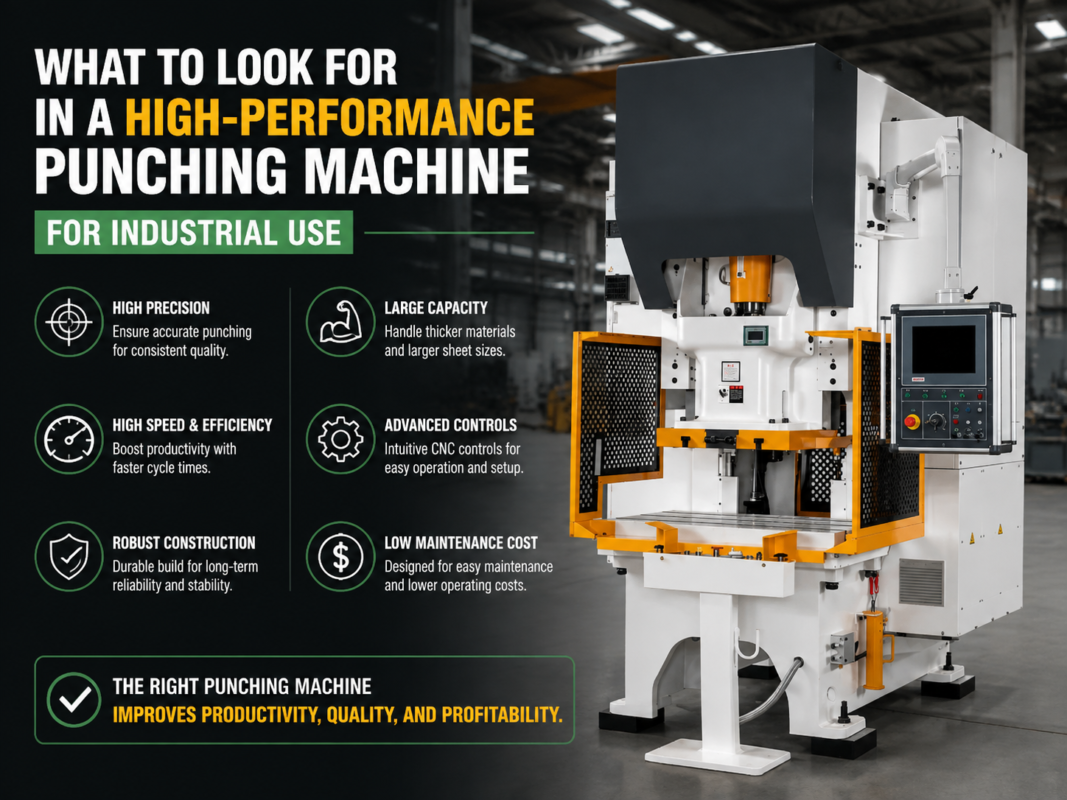
In the competitive landscape of metal fabrication, selecting the best punching machine for sheet metal is a pivotal decision that can dictate a workshop’s productivity for decades. Whether you are a small job shop or a high-volume industrial manufacturer, the ability to create precise holes, louvers, and forms at high speeds is essential. A CNC turret punching machine (NCT) remains one of the most versatile tools in the fabricator’s arsenal, offering a unique blend of speed, accuracy, and forming capabilities that laser cutters often cannot replicate economically.
HARSLE has been at the forefront of providing high-performance punching solutions that balance technological innovation with cost-effectiveness. As the industry shifts toward Industry 4.0, the definition of the “best” machine has evolved from mere tonnage to include energy efficiency, software integration, and automation compatibility. This guide aims to demystify the purchasing process, providing a deep dive into the financial and technical aspects of acquiring a punching machine.
Understanding the nuances of sheet metal punching requires looking beyond the sticker price. It involves analyzing the total cost of ownership, the specific material requirements of your projects, and the long-term scalability of the equipment. In the following sections, we will break down the price ranges, technical configurations, and ROI metrics that every buyer must consider before signing a purchase order.
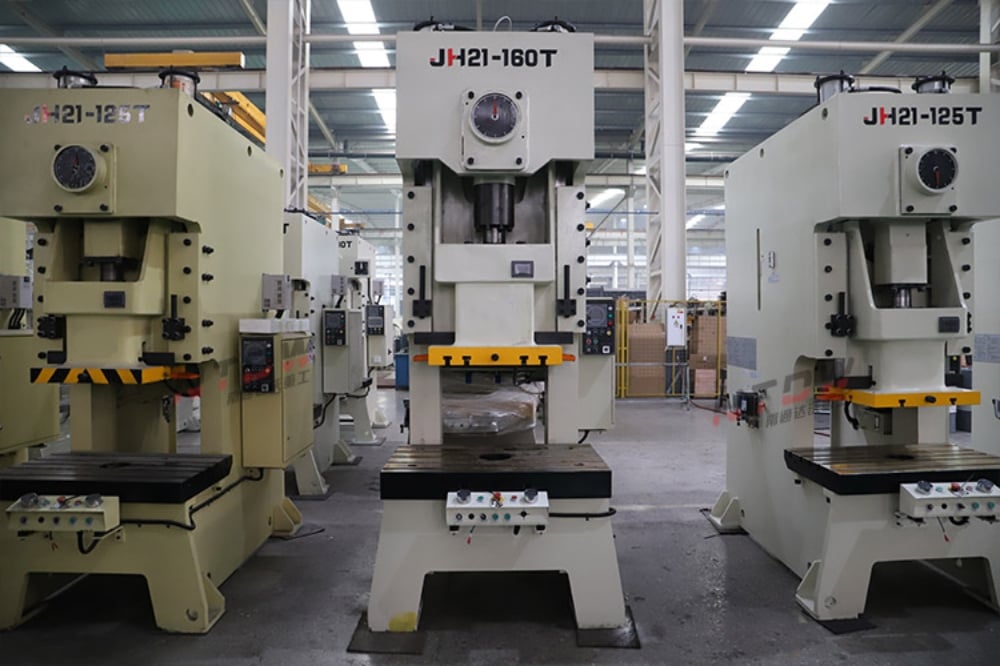
Price Range Overview: What to Expect
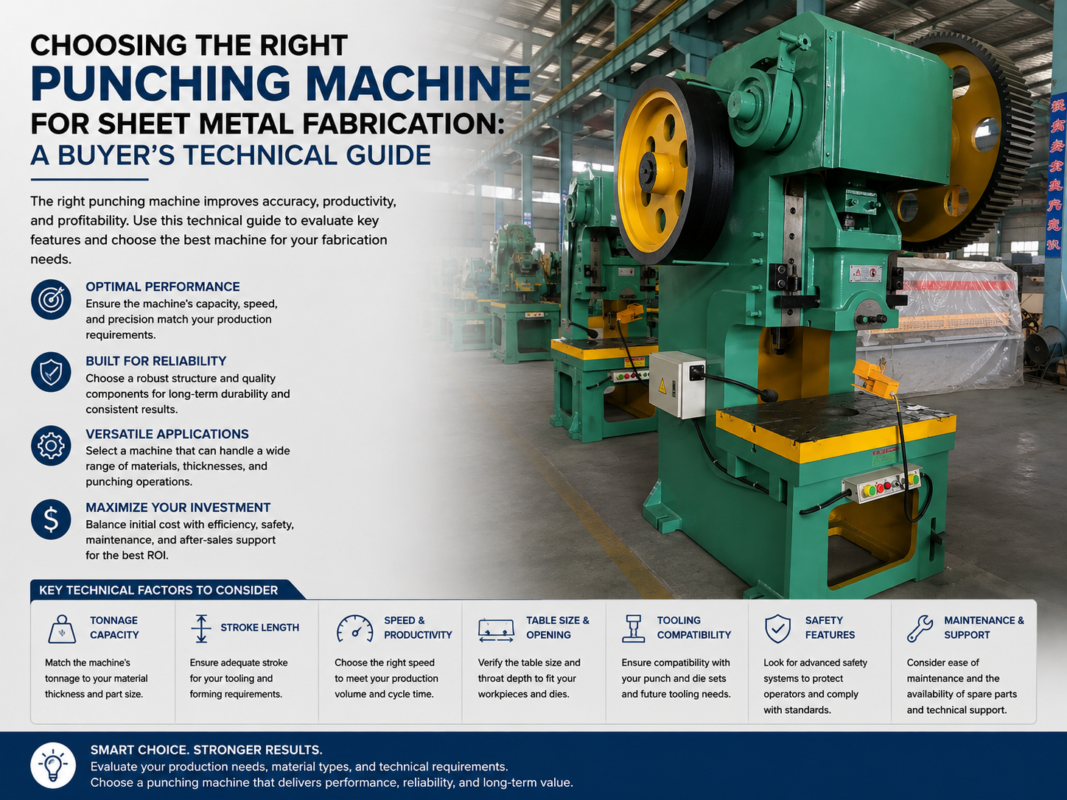
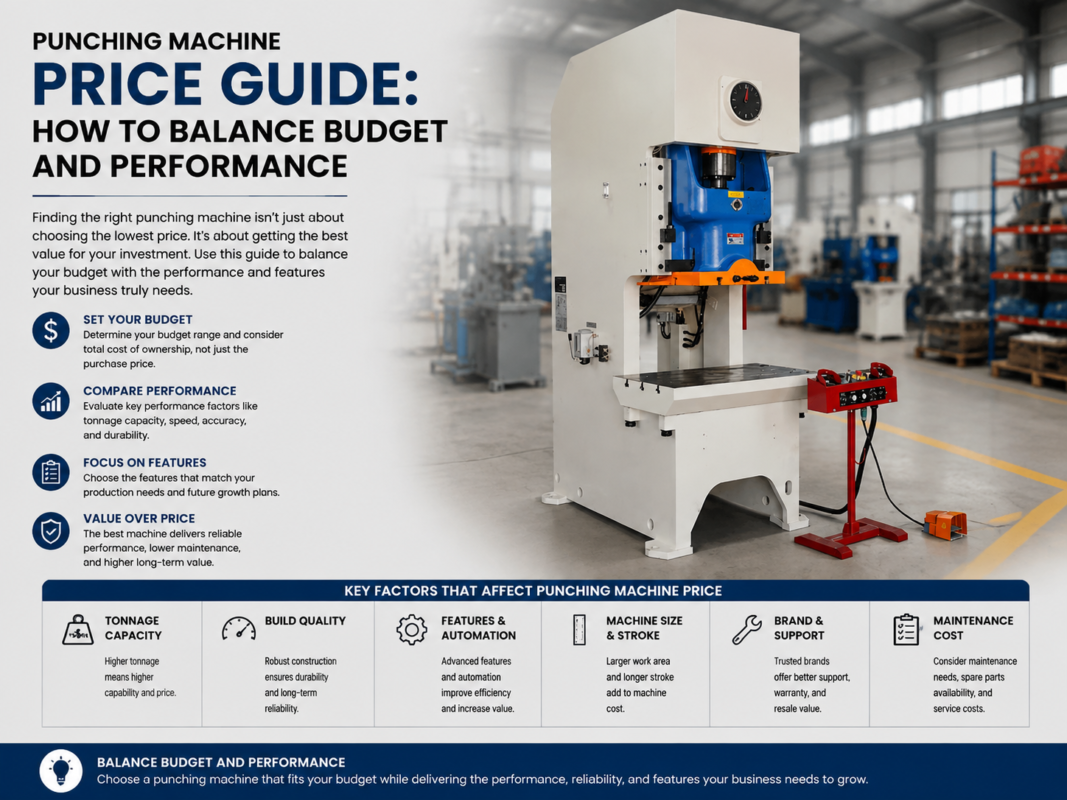
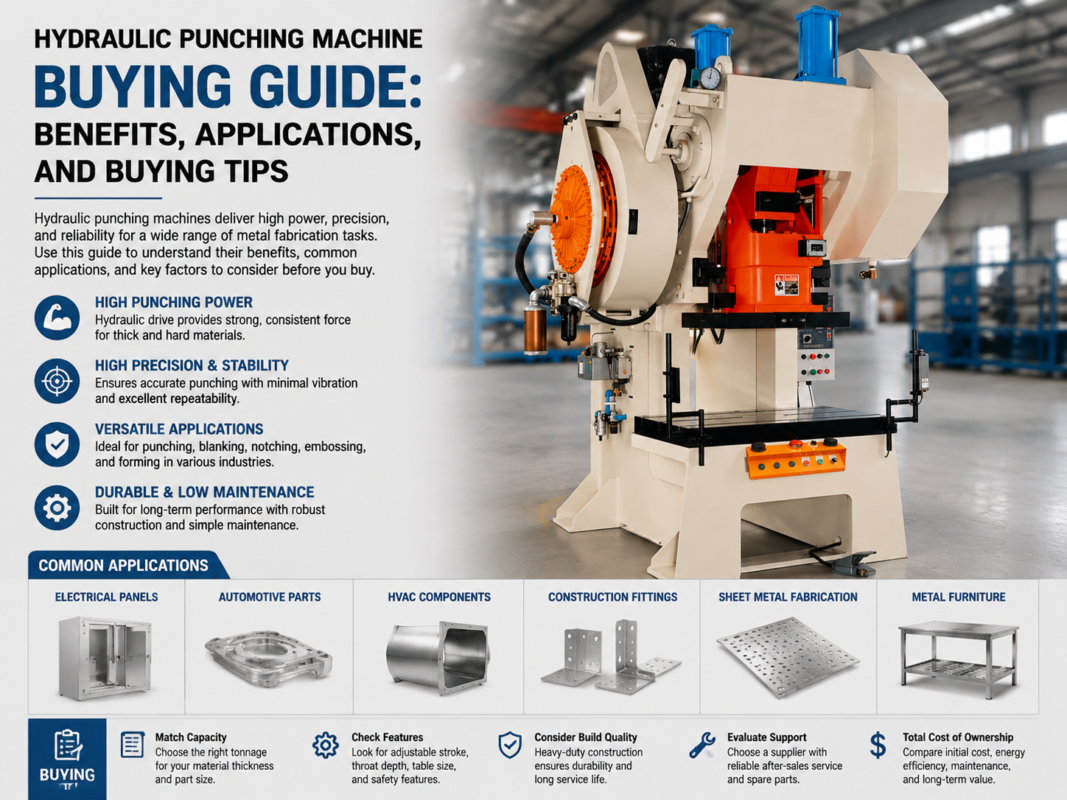
The market for sheet metal punching machines is broad, ranging from simple manual units to fully automated, servo-driven turret cells. Understanding where your needs fall within this spectrum is the first step in budgeting. Generally, the price of a punching machine is determined by its drive system (mechanical, hydraulic, or servo), its tonnage, and its level of automation.
Entry-level mechanical or simple hydraulic punching machines typically range from $15,000 to $40,000. These machines are often single-station or have limited tool capacity. They are ideal for small shops performing repetitive, simple tasks where high-speed nesting and complex geometry are not daily requirements. While they lack the sophistication of CNC models, their ruggedness and ease of repair make them a staple in many maintenance departments.
Mid-range CNC turret punching machines, which are the workhorses of the industry, generally fall between $60,000 and $150,000. These machines usually offer 20 to 30 tons of punching force and feature turrets with 12 to 32 stations. At this price point, you begin to see advanced features like auto-index stations, which allow tools to rotate 360 degrees, significantly reducing the number of tools needed for complex shapes. HARSLE’s mid-range models are particularly popular in this segment for their reliability and user-friendly CNC interfaces.
High-end, fully automated, or servo-electric punching systems can exceed $250,000. These machines are designed for 24/7 operation and often include integrated loading and unloading systems, large tool carousels, and sophisticated nesting software. The investment in these machines is justified by their incredibly low energy consumption and the elimination of hydraulic oil maintenance, alongside unmatched hit rates (often exceeding 1,000 hits per minute).
Main Cost Drivers in Punching Machinery
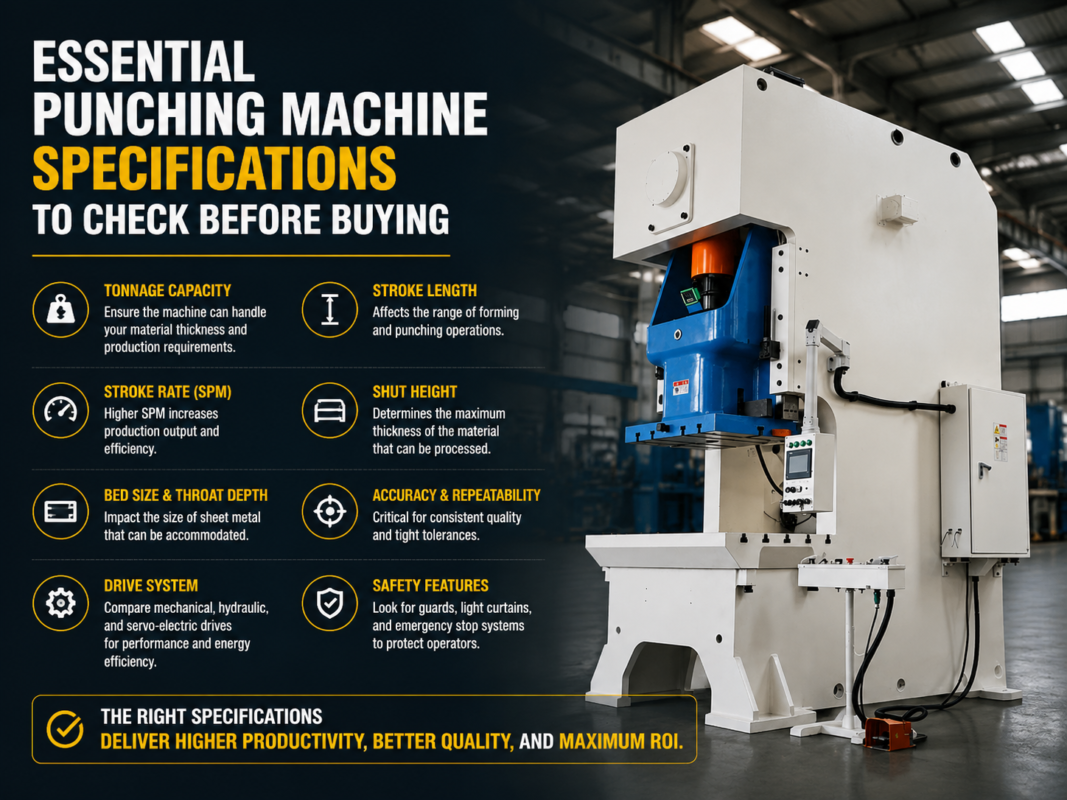
Several technical factors directly influence the manufacturing cost and, consequently, the selling price of a punching machine. The most significant of these is the Drive System. Traditional hydraulic systems are powerful and reliable but require cooling units and regular oil changes. Servo-electric drives, while more expensive upfront, offer precise control over the ram’s position, allowing for faster forming operations and significantly lower electricity bills.
Tonnage and Throat Depth are also critical cost drivers. A 30-ton machine requires a much heavier, more rigid frame than a 20-ton machine to withstand the deflection forces. Similarly, a larger throat depth (the distance from the center of the punch to the back of the frame) allows for larger sheets to be processed without repositioning, but it requires a more massive “O-frame” or “C-frame” construction to maintain accuracy. O-frames are generally more expensive due to their superior rigidity and reduced tool wear.
The Turret Configuration plays a massive role in pricing. A turret with more stations, especially those equipped with multiple “Auto-Index” stations, increases the machine’s complexity. Auto-index stations require high-precision gear sets and dedicated servo motors to rotate the punch and die in perfect synchronization. Furthermore, the inclusion of “Multi-Tool” compatibility—where a single station can hold up to 8 or 24 smaller tools—adds to the initial cost but drastically increases the machine’s versatility.
Finally, the CNC Control System and software integration cannot be overlooked. High-end controllers from brands like Fanuc or Siemens, paired with proprietary nesting software that optimizes material usage and tool paths, add several thousand dollars to the price. However, these systems are essential for minimizing scrap and reducing the programming time required for complex parts.
Configuration Impact: Tailoring the Machine to Your Needs
Choosing the right configuration is about balancing capability with necessity. For instance, if your shop primarily works with thin-gauge aluminum for electronics enclosures, a high-speed 20-ton servo-electric machine is far superior to a 50-ton hydraulic beast. The servo drive allows for delicate forming operations like louvers and offsets without the “shock” associated with hydraulic systems, resulting in better surface finishes.
The choice between Thick Turret and Thin Turret tooling is another configuration hurdle. Thick turret tooling is the industry standard in North America and Europe, offering better tool life and more regrind life due to the longer guide assemblies. Thin turret tooling is often found in older designs or specific regional markets; while the tools are cheaper, they may not hold up as well under high-tonnage applications. Most modern HARSLE machines utilize the thick turret standard to ensure customers have access to a wide variety of high-quality tooling suppliers.
Automation is the ultimate configuration upgrade. Adding a Sheet Loader/Unloader can increase a machine’s output by 30-50% by eliminating the human element of material handling. For businesses facing labor shortages or high labor costs, this configuration is no longer a luxury but a necessity. Even a simple “suction cup” loading system can allow the machine to run unattended during lunch breaks or after hours, effectively adding a “ghost shift” to your production capacity.
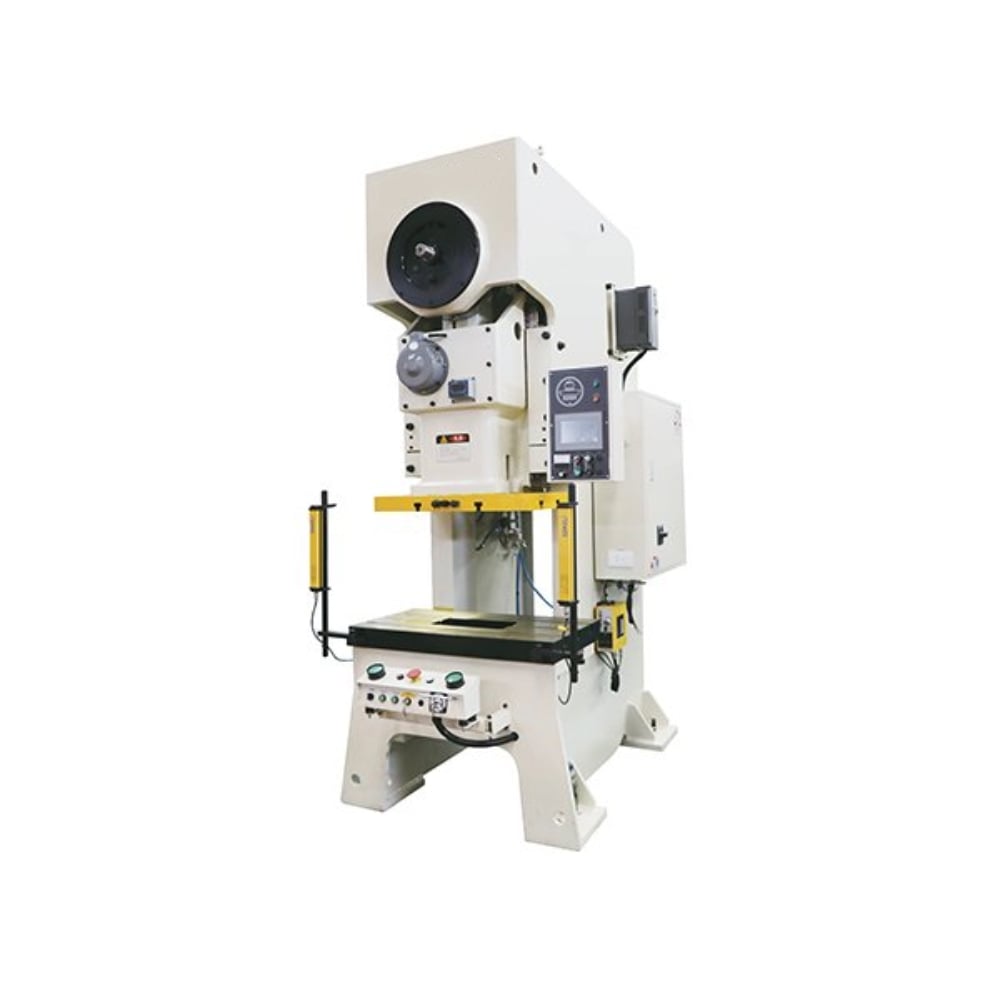
Hidden Costs of Owning a Punching Machine
The purchase price of the machine is just the beginning. One of the most significant hidden costs is Tooling. A well-equipped turret might require $10,000 to $30,000 in initial tooling sets, including various shapes (rounds, squares, obrounds) and specialized forming tools. Unlike laser consumables, punching tools require regular sharpening. Investing in a dedicated tool grinder is often necessary to maintain hole quality and prevent excessive wear on the machine’s ram.
Installation and Site Preparation can also catch buyers off guard. A 20-ton CNC turret punch can weigh upwards of 15,000 kg. This requires a reinforced concrete floor, often 200mm to 300mm thick, to prevent the machine from shifting or vibrating out of alignment. Additionally, the electrical requirements are substantial; you may need to upgrade your shop’s transformer or install dedicated voltage stabilizers to protect the sensitive CNC electronics from power surges.
Maintenance and Software Licensing are ongoing expenses. Hydraulic machines require periodic filter changes and oil replacement, which can be messy and expensive. Servo machines require less mechanical maintenance but may involve software subscription fees for nesting and CAD/CAM updates. Training is another critical factor; a high-tech machine is only as good as its operator. Budgeting for professional training sessions for your staff is vital to ensure they can utilize the full potential of the CNC software and avoid costly machine crashes.
ROI Calculation: When Does the Investment Pay Off?
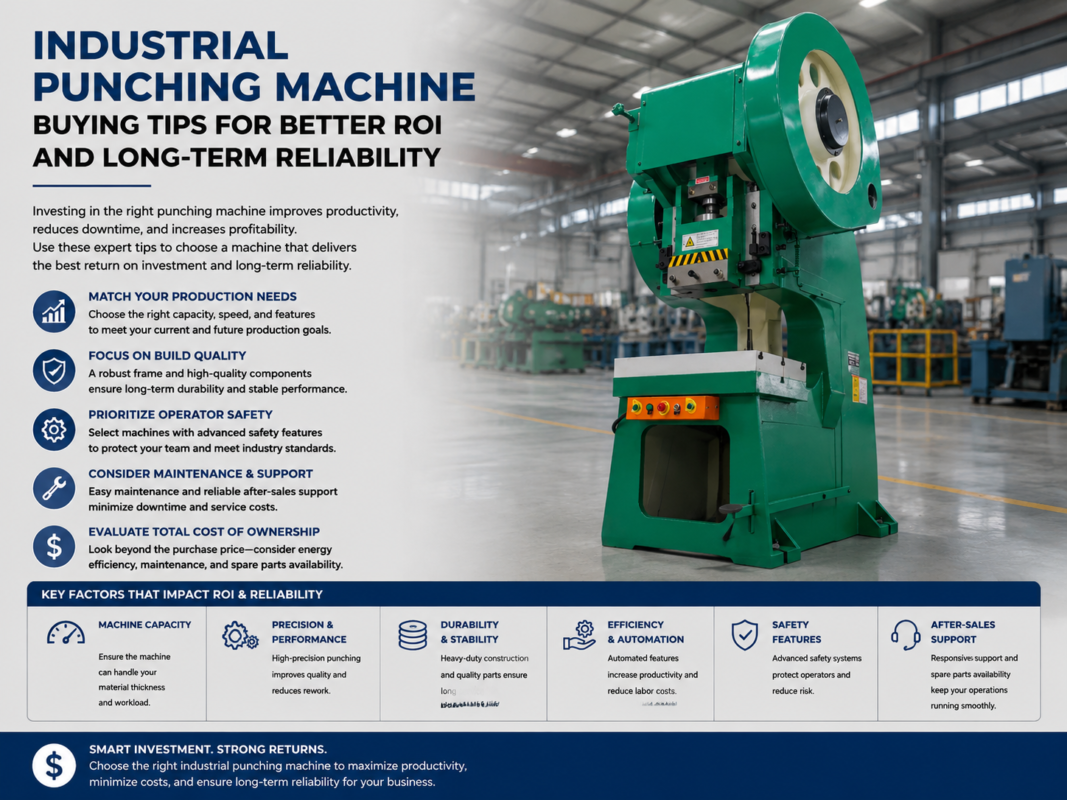
Calculating the Return on Investment (ROI) for a punching machine involves comparing the cost of the machine against the labor savings and increased throughput it provides. For example, if you are currently outsourcing your punching work or using manual methods, calculate the total monthly spend on those activities. A CNC turret punch can often replace three to four manual operators, significantly reducing payroll and insurance costs.
Material Utilization is a major factor in ROI. Advanced nesting software can squeeze more parts out of a single sheet of metal compared to manual layout. If the software improves material yield by just 5%, and you process $200,000 of sheet metal annually, that’s a $10,000 direct saving every year. Furthermore, the speed of a CNC punch—capable of hundreds of holes per minute—allows you to take on larger contracts with tighter deadlines that were previously impossible.
Consider the Secondary Operation Savings. A modern punching machine can perform tapping, deburring, and forming (like ribs or countersinks) in a single setup. By eliminating the need to move a part to a separate drill press or tapping station, you save on handling time and reduce the risk of part damage. In many cases, a mid-range HARSLE punching machine can pay for itself within 18 to 24 months of consistent operation, depending on the local labor rates and job volume.
Buying Advice for Sheet Metal Fabricators
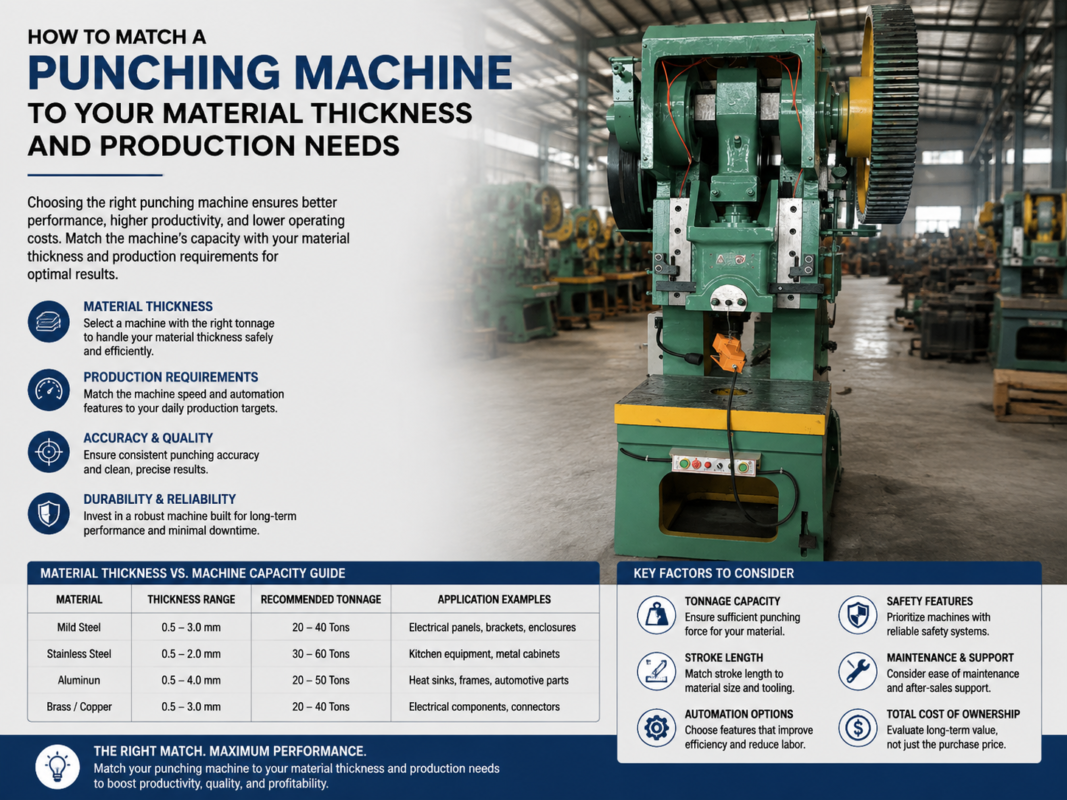
When you are ready to buy, the first step is to Audit Your Parts. Look at the thickness and types of materials you process most frequently. If 90% of your work is 3mm mild steel or thinner, a 20-ton machine is sufficient. Don’t overpay for tonnage you will never use. However, if you plan to punch 6mm plate, you must opt for a 30-ton or 50-ton model with a heavy-duty frame.
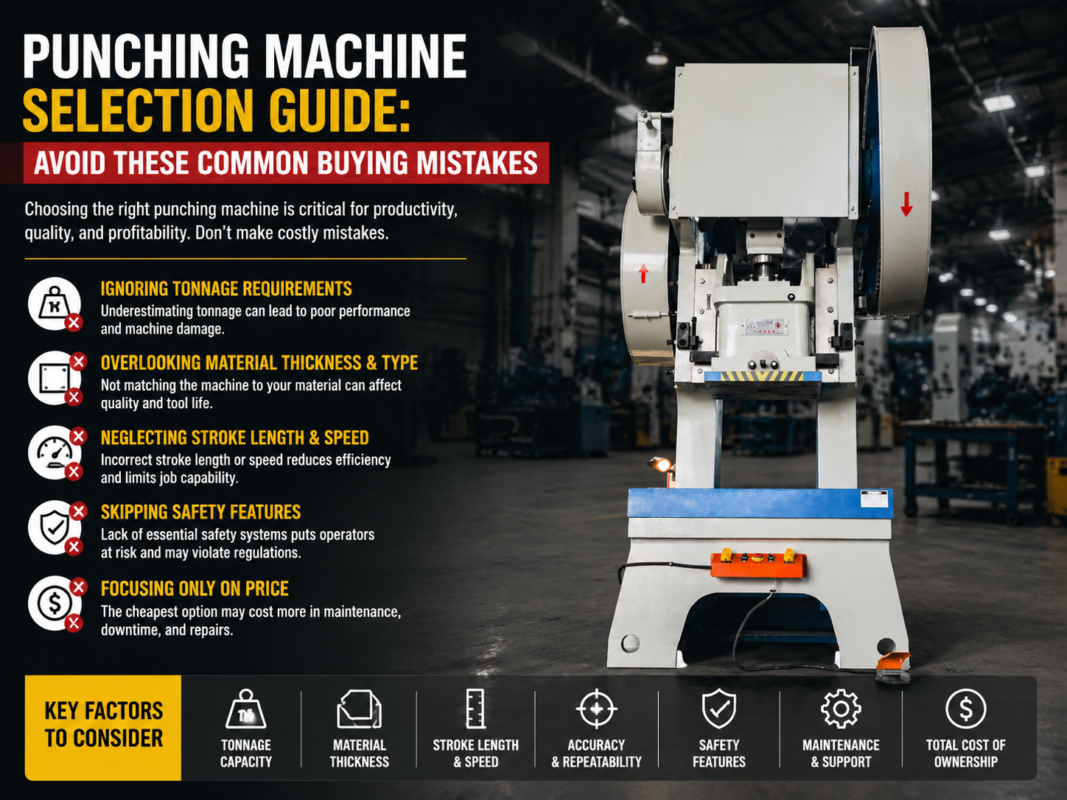
Evaluate the Supplier’s Support Network. A machine is a long-term investment, and you will eventually need spare parts or technical advice. Choose a manufacturer like HARSLE that has a proven track record of international support and readily available components. Ask about the warranty terms and whether they offer remote diagnostics, which can save thousands in service call fees by solving software or configuration issues over the internet.
Finally, Request a Live Demo or Sample Cut. Send your most complex part drawing to the manufacturer and ask them to provide a cycle time estimate and a sample of the finished part. This will give you a realistic idea of the machine’s speed and the quality of the edges and forms it produces. Pay close attention to the “nibbling” marks on curves; a high-quality machine with good software will produce a much smoother edge that requires less post-processing.
Frequently Asked Questions (FAQ)
1. Is a punching machine better than a laser cutter?
It depends on the application. Punching machines are significantly faster for creating multiple holes and can perform forming operations (louvers, tabs, countersinks) that lasers cannot. However, lasers are better for complex, irregular shapes and very thick materials where tooling costs would be prohibitive.
2. How long does a CNC turret punching machine last?
With proper maintenance, a high-quality CNC punching machine can last 15 to 20 years. The mechanical frame is usually very durable; most upgrades over the machine’s life will involve the CNC controller or the drive motors.
3. What is the difference between a C-frame and an O-frame?
A C-frame allows for easier access to the sheet but is more prone to “yawing” or deflection under high pressure. An O-frame (or bridge frame) encloses the punching area, providing maximum rigidity and ensuring the punch and die stay perfectly aligned, which extends tool life.
4. Can I punch stainless steel on a standard machine?
Yes, but stainless steel is much harder than mild steel or aluminum. You generally need to calculate the required tonnage using a higher shear strength factor (usually 1.5x that of mild steel) and use specialized, coated tooling to prevent galling.
5. How often should I sharpen my punching tools?
Tools should be sharpened as soon as you notice a decrease in hole quality or an increase in the “burr” height on the bottom of the sheet. Typically, this happens every 50,000 to 100,000 hits, depending on the material thickness and type.
6. Do I need special software to run a CNC punch?
Yes, you need CAD/CAM software with nesting capabilities. This software converts your 2D drawings into G-code that the machine understands, optimizing the tool sequence and sheet layout to save time and material.