Comprehensive Guide to Hydraulic Press Machine Uses in Tooling, Die Work, and Assembly


Introduction to Hydraulic Press Machine Uses in Tooling, Die Work, and Assembly
In the modern manufacturing landscape, the versatility and power of hydraulic systems have made them indispensable. Among the most critical pieces of equipment in any metal fabrication facility is the hydraulic press. This article explores the extensive Hydraulic Press Machine Uses In Tooling, Die Work, Assembly, detailing how these machines provide the force and precision necessary to transform raw materials into complex industrial components. HARSLE, a leader in metalworking machinery, provides high-performance hydraulic solutions designed to meet the rigorous demands of these specific applications.
Hydraulic presses operate on Pascal’s principle, allowing for the generation of massive amounts of force with relatively small input pressure. This capability is essential for tooling and die work, where materials must be shaped, cut, or formed with extreme accuracy. Furthermore, in assembly processes, the controlled application of force ensures that components are joined securely without damaging sensitive parts. Understanding the nuances of these applications is key to optimizing production efficiency and ensuring product quality.
Application Scenarios for Hydraulic Press Machines
The Hydraulic Press Machine Uses In Tooling, Die Work, Assembly span across various high-stakes industries. Each scenario requires a unique combination of pressure, stroke length, and speed control to achieve the desired outcome.
1. Automotive Component Manufacturing
The automotive industry is perhaps the largest consumer of hydraulic press technology. From stamping body panels to the assembly of engine components, hydraulic presses are used at every stage. In die work, they are used to create the complex molds required for car doors, hoods, and chassis parts. In assembly, they are used for press-fitting bearings, bushings, and gears into transmission housings, where precision is measured in microns.
2. Aerospace and Defense
Aerospace manufacturing demands the highest levels of precision and material integrity. Hydraulic presses are used for forming titanium and high-strength aluminum alloys into structural components. Die work in this sector often involves hot forming or superplastic forming, where the press must maintain constant pressure over extended periods. Assembly applications include the riveting and joining of large fuselage sections where uniform force distribution is critical.
3. Electronics and Appliance Production
In the electronics sector, hydraulic presses are used for the precision stamping of connectors, lead frames, and heat sinks. These applications require high-speed operation and extremely tight tolerances. For household appliances, presses are used in the assembly of washing machine drums, refrigerator panels, and microwave housings, often involving deep drawing and complex die configurations.
4. Die Spotting and Trial Runs
Before a die is put into full-scale production, it must be tested and refined. Die spotting presses are specialized hydraulic machines used to check the alignment and fit of the upper and lower halves of a die. This ensures that the finished product will meet specifications and prevents damage to expensive tooling during high-speed production runs.
Material and Process Requirements
To maximize the effectiveness of Hydraulic Press Machine Uses In Tooling, Die Work, Assembly, manufacturers must understand the relationship between material properties and machine capabilities.
Material Considerations
Different materials react differently under pressure. For instance, high-strength steel requires significantly more tonnage than aluminum for the same thickness. Stainless steel, known for its work-hardening properties, requires a press that can provide consistent force throughout the entire stroke to prevent cracking or springback. Hydraulic presses allow for the fine-tuning of pressure, making them ideal for handling a wide range of materials including composites and plastics in addition to metals.
Process Precision and Control
Tooling and die work often involve multi-stage processes such as blanking, piercing, and forming. Each stage requires specific pressure profiles. Modern hydraulic presses equipped with CNC (Computer Numerical Control) systems allow operators to program variable speeds and pressures. For assembly tasks, “force-distance” monitoring is often required to ensure that a part has been pressed to the correct depth with the correct amount of resistance, indicating a proper fit.
Heat Management in Die Work
In certain die work applications, such as forging or hot stamping, the material is heated to improve ductility. The hydraulic press must be capable of operating in high-temperature environments, often requiring specialized seals and cooling systems for the hydraulic fluid. The ability to hold pressure at the bottom of the stroke (dwell time) is also crucial for allowing the material to set correctly in the die.
Recommended Machine Configuration
Choosing the right configuration is vital for optimizing Hydraulic Press Machine Uses In Tooling, Die Work, Assembly. HARSLE offers several configurations tailored to specific industrial needs.
1. Four-Column Hydraulic Presses
The four-column design is highly valued for its versatility and accessibility. It provides a large working area and allows for the installation of complex dies that may require access from all four sides. This configuration is excellent for deep drawing and large-scale assembly tasks where stability and even pressure distribution are paramount.
2. H-Frame (Gantry) Presses
H-frame presses are known for their extreme rigidity. This makes them the preferred choice for heavy-duty die work and high-tonnage stamping. The rigid frame minimizes deflection, ensuring that the die halves remain perfectly aligned even under maximum load. This is critical for maintaining the longevity of the tooling and the accuracy of the parts produced.
3. C-Frame (Gap Frame) Presses
For smaller assembly tasks and light die work, C-frame presses offer a compact footprint and easy access for operators. They are ideal for manual or semi-automated assembly lines where parts are loaded and unloaded quickly. Despite their smaller size, modern C-frame presses from HARSLE offer advanced control systems for high-precision tasks.
4. Servo-Hydraulic Systems
Integrating servo motors with hydraulic pumps represents the pinnacle of modern press technology. These systems offer significant energy savings, reduced noise, and unparalleled control over the ram’s position and speed. For intricate die work and sensitive assembly, servo-hydraulic presses provide the most consistent results.
Workflow for Tooling, Die Work, and Assembly
A standardized workflow ensures safety and efficiency when utilizing a hydraulic press for industrial applications.
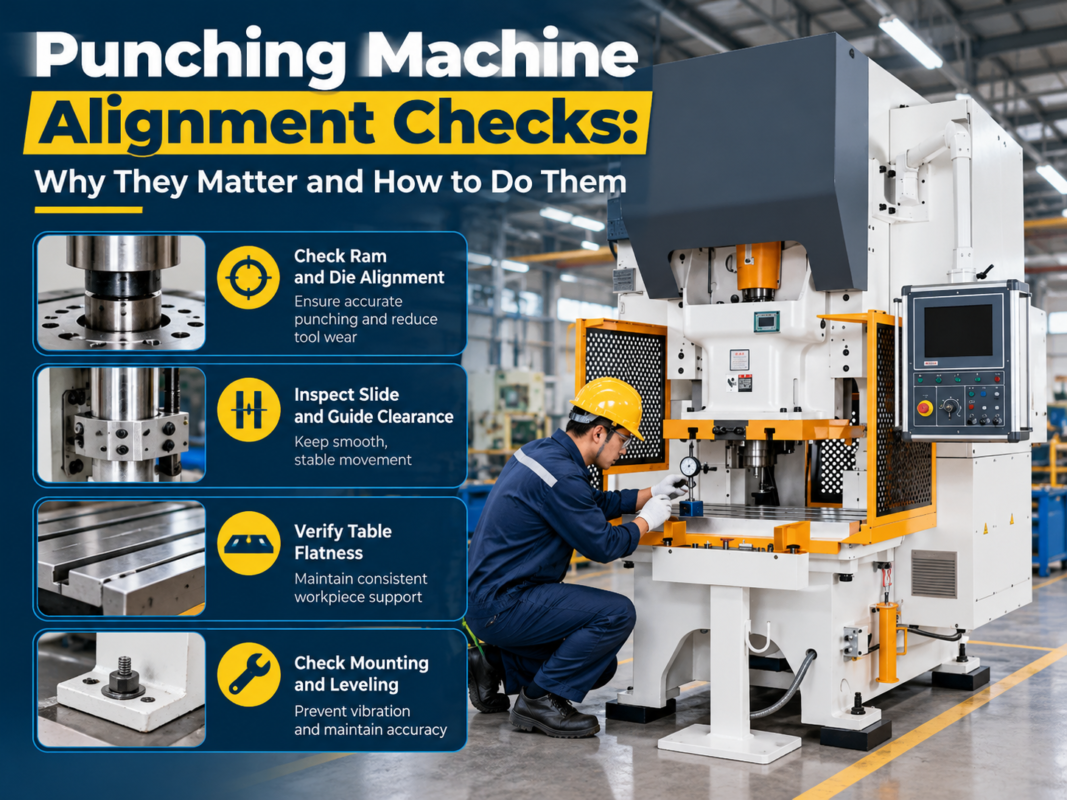
- Die/Tooling Installation: The process begins with the secure mounting of the die or assembly fixture onto the press bed and ram. Proper alignment is verified using precision instruments.
- Parameter Programming: The operator inputs the required tonnage, stroke length, pressing speed, and dwell time into the PLC (Programmable Logic Controller). For assembly, force-limit triggers are set.
- Material Preparation: Raw material or components are lubricated and positioned. In automated systems, this is handled by robotic arms or coil feeders.
- The Pressing Cycle: The ram descends, executing the programmed sequence. In die work, this might involve multiple stages of deformation. In assembly, the press joins components until the specified force or distance is reached.
- Ejection and Inspection: Once the cycle is complete, the ram retracts, and the part is ejected. Quality control checks are performed to ensure the part meets the required tolerances.
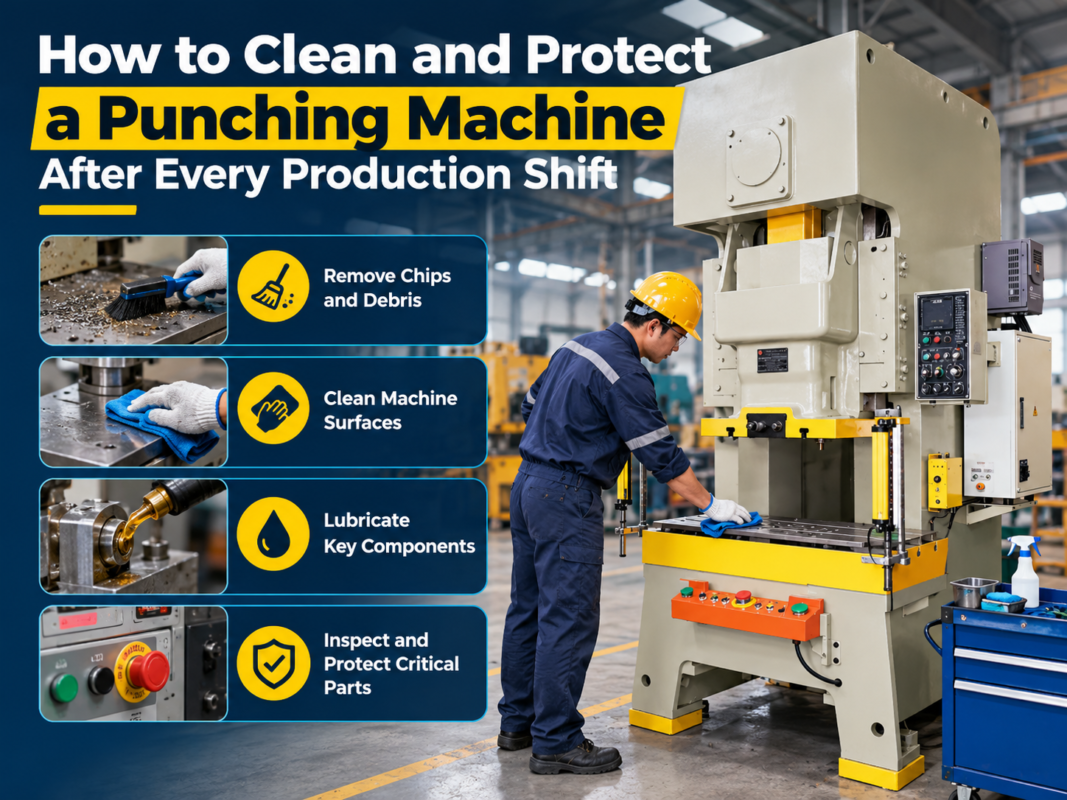
- Maintenance and Logging: After the production run, the machine is inspected for wear, and production data is logged for future optimization.
Productivity Benefits of Hydraulic Presses
The adoption of advanced Hydraulic Press Machine Uses In Tooling, Die Work, Assembly brings numerous benefits to a manufacturing facility.
- Versatility: A single hydraulic press can perform a wide variety of tasks simply by changing the die or the program settings. This reduces the need for multiple specialized machines.
- Full Power Throughout the Stroke: Unlike mechanical presses, hydraulic presses can deliver their maximum rated tonnage at any point in the stroke. This is essential for deep drawing and complex forming operations.
- Reduced Tooling Wear: The controlled, smooth application of force in a hydraulic system reduces the shock and vibration experienced by the dies, significantly extending their service life.
- Enhanced Safety: Modern presses are equipped with light curtains, dual-palm buttons, and emergency stop systems. The ability to instantly stop or reverse the ram provides an extra layer of protection for operators.
- Cost-Efficiency: With the advent of servo-hydraulic technology, energy consumption is drastically reduced. Furthermore, the high repeatability of hydraulic presses minimizes scrap rates, leading to lower material costs.
Case Example: Automotive Bushing Assembly
A leading automotive parts supplier faced challenges with their manual bushing assembly process. The rejection rate was high due to inconsistent insertion depths and occasional damage to the aluminum housings. They transitioned to a HARSLE 4-column hydraulic press equipped with a servo-control system and a force-distance monitoring kit.
The result was a 40% increase in production speed and a reduction in the scrap rate from 5% to less than 0.1%. The press was programmed to apply a specific pressure curve, ensuring the bushing was seated perfectly every time. The data logging capabilities allowed the manufacturer to provide their clients with a digital “birth certificate” for every part, proving that it met all assembly specifications. This case highlights how the right Hydraulic Press Machine Uses In Tooling, Die Work, Assembly can transform a production line.
Frequently Asked Questions (FAQ)
1. What is the difference between a hydraulic press and a mechanical press for die work?
Hydraulic presses offer full tonnage throughout the entire stroke and adjustable speeds, making them better for deep drawing and complex forming. Mechanical presses are generally faster and better for high-volume, shallow stamping but lack the flexibility and pressure control of hydraulic systems.
2. How do I determine the tonnage required for my die work?
Tonnage is calculated based on the material type, thickness, the total length of the cut or the surface area of the form, and the shear strength of the material. It is always recommended to choose a press with a capacity 20-30% higher than the calculated requirement to ensure machine longevity.
3. Can hydraulic presses be used for plastic and composite assembly?
Yes, hydraulic presses are excellent for composites and plastics because they allow for precise control over the rate of compression and dwell time, which is necessary for the curing or bonding processes often found in these materials.
4. What maintenance is required for a hydraulic press used in assembly?
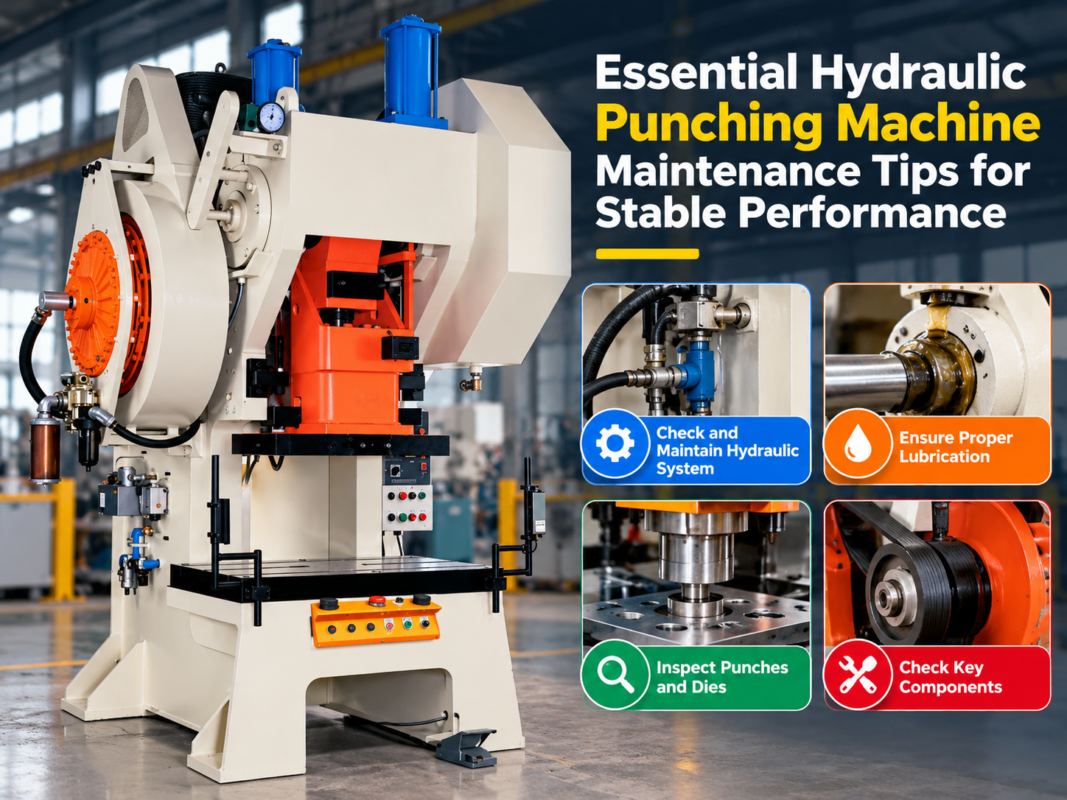
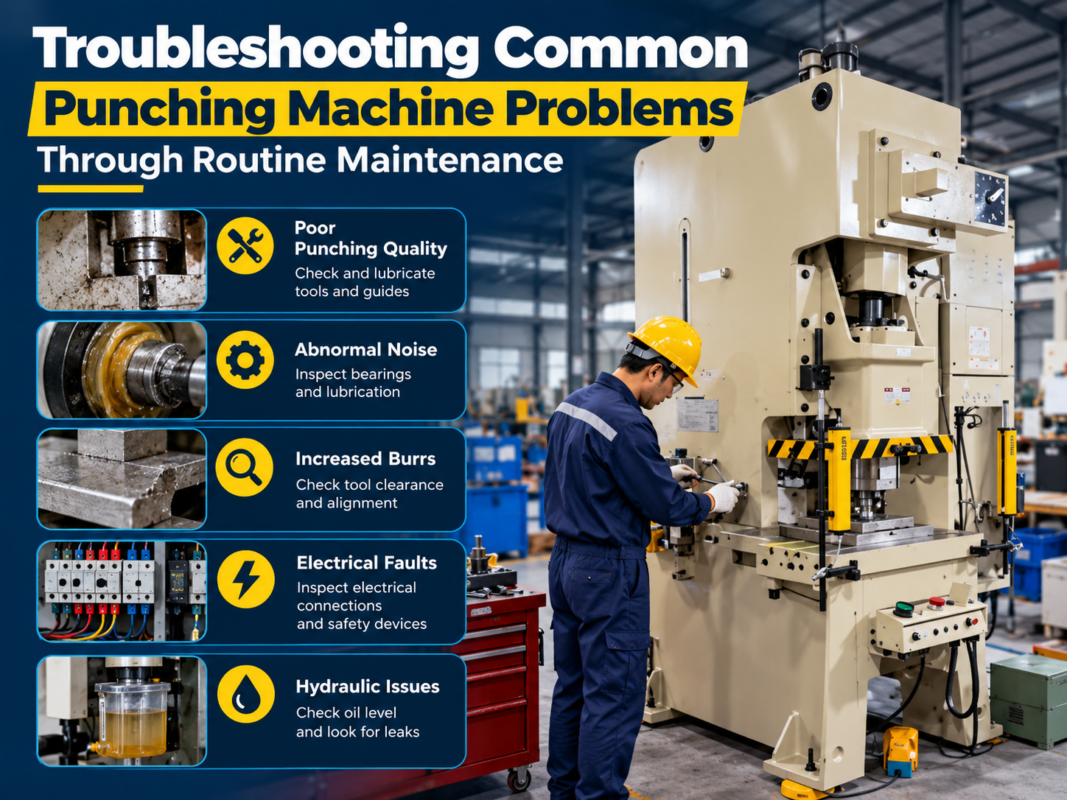
Regular maintenance includes checking hydraulic fluid levels and quality, inspecting seals for leaks, lubricating moving parts, and calibrating the pressure sensors and PLC. Keeping the oil clean is the most important factor in preventing valve and pump failure.
5. Are hydraulic presses suitable for high-speed production?
While traditionally slower than mechanical presses, modern high-speed hydraulic presses and servo-hydraulic systems have significantly closed the gap, offering speeds that are suitable for many high-volume production environments while maintaining superior control.
Conclusion and Call to Action
The Hydraulic Press Machine Uses In Tooling, Die Work, Assembly are foundational to modern industrial success. Whether you are forming high-strength aerospace components or assembling delicate electronic parts, the precision, power, and versatility of a HARSLE hydraulic press can significantly enhance your manufacturing capabilities. By choosing the right machine configuration and understanding the specific requirements of your materials and processes, you can achieve higher productivity, lower costs, and superior product quality.
Are you looking to upgrade your facility with the latest in hydraulic press technology? Contact HARSLE today to speak with our technical experts. We can help you select the perfect machine for your tooling, die work, and assembly needs, ensuring your business remains competitive in an ever-evolving market. Visit our website to explore our full range of products and request a customized quote.