Hydraulic Press Not Building Pressure? Causes, Checks, and Solutions


Introduction to Hydraulic Pressure Issues in Metal Fabrication
In the world of metal fabrication, the hydraulic press is the workhorse of the shop floor. Whether you are performing deep drawing, punching, bending, or assembly, the machine relies entirely on the consistent generation and maintenance of hydraulic pressure. When a operator encounters a situation where the Hydraulic Press Not Building Pressure? Causes, Checks, Solutions becomes the primary focus of the day, production grinds to a halt. Understanding why a system fails to reach its rated tonnage is critical for minimizing downtime and preventing expensive component damage.
Hydraulic systems operate on Pascal’s Law, which states that pressure applied to a confined fluid is transmitted undiminished in every direction. If your press is failing to build pressure, it means there is a breach in this ‘confinement’ or a failure in the ‘application’ of force. This could be as simple as a loose fitting or as complex as internal pump cavitation. For manufacturers using HARSLE machinery or any industrial press, diagnosing these issues requires a systematic approach that moves from the most obvious external factors to the more intricate internal components.
This guide is designed to provide a deep dive into the technical reasons behind pressure loss. We will explore the mechanical, hydraulic, and electrical variables that must align for a press to function correctly. By the end of this article, maintenance teams and shop managers will have a clear roadmap for troubleshooting and resolving pressure-related failures, ensuring that their metal fabrication equipment returns to peak performance as quickly as possible.
Key Considerations Before Troubleshooting
Before diving into the reservoir or dismantling valves, safety must be the absolute priority. Hydraulic systems store immense amounts of energy. Even when a press is ‘off,’ residual pressure can remain trapped in accumulators or cylinders. Always follow Lockout/Tagout (LOTO) procedures and ensure that the ram is mechanically blocked or fully lowered to prevent accidental descent. Never check for leaks with your hands; high-pressure fluid injection injuries are surgical emergencies.
Another key consideration is the distinction between ‘no pressure’ and ‘low pressure.’ If the gauge reads zero, you are likely looking at a total pump failure, a broken drive shaft, or a completely open relief valve. If the press builds some pressure but stalls before reaching the target, the issue is more likely related to internal leakage, worn seals, or a misadjusted pressure regulator. Distinguishing between these two states significantly narrows down the list of potential culprits.
Environmental factors also play a role. Is the shop particularly cold this morning? High oil viscosity in cold temperatures can cause the pump to cavitate, preventing it from drawing fluid. Conversely, is the oil overheating? As hydraulic oil thins out due to heat, internal bypass (leakage) increases, making it harder for the system to maintain high pressure. Always check the oil temperature and level as your first diagnostic step.
Finally, consider the age and service history of the machine. A new HARSLE press that suddenly loses pressure might have a simple electrical solenoid issue or a piece of debris in a valve. An older machine that has gradually lost pressure over months likely suffers from component wear, such as a thinning pump plate or hardened cylinder seals. Documenting these observations helps in applying the right solution.
Technical Details: Why Your Hydraulic Press Fails to Build Pressure
1. Pump and Motor Issues
The hydraulic pump is the heart of the system. If it cannot move fluid, pressure cannot be generated. One of the most common causes of pressure failure is pump cavitation. This occurs when the pump is starved of oil, often due to a clogged suction strainer or a restricted intake line. You will usually hear a high-pitched whining or growling sound if this is the case. If air enters the suction line (aeration), the oil becomes compressible, and the press will feel ‘spongy’ and fail to reach maximum tonnage.
Mechanical failure of the pump is another possibility. In vane or gear pumps, internal wear can create a path for oil to slip from the outlet back to the inlet. In piston pumps, a broken swashplate or worn pistons will result in a total loss of flow. If the motor is spinning but the pump is not, check the coupling between the two; a sheared key or a broken spider coupling is a frequent but often overlooked mechanical failure.
2. Relief Valve Malfunctions
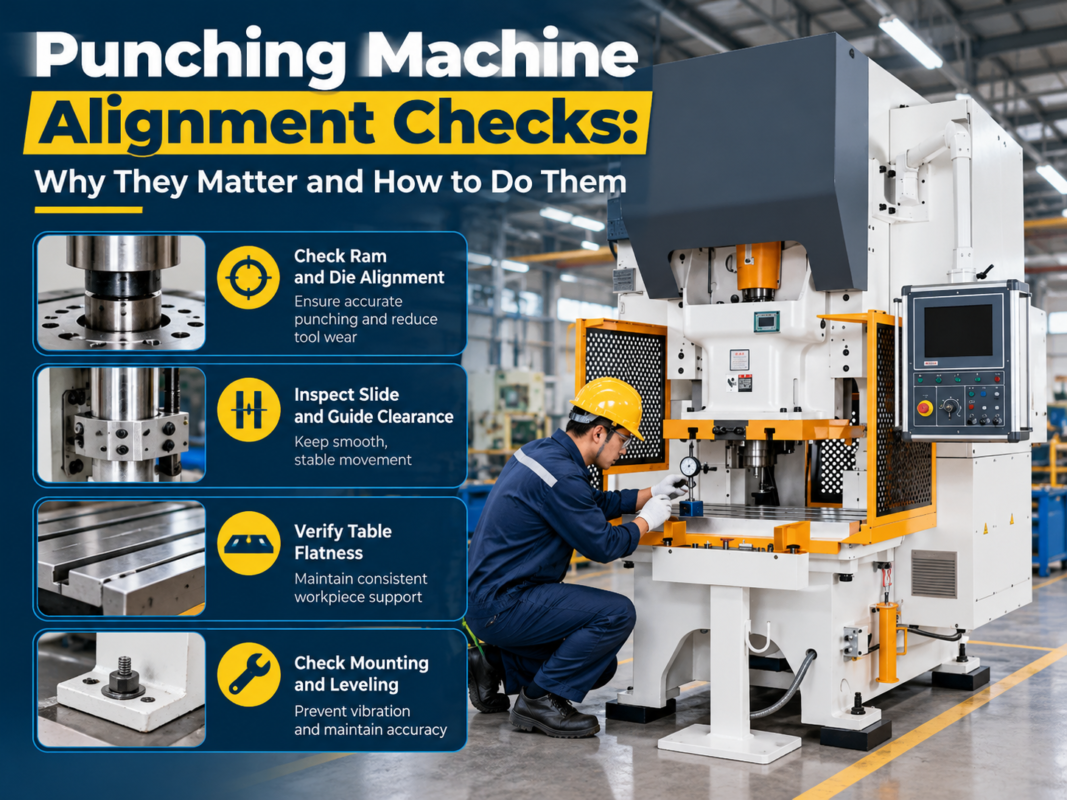
The pressure relief valve is the ‘security guard’ of the hydraulic circuit. Its job is to open and divert oil back to the tank when the pressure reaches a specific limit. If this valve is stuck in the open position—perhaps due to a tiny speck of metal or dirt—the oil will simply take the path of least resistance back to the reservoir, and the system will never build pressure. This is the most common cause of sudden pressure loss in industrial machinery.
Relief valves can also fail due to spring fatigue. Over years of operation, the internal spring that holds the valve shut can weaken or break. If the spring cannot provide enough counter-force, the valve will open prematurely. Testing this involves adjusting the relief setting while watching the gauge; if the pressure does not change regardless of the adjustment, the valve is likely contaminated or broken.
3. Directional Control Valve (DCV) and Solenoid Failures
The directional control valve dictates where the oil goes. If the spool inside the DCV does not shift fully, oil may be diverted to the tank instead of the cylinder. This is often an electrical issue. If the solenoid coil burns out or the PLC (Programmable Logic Controller) fails to send a signal, the valve won’t shift. You can often test this manually by pressing the override button on the end of the solenoid valve to see if the press reacts.
4. Internal Cylinder Leakage
If the pump is working and the valves are shifting, but the ram won’t move or build pressure under load, the problem might be inside the cylinder. Piston seals prevent oil from bypassing from the high-pressure side to the low-pressure side. If these seals are worn or scarred, the oil simply flows around the piston. This is known as ‘internal bypass.’ A quick way to check this is to extend the cylinder to its limit and see if oil continues to flow out of the return port; if it does, the seals are blown.
5. Hydraulic Fluid Quality and Contamination
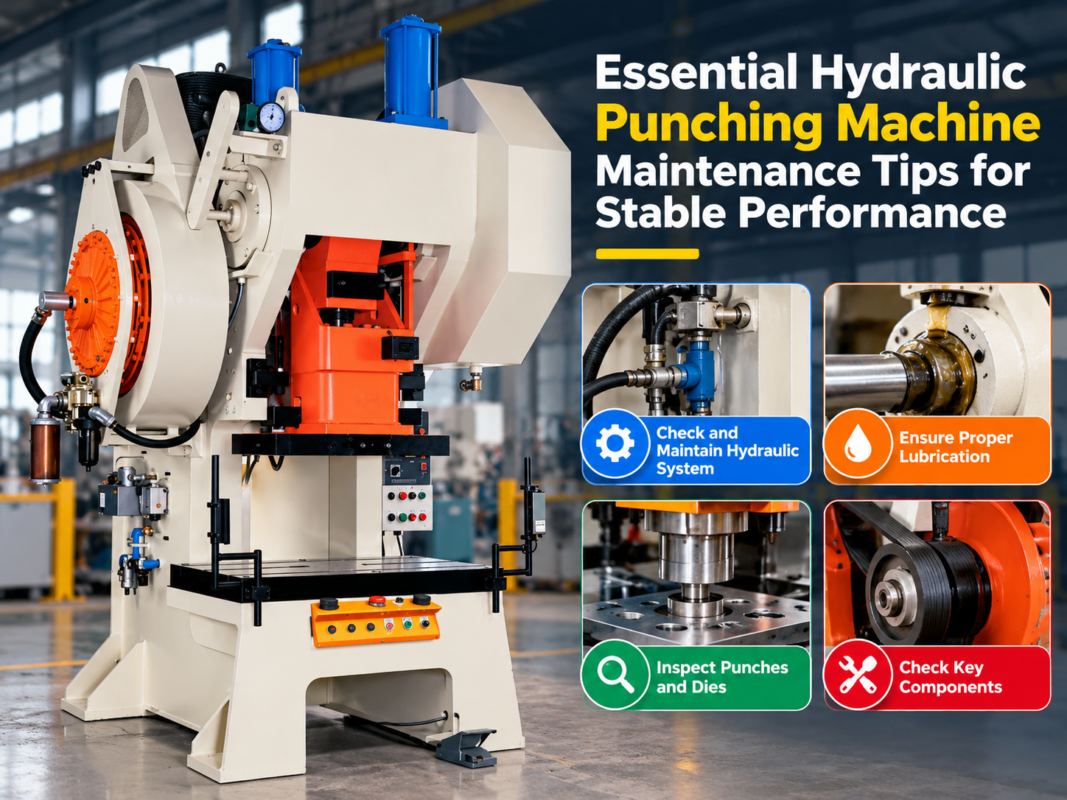
Contamination is the ‘silent killer’ of hydraulic systems. Microscopic particles can score pump surfaces, erode valve seats, and tear seals. If the oil is dirty, it can cause valves to hang up or stick. Furthermore, if the oil has degraded and lost its viscosity, it will leak past internal clearances more easily, especially as the machine warms up. Regular oil analysis and filter changes are the best defense against these technical failures.
Troubleshooting Checklist: A Step-by-Step Guide
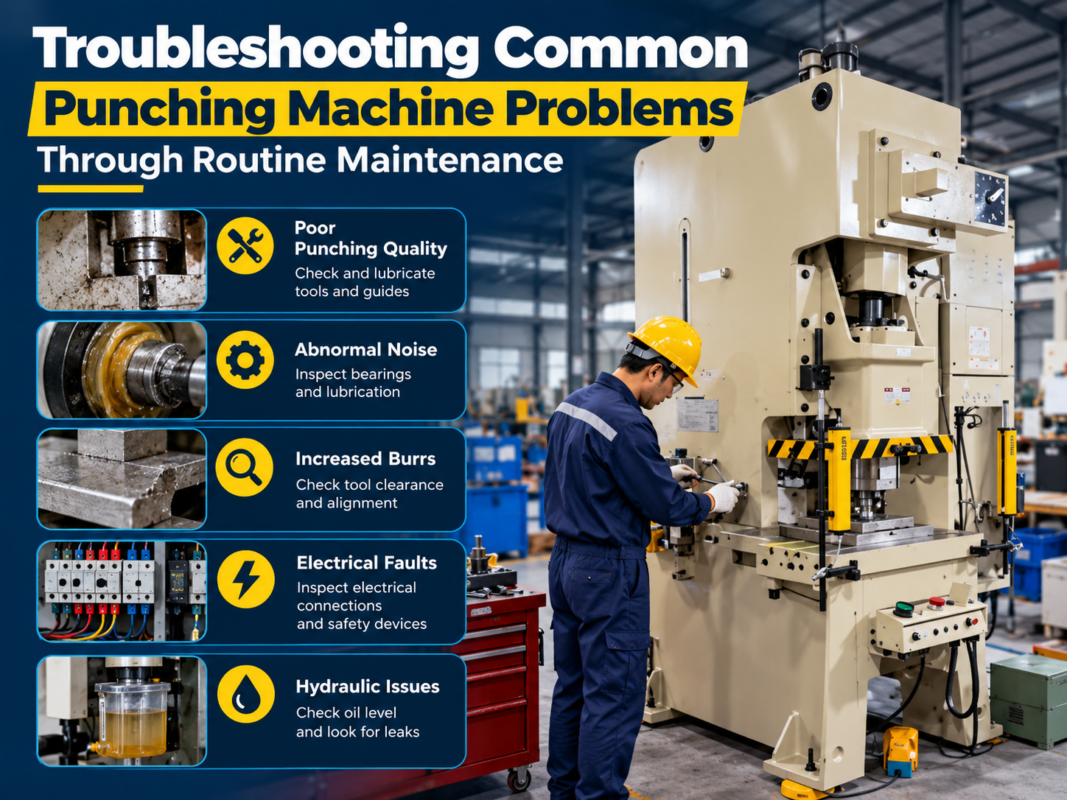
| Component | Check Action | Potential Solution |
|---|---|---|
| Oil Reservoir | Check oil level and clarity. | Refill oil or replace if contaminated. |
| Suction Filter | Inspect for clogs or debris. | Clean or replace the suction strainer. |
| Relief Valve | Check for debris or broken spring. | Clean the valve or replace the spring/cartridge. |
| Pump Coupling | Ensure motor shaft is turning the pump. | Replace sheared keys or broken couplings. |
| Solenoid Valves | Check for electrical signal and coil continuity. | Replace faulty coils or repair wiring. |
| Cylinder Seals | Perform a bypass test at full stroke. | Rebuild cylinder with new seal kits. |
Selection Advice: Choosing a Reliable Hydraulic Press
When purchasing a hydraulic press, the goal is to choose a machine that minimizes the risk of these pressure issues through superior engineering and component selection. At HARSLE, we emphasize the use of world-class components. For example, selecting a press equipped with Rexroth valves and Siemens motors ensures that the most critical points of failure are built to the highest standards. High-quality components have tighter tolerances and better heat resistance, which directly translates to more stable pressure over long shifts.
Consider the frame construction as well. A press with a rigid, heavy-duty frame (like an H-frame or a four-column design) prevents the misalignment of cylinders. Misalignment is a leading cause of uneven seal wear, which eventually leads to the internal pressure bypass mentioned earlier. A well-aligned machine protects its own hydraulic circuit.
Furthermore, look for machines with integrated diagnostic tools. Modern HARSLE hydraulic presses often feature digital pressure transducers and PLC interfaces that can alert the operator to pressure drops before they result in a total machine shutdown. Being able to see real-time pressure data on an HMI (Human Machine Interface) allows for proactive maintenance rather than reactive repairs.
Finally, evaluate the filtration system. A press is only as good as the oil running through it. Opt for machines that include high-efficiency return-line filters and, ideally, a kidney-loop filtration system for continuous cleaning. Investing in a machine with a robust cooling system is also vital if you operate in high-ambient-temperature environments, as it prevents the oil thinning that leads to pressure loss.
Frequently Asked Questions (FAQ)
Q1: Why does my hydraulic press lose pressure only after it gets hot?
This is usually due to oil thinning. As hydraulic oil heats up, its viscosity drops. If your pump or cylinder seals are slightly worn, the thinner oil can slip past them more easily. This is called internal leakage. Check your oil cooling system and ensure you are using the correct ISO grade of hydraulic oil for your environment.
Q2: I hear a loud banging noise when the press tries to build pressure. What is it?
Banging or knocking is often a sign of water hammer or air trapped in the system. It can also indicate that a mounting bolt for the pump or cylinder has come loose. Bleed the air from the system using the bleed valves (if equipped) and check all mechanical fasteners.
Q3: Can a faulty pressure gauge give a false reading of no pressure?
Absolutely. Gauges are sensitive instruments and can fail due to vibration or pressure spikes. Always verify the pressure with a secondary, calibrated ‘master’ gauge before dismantling major components like the pump.
Q4: How often should I change the hydraulic filters?
Generally, filters should be changed every 500 to 1,000 hours of operation, or whenever the filter bypass indicator shows red. However, in dusty metal fabrication environments, more frequent changes may be necessary to protect the valves and pump.
Q5: What is the difference between a relief valve and a pressure regulator?
A relief valve is a safety device that opens to prevent over-pressurization. A pressure regulator (or pressure reducing valve) is used to maintain a specific, lower pressure in a certain part of the circuit. If either fails, it can prevent the main system from reaching its target tonnage.
Conclusion: Maintaining Peak Pressure for Production Success
A hydraulic press that cannot build pressure is more than just a mechanical failure; it is a bottleneck that affects your entire production timeline. By understanding the core causes—ranging from pump cavitation and relief valve contamination to internal cylinder bypass—operators and maintenance teams can move from guesswork to precision diagnostics. The focus keyword Hydraulic Press Not Building Pressure? Causes, Checks, Solutions serves as a reminder that every pressure issue has a logical root cause that can be identified through systematic checking.
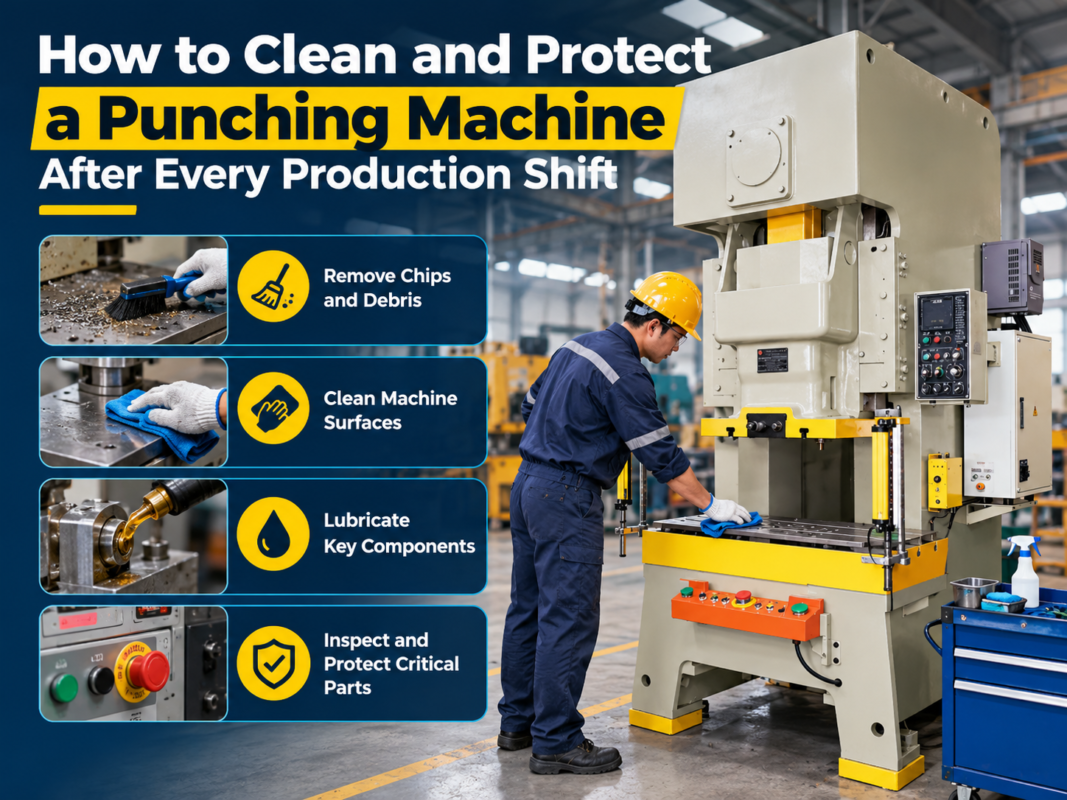
Regular maintenance remains the most effective strategy for preventing these issues. Keeping oil clean, monitoring temperatures, and listening for unusual noises can catch a failing pump or a sticking valve before it leads to a total breakdown. For those looking to upgrade their shop, choosing a manufacturer like HARSLE ensures you are starting with a foundation of high-quality components and robust engineering designed to withstand the rigors of industrial metal fabrication.
In summary, if your press fails to build pressure, start with the basics: check the oil level, inspect the filters, and test the relief valve. Most issues are found in these three areas. With the right knowledge and a proactive approach to maintenance, you can ensure your hydraulic press remains a reliable and powerful asset in your manufacturing arsenal for years to come.