How Laser Cutting Machines Support Precision Electronics Manufacturing


Introduction to Precision in the Electronics Era
The global electronics industry is characterized by a relentless drive toward miniaturization, increased component density, and higher performance standards. As devices like smartphones, wearables, and medical sensors become smaller and more complex, the manufacturing processes used to create them must evolve. Central to this evolution is the role of advanced fabrication technology. Specifically, understanding how laser cutting machines support precision electronics manufacturing is essential for any producer looking to remain competitive in today’s high-tech market.
Laser cutting has transitioned from a heavy-industrial tool to a refined instrument capable of micron-level accuracy. In the context of electronics, where a fraction of a millimeter can determine the success or failure of a circuit assembly, the fiber laser cutting machine has become indispensable. HARSLE, a leader in metal fabrication machinery, provides the high-precision tools necessary to meet these exacting standards, ensuring that manufacturers can produce intricate components with speed and repeatability.
Application Scenarios in Electronics Manufacturing
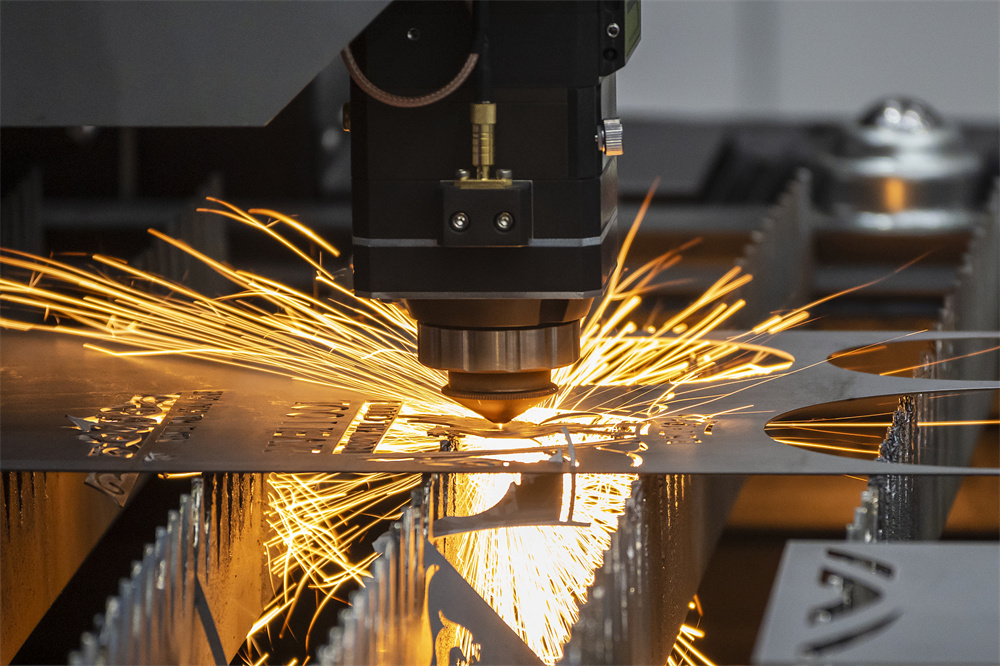
The versatility of laser cutting allows it to be applied across various stages of electronics production. One of the most critical applications is the creation of SMT (Surface Mount Technology) stencils. These stencils are used to apply solder paste to printed circuit boards (PCBs). The apertures in these stencils must be incredibly precise to ensure the correct amount of paste is deposited. Laser cutting provides the smooth walls and sharp edges necessary for clean paste release, which mechanical etching or traditional machining cannot match.
Beyond stencils, laser cutting is used extensively in the production of consumer electronics enclosures. Think of the sleek aluminum frames of modern smartphones or the ultra-thin stainless steel chassis of high-end laptops. These components require complex internal geometries to house batteries, logic boards, and cameras. Laser cutting machines allow for these intricate cutouts to be made in a single pass, maintaining structural integrity while minimizing weight.
Another vital scenario involves electromagnetic interference (EMI) shielding. As electronic devices pack more components into smaller spaces, shielding sensitive parts from interference is crucial. Manufacturers use laser cutting to produce custom-shaped shielding cans from thin foils of tin-plated steel or copper. The ability to prototype and then mass-produce these shields without the need for expensive hard tooling is a significant advantage of laser technology.
Finally, the automotive electronics sector relies on laser cutting for busbars and power distribution components in electric vehicles (EVs). These parts often involve thick copper or brass sections that require high-power fiber lasers to cut cleanly, ensuring efficient electrical conductivity and heat dissipation. In every scenario, the common thread is the need for a tool that can handle diverse materials with extreme precision.
Material and Process Requirements
Precision electronics manufacturing involves a unique set of material challenges. Unlike heavy construction, the materials used here are often very thin, ranging from 0.05mm to 2.0mm. Common materials include stainless steel (304, 316), aluminum alloys, copper, brass, and even specialized alloys like Kovar or Invar. Each of these materials reacts differently to laser energy, requiring specific process controls.
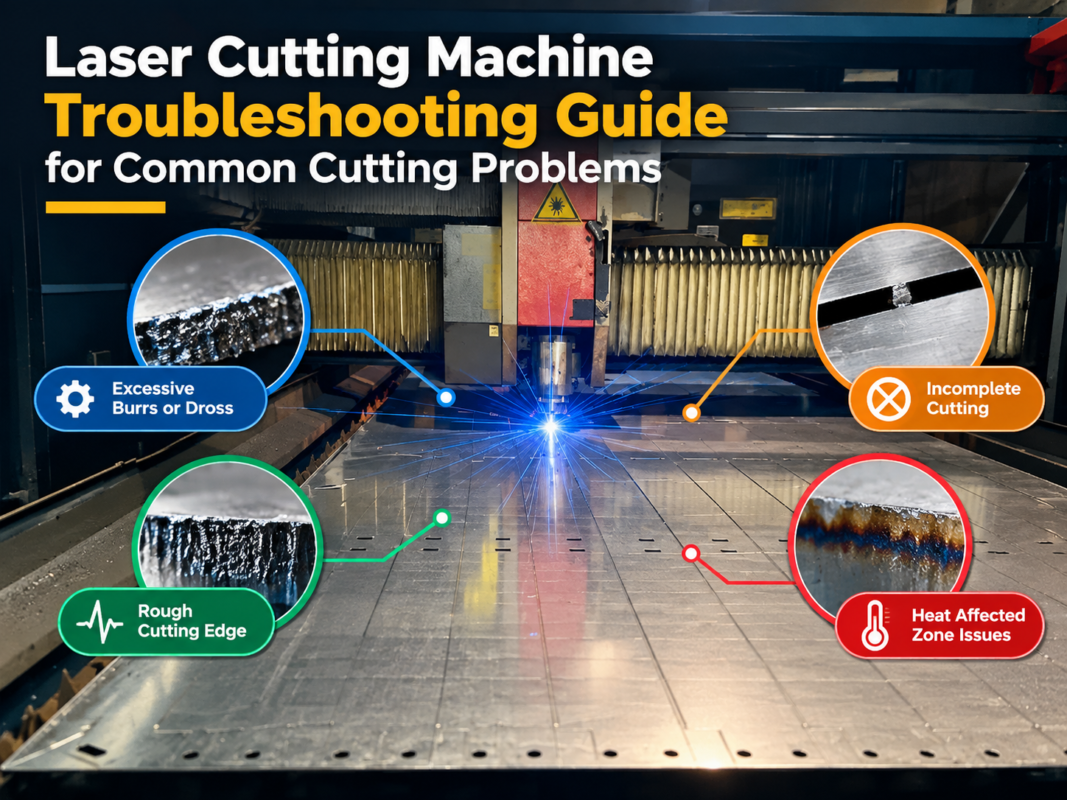
- Minimal Heat-Affected Zone (HAZ): Because electronic components are often heat-sensitive or very small, excessive heat during cutting can cause warping or change the material’s electrical properties. Fiber lasers, with their concentrated beam and high energy density, minimize the HAZ, ensuring the surrounding material remains unaffected.
- Burr-Free Edges: In electronics, a tiny metal burr can cause a short circuit. Laser cutting, especially when using nitrogen as an assist gas, produces clean, dross-free edges that typically require no secondary finishing.
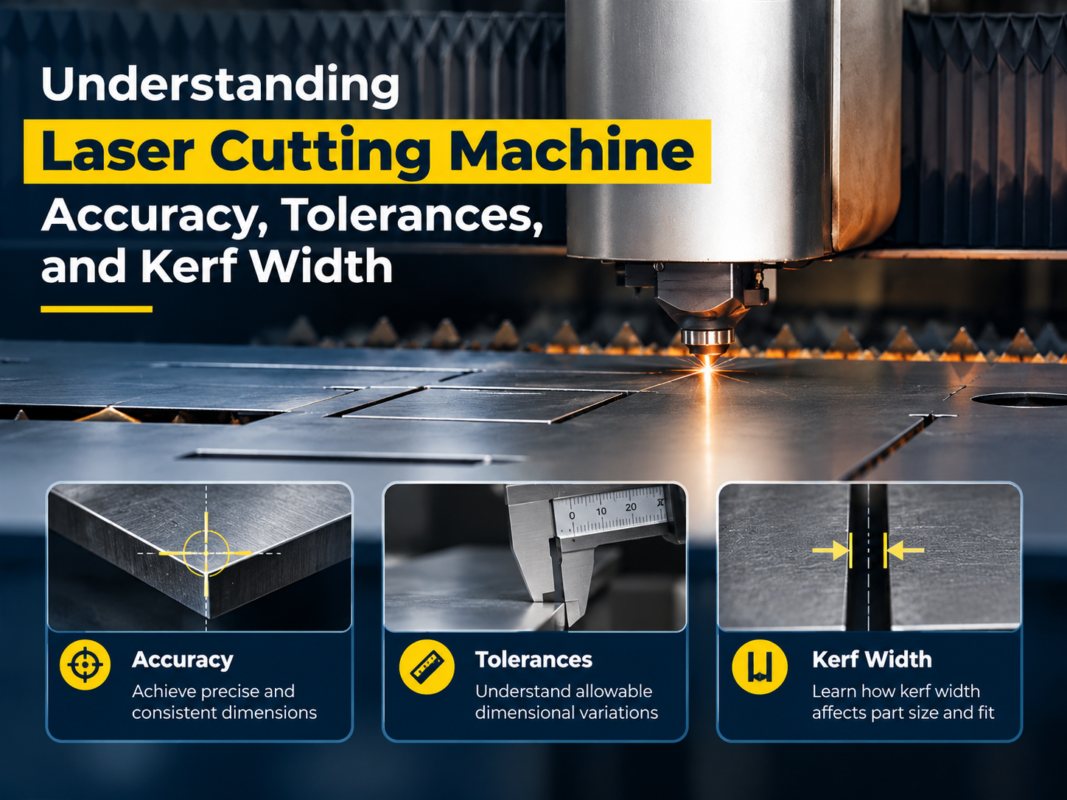
- High Positional Accuracy: The industry standard often demands tolerances within ±0.01mm to ±0.03mm. Achieving this requires a machine with a high-rigidity frame and a precision motion control system.
- Reflective Material Handling: Copper and brass are highly reflective. Modern fiber lasers are equipped with back-reflection protection, allowing them to cut these materials safely and efficiently without damaging the laser source.
Meeting these requirements is not just about the laser power; it is about the synergy between the laser source, the cutting head, and the machine’s software. For instance, pulse-width modulation (PWM) allows the laser to deliver short bursts of energy, which is ideal for cutting very thin foils without melting the edges.
Recommended Machine Configuration for Electronics
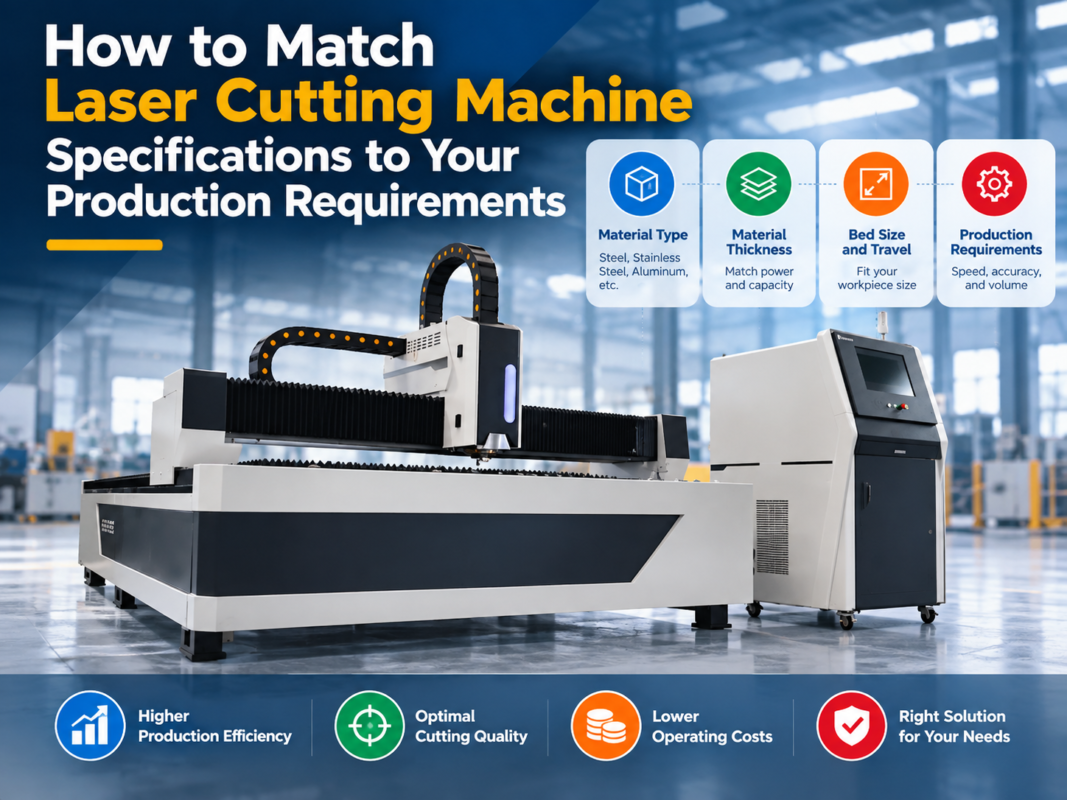
When selecting a machine for electronics manufacturing, a “one size fits all” approach does not work. For precision work, HARSLE recommends specific configurations designed to maximize accuracy and throughput. The core of the system should be a high-quality fiber laser source, typically in the 1kW to 3kW range. While higher power is available, the 1kW-3kW range offers the best beam quality for thin-gauge materials.
The motion system is equally important. For the highest precision, linear motor drives are preferred over traditional rack-and-pinion systems. Linear motors provide smoother movement, higher acceleration, and eliminate the backlash associated with mechanical gears. This is critical when cutting the tiny, repetitive patterns found in PCB stencils or micro-connectors.
| Component | Recommended Specification | Benefit for Electronics |
|---|---|---|
| Laser Source | Fiber Laser (IPG or Raycus) 1kW – 2kW | High beam quality, low maintenance, energy efficient. |
| Cutting Head | Autofocus Head with Fine Nozzle | Maintains focus on thin/warped sheets; precise gas flow. |
| Drive System | Linear Motors or High-Precision Servo | Extreme accuracy and high-speed micro-cutting. |
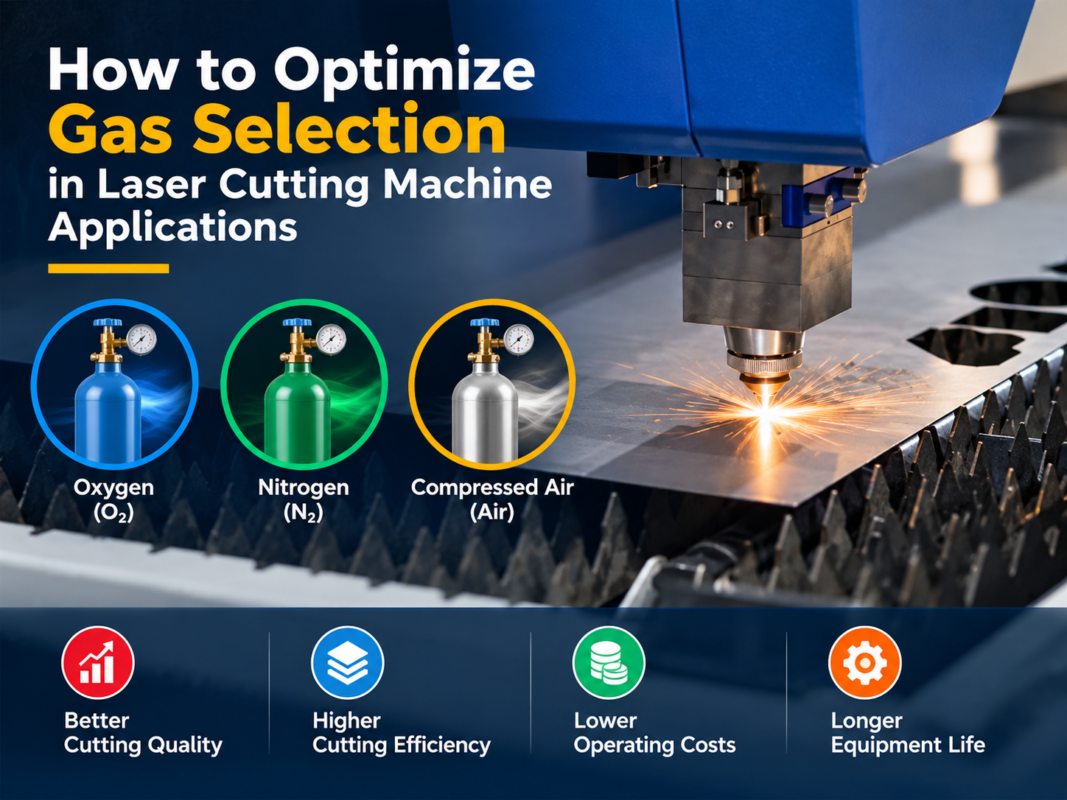
| Assist Gas | High-Purity Nitrogen (N2) | Prevents oxidation; ensures bright, clean edges. |
| Control System | CypCut or similar with Vision System | Easy nesting and alignment with pre-printed marks. |
Additionally, a specialized honeycomb or fine-slat cutting bed is necessary to support thin sheets without causing “flashback” marks on the underside of the material. A CCD vision system is also a highly recommended add-on. This allows the machine to recognize registration marks on a pre-processed sheet, ensuring that the laser cuts are perfectly aligned with existing features like holes or etched patterns.
The Workflow: From Design to Finished Component
The workflow in a precision laser cutting environment is streamlined to reduce human error and maximize efficiency. It begins with the CAD (Computer-Aided Design) phase. Engineers create detailed 2D or 3D models of the component. Because laser cutting is a digital process, these designs can be easily modified, making it ideal for the rapid prototyping cycles common in the electronics industry.
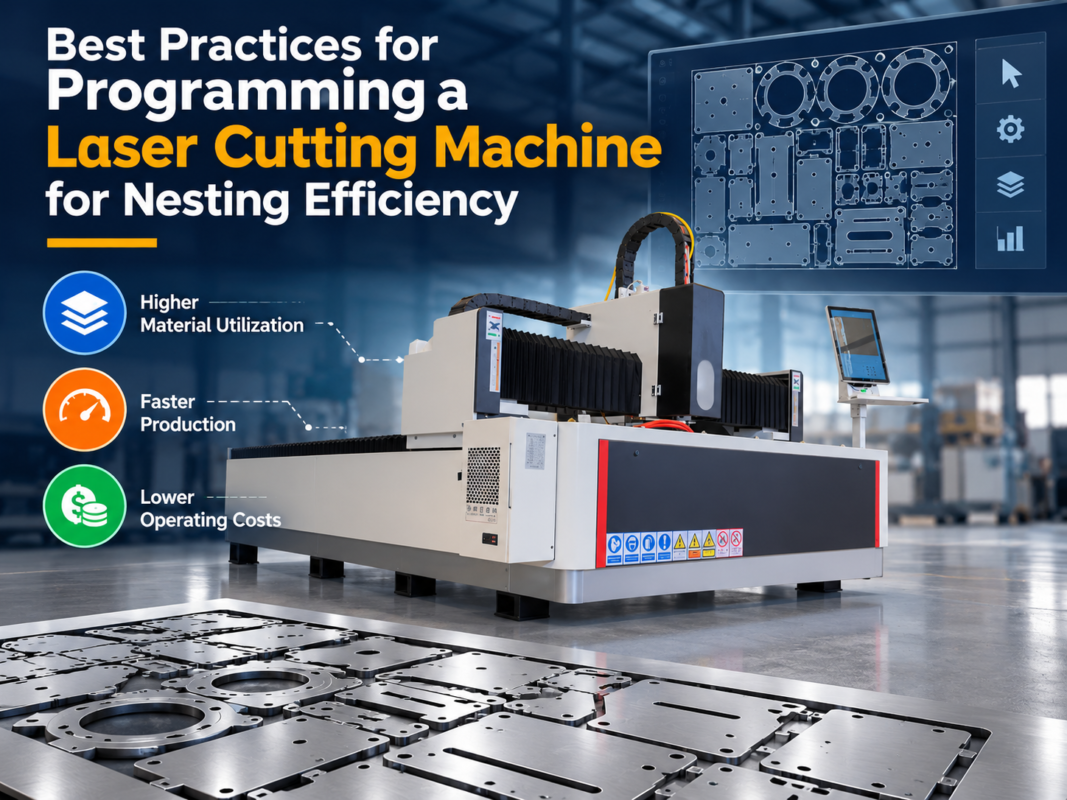
Once the design is finalized, it is imported into nesting software. This software optimizes the layout of parts on the metal sheet to minimize waste. In electronics, where materials like high-purity copper or specialized stainless steel can be expensive, high-efficiency nesting provides a direct boost to the bottom line. The software also determines the “lead-ins” and “lead-outs”—the points where the laser starts and stops—to ensure they don’t interfere with the part’s critical dimensions.
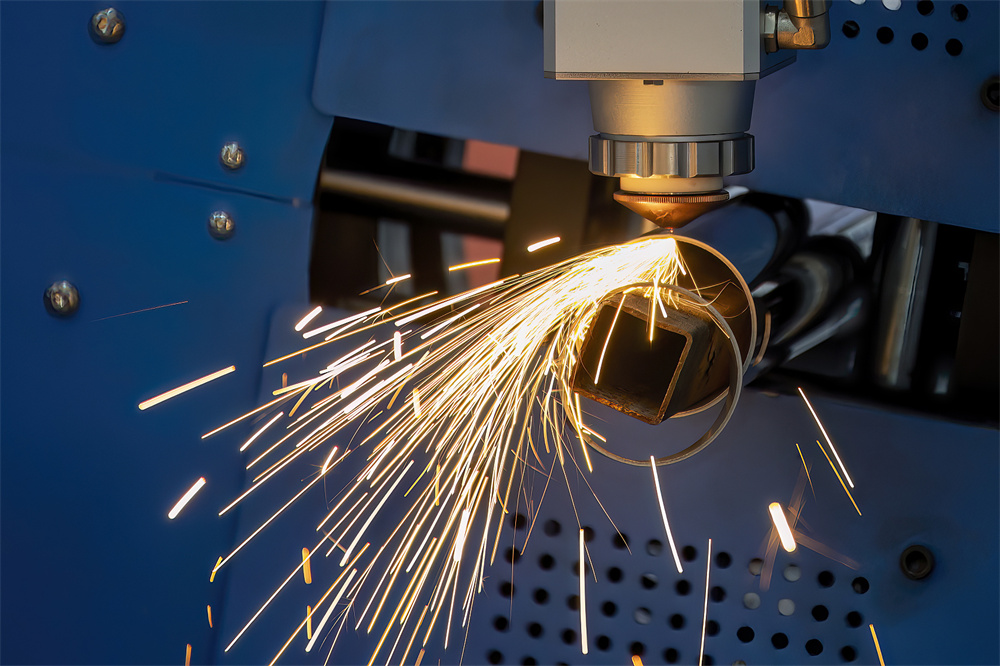
The next step is material preparation. The sheet is loaded onto the machine, and the operator selects the appropriate cutting parameters (power, speed, gas pressure, and frequency) from a pre-saved library. For precision electronics, a “dry run” or a single test cut is often performed to verify the kerf width (the width of the cut made by the laser). After the cutting process is complete, parts are often cleaned in an ultrasonic bath to remove any microscopic dust before moving to assembly or inspection.
Productivity and Economic Benefits
The primary reason why laser cutting machines support precision electronics manufacturing so effectively is the dramatic increase in productivity they offer compared to traditional methods. Traditional stamping requires the creation of expensive steel dies, which can take weeks to manufacture. If the design changes, the die must be scrapped. Laser cutting eliminates this “tooling lag,” allowing for immediate production and easy design iterations.
Furthermore, the speed of fiber lasers on thin materials is unparalleled. A fiber laser can cut through thin stainless steel at speeds exceeding 20-30 meters per minute while maintaining high accuracy. This high-speed capability, combined with the ability to run 24/7 with minimal maintenance, allows manufacturers to meet the high-volume demands of the consumer electronics market.
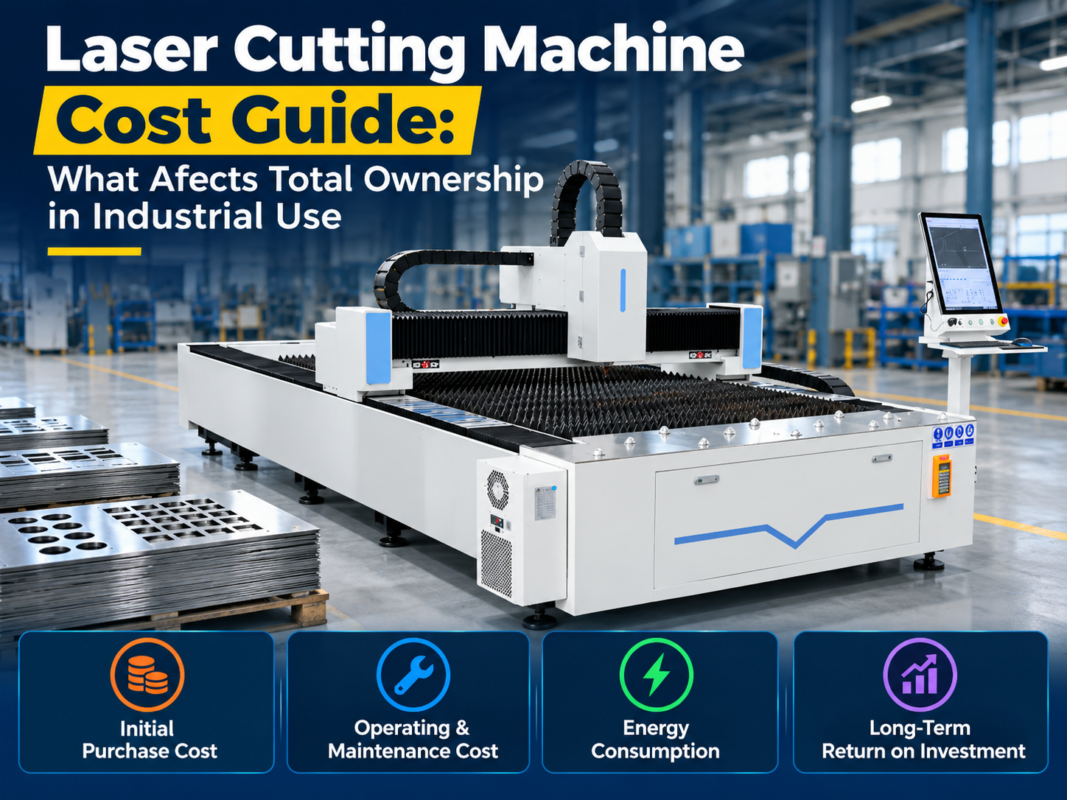
From an economic standpoint, the reduction in secondary processing is a major factor. Because the laser produces a finished edge, there is no need for deburring, grinding, or polishing. This reduces labor costs and shortens the overall production cycle. Additionally, the small kerf width of the laser (often less than 0.1mm) allows parts to be nested very closely together, significantly improving material utilization rates compared to mechanical shearing or punching.
Case Example: Smartphone Internal Component Production
Consider a manufacturer tasked with producing internal support brackets for a new smartphone model. These brackets are made from 0.3mm thick stainless steel and feature dozens of tiny holes and complex cutouts to accommodate screws and ribbon cables. Using traditional stamping, the manufacturer would face high upfront costs and the risk of the thin material deforming during the punch process.
By switching to a HARSLE high-precision fiber laser cutting machine, the manufacturer was able to go from design to full production in just 48 hours. The laser’s non-contact nature meant there was zero mechanical stress on the 0.3mm sheet, preventing any warping. The precision of the linear motor system ensured that every hole was perfectly positioned within a 0.02mm tolerance. As a result, the assembly yield rate increased by 15%, and the cost per part was reduced by 30% due to the elimination of die maintenance and improved material nesting.
Frequently Asked Questions (FAQ)
1. What is the thinnest material a laser cutting machine can handle for electronics?
Fiber laser cutting machines can accurately cut materials as thin as 0.02mm (20 microns), depending on the laser’s pulse control and the stability of the machine bed. For electronics, 0.1mm to 0.5mm is a very common range for components like stencils and shields.
2. Can laser cutting handle the high reflectivity of copper used in circuits?
Yes. Modern fiber lasers are designed with optical isolators and back-reflection protection. This allows them to cut highly reflective metals like copper and brass without the reflected light damaging the laser source. Using a shorter wavelength fiber laser is key to this capability.
3. How does laser cutting compare to chemical etching for PCB stencils?
While chemical etching is a traditional method, laser cutting is now preferred for high-quality SMT stencils. Laser cutting provides more consistent aperture walls, better verticality, and is more environmentally friendly as it doesn’t involve harsh chemicals. It also allows for easier “step-down” stencils where different areas have different thicknesses.
4. Does the laser heat damage the electronic properties of the metal?
When properly configured, the heat-affected zone (HAZ) of a fiber laser is extremely narrow. By using high-pressure nitrogen and optimized pulse settings, the heat is dissipated so quickly that the bulk material’s properties remain unchanged. This is vital for maintaining the conductivity of busbars and connectors.
5. What maintenance is required for a precision laser machine?
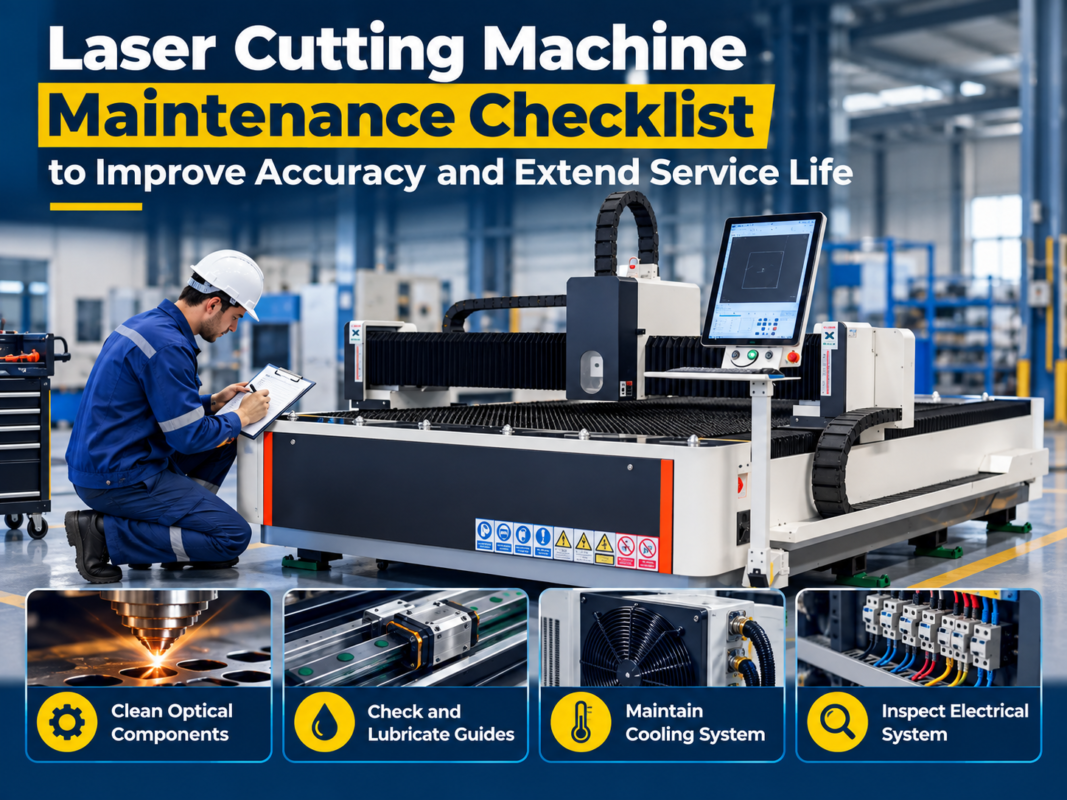
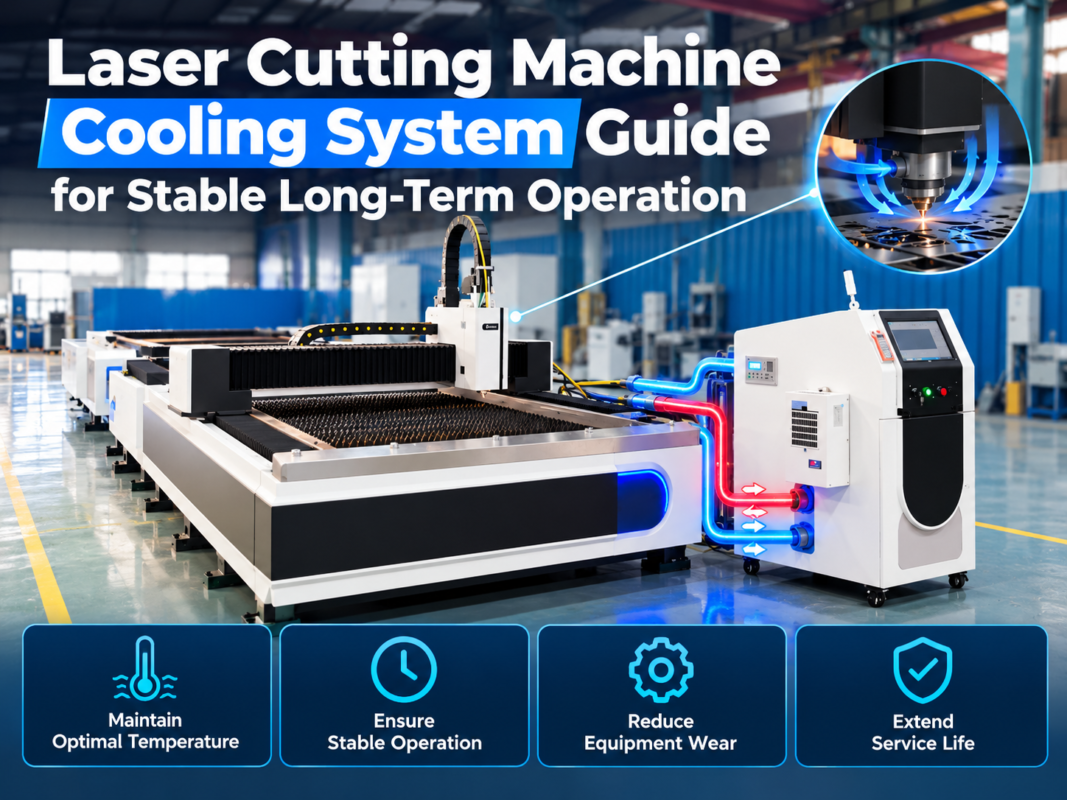
Fiber lasers are low-maintenance compared to CO2 lasers. Key tasks include keeping the protective lens clean, ensuring the chiller is functioning to maintain the laser source temperature, and lubricating the linear guides or motors to ensure smooth motion. Regular calibration of the vision system is also recommended for electronics work.
Conclusion: Choosing HARSLE for Your Electronics Fabrication Needs
As the electronics industry continues to push the boundaries of what is possible, the tools used to build these devices must be equally ambitious. Laser cutting machines support precision electronics manufacturing by offering a unique combination of speed, accuracy, and flexibility that no other technology can match. Whether you are producing micro-components for medical devices or large-scale enclosures for telecommunications, the right laser system is the foundation of your success.
HARSLE is committed to providing the electronics industry with cutting-edge fiber laser solutions. Our machines are engineered for the high-precision demands of modern manufacturing, featuring top-tier components and intuitive control systems. By investing in HARSLE technology, you are not just buying a machine; you are gaining a partner dedicated to helping you achieve the highest standards of quality and efficiency. Contact us today to learn more about how our laser cutting solutions can transform your electronics production line.