
Press Brake Hydraulic System Problems: Symptoms, Causes, and Solutions

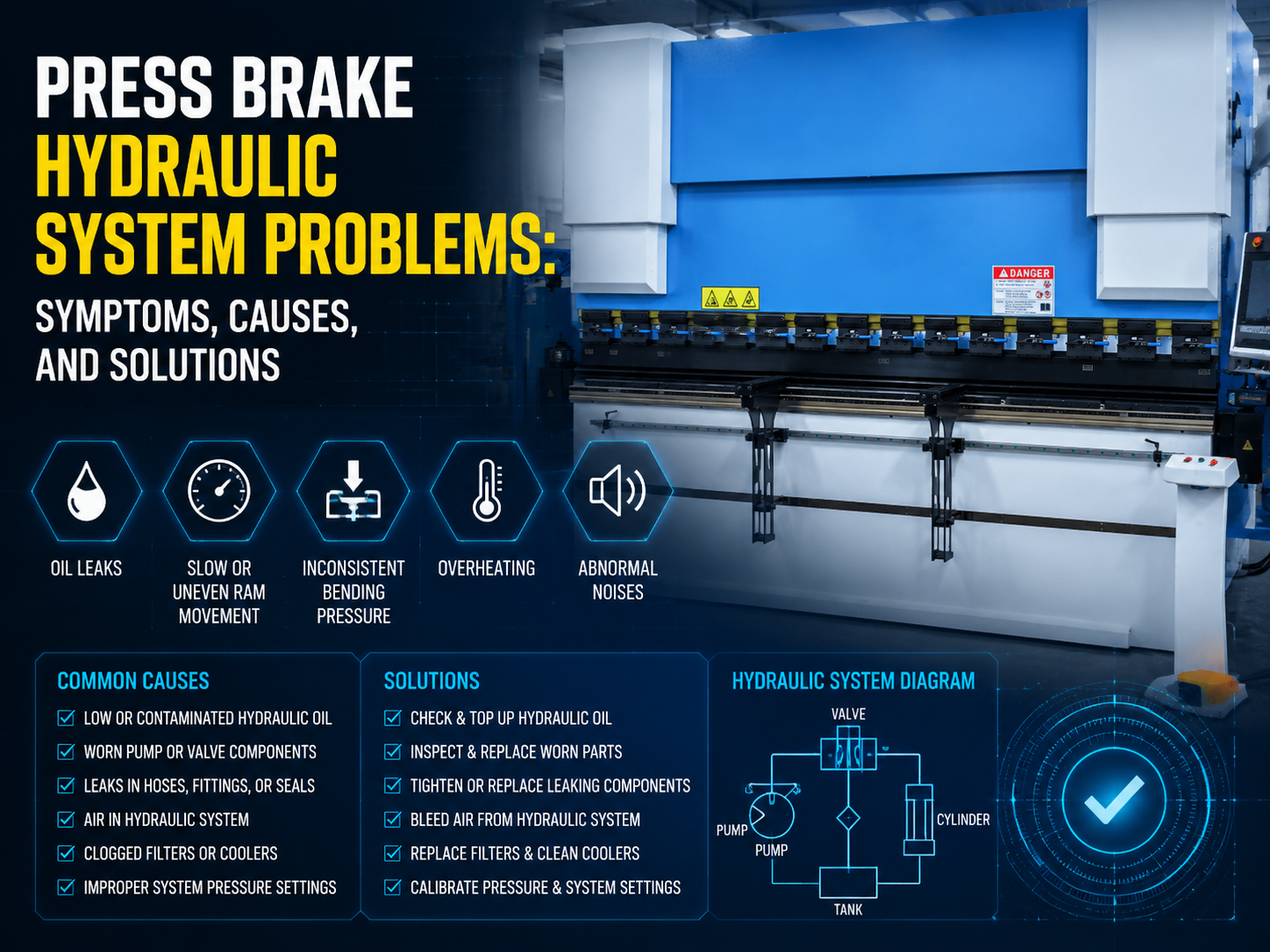
Introduction to Press Brake Hydraulic Systems
In the world of metal fabrication, the press brake stands as a cornerstone of production efficiency. At the heart of every high-performance press brake, such as those manufactured by HARSLE, lies a complex hydraulic system. This system is responsible for generating the immense force required to bend heavy-gauge sheet metal with precision and repeatability. However, like any sophisticated mechanical assembly, the hydraulic system is susceptible to wear, contamination, and component failure. Understanding Press Brake Hydraulic System Problems: Symptoms, Causes, and Solutions is essential for any operator or maintenance engineer looking to minimize downtime and maintain product quality.
A hydraulic system operates on the principle of Pascal’s Law, where pressure applied to a confined fluid is transmitted undiminished in every direction. In a press brake, this pressure is converted into linear motion via hydraulic cylinders to drive the ram. When this process is interrupted by air, heat, or mechanical failure, the machine’s performance degrades. This guide aims to provide a deep dive into the technical aspects of hydraulic troubleshooting, offering actionable solutions for common industrial challenges.
Maintaining a hydraulic system is not merely about fixing things when they break; it is about proactive management. By recognizing early warning signs, fabrication shops can avoid catastrophic failures that lead to expensive repairs and lost production hours. Whether you are operating a conventional hydraulic press brake or a high-end CNC synchronized model, the fundamental principles of hydraulic health remain the same. This article will explore the intricacies of these systems, providing a roadmap for diagnosis and resolution.
Key Considerations for Hydraulic System Health
Before diving into specific problems, it is crucial to understand the factors that influence the longevity of a press brake’s hydraulic circuit. The most significant factor is oil cleanliness. Hydraulic fluid is not just a medium for power transmission; it also lubricates moving parts and carries heat away from critical components. Contamination by dust, metal shavings, or water can lead to abrasive wear and chemical breakdown of the oil.
Another key consideration is the environment in which the machine operates. High ambient temperatures can lead to oil thinning, while extremely cold environments can increase oil viscosity to the point where the pump struggles to prime. Proper ventilation and temperature control in the fabrication shop are often overlooked aspects of machine maintenance. Furthermore, the quality of the components themselves—such as the seals, valves, and pumps—plays a vital role. HARSLE utilizes premium components to ensure reliability, but even the best parts require regular inspection.
Safety should always be the primary concern when dealing with high-pressure hydraulics. A pinhole leak in a hydraulic hose can release fluid at velocities high enough to penetrate human skin, leading to serious injury. Always depressurize the system before attempting any repairs and use appropriate personal protective equipment (PPE). Understanding the system’s schematic is also vital; knowing how the fluid flows through the manifold and valves allows for a more logical approach to troubleshooting.
Technical Details: Symptoms, Causes, and Solutions
1. Excessive Noise and Vibration
One of the most common symptoms of a hydraulic issue is unusual noise. While hydraulic machines are naturally loud, certain sounds indicate specific problems. A high-pitched whining or screaming sound often points to cavitation. Cavitation occurs when the pump cannot get enough oil, causing vacuum bubbles to form and then implode violently against the pump’s internal surfaces. This is often caused by a clogged suction filter, a restricted intake line, or oil that is too viscous for the operating temperature.
A rattling or banging sound, on the other hand, usually indicates aeration. This happens when air enters the system through a leak in the suction line or a low oil level in the reservoir. Unlike cavitation, which is a vacuum issue, aeration is an air-entry issue. The solution involves checking all fittings on the suction side of the pump and ensuring the oil level is within the recommended range. If the noise persists, the pump itself may be worn and require replacement or rebuilding.
2. Insufficient Pressure or Loss of Tonnage
If the press brake fails to reach its rated bending capacity, the problem is likely related to pressure regulation. The first component to check is the main relief valve. If this valve is stuck open or set too low, the fluid will bypass the cylinders and return to the tank, preventing pressure build-up. Debris in the valve seat is a common cause of this issue. Cleaning the valve and resetting it to the manufacturer’s specifications often resolves the problem.
Internal leakage within the hydraulic cylinders is another potential cause. If the piston seals are worn, high-pressure oil can bypass the piston, resulting in a loss of force. This can be diagnosed by monitoring the temperature of the cylinder; a cylinder that is significantly hotter than the others often indicates internal bypass. Additionally, a worn hydraulic pump may no longer be able to provide the necessary flow rate to maintain pressure under load. In such cases, a flow test can confirm if the pump’s volumetric efficiency has dropped below acceptable levels.
3. Overheating of the Hydraulic Fluid
Hydraulic systems generate heat naturally, but excessive heat is a silent killer of components. Most systems are designed to operate between 30°C and 55°C (86°F to 131°F). When temperatures exceed 60°C (140°F), the oil begins to oxidize, losing its lubricating properties and forming varnish that can stick valves. Overheating is often caused by a failing heat exchanger or cooling fan. If the machine is equipped with an air-cooled or water-cooled system, ensure the fins are clean or the water flow is unobstructed.
Another cause of overheating is high-pressure fluid passing through a restriction, such as a partially blocked valve or an incorrectly adjusted relief valve. This converts hydraulic energy directly into heat. To solve this, technicians should use infrared thermometers to identify “hot spots” in the hydraulic circuit. Regularly changing the hydraulic oil and filters according to the HARSLE maintenance schedule is the best way to prevent heat-related degradation.
4. Erratic or Slow Ram Movement
When the ram moves unevenly or fails to maintain synchronization (in the case of Y1 and Y2 axes), the issue is often related to the proportional valves or the feedback system. In CNC press brakes, proportional valves precisely control the flow of oil to each cylinder. If one valve is contaminated or has an electrical fault, the ram will tilt or move sluggishly. Cleaning the valve or checking the solenoid’s electrical resistance is a necessary step.
Air trapped in the cylinders can also cause “spongy” or jerky movement. Most hydraulic cylinders have bleed screws at the highest point to allow air to be purged. Furthermore, check the linear encoders; if the feedback system is sending incorrect data to the CNC controller, the hydraulics will attempt to compensate, leading to erratic behavior. Ensuring the guide rails are properly lubricated also reduces friction, which can otherwise mimic hydraulic lag.
5. External Oil Leaks
External leaks are the most visible symptom of hydraulic failure. They not only create a safety hazard and a mess but also lead to oil loss and potential contamination. Most leaks occur at hose fittings, manifold gaskets, or cylinder rod seals. Vibration is a common cause of loosened fittings; regular inspections should include tightening all connections. If a cylinder rod seal is leaking, it is usually due to a scratched rod or simple wear over time. Replacing the seal kit and ensuring the rod is free of burrs will solve the issue.
| Symptom | Possible Cause | Recommended Solution |
|---|---|---|
| High-pitched whining | Pump Cavitation | Clean suction filters, check oil viscosity. |
| Loss of bending force | Relief valve failure | Clean or replace relief valve; check pump wear. |
| Oil temperature > 60°C | Cooling system failure | Clean heat exchanger; check cooling fan/water. |
| Jerky ram movement | Air in system | Bleed air from cylinders; check suction line. |
| Visible oil on floor | Worn seals or loose fittings | Replace seal kits; tighten all hydraulic connections. |
Selection Advice for Hydraulic Components and Maintenance
When it comes to maintaining or upgrading your press brake’s hydraulic system, selection is key. Always prioritize OEM (Original Equipment Manufacturer) parts. While third-party seals or valves might be cheaper, they often lack the precise tolerances required for high-pressure industrial applications. For HARSLE machines, using genuine parts ensures that the system remains within its designed operating parameters.
When selecting hydraulic oil, refer to the manufacturer’s manual. Most modern press brakes require high-quality anti-wear (AW) hydraulic oil, typically ISO VG 32 or 46. The choice depends on your shop’s ambient temperature. Using the wrong grade can lead to the aforementioned noise and heat issues. Additionally, consider installing a kidney-loop filtration system if your machine operates in a particularly dusty environment; this provides continuous off-line filtration, significantly extending the life of the main pump and valves.
For those looking to purchase a new press brake, consider the hydraulic design. Modern “Hybrid” systems, which combine servo motors with hydraulic pumps, are becoming increasingly popular. These systems only run the pump when the ram is moving, which drastically reduces heat generation, noise, and energy consumption. While the initial investment is higher, the long-term maintenance savings and performance benefits are substantial.
Frequently Asked Questions (FAQ)
How often should I change the hydraulic oil in my press brake?
Generally, hydraulic oil should be changed every 2,000 to 4,000 operating hours, or at least once a year. However, it is better to rely on oil analysis. By sending a sample to a lab, you can determine the actual condition of the oil and detect early signs of component wear through metal particle analysis.
Why is my press brake ram drifting down when stopped?
This is usually caused by internal leakage in the hydraulic cylinders or a leaking check valve in the manifold. If the oil can bypass the seals or the valve, gravity will cause the ram to drift. Inspecting the seals and the holding valves is the first step in resolving this safety issue.
Can I use any type of hydraulic fluid?
No. You must use the viscosity grade and additive package recommended by the manufacturer. Mixing different types of oil can lead to chemical reactions, foaming, and seal failure. Always stick to a consistent brand and grade.
What is the most common cause of hydraulic pump failure?
Contamination is the leading cause of pump failure. Small particles act as an abrasive, wearing down the internal vanes, gears, or pistons. This reduces the pump’s ability to create pressure and eventually leads to total failure.
How do I know if my relief valve is set correctly?
The relief valve should be set slightly above the maximum operating pressure of the machine. This is typically done using a pressure gauge while the machine is bottomed out (under strict safety protocols). Refer to your HARSLE manual for the exact pressure settings for your specific model.
Conclusion
The hydraulic system is the lifeblood of the press brake, and its health is directly tied to the productivity of your metal fabrication operations. By understanding the Press Brake Hydraulic System Problems: Symptoms, Causes, and Solutions, operators can take control of their equipment’s performance. From the early detection of cavitation noise to the systematic approach of resolving pressure loss, knowledge is the most valuable tool in the maintenance arsenal.
Regular maintenance, clean oil, and the use of high-quality components are the pillars of a reliable hydraulic system. HARSLE continues to innovate in the field of metal fabrication machinery, providing robust designs that simplify these maintenance tasks. However, the responsibility of daily care lies with the user. By following the guidelines outlined in this guide, you can ensure that your press brake remains a precise, powerful, and profitable asset for years to come. Remember, a well-maintained machine is not just a tool; it is a competitive advantage in the demanding world of industrial manufacturing.












