Press Brake Oil Leakage Troubleshooting: Causes, Risks, and Repair Tips


Introduction to Press Brake Hydraulic Integrity
In the world of metal fabrication, the hydraulic press brake is a cornerstone of production. Its ability to exert hundreds of tons of force with precision allows for the creation of complex components used in everything from aerospace to automotive industries. However, the lifeblood of these machines—hydraulic oil—must be contained within a closed-loop system to function effectively. When that system fails, leading to oil leakage, it is more than just a messy inconvenience; it is a symptom of underlying mechanical distress that can compromise the entire fabrication process.
Press brake oil leakage troubleshooting is a critical skill for maintenance teams and machine operators alike. A leak can range from a slow weep at a fitting to a high-pressure spray that halts production instantly. Understanding why these leaks occur, the risks they pose to both the machine and the workforce, and how to systematically address them is essential for maintaining a high-functioning shop floor. This guide provides an in-depth look at the technical aspects of hydraulic leaks and offers actionable repair tips to keep your HARSLE machinery running at peak performance.
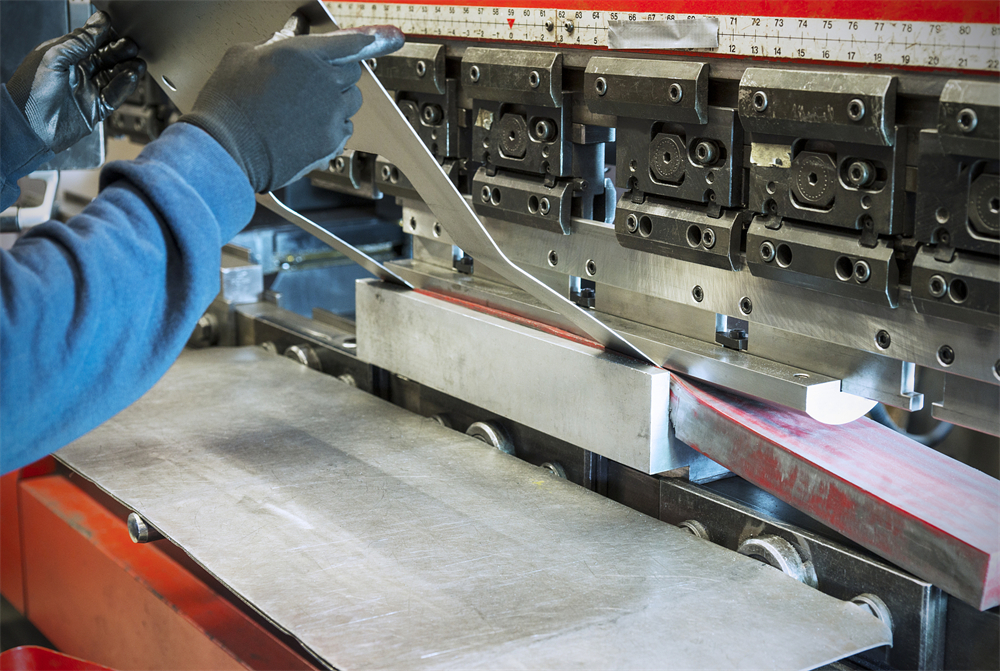
Modern hydraulic systems are designed to withstand extreme pressures, often exceeding 300 bar (4350 psi). At these levels, even a microscopic flaw in a seal or a slightly loose connection can lead to significant fluid loss. Beyond the immediate loss of oil, leaks introduce air and contaminants into the system, leading to cavitation, overheating, and erratic ram movement. By mastering the art of troubleshooting, you ensure the longevity of your investment and the safety of your operators.
Key Considerations in Oil Leakage Management
Identifying the Source and Severity
The first step in any troubleshooting process is accurate identification. Not all fluid found on the floor is a primary leak; sometimes, it is residual oil from a previous maintenance task or condensation. Operators should clean the suspected area thoroughly and monitor it during a standard production cycle. Identifying whether the leak is static (occurring when the machine is off) or dynamic (occurring only under pressure) provides the first clue to the root cause. Static leaks often point to reservoir gaskets or low-pressure return lines, while dynamic leaks usually involve high-pressure seals or cracked manifolds.
Environmental and Operational Impact
Oil leaks are not just mechanical failures; they are environmental hazards. Hydraulic fluid is often petroleum-based and can contaminate shop floors, creating slip-and-fall risks. Furthermore, the cost of high-quality hydraulic oil is significant. A leak that drops just one drop per second can result in the loss of over 1,500 liters of oil per year. This represents a massive unnecessary expenditure and a significant waste of resources. From an operational standpoint, a leak often leads to a drop in system pressure, which manifests as inaccurate bends and inconsistent flange lengths.
Safety Protocols During Troubleshooting
Safety must be the priority when investigating hydraulic leaks. Never use your hand to search for a leak while the system is pressurized. High-pressure hydraulic fluid can penetrate the skin, causing “fluid injection injuries,” which are medical emergencies that can lead to amputation if not treated immediately. Always use a piece of cardboard or a specialized leak detection tool. Ensure the ram is mechanically locked or fully lowered to the bed before loosening any hydraulic fittings to prevent accidental descent.
Technical Details: Causes of Press Brake Oil Leakage
Seal Degradation and Wear
The most common cause of oil leakage in press brakes is the failure of hydraulic seals. These components, typically made of Nitrile (NBR), Polyurethane (PU), or Viton, are subject to constant friction and pressure cycles. Over time, the heat generated by the hydraulic system causes the seals to harden and lose their elasticity. Once a seal becomes brittle, it can no longer maintain a tight interface with the piston rod or valve spool. In high-end machines like those from HARSLE, high-quality seals are used to extend this lifespan, but they still remain a wear item that requires periodic replacement.
Vibration and Loose Fittings
Press brakes are high-vibration environments. The rapid cycling of the ram and the impact of the bending process send harmonics through the entire frame of the machine. These vibrations can gradually loosen hydraulic fittings, particularly JIC (Joint Industry Council) or NPT (National Pipe Thread) connections. Even a fraction of a turn can break the metal-to-metal seal, allowing oil to seep out. Regular inspection of all connection points is necessary to ensure they remain torqued to manufacturer specifications.
Contamination and Abrasive Damage
Hydraulic oil must remain pristine to protect the internal components. If the filtration system fails or if the oil is not changed at recommended intervals, microscopic metal particles, dust, and moisture can accumulate. These contaminants act like sandpaper, scoring the polished surfaces of the hydraulic cylinders and the delicate spools inside directional control valves. Once a cylinder rod is scratched, it will tear through new seals almost immediately, leading to a recurring leakage problem that cannot be fixed by simply replacing the seal.
Overheating and Viscosity Breakdown
When a hydraulic system operates at excessively high temperatures—often due to a clogged oil cooler or a pump working against a blocked relief valve—the oil’s viscosity drops. Thin oil can bypass seals that would otherwise be effective. Furthermore, prolonged exposure to high heat accelerates the chemical breakdown of the oil, leading to the formation of varnish and sludge. This sludge can prevent valves from seating properly, causing internal leaks that result in the ram “drifting” downward when it should be stationary.
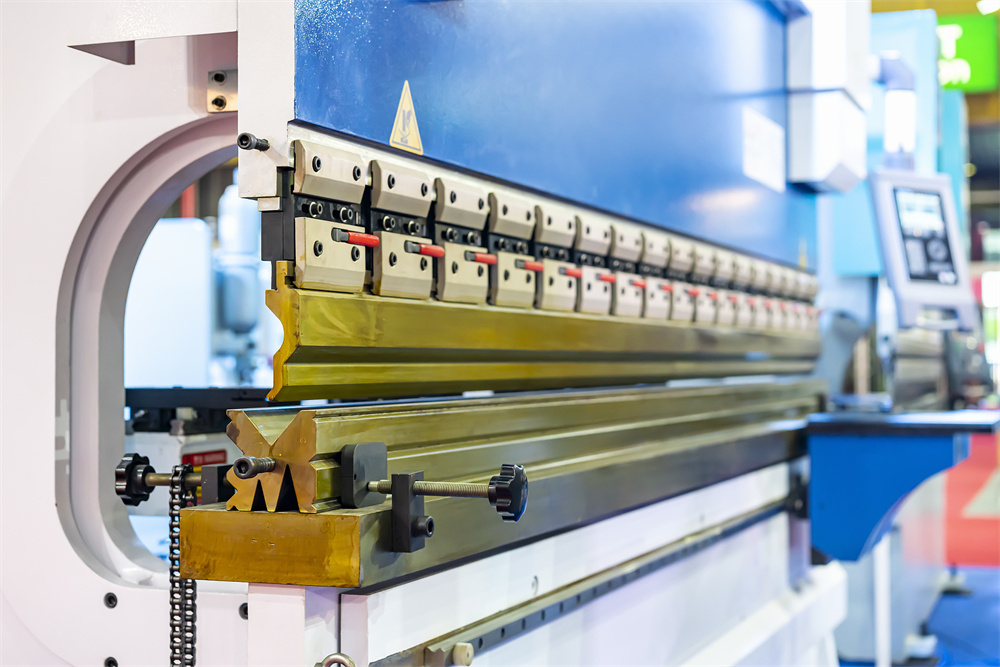
Step-by-Step Troubleshooting and Repair Tips
Phase 1: Visual Inspection and Cleaning
Begin by cleaning the entire hydraulic power unit (HPU) and the cylinders with a degreaser. Once dry, run the machine through several cycles. Use a bright LED flashlight to inspect the following areas: the cylinder head glands, the pump-to-motor interface, the valve manifold block, and all hose crimp points. Look for “weeping” (dampness) or “dripping.” Document each location to determine if multiple failures are occurring simultaneously.
Phase 2: Pressure Testing
If the leak is not immediately obvious, a pressure test may be required. By dead-heading the cylinders (bringing them to the bottom of the stroke and maintaining pressure), you can force oil through the failure point. During this phase, check the pressure gauges to see if the system can maintain its rated PSI. A rapid drop in pressure when the pump is turned off usually indicates an internal leak in the check valves or the piston seals themselves.
Phase 3: Repairing Common Issues
- Tightening Fittings: If a leak is found at a threaded connection, do not simply crank it down as hard as possible. Over-tightening can crack the nut or deform the flare. Back the fitting off slightly, check for debris on the threads, and then re-torque it to the specified value.
- Replacing Cylinder Seals: This requires disassembling the cylinder. Ensure the rod is supported. Once the head gland is removed, inspect the rod for scores. If the rod is smooth, replace the entire seal kit (including the wiper, U-cup, and O-rings). Lubricate the new seals with fresh hydraulic oil before installation to prevent “dry start” damage.
- Hose Replacement: If a hydraulic hose is leaking at the crimp or showing signs of cracking in the outer jacket, it must be replaced. Never attempt to patch a high-pressure hose. Ensure the replacement hose matches the original’s pressure rating and diameter.
Table: Troubleshooting Summary
| Symptom | Potential Cause | Recommended Action |
|---|---|---|
| Oil leaking from cylinder top | Worn rod seal or wiper | Replace cylinder seal kit; inspect rod for scratches. |
| Ram drifts down slowly | Internal valve leak or piston seal bypass | Test directional valves; replace internal piston seals. |
| Foamy oil in reservoir | Air entering the suction line | Check pump intake fittings and oil level. |
| Leaking at hose crimp | Hose fatigue or improper crimping | Replace the entire hose assembly immediately. |
| Oil leaking from pump shaft | Shaft seal failure | Replace pump seal or rebuild the pump unit. |
Selection Advice: Minimizing Leakage Risks
Choosing High-Quality Components
When purchasing a press brake, the quality of the hydraulic components is the best predictor of future leakage issues. Look for machines that utilize world-class brands for their hydraulic valves and pumps, such as Bosch Rexroth, Hoerbiger, or Sunny. These manufacturers adhere to tighter tolerances and use superior materials for their internal seals. HARSLE integrates these premium components into their CNC press brakes to ensure that the hydraulic system remains robust even under heavy industrial use.
The Importance of Proper Fitting Types
Not all hydraulic fittings are created equal. Older machines often used NPT threads, which rely on thread deformation to seal and are prone to leaking after being serviced. Modern, high-quality press brakes use ORFS (O-Ring Face Seal) or DIN-standard bite-type fittings. ORFS fittings are particularly effective at preventing leaks because they use an elastomeric seal trapped in a groove, providing a much more reliable barrier against high-pressure oil than metal-to-metal contacts.
Preventative Maintenance Schedules
The best way to handle a leak is to prevent it from starting. A rigorous maintenance schedule should include:
- Daily: Visual check for oil spots and monitoring oil levels.
- Monthly: Checking the temperature of the hydraulic oil (should stay below 60°C).
- Bi-Annually: Sampling the oil for contamination analysis and checking all bolt torques.
- Annually: Replacing hydraulic filters and inspecting all hoses for signs of aging or abrasion.
Frequently Asked Questions (FAQ)
1. What type of hydraulic oil should I use to prevent leaks?
You should always use the oil viscosity recommended by the manufacturer, typically ISO VG 32 or 46. Using oil that is too thin can lead to increased leakage, while oil that is too thick can cause sluggish performance and cavitation, which eventually damages seals and leads to leaks.
2. Can I use “stop-leak” additives in my press brake?
It is strongly discouraged to use stop-leak additives in industrial hydraulic systems. These chemicals work by causing seals to swell, which might temporarily stop a leak but will eventually lead to the total degradation of all seals in the system, resulting in a much more expensive repair later on.
3. How often should I replace hydraulic hoses?
While there is no fixed expiration date, most industry experts recommend replacing hydraulic hoses every 3 to 5 years, regardless of their appearance. The rubber compounds degrade over time, and an internal failure can lead to a dangerous burst.
4. Why does my press brake leak more in the winter?
In colder environments, seals can shrink and become less pliable. When the machine is first started, the seals may not seat perfectly until the oil warms up and the seals expand. Ensuring your shop is climate-controlled or using a tank heater can mitigate this issue.
5. Is a small “weep” around a valve manifold a major concern?
Yes. While it may not stop production today, a weep indicates that a seal has failed. This allows oil out and, more importantly, can allow air and moisture in. Over time, this will lead to oxidation of the oil and internal corrosion of the manifold.
Conclusion: Maintaining Peak Hydraulic Performance
Press brake oil leakage troubleshooting is an essential aspect of modern metal fabrication management. By understanding the technical causes—ranging from seal wear to vibration-induced loosening—and implementing a systematic repair strategy, manufacturers can significantly reduce downtime and operational costs. A leak-free machine is not just about cleanliness; it is about precision, safety, and the long-term health of the equipment.
Investing in high-quality machinery from reputable manufacturers like HARSLE provides a strong foundation, as these machines are built with premium components designed to minimize the risk of hydraulic failure. However, even the best machines require diligent care. By following the troubleshooting steps and maintenance advice outlined in this guide, you can ensure that your press brake remains a reliable and productive asset in your facility for years to come. Remember, the key to hydraulic longevity is early detection and professional-grade repair.