How Laser Cutting Machines Improve Sheet Metal Fabrication Applications: A Comprehensive Guide


Introduction to Modern Sheet Metal Fabrication
The landscape of industrial manufacturing has undergone a seismic shift over the last two decades. At the heart of this transformation is the integration of advanced laser technology. When we discuss how laser cutting machines improve sheet metal fabrication applications, we are looking at a convergence of speed, precision, and cost-effectiveness that was previously unattainable with traditional mechanical methods like shearing or punching. Laser cutting has become the gold standard for industries requiring high-quality components with minimal lead times.
HARSLE, a leader in metal fabrication machinery, understands that the modern workshop needs more than just a tool; it needs a solution that enhances the entire production lifecycle. From the initial design phase to the final assembly, laser cutting machines provide a level of flexibility that allows manufacturers to pivot between complex prototypes and high-volume production runs without the need for expensive tooling changes. This article provides an in-depth exploration of the technical and operational ways laser cutting machines are revolutionizing the industry.
Application Scenarios for Laser Cutting Technology
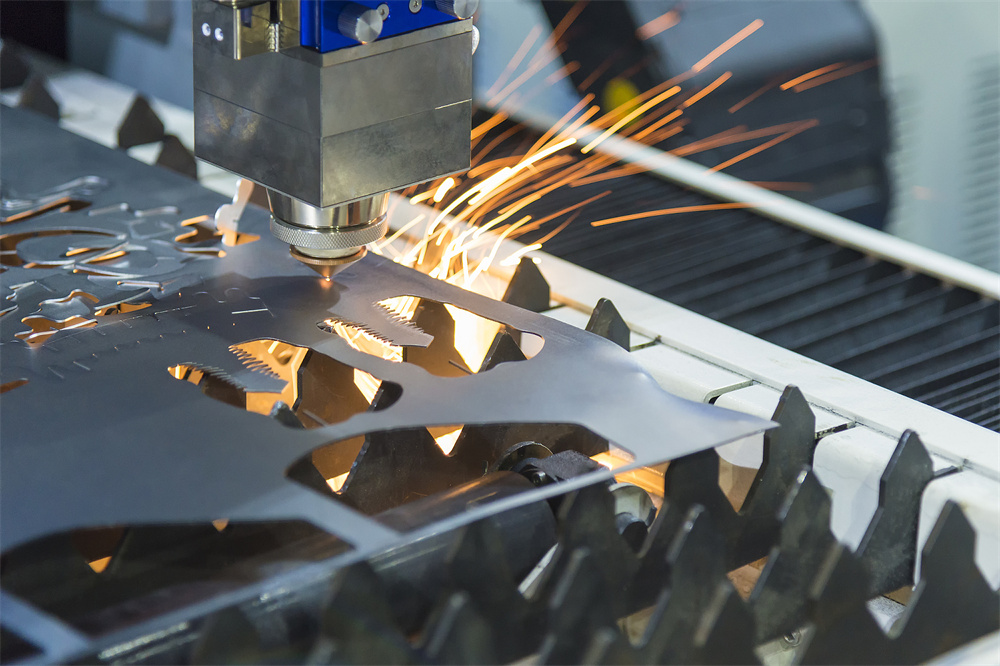
The versatility of laser cutting machines allows them to serve a diverse range of sectors. In the automotive industry, laser cutting is used to produce everything from intricate interior brackets to structural chassis components. The ability to cut high-strength steels with extreme precision ensures that safety standards are met while keeping vehicle weight to a minimum. Furthermore, the speed of fiber lasers allows automotive suppliers to keep up with the rigorous demands of just-in-time (JIT) manufacturing cycles.
In the aerospace and defense sector, the requirements are even more stringent. Components must withstand extreme environments, requiring the use of specialized alloys like titanium and Inconel. Laser cutting machines improve sheet metal fabrication applications here by providing a non-contact cutting method that reduces the risk of material contamination and mechanical distortion. This is critical for maintaining the structural integrity of turbine blades, fuselage panels, and internal ducting.
The electronics and medical device industries also rely heavily on laser precision. For electronics, laser cutting is used to create intricate enclosures, heat sinks, and shielding components that require micro-level tolerances. In the medical field, the technology is used to fabricate surgical instruments, orthopedic implants, and diagnostic equipment components. The clean, burr-free edges produced by lasers are essential for medical-grade products that require sterilization and smooth finishes.
Beyond these high-tech fields, laser cutting is a staple in architectural metalwork and signage. Architects use laser-cut panels for decorative facades, sunscreens, and intricate interior partitions. The ability to translate complex CAD patterns directly into metal allows for creative freedom that was once cost-prohibitive. Similarly, the signage industry uses lasers to cut precise lettering and logos from stainless steel, aluminum, and brass, ensuring a premium look for corporate branding.
Material and Process Requirements
Understanding the material properties is crucial when determining how laser cutting machines improve sheet metal fabrication applications. Different metals react differently to laser beams, and the choice of laser source (Fiber vs. CO2) and assist gas plays a pivotal role in the quality of the finished part.
Carbon Steel and Stainless Steel
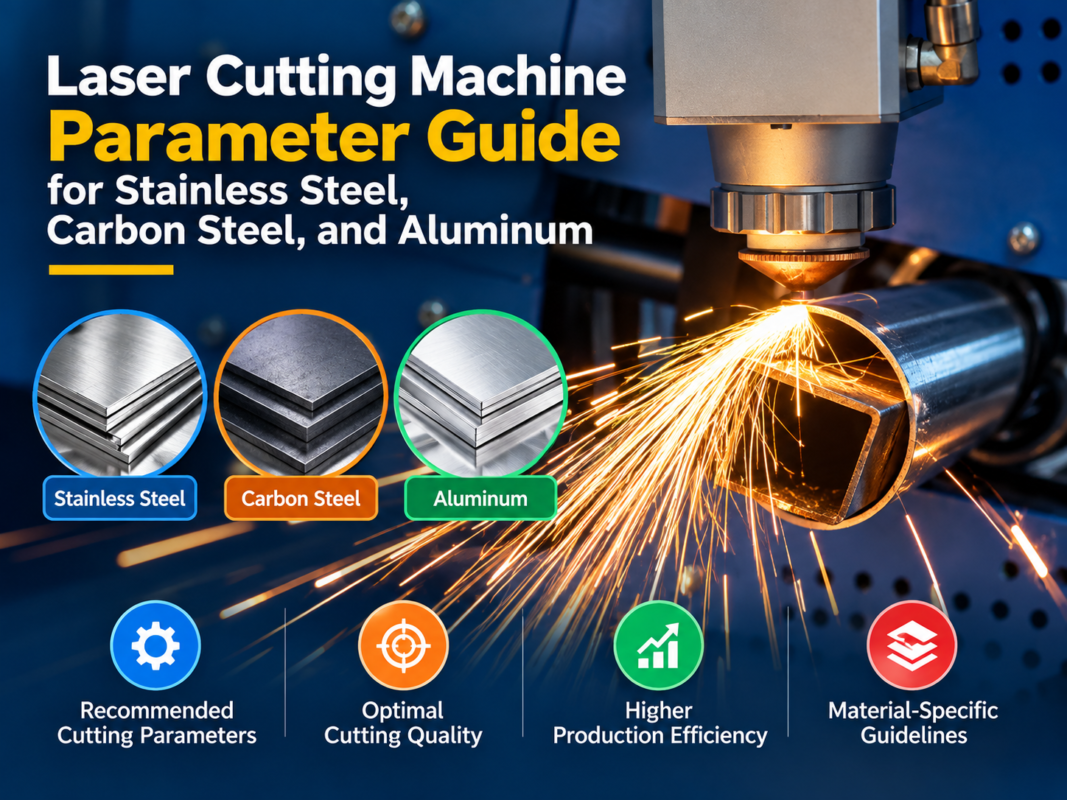
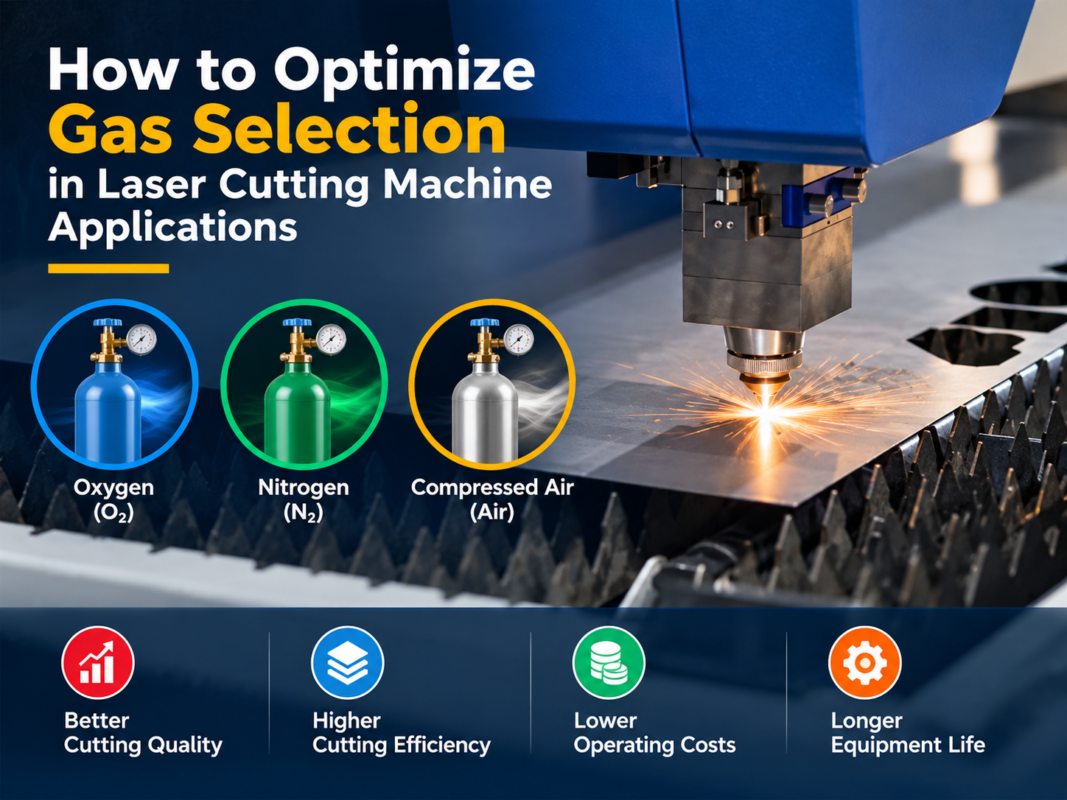
Carbon steel is perhaps the most common material in fabrication. When cutting carbon steel, oxygen is often used as an assist gas to facilitate an exothermic reaction, which increases cutting speed. However, for stainless steel, nitrogen is the preferred assist gas. Nitrogen prevents oxidation of the cut edge, ensuring that the material retains its corrosion-resistant properties and providing a bright, clean finish that often requires no secondary polishing.
Reflective Materials: Aluminum, Copper, and Brass
Historically, reflective materials posed a challenge for CO2 lasers because the beam could reflect back into the resonator, causing damage. Modern fiber laser cutting machines have solved this issue. Fiber lasers operate at a wavelength that is more readily absorbed by non-ferrous metals. This allows for high-speed cutting of aluminum and even highly reflective copper and brass, which are essential for electrical components and decorative hardware.
Thickness and Tolerance Considerations
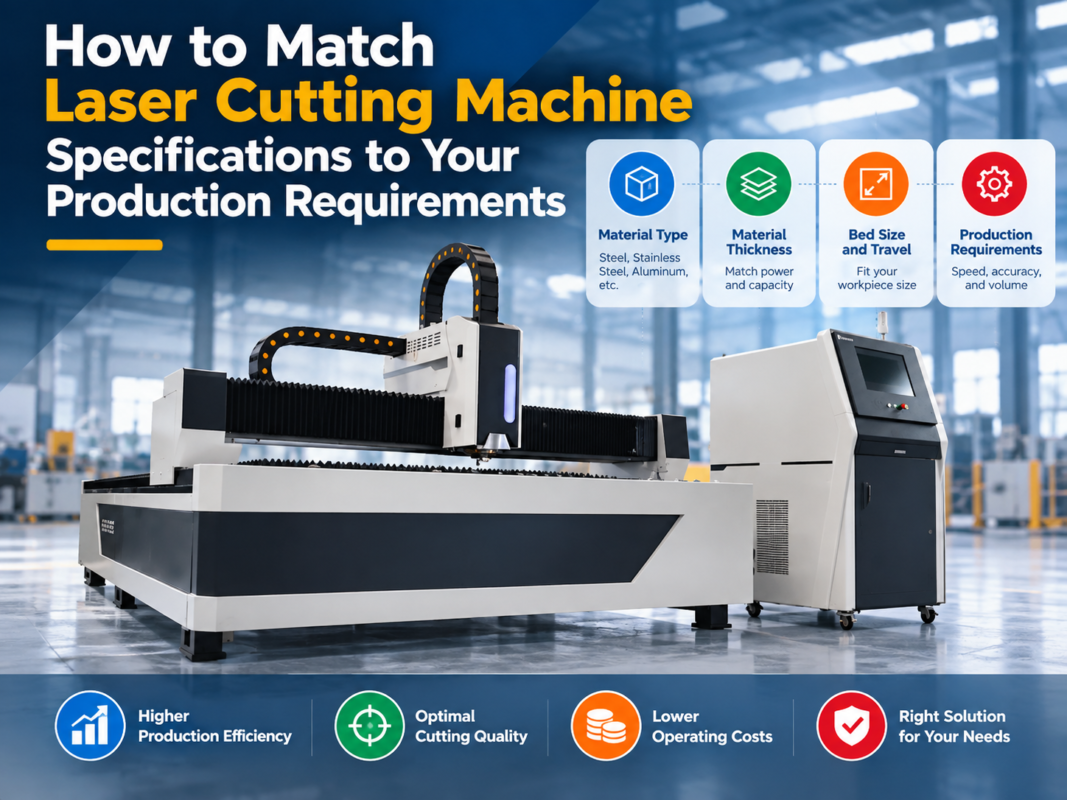
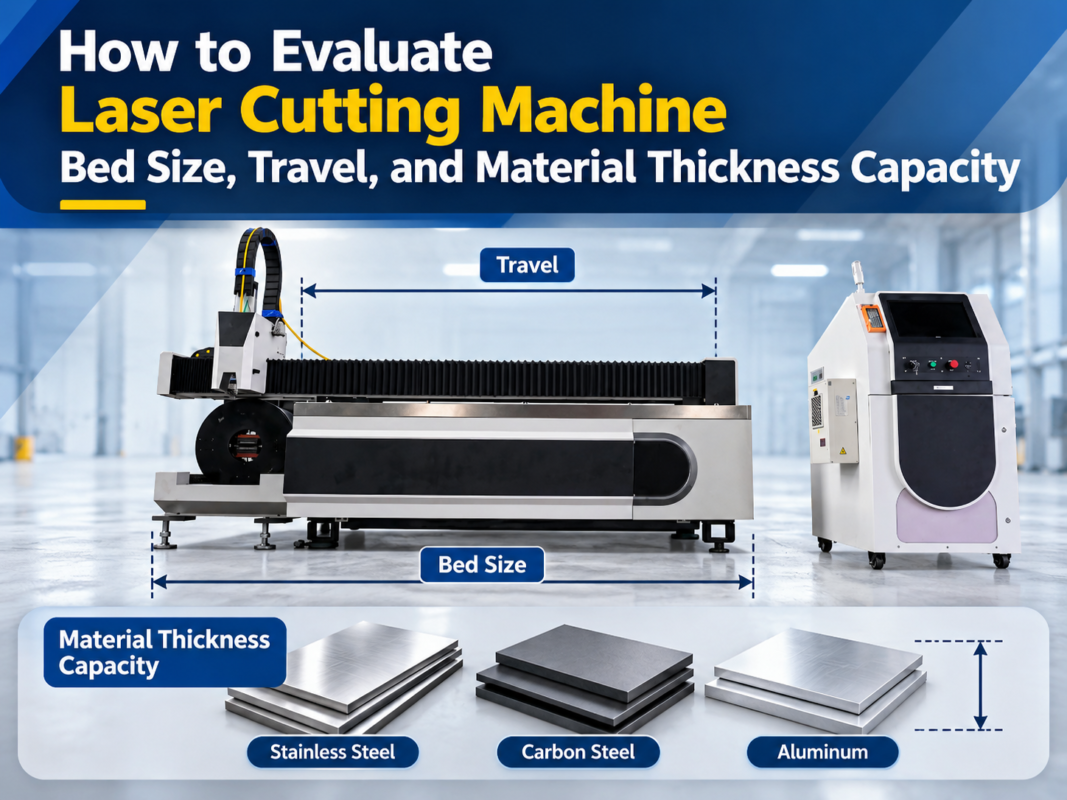
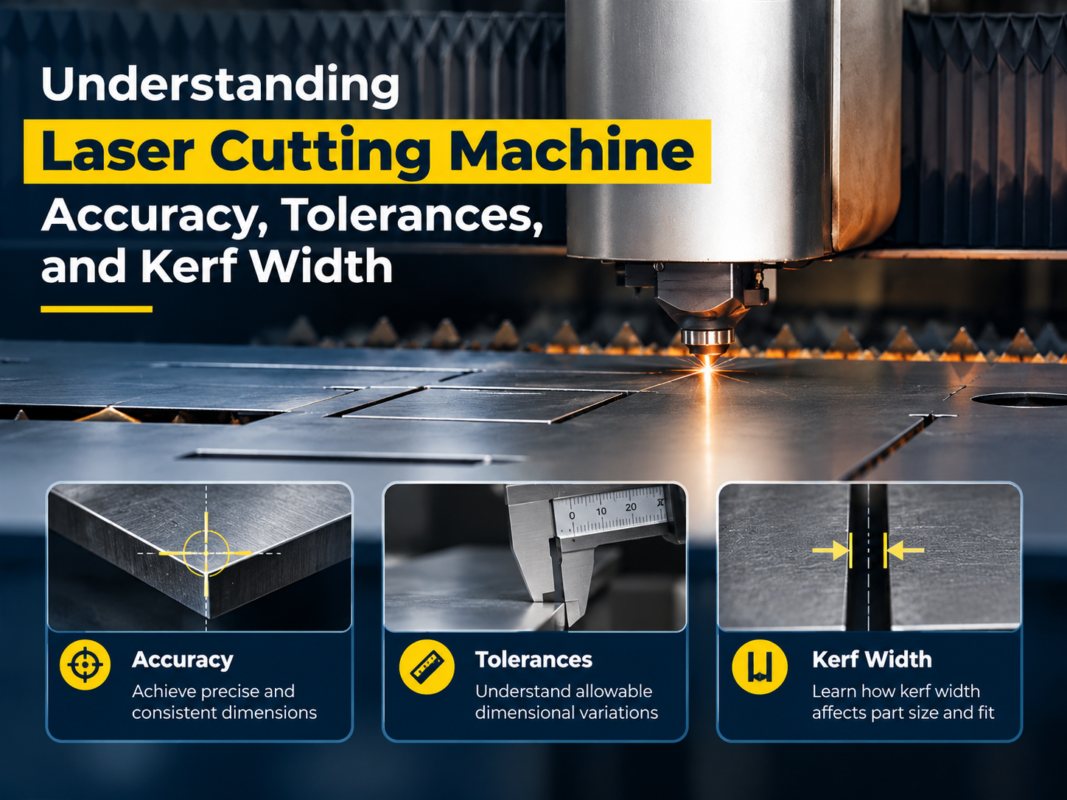
The thickness of the sheet metal dictates the power requirement of the laser. While a 1kW laser can easily handle thin gauge materials, thicker plates (20mm and above) require high-power sources (12kW to 30kW). Regardless of thickness, laser cutting maintains tight tolerances, often within +/- 0.1mm. This precision is vital for applications where parts must fit together perfectly in automated assembly lines, reducing the need for manual adjustment or rework.
Recommended Machine Configuration
To maximize the benefits of laser cutting, selecting the right machine configuration is essential. A standard industrial setup from HARSLE typically includes several key components designed for durability and performance.
- Laser Source: Fiber laser sources (such as IPG or Raycus) are recommended for most sheet metal applications due to their energy efficiency and low maintenance requirements compared to CO2 lasers.
- Cutting Head: An autofocus cutting head is vital. It automatically adjusts the focal position based on the material thickness and type, ensuring consistent cut quality across the entire sheet.
- Control System: Systems like CypCut are industry favorites because they integrate CAD/CAM functionality, nesting, and machine control into a single, user-friendly interface.
- Motion System: High-precision rack and pinion systems combined with Japanese Yaskawa or Delta servo motors ensure high acceleration and positioning accuracy.
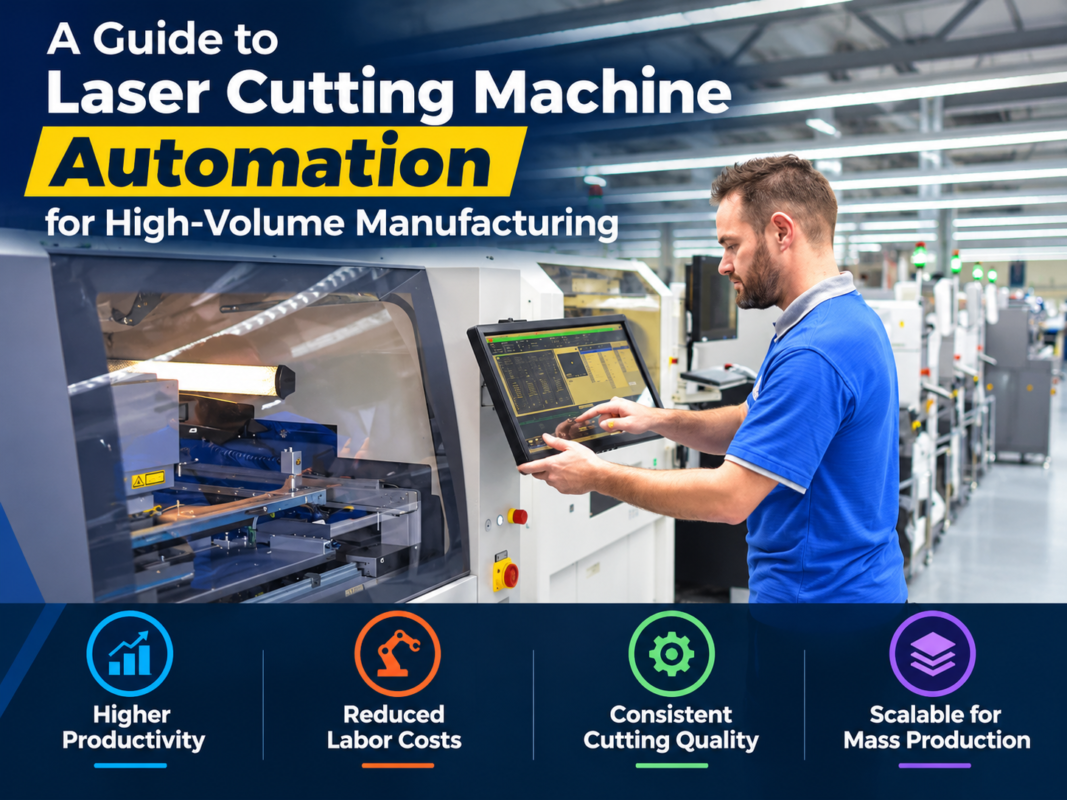
- Exchange Table: For high-volume production, an automatic shuttle table (exchange table) allows the operator to load new sheets and unload finished parts while the machine is still cutting, effectively doubling productivity.
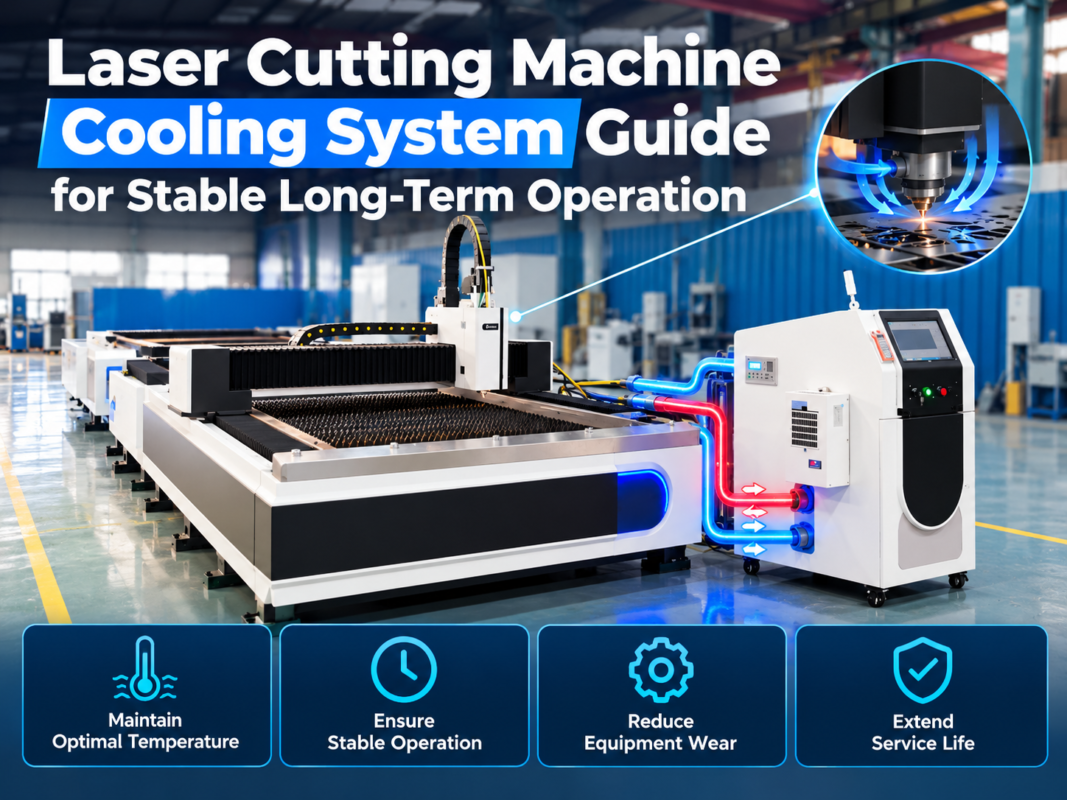
- Cooling and Dust Extraction: A robust industrial chiller is necessary to maintain the temperature of the laser source and cutting head, while a high-capacity dust extractor ensures a clean working environment and protects the machine’s optical components.
The Optimized Workflow of Laser Cutting
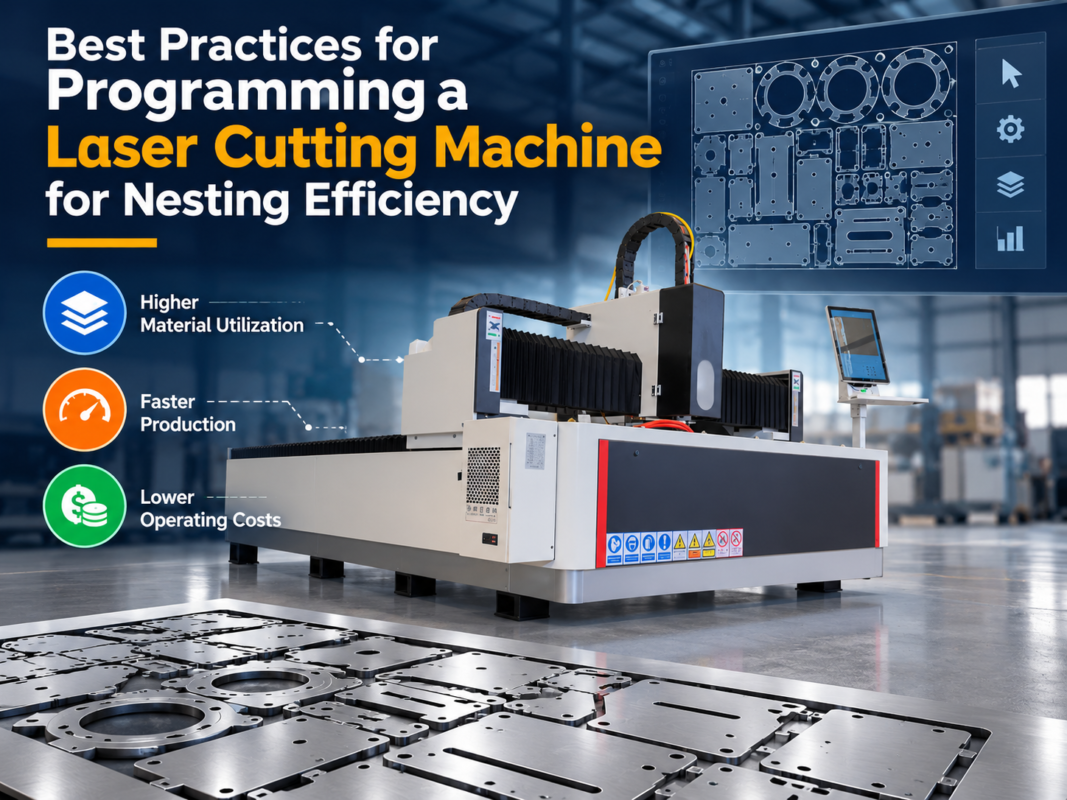
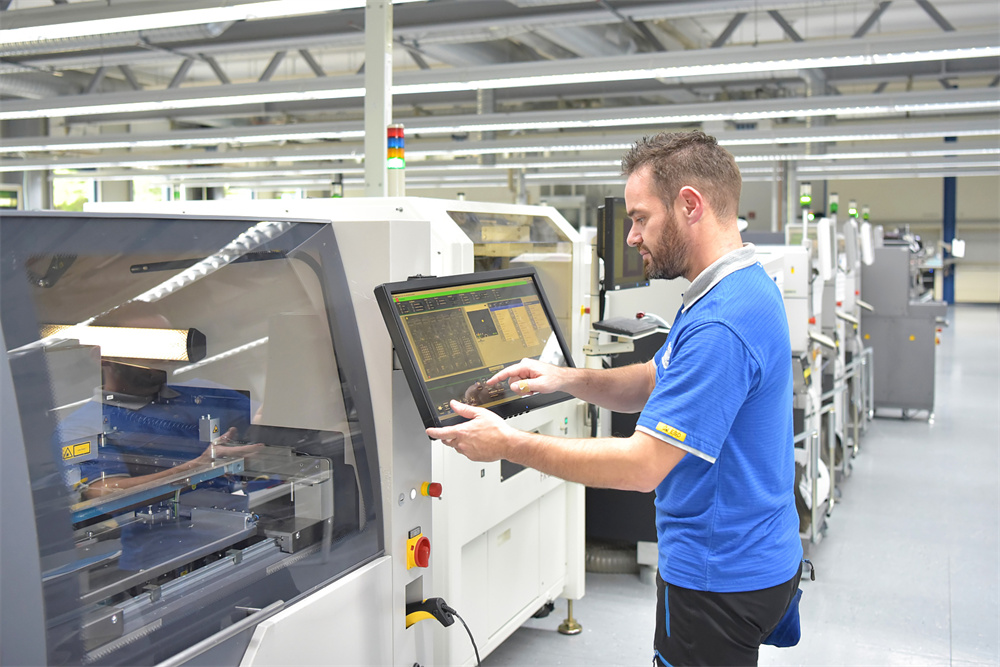
The workflow of a laser cutting machine is a streamlined process that minimizes human error and material waste. It begins with the Design Phase, where engineers create 2D or 3D models using CAD software. These files are then imported into Nesting Software, which calculates the most efficient layout of parts on a metal sheet to minimize scrap.
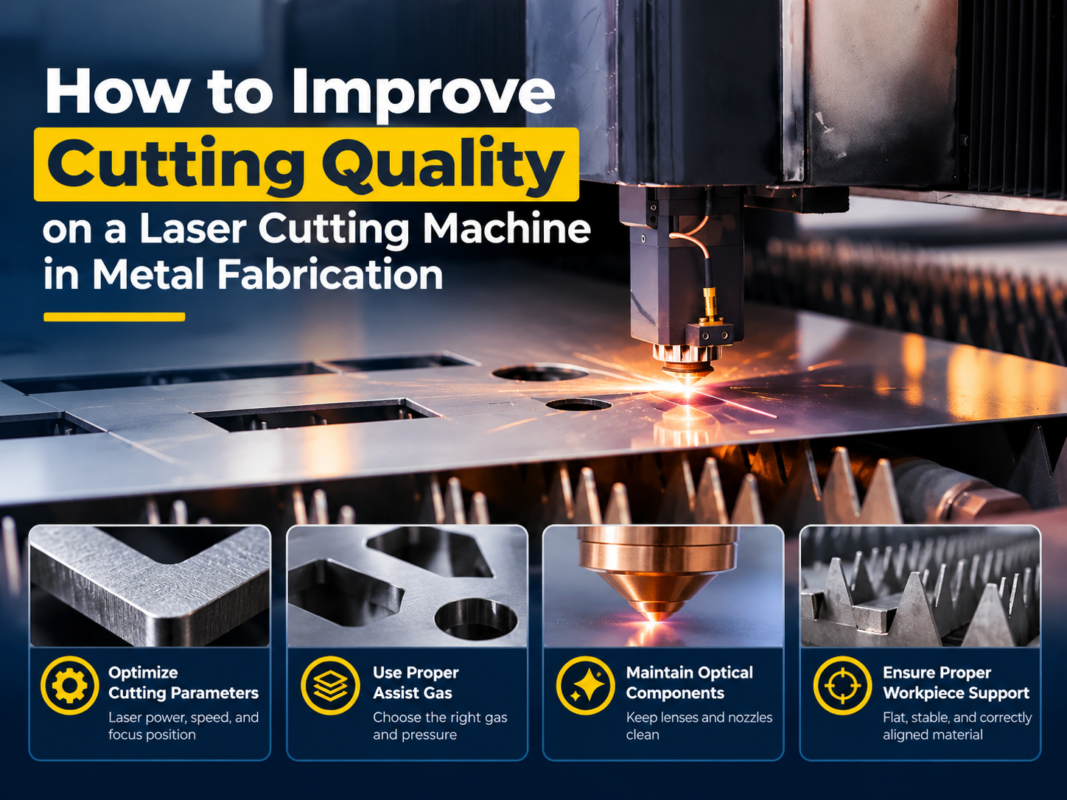
Once the nesting is complete, the software generates a G-code file that the machine’s controller reads. The Setup Phase involves placing the raw sheet metal onto the cutting bed and selecting the appropriate cutting parameters (power, speed, gas pressure, and focal height) from a pre-saved material library. Modern HARSLE machines often feature automatic edge-seeking, which detects the exact position of the sheet on the bed, eliminating the need for manual alignment.
During the Cutting Phase, the laser follows the programmed path with incredible speed. In many cases, the machine can also perform “marking” or “etching” to add part numbers or assembly guides directly onto the metal. Finally, in the Unloading Phase, parts are removed, and the skeleton (the remaining scrap) is recycled. Because the heat-affected zone (HAZ) is so small in laser cutting, parts are usually ready for the next stage of production—such as bending on a HARSLE press brake—immediately after cutting.
Productivity Benefits and ROI
The primary reason why laser cutting machines improve sheet metal fabrication applications is the massive boost in productivity. Unlike traditional punching machines, lasers do not require physical dies. This means there is zero cost for tooling and no downtime for tool changes. If a design changes, the operator simply updates the digital file, and production resumes instantly.
Furthermore, the speed of fiber lasers on thin materials is unparalleled. A 6kW fiber laser can cut 1mm stainless steel at speeds exceeding 30 meters per minute. When combined with an exchange table, the machine can run almost continuously. The material utilization is also significantly higher; because the laser beam is only a fraction of a millimeter wide, parts can be nested very closely together, often saving 10-20% in material costs compared to traditional shearing.
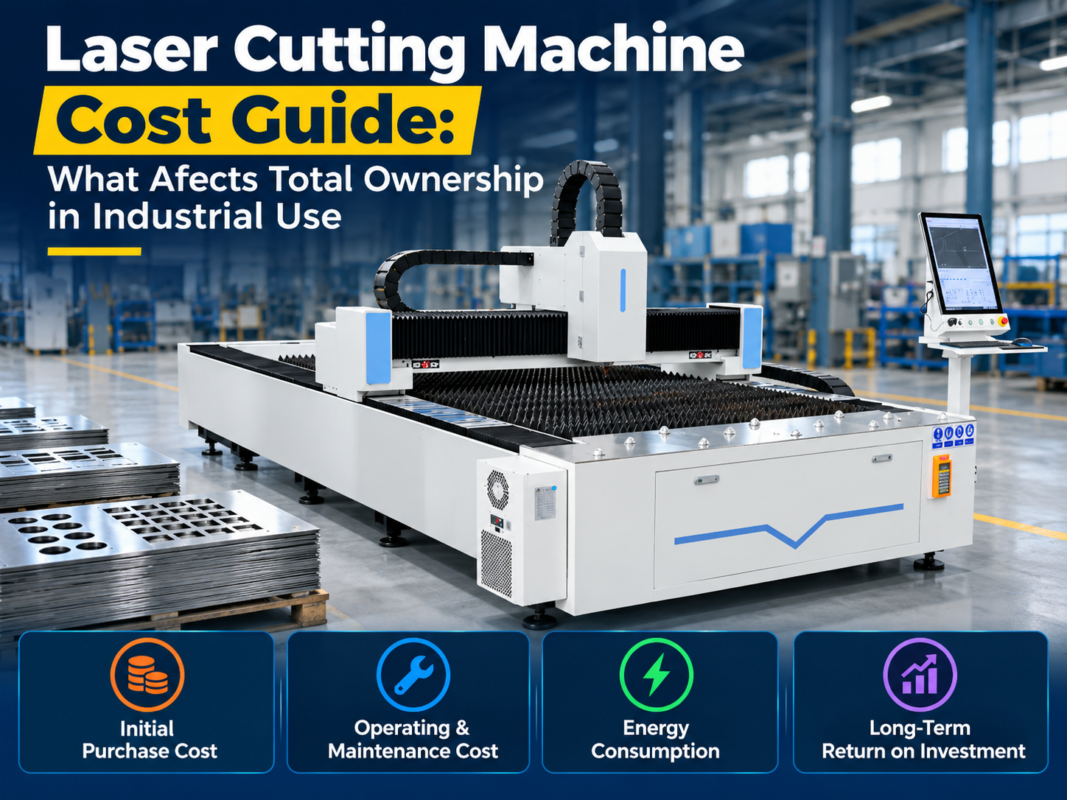
From a long-term investment perspective, the Return on Investment (ROI) for a laser cutting machine is typically realized within 12 to 24 months, depending on the shift structure. The reduction in secondary operations—such as grinding, deburring, or cleaning—saves labor costs and speeds up the overall manufacturing cycle, allowing shops to take on more complex projects and tighter deadlines.
Case Example: HVAC Ducting Manufacturer
Consider a mid-sized manufacturer specializing in HVAC (Heating, Ventilation, and Air Conditioning) systems. Traditionally, they used a combination of plasma cutting and manual shearing to produce ductwork components. This process resulted in rough edges that required significant deburring and inconsistent dimensions that made assembly difficult.
By switching to a HARSLE Fiber Laser Cutting Machine, the manufacturer saw immediate improvements. The laser’s ability to cut complex flange shapes and bolt holes in a single pass eliminated the need for secondary drilling. The precision of the laser meant that the duct sections fit together perfectly, reducing the need for excessive sealant and manual adjustment during installation. Overall, the production time for a standard set of ducts was reduced by 40%, and material waste was cut by 15% due to superior nesting capabilities.
Frequently Asked Questions (FAQ)
1. What is the difference between Fiber and CO2 lasers for sheet metal?
Fiber lasers use a solid-state medium to generate the beam, which is then delivered via a fiber optic cable. They are more energy-efficient, faster at cutting thin to medium materials, and have lower maintenance costs. CO2 lasers use a gas mixture and mirrors; while they are excellent for very thick materials and non-metals, they are generally being phased out in favor of fiber technology for most sheet metal applications.
2. How much maintenance does a laser cutting machine require?
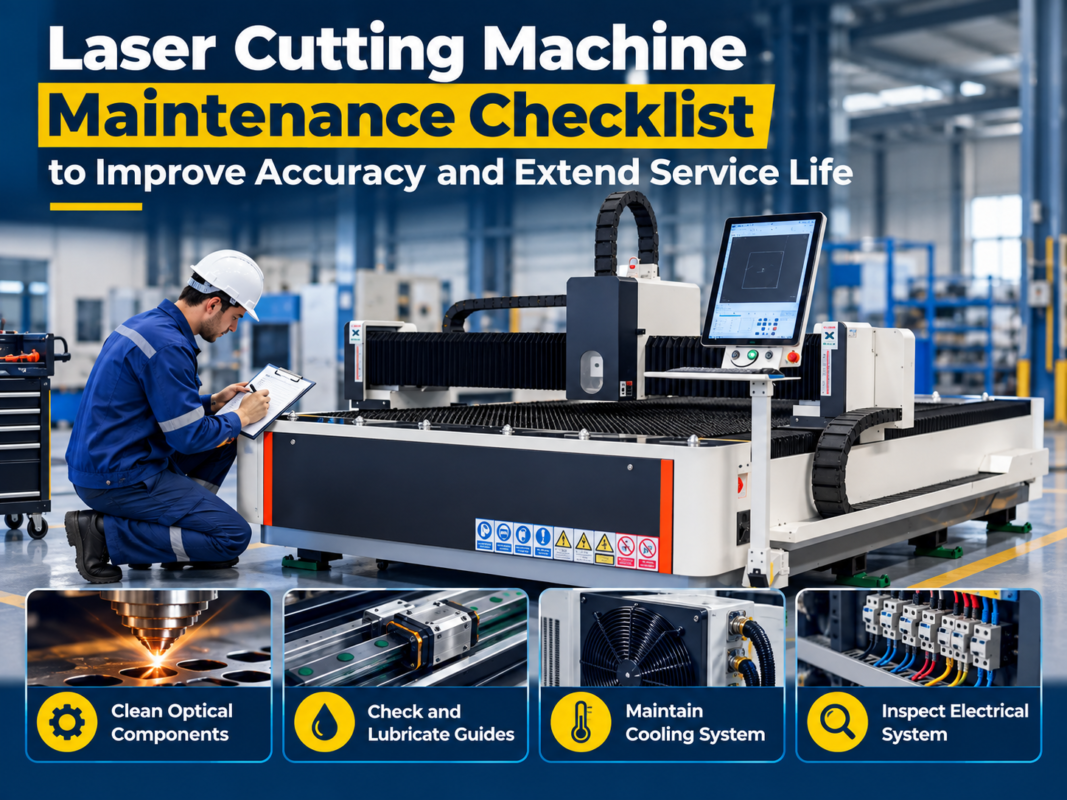
Modern fiber lasers are relatively low-maintenance. Key tasks include cleaning the protective windows in the cutting head, checking the water levels and filters in the chiller, and ensuring the rails and racks are lubricated. Unlike CO2 lasers, there are no mirrors to align or gas resonators to maintain.
3. Can a laser cutting machine cut through painted or coated metals?
Yes, but it requires specific settings. For example, when cutting galvanized steel, the zinc coating can affect the cut quality, so specialized parameters are used. For painted metals, the laser can sometimes burn the paint near the cut edge, so it is often better to cut the metal first and then apply the coating, or use a film-protected sheet.
4. Is laser cutting safe for operators?
Yes, provided safety protocols are followed. Fiber lasers are Class 4 lasers, meaning the beam is invisible and dangerous to the eyes. Therefore, most modern machines are fully enclosed with laser-safe glass windows. Operators should always wear appropriate PPE and receive thorough training on the machine’s safety features.
Conclusion and Call to Action
It is clear that laser cutting machines improve sheet metal fabrication applications by providing a level of precision, speed, and flexibility that traditional methods cannot match. Whether you are in the automotive, aerospace, or general fabrication industry, integrating a high-quality laser cutting system is a strategic move that enhances competitiveness and profitability.
At HARSLE, we specialize in providing state-of-the-art metal fabrication solutions tailored to your specific needs. Our range of fiber laser cutting machines is designed for durability, ease of use, and maximum efficiency. Ready to elevate your production capabilities? Contact HARSLE today to speak with our technical experts, request a quote, or schedule a demonstration. Let us help you transform your fabrication process with the power of laser technology.