How to Troubleshoot Hydraulic Press Accuracy and Alignment Issues: A Comprehensive Guide


Introduction to Hydraulic Press Precision
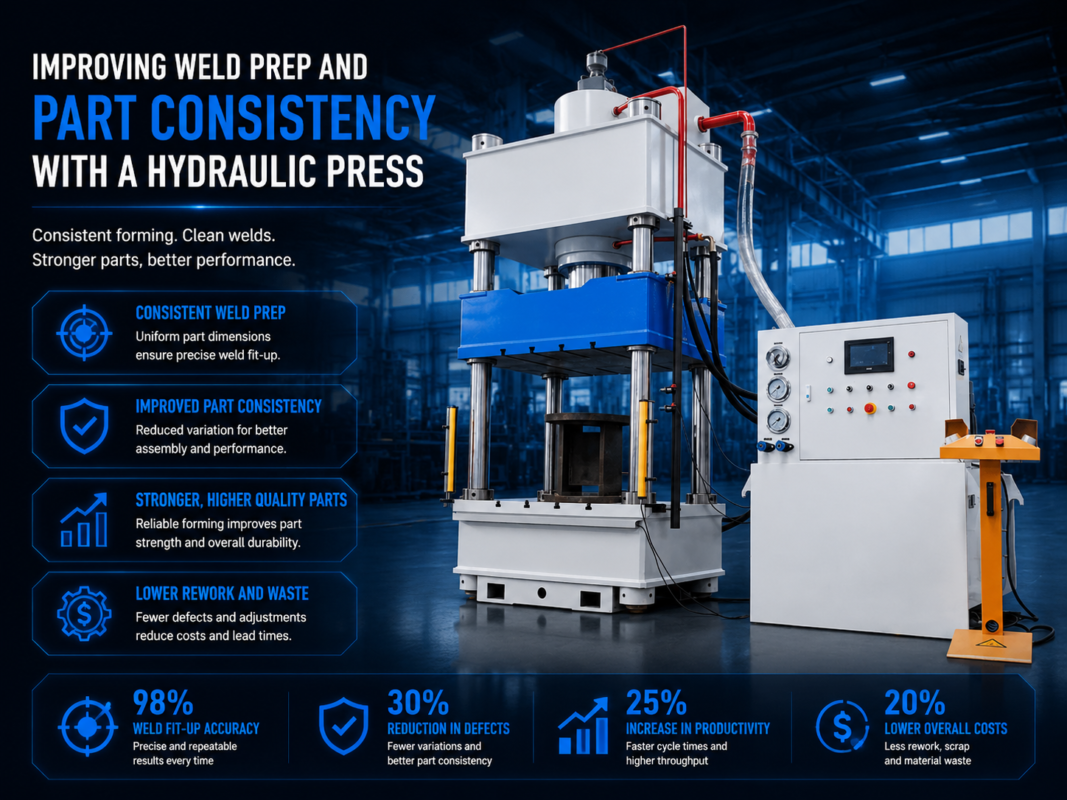
In the world of metal fabrication, precision is the cornerstone of quality. Whether you are performing deep drawing, punching, or assembly, the accuracy of your hydraulic press directly dictates the quality of the finished product. When a press loses its alignment, the consequences are immediate and costly: uneven part thickness, premature tool wear, increased scrap rates, and potential damage to the machine itself. For operators and maintenance managers, the ability to Troubleshoot Hydraulic Press Accuracy Alignment Issues is an essential skill that ensures long-term operational efficiency and profitability.
Hydraulic presses are robust machines designed to exert massive forces, but they are also sensitive instruments. Over time, the repetitive stress of high-pressure cycles, thermal expansion, and mechanical wear can lead to subtle shifts in alignment. These shifts might not be visible to the naked eye but can result in deviations of thousandths of an inch, which is more than enough to ruin a high-precision aerospace or automotive component. Understanding the mechanics of how a press maintains its center line and parallelism is the first step toward effective troubleshooting.
At HARSLE, we recognize that a hydraulic press is a significant investment. Maintaining that investment requires a proactive approach to maintenance. This guide is designed to walk you through the technical nuances of press alignment, providing you with a systematic framework to identify, diagnose, and rectify accuracy issues. By following these industry-standard procedures, you can minimize downtime and ensure that your HARSLE equipment continues to perform at its peak specifications for years to come.
Key Considerations for Press Accuracy
Before diving into the troubleshooting steps, it is vital to understand the factors that influence the accuracy of a hydraulic press. Accuracy is not just about the ram moving up and down; it is about the ram moving perfectly perpendicular to the bolster plate (bed) and maintaining parallelism throughout the entire stroke. Several key components work in harmony to achieve this, and a failure in any one of them can lead to alignment problems.
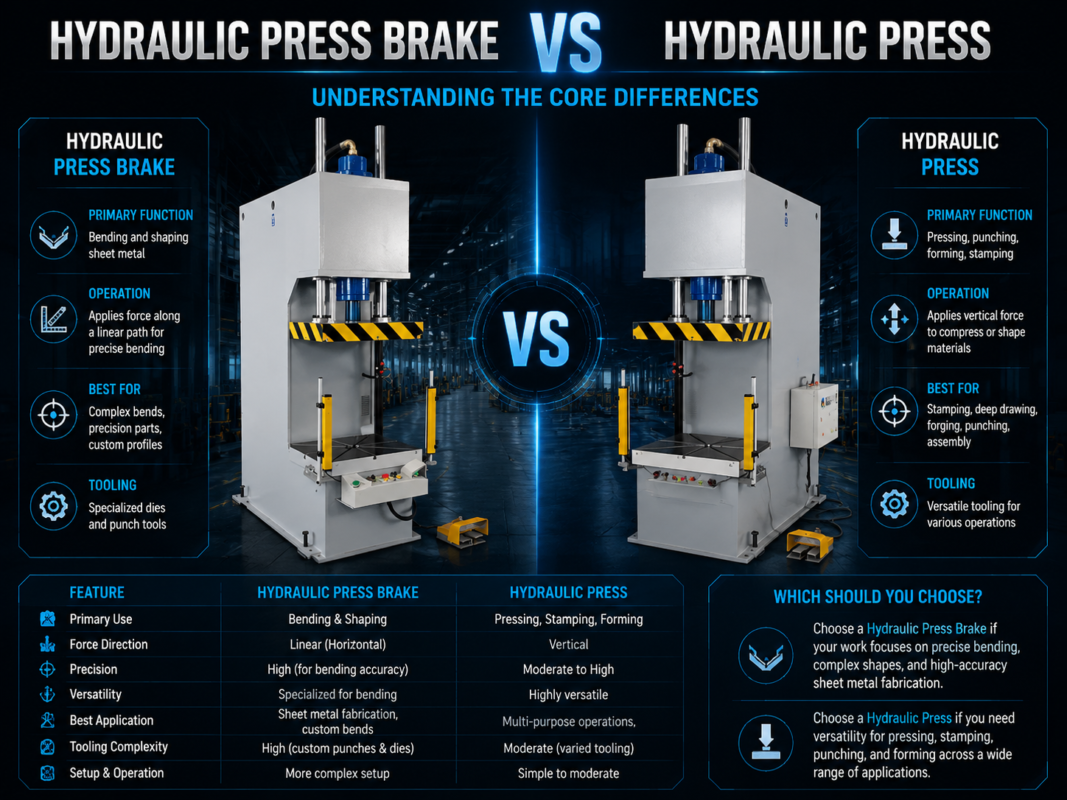
The first consideration is the frame rigidity. A hydraulic press frame must be stiff enough to resist the forces generated during the pressing cycle. If the frame deflects or “yawns” under load, the alignment of the ram will shift, even if the machine appears perfectly aligned when idle. This is particularly common in C-frame (gap frame) presses compared to H-frame or four-post designs. Understanding the deflection limits of your specific machine is crucial when troubleshooting accuracy issues under high-tonnage conditions.
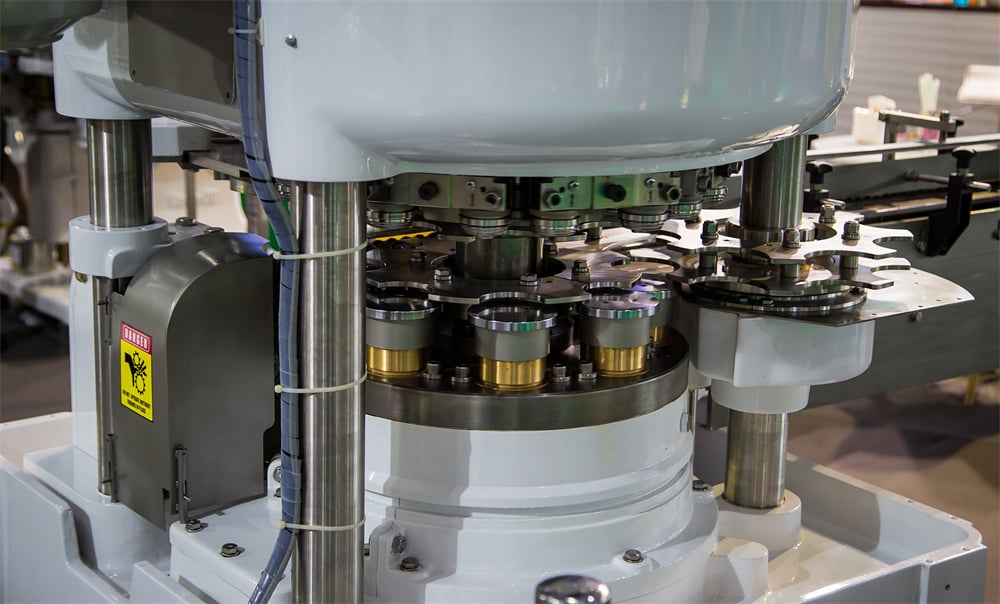
Another critical factor is the guidance system. The ram is typically guided by gibs or pillars. These components are responsible for keeping the ram on its intended path. If the gibs are too loose, the ram can tilt or shift laterally. If they are too tight, they can cause excessive friction, heat, and uneven wear. Proper lubrication and adjustment of these guidance systems are the most frequent areas where alignment issues are resolved. Furthermore, the condition of the hydraulic fluid and the synchronization of the cylinders (in multi-cylinder presses) play a massive role in maintaining a level ram during the downward stroke.
Technical Details: How to Troubleshoot Hydraulic Press Accuracy Alignment Issues
Step 1: Measuring Bed-to-Ram Parallelism
The most common symptom of misalignment is a lack of parallelism between the ram face and the bolster plate. To troubleshoot this, you must perform a static parallelism check. Start by cleaning both surfaces thoroughly to remove any oil, metal shavings, or debris. Using a high-precision dial indicator mounted on a magnetic base, place the base on the bolster plate and the indicator tip against the bottom of the ram.
Slowly move the ram down to a specific height and sweep the indicator across the four corners of the bed. A well-aligned press should show minimal deviation (typically within 0.001 to 0.003 inches per foot, depending on the machine’s specifications). If you notice a significant discrepancy between the left and right or front and back, you have confirmed a parallelism issue. This measurement should be taken at various points in the stroke—top, middle, and bottom—to determine if the misalignment is constant or if it changes as the ram travels.
Step 2: Inspecting and Adjusting Gib Clearances
If parallelism is off, the next logical step is to inspect the gibs. Gibs are the adjustable guides that control the ram’s movement. Over time, the liners (often made of bronze or specialized plastics) wear down. To troubleshoot this, use a feeler gauge to check the clearance between the ram and the gibs at all four corners. Refer to your HARSLE manual for the manufacturer’s recommended clearance, but a general rule of thumb is often between 0.002 and 0.006 inches.
If the clearances are uneven, you will need to adjust the gib bolts. This is a delicate process that requires incremental adjustments. Tighten or loosen the adjusting screws until the clearances are uniform. After adjustment, cycle the press several times and re-measure. If the gibs are badly scored or worn beyond the adjustment range, the liners must be replaced. Neglecting worn gibs will not only cause accuracy issues but will eventually lead to catastrophic damage to the ram and frame surfaces.
Step 3: Analyzing Hydraulic Cylinder Synchronization
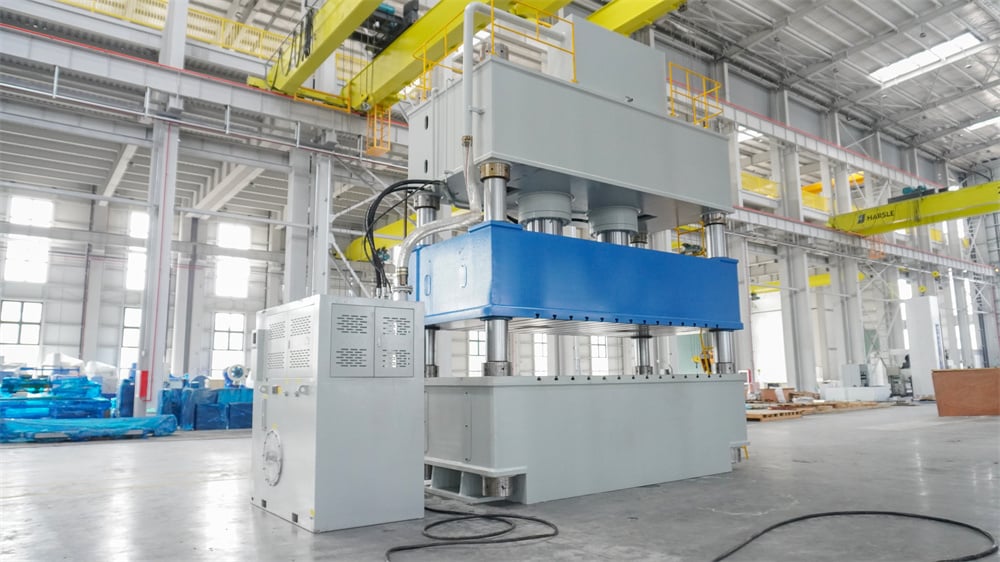
In presses with two or more cylinders, the ram must descend perfectly level. If one cylinder moves slightly faster or slower than the other, the ram will tilt, causing severe alignment issues and potential binding. This is often caused by air trapped in the hydraulic lines, a malfunctioning proportional valve, or internal leakage in one of the cylinders. To troubleshoot this, observe the ram’s movement during a slow-speed stroke. Use a laser level or dual dial indicators to monitor both sides of the ram simultaneously.
If a synchronization issue is detected, start by bleeding the hydraulic system to ensure no air is present. Check the electrical signals going to the hydraulic valves; a faulty solenoid or a drifting sensor in the CNC system can cause uneven flow. If the electronics are sound, the issue may be mechanical, such as a worn seal in one cylinder allowing fluid to bypass the piston. This requires a pressure test of each cylinder to identify internal leakage.
Step 4: Evaluating Frame Deflection and Foundation
Sometimes, the issue isn’t with the moving parts but with the foundation or the frame itself. A hydraulic press must be installed on a level, reinforced concrete floor. If the floor settles or cracks, the frame can twist, throwing the entire assembly out of alignment. Use a precision master level to check the levelness of the bolster plate in both directions (left-to-right and front-to-back). If the press is not level, use high-quality leveling pads or shims to correct it.
Additionally, check for loose mounting bolts or cracks in the frame welds. Under high tonnage, a loose bolt can allow the frame to flex excessively, leading to intermittent accuracy issues that are hard to pin down. If you are running a job that approaches the maximum tonnage of the press, the frame deflection might be the limiting factor. In such cases, the only solution is to ensure the load is perfectly centered to minimize the “off-center loading” effect, which is a leading cause of frame-related misalignment.
Selection Advice for High-Precision Hydraulic Presses
When purchasing a new hydraulic press, choosing a machine designed for long-term accuracy can save hundreds of hours in future troubleshooting. At HARSLE, we recommend looking for several key features that enhance alignment stability. First, consider the frame type. For applications requiring the highest precision, an H-frame or a four-column press is generally superior to a C-frame because the closed-loop design naturally resists deflection under load.
Second, look at the guidance system. High-end presses often feature long, 8-point or 4-point gibbing systems that provide superior lateral support compared to simple round pillars. These systems are easier to adjust and offer better wear resistance. Third, prioritize presses with advanced CNC control and servo-hydraulic technology. These systems use real-time feedback from linear scales to monitor the ram’s position and automatically adjust the hydraulic flow to each cylinder, ensuring perfect synchronization and parallelism even under varying loads.
Finally, consider the ease of maintenance. A press that provides easy access to gib adjustments and hydraulic test ports will be much easier to keep in alignment. When evaluating a supplier, ask about their factory calibration standards and the availability of replacement wear parts like gib liners and seals. A machine is only as good as the support behind it, and HARSLE is committed to providing the technical documentation and parts needed to keep your operations running smoothly.
FAQ: Troubleshooting Hydraulic Press Accuracy
Why does my hydraulic press lose alignment only when it gets hot?
Thermal expansion is a common cause of alignment shifts. As the hydraulic fluid and the machine frame heat up during a long shift, the metal expands. If the heat is not distributed evenly—for example, if the press is near a heater or in a drafty area—one side of the frame may expand more than the other. To fix this, ensure the hydraulic system has an efficient oil cooler and try to maintain a stable ambient temperature in the shop.
How often should I check the parallelism of my press?
For high-precision work, a quick check should be performed weekly. A comprehensive alignment audit, including gib clearance measurements and foundation leveling, should be conducted every six months or after any major repair. If you notice a sudden change in part quality or hear unusual noises during the stroke, check the alignment immediately.
Can off-center loading damage my press alignment?
Yes, off-center loading is one of the primary causes of premature alignment failure. When the force is not centered under the ram, it creates a moment arm that tries to tilt the ram and twist the frame. This puts immense pressure on the gibs and can lead to permanent frame deformation. Always try to center your tooling, or use a press specifically designed with high off-center load capacity.
What is the difference between accuracy and repeatability?
Accuracy refers to how close the ram gets to the intended target position. Repeatability refers to how consistently the ram can return to that same position over multiple cycles. A press can be repeatable but inaccurate (always stopping at the wrong spot) or accurate but not repeatable. Troubleshooting alignment usually addresses accuracy, while troubleshooting hydraulic valves and sensors addresses repeatability.
Do I need special tools to troubleshoot alignment?
At a minimum, you need a high-precision dial indicator with a magnetic base, a set of feeler gauges, and a precision master level. For more advanced troubleshooting, a laser alignment system or an electronic leveling tool can provide faster and more accurate results, especially on large-scale industrial presses.
Conclusion
To Troubleshoot Hydraulic Press Accuracy Alignment Issues effectively, one must combine mechanical intuition with precise measurement. By systematically checking parallelism, adjusting gibs, ensuring hydraulic synchronization, and verifying the machine’s foundation, you can resolve most accuracy problems before they lead to expensive downtime. Remember that a hydraulic press is a dynamic system; it requires regular attention and fine-tuning to counteract the natural wear and tear of industrial production.
HARSLE remains dedicated to manufacturing high-quality metal fabrication machinery that stands the test of time. Our presses are engineered with rigidity and precision in mind, but even the best machines require proper maintenance. We encourage all operators to familiarize themselves with the troubleshooting steps outlined in this guide. By maintaining a rigorous alignment schedule, you not only ensure the quality of your products but also extend the lifespan of your machine and tooling, securing a better return on your investment. For further technical support or to explore our latest range of precision hydraulic presses, contact the HARSLE team today.