
Punching Machine Ram Not Returning: Causes and Practical Solutions


Introduction to Punching Machine Ram Failures
In the high-stakes environment of metal fabrication, the punching machine stands as a cornerstone of productivity. Whether it is a high-speed mechanical press or a versatile hydraulic punching machine, the rhythmic cycle of the ram—descending to pierce the metal and returning to its home position—is essential for continuous operation. However, one of the most frustrating and potentially dangerous issues operators face is when the Punching Machine Ram Not Returning: Causes Practical Solutions becomes the primary focus of the maintenance team. When the ram remains in the down position or fails to complete its upward stroke, production grinds to a halt, and the risk of tool damage or operator injury increases significantly.
HARSLE understands that downtime is the enemy of profitability. A stuck ram is not merely a mechanical glitch; it is often a symptom of underlying issues ranging from hydraulic pressure imbalances to electrical sensor failures. Understanding the mechanics of the return stroke is the first step in effective troubleshooting. In most modern punching machines, the return stroke is powered by either hydraulic pressure, heavy-duty springs, or nitrogen cylinders. If any component in these systems fails, the ram loses its ability to overcome the friction and suction created during the punching process. This guide provides a deep dive into the technical causes and professional solutions for ram return failures, ensuring your workshop remains efficient and safe.
Addressing a ram that won’t return requires a systematic approach. It is not enough to simply force the ram back up; one must identify why the cycle was interrupted. This involves checking the synergy between the machine’s structural components, its power source, and its control logic. By the end of this article, maintenance professionals and machine operators will have a comprehensive toolkit for diagnosing and resolving ram return issues, minimizing downtime and extending the lifespan of their HARSLE equipment.
Key Considerations Before Troubleshooting
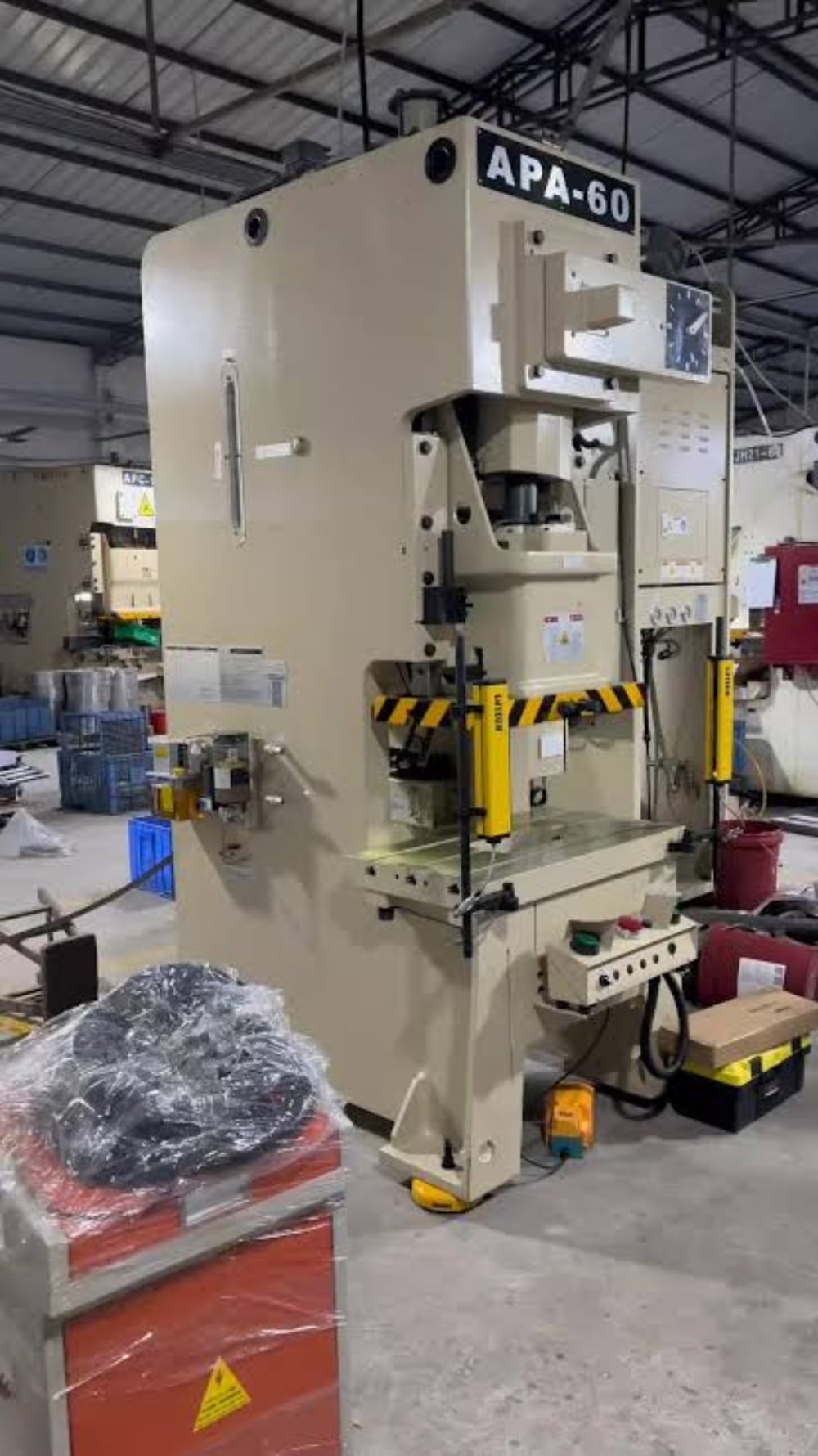
Before diving into the technical repairs, safety must be the absolute priority. A punching machine ram that is stuck in the down position is under significant tension or hydraulic pressure. Attempting to fix the machine without proper lockout-tagout (LOTO) procedures can lead to catastrophic accidents. Always ensure the power source is disconnected and any residual hydraulic pressure is safely bled from the system. If the ram is held down by a mechanical jam, it may release suddenly once the obstruction is removed, so physical blocks should be used to prevent unexpected movement.
Another key consideration is the type of punching machine you are operating. Mechanical punching machines rely on a flywheel, clutch, and brake system, often using springs for the return. In contrast, hydraulic punching machines use fluid dynamics and solenoid valves to control the ram’s movement. The diagnostic path for these two types of machinery differs significantly. For instance, a mechanical press might suffer from a broken return spring, while a hydraulic press might have a faulty directional control valve. Identifying the machine’s drive system is the first step in narrowing down the potential causes.
Environmental factors and material specifications also play a role. Is the machine operating in an extremely cold environment where hydraulic oil viscosity might be too high? Is the material being punched thicker or harder than the machine’s rated capacity? Sometimes, the ram doesn’t return simply because the punch is physically wedged in the material due to insufficient lubrication or improper die clearance. Evaluating these external factors can often save hours of unnecessary mechanical disassembly. Always check the simplest possibilities first, such as a tripped circuit breaker or an emergency stop button that was accidentally engaged.
Technical Details: Hydraulic Causes and Solutions
1. Hydraulic Valve Malfunctions
In hydraulic punching machines, the movement of the ram is dictated by directional control valves. If the solenoid valve responsible for the return stroke fails to shift, the hydraulic fluid will not be directed to the underside of the piston, leaving the ram stuck. This failure can be electrical (a burnt-out solenoid coil) or mechanical (a stuck valve spool due to contamination). To solve this, technicians should test the solenoid for continuity and inspect the valve for debris. Regular oil filtration is essential to prevent these types of failures, as even microscopic particles can jam a high-precision valve spool.
2. Insufficient Return Pressure
Many hydraulic presses use a “differential pressure” system or a separate nitrogen return cylinder to lift the ram. If the nitrogen pressure has leaked below the required threshold, the ram will lack the force necessary to return, especially after a heavy punch. Similarly, if the main hydraulic system has an internal leak in the cylinder seals, the pressure may bypass the piston rather than lifting it. Checking the pressure gauges and recharging nitrogen cylinders are standard maintenance tasks that directly address Punching Machine Ram Not Returning: Causes Practical Solutions.
3. Oil Temperature and Viscosity
Hydraulic systems are sensitive to the physical properties of the oil. If the oil is too cold, it becomes thick and moves slowly through the valves, potentially preventing the ram from returning within the timed cycle of the PLC. Conversely, if the oil is overheated, it loses its viscosity, leading to internal leakage and reduced lifting power. Ensuring that the machine’s cooling system is functional and that the correct grade of hydraulic oil (typically ISO VG 32 or 46) is used can prevent these temperature-related return issues.
Technical Details: Mechanical and Electrical Causes
1. Mechanical Obstructions and Tooling Issues
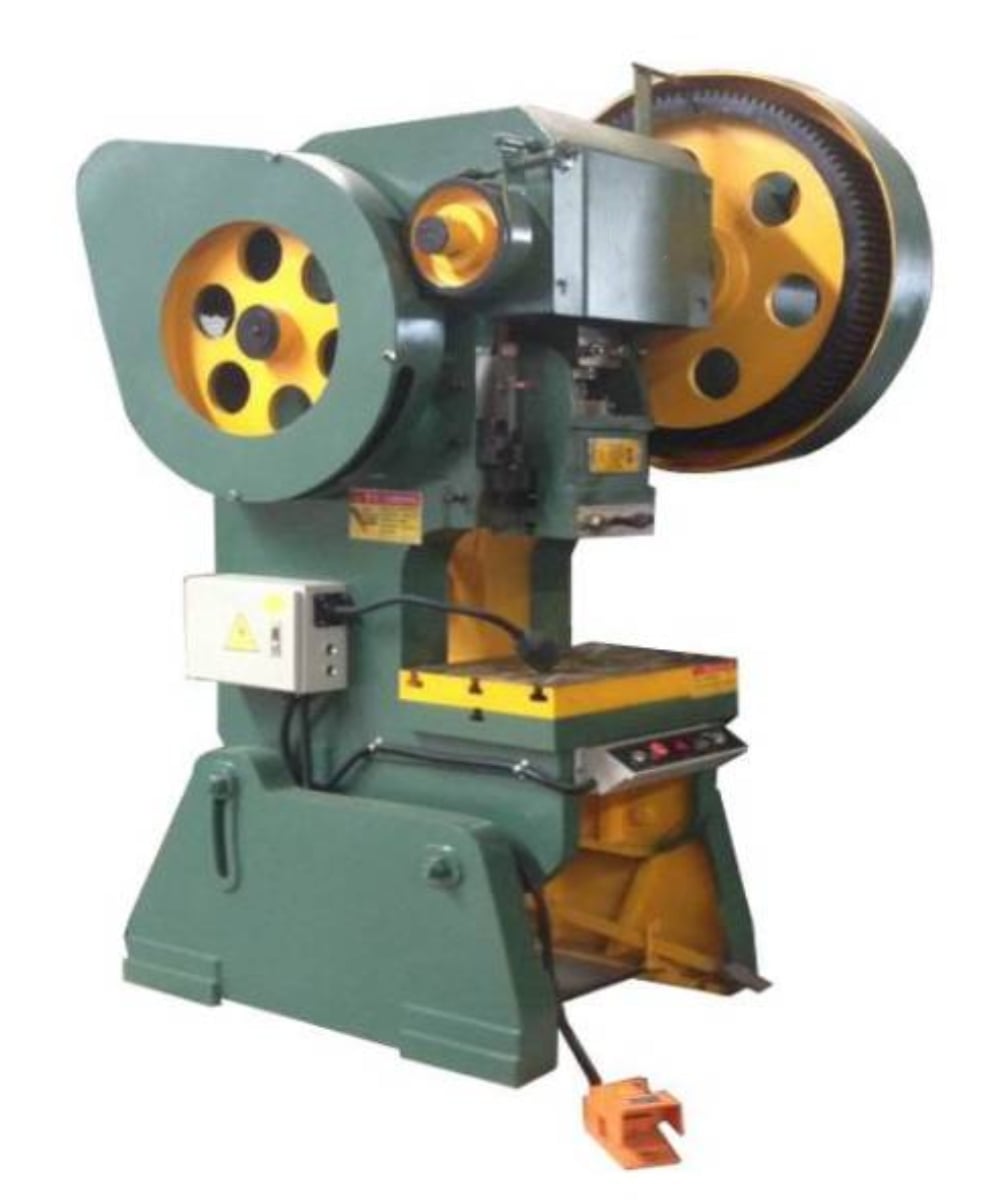
Often, the reason a ram won’t return is purely physical. If the punch and die are misaligned, the punch may become wedged in the die plate. This is frequently caused by worn-out gibs (the guides that keep the ram straight) or by using dull tooling that creates excessive burrs. When the punch gets stuck in the material, the return force of the machine may not be enough to pull it out. To resolve this, ensure that the die clearance is correct for the material thickness and that the tools are sharp and well-lubricated. Applying a specialized punching lubricant can significantly reduce the stripping force required for the return stroke.
2. Failure of Return Springs or Nitrogen Strippers
In many mechanical and some hydraulic designs, heavy-duty springs are responsible for the initial upward movement of the ram or the stripping of the material. Over time, these springs suffer from metal fatigue and can snap or lose their tension. If a return spring breaks, the ram may stay down or return very slowly. Replacing these springs is a standard part of a preventative maintenance schedule. For machines using nitrogen strippers, a leak in the seal can result in a total loss of return force, requiring a seal kit replacement and a gas recharge.
3. Electrical Limit Switches and PLC Logic
Modern punching machines rely on sensors to tell the controller where the ram is located. If the “bottom dead center” (BDC) limit switch fails or is misaligned, the PLC (Programmable Logic Controller) may not receive the signal that the punch is complete, and therefore will not trigger the return stroke. Similarly, a faulty encoder can provide incorrect positioning data. Troubleshooting this involves checking the input signals on the PLC diagnostic screen. If the machine thinks the ram hasn’t reached the bottom yet, it will never try to bring it back up. Cleaning and tightening the mounting brackets of these sensors can often solve intermittent return problems.
Selection Advice: Choosing the Right Machine to Avoid Issues
When purchasing a punching machine, selecting a model with robust return mechanisms is vital for long-term reliability. HARSLE machines are engineered with over-sized return cylinders and high-quality Japanese or German hydraulic components to ensure that the ram always returns, even under heavy loads. When evaluating a machine, look for features such as automatic lubrication systems, which keep the ram guides smooth and reduce the friction that can lead to sticking. A machine with a well-designed hydraulic manifold will have fewer leak points and more reliable valve transitions.
Consider the stripping force of the machine. The stripping force is the amount of power the machine can exert to pull the punch out of the material. High-quality machines offer a stripping force that is a significant percentage of the total punching capacity. If you frequently work with thick or gummy materials (like certain grades of aluminum or stainless steel), you need a machine with a high stripping force to ensure the ram returns consistently. Furthermore, look for machines with user-friendly CNC interfaces that provide real-time diagnostics; these systems can tell you exactly which sensor or valve is failing, turning a two-hour troubleshooting session into a five-minute fix.
| Feature | Importance for Ram Return | HARSLE Advantage |
|---|---|---|
| Hydraulic Components | Ensures precise fluid direction and pressure. | Uses Rexroth or Vickers valves for maximum reliability. |
| Ram Guides (Gibs) | Prevents tilting and mechanical jamming. | High-precision, adjustable hardened steel guides. |
| PLC Diagnostics | Identifies electrical and sensor failures quickly. | Integrated diagnostic screens with error code history. |
| Stripping Force | Overcomes material suction and friction. | Engineered for high-ratio stripping power. |
Frequently Asked Questions (FAQ)
Q1: Why does my ram return slowly but eventually reaches the top?
A slow return is usually a sign of low hydraulic flow or increased friction. Check your hydraulic oil levels and the condition of the oil filter. If the oil is contaminated, it can restrict flow through the return lines. Additionally, check the lubrication on the ram slides; if they are dry, the motor has to work much harder to lift the ram, resulting in a slow return.
Q2: Can a dull punch cause the ram to get stuck?
Yes, absolutely. A dull punch doesn’t cut cleanly; it tears the metal, creating a large burr that grips the punch tightly. This increases the required stripping force. If the stripping force required exceeds the machine’s capacity, the ram will remain stuck in the material. Regular tool sharpening is essential for smooth ram operation.
Q3: How often should I check the nitrogen pressure in the return cylinders?
For machines equipped with nitrogen return systems, pressure should be checked monthly. Nitrogen can permeate through seals over time, leading to a gradual loss of pressure. If you notice the ram becoming “sluggish” or failing to reach the very top of its stroke, the nitrogen pressure is the first thing you should verify.
Q4: What should I do if the ram is stuck and the motor is humming?
Turn off the machine immediately. The humming indicates that the motor is trying to move the ram but is stalled. This can lead to motor burnout or blown hydraulic hoses. This is usually a mechanical jam or a hydraulic lock. Follow safety protocols to manually release the pressure or clear the obstruction before restarting.
Conclusion
Dealing with a Punching Machine Ram Not Returning: Causes Practical Solutions is a challenge that every fabrication shop will likely face at some point. By understanding that the problem usually stems from hydraulic imbalances, mechanical wear, or electrical sensor errors, you can approach the situation with confidence. Regular maintenance—such as changing hydraulic oil, sharpening tools, and inspecting limit switches—is the best defense against these disruptions. HARSLE remains committed to providing high-performance machinery designed to withstand the rigors of industrial use, but even the best machines require a knowledgeable operator to keep them running at peak performance.
Ultimately, the key to resolving ram issues lies in a systematic diagnostic process. Start with the simplest electrical checks, move to physical obstructions in the tooling, and finally investigate the complexities of the hydraulic or mechanical drive system. With the right approach, you can minimize downtime, protect your investment, and maintain a safe, productive working environment. For more technical guides or to explore our range of robust punching solutions, contact HARSLE today.












