
Comprehensive Guide: How to Fix Inconsistent Punching Force in Industrial Punching Machines


Introduction to Punching Force Consistency
In the high-stakes world of metal fabrication, precision and consistency are the twin pillars of productivity. When an industrial punching machine begins to exhibit inconsistent punching force, the repercussions are felt throughout the entire production line. From ruined workpieces and wasted material to accelerated tool wear and potential machine damage, the costs of ignoring force fluctuations are significant. To Fix Inconsistent Punching Force In Industrial Punching Machines, one must first understand that force is not just a single setting but the result of a complex interplay between hydraulic systems, mechanical linkages, electrical controls, and the tooling itself.
Industrial punching machines, whether they are mechanical flywheel presses or modern hydraulic CNC turrets, rely on the delivery of a specific tonnage to shear through metal. When this force becomes erratic, you might notice ‘half-punched’ holes, excessive burring, or a machine that struggles with materials it previously handled with ease. This guide is designed to provide a deep dive into the technical causes of these inconsistencies and offer actionable solutions to restore your equipment to peak performance. At HARSLE, we recognize that downtime is the enemy of profitability, and maintaining your punching machine is essential for long-term success.
Addressing these issues requires a systematic approach. We will explore the common culprits, ranging from hydraulic fluid degradation and air entrapment to mechanical misalignment and worn-out seals. By the end of this article, maintenance managers and machine operators will have a comprehensive roadmap to diagnose and resolve force-related issues, ensuring that every stroke of the ram is as powerful and precise as the first.
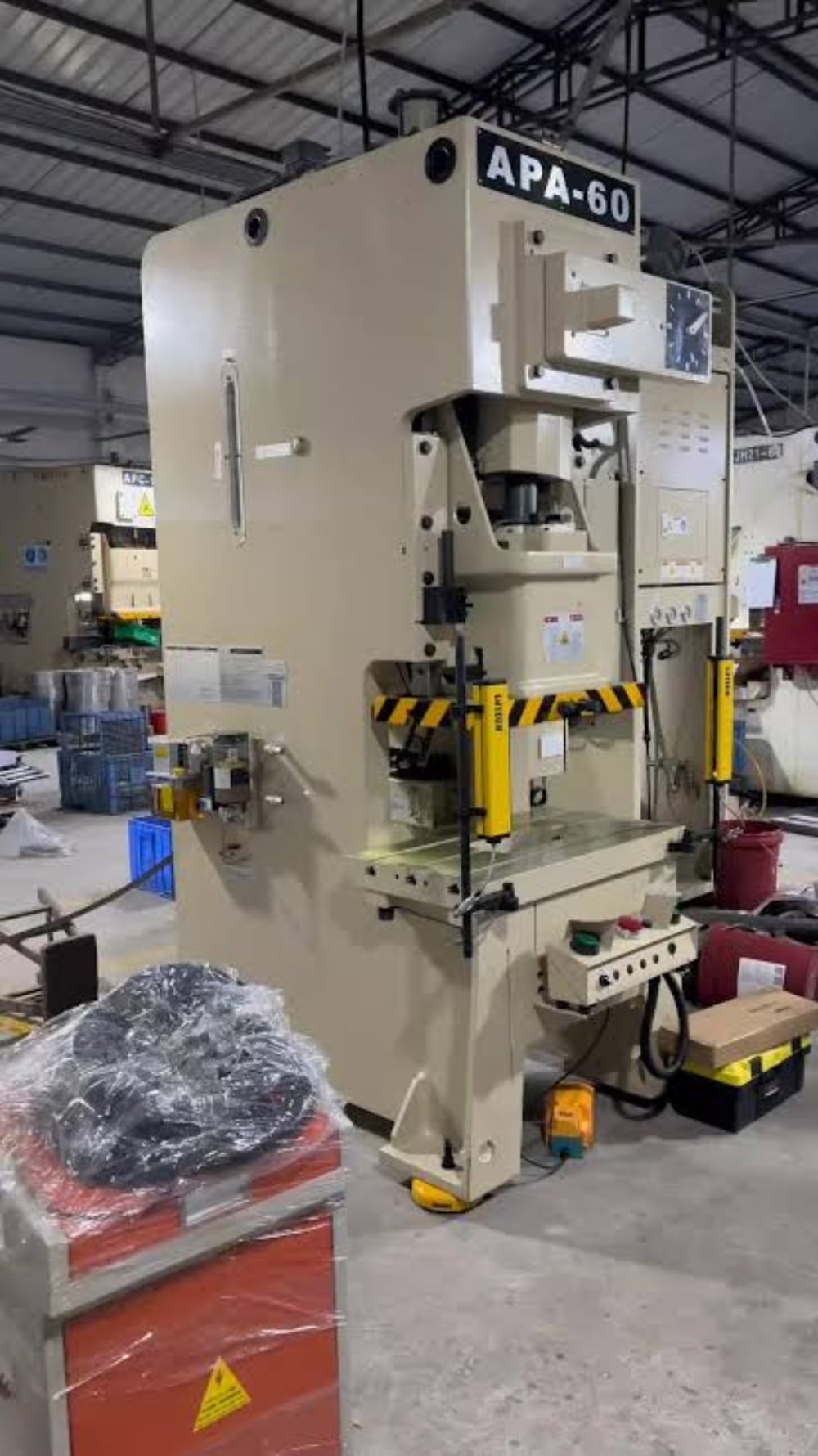
Key Considerations for Force Stability
Before diving into the mechanical repairs, it is crucial to consider the external and operational factors that influence punching force. The first consideration is the material itself. Variations in material hardness, thickness, or even the grain direction of the sheet metal can create the illusion of inconsistent machine force. If the material batch is inconsistent, the machine will appear to struggle at random intervals. Always verify that the material being processed matches the specifications the machine was programmed for.
Another key consideration is the environment. Industrial environments are often subject to temperature fluctuations. In hydraulic punching machines, the viscosity of the hydraulic oil changes with temperature. Cold oil is thicker and moves more slowly, while overheated oil loses its lubricating properties and can lead to internal leakage within valves and cylinders. Both extremes result in inconsistent pressure delivery. Implementing a thermal management system, such as an oil cooler or heater, can mitigate these environmental impacts.
Furthermore, the electrical supply must be stable. Fluctuations in voltage can affect the performance of the motor driving the hydraulic pump or the flywheel. In CNC machines, electrical noise or poor grounding can interfere with the signals sent to the proportional valves that regulate pressure. Ensuring a clean, stable power source is a fundamental step in troubleshooting force issues. Regular audits of the electrical cabinet and tightening of all connections can prevent many intermittent force problems.
Technical Details: Troubleshooting Hydraulic and Mechanical Systems
Hydraulic System Integrity
The most common cause of inconsistent force in hydraulic punching machines is a compromise in the hydraulic circuit. To Fix Inconsistent Punching Force In Industrial Punching Machines, start by checking for air in the system. Air is compressible, whereas hydraulic fluid is not. If air bubbles are trapped in the lines or the cylinder, the ram will ‘spongily’ apply force, leading to inconsistent depths and pressures. Bleeding the system through the designated bleed valves is the primary solution here.
Internal leakage is another silent killer of punching force. Over time, the piston seals inside the main cylinder can wear down. When this happens, high-pressure oil bypasses the seal and flows back to the reservoir instead of pushing the ram. This results in a drop in effective tonnage. You can diagnose this by monitoring the pressure gauge during a stall test; if the pressure drops while the valve is held open, internal leakage is likely the culprit. Replacing seals and inspecting the cylinder bore for scoring is necessary in this case.
Mechanical Linkages and Alignment
In mechanical presses, the force is generated by the energy stored in a flywheel and transmitted through a crankshaft or eccentric gear. Inconsistency here often stems from the clutch and brake system. If the clutch is slipping, the full energy of the flywheel isn’t transferred to the ram. This can be caused by worn friction plates or improper air pressure in pneumatic clutch systems. Regular adjustment and replacement of friction linings are vital.
Alignment is equally critical. If the ram is not perfectly perpendicular to the bolster plate, the force is distributed unevenly across the tool face. This not only causes inconsistent punching but also puts immense lateral stress on the machine frame and the punch guide. Using a dial indicator to check the parallelism of the ram at various points of its stroke can reveal alignment issues that need correction through gib adjustment or bushing replacement.
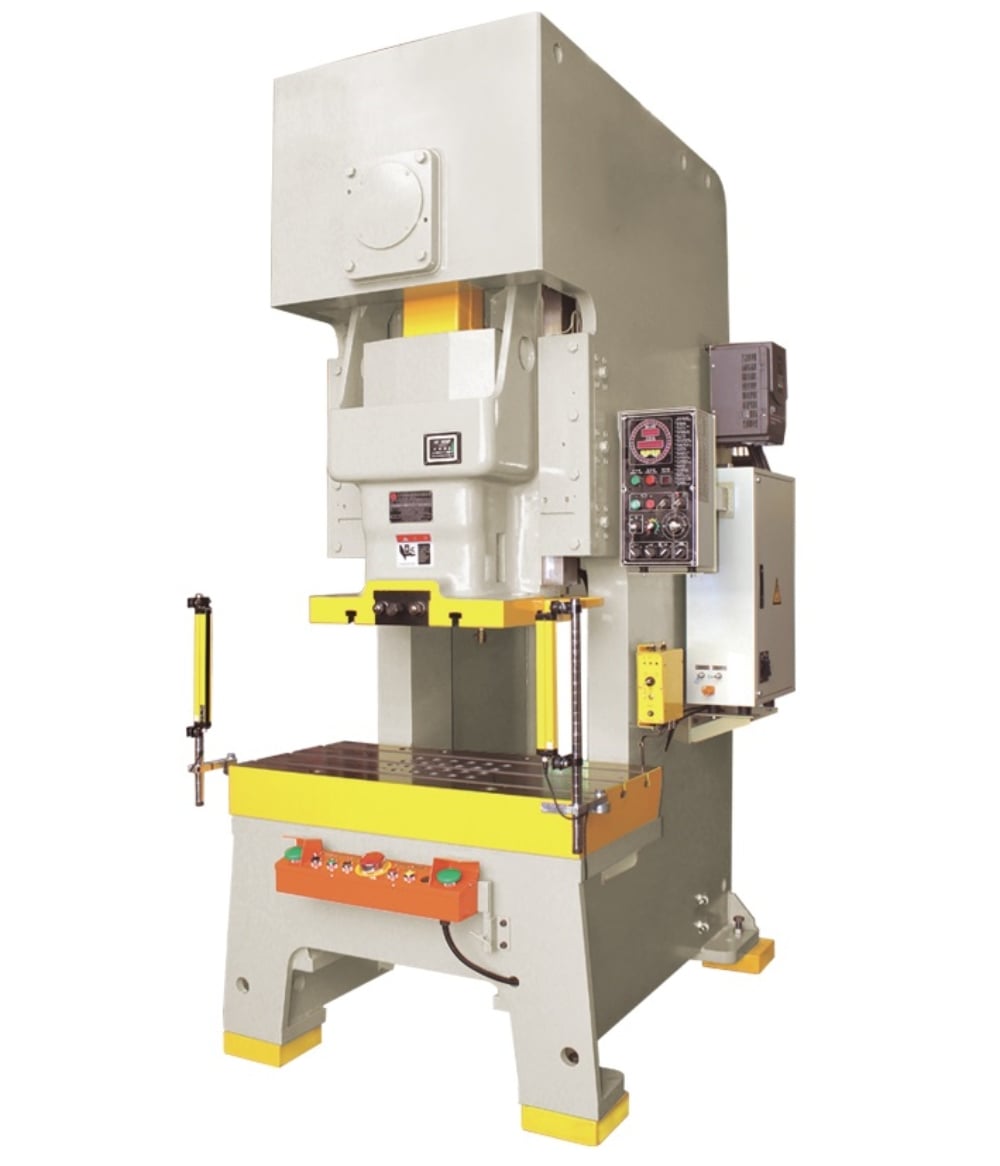
The Role of Proportional Valves and Sensors
Modern CNC punching machines use proportional valves to control the flow and pressure of oil with extreme precision. If these valves become contaminated with fine metal particles or degraded oil, their response time becomes sluggish or erratic. Cleaning or replacing the valve filters and ensuring the oil meets the ISO cleanliness standards is a prerequisite for consistent force. Additionally, the pressure transducers (sensors) that provide feedback to the PLC must be calibrated. If a sensor reports 100 tons when the machine is only delivering 80, the control system will not compensate correctly.
Tooling and Material Factors
Often, what is perceived as a machine failure is actually a tooling issue. A dull punch requires significantly more force to penetrate the material than a sharp one. As the tool dulls during a long production run, the machine must work harder, and if it is operating near its maximum capacity, it may fail to complete the stroke. This creates the appearance of inconsistent force. Implementing a strict tool-sharpening schedule based on hit counts is the best preventive measure.
Die clearance also plays a massive role. If the clearance between the punch and the die is too tight for the material thickness, the force required increases exponentially. Conversely, if it is too loose, the material will deform rather than shear, leading to poor hole quality. Ensuring that the operator selects the correct die for the specific material thickness is a simple but often overlooked step in maintaining consistent punching results.
Troubleshooting Table: Common Force Issues
| Symptom | Potential Cause | Recommended Action |
|---|---|---|
| Incomplete holes in thick material | Low hydraulic pressure / Dull tooling | Check relief valve settings and sharpen punches. |
| Force drops after 2 hours of operation | Oil overheating / Viscosity loss | Check oil cooler function and fluid levels. |
| Erratic force on every third stroke | Air in hydraulic lines | Bleed the hydraulic system and check for suction leaks. |
| Loud banging and reduced force | Worn mechanical gibs or bushings | Inspect and adjust ram gibs; lubricate all points. |
| Inconsistent depth in CNC mode | Faulty pressure transducer | Recalibrate or replace the pressure sensor. |
Selection Advice: Choosing a Reliable Punching Machine
When looking to invest in new equipment, selecting a machine designed for stability is the best way to avoid future headaches. To Fix Inconsistent Punching Force In Industrial Punching Machines before they even start, look for machines with robust frame designs. An ‘O’ frame or bridge frame is generally more rigid than a ‘C’ frame, reducing the ‘spring back’ effect that can cause force inconsistencies during heavy-duty punching.
Consider the hydraulic system’s sophistication. Machines equipped with servo-hydraulic systems, like those offered by HARSLE, provide much better force control than traditional valve-regulated systems. Servo-hydraulics allow for precise control over the ram’s position and pressure, adapting in real-time to the resistance encountered. This technology significantly reduces energy consumption and heat generation, which are primary drivers of force instability.
Finally, look at the ease of maintenance. A machine that provides easy access to hydraulic filters, grease points, and the electrical cabinet will naturally be better maintained. Check if the machine’s software includes built-in diagnostic tools that monitor tonnage in real-time. These systems can alert operators to force deviations before they result in scrapped parts, allowing for proactive maintenance rather than reactive repairs.
Frequently Asked Questions (FAQ)
1. Why does my punching machine lose power as the day progresses?
This is most likely due to hydraulic oil overheating. As the oil gets hotter, its viscosity decreases, leading to increased internal leakage within the pump and valves. This reduces the effective pressure the machine can generate. Check your cooling system and ensure the oil is of the correct grade for your operating environment.
2. Can a dull punch really cause the machine to stall?
Yes. A dull punch increases the shearing resistance significantly. If your machine is rated for 30 tons and a dull tool requires 35 tons to pierce the material, the machine’s safety bypass or relief valve will trigger, causing the stroke to fail or the machine to stall.
3. How often should I bleed the air out of my hydraulic punching machine?
Under normal conditions, you shouldn’t need to bleed the system frequently. However, if you have recently changed the oil, replaced a hose, or if the machine has been sitting idle for a long period, air may have entered the system. If the ram movement feels ‘spongy’ or inconsistent, bleeding should be your first step.
4. What is the impact of incorrect die clearance on punching force?
Incorrect die clearance (specifically clearance that is too small) increases the tonnage required to punch the hole. This puts unnecessary strain on the machine’s hydraulic and mechanical components and can lead to premature failure of the punch and die.
5. How do I know if the problem is electrical or hydraulic?
Check the pressure gauge. If the gauge shows that the machine is reaching its target pressure but the ram isn’t moving or applying force, the issue is likely mechanical or a cylinder seal. If the gauge never reaches the target pressure, the issue is likely hydraulic (pump/valve) or electrical (the signal to the valve).
Conclusion
Maintaining consistent punching force is essential for any high-quality metal fabrication operation. By understanding the technical nuances of your equipment—from the intricacies of hydraulic pressure regulation to the mechanical precision of ram alignment—you can effectively Fix Inconsistent Punching Force In Industrial Punching Machines. Regular maintenance, such as monitoring oil quality, sharpening tools, and calibrating sensors, goes a long way in preventing the most common causes of force fluctuation.
At HARSLE, we are committed to providing not only the highest quality industrial machinery but also the knowledge required to keep that machinery running at peak efficiency. Whether you are troubleshooting an older press or looking to upgrade to a modern CNC punching solution, focusing on force consistency will ensure your production remains profitable, precise, and reliable. Remember, a well-maintained machine is a productive machine. Don’t wait for a total failure; address minor inconsistencies today to protect your investment for tomorrow.


