Laser Cutting Machine Price Range Explained for Sheet Metal Manufacturers


Introduction to Laser Cutting Machine Investments
In the modern landscape of metal fabrication, the transition from traditional mechanical cutting to advanced laser technology is no longer a luxury—it is a necessity for survival. For sheet metal manufacturers, understanding the laser cutting machine price range explained for sheet metal manufacturers is the first step toward making a transformative capital investment. At HARSLE, we recognize that the price tag on a fiber laser machine is not just a number; it represents a complex assembly of technology, engineering, and potential productivity.
The market for laser cutting machines has expanded significantly over the last decade. What used to be a million-dollar investment reserved for the largest industrial players is now accessible to small and medium-sized enterprises (SMEs). However, with this accessibility comes a wide variance in pricing, ranging from $20,000 to over $500,000. This guide aims to demystify these costs, helping manufacturers align their budget with their production requirements.
Price Range Overview: Categorizing the Market
When we look at the laser cutting machine price range explained for sheet metal manufacturers, we can generally categorize machines into three primary tiers based on power, capability, and build quality.
1. Entry-Level/Economy Tier ($20,000 – $50,000)
Entry-level machines are typically characterized by lower power outputs, usually between 1kW and 3kW. These machines are ideal for thin sheet metal fabrication (up to 6mm or 10mm carbon steel). They often feature a single table design without an automatic exchange system. While they lack the speed of high-power units, they offer incredible precision for small shops transitioning from plasma or waterjet cutting. HARSLE’s entry-level models focus on providing stability and ease of use for those new to fiber laser technology.
2. Mid-Range/Professional Tier ($60,000 – $150,000)
This is the most popular segment for established sheet metal manufacturers. These machines typically range from 4kW to 12kW in power. At this price point, you begin to see features like automatic shuttle tables (exchange tables), full protective enclosures, and more sophisticated CNC control systems. These machines can handle a wider variety of materials, including thick stainless steel and aluminum, with high edge quality and rapid processing speeds.
3. High-End/Industrial Tier ($200,000 – $500,000+)
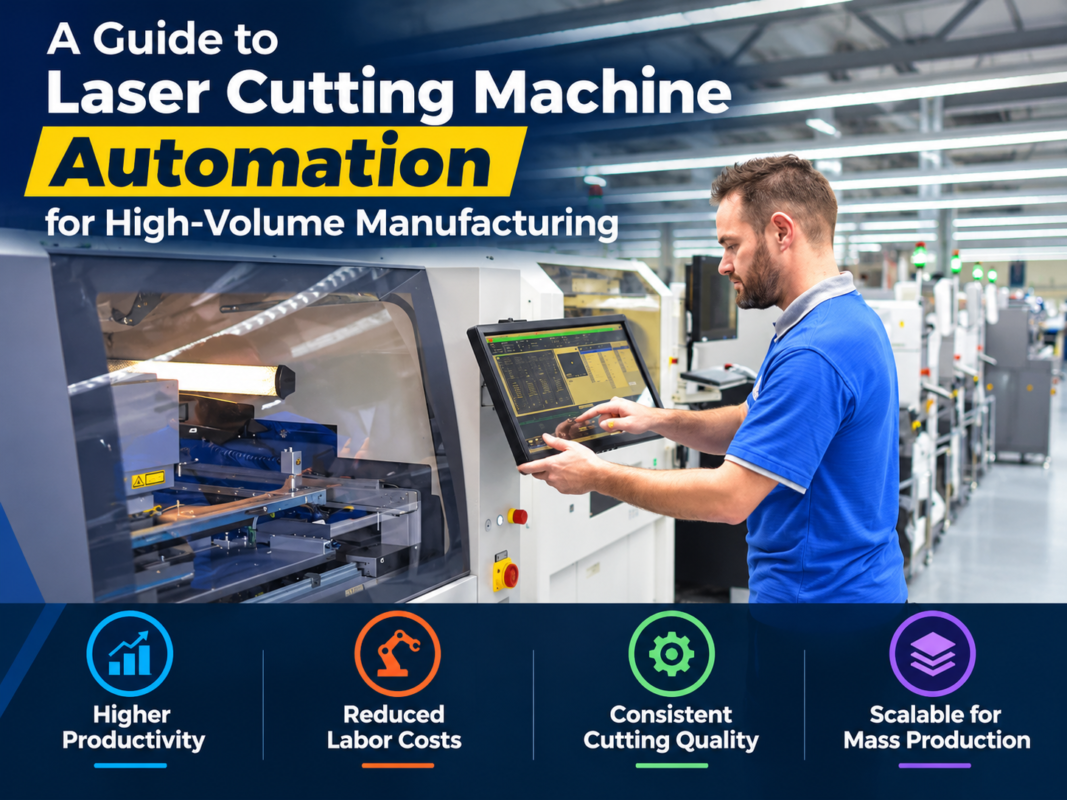
High-end machines are the workhorses of 24/7 production environments. With power ratings from 15kW to 40kW and beyond, these systems are designed for maximum throughput. They often include advanced automation features, such as automatic loading and unloading systems, nozzle changers, and intelligent monitoring. The price reflects the heavy-duty frame construction, high-acceleration linear motors, and premium laser sources like IPG or high-end Raycus units.
Main Cost Drivers in Laser Cutting Technology
To truly understand the laser cutting machine price range explained for sheet metal manufacturers, one must look under the hood. Several key components dictate the final invoice price.
The Laser Source
The laser source is the heart of the machine and typically accounts for 30% to 50% of the total cost. Brands like IPG Photonics are considered the gold standard and command a premium price due to their reliability and global service network. Alternatives like Raycus or MaxPhotonics offer excellent performance at a more competitive price point, making them popular choices for manufacturers looking to balance cost and capability.
Power Output (Wattage)
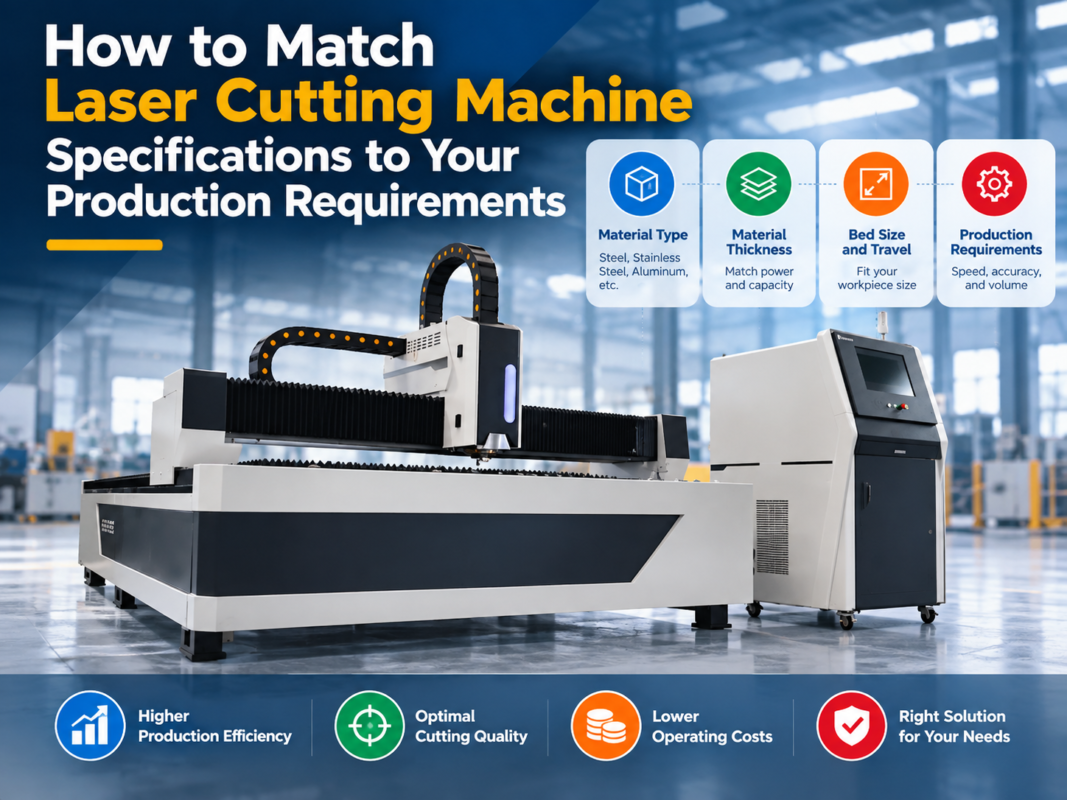
Power is directly proportional to price. A 12kW laser source is significantly more expensive than a 3kW source. Higher wattage allows for faster cutting speeds on thin materials and the ability to cut much thicker plates. For example, a 20kW machine can cut 50mm carbon steel with ease, whereas a 3kW machine would struggle beyond 20mm. Manufacturers must choose a power level that matches their thickest common material while considering future growth.
The Cutting Head and Optics
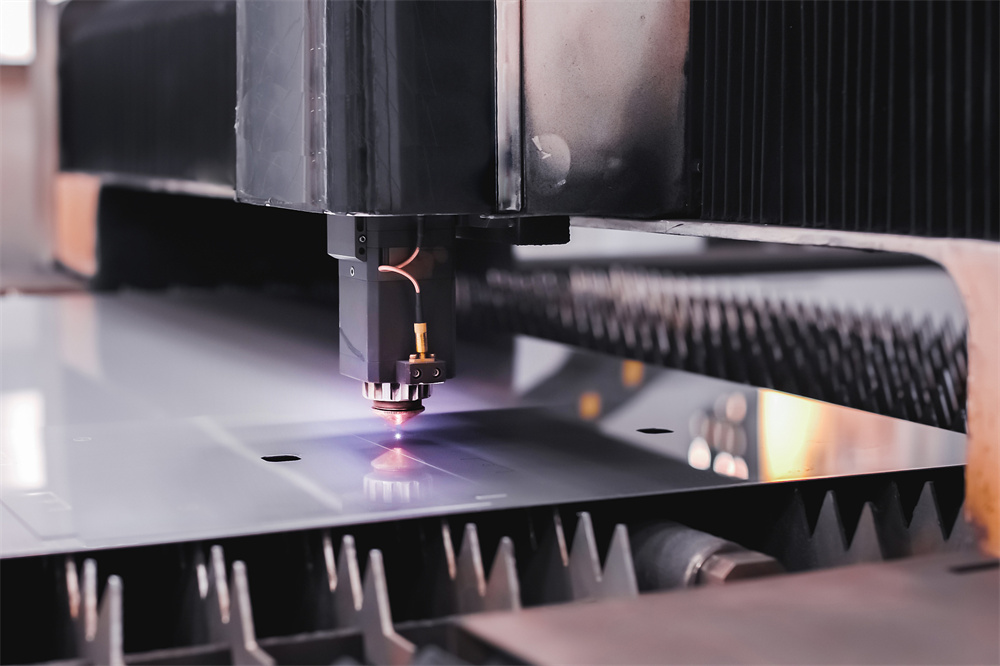
The cutting head (such as those from Precitec or Raytools) contains sensitive optics and sensors. Auto-focus heads are more expensive than manual-focus heads but are essential for high-power applications and automated processing. The quality of the lenses and the sophistication of the height-sensing technology also impact the price.
Configuration Impact: Customizing for Production
The base price of a machine is often just the starting point. Configuration choices can swing the price by tens of thousands of dollars.
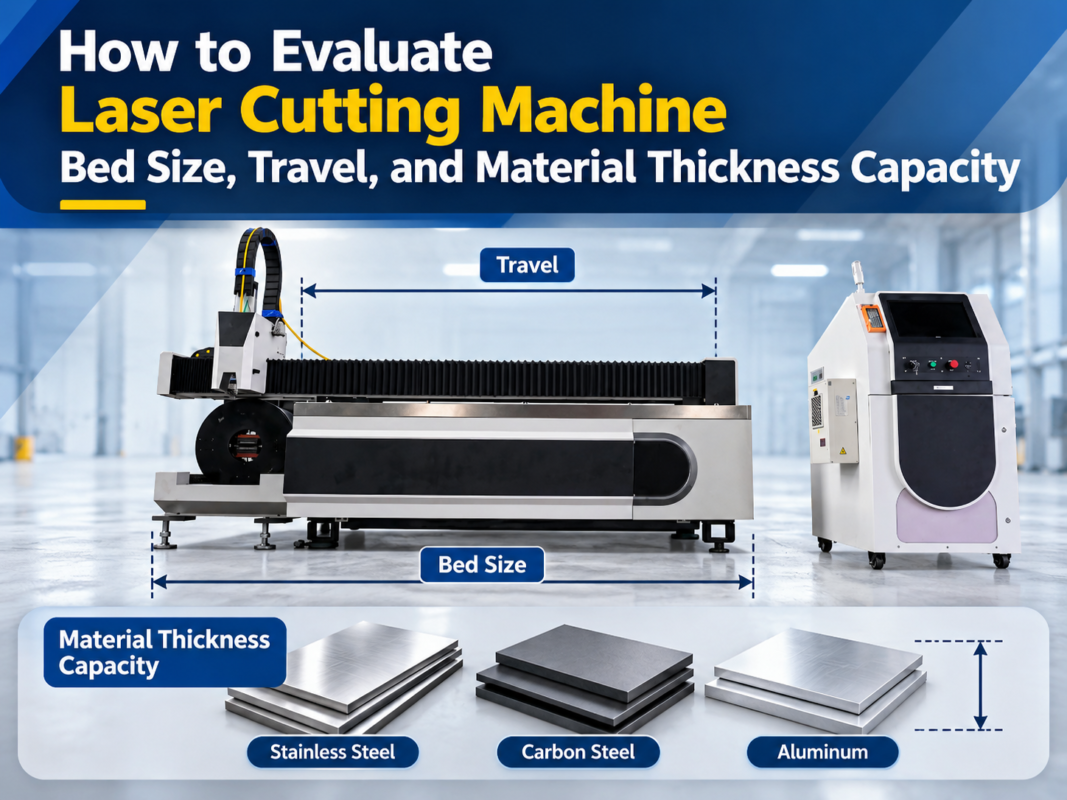
- Bed Size: A standard 3015 (3m x 1.5m) bed is the industry baseline. Moving to a 4020 (4m x 2m) or a 6025 (6m x 2.5m) increases the cost due to the larger frame, longer rack and pinion systems, and increased shipping complexity.
- Exchange Tables: An automatic exchange table allows the operator to load a new sheet while the machine is cutting another. This can increase productivity by 30-50% but adds roughly $15,000 to $30,000 to the price.
- Tube Cutting Attachment: Many manufacturers opt for a “combo” machine that can cut both flat sheets and tubes. This versatility is cost-effective compared to buying two separate machines but adds to the initial investment.
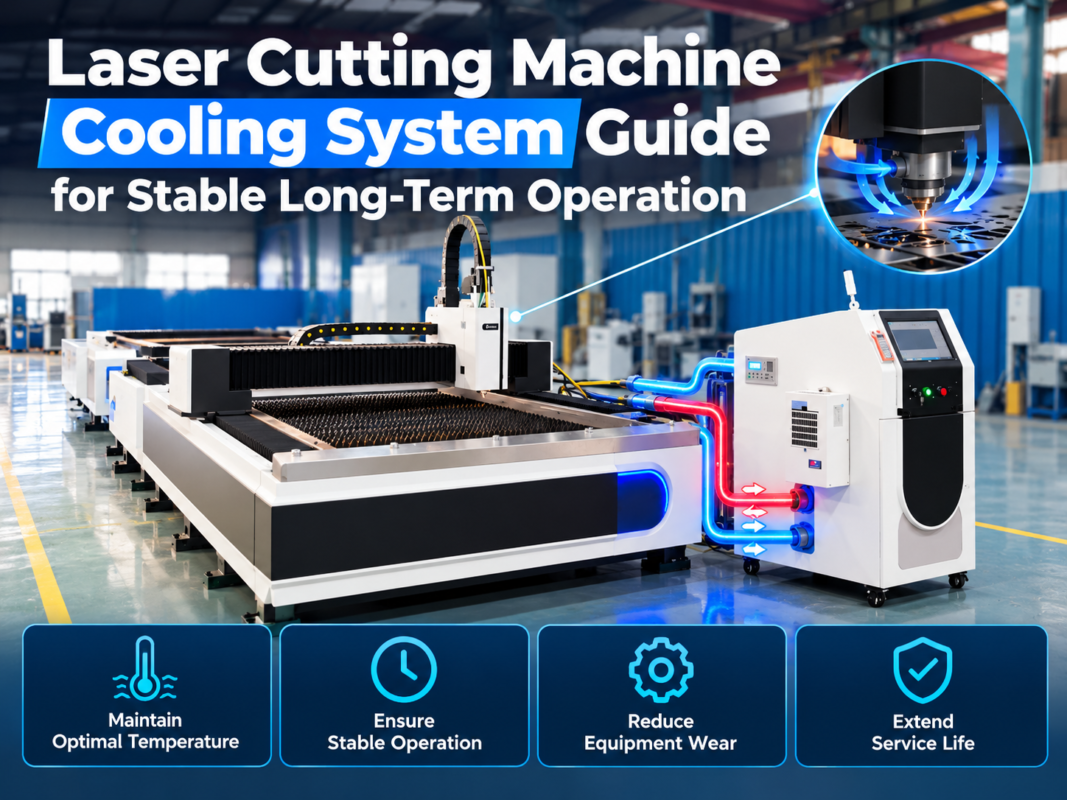
- Cooling and Ventilation: High-power lasers generate significant heat and dust. Industrial-grade chillers and high-capacity dust collectors are mandatory and vary in price based on the machine’s power and the manufacturer’s environmental standards.
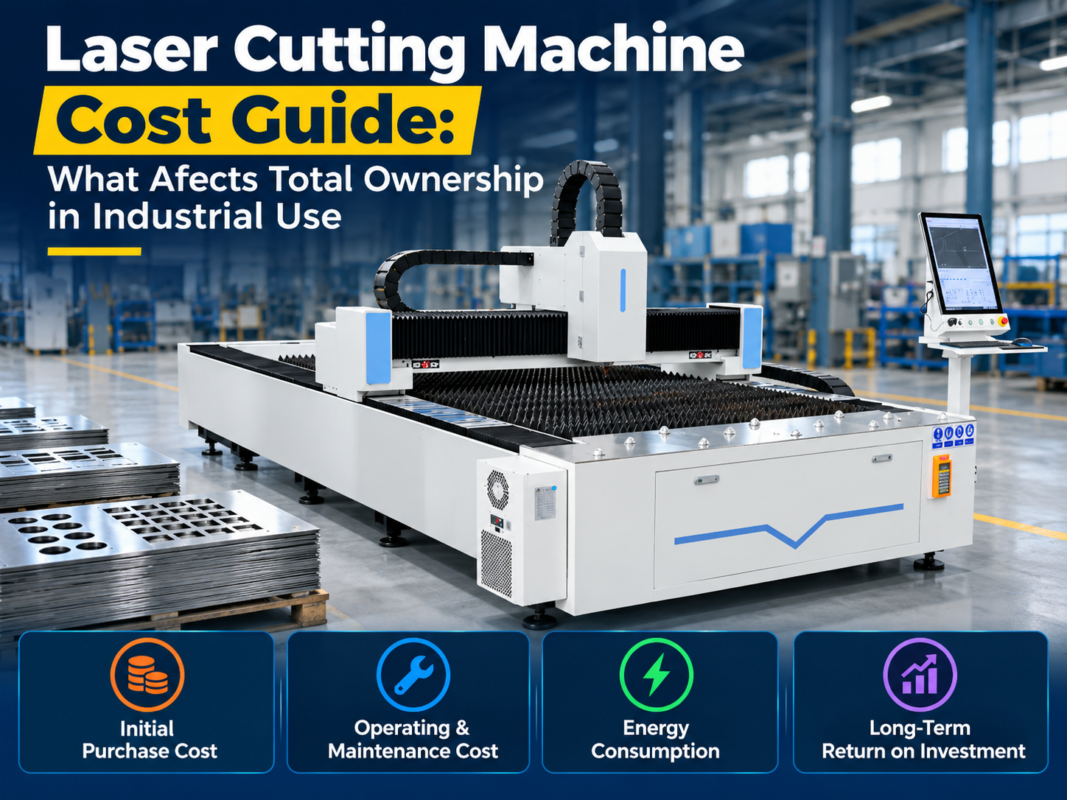
Hidden Costs: Beyond the Purchase Price
When the laser cutting machine price range explained for sheet metal manufacturers is discussed, the “hidden” costs are often overlooked. These are critical for accurate budgeting.
Installation and Training
A fiber laser is not a “plug-and-play” device. It requires professional installation, leveling, and calibration. Furthermore, your staff needs comprehensive training on the CNC software, nesting programs, and safety protocols. HARSLE provides integrated support, but some manufacturers may charge extra for extended on-site training.
Gas Consumption
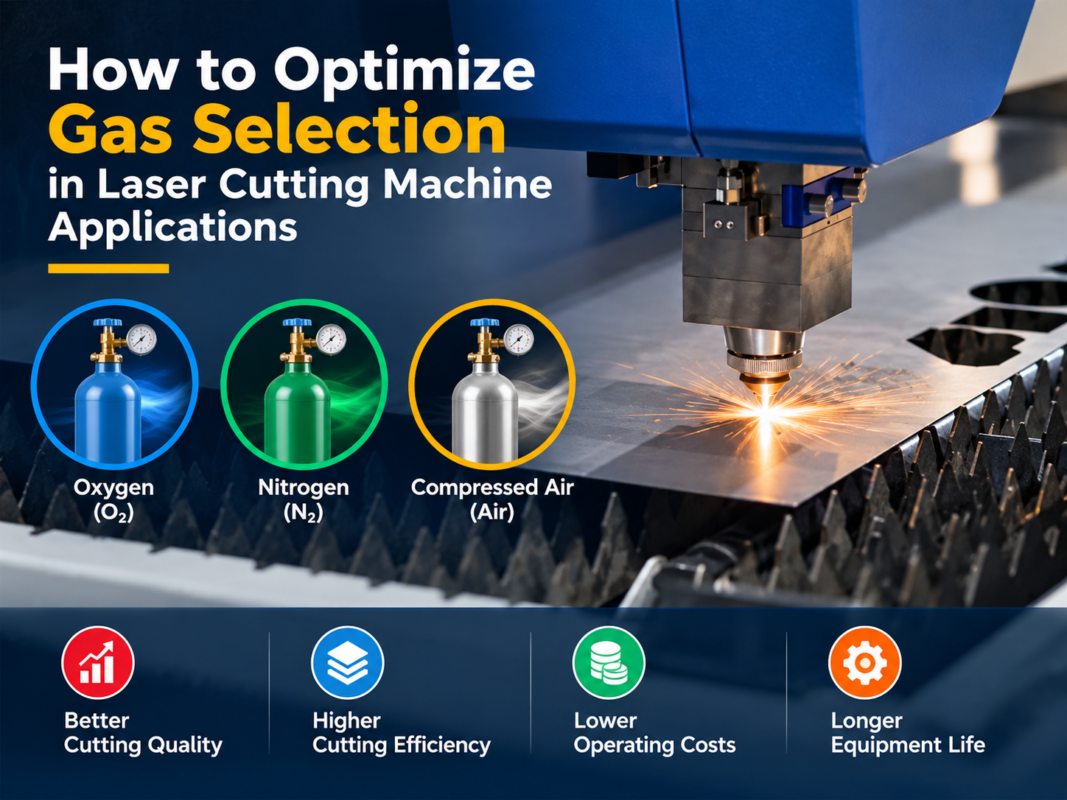
Laser cutting requires assist gases: Oxygen, Nitrogen, or Compressed Air. Nitrogen is expensive but necessary for clean, oxide-free edges on stainless steel and aluminum. High-power machines consume gas at a higher rate. Many shops are now investing in high-pressure air compressors to reduce gas costs, which is an additional upfront capital expense of $10,000 to $20,000.
Maintenance and Consumables
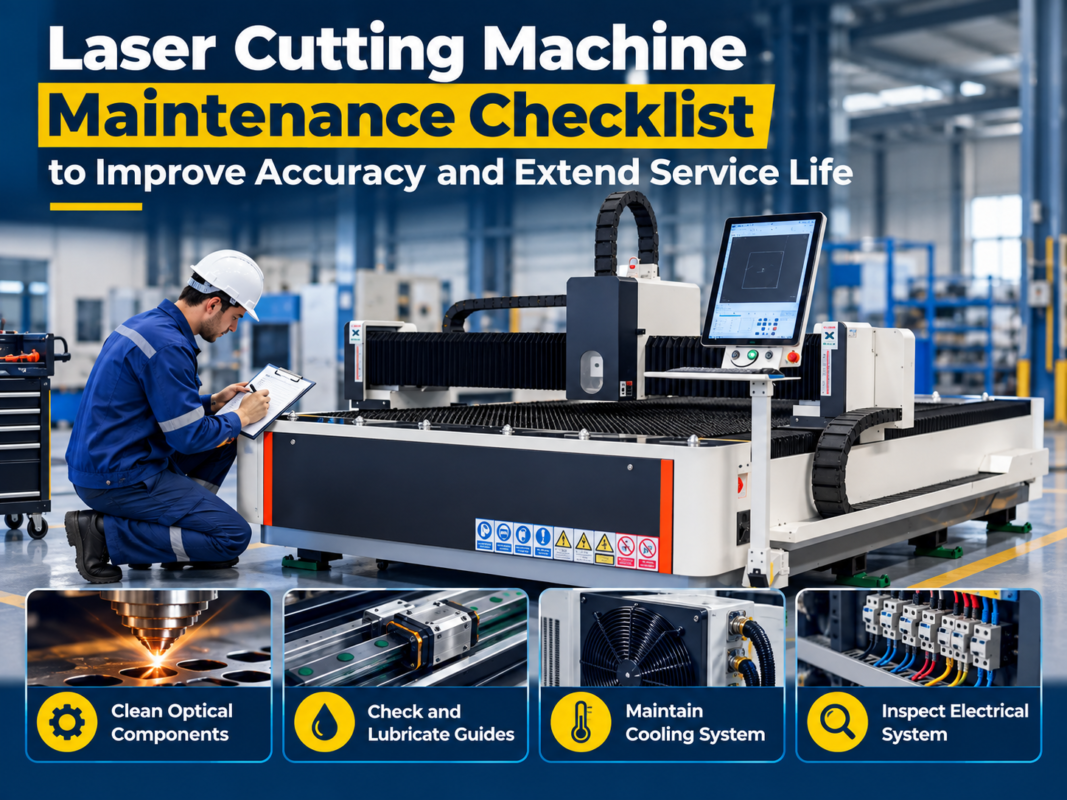
While fiber lasers require less maintenance than CO2 lasers, they are not maintenance-free. Consumables like nozzles, protective windows, and ceramic rings need regular replacement. Additionally, the chiller fluid and dust collector filters must be serviced. Budgeting for an annual maintenance contract is a wise move for long-term reliability.
ROI Calculation: Justifying the Expense
The true value of a laser cutting machine is found in its Return on Investment (ROI). To calculate this, manufacturers should look at:
- Labor Savings: A single fiber laser can often replace multiple older machines (like punches or saws), reducing the headcount needed for the same output.
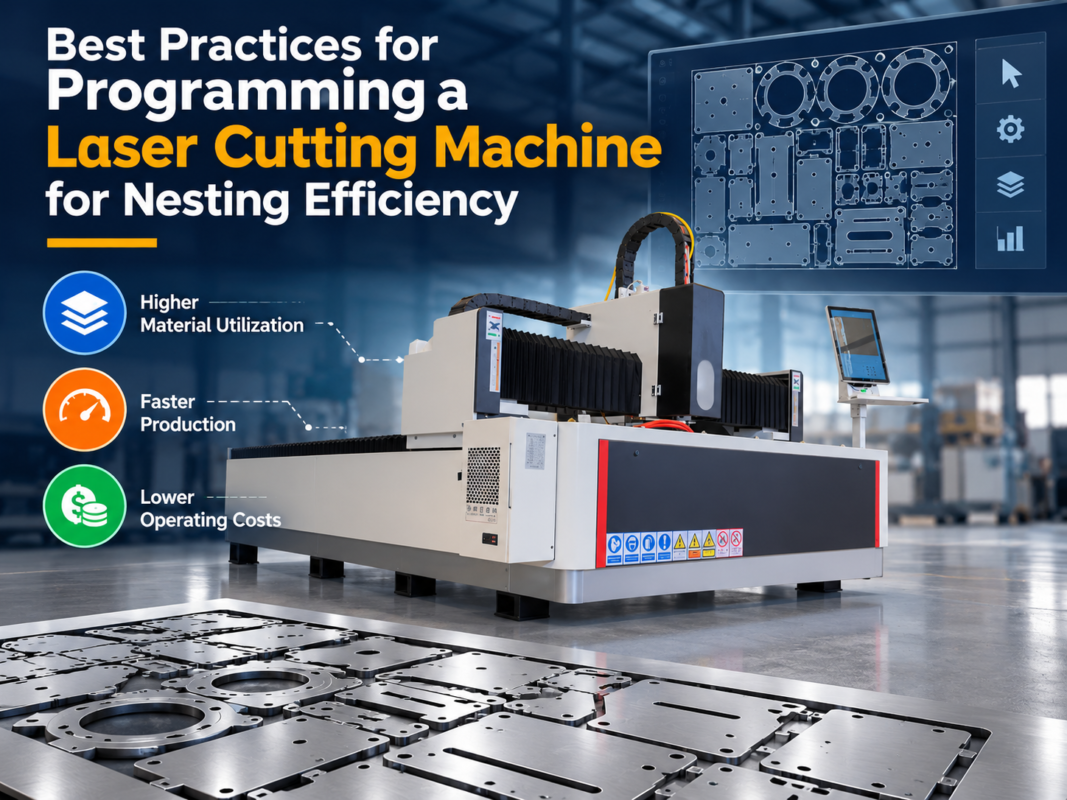
- Material Utilization: Advanced nesting software minimizes scrap. Even a 5% improvement in material yield can save thousands of dollars monthly in a high-volume shop.
- Secondary Operations: The high edge quality of a fiber laser often eliminates the need for deburring or grinding, allowing parts to go straight to welding or assembly.
- Speed: Fiber lasers are significantly faster than other cutting methods on thin to medium materials. This allows for more jobs to be taken on without increasing shift hours.
Typically, a well-utilized mid-range machine in a busy shop can see a full ROI within 18 to 24 months. HARSLE assists clients in performing these calculations to ensure the chosen machine power matches their specific economic goals.
Buying Advice for Sheet Metal Manufacturers
Choosing the right machine within the laser cutting machine price range explained for sheet metal manufacturers requires a strategic approach. Here is a checklist for potential buyers:
- Define Your Material Mix: Don’t buy a 20kW machine if 90% of your work is 3mm mild steel. Conversely, don’t underpower your shop if you plan to move into heavy plate fabrication.
- Check the Frame Construction: A heavy, heat-treated bed is essential for maintaining precision over years of high-speed movement. Lightweight frames may vibrate, leading to poor cut quality.
- Evaluate the Software: The machine is only as good as the software that drives it. Ensure the nesting software is user-friendly and compatible with your CAD files.
- Service and Support: Price is important, but downtime is expensive. Choose a manufacturer like HARSLE that offers robust technical support and readily available spare parts.
Before signing a contract, request a cutting sample of your most difficult part. This will prove the machine’s capability and the manufacturer’s expertise in fine-tuning the parameters for your specific needs.
FAQ: Common Questions About Laser Cutting Prices
Why is there such a big price difference between Chinese and European brands?
European brands often have higher overhead, longer histories, and proprietary technology. However, top-tier Chinese manufacturers like HARSLE use many of the same world-class components (IPG lasers, Precitec heads) while benefiting from more efficient manufacturing processes, offering similar performance at a more accessible price point.
Does a higher kW always mean a better machine?
Not necessarily. Higher kW means more speed and thickness capability, but it also means higher electricity and gas consumption. The “best” machine is the one that provides the lowest cost-per-part for your specific production mix.
How long does a fiber laser source last?
Most reputable fiber laser sources are rated for 100,000 hours of operation. In a typical single-shift operation, this could represent over 20 years of use, making the laser source one of the most durable components of the machine.
Can I upgrade the power later?
Generally, no. Upgrading a laser source requires changing the chiller, the power supply, and often the cutting head and cabling. It is almost always more cost-effective to trade in the machine for a higher-power model than to attempt a field upgrade.
Conclusion
Navigating the laser cutting machine price range explained for sheet metal manufacturers is a vital exercise in balancing ambition with fiscal reality. By understanding the drivers of cost—from the laser source to the hidden expenses of gas and maintenance—manufacturers can make an informed decision that secures their competitive position for years to come. At HARSLE, we are committed to providing high-quality, high-performance laser solutions that offer the best value in the industry. Whether you are a small shop looking for your first laser or a large manufacturer expanding your fleet, understanding these price dynamics is the key to your success.