Comprehensive Guide to Laser Cutting Applications for Stainless Steel and Aluminum Processing


Introduction to Laser Cutting Applications for Stainless Steel and Aluminum Processing
In the modern industrial landscape, the demand for precision, speed, and versatility in metal fabrication has never been higher. Laser cutting technology, particularly fiber laser systems, has emerged as the gold standard for processing non-ferrous and high-strength metals. Among these, stainless steel and aluminum stand out as the most widely used materials due to their unique properties—stainless steel for its corrosion resistance and aesthetic appeal, and aluminum for its lightweight and high thermal conductivity. Understanding the nuances of Laser Cutting Applications Stainless Steel Aluminum Processing is essential for any fabrication facility looking to optimize its production line and deliver high-quality components to demanding sectors like aerospace, automotive, and medical manufacturing.
HARSLE, a leader in metal fabrication machinery, provides cutting-edge fiber laser solutions designed to handle the specific challenges posed by these materials. While stainless steel requires high-pressure nitrogen to maintain a clean, oxide-free edge, aluminum presents challenges due to its high reflectivity and heat dissipation. This guide explores the comprehensive landscape of laser cutting applications, providing technical insights into how modern machinery overcomes material-specific hurdles to achieve unparalleled productivity.
Diverse Application Scenarios for Stainless Steel and Aluminum
The versatility of laser cutting allows it to serve a vast array of industries. For stainless steel, the primary applications are found in environments where hygiene and durability are paramount. In the food and beverage industry, laser-cut stainless steel is used to create industrial kitchen equipment, storage tanks, and processing machinery. The precision of the laser ensures that parts fit together perfectly, minimizing crevices where bacteria could grow. Similarly, the medical industry relies on laser cutting for surgical instruments and orthopedic implants, where tolerances are measured in microns and the material must remain uncontaminated by the cutting process.
Aluminum processing, on the other hand, is dominated by the transportation and electronics sectors. In automotive manufacturing, aluminum’s high strength-to-weight ratio makes it ideal for chassis components, heat shields, and body panels. Laser cutting allows for the rapid prototyping and mass production of these complex shapes without the need for expensive hard tooling. In the aerospace sector, aluminum alloys are cut into intricate wing ribs and fuselage components. The ability of fiber lasers to cut through reflective aluminum alloys without damaging the machine’s internal optics has revolutionized how these parts are produced.
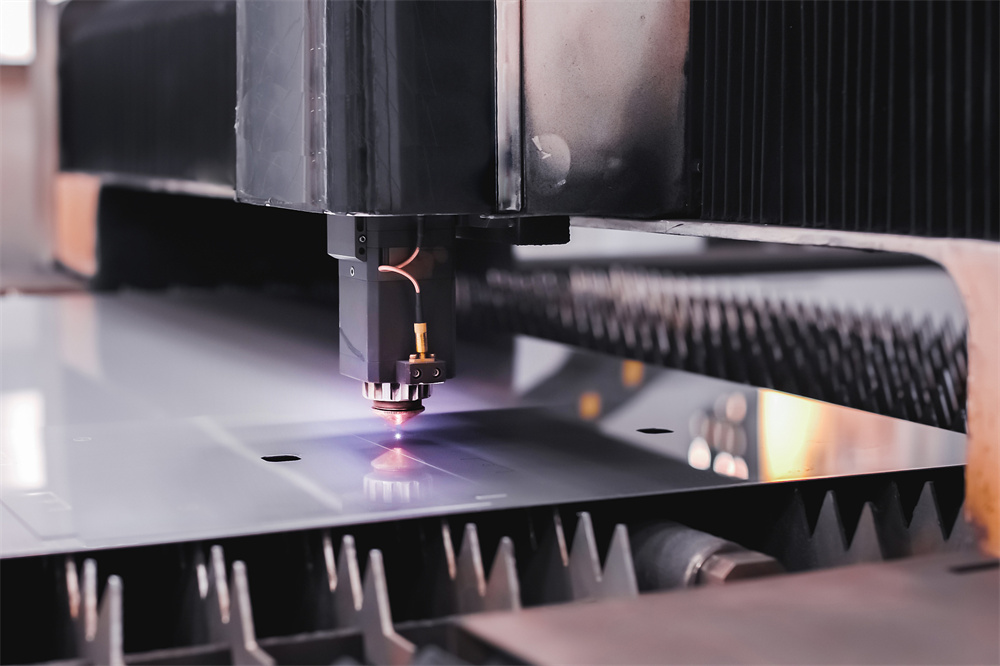
Beyond heavy industry, architectural and decorative applications also benefit significantly. Stainless steel facades, perforated aluminum panels for modern buildings, and intricate signage are all products of advanced laser cutting. The process allows designers to push the boundaries of creativity, producing patterns that would be impossible or prohibitively expensive to achieve with traditional mechanical punching or waterjet cutting.
Material and Process Requirements
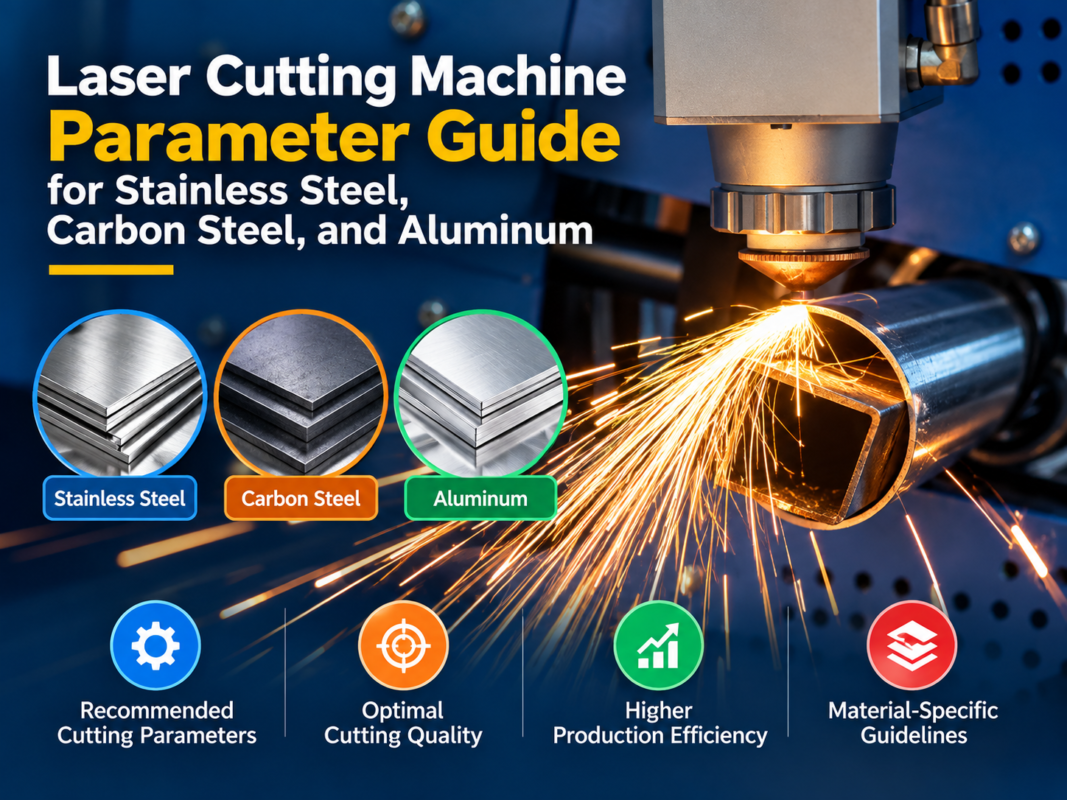
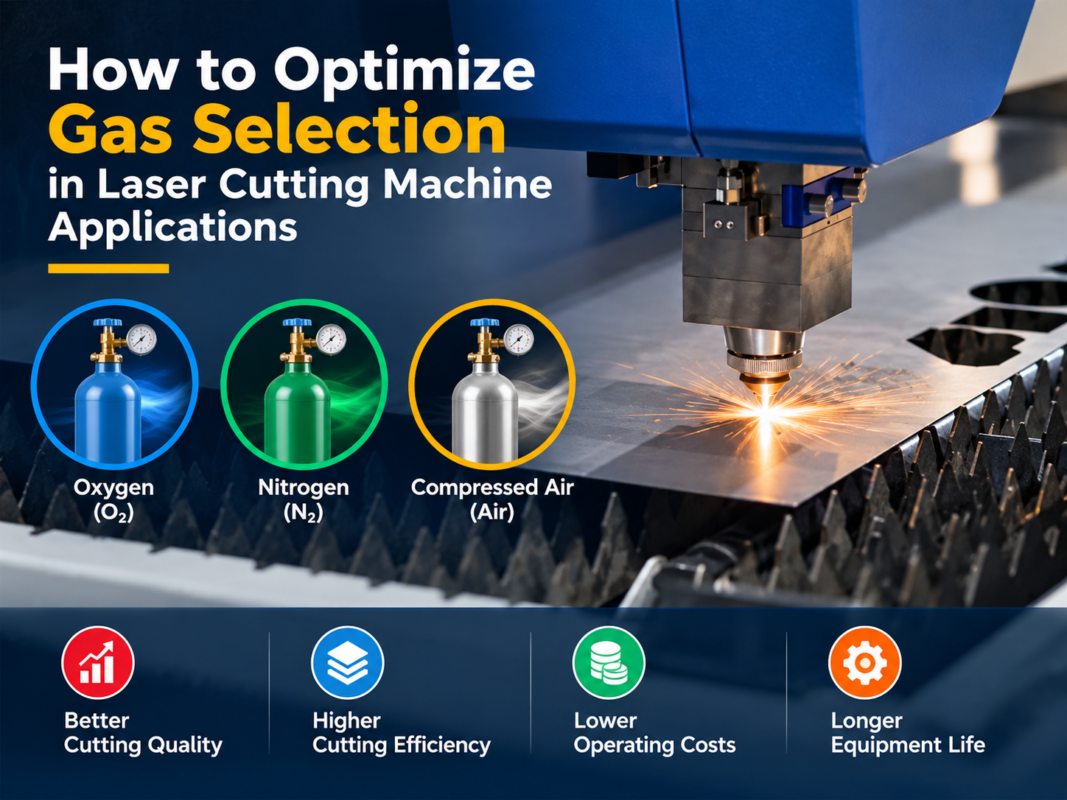
Processing stainless steel and aluminum requires a deep understanding of how laser energy interacts with different alloys. Stainless steel is generally easier to cut than aluminum because it absorbs laser energy more efficiently. However, to achieve a “mirror-like” finish on the cut edge, nitrogen is used as an assist gas. This prevents oxidation, ensuring the edge remains silver and ready for welding or immediate assembly. If oxygen were used, the edge would turn black due to carbonization, requiring secondary cleaning processes that add time and cost to the project.
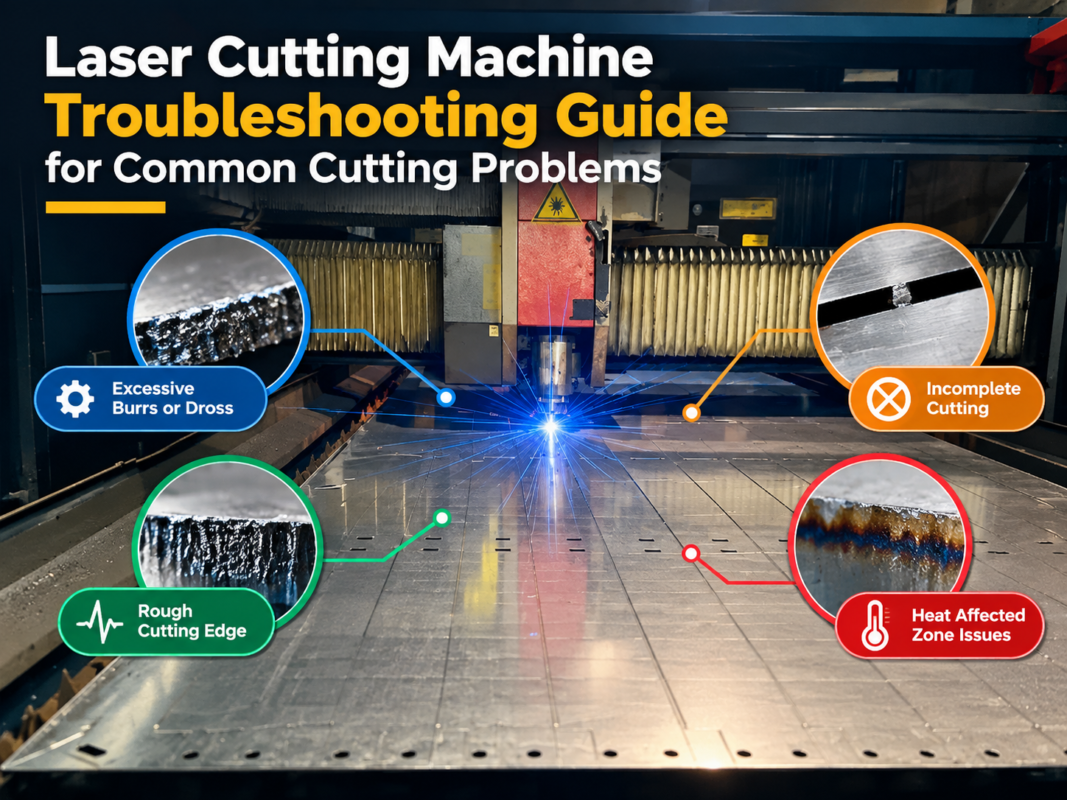
Aluminum presents a different set of challenges. It is a highly reflective material, which in the early days of CO2 lasers, posed a risk of reflecting the beam back into the resonator and causing catastrophic damage. Modern fiber lasers, like those offered by HARSLE, operate at a wavelength that is much better absorbed by aluminum. Furthermore, aluminum is an excellent thermal conductor. This means heat quickly dissipates away from the cut zone, which can lead to dross (hardened melt) on the bottom of the cut if the parameters are not perfectly tuned. High-speed cutting and precise frequency modulation are required to maintain a narrow kerf and clean exit.
Technical Comparison: Stainless Steel vs. Aluminum
| Feature | Stainless Steel (304/316) | Aluminum (6061/5052) |
|---|---|---|
| Assist Gas | Nitrogen (High Pressure) | Nitrogen or Compressed Air |
| Edge Quality | Smooth, Oxide-free | Slightly rougher, potential dross |
| Reflectivity | Low to Moderate | High |
| Cutting Speed | Moderate to High | Very High |
| Heat Affected Zone | Minimal | Moderate (due to conductivity) |
Recommended Machine Configuration
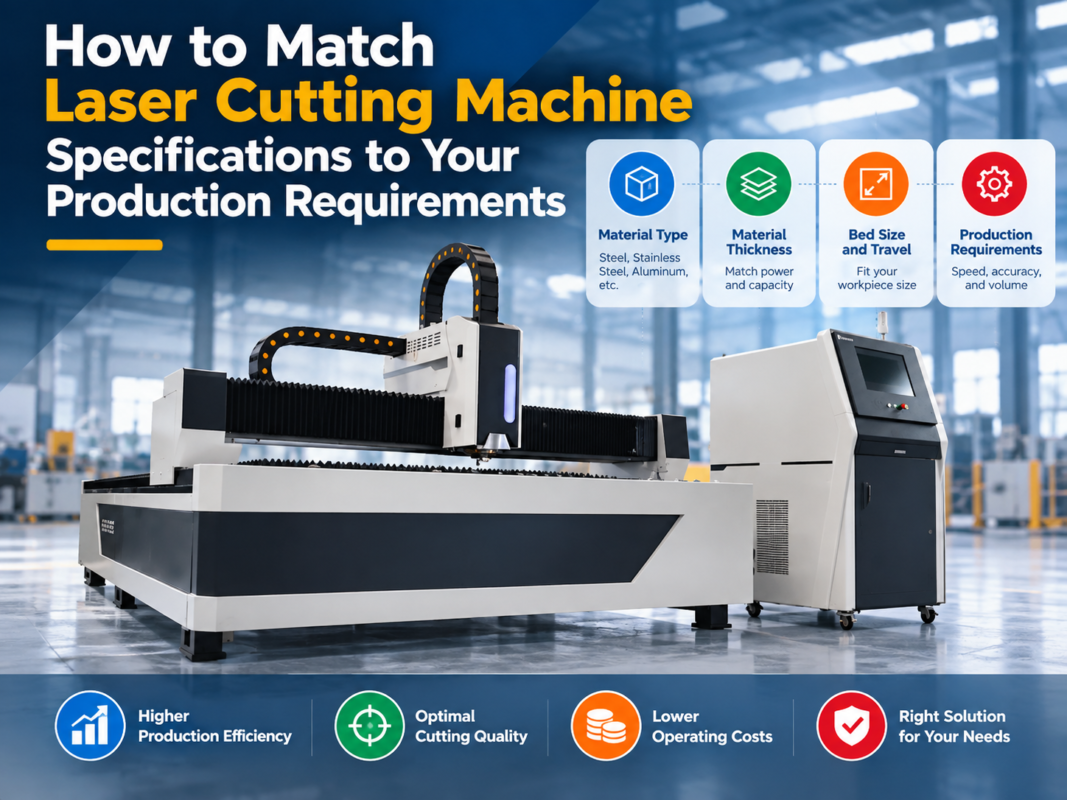
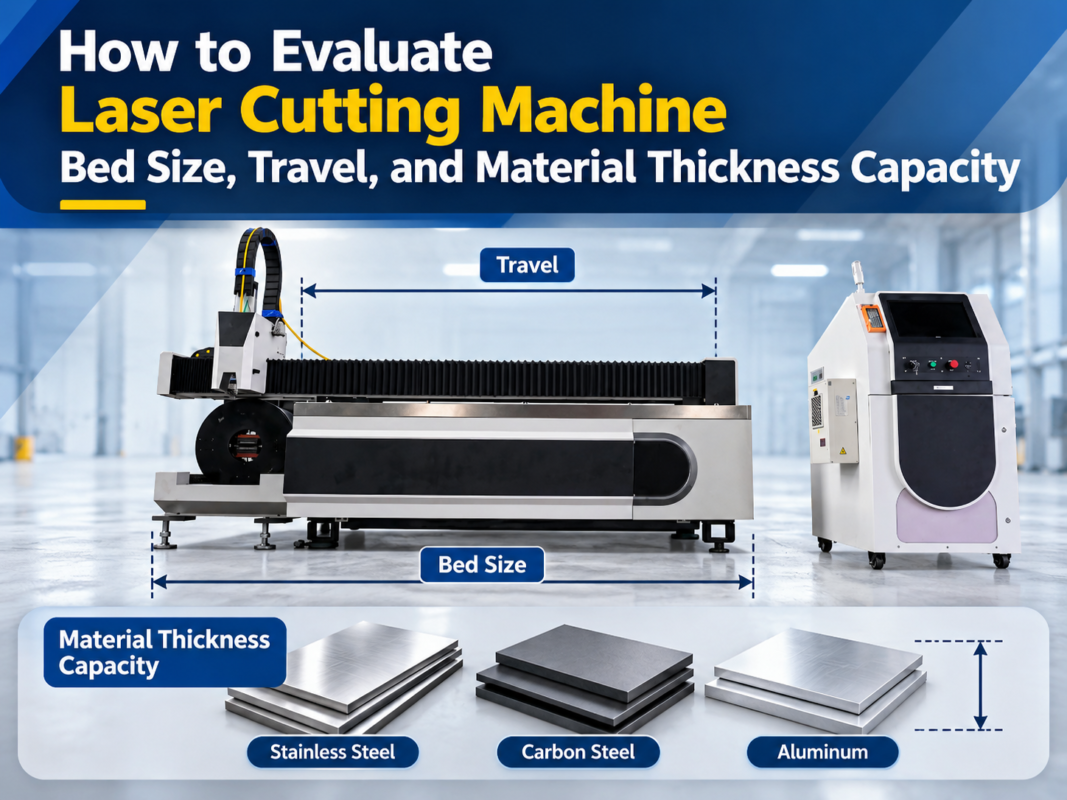
To maximize the potential of Laser Cutting Applications Stainless Steel Aluminum Processing, the machine configuration must be robust and technologically advanced. For stainless steel, a fiber laser source with a power range of 3kW to 12kW is typically recommended, depending on the thickness of the sheets. Higher power allows for faster cutting of thick plates (up to 30mm or more) while maintaining edge verticality. A high-pressure gas piping system is also essential to handle the nitrogen flow required for clean cuts.
For aluminum, the machine must be equipped with an “anti-reflection” module. This safety feature protects the laser source from back-reflections. Additionally, the motion system—including the gantry and motors—must be capable of high acceleration. Because aluminum is often cut at very high speeds, the machine’s ability to maintain accuracy during rapid directional changes is critical. Linear motors are often preferred over rack-and-pinion systems for ultra-high-precision aluminum applications.
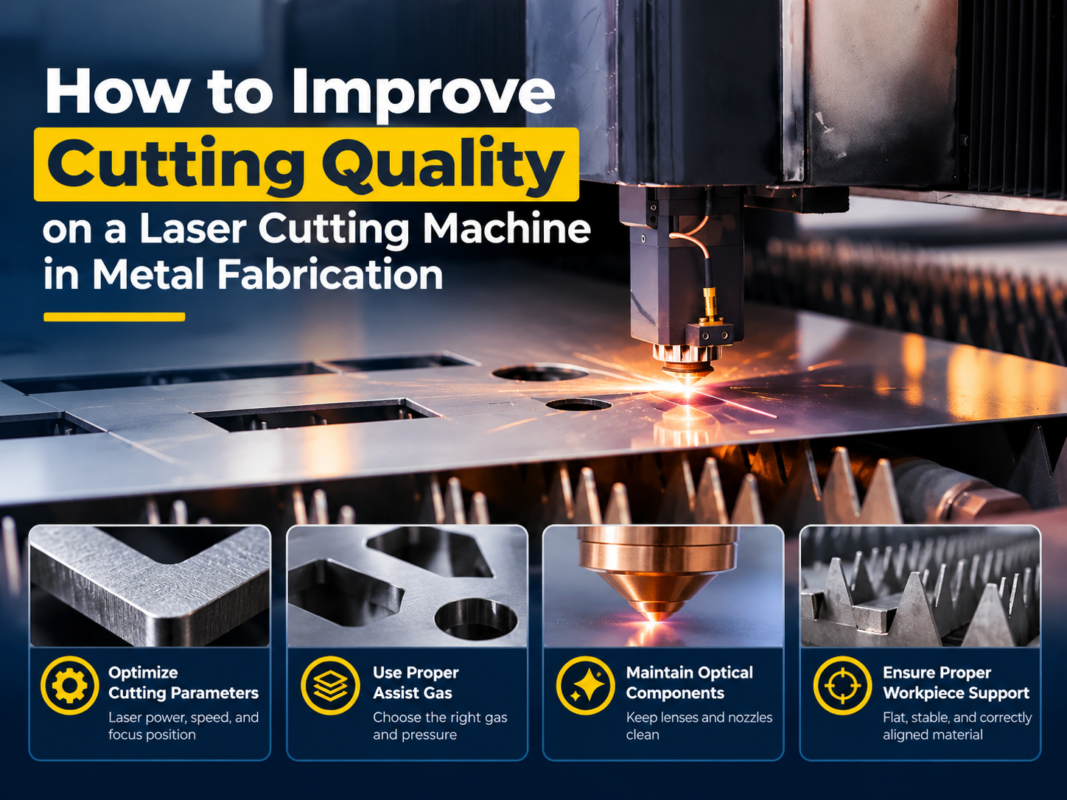
The cutting head is another vital component. An autofocus cutting head is mandatory for processing varying thicknesses of stainless steel and aluminum. It allows the machine to automatically adjust the focal point based on the material type and thickness, ensuring optimal energy density at the point of impact. For aluminum, specialized nozzles with larger diameters are often used to provide a more stable gas curtain, which helps in blowing away the molten aluminum more effectively.
Optimized Workflow for Metal Fabrication
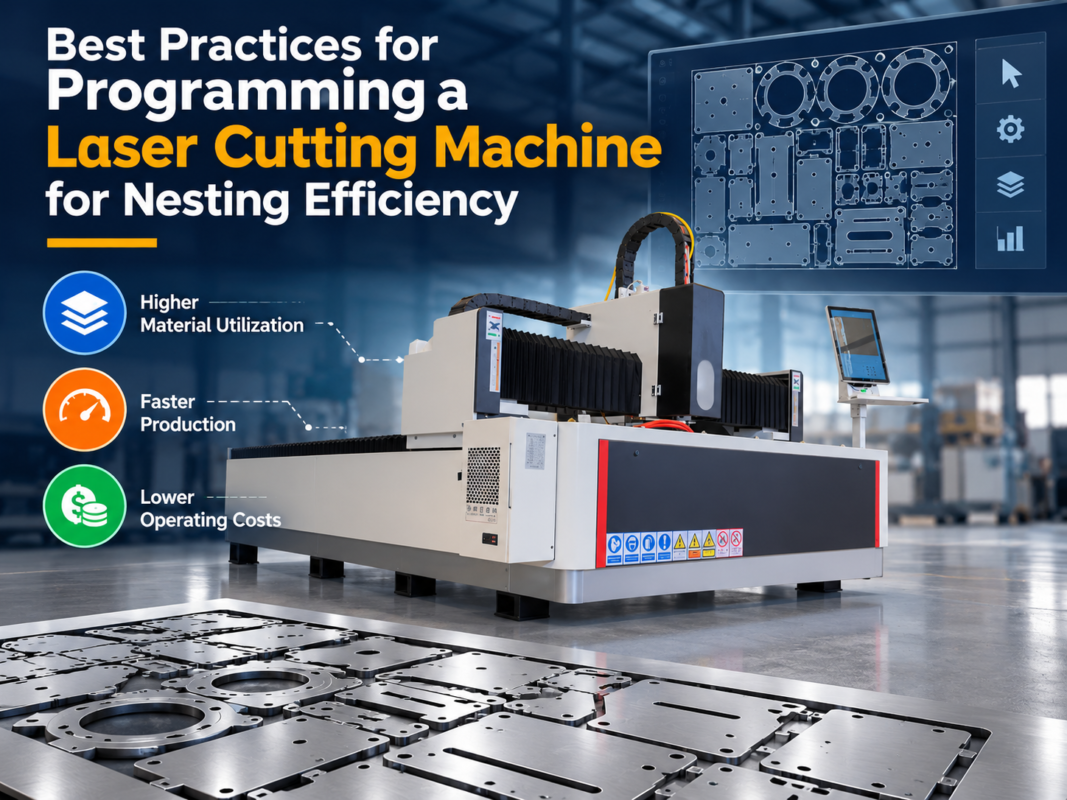
A professional laser cutting workflow begins long before the laser is fired. It starts with CAD/CAM integration. Engineers design parts in software like SolidWorks or AutoCAD, which are then imported into nesting software. Nesting is the process of arranging parts on a sheet of metal to minimize waste. For expensive materials like 316L stainless steel or high-grade aluminum alloys, efficient nesting can save thousands of dollars annually. The software also determines the cutting path, lead-ins, and lead-outs to prevent tipping and ensure smooth transitions.
Once the program is loaded into the CNC controller (such as the CypCut system used in many HARSLE machines), the operator selects the material library. This library contains pre-set parameters for power, speed, gas pressure, and nozzle height. For aluminum, the operator might choose a “piercing” strategy that uses a different frequency to prevent the material from splattering and damaging the nozzle. After the material is loaded onto the shuttle table, the laser performs a frame check to ensure the sheet is aligned correctly before the cutting process begins.
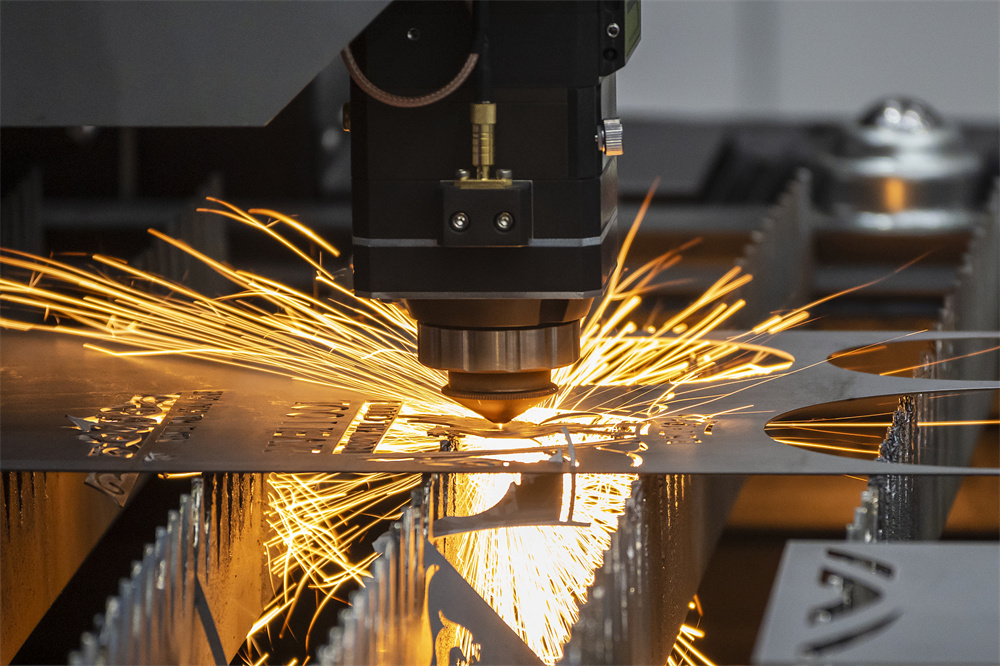
Post-cutting, the parts are unloaded, often using automated systems or vacuum lifters to prevent scratching the surface of polished stainless steel. Because laser cutting provides such high precision, most parts require no further machining. They can move directly to the bending station (using a HARSLE press brake) or the welding department, significantly shortening the overall production cycle.
Productivity Benefits of Laser Technology
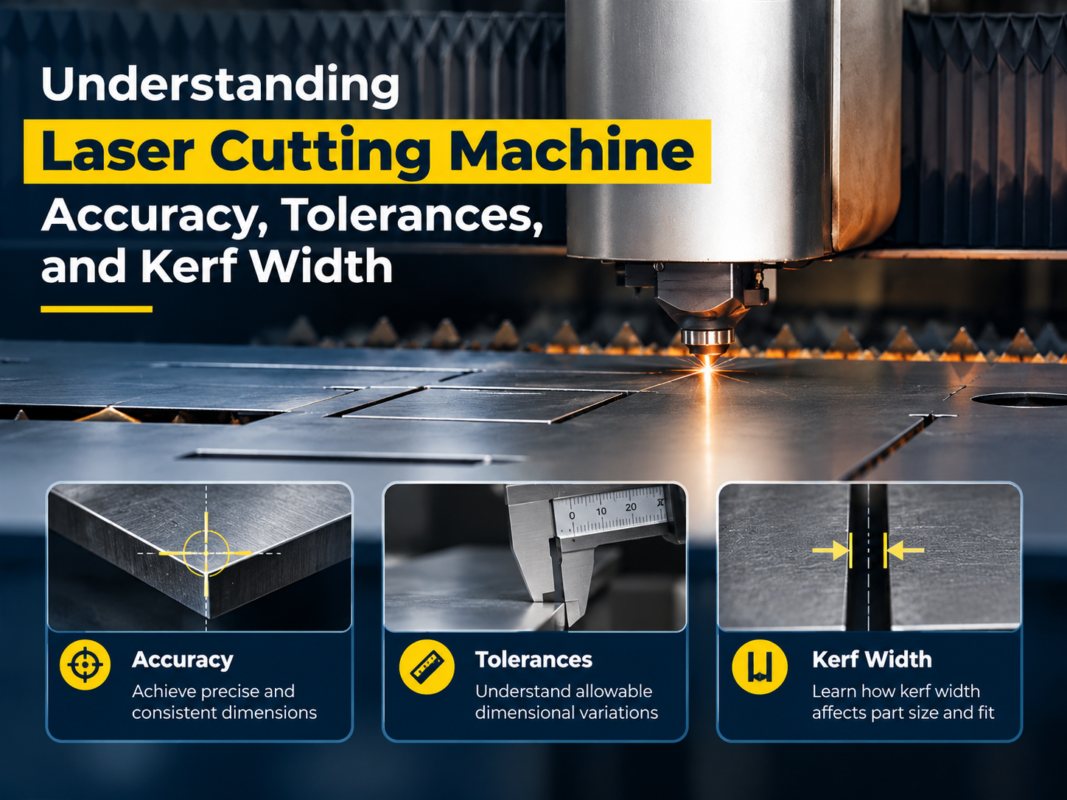
The transition from traditional cutting methods to fiber laser technology offers transformative productivity benefits. The most immediate advantage is speed. In thin-gauge aluminum processing, a fiber laser can cut several times faster than a CO2 laser or a plasma cutter. This high throughput allows shops to take on more orders without increasing their footprint. Furthermore, the narrow kerf (the width of the cut) means that parts can be nested closer together, leading to material utilization rates often exceeding 85%.
Another major benefit is the reduction in secondary operations. Traditional mechanical cutting often leaves burrs or deforms the edges of aluminum and stainless steel. Laser cutting produces a clean, square edge that is ready for the next stage of production. This eliminates the need for grinding, deburring, or edge cleaning, which are labor-intensive and inconsistent. Additionally, the non-contact nature of laser cutting means there is no tool wear. Unlike a punch press where dies must be sharpened or replaced, a laser maintains consistent quality over thousands of hours of operation.
Case Example: Kitchen Equipment Manufacturer
A leading manufacturer of commercial kitchen equipment recently upgraded their facility with a HARSLE 6kW Fiber Laser Cutting Machine. Previously, they used a combination of CNC punching and manual plasma cutting for their stainless steel sinks and aluminum ventilation hoods. This process was slow, produced significant waste, and required a team of four workers just for deburring and edge finishing.
After implementing the fiber laser system, the company saw an immediate 40% reduction in material waste due to superior nesting capabilities. The cutting speed for 3mm stainless steel increased by 300% compared to their old methods. Most importantly, the edge quality was so high that the deburring station was completely removed from the workflow. The manufacturer was able to reassign those workers to the assembly line, increasing their total output by 50% within the first six months. This case illustrates how Laser Cutting Applications Stainless Steel Aluminum Processing can fundamentally change the economics of a fabrication business.
Frequently Asked Questions (FAQ)
1. Can a fiber laser cut all grades of aluminum?
Yes, fiber lasers can cut most industrial grades of aluminum, including the 1000, 3000, 5000, and 6000 series. However, high-silicon alloys can be more challenging and require specific parameter adjustments to avoid excessive dross. Modern controllers come with pre-installed libraries for these various grades.
2. Why is nitrogen preferred over oxygen for stainless steel?
Nitrogen is an inert gas, meaning it does not react with the molten metal. It simply acts as a mechanical force to blow the melt out of the kerf. This results in a clean, bright edge. Oxygen, conversely, causes an exothermic reaction (burning), which leaves a dark oxide layer on the edge that must be removed before welding or painting.
3. What is the maximum thickness of aluminum that can be laser cut?
The maximum thickness depends on the laser power. A 3kW laser can typically cut up to 8-10mm aluminum, while a 12kW or 20kW laser can handle aluminum plates up to 40mm or thicker. However, for very thick aluminum, the edge quality may decrease, and waterjet cutting might be considered for extremely thick sections.
4. How do I prevent scratches on polished stainless steel during cutting?
To prevent scratches, manufacturers often use stainless steel sheets with a protective laser-film coating. The laser can cut through this film without peeling it. Additionally, using a brush-table or ensuring the slats of the cutting bed are clean and in good condition helps protect the underside of the sheet.
5. Is laser cutting aluminum dangerous due to reflections?
While aluminum is reflective, modern fiber laser machines are designed with multiple layers of protection. This includes isolators in the laser source and sensors in the cutting head that can shut down the beam in milliseconds if a back-reflection is detected. It is perfectly safe when using the correct equipment.
Conclusion and Call to Action
The evolution of Laser Cutting Applications Stainless Steel Aluminum Processing has opened new doors for manufacturers across the globe. By combining high-power fiber laser sources with intelligent CNC controls and robust machine designs, HARSLE enables businesses to achieve precision and efficiency that was once thought impossible. Whether you are producing delicate medical components or heavy-duty automotive parts, the right laser cutting setup is the key to staying competitive in a fast-paced market.
Are you ready to elevate your production capabilities? Contact HARSLE today to speak with our technical experts. We can help you select the ideal machine configuration for your specific material requirements and provide a comprehensive solution that includes installation, training, and long-term support. Visit our website or reach out to our sales team to schedule a demonstration and see the power of HARSLE fiber lasers in action.