New vs Used Press Brake: Which Option Makes More Sense for Your Shop?


Introduction: The Critical Decision for Metal Fabricators
In the competitive world of metal fabrication, the press brake is the heartbeat of the shop floor. Whether you are a startup looking for your first machine or an established facility expanding production, the dilemma remains the same: New Vs Used Press Brake: Which Option Makes More Sense Shop? This decision is not merely about the initial purchase price; it involves a complex calculation of long-term reliability, technological capability, maintenance overhead, and the specific precision requirements of your clients. At HARSLE, we understand that every shop has unique financial and operational constraints, and choosing the right equipment is pivotal to your success.
A press brake is a significant investment that can last decades if maintained properly. However, the technology driving these machines has evolved rapidly over the last ten years. Older machines that rely on manual adjustments and mechanical stops are increasingly being replaced by high-speed, multi-axis CNC systems that offer unparalleled accuracy. This guide will break down the financial and technical aspects of both new and used equipment to help you determine which path aligns with your business goals.
Price Range Overview: Initial Investment vs. Long-Term Value
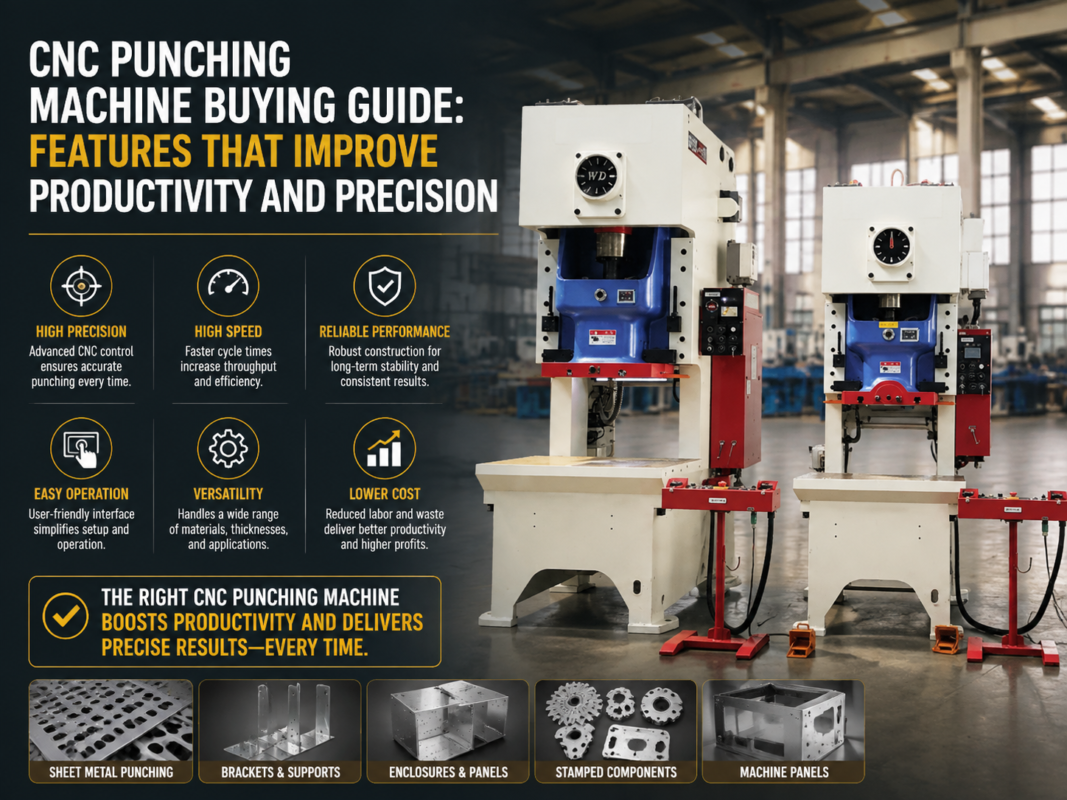
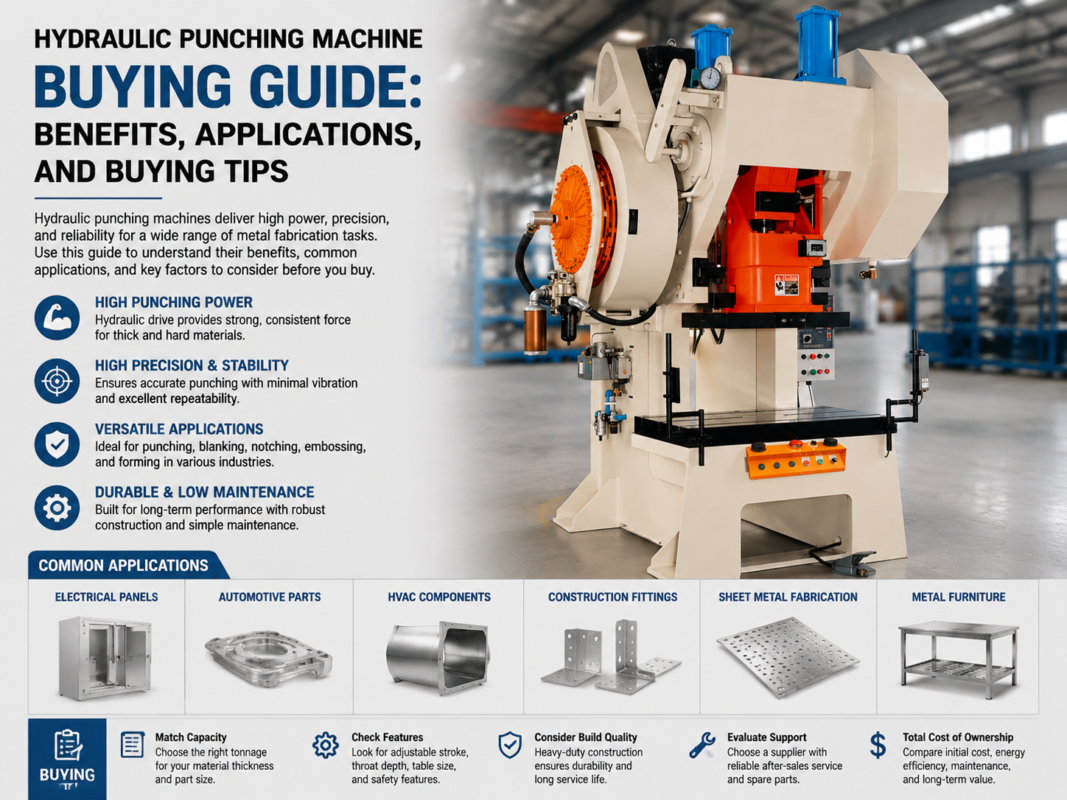
When evaluating the cost of a press brake, the price tag on a used machine is often the most attractive feature. A used hydraulic press brake from a reputable brand might be available for 40% to 60% of the cost of a brand-new equivalent. For instance, a 100-ton used machine might range from $15,000 to $30,000 depending on its age and condition, whereas a new HARSLE CNC press brake with modern features might start at $35,000 and go upwards based on configuration. However, the lower entry price of a used machine often comes with the trade-off of higher immediate maintenance needs and a lack of manufacturer warranty.
New machines, while requiring a higher upfront capital expenditure, offer the benefit of financing options that are often more favorable than those for used equipment. Banks and lending institutions view new machinery as lower-risk collateral, leading to lower interest rates and longer repayment terms. Furthermore, a new machine includes a comprehensive warranty, which acts as an insurance policy against early mechanical failures. When you factor in the tax benefits, such as Section 179 deductions in the US or similar capital allowance schemes globally, the net cost of a new machine can be significantly reduced in the first year of ownership.
It is also important to consider the resale value. A new machine purchased today will hold a higher percentage of its value over the first five years compared to an already aged machine that may become obsolete or difficult to find parts for. For shops focusing on high-volume production, the reliability of a new machine ensures that the ‘cost per part’ remains low and predictable, which is often more valuable than a low initial purchase price.
Main Cost Drivers in Press Brake Selection
The primary driver of cost in any press brake, new or used, is the technology level. There is a vast difference between a basic NC (Numerical Control) machine and a full-featured CNC (Computer Numerical Control) system. NC machines typically control only the depth of the stroke (Y-axis) and the backgauge position (X-axis), requiring manual intervention for complex bends. In contrast, a modern CNC press brake can control up to 8 or more axes, including R-axis (height), Z1/Z2 (lateral movement), and automated crowning. The more axes and automation you require, the higher the price, but also the higher the productivity.
Tonnage and length are the physical drivers of cost. A 40-ton machine for small brackets is significantly cheaper than a 400-ton machine designed for heavy plate fabrication. When buying used, you might find a ‘deal’ on a high-tonnage machine, but if your shop primarily handles thin-gauge material, the electricity consumption and floor space requirements of an oversized machine will become a permanent financial drain. Conversely, buying a new machine allows you to ‘right-size’ the equipment specifically for your current and projected workload, ensuring maximum efficiency.
Another major cost driver is the hydraulic system. Modern machines often utilize servo-hybrid hydraulic systems that only run when the machine is actively bending. Older used machines typically feature standard hydraulic pumps that run continuously, leading to higher energy bills and more heat generation, which can degrade hydraulic oil and seals faster. The shift toward ‘Green’ technology in new machines like those offered by HARSLE can result in energy savings of up to 50% compared to older models.
Configuration Impact: Precision and Versatility
The configuration of a press brake determines what kind of work you can accept. One of the most critical components is the crowning system. In older used machines, crowning (compensating for the deflection of the bed under pressure) was often done manually with shims or not at all, leading to ‘boat-shaped’ parts where the angle in the middle of the bend is different from the ends. New CNC press brakes feature automatic hydraulic or mechanical crowning systems that adjust in real-time based on the pressure detected, ensuring perfectly straight bends every time.
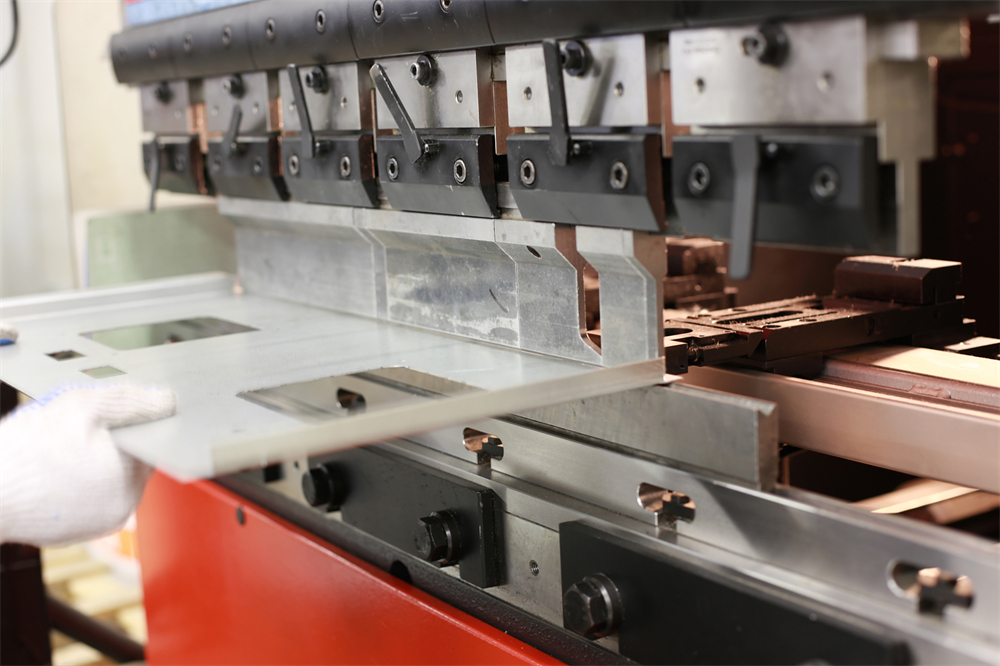
Tooling compatibility is another configuration factor. Many older machines use proprietary or obsolete tooling styles that are expensive to replace or difficult to find. New machines are typically designed to use standard European or American style tooling, which is widely available and interchangeable. Furthermore, new machines often come with ‘Quick Change’ clamping systems, reducing setup times from 30 minutes down to 5 minutes. In a shop that performs multiple small-batch runs per day, this configuration difference alone can pay for the machine over time.
Safety systems have also seen a massive upgrade. Older machines might only have basic light curtains or, in some cases, no modern safety features at all, making them a liability in terms of workplace safety compliance (OSHA/CE). New HARSLE machines come equipped with laser-based point-of-operation guarding, such as the DSP or Lazersafe systems. these allow the operator to work closely with the machine at high speeds without compromising safety, effectively increasing the stroke speed and overall throughput of the shop.
Hidden Costs: The Iceberg Effect of Used Machinery
When asking New Vs Used Press Brake: Which Option Makes More Sense Shop?, many owners fail to look beneath the surface. The purchase price of a used machine is just the tip of the iceberg. The first hidden cost is rigging and transportation. Moving a 10-ton piece of machinery is expensive, and if the used machine is located across the country, freight costs can add thousands to the total. Additionally, a used machine may require a specialized foundation or electrical upgrades that weren’t anticipated.
Downtime is perhaps the most significant hidden cost. If a 20-year-old CNC controller fails, finding a replacement board can take weeks, and you may have to rely on the secondary market for refurbished parts with no guarantee. During those weeks, your production stops, but your overhead and labor costs do not. A new machine comes with a manufacturer’s support network, remote diagnostics, and readily available spare parts, minimizing the risk of catastrophic production delays.
Software and integration also present hidden challenges. Modern fabrication shops often use CAD/CAM software to program their machines offline. Integrating an older used machine into a modern digital workflow can be difficult or impossible, requiring the operator to program everything manually at the controller. This ‘at-machine’ programming keeps the press brake idle when it should be running, reducing the overall efficiency of your shop compared to a new machine that can be programmed in the office and fed via a network connection.
ROI Calculation: When Does New Outperform Used?
To truly answer which option makes more sense, you must calculate the Return on Investment (ROI). Let’s look at a hypothetical scenario. A used press brake costs $20,000 but has a setup time of 45 minutes and an average of 10% scrap due to manual crowning adjustments. A new HARSLE CNC press brake costs $45,000 but has a setup time of 10 minutes and a scrap rate of less than 1% due to precision CNC controls and automated crowning.
If your shop does 4 setups a day, the new machine saves 140 minutes of labor daily. At a shop rate of $80/hour, that is $186 saved per day in labor alone. Over a 250-day work year, that totals $46,500 in labor savings—effectively paying for the price difference between the new and used machine in less than one year. This doesn’t even account for the increased capacity to take on more jobs or the savings from reduced material waste.
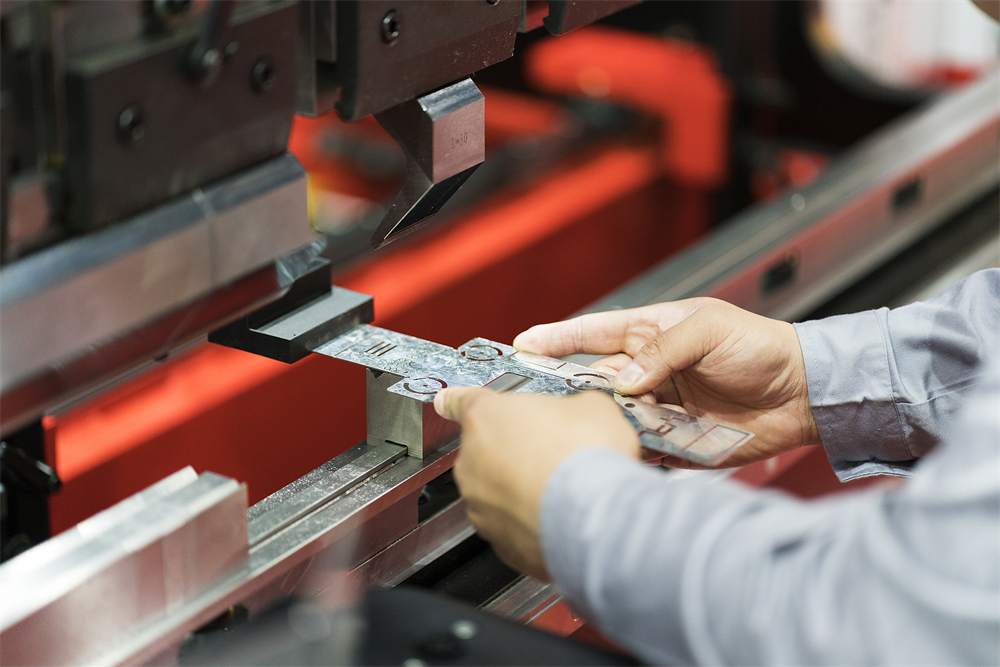
Furthermore, consider the ‘Quality Premium.’ High-precision industries like aerospace, medical, or high-end electronics require tolerances that older, worn-out machines simply cannot meet. By investing in a new machine, you open the door to higher-margin contracts that were previously out of reach. The ROI of a new machine is driven by its ability to produce more parts, of higher quality, in less time, with less skilled labor—a combination that used machines rarely offer.
Buying Advice: Making the Final Choice
If you decide that a used press brake is the right choice for your current budget, perform a rigorous inspection. Check the ‘ways’ for wear; if the bed is worn in the center, you will never achieve a straight bend. Inspect the hydraulic cylinders for leaks and check the oil for metal shavings, which indicate pump failure. Most importantly, power the machine on and check the repeatability of the backgauge. If the machine cannot return to the exact same position multiple times, it will be a constant source of frustration and wasted material.
For most growing shops, however, the benefits of a new machine far outweigh the initial savings of a used one. When buying new, look for a manufacturer like HARSLE that offers a balance of high-quality components (like Rexroth hydraulics and Schneider electronics) and accessible pricing. Ensure the machine you choose has a controller that your operators can learn quickly. A user-friendly interface reduces the learning curve and allows you to get the machine into full production within days of installation.
Ultimately, the choice between new and used depends on your volume and precision requirements. If the press brake is a secondary tool used once a week for rough construction parts, a used machine is a sensible choice. But if the press brake is central to your daily operations and your reputation depends on the accuracy of your bends, a new machine is an investment in the future of your business. It provides the peace of mind, technological edge, and operational efficiency needed to compete in today’s fast-paced manufacturing landscape.
FAQ: Frequently Asked Questions
1. How long does a typical press brake last?
A high-quality hydraulic press brake can last 20 to 30 years with proper maintenance. However, the electronic components and CNC controllers usually become obsolete or fail after 10 to 15 years, which is why many used machines require controller retrofits.
2. Can I upgrade the controller on an old used press brake?
Yes, retrofitting is possible, but it can be expensive—often costing between $10,000 and $20,000. You must weigh this cost against the price of a new machine that already includes a modern controller and a full warranty.
3. What are the most common repairs on used press brakes?
The most common issues include leaking hydraulic seals, worn-out backgauge lead screws, failing solenoid valves, and CRT monitors or old control boards burning out. These repairs can range from a few hundred to several thousand dollars.
4. Is it harder to find operators for older machines?
Generally, yes. Younger operators are trained on modern CNC interfaces and touchscreens. Learning the ‘quirks’ of an old manual or NC machine takes more time and skill, making it harder to fill positions in a tight labor market.
5. Does HARSLE provide training for new machines?
Yes, HARSLE provides comprehensive technical support and training materials to ensure your team can operate the new CNC systems efficiently, maximizing your ROI from day one.
6. What is the ‘Torsion Bar’ vs ‘Synchro’ difference in new vs used?
Many older used machines are ‘Torsion Bar’ types, which use a mechanical link to keep the ram level. Most new machines are ‘Electro-Hydraulic Synchro,’ using electronic sensors and proportional valves for much higher precision and the ability to tilt the ram for specialized bends.