Choosing Between Laser Cutting Machine and Plasma Cutting for Metal Fabrication


Technical Overview: Understanding the Fundamentals of Laser and Plasma Cutting
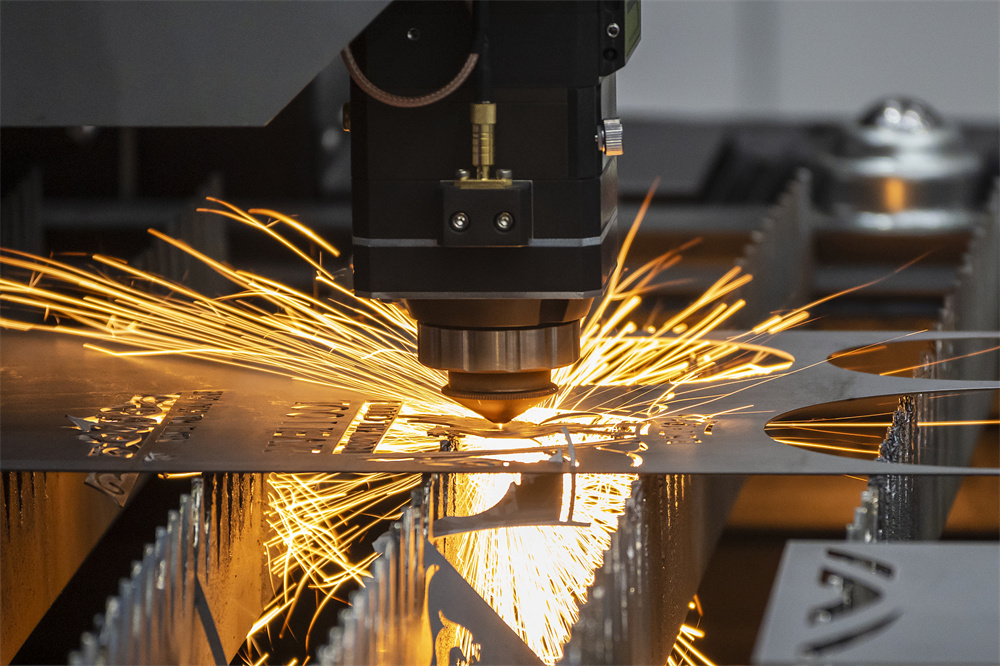
In the modern industrial landscape, the decision of choosing between laser cutting machine and plasma cutting for metal fabrication is one of the most critical investments a facility can make. Both technologies have evolved significantly over the last decade, yet they operate on fundamentally different physical principles. A laser cutting machine, specifically the fiber laser technology championed by HARSLE, utilizes a high-power laser beam generated through a solid-state medium. This beam is focused through a lens onto the material surface, melting, burning, or vaporizing the metal with extreme precision. The process is typically assisted by a gas (oxygen, nitrogen, or compressed air) to blow away the molten material, resulting in a clean, narrow cut known as the kerf.
Conversely, plasma cutting relies on an accelerated jet of hot plasma. This is achieved by passing an electrical arc through a gas (such as nitrogen, argon, or oxygen) that is being forced through a constricted nozzle. This process increases the temperature of the gas to the point where it enters a fourth state of matter—plasma. Because plasma cutting requires an electrical circuit to be completed through the workpiece, it is exclusively used for conductive metals like carbon steel, stainless steel, and aluminum. While plasma was traditionally seen as a ‘rougher’ tool compared to the surgical precision of a laser, high-definition plasma systems have narrowed the gap, though they still operate on a different scale of thermal intensity.
When evaluating these technologies for your workshop, it is essential to consider the ‘Sweet Spot’ for each. Laser cutting machines excel in thin to medium-thickness materials (typically 0.5mm to 25mm for high-power fiber lasers), offering unparalleled speed and edge quality. Plasma cutting, however, remains the powerhouse for heavy-duty applications. When fabrication requirements involve plates thicker than 30mm, plasma often becomes the more cost-effective and physically capable solution. Understanding these baseline differences is the first step in optimizing your production line for efficiency and quality.
The Evolution of Fiber Laser Technology
The shift from CO2 lasers to fiber lasers has revolutionized the metal fabrication industry. Fiber lasers use optical fibers doped with rare-earth elements to amplify light. This results in a beam with a much smaller wavelength, which is more readily absorbed by metals. For a manufacturer like HARSLE, this means providing machines that are not only faster but also significantly more energy-efficient. Fiber lasers have no moving parts or mirrors in the light-generating source, which reduces maintenance costs and increases uptime compared to older laser technologies and even some plasma systems.
The Role of High-Definition Plasma
Modern plasma cutting has moved far beyond the handheld torches of the past. High-definition (HD) plasma systems use sophisticated gas mixing and nozzle designs to constrict the arc, resulting in a more focused heat source. This reduces the ‘taper’ (the angle of the cut edge) and improves the surface finish. While it still cannot match the 0.05mm tolerances of a laser, HD plasma is a formidable tool for structural steel, shipbuilding, and heavy equipment manufacturing where tolerances of 0.5mm are acceptable.
Core Parameters: Precision, Speed, and Material Compatibility
When choosing between laser cutting machine and plasma cutting for metal fabrication, several core parameters dictate the success of the operation. The first is Precision and Tolerance. Laser cutting machines are the gold standard for intricate designs, small holes, and tight tolerances. A standard fiber laser can maintain tolerances within +/- 0.1mm, making it ideal for aerospace, electronics, and medical device components. Plasma cutting generally operates within a tolerance range of +/- 0.5mm to 1.0mm. While this is sufficient for many structural applications, it may require secondary machining if high-precision fits are needed.
Cutting Speed is another vital metric. In thin materials (under 6mm), a fiber laser is significantly faster than plasma. The high energy density of the laser allows it to ‘fly’ through thin sheets. However, as material thickness increases, the speed advantage of the laser diminishes. In materials over 20mm, a high-amperage plasma system may actually outpace a mid-range laser, or at the very least, provide a more stable cutting process. For a high-volume shop, the ‘inches per minute’ (IPM) calculation must be balanced against the cost of the power required to achieve those speeds.
Heat Affected Zone (HAZ) is a critical metallurgical consideration. Because plasma cutting uses a high-temperature arc, it transfers more heat into the surrounding material, creating a larger HAZ. This can lead to hardening of the edges, which might make subsequent drilling or tapping difficult. Laser cutting, with its highly concentrated beam, minimizes the HAZ, preserving the material’s structural integrity and making it easier to perform post-cutting operations. This is particularly important when working with heat-sensitive alloys or when the part requires high-quality welding later in the assembly process.
Material Thickness and Type
Material versatility is a major factor. Laser cutting machines are incredibly versatile, capable of cutting steel, aluminum, brass, copper, and even some non-metals (in the case of CO2 lasers). Fiber lasers, specifically, have overcome the ‘reflective metal’ challenge, allowing for the safe cutting of copper and brass. Plasma cutting is limited to conductive metals. If your shop primarily handles heavy carbon steel plates for construction, plasma is a robust choice. If you are a job shop handling a variety of materials and thicknesses for diverse clients, the flexibility of a laser cutting machine is often worth the higher initial investment.
Calculation Method: Determining Total Cost of Ownership (TCO)
To make an informed decision, one must look beyond the sticker price of the machine. The Total Cost of Ownership (TCO) involves calculating the cost per part over the lifespan of the equipment. The formula for calculating the hourly operating cost ($C_h$) can be summarized as:
$C_h = (E + G + K + M + L) / U$
- E (Electricity): Laser machines are generally more energy-efficient per cut, but high-power resonators consume significant power. Plasma systems require high amperage for thick cuts.
- G (Gases): Laser cutting uses assist gases like Nitrogen (expensive, for clean cuts) or Oxygen (cheaper, for carbon steel). Plasma uses compressed air or specialized gas mixes.
- K (Consumables): Plasma systems require frequent replacement of nozzles and electrodes. Lasers have fewer consumables (nozzles and protective windows), but they can be expensive.
- M (Maintenance): Fiber lasers have very low maintenance. Plasma systems require regular cleaning of the torch and water table management.
- L (Labor): The cost of the operator. Faster machines reduce the labor cost per part.
- U (Uptime): The percentage of time the machine is actually cutting.
When you calculate the cost per meter of cut, you will often find that for thin materials, the laser’s speed makes it the cheapest option despite higher hourly costs. For thick plates, the plasma’s lower capital expenditure and competitive speed in heavy gauges make it the winner. HARSLE provides detailed ROI calculators for customers to help visualize these numbers based on their specific local utility rates and material costs.
Parameter Table: Laser vs. Plasma Comparison
| Feature | Fiber Laser Cutting Machine | Plasma Cutting (HD) |
|---|---|---|
| Typical Thickness Range | 0.5mm – 25mm (Common) | 6mm – 50mm+ |
| Precision / Tolerance | +/- 0.05mm – 0.1mm | +/- 0.5mm – 1.0mm |
| Edge Quality | Excellent (Smooth, Square) | Good (Slight Taper, Dross) |
| Heat Affected Zone (HAZ) | Very Small | Moderate to Large |
| Cutting Speed (Thin Material) | Very High | Moderate |
| Cutting Speed (Thick Material) | Moderate | High |
| Operating Cost (per hour) | Moderate to High | Low to Moderate |
| Initial Investment | High | Low to Moderate |
| Material Versatility | High (Conductive & Reflective) | Moderate (Conductive Only) |
Common Engineering Mistakes in Selection
One of the most frequent mistakes engineers make when choosing between laser cutting machine and plasma cutting for metal fabrication is over-specifying precision. It is tempting to want the highest precision possible, but if you are manufacturing large structural brackets for a building where the holes have a 2mm clearance, paying the premium for laser precision is an unnecessary expense. Conversely, choosing plasma for parts that require intricate interlocking tabs will result in significant manual grinding and rework, quickly eating away the initial savings on the machine.
Another common error is ignoring the ‘Dross’ factor. Dross is the re-solidified metal that sticks to the bottom of the cut. While modern plasma systems have reduced dross, it is almost always present to some degree, requiring a secondary de-burring process. Laser cuts are typically dross-free when parameters are correctly set. If your production flow doesn’t have a dedicated de-burring station, the ‘clean’ cut of a laser becomes a massive operational advantage. Engineers must also account for the taper angle. Plasma arcs naturally tend to widen at the bottom of the cut, creating a slight V-shape. In thick parts that need to be perfectly square for welding, this taper can cause fitment issues.
Finally, many buyers fail to consider the environmental and facility requirements. Laser cutting machines require a clean, temperature-controlled environment and a stable floor to maintain their precision. Plasma cutting is a much ‘dirtier’ process, producing significant smoke, sparks, and noise. While HARSLE machines come with advanced dust extraction systems, a plasma cutter generally requires a more robust ventilation setup and a water table to manage the intense heat and debris. Underestimating the cost of these peripheral systems is a mistake that can blow a project budget.
Selection Checklist: Choosing the Right Machine for Your Shop
To ensure you select the right equipment for your specific needs, follow this comprehensive selection checklist:
- Material Type: Do you cut only steel, or do you need to process aluminum, copper, and brass? (Laser is better for variety).
- Maximum Thickness: What is the thickest material you cut daily? What is the thickest you cut once a month? (If >25mm is daily, consider plasma).
- Required Tolerance: Do your parts require +/- 0.1mm or is +/- 1.0mm acceptable?
- Production Volume: Are you running 24/7 high-volume production or custom job-shop work?
- Secondary Operations: Do you want to eliminate grinding, de-burring, and secondary drilling? (Laser reduces these).
- Available Floor Space: Do you have room for the large footprint of a plasma water table or the clean-room requirements of a high-end laser?
- Budget (CAPEX): What is your initial investment capacity? (Plasma is generally lower).
- Budget (OPEX): Have you calculated the cost of gases and electricity in your region?
- Operator Skill Level: Do you have staff trained in CNC programming and laser safety?
- Future Proofing: Will your customer base require tighter tolerances in the next 5 years?
Frequently Asked Questions (FAQ)
1. Can a fiber laser cut thick plate as well as plasma?
While high-power fiber lasers (12kW to 30kW) can cut plates up to 50mm or more, the cost of the machine and the gas consumption increases significantly. For plates over 30mm, plasma is generally more economical unless extreme precision is required.
2. Is plasma cutting safer than laser cutting?
Both have unique safety risks. Laser cutting involves invisible high-energy beams that can cause instant eye damage, requiring fully enclosed ‘Class 1’ housings (like those on HARSLE machines). Plasma cutting involves high voltage, intense UV light, and significant fumes, requiring proper shielding and ventilation.
3. Which machine is easier to maintain?
Fiber lasers are generally easier to maintain because the light source is solid-state with no moving parts. Plasma torches require daily attention to consumables like nozzles and electrodes to maintain cut quality.
4. Can I use compressed air for laser cutting?
Yes, many HARSLE laser cutting machines are optimized to use high-pressure compressed air for cutting thin stainless and carbon steel. This significantly reduces the operating cost compared to using bottled nitrogen or oxygen.
5. How does the ‘kerf’ width affect my nesting?
The kerf (width of the cut) for a laser is typically 0.1mm to 0.3mm, while plasma is 1.5mm to 3.0mm. A narrower kerf allows for tighter nesting of parts, meaning you get more parts out of a single sheet of metal, reducing material waste.
6. Does plasma cutting affect the weldability of the edge?
Yes, the high heat of plasma can cause ‘nitriding’ if nitrogen is used as the plasma gas, which can lead to brittle welds. Laser edges, especially when cut with oxygen or nitrogen, generally require less preparation for high-quality welding.
Conclusion: Making the Final Decision
Choosing between laser cutting machine and plasma cutting for metal fabrication ultimately comes down to a balance of precision, thickness, and budget. For the vast majority of modern fabrication tasks involving sheet metal and medium plate, the fiber laser cutting machine is the superior choice due to its speed, accuracy, and low maintenance. However, for heavy industrial applications where ‘brute force’ and cost-per-ton are the primary metrics, plasma cutting remains an essential tool. At HARSLE, we specialize in helping fabricators navigate these technical choices to find the machine that maximizes their ROI and production quality. By analyzing your specific part geometries and material requirements, you can invest in a technology that not only meets today’s needs but scales with your future ambitions.