Industrial Laser Cutting Machine Cost Factors: What Buyers Need to Know


Technical Overview of Modern Industrial Laser Cutting
The landscape of metal fabrication has been fundamentally transformed by the evolution of fiber laser technology. When discussing Industrial Laser Cutting Machine Cost Factors: Buyers Need Know, it is essential to first understand the technical foundation of these machines. Unlike traditional CO2 lasers that rely on gas mixtures and mirrors, fiber lasers generate a beam through a solid-state medium. This beam is then delivered via a flexible fiber optic cable directly to the cutting head. This technical shift has significantly reduced maintenance requirements while exponentially increasing cutting speeds on thin to medium-thickness materials.
For a professional buyer, the technical appeal of a fiber laser lies in its wall-plug efficiency. Fiber lasers typically convert about 30-35% of electrical input into laser light, compared to the 8-10% efficiency of CO2 systems. This efficiency is a primary driver in the long-term cost-benefit analysis. However, the initial investment is influenced by the complexity of the resonator, the precision of the motion control system, and the robustness of the machine frame. HARSLE integrates high-end components to ensure that the technical performance justifies the capital expenditure over a 10-year lifecycle.

The beam quality, measured by the M2 factor, determines how tightly the laser can be focused. A lower M2 factor allows for a smaller spot size, which translates to higher power density and cleaner cuts. When evaluating cost factors, buyers must recognize that higher-quality resonators from brands like IPG or Raycus carry a premium price because they offer superior beam stability and longevity. This technical reliability directly impacts the machine’s uptime and the quality of the finished parts, which are critical metrics for any industrial operation.
Core Parameters Influencing Investment Costs
When analyzing Industrial Laser Cutting Machine Cost Factors: Buyers Need Know, several core parameters stand out as the primary drivers of the price tag. The most significant is the laser power, measured in kilowatts (kW). As power increases, the machine’s ability to cut thicker materials and its speed on thinner materials grow. However, the cost does not scale linearly; a 12kW source is significantly more expensive than a 3kW source due to the complexity of the cooling systems and the optical components required to handle such high energy densities.
Laser Source and Brand Reputation
The heart of the machine is the laser source. Buyers often choose between international brands like IPG Photonics and leading Chinese brands like Raycus or Maxphotonics. IPG is often viewed as the gold standard for reliability and global service, but it comes with a higher price point. Raycus and Max offer excellent value-to-performance ratios, making them popular for businesses looking to maximize their ROI without sacrificing significant quality. The choice of source can fluctuate the total machine cost by 20% to 40%.
Motion System and Bed Construction
The mechanical structure of the machine is often overlooked but is vital for long-term accuracy. A high-quality laser cutting machine utilizes a heavy-duty, heat-treated welded frame or a cast iron bed. These structures are designed to withstand the high accelerations (often up to 2.0G) of the cutting head without vibrating. Precision rack and pinion systems, coupled with high-end servo motors (such as Yaskawa or Panasonic), ensure that the laser follows the programmed path within microns. Cheaper machines may use lighter frames that warp over time, leading to a loss of precision and increased maintenance costs.
Cutting Head and Control Software
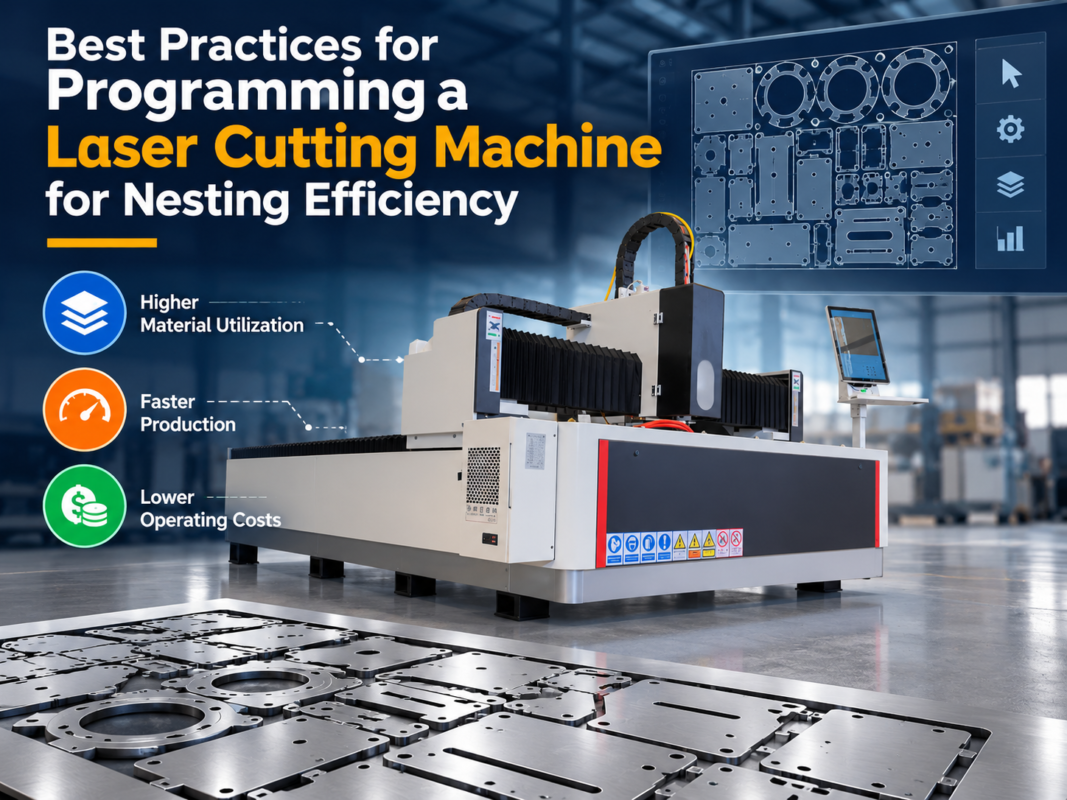
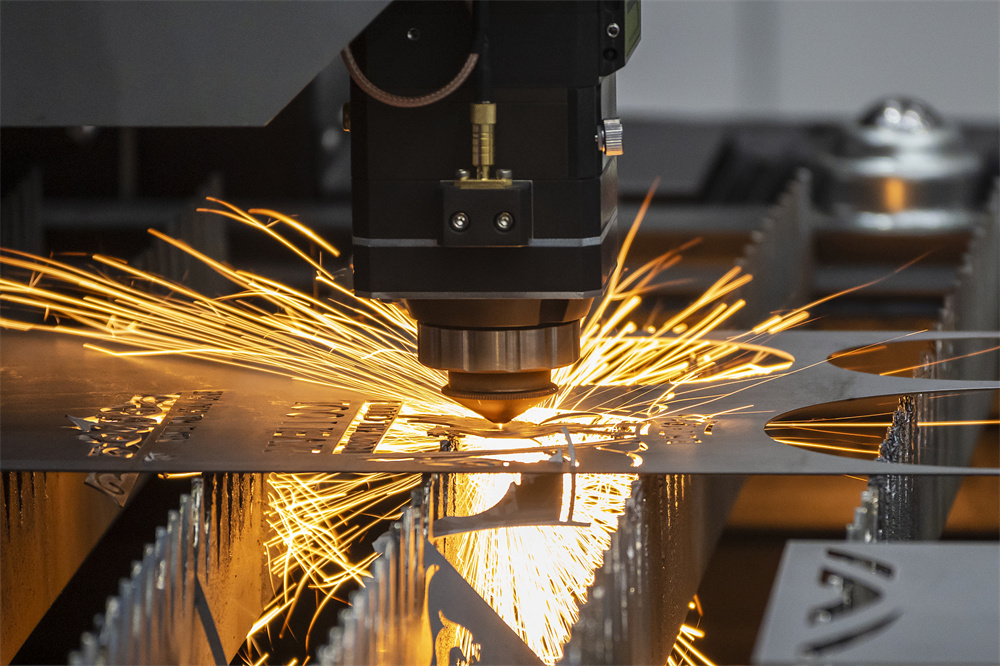
The cutting head is where the “magic” happens. Features like autofocus, which automatically adjusts the focal point based on material thickness, are essential for automated production but add to the cost. Similarly, the control system (such as CypCut or Beckhoff) and the nesting software play a huge role in operational efficiency. Advanced software can optimize material usage, reducing scrap and effectively lowering the cost per part, even if the initial software license is more expensive.
Calculation Method: Total Cost of Ownership (TCO)
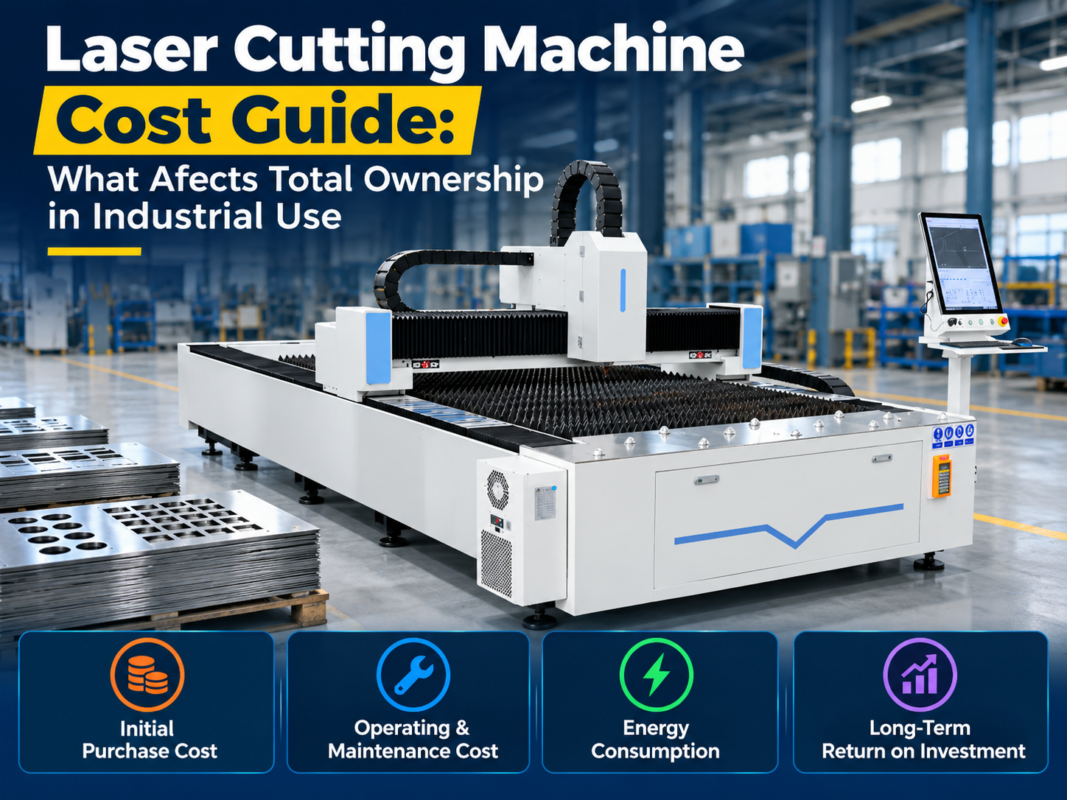
To truly understand Industrial Laser Cutting Machine Cost Factors: Buyers Need Know, one must look beyond the purchase price and calculate the Total Cost of Ownership (TCO). The TCO includes the initial investment, installation, training, and, most importantly, the hourly operating costs. A machine that is $20,000 cheaper upfront but costs $10 more per hour to run will eventually become the more expensive option within a few years of high-volume production.
The hourly operating cost is generally calculated using the following formula:
- Electricity Consumption: This includes the laser source, the chiller (which can consume as much power as the laser itself), the CNC controller, and the dust extractor.
- Assist Gas: This is often the largest variable cost. Oxygen is used for carbon steel, Nitrogen for stainless steel and aluminum (to prevent oxidation), and compressed air for thin materials to save costs.
- Consumables: Nozzles, protective windows, and ceramic rings need regular replacement. High-quality optics last longer but cost more.
- Labor and Maintenance: The cost of the operator and the scheduled maintenance intervals required to keep the machine in peak condition.
For example, running a 6kW fiber laser on nitrogen to cut 6mm stainless steel will have a much higher hourly cost than cutting 2mm carbon steel with compressed air. Buyers should request a detailed consumption chart from HARSLE to project these costs based on their specific production mix.
Parameter Comparison Table
The following table provides a general comparison of how different power levels affect the capabilities and cost profiles of industrial fiber laser machines.
| Power Level | Max Carbon Steel (mm) | Max Stainless Steel (mm) | Typical Application | Relative Cost Factor |
|---|---|---|---|---|
| 1.5kW – 2kW | 12 – 16 | 5 – 6 | Thin sheet metal, cabinets | Low |
| 3kW – 4kW | 20 – 22 | 8 – 10 | General fabrication, job shops | Medium |
| 6kW | 25 | 12 – 16 | Heavy machinery, thick plates | High |
| 12kW – 20kW | 40+ | 40+ | Shipbuilding, structural steel | Very High |
| 30kW+ | 100+ | 80+ | Specialized heavy industry | Premium |
Common Engineering Mistakes in Machine Selection
In the quest to optimize Industrial Laser Cutting Machine Cost Factors: Buyers Need Know, many engineers and procurement officers fall into common traps. One of the most frequent mistakes is “over-speccing” the laser power. While a 12kW machine is impressive, if 90% of your production is 3mm aluminum, a 3kW or 4kW machine would be more efficient and provide a faster ROI. High-power lasers require more expensive gas delivery systems and consume significantly more electricity.
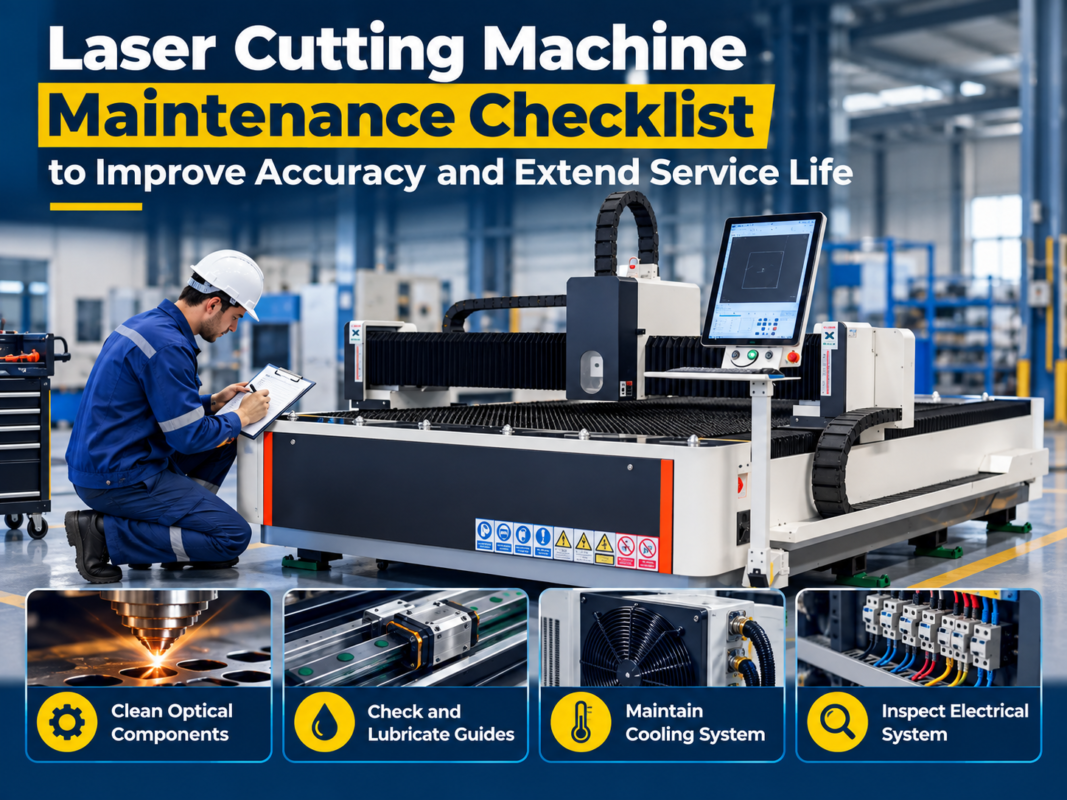
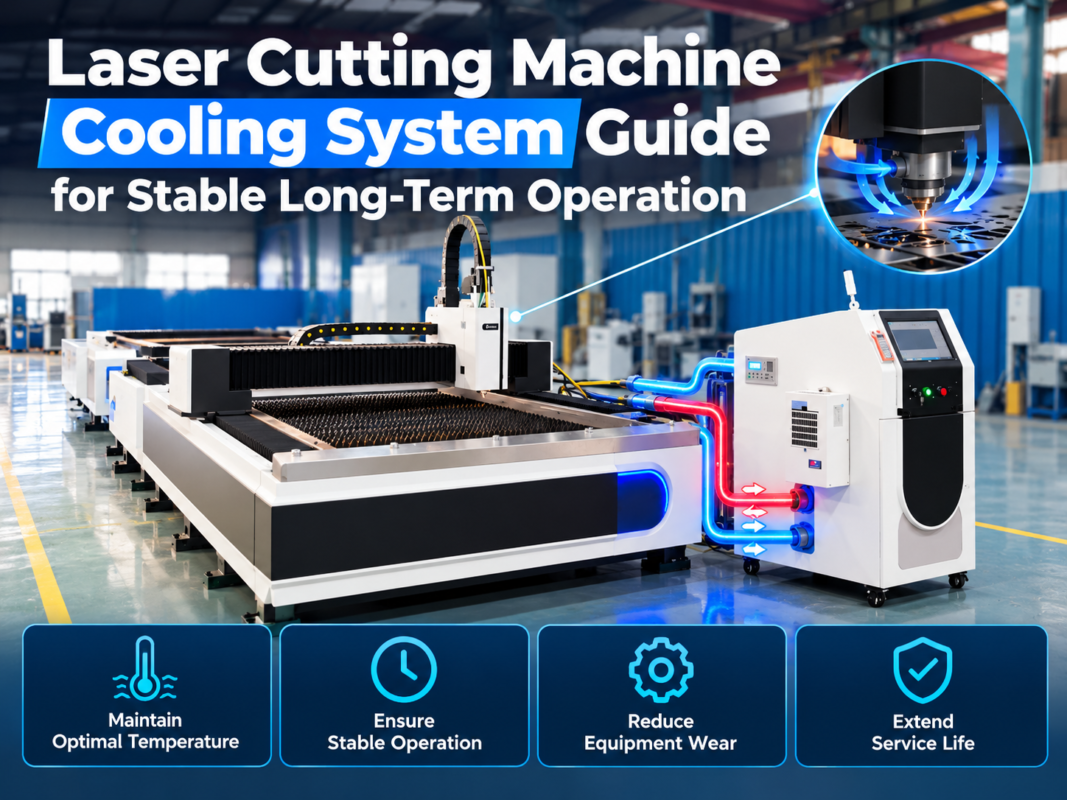
Another mistake is neglecting the importance of the auxiliary equipment. A laser is only as good as its chiller and air compressor. If the chiller is undersized, the laser source will overheat and shut down, leading to costly downtime. Similarly, if using compressed air for cutting, the air must be incredibly dry and oil-free. Using a standard shop compressor without proper filtration will ruin the expensive protective windows and potentially damage the cutting head optics within hours.
Finally, many buyers ignore the floor space and foundation requirements. High-speed lasers generate significant inertial forces. If the floor is not thick enough or reinforced, the machine’s vibrations will affect the cutting quality. Additionally, the layout must allow for efficient loading and unloading of sheets. Ignoring the workflow logistics can lead to a bottleneck where the machine sits idle while waiting for material, effectively increasing the cost per part.
Selection Checklist for Industrial Buyers
Before finalizing a purchase, buyers should go through this comprehensive checklist to ensure all cost factors have been considered:
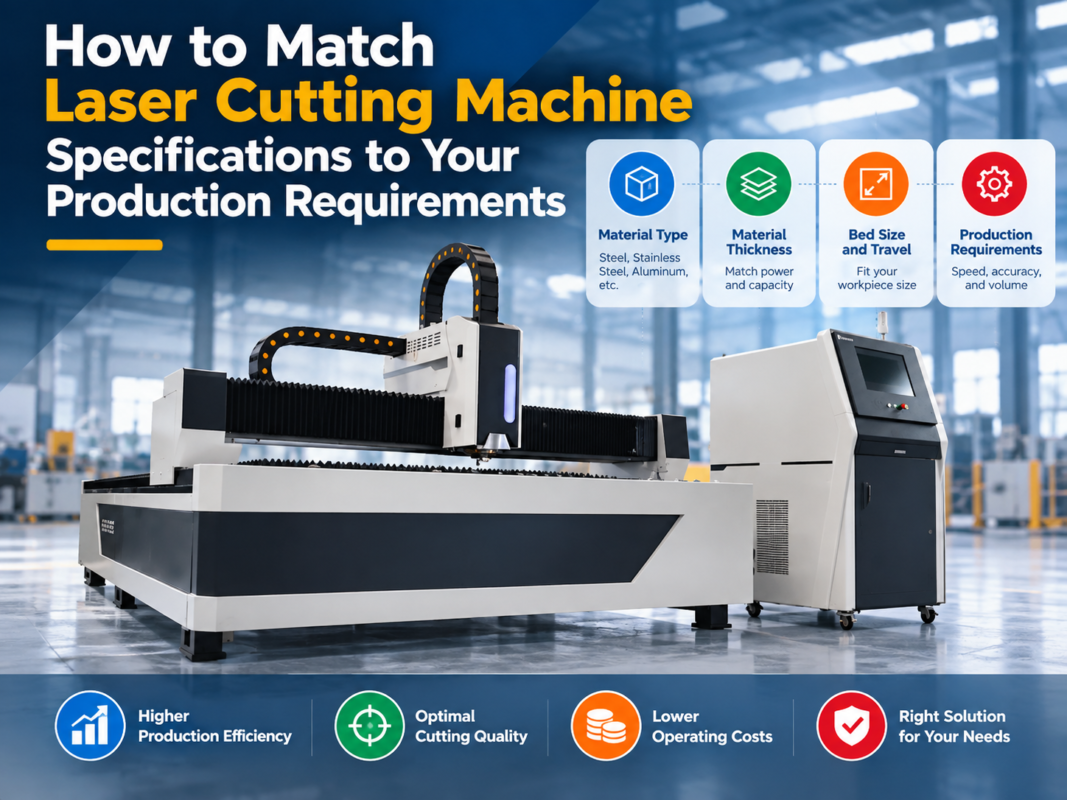
- Material Analysis: What is the maximum thickness and the most common thickness you will cut? (Choose power based on the 80/20 rule).
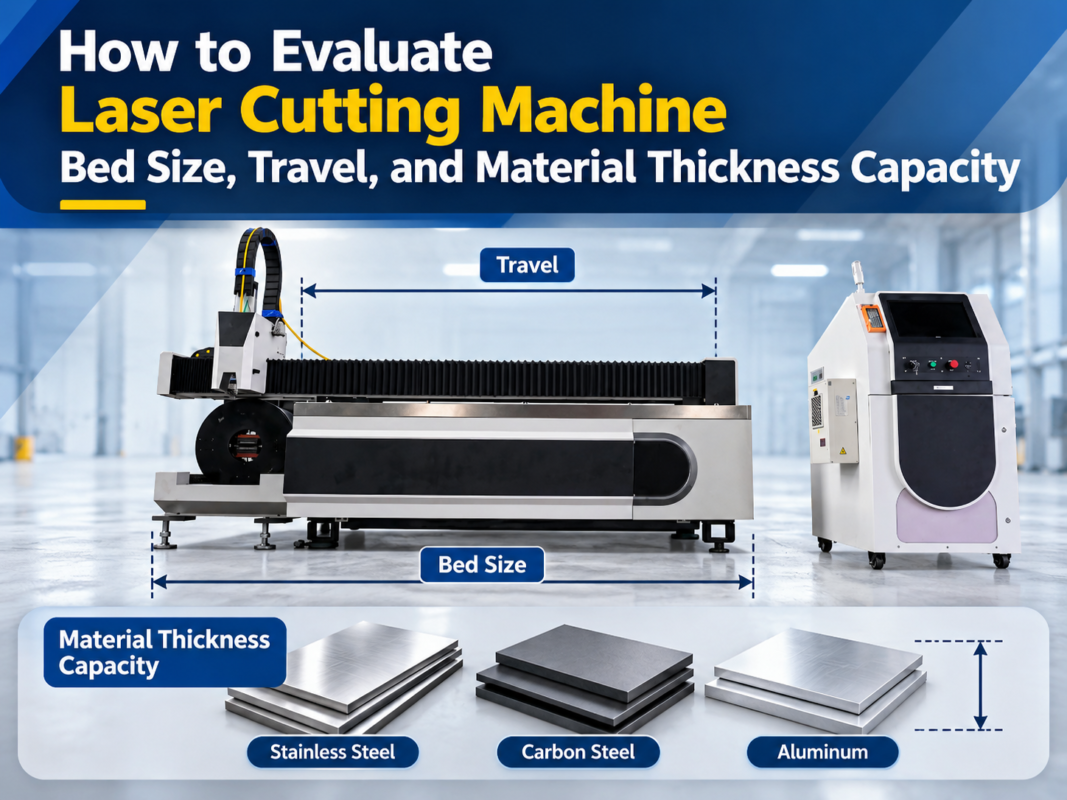
- Bed Size: Does the bed accommodate standard sheet sizes in your region (e.g., 1500x3000mm or 2000x4000mm)?
- Gas Strategy: Have you calculated the cost of Nitrogen vs. Oxygen vs. Compressed Air for your specific materials?
- Software Integration: Does the CNC software integrate with your existing CAD/CAM workflow? Does it offer nesting optimization?
- After-Sales Support: Does the manufacturer (like HARSLE) have a local service presence or a robust remote support system?
- Electrical Infrastructure: Is your factory’s power supply sufficient for the peak load of the laser, chiller, and dust collector?
- Future Proofing: Is the machine frame capable of handling a power upgrade in the future, or will you need to replace the entire unit?
Frequently Asked Questions (FAQ)
1. Why is there such a large price gap between different laser brands?
The price gap usually stems from the quality of the components (laser source, motors, rack/pinion) and the level of after-sales support. Premium brands invest heavily in R&D and global service networks, whereas budget brands focus on minimizing initial costs by using generic components.
2. Can I cut reflective materials like copper and brass with a fiber laser?
Yes, modern fiber lasers are designed to handle back-reflections. However, cutting these materials requires higher power and specific gas settings, which can increase the operating cost compared to carbon steel.
3. How long does a fiber laser source typically last?
Most high-quality fiber laser sources are rated for 100,000 hours of operation. This equates to over 10 years of 24/7 use, provided the machine is maintained correctly and the cooling system is functioning properly.
4. Is it worth buying a machine with an automatic shuttle table?
If your production volume is high, yes. A shuttle table allows the operator to load a new sheet and unload finished parts while the machine is cutting, significantly increasing the overall duty cycle and reducing the cost per part.
5. How often do consumables need to be replaced?
Nozzles and protective windows are replaced based on piercing frequency and material type. In a typical 8-hour shift, a protective window might last several days to a week, while a nozzle might last several weeks, depending on the stability of the cutting process.
6. What is the impact of the control system on the machine’s price?
The control system (like CypCut) is the brain of the machine. While a basic controller is cheaper, an advanced system with features like “FlyCut” (cutting without stopping between holes) and automatic edge seeking can increase productivity by 20-30%, justifying its higher cost.