How to Reduce Burrs and Dross on a Laser Cutting Machine: A Professional Guide


Technical Overview of Burrs and Dross in Laser Cutting
In the world of precision metal fabrication, the quality of the cut edge is a primary indicator of a machine’s performance and an operator’s skill. When we talk about how to reduce burrs and dross on a laser cutting machine, we are essentially discussing the optimization of the thermal-mechanical process where a high-energy laser beam melts material and a high-pressure gas stream expels it. Burrs and dross are the solidified remnants of molten metal that failed to be completely blown away from the kerf (the cut slot). While they may seem like minor aesthetic issues, they often necessitate secondary grinding processes, which increase labor costs and slow down production cycles.
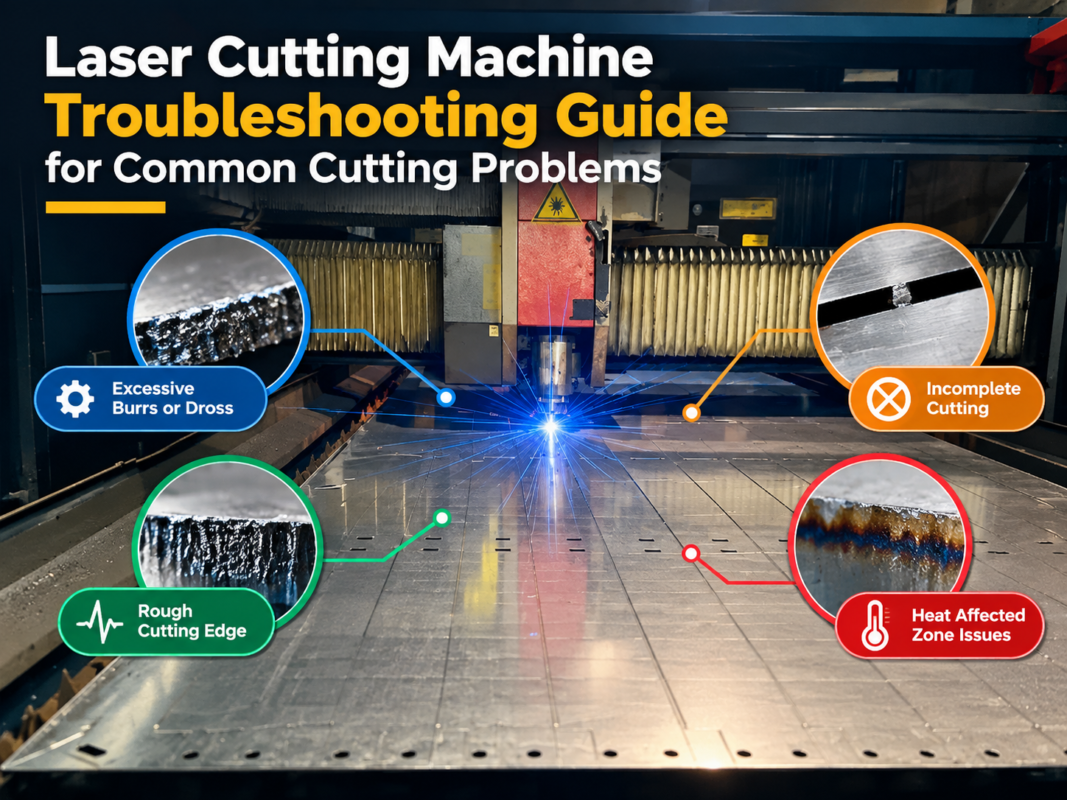
Dross typically forms on the underside of the workpiece. It is categorized into ‘hard dross’ and ‘soft dross.’ Hard dross is often the result of chemical reactions, such as oxidation when using oxygen as a cutting gas, making it difficult to remove. Soft dross, usually appearing as beads or droplets, is often easier to scrape off but still indicates an inefficient cutting process. Understanding the physics behind these formations is the first step toward elimination. The laser beam must provide enough energy to melt the material through its entire thickness, while the auxiliary gas must provide enough kinetic energy to clear the melt before it can re-solidify on the edges.
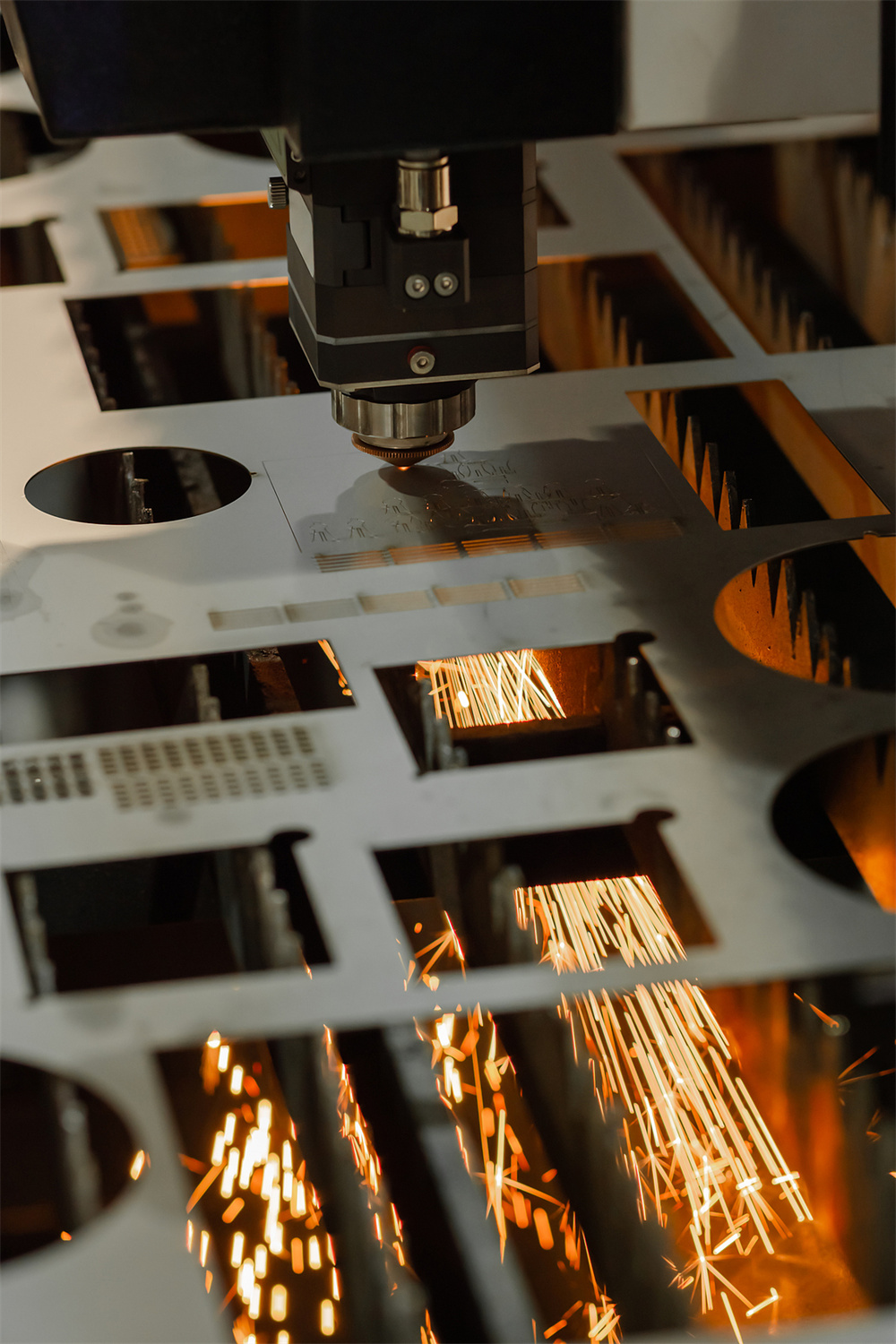
HARSLE fiber laser cutting machines are engineered to minimize these imperfections through superior beam stability and advanced gas control systems. However, even the best hardware requires precise parameter tuning. Factors such as material composition, thickness, and surface condition (like rust or oil) play significant roles in how dross forms. For instance, stainless steel has a higher viscosity when molten compared to carbon steel, requiring different gas pressures and focal positions to achieve a clean finish. This guide will delve into the technical nuances of these parameters to help you achieve dross-free results consistently.
Core Parameters Influencing Cut Quality
To effectively reduce burrs and dross on a laser cutting machine, one must master the interplay between five core parameters: laser power, cutting speed, focal position, gas pressure, and nozzle selection. Each of these variables acts as a lever; moving one often requires adjusting another to maintain the delicate balance of the ‘cutting window.’
1. Laser Power and Energy Density
Laser power determines the amount of thermal energy delivered to the material. If the power is too low, the laser cannot fully penetrate the plate, leading to incomplete cuts or heavy dross. Conversely, excessive power can cause ‘over-burning,’ where the kerf becomes too wide and the surrounding material absorbs too much heat, leading to a rough edge and slag formation. The goal is to achieve the highest energy density possible at the point of contact to ensure rapid melting with minimal heat-affected zones (HAZ).
2. Cutting Speed
Speed is perhaps the most critical factor for dross control. If the speed is too slow, the laser dwells too long on a single spot, causing excessive melting and a wide kerf. This results in ‘low-speed dross,’ which is thick and hard. If the speed is too fast, the laser doesn’t have enough time to melt the material completely, or the gas doesn’t have enough time to blow the melt out, resulting in ‘high-speed dross’ or ‘striation marks’ that slant backward. Finding the ‘sweet spot’ speed is essential for a smooth, burr-free edge.
3. Auxiliary Gas Type and Pressure
The auxiliary gas serves two purposes: it assists in the cutting process (either through an exothermic reaction with Oxygen or by providing an inert shield with Nitrogen) and mechanically blows the molten metal out of the kerf. Oxygen is typically used for carbon steel, where the oxidation reaction adds heat to the cut. Nitrogen is used for stainless steel and aluminum to prevent oxidation and provide a clean, shiny edge. If the gas pressure is too low, it won’t clear the melt; if it’s too high, it can cause turbulence that interferes with the beam and creates irregular burrs.
4. Focal Position
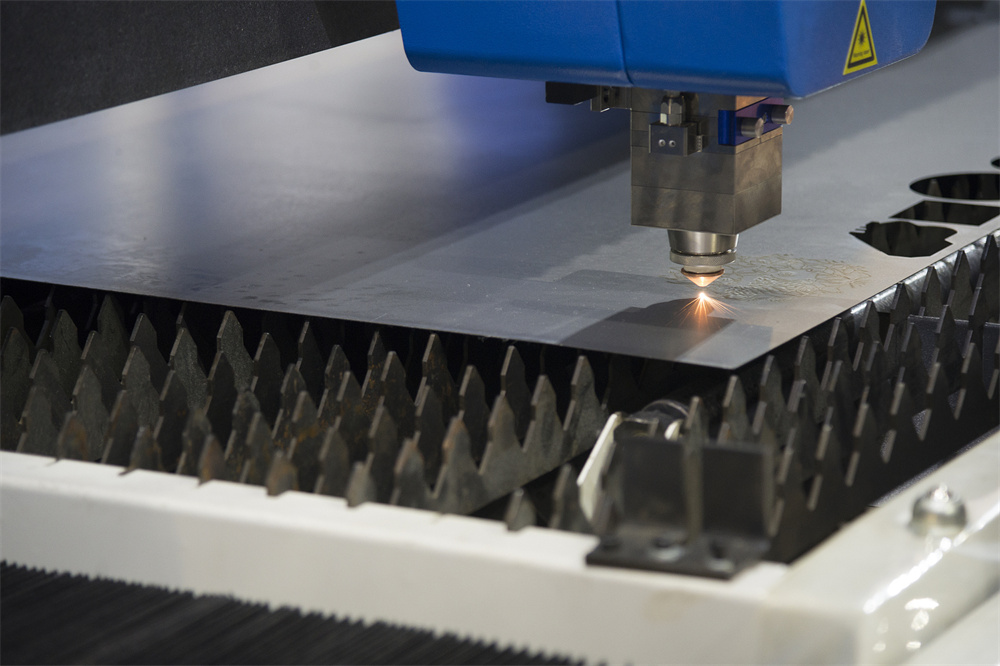
The focal position refers to where the narrowest part of the laser beam is located relative to the surface of the material. For thin materials, the focus is usually on or slightly above the surface. For thicker materials, especially when using Nitrogen for stainless steel, the focus is often buried deep within the plate (negative focus) to create a wider kerf at the bottom, allowing the gas to exit more effectively and carry the dross with it.
Calculation Method for Optimal Cutting
While many modern CNC systems come with pre-installed parameter libraries, understanding the underlying calculations can help in troubleshooting unique materials. A key concept is the Heat Input ($Q$), which can be simplified as the ratio of Power ($P$) to Speed ($v$):
$Q = P / v$
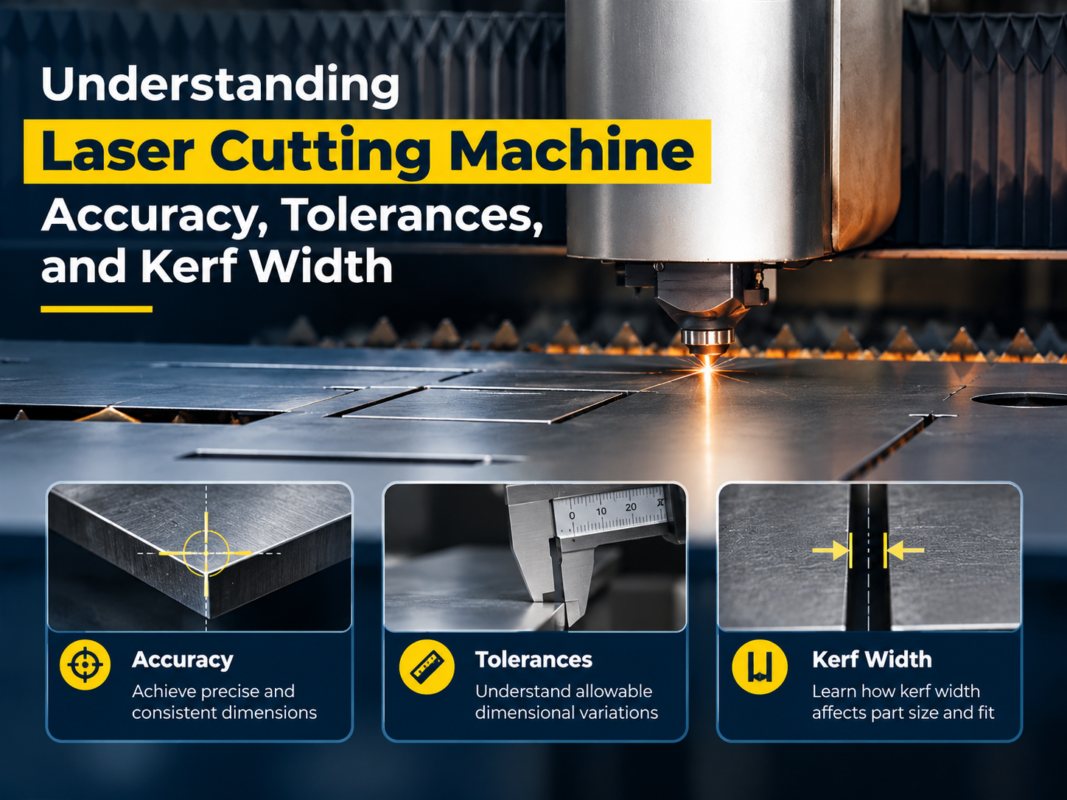
To reduce burrs and dross on a laser cutting machine, the Heat Input must be optimized for the specific material thickness ($t$). If $Q$ is too high, you get over-melting; if $Q$ is too low, you get dross. Engineers often use the ‘Kerf Width’ calculation to determine if the gas flow is sufficient. The kerf width ($W$) should ideally be slightly larger than the nozzle diameter ($d$) to ensure the gas stream can penetrate the cut without being restricted.
Another important calculation is the ‘Gas Flow Velocity.’ The velocity of the gas exiting the nozzle must reach supersonic levels in many high-power applications to effectively shear the molten metal from the solid walls. This is why nozzle distance (the gap between the nozzle and the workpiece) is kept very small (usually 0.5mm to 1.5mm). If the distance increases, the gas pressure drops exponentially, leading to immediate dross formation.
Parameter Table for Common Materials
The following table provides a baseline for adjusting parameters to reduce burrs and dross. Note that these are starting points and may vary based on the specific laser source (IPG, Raycus, etc.) and machine model.
| Material | Thickness (mm) | Gas Type | Pressure (Bar) | Focal Position (mm) | Speed (m/min) |
|---|---|---|---|---|---|
| Carbon Steel | 2.0 | Oxygen | 0.8 – 1.2 | 0 to +1.0 | 3.5 – 5.0 |
| Carbon Steel | 10.0 | Oxygen | 0.5 – 0.8 | +2.0 to +4.0 | 0.8 – 1.2 |
| Stainless Steel | 2.0 | Nitrogen | 12 – 16 | -1.0 to -2.0 | 15 – 25 |
| Stainless Steel | 6.0 | Nitrogen | 16 – 20 | -4.0 to -6.0 | 2.0 – 4.0 |
| Aluminum | 3.0 | Nitrogen/Air | 14 – 18 | -2.0 to -3.0 | 8.0 – 12.0 |
Common Engineering Mistakes and Solutions
Even with the right parameters, certain common mistakes can lead to poor cut quality. Identifying these early can save hours of wasted material and machine time.
- Worn or Dirty Nozzles: A nozzle with a slight nick or a buildup of spatters will distort the gas flow. This turbulence prevents the gas from blowing straight through the kerf, causing dross to accumulate on one side of the cut. Always inspect and clean nozzles regularly.
- Incorrect Nozzle Centering: If the laser beam is not perfectly centered in the nozzle orifice, the gas flow will be asymmetrical. This results in one side of the part being clean while the other side has heavy burrs. Use the ‘tape test’ to ensure the beam is perfectly centered.
- Contaminated Protective Lens: A dirty lens absorbs laser energy, causing ‘thermal lensing.’ This shifts the focal point during the cut, meaning a job that starts clean might end with heavy dross as the lens heats up.
- Poor Material Quality: Rust, scale, or high carbon content in lower-grade steels can cause unpredictable reactions during the cutting process. Using ‘laser-grade’ steel with a consistent surface finish is often the easiest way to reduce burrs.
- Inconsistent Gas Purity: For stainless steel, Nitrogen purity should be at least 99.99%. Any oxygen contamination will cause a dark, oxidized edge with stubborn dross.
Selection Checklist for Dross-Free Cutting
When setting up a new job or purchasing a new machine, use this checklist to ensure you are equipped to reduce burrs and dross on a laser cutting machine effectively:
- Verify Material Type: Is it cold-rolled, hot-rolled, or galvanized? Each requires specific gas and speed adjustments.
- Check Nozzle Diameter: Ensure the nozzle size matches the material thickness. A 1.5mm nozzle is standard for thin sheets, while 3.0mm or larger may be needed for thick plates.
- Confirm Gas Supply: Do you have enough pressure and volume? High-power Nitrogen cutting requires high-flow piping and large tank capacities.
- Inspect Optics: Are the collimator and focusing lenses clean? Is the protective window free of spots?
- Calibrate Height Sensor: The distance between the nozzle and the plate must remain constant. Calibrate the capacitive height sensor before every major shift.
- Test Cut: Always perform a small test cut (a square or circle) and inspect the bottom edge before proceeding with a full production run.
- Check Beam Alignment: Ensure the laser is hitting the center of the nozzle.
- Optimize Lead-ins: Ensure the lead-in path is long enough for the gas pressure and laser power to stabilize before hitting the part geometry.
Frequently Asked Questions (FAQ)
Why do I get dross only on corners?
This is usually due to the machine slowing down to navigate the corner. As the speed decreases, the heat input ($Q$) increases, causing over-melting. To fix this, use ‘Power Ramping’ or ‘Corner Control’ features in your CNC software to reduce power as the machine slows down.
Can I use compressed air to reduce dross?
Yes, compressed air can be used for thin materials (usually under 3mm). However, it contains oxygen, so the edge will be slightly oxidized. To minimize dross with air, you need a high-pressure compressor (at least 15-20 Bar) and a very effective filtration system to remove oil and moisture.
What is the difference between ‘hard’ and ‘soft’ dross?
Hard dross is chemically bonded to the metal (often an oxide) and requires grinding to remove. It usually indicates too much heat or insufficient gas pressure. Soft dross is just re-solidified metal that didn’t blow away; it can often be removed with a finger or a light scraper and usually indicates the cutting speed was slightly too high.
How does the nozzle-to-plate distance affect burrs?
The closer the nozzle is to the plate, the more concentrated the gas pressure is within the kerf. If the distance is too large, the gas disperses before it can push the molten metal out, leading to heavy burrs. Most precision cutting is done at a distance of 0.5mm to 1.0mm.
Does the laser source brand affect dross?
While the brand (HARSLE uses top-tier sources) matters for reliability, the *type* of laser (Fiber vs. CO2) and the beam quality ($M^2$ factor) are more important. Fiber lasers have a smaller spot size, which creates a narrower kerf, requiring higher gas pressures to clear the dross compared to the wider kerf of a CO2 laser.
How can I tell if my cutting speed is too fast or too slow?
Look at the ‘drag lines’ or striations on the cut edge. If they are vertical, the speed is perfect. If they slant backward (away from the direction of travel), you are going too fast. If the edge is melted and rounded with heavy beads at the bottom, you are going too slow.