How to Maximize Productivity with a High-Speed Laser Cutting Machine


Technical Overview of High-Speed Laser Cutting Technology
In the modern era of metal fabrication, the ability to maximize productivity a high-speed laser cutting machine is the primary differentiator between a profitable workshop and one that struggles with overhead. High-speed laser cutting, primarily driven by fiber laser technology, has revolutionized the industry by offering unprecedented feed rates and acceleration. Unlike traditional CO2 lasers, fiber lasers utilize a solid-state gain medium, which results in a shorter wavelength (typically around 1.06 microns). This shorter wavelength allows for better absorption in metals, particularly reflective materials like aluminum, brass, and copper, leading to significantly higher cutting speeds in thin to medium-gauge materials.
The core of a high-speed system lies not just in the laser source, but in the synergy between the CNC controller, the drive system, and the cutting head. To truly maximize productivity a high-speed laser cutting machine, one must understand the role of linear motors and high-acceleration gantries. Standard machines might offer accelerations of 0.5G to 1.0G, whereas high-speed variants from HARSLE can reach 2.0G or even 3.0G. This acceleration is critical because, in complex geometries with many short segments and corners, the machine rarely reaches its maximum programmed feed rate. High acceleration ensures the machine spends more time at the target speed and less time ramping up or slowing down.
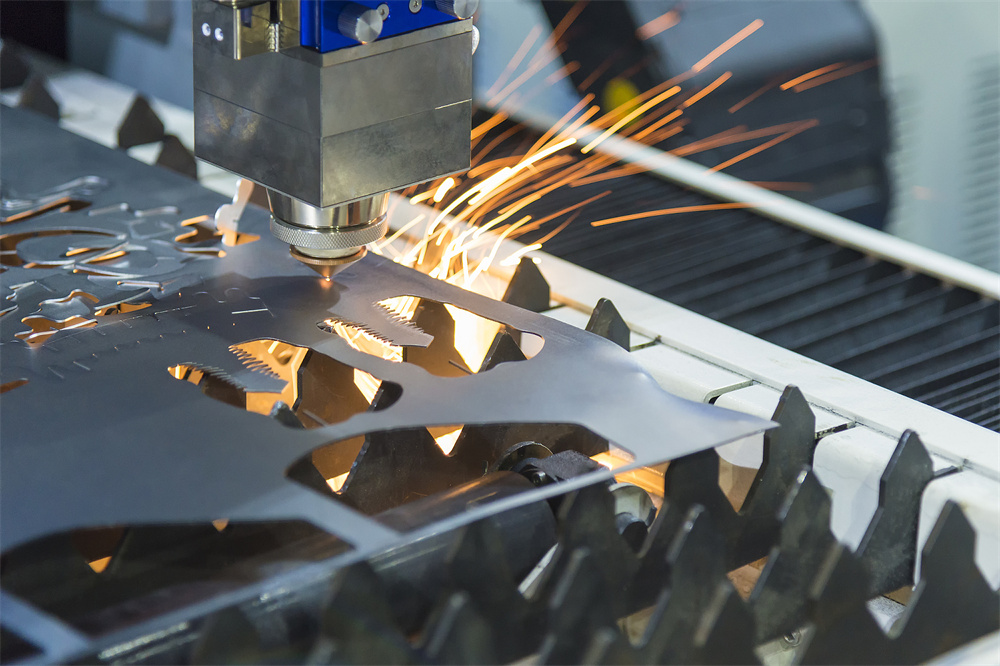
Furthermore, the optical path in a high-speed fiber laser is entirely enclosed in a fiber optic cable, eliminating the need for the complex mirror alignments required by CO2 systems. This reduces maintenance downtime and increases the reliability of the beam delivery. When we talk about maximizing productivity, we are looking at the ‘Beam-On’ time. High-speed machines are designed to minimize non-productive movements, such as the ‘leapfrog’ motion between cuts, where the head lifts and moves to the next start point at rapid speeds. Advanced CNC algorithms now optimize these paths to ensure the shortest possible travel time.
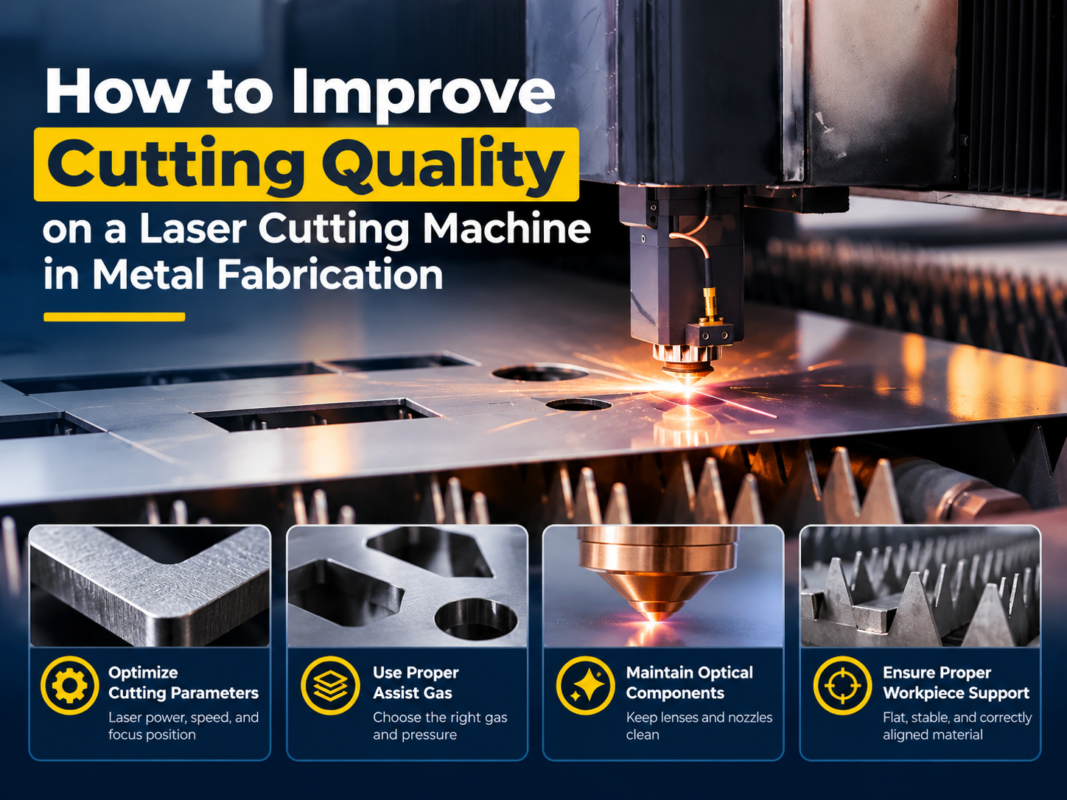
Finally, the integration of intelligent sensor technology in the cutting head allows for real-time monitoring of the cutting process. Features like automatic nozzle cleaning, nozzle centering, and focus adjustment are essential for maintaining high speeds without sacrificing quality. If the machine has to stop every ten minutes for manual intervention, the high-speed capability is wasted. Therefore, a holistic technical approach that combines raw power with intelligent automation is the foundation of high-productivity laser cutting.
Core Parameters for High-Speed Optimization
To maximize productivity a high-speed laser cutting machine, operators must master several core parameters. The first and most obvious is Laser Power. While higher power generally allows for faster cutting, it is not a linear relationship across all thicknesses. For thin sheets (under 3mm), a 3kW or 6kW laser might already be reaching the mechanical limits of the machine’s gantry. However, for thicker materials, increasing power from 6kW to 12kW or 20kW can double or triple the productivity by allowing the use of nitrogen as a shielding gas instead of oxygen, which is significantly faster.
Acceleration and Jerk Control are the second set of critical parameters. Acceleration determines how quickly the machine reaches its cutting speed, while ‘jerk’ refers to the rate of change of acceleration. High jerk settings allow for snappier movements but can induce vibrations that degrade cut quality. Balancing these settings within the CNC software is vital for maintaining a high ‘average’ speed across a complex nest of parts. HARSLE machines utilize advanced vibration damping and rigid frame designs to allow for higher jerk settings without compromising the precision of the cut.
Gas Pressure and Type play a massive role in speed. Nitrogen is typically used for high-speed ‘fusion cutting,’ where the laser melts the metal and the high-pressure gas blows it out of the kerf. This process is much faster than ‘flame cutting’ with oxygen, which relies on a chemical reaction between the oxygen and the iron. However, nitrogen cutting requires significantly more pressure (often 15-20 bar) and higher laser power. Compressed air is also becoming a popular, cost-effective alternative for high-speed cutting of thin-gauge steel and aluminum, offering a middle ground between speed and operating cost.
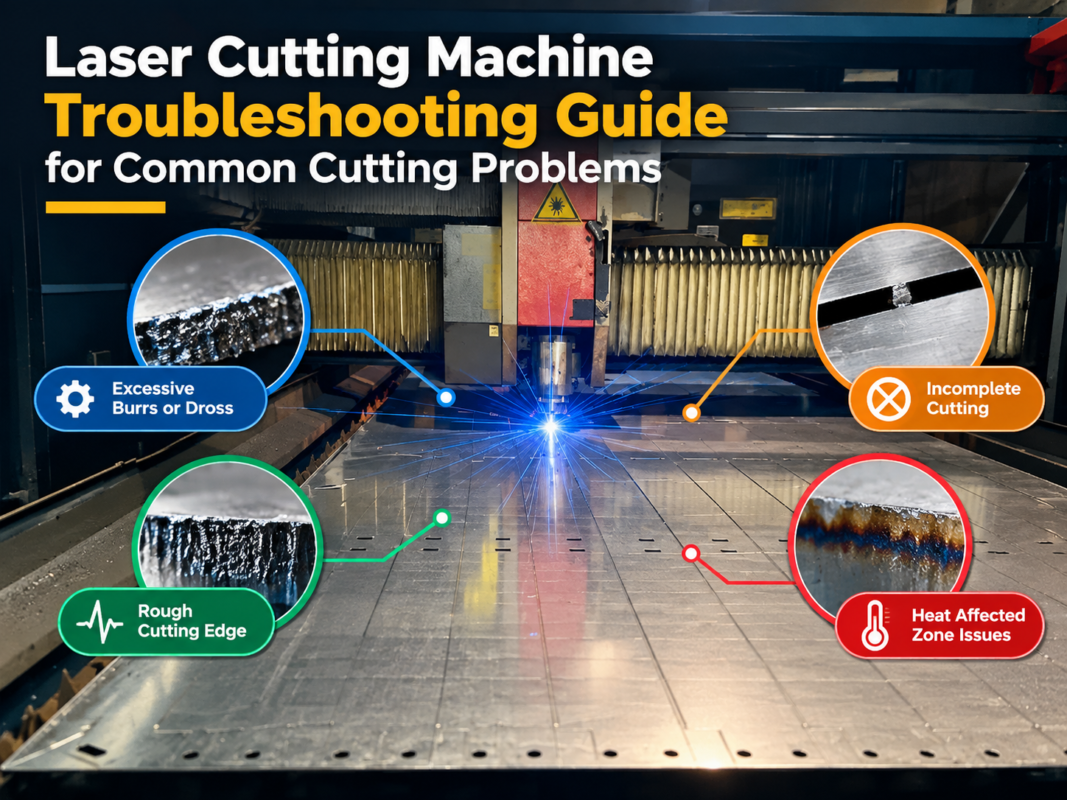
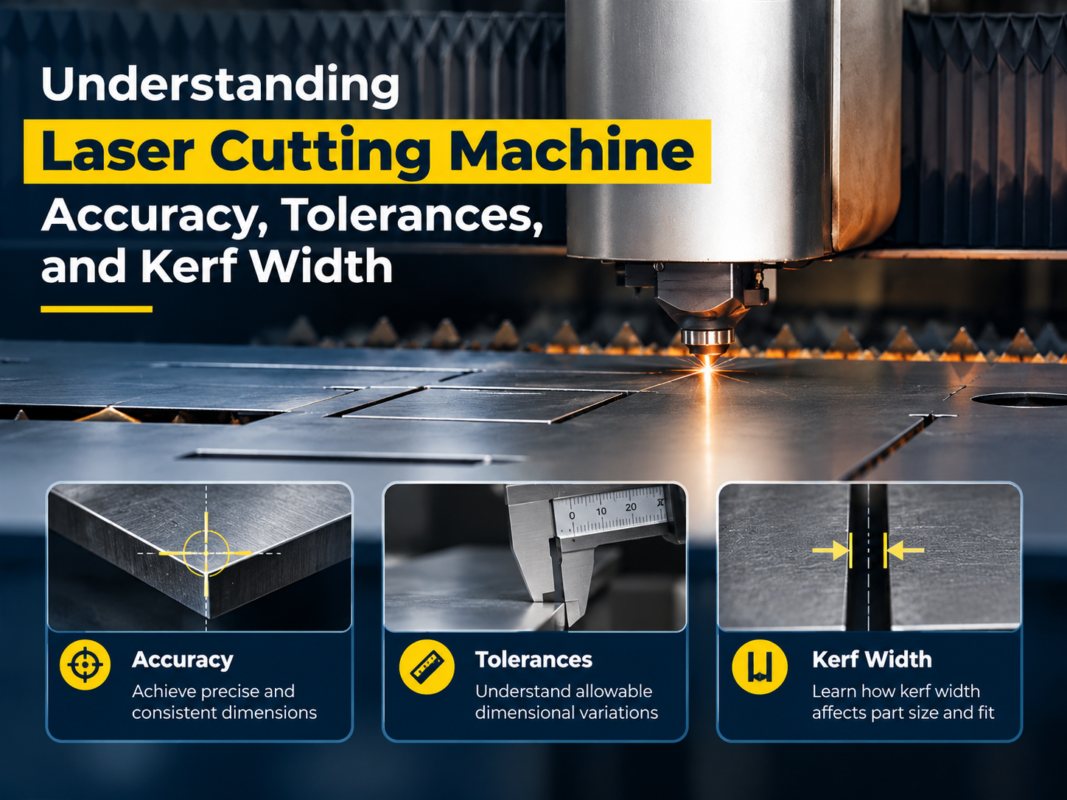
Focal Position and Nozzle Diameter are the final pieces of the puzzle. In high-speed cutting, the focus is often set slightly below the surface of the material to ensure a wider kerf that allows the gas to eject the molten metal efficiently. A larger nozzle diameter can deliver more gas volume, which is necessary when the head is moving at 60-100 meters per minute. If the gas cannot clear the melt fast enough, the machine will produce dross (slag), forcing the operator to slow down the machine and defeating the purpose of a high-speed system.
Calculation Method for Cutting Efficiency
Quantifying productivity is essential for ROI analysis. To calculate the theoretical productivity of a laser cutting machine, we use the Cycle Time Formula. The total time for a sheet (T_total) is the sum of the cutting time (T_cut), the rapid movement time (T_rapid), and the piercing time (T_pierce).
T_total = Σ(Length_i / Speed_i) + Σ(Distance_j / Rapid_Speed) + (Number_of_Pierces × Time_per_Pierce)
To maximize productivity a high-speed laser cutting machine, you must target each variable in this equation. For instance, high-power lasers allow for ‘Fly-Cutting’ or ‘Grid Cutting,’ where the laser stays on while moving between parts in a straight line, effectively reducing T_pierce and T_rapid to near zero for certain geometries. Another important metric is the Material Utilization Ratio. Using advanced nesting software to pack parts closer together reduces the total travel distance (ΣDistance_j) and saves on raw material costs.
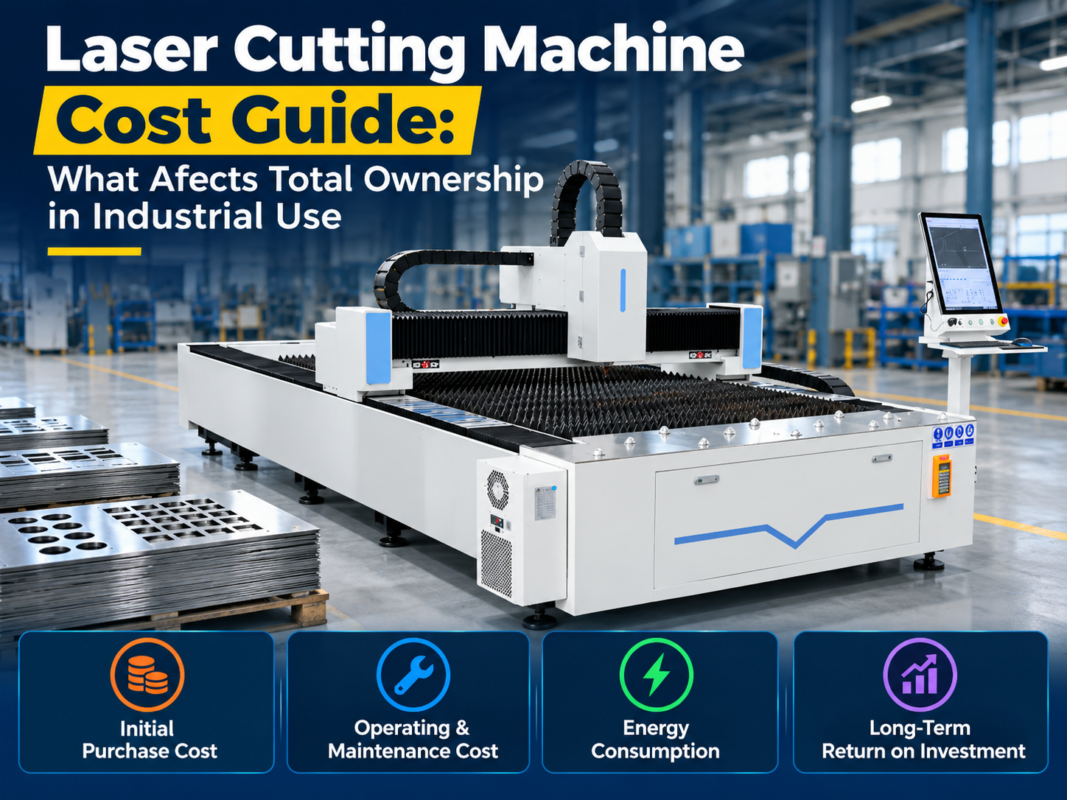
Another critical calculation is the Cost Per Part. This is calculated by taking the total hourly operating cost (including electricity, gas, labor, and machine depreciation) and dividing it by the number of parts produced per hour. In high-speed cutting, even though the hourly cost might be higher due to increased nitrogen and electricity consumption, the massive increase in parts per hour usually results in a significantly lower cost per part. For example, doubling the cutting speed might increase hourly costs by 20%, but it reduces the time per part by 50%, leading to a much higher profit margin.
High-Speed Laser Cutting Parameter Table
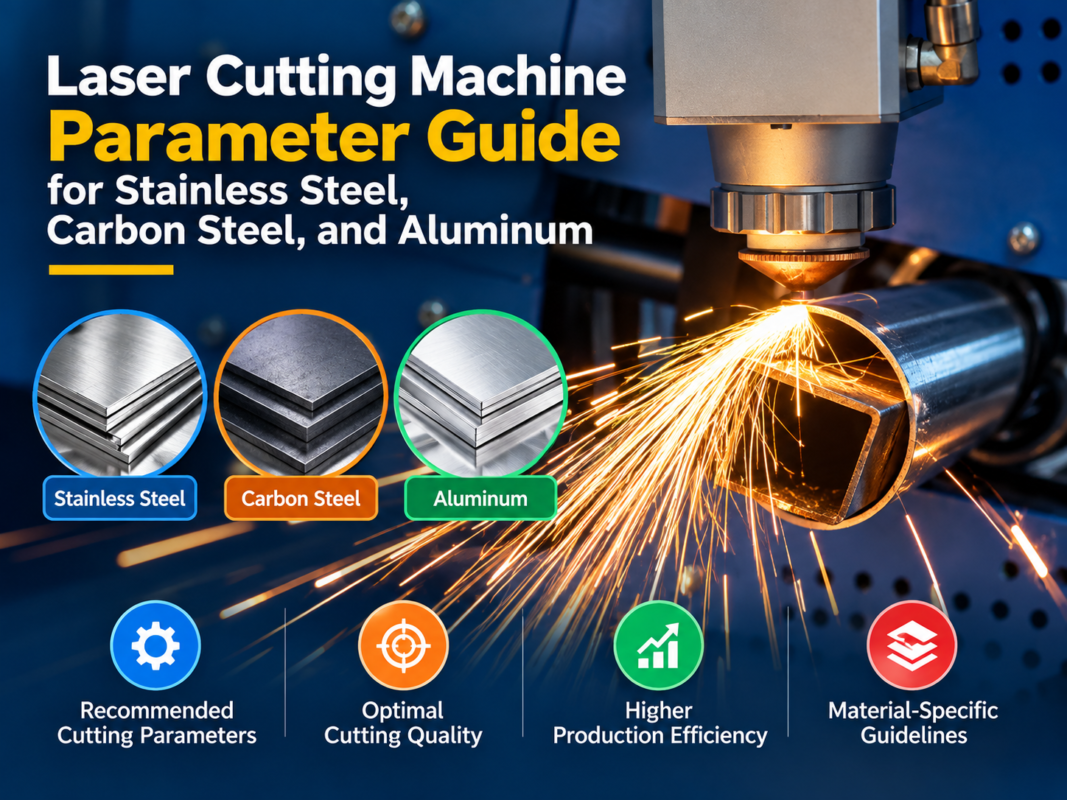
The following table provides a baseline for optimizing speeds across different materials using a 6kW Fiber Laser. Note that these values are indicative and may vary based on the specific machine model and gas purity.
| Material Type | Thickness (mm) | Cutting Speed (m/min) | Gas Type | Gas Pressure (Bar) | Nozzle Type |
|---|---|---|---|---|---|
| Carbon Steel | 1.0 | 60 – 80 | Nitrogen / Air | 16 – 18 | Double 1.5 |
| Carbon Steel | 5.0 | 6 – 8 | Oxygen | 0.5 – 0.8 | Double 2.0 |
| Carbon Steel | 10.0 | 2.5 – 3.5 | Oxygen | 0.4 – 0.6 | Double 3.0 |
| Stainless Steel | 1.0 | 70 – 90 | Nitrogen | 18 – 20 | Single 1.5 |
| Stainless Steel | 3.0 | 18 – 22 | Nitrogen | 18 – 20 | Single 2.0 |
| Stainless Steel | 6.0 | 5 – 7 | Nitrogen | 18 – 20 | Single 3.0 |
| Aluminum | 2.0 | 40 – 50 | Nitrogen | 16 – 18 | Single 2.0 |
| Aluminum | 5.0 | 12 – 15 | Nitrogen | 18 – 20 | Single 2.5 |
| Brass | 2.0 | 30 – 40 | Nitrogen | 18 – 20 | Single 1.5 |
Common Engineering Mistakes in High-Speed Cutting
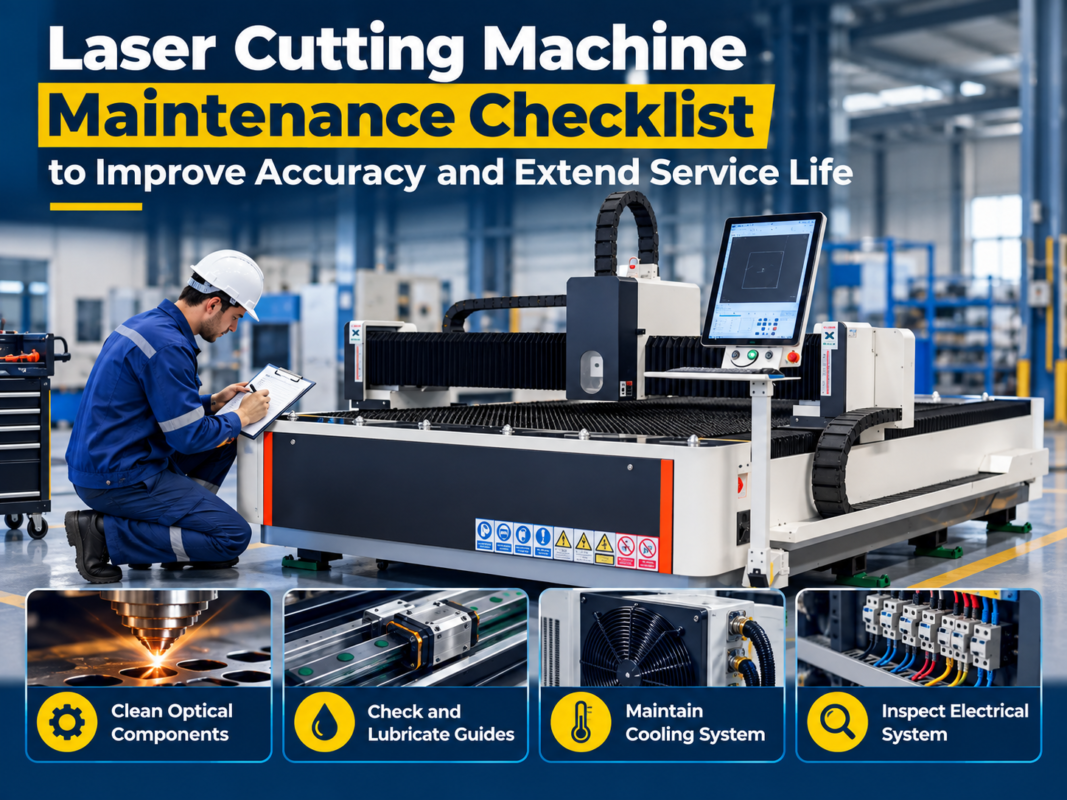
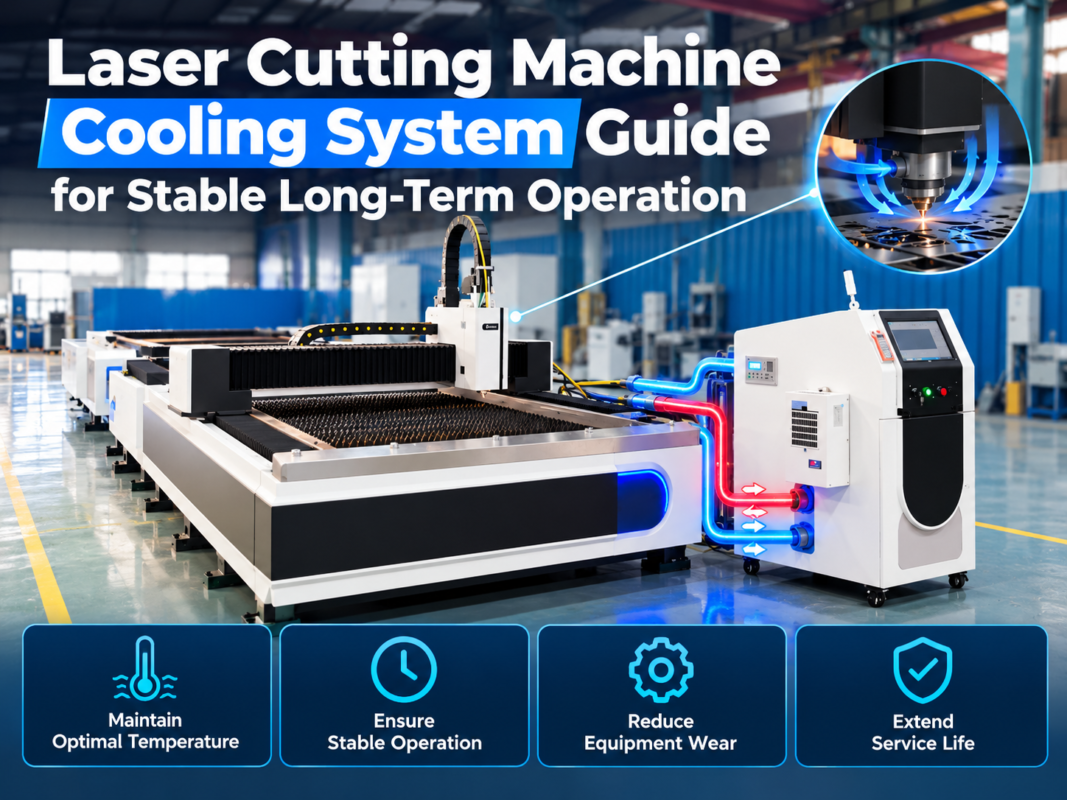
One of the most frequent mistakes when trying to maximize productivity a high-speed laser cutting machine is neglecting the importance of the cooling system. High-speed cutting generates significant heat, not just at the cutting point but within the laser source and the optics. If the chiller is undersized or poorly maintained, the laser’s power stability will fluctuate, leading to inconsistent cuts and forced downtime. Operators often forget to check the conductivity of the cooling water, which can lead to internal scaling and reduced cooling efficiency.
Another common error is improper piercing strategies. In high-speed cutting, the pierce is often the bottleneck. Using a ‘standard’ pierce on thin materials is a waste of time. Instead, ‘Blast Piercing’ or ‘On-the-fly Piercing’ should be used. Furthermore, if the pierce parameters are too aggressive, they can create a large crater or splash back molten metal onto the nozzle, causing a collision or damaging the protective window. This leads to unnecessary stops and part rejects.
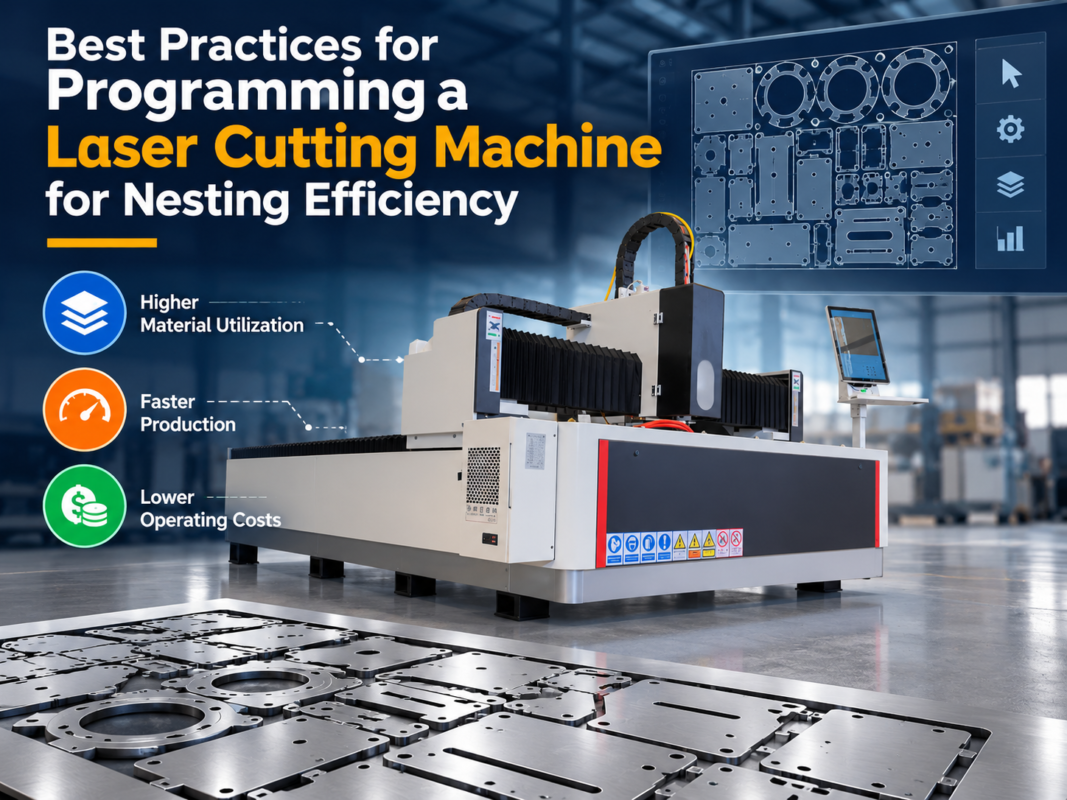
Poor Nesting and Lead-in Placement also significantly hinder productivity. Many engineers place lead-ins in a way that forces the machine to make sharp, unnecessary turns. For high-speed cutting, lead-ins should be smooth and tangential to the part geometry. Additionally, failing to use ‘Common Line Cutting’ (where two parts share a single cut line) results in redundant travel and increased gas consumption. If the nesting software is not configured to account for the machine’s specific acceleration capabilities, the resulting G-code will not be optimized for the hardware.
Finally, ignoring the condition of the slats (the copper or steel points that support the sheet) is a major mistake. In high-speed cutting, the head moves so fast that any tip-up of a small part can lead to a catastrophic collision. Slats that are heavily coated in slag increase the likelihood of parts tilting or sticking. Regular cleaning or replacement of slats, and the use of ‘micro-joints’ to keep small parts in place, are essential practices for maintaining a continuous, high-speed workflow.
Selection Checklist for High-Productivity Laser Machines
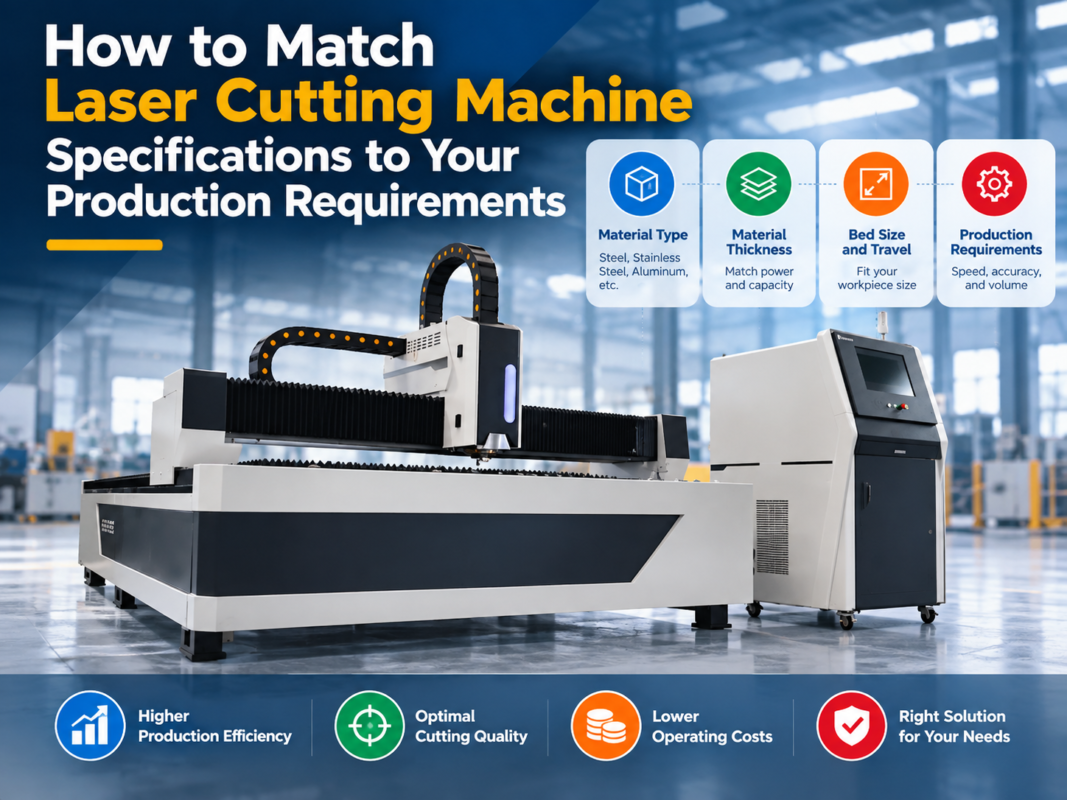
- Laser Power vs. Material Mix: Ensure the kW rating matches your most frequent material thickness. Don’t buy a 12kW machine if you only cut 1mm steel; the mechanical limits will bottleneck the power.
- Acceleration Ratings: Look for machines with at least 1.5G to 2.0G acceleration for high-speed applications. Check if the frame is cast or welded and stress-relieved to handle these forces.
- Control System Intelligence: Does the CNC support ‘Fly-Cutting,’ ‘Frog-Jump’ movements, and real-time power modulation? HARSLE systems include these as standard for maximum throughput.
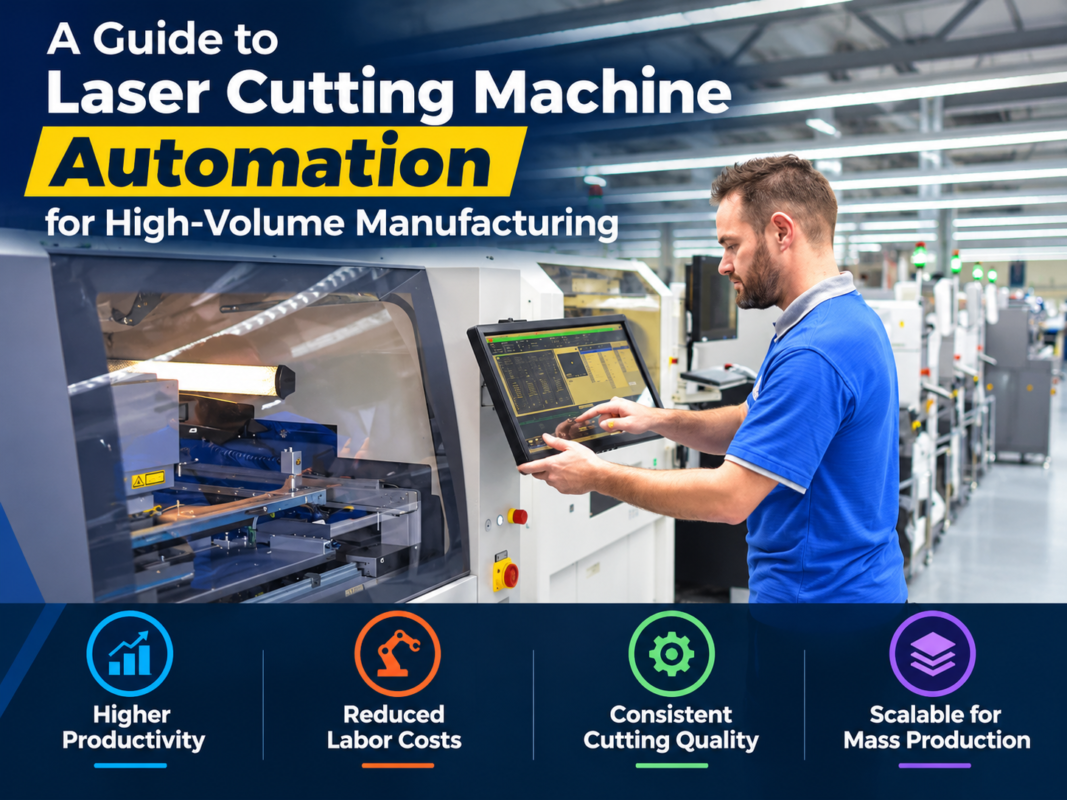
- Automation Compatibility: Can the machine be easily integrated with an automatic loading/unloading system or a tower? Manual loading is the biggest killer of high-speed productivity.
- Nozzle Changer and Cleaning: An automatic nozzle changer can save hours of labor per week and ensures the machine can run unattended through different material types.
- Gas Control Technology: Look for electronic proportional valves that can quickly switch and stabilize gas pressures, reducing the ‘dead time’ between pierces.
- After-Sales Technical Support: High-speed machines are complex. Ensure your supplier provides deep technical training on parameter optimization, not just basic operation.
Frequently Asked Questions (FAQ)
How does fiber laser speed compare to CO2 laser speed?
In thin materials (under 5mm), a fiber laser is typically 2 to 4 times faster than a CO2 laser of the same power. This is due to the higher absorption rate of the 1.06-micron wavelength in metals. As material thickness increases, the gap narrows, but fiber lasers still maintain an edge in efficiency and maintenance costs.
Is nitrogen always better than oxygen for high-speed cutting?
Nitrogen is faster for ‘fusion cutting’ because it doesn’t rely on a slow chemical reaction, but it requires much higher power and pressure. Oxygen is necessary for thick carbon steel where the exothermic reaction helps the laser melt the material. To maximize productivity a high-speed laser cutting machine, use nitrogen for everything under 6mm if your laser power allows it.
What is ‘Fly-Cutting’ and how does it help?
Fly-cutting is a technique where the laser head moves in a continuous straight line across a grid of parts, pulsing the laser on and off as it passes over the cut lines. This eliminates the need for the head to stop, pierce, and restart for every individual part, drastically reducing cycle times for perforated patterns or small parts.
How often should I calibrate my high-speed laser?
For high-speed operations, the focal position and nozzle centering should be checked daily. Most modern HARSLE machines have automated routines for this. A full calibration of the gantry squareness and motor tuning should be performed every 6 to 12 months to ensure the high acceleration doesn’t lead to mechanical drift.
Can I use compressed air for high-speed cutting?
Yes, compressed air is an excellent way to maximize productivity while lowering costs. It contains enough oxygen to speed up the process but enough nitrogen to provide a relatively clean edge. However, you need a high-quality filtration and drying system to ensure the air is free of oil and moisture, which would damage the laser optics.
Conclusion
To maximize productivity a high-speed laser cutting machine, one must look beyond the ‘maximum speed’ listed on a brochure. It requires a meticulous balance of high-performance hardware, intelligent software settings, and disciplined maintenance routines. By optimizing acceleration, mastering gas dynamics, and utilizing advanced cutting techniques like fly-cutting, fabricators can significantly reduce their cost per part and increase their market competitiveness. HARSLE continues to lead the way in providing the robust technology and technical expertise needed to turn these high-speed capabilities into bottom-line profits.