Laser Cutting Machine Cooling System Maintenance Explained: The Ultimate Industrial Guide

Introduction to Laser Cutting Machine Cooling Systems
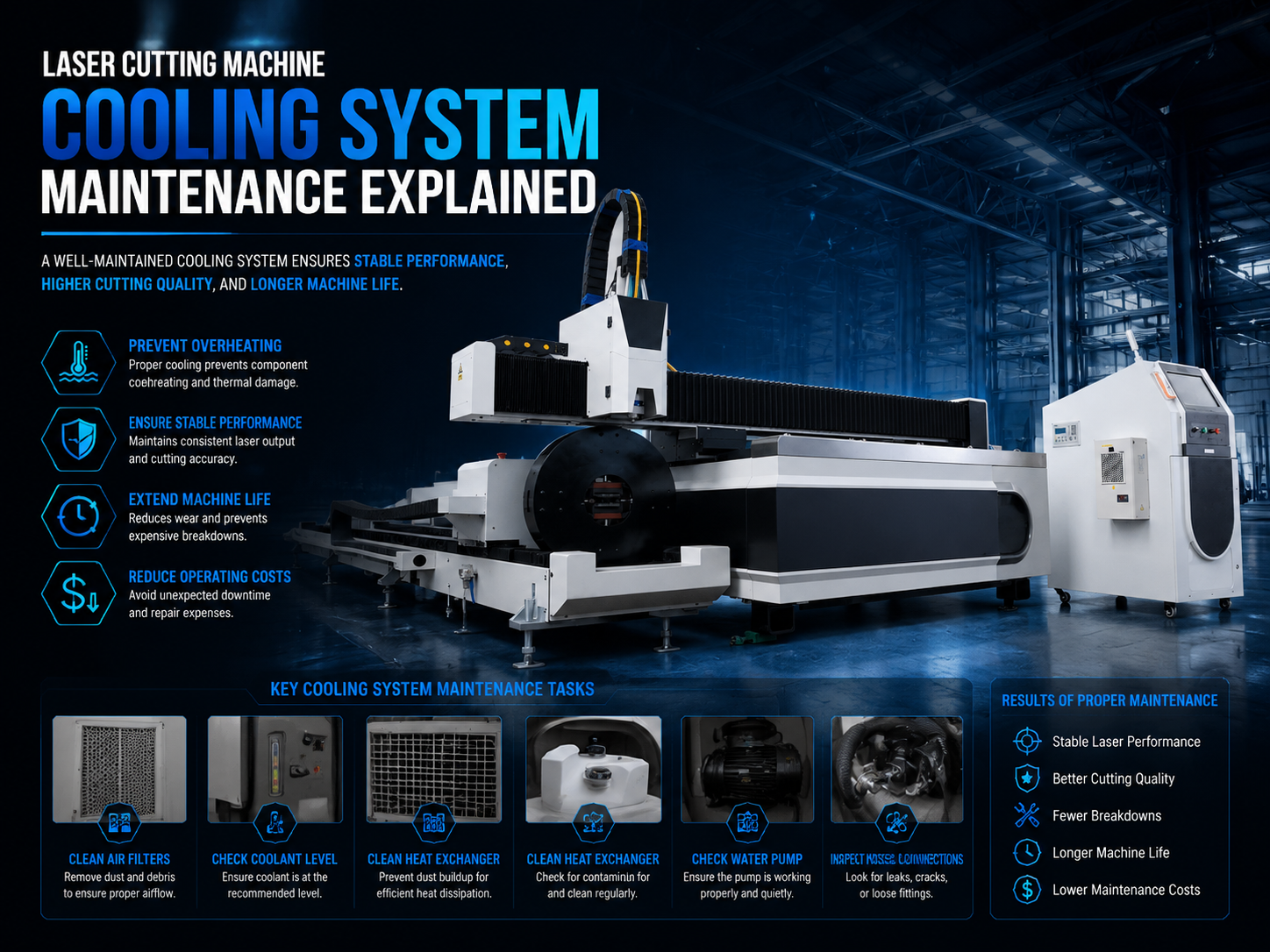
In the world of high-precision metal fabrication, the laser cutting machine stands as a pinnacle of engineering. However, the heart of this machine—the laser resonator—generates an immense amount of heat during the photon emission process. Without an efficient and well-maintained cooling system, even the most advanced fiber laser would succumb to thermal degradation within minutes. This article provides a comprehensive look at Laser Cutting Machine Cooling System Maintenance Explained, ensuring your equipment operates at peak efficiency for years to come.
The cooling system, often referred to as the industrial chiller, is not merely a peripheral component; it is a life-support system. It regulates the temperature of both the laser source and the cutting head, maintaining the delicate thermal balance required for consistent beam quality and dimensional accuracy. As we delve into the specifics of maintenance, it is important to understand that neglect in this area is the leading cause of expensive laser source failures and unplanned downtime in modern fabrication shops.
The Critical Importance of Cooling System Maintenance
Why is maintenance so vital? To understand this, one must understand the physics of a fiber laser. As electricity is converted into light, a significant portion of energy is lost as heat. If this heat is not dissipated, the refractive index of the laser medium changes, leading to ‘thermal lensing.’ This phenomenon distorts the laser beam, resulting in poor cut quality, increased dross, and eventually, permanent damage to the optical components.
Furthermore, the cooling system protects the electronic components within the laser power supply. High temperatures can lead to premature aging of capacitors and semiconductors. By adhering to a strict maintenance regimen, operators can extend the lifespan of their machine by thousands of hours. In the competitive landscape of metal fabrication, where margins are thin, the reliability provided by a well-maintained cooling system is a significant competitive advantage.
Impact on Beam Quality and Precision
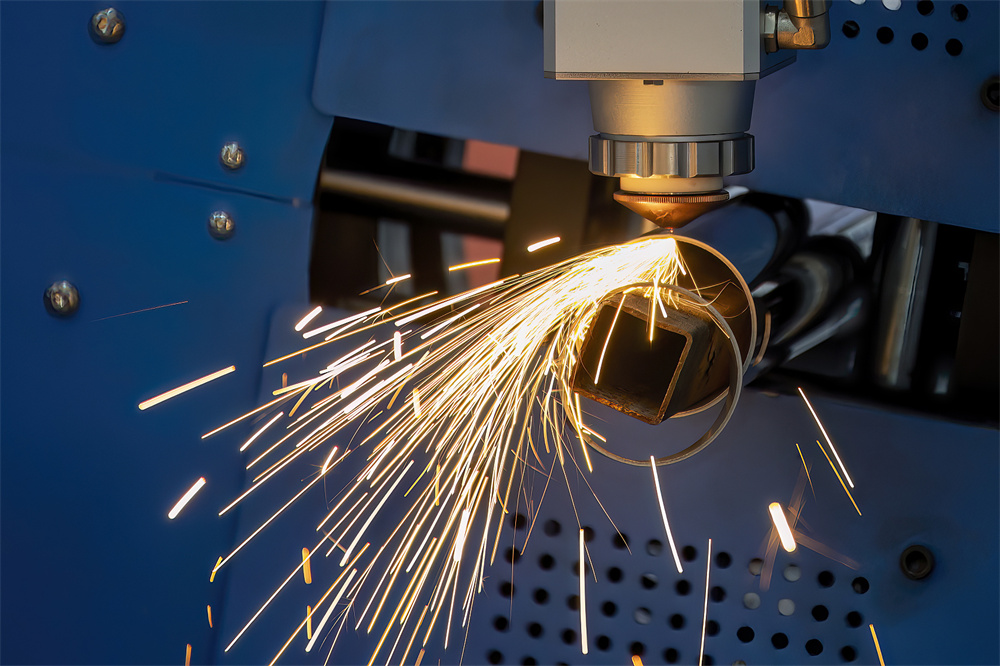
A fluctuating temperature in the cooling loop directly translates to fluctuations in the laser beam’s focal point. When the cooling system is clogged or inefficient, the temperature of the cutting head rises, causing the protective windows and lenses to expand slightly. This shift in focus can lead to inconsistent kerf widths and a failure to penetrate thicker materials. Regular maintenance ensures that the ‘dual-temperature’ control—one loop for the laser source and one for the optics—remains precise within ±0.1°C.
Daily Inspection Routine for Operators
Daily checks are the first line of defense against catastrophic failure. These inspections should be integrated into the machine’s start-up and shut-down procedures. The goal is to identify minor issues before they escalate into system-wide problems.
- Check Water Levels: Ensure the coolant reservoir is filled to the appropriate level. Low water levels can lead to cavitation in the pump, causing mechanical wear and reduced flow rates.
- Monitor Temperature Displays: Upon startup, observe the chiller’s digital display. It should reach the setpoint quickly and remain stable. Any significant deviation or rapid fluctuation is a red flag.
- Inspect for Leaks: Conduct a visual walk-around of the machine. Look for moisture around fittings, hoses, and the base of the chiller unit. Even a small drip can lead to air entering the system, which reduces cooling efficiency.
- Verify Alarm Status: Ensure that the chiller’s communication link with the CNC controller is active. If the chiller encounters a fault, it must be able to signal the laser to shut down immediately to prevent overheating.
By spending just five minutes a day on these checks, operators can prevent 90% of common cooling-related failures. It is also advisable to keep a daily log of temperature readings to identify long-term trends in system performance.
Hydraulic, Electrical, and Mechanical Checks
While the cooling system is primarily a fluid-based circuit, it relies heavily on mechanical and electrical subsystems. A holistic approach to Laser Cutting Machine Cooling System Maintenance Explained must include these three pillars.
Mechanical Integrity
The heart of the chiller is the compressor and the centrifugal pump. Mechanically, these components must be free of excessive vibration. Operators should listen for unusual grinding or humming noises, which may indicate bearing wear. Additionally, the condenser fins—similar to a car’s radiator—must be kept clean. Dust and metal shavings from the fabrication environment can clog these fins, drastically reducing the system’s ability to exhaust heat into the ambient air.
Electrical Systems
The electrical cabinet of the chiller contains contactors, relays, and the main controller. Over time, vibrations can loosen electrical connections, leading to arcing or intermittent power loss. Monthly inspections should involve checking the tightness of terminals and ensuring that the cooling fans for the electrical cabinet itself are functioning. It is also critical to check the current draw of the compressor; a spike in amperage often precedes a mechanical failure.
Hydraulic (Fluid) Circuit
The ‘hydraulic’ aspect of the cooling system refers to the flow of deionized water or specialized coolant. Over time, the internal piping can develop biofilm or scale if the water quality is not maintained. This restricts flow and reduces heat transfer efficiency. Checking the flow meter is essential; if the liters-per-minute (LPM) rate drops below the manufacturer’s specification, the system is likely experiencing a blockage or a failing pump impeller.
Lubrication Plan for Cooling Components
While many modern industrial chillers use sealed-for-life bearings, some high-capacity units require periodic lubrication of specific mechanical parts. A proper lubrication plan prevents friction-induced heat and mechanical seizure.
- Pump Bearings: If the pump is not a canned-motor type, check the grease ports. Use only the manufacturer-recommended high-speed bearing grease.
- Fan Motors: The large axial fans used to cool the condenser may have lubrication points. These operate in dusty environments and require attention every six months.
- Hinge and Panel Maintenance: While not part of the fluid circuit, lubricating the access panels and hinges of the chiller housing ensures that maintenance can be performed easily without forcing components.
Excessive lubrication can be just as damaging as under-lubrication, as it attracts dust and can lead to overheating. Always follow the specific milliliter requirements outlined in the HARSLE technical manual.
Troubleshooting Signals and Warning Signs
Understanding the ‘language’ of your cooling system can save your laser source. Modern chillers are equipped with various sensors that provide early warning signals.
- High-Temperature Alarm: This is the most common signal. It usually indicates a clogged condenser, low refrigerant levels, or an ambient room temperature that exceeds the chiller’s operating range.
- Low Flow Alarm: This suggests a blockage in the filters, a kinked hose, or a failing water pump. Never bypass this alarm, as the laser optics can heat up in seconds without flow.
- Water Quality Alarm: Many fiber laser chillers monitor the conductivity of the water. If the deionization (DI) resin is exhausted, the conductivity rises, increasing the risk of electrochemical corrosion within the laser source.
- Refrigerant Leakage: If the chiller runs constantly but fails to lower the water temperature, there may be a leak in the Freon circuit. This requires a certified HVAC technician to repair.
Comprehensive Maintenance Schedule Table
To ensure nothing is missed, follow this structured maintenance schedule designed for industrial laser environments.
| Frequency | Task Description | Component |
|---|---|---|
| Daily | Check water level and temperature setpoints | Reservoir / Controller |
| Weekly | Clean dust filters on the chiller air intake | Air Filters |
| Monthly | Inspect hoses for kinks, cracks, or leaks | External Piping |
| Quarterly | Replace the water filter cartridge | Water Filtration System |
| Semi-Annually | Change the cooling water and clean the tank | Coolant Reservoir |
| Semi-Annually | Replace Deionization (DI) resin beads | DI Filter Column |
| Annually | Professional HVAC inspection of refrigerant levels | Compressor Circuit |
| Annually | Tighten all electrical terminals | Control Cabinet |
Water Quality Standards and Antifreeze Usage
The quality of the water used in a laser cooling system is non-negotiable. Using standard tap water is a recipe for disaster, as the minerals will quickly form scale on the internal surfaces of the laser resonator. Most manufacturers require distilled or deionized water with a specific resistivity level.
In colder climates, the risk of water freezing inside the pipes during a weekend shutdown is a serious concern. Frozen water expands and can crack the laser’s internal cooling channels. In these cases, a specific percentage of inhibited ethylene glycol may be added. However, it is crucial to use only the brand recommended by the laser manufacturer, as some automotive-grade antifreezes contain silicates that can damage the system.
Environmental Considerations for Chiller Placement
The environment surrounding the machine plays a massive role in cooling efficiency. A chiller placed in a corner with poor airflow will recirculate its own hot exhaust, leading to a ‘heat soak’ condition. Ensure there is at least 1 meter of clearance around all air intakes and exhausts. Furthermore, in high-humidity environments, ‘sweating’ or condensation on the laser head can occur if the coolant temperature is set too low (below the dew point). Modern chillers often have an ‘intelligent mode’ that adjusts the water temperature based on ambient humidity to prevent this.
Frequently Asked Questions (FAQ)
1. Can I use regular tap water in my laser chiller?
No. Tap water contains minerals like calcium and magnesium that cause scale buildup. It also contains chlorine, which can corrode the copper and stainless steel components of the cooling loop. Always use distilled or deionized water as specified.
2. How often should I change the cooling water?
For most industrial environments, the water should be completely drained and replaced every 3 to 6 months. If the environment is particularly dusty or if the machine runs 24/7, quarterly changes are recommended.
3. Why is my chiller making a high-pitched whistling sound?
This is often a sign of a clogged filter or a restriction in the line causing the pump to work against high pressure. Check your filters and ensure all valves are fully open.
4. What should I do if the machine will be idle in freezing temperatures?
If the workshop is not heated, you must either keep the chiller running to circulate the water or drain the system completely and blow out the lines with compressed air. Alternatively, use the manufacturer-approved antifreeze mixture.
5. Does the cooling system affect the cutting speed?
Indirectly, yes. If the cooling system allows the optics to overheat, the beam quality degrades, which may force the operator to slow down the cutting speed to maintain a clean edge. A perfectly cooled system allows for maximum rated cutting speeds.
Conclusion
Maintaining the cooling system of a laser cutting machine is an investment in the machine’s longevity and the quality of your output. By following the guidelines in this Laser Cutting Machine Cooling System Maintenance Explained guide, you can minimize downtime, reduce repair costs, and ensure that your HARSLE equipment continues to deliver precision results. Remember, a cool laser is a happy laser, and a happy laser is a profitable one.