Common Laser Cutting Machine Problems Caused By Poor Maintenance: A Comprehensive Guide


The Critical Importance of Laser Cutting Machine Maintenance
In the high-stakes world of metal fabrication, the fiber laser cutting machine stands as the crown jewel of the production floor. Its ability to slice through thick carbon steel and delicate aluminum with micron-level precision is what allows modern manufacturers to meet tight deadlines and rigorous quality standards. However, this sophisticated piece of industrial machinery is not a ‘set it and forget it’ tool. The reality is that Common Laser Cutting Machine Problems Caused By Poor Maintenance are the leading contributors to unplanned downtime, expensive repair bills, and compromised product quality.
Neglecting maintenance doesn’t just lead to a sudden breakdown; it causes a slow, insidious decline in performance. A machine that isn’t cleaned or calibrated regularly will gradually lose its accuracy, consume more power, and wear out its expensive components—such as the laser source and the cutting head—much faster than intended. For a business, this translates to wasted material, lost labor hours, and a significant hit to the bottom line. Understanding the link between maintenance and machine health is the first step toward operational excellence.
Furthermore, safety is a paramount concern. Laser cutting involves high-voltage electricity, high-pressure gases, and intense thermal energy. Poor maintenance can lead to gas leaks, electrical shorts, or even fires within the dust collection system. By prioritizing a structured maintenance regimen, operators not only protect the equipment but also ensure a safe working environment for everyone on the shop floor. This guide explores the specific issues that arise from neglect and provides a roadmap for keeping your HARSLE laser cutting machine in peak condition.
Daily Inspection: The First Line of Defense
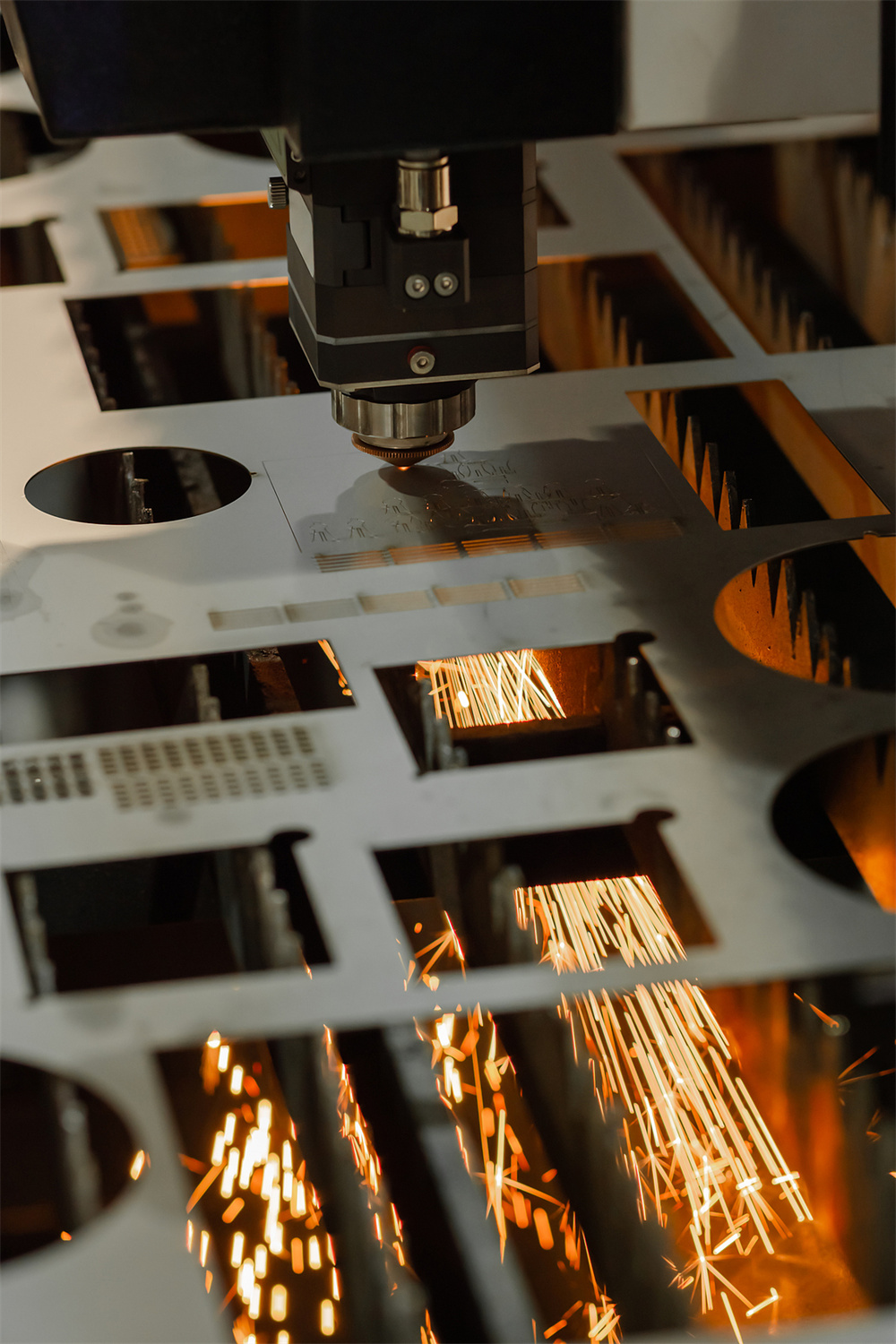
The most effective way to prevent Common Laser Cutting Machine Problems Caused By Poor Maintenance is through a rigorous daily inspection routine. This process should take no more than 15 to 20 minutes but can save hours of troubleshooting later in the day. The daily check focuses on the most vulnerable components: the optics, the cooling system, and the gas supply.
Start with the cutting head. The protective window (cover glass) is the most frequently replaced consumable. Even a tiny speck of dust on this lens can absorb laser energy, heat up, and eventually crack or ‘burn’ the lens, potentially damaging the internal optics of the cutting head. Operators must check the lens for cleanliness every morning and after every long shift. If any contamination is found, it must be cleaned using specialized optical wipes and high-purity IPA (Isopropyl Alcohol).
Next, inspect the water chiller. The chiller is responsible for maintaining the temperature of both the laser source and the cutting head. Check the water level and ensure there are no kinks in the hoses. If the water is cloudy or discolored, it indicates bacterial growth or contamination, which can clog the internal cooling channels of the laser source, leading to overheating and permanent damage. Additionally, check the gas pressures for Nitrogen, Oxygen, and Compressed Air. Inconsistent gas pressure often leads to poor edge quality and excessive dross.
Mechanical, Electrical, and Cooling System Checks
Mechanical Integrity and Motion Systems
The mechanical precision of a laser cutting machine relies on its gantry, rack and pinion system, and linear guides. Over time, the fine dust generated during the cutting process—especially when cutting galvanized steel or aluminum—settles on these components. If not cleaned, this dust mixes with the lubricant to create an abrasive paste. This paste grinds down the gear teeth and guide rails, leading to ‘backlash’ or jittery movement. When the gantry cannot move smoothly, the laser will produce jagged edges rather than smooth curves, a classic example of problems caused by poor maintenance.
Electrical Cabinet and Component Health
The electrical system is the brain of the machine. Industrial environments are often dusty and hot, which are the two greatest enemies of electrical components. Poor maintenance often involves failing to clean the filters on the electrical cabinet’s cooling fans. When these filters clog, the internal temperature of the cabinet rises, leading to the premature failure of servo drivers, PLCs, and the laser power supply. Furthermore, loose wiring connections caused by machine vibrations can lead to intermittent signals or ‘ghost’ alarms that are notoriously difficult to diagnose.
The Cooling System (Chiller) Deep Dive
While daily checks are important, the cooling system requires deeper periodic inspection. The condenser coils on the chiller act like a radiator; if they are coated in shop dust, the chiller cannot dissipate heat effectively. This causes the laser source to run hotter than its set point, which significantly reduces the lifespan of the laser diodes. A common problem is the failure to change the deionized water and the internal filters every 3-6 months. Neglecting this leads to mineral buildup and conductivity issues in the water, which can trigger emergency stop alarms and halt production.
The Lubrication Plan: Reducing Friction and Wear
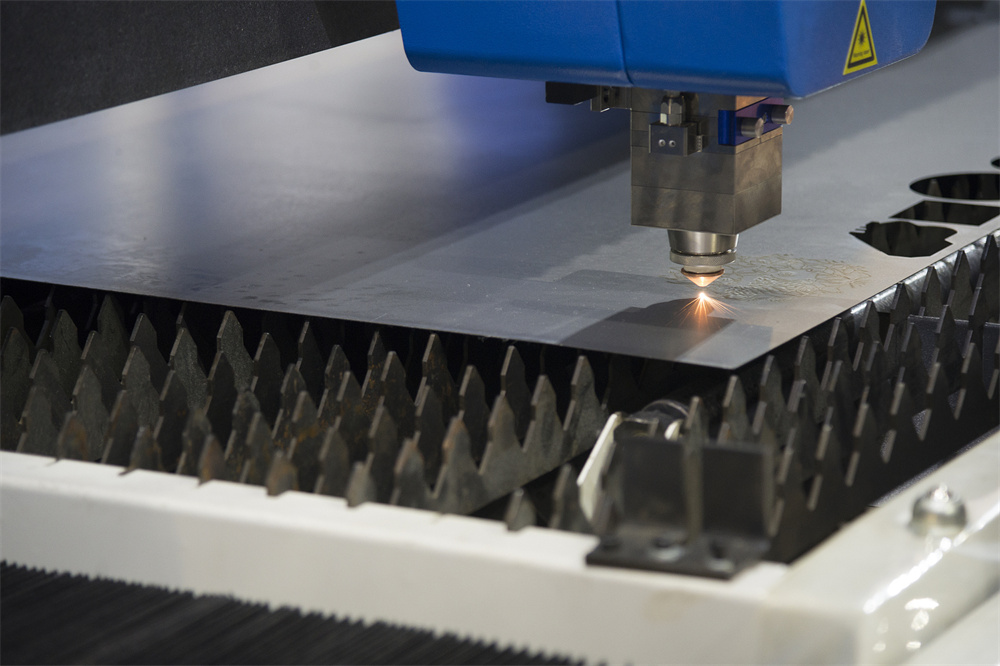
Lubrication is the lifeblood of the machine’s moving parts. A common mistake in many shops is either over-lubricating or using the wrong type of grease. Over-lubrication attracts more dust, while under-lubrication leads to metal-on-metal friction. A proper lubrication plan should be tailored to the machine’s usage intensity. For most HARSLE machines, the linear guides and ball screws require a high-quality lithium-based grease.
Modern fiber lasers often come equipped with automatic lubrication systems. However, ‘automatic’ does not mean ‘maintenance-free.’ Operators must regularly check the oil reservoir levels and ensure that the distribution lines are not blocked. If a single line to one side of the Y-axis is blocked, that side will experience more friction than the other, causing the gantry to become misaligned (out of square). This results in parts that are dimensionally inaccurate, where squares become parallelograms.
In addition to the rails, the rack and pinion system requires specific attention. These should be cleaned with a brush to remove old grease and debris before applying a fresh, thin layer of lubricant. This prevents the ‘clunking’ sounds often heard in neglected machines and ensures the high-speed acceleration that fiber lasers are known for remains crisp and accurate.
Troubleshooting Signals: What Your Machine is Telling You
A well-maintained machine ‘sounds’ and ‘looks’ a certain way. When maintenance is neglected, the machine will begin to send signals that something is wrong. Learning to interpret these signals can prevent a minor issue from turning into a catastrophic failure.
- Increased Dross and Burrs: If you notice a sudden increase in dross (hardened melt) on the bottom of your cuts, it usually points to a contaminated protective window, a worn nozzle, or an improperly centered laser beam. These are all maintenance-related issues.
- Inconsistent Cut Quality Across the Bed: If the machine cuts perfectly in the top-left corner but struggles in the bottom-right, the bed may be unlevel, or the guide rails may be dirty/worn in specific sections.
- Abnormal Noise During High-Speed Travel: High-pitched squealing or grinding noises usually indicate a lack of lubrication or a bearing that is beginning to fail due to dust ingress.
- Frequent ‘Laser Source Temperature High’ Alarms: This is a direct signal that the chiller is underperforming, likely due to dirty filters or low coolant levels.
- Burning of the Nozzle: If the nozzle is frequently getting burnt or ‘hit’ by the laser, it indicates that the internal optics are misaligned or the height sensor is not calibrated correctly.
Maintenance Schedule Table
To avoid Common Laser Cutting Machine Problems Caused By Poor Maintenance, follow this structured schedule. Adjust the frequency based on whether you run single, double, or triple shifts.
| Frequency | Component | Action Required |
|---|---|---|
| Daily | Cutting Head | Check and clean protective window; check nozzle condition. |
| Daily | Chiller | Check water levels and temperature settings; inspect for leaks. |
| Daily | Gas Supply | Check gas pressures and cylinder levels; drain air compressor tank. |
| Weekly | Machine Bed | Remove scrap and dust from the slats and the internal drawers. |
| Weekly | X/Y/Z Axes | Wipe down guide rails and check for debris; check lubrication levels. |
| Monthly | Electrical Cabinet | Clean or replace air filters; vacuum out dust (with power off). |
| Monthly | Exhaust System | Clean the dust collector filters and check ducting for blockages. |
| Quarterly | Chiller Deep Clean | Replace deionized water and water filters; clean condenser coils. |
| Quarterly | Mechanical Check | Check belt tension and tighten any loose bolts on the gantry. |
| Annually | Professional Service | Full optical alignment check and laser source power calibration. |
Frequently Asked Questions (FAQ)
1. Why is my laser cutting machine losing power over time?
Power loss is rarely a fault of the laser source itself in the first few years. It is almost always caused by dirty optics. Dust on the protective window, the collimating lens, or the focusing lens absorbs the laser energy, preventing it from reaching the workpiece. Regular cleaning is the solution.
2. How often should I change the water in my chiller?
For most industrial environments, the water should be changed every 3 to 6 months. Always use distilled or deionized water as recommended by HARSLE. Using tap water will lead to scale buildup, which acts as an insulator and prevents effective cooling, eventually damaging the laser source.
3. Can I use any grease for the linear guides?
No. You should use the specific grade of lithium grease recommended in your machine manual. Using the wrong grease (like heavy automotive grease) can be too viscous, causing the motors to work harder and potentially leading to ‘drag’ errors in the CNC system.
4. What happens if I don’t clean the dust collector?
A clogged dust collector reduces the suction at the cutting point. This allows metallic dust to settle on the machine’s precision components and, more dangerously, increases the risk of a fire. Metallic dust, especially from aluminum, can be highly flammable under the right conditions.
5. Why are my cuts suddenly coming out with a slant?
A slanted cut (non-perpendicular) is usually a sign that the laser beam is not centered in the nozzle. This can happen if the cutting head has had a minor collision or if the nozzle is deformed. Regular ‘tape tests’ to check beam centering are a vital part of maintenance.
Conclusion: Investing in Longevity
The Common Laser Cutting Machine Problems Caused By Poor Maintenance are entirely preventable. By treating your laser cutting machine as a precision instrument rather than a piece of heavy hardware, you ensure that it remains a reliable asset for years to come. A disciplined approach to daily, weekly, and monthly checks will not only improve your cut quality but also maximize your return on investment. Remember, the cost of a few minutes of cleaning and a few drops of oil is nothing compared to the cost of a week of lost production. Keep your HARSLE machine clean, lubricated, and cool, and it will continue to deliver the high-performance results your business depends on.