How to Extend the Lifespan of a Laser Cutting Machine: The Ultimate Maintenance Guide


The Critical Importance of Laser Cutting Machine Maintenance
Investing in a high-quality fiber laser cutting machine is a significant milestone for any metal fabrication business. Whether you are operating a HARSLE high-power fiber laser or a precision entry-level model, the goal remains the same: maximizing productivity while minimizing downtime. To extend the lifespan of a laser cutting machine, one must move beyond reactive repairs and embrace a culture of proactive, preventative maintenance. A well-maintained machine doesn’t just last longer; it operates with higher precision, consumes less energy, and maintains a higher resale value over time.
The complexity of modern laser systems—comprising delicate optics, high-speed motion components, and sophisticated electronic control systems—means that even minor neglect can lead to catastrophic failures. For instance, a small amount of dust on a protective lens can lead to thermal lensing, which eventually destroys the cutting head. Similarly, neglecting the water chiller can lead to overheating of the laser source, the most expensive component of the machine. By following a structured maintenance protocol, operators can ensure that their equipment remains a reliable asset for decades rather than years.
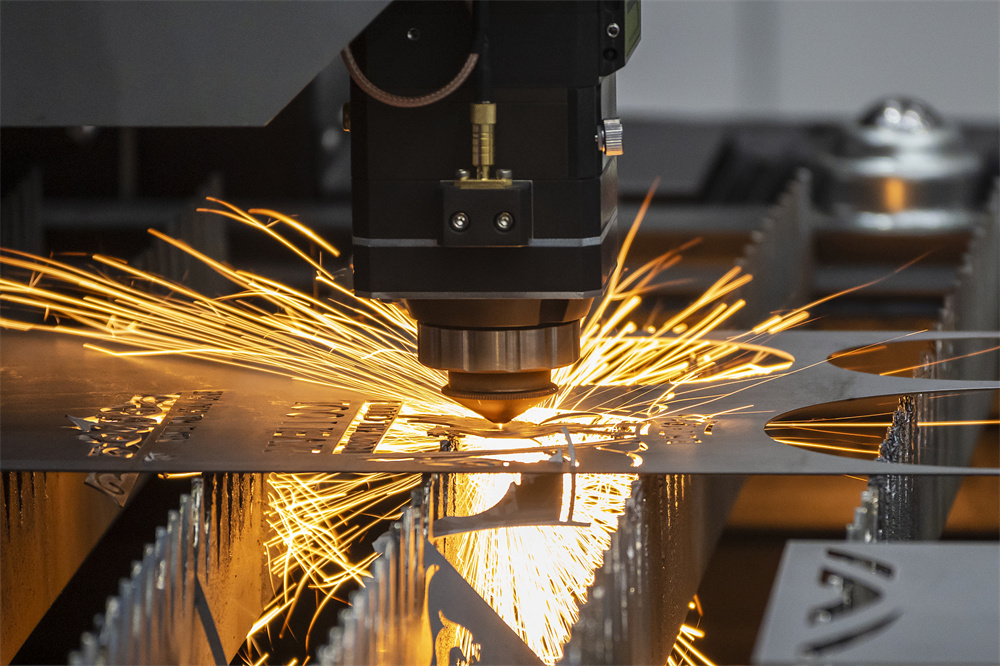
Furthermore, extending the lifespan of your machinery directly impacts your bottom line. The “Total Cost of Ownership” (TCO) is significantly reduced when emergency service calls and expensive replacement parts are avoided. In the competitive world of metal fabrication, a machine that is consistently “up” provides a massive advantage in meeting tight deadlines and maintaining high-quality standards. This guide provides a deep dive into the technical requirements and daily habits necessary to keep your laser cutting machine in peak condition.
Daily Inspection: The First Line of Defense
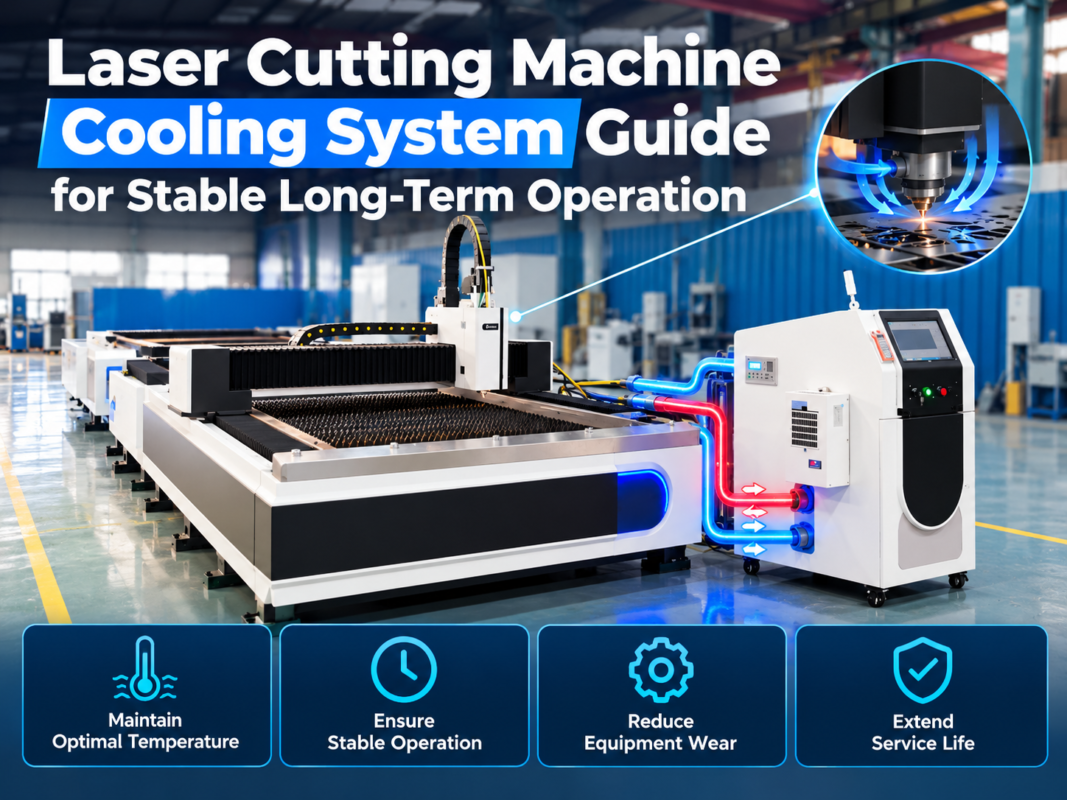
The daily inspection is perhaps the most vital step to extend the lifespan of a laser cutting machine. This routine should be performed at the start of every shift to identify potential issues before they escalate into mechanical failures. The first priority is the cooling system. Check the water level in the chiller and ensure there are no leaks in the hoses. The water temperature should be within the manufacturer’s specified range; if the water is too cold, condensation can form on the optics, and if it is too hot, the laser source may shut down or suffer internal damage.
Next, focus on the gas supply. Whether you are using Oxygen, Nitrogen, or Compressed Air, ensure that the pressures are stable and that the gas purity meets the requirements. Contaminated gas can introduce moisture or oil into the cutting head, which will quickly degrade the focus lens and the protective window. Operators should also inspect the nozzle for any slag buildup or physical damage. A deformed nozzle affects the coaxiality of the laser beam and the gas flow, leading to poor cut quality and increased stress on the machine’s motion system.
Finally, the cleanliness of the machine bed and the surrounding environment cannot be overstated. Metal dust and sparks generated during the cutting process are abrasive. If allowed to accumulate on the guide rails or the rack and pinion system, they act like sandpaper, grinding down the precision surfaces. A quick wipe-down of the visible mechanical parts and clearing out the slag collection drawers should be a mandatory part of the daily closing procedure. These small habits collectively ensure that the machine starts every day in optimal condition.
Deep Dive: Hydraulic, Electrical, and Mechanical Checks
Electrical System Integrity
The electrical cabinet is the brain of the laser cutting machine. Over time, the cooling fans in the cabinet can pull in fine metallic dust, which is conductive. If this dust settles on circuit boards or high-voltage components, it can cause short circuits or erratic behavior in the CNC system. To extend the lifespan of a laser cutting machine, the electrical cabinet should be vacuumed (never blown with compressed air, which pushes dust deeper) at least once a month. Ensure that all wire connections are tight, as vibrations from the machine’s movement can loosen terminals over time, leading to arcing or signal loss.
Mechanical Alignment and Wear
The mechanical structure of a laser cutting machine, particularly the gantry and the drive system, must maintain sub-millimeter precision. Check the tension of the belts (if applicable) and the alignment of the rack and pinion. If the gantry becomes slightly misaligned, the motors will have to work harder to overcome the resistance, leading to premature motor failure and increased wear on the bearings. Periodically check the level of the machine frame. Over time, factory floors can settle, causing the machine bed to twist slightly, which compromises cutting accuracy across the entire work area.
The Cooling and Hydraulic Systems
While fiber lasers are primarily electric, many auxiliary systems like pallet changers or heavy-duty sheet loaders may use hydraulic components. Check hydraulic fluid levels and look for signs of aeration or contamination. In the cooling system, the use of deionized water is often required to prevent mineral buildup inside the laser source’s narrow cooling channels. Replace the water and the filters according to the manufacturer’s schedule—usually every 3 to 6 months depending on the environment. Clogged filters reduce flow rate, which can cause localized hotspots in the laser source, significantly shortening its operational life.
The Comprehensive Lubrication Plan
Proper lubrication is the secret to maintaining the high-speed dynamics of a laser cutting machine. Without adequate oil or grease, the friction between moving parts generates heat, leading to thermal expansion and accelerated wear. To extend the lifespan of a laser cutting machine, you must follow a strict lubrication schedule for the X, Y, and Z axes. Most modern HARSLE machines feature automatic lubrication systems, but these still require human oversight to ensure the reservoir is full and the lines are not blocked.
The type of lubricant used is critical. Using a grease that is too thick in a cold environment can increase the load on the servo motors, while an oil that is too thin may not provide a sufficient protective film under high-speed operation. For the linear guide rails, a thin layer of specialized lithium-based grease is typically recommended. For the rack and pinion, a more adhesive lubricant is needed to stay on the gear teeth during rapid movements. Always clean the old, dirty grease off the rails before applying new lubricant to prevent the creation of an abrasive paste.
Don’t forget the Z-axis screw. Because the Z-axis moves frequently but over short distances to maintain the follow-up height, it is often overlooked. However, a dry Z-axis can lead to “jitter” in the cutting head, which ruins the surface finish of the cut and can eventually cause the head to crash into the workpiece. A weekly check of the Z-axis lubrication is a small task that prevents a very expensive repair.
Identifying Troubleshooting Signals
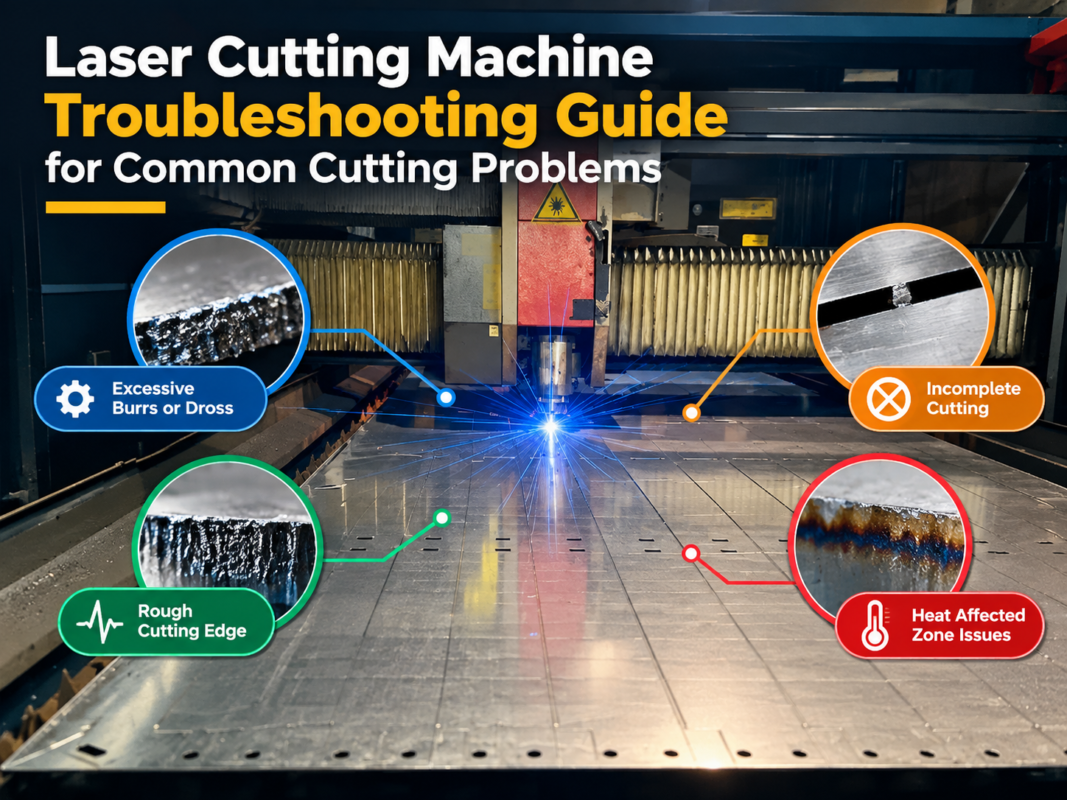
A machine will often tell you it is struggling long before it actually breaks down. Learning to recognize these signals is key to extending the lifespan of a laser cutting machine. One of the most common signs is a change in the sound of the machine. A high-pitched whine or a rhythmic clicking often indicates a bearing that is beginning to fail or a gear that is misaligned. If you notice that the cut quality has suddenly degraded—for example, if there is more dross (burr) on the bottom of the part or if the circles are no longer perfectly round—it is a sign that the mechanical precision or the optical focus is drifting.
Monitor the laser power output. If you find that you need to slow down the cutting speed to achieve the same results as before, your optics may be contaminated or the laser source itself may be degrading. Check the protective window of the cutting head immediately. If there are black spots or a “cloudy” appearance, replace it. Continuing to fire the laser through a dirty window will cause the heat to reflect back into the cutting head, potentially destroying the collimating lenses or the fiber connector.
Electronic alarms should never be ignored or simply “cleared” without investigation. If the system throws a “Driver Overload” or “Temperature Warning,” find the root cause. It could be as simple as a blocked air filter or as complex as a failing servo drive. By addressing these “soft” failures immediately, you prevent them from turning into “hard” failures that result in weeks of downtime and lost revenue.
Standard Maintenance Schedule Table
To help your team stay organized, use the following table as a baseline for your maintenance department. Adjust the frequency based on your specific shift patterns and material types (e.g., cutting aluminum creates more dust than stainless steel).
| Frequency | Component | Action Required |
|---|---|---|
| Daily | Protective Lens | Inspect for dust/burns; clean with high-purity alcohol. |
| Daily | Chiller | Check water level and temperature; ensure no alarms. |
| Daily | Nozzle | Clean slag; check for roundness and coaxiality. |
| Weekly | Guide Rails & Rack | Wipe clean and check for adequate lubrication. |
| Weekly | X/Y/Z Axes | Check for abnormal noise or vibration during travel. |
| Monthly | Electrical Cabinet | Vacuum dust from filters and internal components. |
| Monthly | Gas Lines | Check for leaks and inspect regulator performance. |
| Quarterly | Chiller Water | Drain and replace with fresh deionized water; change filters. |
| Quarterly | Machine Level | Verify the bed is level and the gantry is square. |
| Yearly | Laser Source | Professional inspection by a certified technician. |
| Yearly | Cables/Chains | Inspect drag chains for wear and internal cable integrity. |
Frequently Asked Questions (FAQ)
How often should I change the water in my laser chiller?
To extend the lifespan of a laser cutting machine, you should change the chiller water every 3 to 6 months. In dusty environments or high-temperature regions, quarterly changes are recommended. Always use deionized or distilled water to prevent scale buildup, which can insulate the laser source and cause it to overheat.
Can I use any industrial grease for the guide rails?
No. You should only use the lubricants specified by the manufacturer (like HARSLE). Using the wrong viscosity can lead to increased drag on the motors or inadequate protection of the precision surfaces. High-speed linear guides require specific lithium-based greases that can withstand the rapid acceleration of a fiber laser.
Why is my protective lens burning so frequently?
Frequent lens burning is usually caused by contaminated assist gas or poor piercing parameters. Ensure your air compressor filters are dry and oil-free. Also, check that your “pierce height” is sufficient to prevent molten metal from splashing back onto the nozzle and lens during the initial hole-blowing process.
Does the environment temperature affect the machine’s lifespan?
Absolutely. Laser cutting machines operate best in a stable environment between 15°C and 35°C. Extreme heat can cause electronic components to fail, while extreme cold can lead to water freezing in the chiller lines. High humidity is also a risk, as it can cause condensation on the optical components, leading to immediate damage when the laser is fired.
Is it necessary to have a voltage stabilizer?
Yes, especially in industrial areas where the power grid may fluctuate. A voltage stabilizer protects the sensitive CNC controller and the laser source from surges and brownouts. Consistent power is essential for maintaining the stable beam quality required for high-precision cutting and for protecting the machine’s long-term electronic health.
Conclusion
Learning how to extend the lifespan of a laser cutting machine is an ongoing process of education and discipline. By implementing the daily inspections, technical checks, and lubrication plans outlined in this guide, you are not just maintaining a piece of equipment; you are protecting your company’s future. A HARSLE laser cutting machine is built for durability, but its ultimate longevity is in the hands of the operator. Treat your machine with the precision it provides, and it will serve your business faithfully for many years to come.