Comprehensive Guide to Gas, Filter, and Exhaust Maintenance for Laser Cutting Machines


The Critical Role of Gas, Filter, and Exhaust Maintenance for Laser Cutting Machines
In the high-precision world of metal fabrication, the efficiency of a fiber laser cutting machine is not solely dependent on the power of its resonator or the speed of its gantry. Instead, the longevity and accuracy of the equipment rely heavily on the auxiliary systems that support the cutting process. Specifically, Gas, Filter, and Exhaust Maintenance for Laser Cutting Machines is the cornerstone of operational excellence. Without a steady supply of pure gas, clean filtration systems, and a robust exhaust mechanism, even the most advanced HARSLE laser machine will face degraded cut quality, increased component wear, and potential safety hazards.
Gas, Filter, and Exhaust Maintenance for Laser Cutting Machines ensures that the laser beam can interact with the material without interference. Auxiliary gases like Oxygen (O2), Nitrogen (N2), or compressed air serve to either facilitate the combustion process or blow away molten metal. If these gases are contaminated or if the pressure fluctuates due to poor maintenance, the resulting cut will suffer from dross, oxidation, or incomplete penetration. Furthermore, the filtration system protects the sensitive internal optics from dust and moisture, which are the primary causes of expensive lens failures.
The exhaust system, often overlooked, plays a dual role in both machine health and operator safety. Laser cutting generates significant amounts of fine particulate matter and potentially toxic fumes, especially when processing galvanized steel or specialized alloys. A well-maintained exhaust system ensures these byproducts are efficiently removed from the cutting area, preventing them from settling on the machine’s precision rails or being inhaled by staff. This comprehensive guide explores every facet of maintaining these critical systems to keep your HARSLE equipment running at peak performance.
Daily Inspection Protocols for Peak Performance
Establishing a daily routine is the first line of defense against machine downtime. Daily inspections should begin with the gas supply system. Operators must check the pressure levels of the auxiliary gas tanks to ensure they are sufficient for the day’s production. Low pressure can lead to inconsistent cutting speeds and poor edge quality. Additionally, inspecting the gas regulators for signs of frosting or leaks is essential, as these issues can indicate a malfunction in the delivery system that could lead to gas wastage or hazardous conditions.
The filtration system requires a quick but thorough visual check every morning. Most modern HARSLE laser machines are equipped with pressure gauges on the air filters. If the pressure differential exceeds the manufacturer’s recommended threshold, it indicates that the filter element is clogged and needs cleaning or replacement. Ignoring this can lead to moisture entering the laser head, which is a leading cause of protective window damage. Operators should also drain any accumulated moisture from the air compressor tanks and refrigerated dryers to ensure the air-assist gas remains bone-dry.
Regarding the exhaust system, the daily check involves verifying the operation of the dust collector and the extraction fans. Listen for unusual noises, such as grinding or high-pitched whistling, which could suggest a failing bearing or a blockage in the ductwork. It is also important to check the dust collection bin. If the bin is full, the suction power of the exhaust system will drop significantly, allowing smoke and dust to accumulate within the machine cabin. A clean cabin not only protects the optics but also makes it easier to inspect mechanical components for wear.
Mechanical and Electrical System Integrity
While the focus of this guide is on gas and exhaust, these systems are deeply integrated with the mechanical and electrical components of the laser cutting machine. For instance, the solenoid valves that control gas flow are electrical components that must be checked for responsiveness. If a valve sticks, the gas may not turn on or off at the correct time, leading to failed pierces or wasted gas. During the weekly inspection, technicians should check the wiring connections to these valves to ensure they are secure and free from corrosion.
The mechanical integrity of the exhaust ducting is also vital. Over time, the vibrations from the machine can loosen the clamps and joints of the exhaust pipes. A leak in the exhaust line reduces the static pressure available at the cutting head, leading to poor smoke extraction. Technicians should physically inspect the entire length of the ductwork, ensuring that all seals are tight and that there are no kinks in flexible hosing that could restrict airflow. This is particularly important for high-power fiber lasers where the volume of smoke generated is substantial.
Electrical maintenance also extends to the sensors that monitor gas pressure and filter status. These sensors provide the feedback necessary for the CNC controller to make real-time adjustments. If a sensor is covered in dust or has a loose connection, it may provide false readings, leading the machine to stop unnecessarily or, worse, continue running under suboptimal conditions. Cleaning the sensor housings and verifying their calibration against manual gauges is a critical step in a comprehensive maintenance plan.

Comprehensive Lubrication and Motion System Care
Lubrication is often discussed in the context of mechanical maintenance, but it is intrinsically linked to the cleanliness provided by the exhaust system. If the exhaust system is failing, fine metal dust will settle on the linear guides and rack-and-pinion systems. This dust mixes with the lubricant to create an abrasive paste that rapidly wears down the precision components of the machine. Therefore, maintaining a clean environment through effective exhaust is the first step in a successful lubrication plan.
The lubrication plan for a HARSLE laser cutting machine should follow a strict schedule. Most machines utilize an automatic lubrication system, but the reservoir must be checked weekly to ensure it is filled with the correct grade of oil. Operators should also manually inspect the rails to ensure that the oil is being distributed evenly. If certain sections of the rail appear dry, it may indicate a blockage in the lubrication lines or a failure of the distribution block. In such cases, the lines must be flushed and the injectors cleaned to prevent mechanical seizure.
For the rack-and-pinion system, a specialized grease is often required. Unlike the linear guides, the racks are often exposed to the environment. Every month, the racks should be cleaned with a soft brush and a mild degreaser to remove old grease and accumulated dust, followed by the application of a fresh, thin layer of lubricant. This prevents the “cogging” effect that can occur when debris gets trapped between the teeth, ensuring that the motion of the cutting head remains smooth and the resulting cuts are free from striations.
Deep Dive: Gas Delivery and Filtration Systems
The quality of the gas used in laser cutting is non-negotiable. For Nitrogen cutting, a purity of 99.99% is typically required to achieve a bright, oxide-free edge on stainless steel. If the gas delivery system—including the hoses and connectors—is not maintained, atmospheric oxygen can leak into the line, contaminating the Nitrogen and causing discoloration of the cut edge. Gas, Filter, and Exhaust Maintenance for Laser Cutting Machines must include a periodic leak test of the entire delivery line using a specialized leak detection fluid or an ultrasonic leak detector.
Filtration is the silent guardian of the laser’s optical path. In fiber laser systems, the beam is delivered through a fiber cable, but the cutting head contains several lenses and a protective window. The air-assist gas, if used, must pass through a series of filters to remove oil, water, and particulates down to 0.01 microns. These filters usually consist of a bulk liquid separator, a coalescing filter, and an activated carbon filter to remove oil vapors. Each of these elements has a finite lifespan and must be replaced according to the manufacturer’s schedule, or sooner if the environment is particularly dusty.
Furthermore, the internal cooling system of the laser (the chiller) often uses a gas-to-liquid heat exchanger. The air filters on the chiller unit itself must be cleaned weekly. If the chiller cannot breathe, it cannot effectively cool the laser source and the cutting head. This leads to thermal expansion of the optical components, causing the focal point to shift during a long cutting job, a phenomenon known as “thermal lensing.” Keeping the chiller’s filters clean is a simple task that prevents complex cutting errors.
Exhaust and Dust Extraction Management
An effective exhaust system is more than just a fan and a pipe; it is a managed airflow environment. The cutting table of a HARSLE laser is typically divided into zones. As the cutting head moves, dampers open and close to concentrate the suction only in the area where the cutting is occurring. Maintenance of these dampers is crucial. If the pneumatic cylinders that operate the dampers become sluggish due to lack of lubrication or air leaks, the suction will not follow the head, and smoke will billow into the shop.
The dust collector itself is the heart of the exhaust system. Most industrial dust collectors use pleated cartridge filters that are cleaned by timed pulses of compressed air (reverse-pulse cleaning). It is vital to ensure that the compressed air supplied to the dust collector is dry and at the correct pressure. If the air is wet, the dust on the filters will turn into a mud-like substance that the pulse cannot remove, permanently blinding the filter. Technicians should inspect the pulse valves regularly to ensure they are firing correctly and that the diaphragm hasn’t ruptured.
Finally, the exhaust fan’s impeller should be inspected every six months. In some applications, especially when cutting oily materials, a residue can build up on the fan blades. This causes the fan to become unbalanced, leading to vibrations that can be felt throughout the machine and even affect the cut quality. Cleaning the impeller and checking the tension of the drive belts ensures that the exhaust system maintains the required Cubic Feet per Minute (CFM) of airflow to keep the workspace safe and the machine clean.
Troubleshooting Signals and Diagnostic Indicators
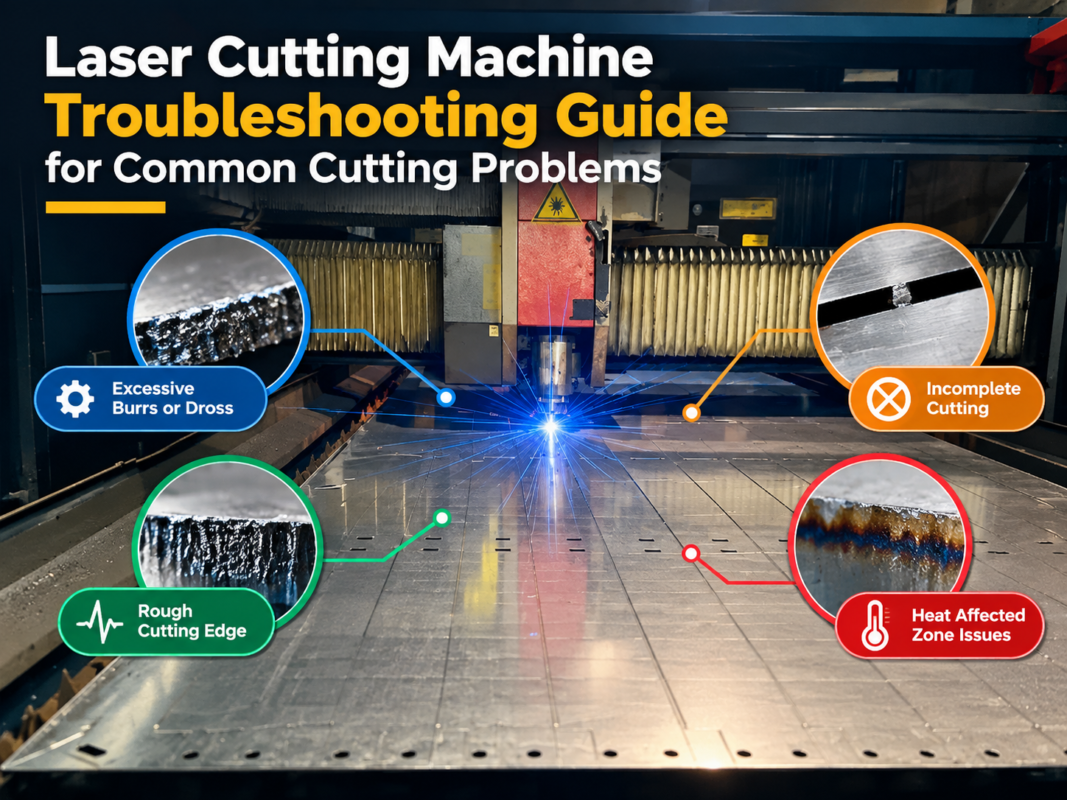
Recognizing the early signs of maintenance needs can save thousands of dollars in repairs. One of the most common signals of a gas or filter issue is a change in the “spark cone” during cutting. If the sparks are flying upward or in an irregular pattern, it often indicates a nozzle blockage or a drop in gas pressure. Similarly, if the cut edge suddenly becomes rough or shows excessive dross, the first step should be to check the gas purity and the condition of the protective window in the cutting head.
Another diagnostic indicator is the smell of the shop. If operators begin to notice a smoky odor or if a haze develops in the air, the exhaust system is underperforming. This could be due to a full dust bin, a clogged filter, or a leak in the ductwork. Modern HARSLE machines often have integrated sensors that will trigger an alarm if the exhaust flow drops below a certain level, but manual vigilance is always the best policy. Monitoring the power consumption of the exhaust fan can also provide clues; a sudden drop in amperage might indicate a broken belt, while an increase could suggest a failing motor or a major blockage.
Visual inspection of the cut parts is the ultimate diagnostic tool. Blueing on the edges of stainless steel when using Nitrogen indicates oxygen contamination. A “burnt” look on the top edge of the material can indicate that the gas pressure is too high or that the nozzle is damaged. By correlating these visual cues with the maintenance status of the gas and filter systems, operators can quickly pinpoint the root cause of the problem and return the machine to production.
Maintenance Schedule Table
| Frequency | System | Task Description |
|---|---|---|
| Daily | Gas System | Check gas pressures (O2, N2, Air) and inspect regulators for leaks. |
| Daily | Exhaust | Empty the dust collection bin and verify fan operation. |
| Daily | Optics | Check the protective window for dust or burn marks. |
| Weekly | Filtration | Check air filter pressure gauges and drain moisture from the compressor. |
| Weekly | Chiller | Clean the air filters on the chiller unit and check water levels. |
| Monthly | Mechanical | Clean and lubricate the rack-and-pinion and linear guides. |
| Monthly | Exhaust | Inspect ductwork for leaks and check pneumatic damper operation. |
| Quarterly | Gas System | Perform a comprehensive leak test on all gas lines and valves. |
| 6 Months | Filtration | Replace all air and gas filter elements regardless of appearance. |
| Yearly | Exhaust | Inspect and clean the exhaust fan impeller and check motor bearings. |
Frequently Asked Questions
How often should I replace the gas filters on my laser cutting machine?
Gas filters should typically be replaced every 6 to 12 months, depending on the volume of production and the quality of the incoming gas. However, if you notice a drop in gas pressure at the cutting head or see contamination on the protective window, the filters should be inspected and replaced immediately. Using high-quality filters is essential to prevent microscopic particles from reaching the sensitive optics.
Why is my exhaust system losing suction power?
Loss of suction is usually caused by one of three things: a full dust collection bin, clogged filter cartridges in the dust collector, or a leak in the ductwork. Start by emptying the bin and checking the filter pressure gauge. If the filters are clogged, ensure the pulse-cleaning system is working. If the problem persists, inspect the ducting for gaps or blockages.
Can I use shop air for laser cutting?
Yes, shop air can be used as an auxiliary gas, but it must be extremely clean and dry. Standard shop air contains oil and moisture that will destroy laser optics. To use air-assist, you must have a dedicated filtration and drying system that includes a refrigerated dryer and multi-stage coalescing filters to ensure the air meets the required purity standards for laser cutting.
What are the risks of poor exhaust maintenance?
Poor exhaust maintenance leads to several risks: 1) Health hazards for operators due to inhaling metal dust and fumes. 2) Increased fire risk, as accumulated dust in the ducts can be ignited by sparks. 3) Reduced machine lifespan, as abrasive dust settles on precision mechanical components. 4) Poor cut quality due to smoke interfering with the laser beam.
How do I know if my Nitrogen gas is contaminated?
The most obvious sign of Nitrogen contamination is oxidation on the cut edge of stainless steel or aluminum. Instead of a clean, silver, or white edge, the cut will appear yellow, brown, or black. This is caused by oxygen reacting with the molten metal. If this occurs, check your gas supply purity and inspect the delivery lines for leaks that might be drawing in atmospheric air.