The Ultimate Guide to Preventive Maintenance Tips for Fiber Laser Cutting Machines


Introduction to Fiber Laser Longevity
In the modern metal fabrication industry, the fiber laser cutting machine stands as a pinnacle of precision and efficiency. However, like any high-tech industrial equipment, its performance and longevity are directly tied to the rigor of its upkeep. Implementing effective preventive maintenance tips for fiber laser cutting machines is not merely a suggestion; it is a critical operational strategy for any business looking to protect its investment and ensure consistent output quality. HARSLE, a leader in metal fabrication machinery, understands that a well-maintained machine is the backbone of a profitable workshop.
Fiber lasers operate using complex optical systems, high-speed motion components, and sophisticated cooling units. Even a minor oversight in maintenance can lead to significant downtime, costly repairs, and a decrease in cutting accuracy. This comprehensive guide is designed to provide operators and maintenance managers with a deep dive into the essential practices required to keep fiber laser systems running at peak performance for years to come.
The Critical Importance of Preventive Maintenance
Why is preventive maintenance so vital for fiber laser systems? Unlike traditional CO2 lasers, fiber lasers are more compact and efficient, but they are also highly sensitive to environmental contaminants. Dust, humidity, and temperature fluctuations can all wreak havoc on the delicate internal components. By following a structured maintenance plan, you can mitigate these risks and enjoy several key benefits.
Firstly, preventive maintenance ensures consistent beam quality. The fiber laser source and the cutting head rely on pristine optics to focus the laser beam onto the workpiece. Any contamination on the protective windows or lenses can cause thermal lensing, where the lens absorbs heat and deforms, leading to a loss of focus and poor cut quality. Regular cleaning and inspection prevent this phenomenon, ensuring that every cut is as sharp as the first.
Secondly, maintenance extends the lifespan of expensive components. The laser source itself is a significant investment. Proper cooling and electrical stability are paramount to its survival. Similarly, the mechanical drive systems—including high-precision racks, pinions, and linear guides—require regular lubrication to prevent wear and tear. A small amount of grease applied today can save thousands of dollars in replacement parts tomorrow.
Thirdly, a well-maintained machine is a safe machine. High-power lasers and high-speed motion systems pose inherent risks. Regular checks of safety interlocks, grounding systems, and gas lines ensure that the machine operates within its designed safety parameters, protecting both the equipment and the personnel operating it.
Daily Inspection: The First Line of Defense
The foundation of any maintenance program is the daily inspection. These are quick but essential checks that should be performed at the start of every shift. By identifying potential issues early, you can prevent them from escalating into major failures.
1. Water Chiller Performance
The water chiller is the heart of the fiber laser’s cooling system. Check the water level and ensure there are no leaks in the hoses. Observe the temperature readings; they should remain within the manufacturer’s specified range (usually between 20°C and 25°C). If the water becomes cloudy or discolored, it must be replaced immediately with deionized or distilled water to prevent mineral buildup in the laser source.
2. Gas Pressure and Purity
Fiber lasers use assist gases like Oxygen (O2), Nitrogen (N2), or compressed air. Check the gas cylinders or bulk tanks to ensure there is sufficient supply for the day’s work. Inspect the pressure gauges and regulators for any signs of fluctuation. High-purity gas is essential; moisture or oil in the gas line can contaminate the cutting head and ruin the protective lens.
3. Nozzle and Centering
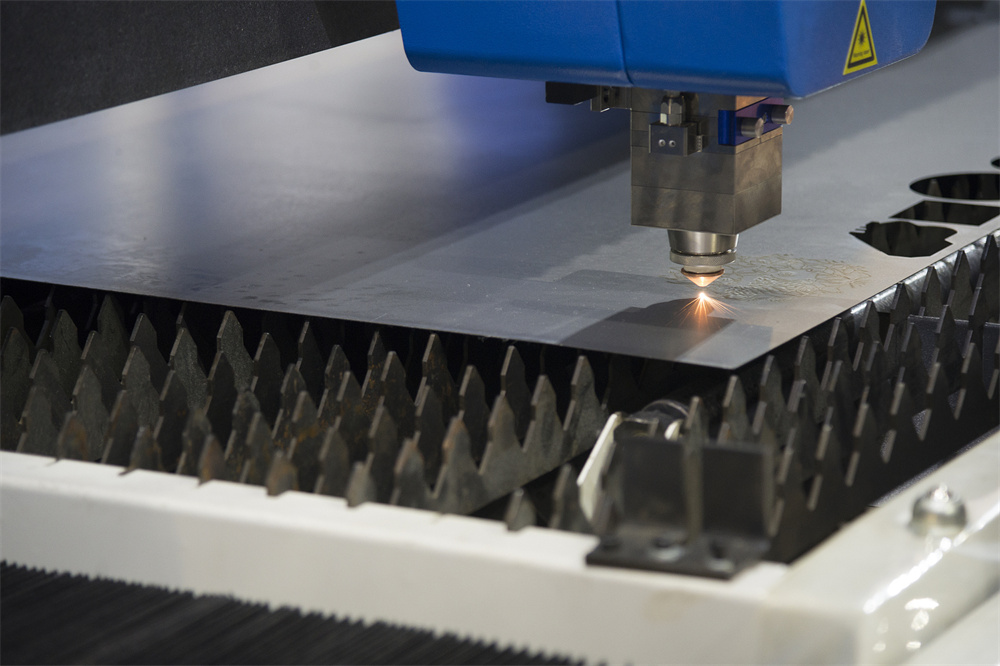
Inspect the cutting nozzle for any slag or debris. A dirty nozzle can deflect the gas flow, leading to dross and poor edge quality. Use a specialized cleaning tool or a soft brush to remove any buildup. Additionally, perform a “tape test” to ensure the laser beam is perfectly centered in the nozzle orifice. An off-center beam will result in asymmetrical cuts and potential damage to the nozzle itself.
4. Protective Lens Inspection
The protective lens (or cover glass) is the most frequently replaced consumable. Before starting the machine, inspect the lens for any dust, spots, or burn marks. Even a tiny speck of dust can absorb laser energy and crack the glass. Clean the lens using high-purity isopropyl alcohol and lint-free swabs, following the specific cleaning patterns recommended by the manufacturer.
Mechanical, Electrical, and Hydraulic Checks
Beyond the daily optics and gas checks, the structural and electronic integrity of the machine must be monitored. These components handle the physical movement and power distribution required for high-speed cutting.
Mechanical Drive Systems
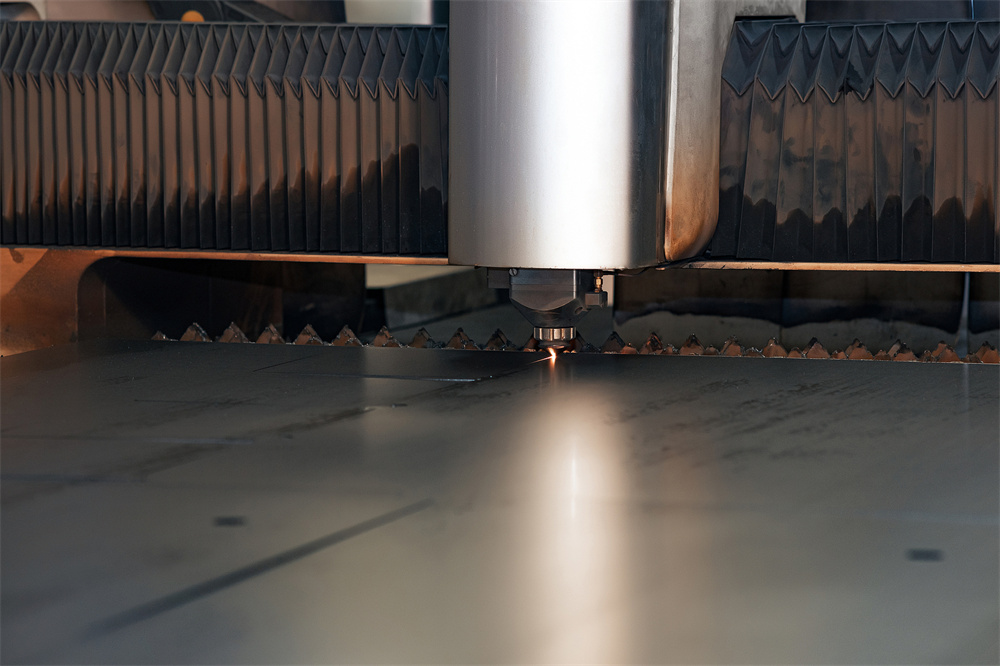
The X, Y, and Z axes of a fiber laser machine move at incredible speeds. Check the linear guides and the rack and pinion system for any signs of debris or lack of lubrication. Listen for unusual noises during movement, such as grinding or clicking, which could indicate a loose component or a failing bearing. Ensure that the bellows (the accordion-like covers) are intact; if they are torn, dust can enter the precision drive components and cause premature wear.
Electrical Cabinet and Grounding
The electrical cabinet houses the servo drives, PLC, and power supplies. Dust is a major enemy of electronics as it can cause short circuits or overheating. Regularly clean the dust filters on the cabinet’s cooling fans. Furthermore, check the grounding of the machine. Fiber lasers are sensitive to static and electrical noise; a loose ground wire can lead to erratic behavior or even damage the laser source’s control electronics.
Hydraulic and Pneumatic Systems
While fiber lasers are primarily electrical and mechanical, many models utilize hydraulic systems for shuttle tables or pneumatic systems for clamping and gas switching. Check hydraulic fluid levels and inspect hoses for signs of aging or leaks. For pneumatic systems, ensure the air dryer is functioning correctly. Moisture in the air lines can lead to corrosion in the valves and contamination of the cutting area.
The Comprehensive Lubrication Plan
Lubrication is the lifeblood of the machine’s mechanical components. Without it, friction leads to heat, and heat leads to deformation and failure. A proper lubrication plan involves using the right lubricant, in the right amount, at the right time.
Most modern fiber laser machines, like those from HARSLE, feature automatic lubrication systems. However, these systems still require human oversight. Ensure the lubricant reservoir is always filled with the correct grade of lithium-based grease or oil as specified in the manual. Check the distribution lines to ensure that grease is actually reaching the sliders and bearings.
For machines with manual lubrication points, establish a strict schedule. Wipe away old, dirty grease before applying new lubricant. This prevents the abrasive paste that forms when dust mixes with old grease from damaging the precision surfaces. Pay special attention to the Z-axis lead screw, as it often operates in a high-dust environment near the cutting zone.
Recognizing Troubleshooting Signals
An experienced operator should be able to “listen” to the machine. Changes in the sound or the visual output of the cutting process are often the first signs that maintenance is required. Here are some common signals to watch for:
- Increased Burrs and Dross: If a previously clean cut suddenly starts producing heavy dross on the bottom of the part, it usually indicates a dirty lens, an off-center nozzle, or incorrect gas pressure.
- Cutting Speed Drop: If you find you need to slow down the machine to achieve a full cut, the laser power might be dropping due to optical contamination or a failing laser source.
- Vibration and Noise: Unusual vibrations during high-speed moves often point to loose mounting bolts or worn-out bearings in the drive system.
- Spark Pattern Changes: During cutting, the sparks should ideally go straight down. If they start flying upwards or at an angle, it suggests the beam is not penetrating correctly or the nozzle is obstructed.
Maintenance Schedule Table
To help you stay organized, here is a recommended maintenance schedule for a standard fiber laser cutting machine.
| Frequency | Component | Action Required |
|---|---|---|
| Daily | Protective Lens | Inspect and clean with IPA |
| Daily | Nozzle | Clean and check centering (tape test) |
| Daily | Water Chiller | Check water level and temperature |
| Weekly | X/Y/Z Rails | Clean debris and check lubrication |
| Weekly | Dust Filters | Clean or replace electrical cabinet filters |
| Monthly | Water System | Replace distilled water and clean filters |
| Monthly | Gas Lines | Check for leaks and inspect regulators |
| Quarterly | Rack and Pinion | Deep clean and re-grease |
| Quarterly | Electrical | Check all terminal connections and grounding |
| Annually | Laser Source | Professional inspection and calibration |
Frequently Asked Questions (FAQ)
1. What kind of water should I use in my fiber laser chiller?
You should always use deionized or distilled water. Tap water contains minerals that can create scale buildup inside the laser source and the cooling channels of the cutting head, leading to overheating and permanent damage. Some manufacturers also recommend specific algaecides to prevent biological growth.
2. How often should I replace the protective lens?
There is no fixed timeframe; it depends entirely on your cutting volume and material type. Some shops replace them every few days, while others last weeks. The key is to inspect it daily. If you see any permanent pits or “burn spots” that cannot be cleaned off, replace it immediately to avoid damaging the more expensive internal optics.
3. Why is my fiber laser cutting edge rough?
A rough edge is usually caused by one of three things: incorrect focus position, poor gas flow (clogged nozzle), or contaminated optics. Start by cleaning the nozzle and checking the beam centering. If the problem persists, check the protective lens for cleanliness and ensure your focus settings match the material thickness.
4. Can I use compressed air for all my cutting needs?
Compressed air can be used for many materials, especially thin sheets, but it must be extremely clean and dry. You need a high-quality refrigerated dryer and a series of oil/water filters. Any moisture or oil in the air will immediately destroy your protective lens and potentially damage the cutting head’s internal sensors.
5. Does the environment of the workshop affect the machine?
Yes, significantly. Fiber lasers should ideally be kept in a temperature-controlled environment. High humidity can cause condensation on the optics, while extreme heat can stress the chiller and the laser source. If your workshop is very dusty, you must be even more diligent with cleaning the rails and electrical filters.
6. What is the most common cause of fiber laser failure?
The most common cause of avoidable failure is optical contamination. When dust or metal particles get onto the optical path, the high-power laser beam turns that dust into a heat source, which cracks lenses and damages the cutting head. Strict adherence to cleaning protocols is the best way to prevent this.
Conclusion
Investing in a fiber laser cutting machine is a significant step forward for any metal fabrication business. By following these preventive maintenance tips for fiber laser cutting machines, you ensure that your equipment remains a reliable asset rather than a source of frustration. Regular daily checks, a disciplined lubrication schedule, and a clean working environment are the keys to unlocking the full potential of your HARSLE machinery. Remember, maintenance is not a cost—it is an investment in the precision, safety, and future of your production line.