Comprehensive Guide: What to Check Before Starting a Laser Cutting Machine Every Day


The Critical Importance of Daily Maintenance for Laser Cutting Machines
In the high-precision world of metal fabrication, the fiber laser cutting machine stands as the crown jewel of the production floor. Whether you are operating a high-power HARSLE fiber laser or a specialized tube cutting system, the consistency of your output is directly tied to the health of your machinery. Understanding what to Check Before Starting A Laser Cutting Machine Every Day is not merely a suggestion; it is a fundamental requirement for operational excellence. Neglecting these checks can lead to catastrophic component failure, expensive downtime, and compromised safety for the operator.
Preventative maintenance is the cornerstone of industrial longevity. A laser cutting machine involves a complex interplay of high-energy optics, precision mechanical movements, and sophisticated cooling systems. When these components are not synchronized or are allowed to degrade, the quality of the cut suffers—leading to dross, burrs, and dimensional inaccuracies. By implementing a rigorous daily inspection routine, fabricators can identify minor issues before they escalate into major repairs, ensuring that the machine operates at its peak efficiency throughout its lifecycle.
Furthermore, the financial implications of a well-maintained machine are significant. A fiber laser source is a significant investment. Protecting this source through proper cooling and gas pressure checks ensures that you get the maximum return on investment (ROI). HARSLE emphasizes that a disciplined approach to daily startup procedures can extend the life of consumables like nozzles and protective windows by up to 30%, directly impacting the bottom line of any metalworking business.

Daily Inspection: The Essential Morning Routine
Before the power button is even pressed, the environment surrounding the laser cutting machine must be assessed. The first step in your daily routine should be a visual sweep of the entire workspace. Ensure that there are no obstructions around the machine’s travel paths. Debris, scrap metal, or even misplaced tools can cause collisions that damage the gantry or the cutting head. A clean workspace is a safe workspace, and in laser cutting, safety and precision go hand in hand.
Gas Supply and Pressure Verification
The assist gas—whether it be Oxygen (O2), Nitrogen (N2), or Compressed Air—is vital for the cutting process. Before starting the machine, check the levels in your gas tanks or the output from your nitrogen generator. Low gas pressure during a cut can result in poor edge quality or even a fire hazard if the molten metal is not properly cleared from the kerf. Ensure that the regulators are set to the correct parameters for the material thickness you plan to cut that day. Inspect the gas lines for any signs of wear or leaks, as even a small leak can lead to significant gas wastage and inconsistent cutting results.
Water Chiller and Cooling System Check
The laser source and the cutting head generate immense heat. The water chiller is the machine’s primary defense against thermal damage. Every morning, check the water level in the chiller reservoir. Use only deionized or distilled water as specified by the manufacturer to prevent mineral buildup in the cooling channels. Observe the water temperature; it should be within the range specified for your specific laser source (usually between 20°C and 25°C). If the water appears cloudy or discolored, it may be time for a fluid change, as contaminants can reduce cooling efficiency and damage the laser’s internal components.
Hydraulic, Electrical, and Mechanical Checks
While fiber lasers are primarily electrical and mechanical, some auxiliary systems or heavy-duty loading tables may utilize hydraulic components. It is essential to check for any hydraulic fluid leaks under the machine or around the shuttle table cylinders. A drop in hydraulic pressure can lead to sluggish table exchanges, which disrupts the production flow and can pose a mechanical risk during the pallet swapping process.
Electrical System Integrity
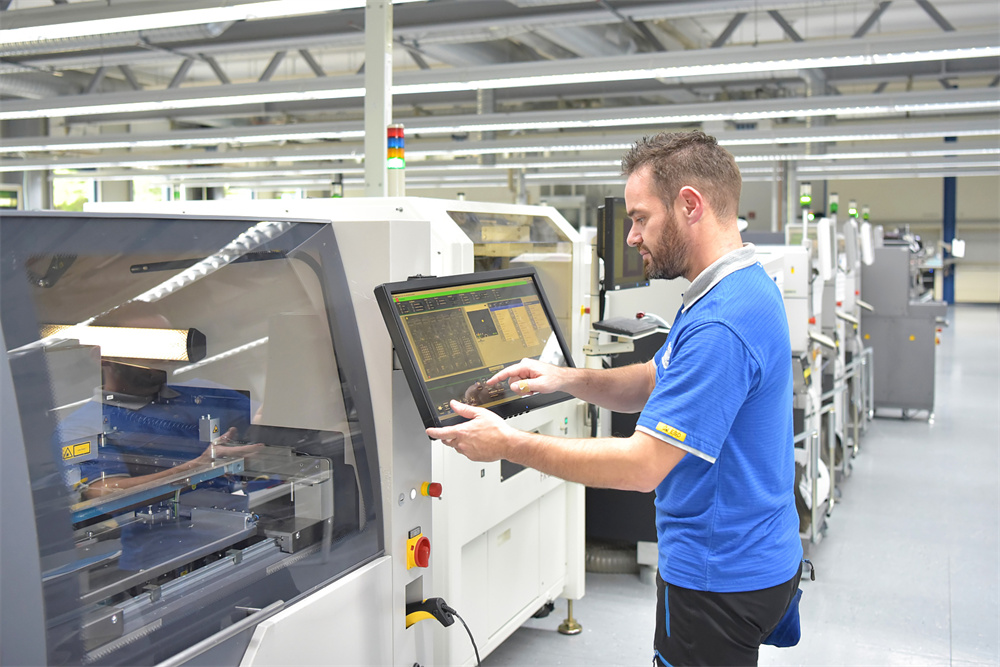
The electrical cabinet is the brain of the laser cutting machine. Before startup, ensure that the cabinet doors are securely closed to prevent dust and metal particles from entering. Check the external cables for any signs of fraying or damage caused by rodents or mechanical stress. Ensure that the grounding wire is securely connected; a poor ground can lead to electrical interference, affecting the stability of the CNC control system and the laser beam quality. If your facility experiences voltage fluctuations, verify that the voltage stabilizer is functioning correctly before engaging the high-voltage circuits.
Mechanical Alignment and Gantry Movement
The mechanical integrity of the X, Y, and Z axes is paramount for accuracy. Manually check that the bellows covering the guide rails are intact and free of holes. These bellows protect the precision rails from dust and sparks. If the bellows are damaged, contaminants can reach the bearings, leading to premature wear and “jitter” in the cutting path. Additionally, check the tension of the drive belts or the engagement of the rack and pinion system. Any unusual slack or grinding noise when the machine performs its initial homing sequence is a signal that mechanical adjustment is required.
The Lubrication Plan: Keeping Motion Fluid
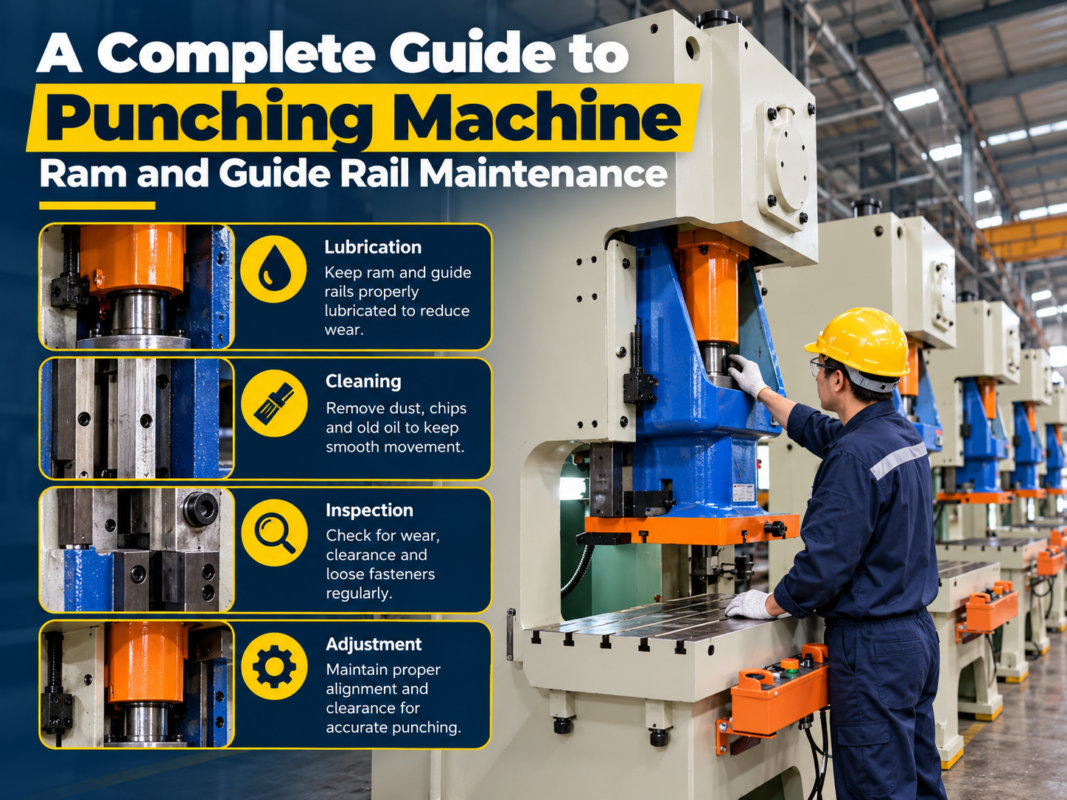
Lubrication is the lifeblood of the machine’s moving parts. A dry guide rail or ball screw will not only produce noise but will also generate friction-induced heat, leading to thermal expansion and loss of precision. Most modern HARSLE laser machines feature an automatic lubrication system, but this system still requires daily monitoring. Check the lubricant reservoir level and ensure the pump is functioning. If your machine requires manual lubrication, follow the manufacturer’s schedule strictly, applying the recommended grade of lithium-based grease or specialized oil to the designated points.
It is important to note that over-lubrication can be just as detrimental as under-lubrication. Excess grease can attract metal dust, creating an abrasive paste that wears down the mechanical components. Always wipe away old grease and debris before applying a fresh layer. Pay special attention to the Z-axis screw, as it often operates in a high-dust environment near the cutting zone. A smooth-moving Z-axis is critical for the height sensing system to maintain the correct focal distance during the cut.
Troubleshooting Signals: What to Watch and Listen For
An experienced operator uses all their senses to Check Before Starting A Laser Cutting Machine Every Day. During the initial power-up and homing cycle, listen for any abnormal sounds. A high-pitched squeal might indicate a bearing failure, while a rhythmic thumping could suggest a chip stuck in the rack and pinion. These auditory cues are often the first warning signs of mechanical distress.
Visual signals are equally important. Inspect the laser head’s protective window (cover glass) every morning. Even a tiny speck of dust on this lens can absorb laser energy, heat up, and shatter, potentially damaging the expensive focusing lens above it. Use a high-intensity flashlight to inspect the lens for cracks, burns, or “pitting.” If the nozzle shows signs of being hit or is deformed, replace it immediately. A deformed nozzle will disrupt the coaxial flow of the assist gas, leading to poor cut quality and potential beam clipping.
Comprehensive Maintenance Schedule Table
To help your team stay organized, use the following table as a reference for daily and periodic checks. Consistency is the key to preventing unexpected breakdowns.
| Component | Check Frequency | Action Required | Importance |
|---|---|---|---|
| Protective Window | Daily | Inspect for dust/burns; clean or replace. | Critical for beam quality. |
| Water Chiller | Daily | Check water level and temperature. | Prevents laser source overheating. |
| Assist Gas Pressure | Daily | Verify O2/N2/Air levels and regulators. | Ensures clean cuts and safety. |
| Guide Rails & Racks | Weekly | Clean debris and check lubrication. | Maintains positional accuracy. |
| Nozzle Centering | Daily | Perform a tape test to center the beam. | Prevents dross and nozzle damage. |
| Electrical Cabinet | Monthly | Vacuum dust and check wire connections. | Prevents short circuits. |
| Exhaust System | Weekly | Check filters and fan functionality. | Ensures operator health and safety. |
Frequently Asked Questions (FAQ)
1. What happens if I forget to check the protective window?
If the protective window is dirty, the laser beam will heat the contaminant, causing the glass to crack or explode. This can allow dust to enter the internal optics of the cutting head, leading to repairs that can cost thousands of dollars. Always check it before the first cut of the day.
2. Why is the water temperature in the chiller so specific?
Fiber laser sources are sensitive to thermal fluctuations. If the water is too cold, condensation can form on the internal electronics (dew point issue). If it is too hot, the laser source will lose efficiency or shut down to prevent damage. The chiller maintains the “sweet spot” for stable photon emission.
3. Can I use shop air for all my cutting needs?
While compressed air is cost-effective, it must be extremely dry and oil-free. If you use shop air, your daily check must include inspecting the air filters and refrigerated dryer. Moisture in the air line will instantly ruin your protective window and focusing lens.
4. How do I know if my nozzle is centered?
Perform a “tape test.” Place a piece of transparent tape over the nozzle and fire a low-power laser pulse. The hole in the tape should be perfectly centered within the nozzle’s circular shadow. If it is off-center, adjust the X/Y knobs on the cutting head.
5. Is it necessary to home the machine every morning?
Yes. Homing (or returning to the machine zero) ensures that the CNC controller knows the exact position of the gantry. This prevents over-travel collisions and ensures that your nested parts are cut exactly where they are supposed to be on the sheet.
Conclusion: Building a Culture of Care
Operating a HARSLE laser cutting machine is a responsibility that requires attention to detail. By following this guide on what to Check Before Starting A Laser Cutting Machine Every Day, you are not just maintaining a piece of equipment; you are ensuring the safety of your staff and the quality of your products. A machine that is respected and cared for will provide years of reliable service, high precision, and profitable production. Make these checks a non-negotiable part of your morning shift, and you will see the results in your machine’s performance and your company’s reputation.