Laser Cutting Machine Maintenance for Better Speed and Precision: The Ultimate Guide


The Critical Role of Laser Cutting Machine Maintenance for Better Speed and Precision
In the high-stakes world of metal fabrication, the fiber laser cutting machine stands as the pinnacle of efficiency and accuracy. However, even the most advanced HARSLE laser systems require a rigorous upkeep regimen to sustain their peak performance. Laser cutting machine maintenance for better speed and precision is not merely a suggestion; it is a fundamental requirement for any facility aiming to minimize downtime and maximize the quality of their output. When a machine is neglected, the subtle accumulation of dust, the degradation of lubricants, and the misalignment of optical components can lead to a significant drop in cutting velocity and dimensional accuracy.
The relationship between maintenance and machine longevity is direct. A well-maintained laser cutter operates with less friction and thermal stress, ensuring that the fiber laser source—the most expensive component of the system—remains protected from back-reflection and overheating. Furthermore, precision in laser cutting is measured in microns. Even a slight vibration caused by a worn-out rack or a dirty guide rail can result in jagged edges or ‘burrs’ on the finished workpiece, necessitating secondary finishing processes that eat into profit margins. By prioritizing maintenance, operators ensure that the machine delivers the ‘clean cut’ it was designed for, every single time.
Beyond the mechanical benefits, consistent maintenance protocols foster a safer working environment. High-power lasers and high-pressure gas systems carry inherent risks. Regular inspections of the electrical cabinets, gas lines, and protective housing prevent catastrophic failures that could lead to fires or operator injury. In this comprehensive guide, we will explore the essential steps required to keep your laser cutting machine running at its theoretical maximum speed while maintaining the tightest tolerances possible.
Daily Inspection: The Foundation of Precision
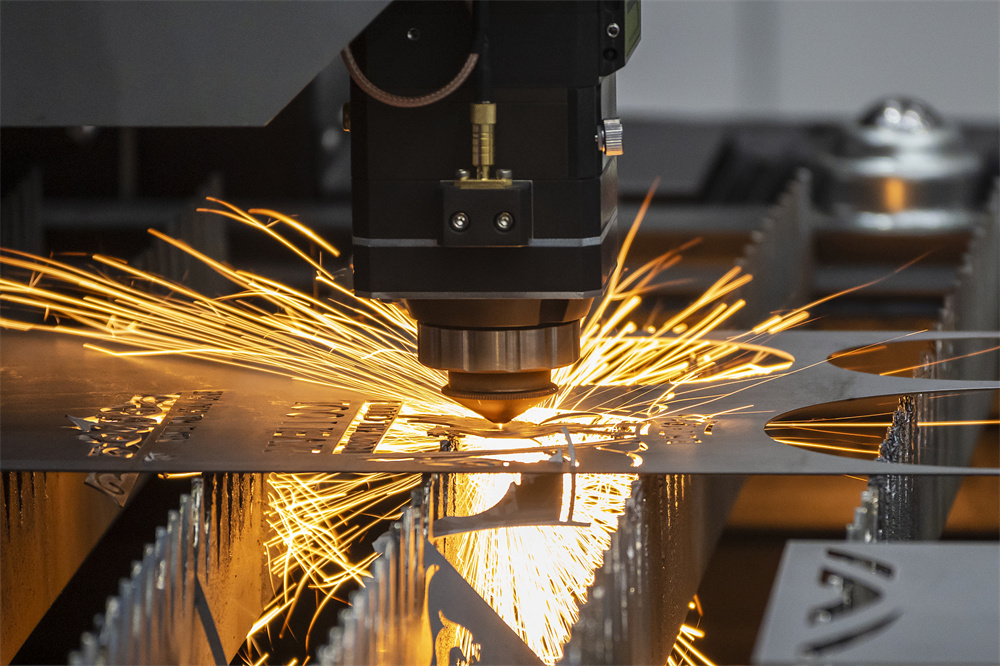
The first line of defense in laser cutting machine maintenance for better speed and precision is the daily inspection routine. This process should be performed at the start of every shift to ensure that the machine is in an optimal state before the first arc is struck. The most critical component to check is the protective lens of the laser head. Even a microscopic speck of dust on the lens can absorb laser energy, leading to thermal deformation or ‘lens burn,’ which instantly degrades the beam quality and reduces cutting speed.
Operators must also inspect the nozzle for any signs of slag or deformation. A damaged nozzle disrupts the coaxial flow of the auxiliary gas, which is essential for blowing away molten metal during the cut. If the gas flow is turbulent, the resulting cut will be inconsistent, often showing heavy dross on one side. Centering the nozzle is a quick but vital task; using the ‘tape test’ ensures that the laser beam passes exactly through the center of the nozzle orifice, which is paramount for achieving symmetrical cuts in all directions.
Another daily priority is the water chiller. The chiller regulates the temperature of both the laser source and the cutting head. Operators should check the water level and ensure there are no alarms on the chiller display. Fluctuations in temperature can cause the laser wavelength to shift slightly or lead to thermal expansion in the cutting head optics, both of which negatively impact precision. Finally, checking the gas pressure of the auxiliary gases (Oxygen, Nitrogen, or Compressed Air) ensures that the machine has the necessary ‘punch’ to clear the kerf at high speeds.
Comprehensive Hydraulic, Electrical, and Mechanical Checks
While daily checks focus on the ‘business end’ of the laser, weekly and monthly inspections must dive deeper into the machine’s core systems. From an electrical perspective, the control cabinet is the brain of the operation. Over time, cooling fans can become clogged with fine metallic dust, which is conductive. If this dust enters the servo drives or the PLC, it can cause short circuits or erratic behavior. Vacuuming the filters and ensuring all electrical connections are tight prevents the ‘ghost in the machine’ errors that often plague older equipment.
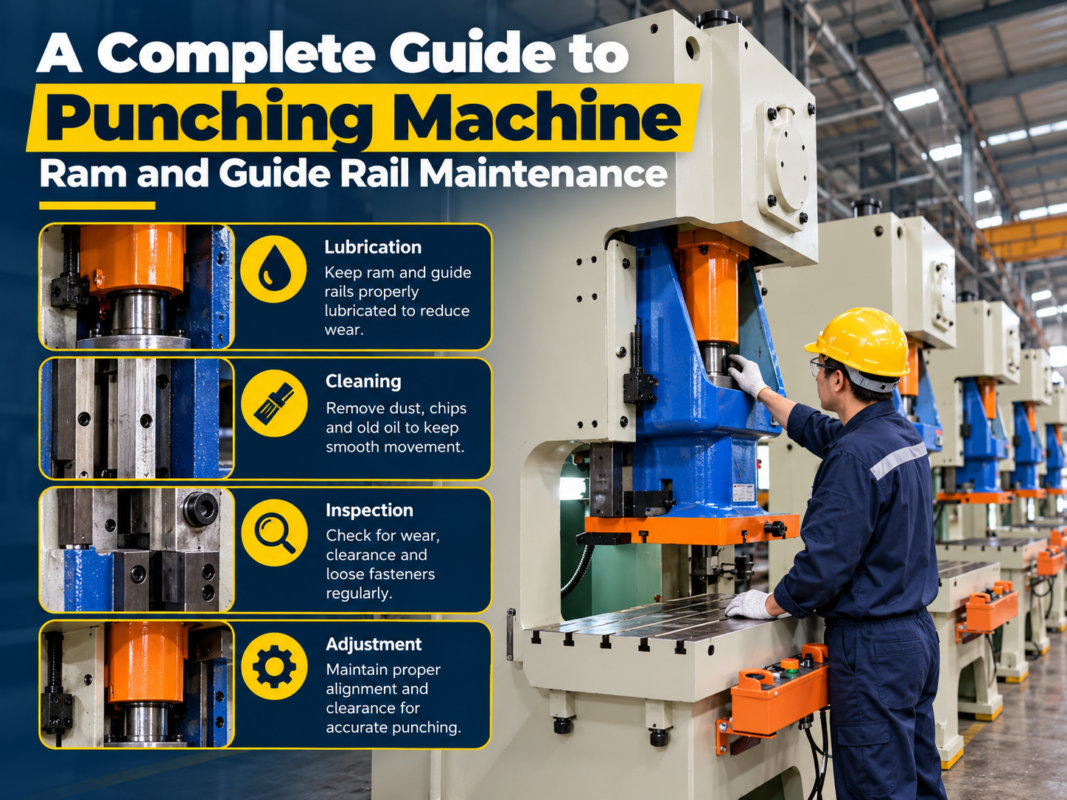
Mechanically, the focus shifts to the motion system. The X, Y, and Z axes rely on high-precision rack and pinion systems or ball screws. Any debris trapped in these components will manifest as ‘jitter’ in the cutting path. During mechanical checks, technicians should look for signs of uneven wear on the guide rails. If the machine is not perfectly level, or if the rails have become misaligned due to a collision, the precision of the machine will be compromised. Using a dial indicator to check the squareness of the axes can help identify these issues before they result in scrapped parts.
Although fiber lasers are primarily electrical and mechanical, some systems utilize hydraulic components for pallet changers or heavy-duty clamping. Checking hydraulic fluid levels and inspecting hoses for leaks is essential. A failure in the pallet changer can lead to significant downtime, as the machine cannot cycle new material into the cutting area. Ensuring that the hydraulic pressure is within the manufacturer’s specified range guarantees smooth, rapid transitions between sheets, contributing to the overall speed of the production cycle.
Developing a Robust Lubrication Plan
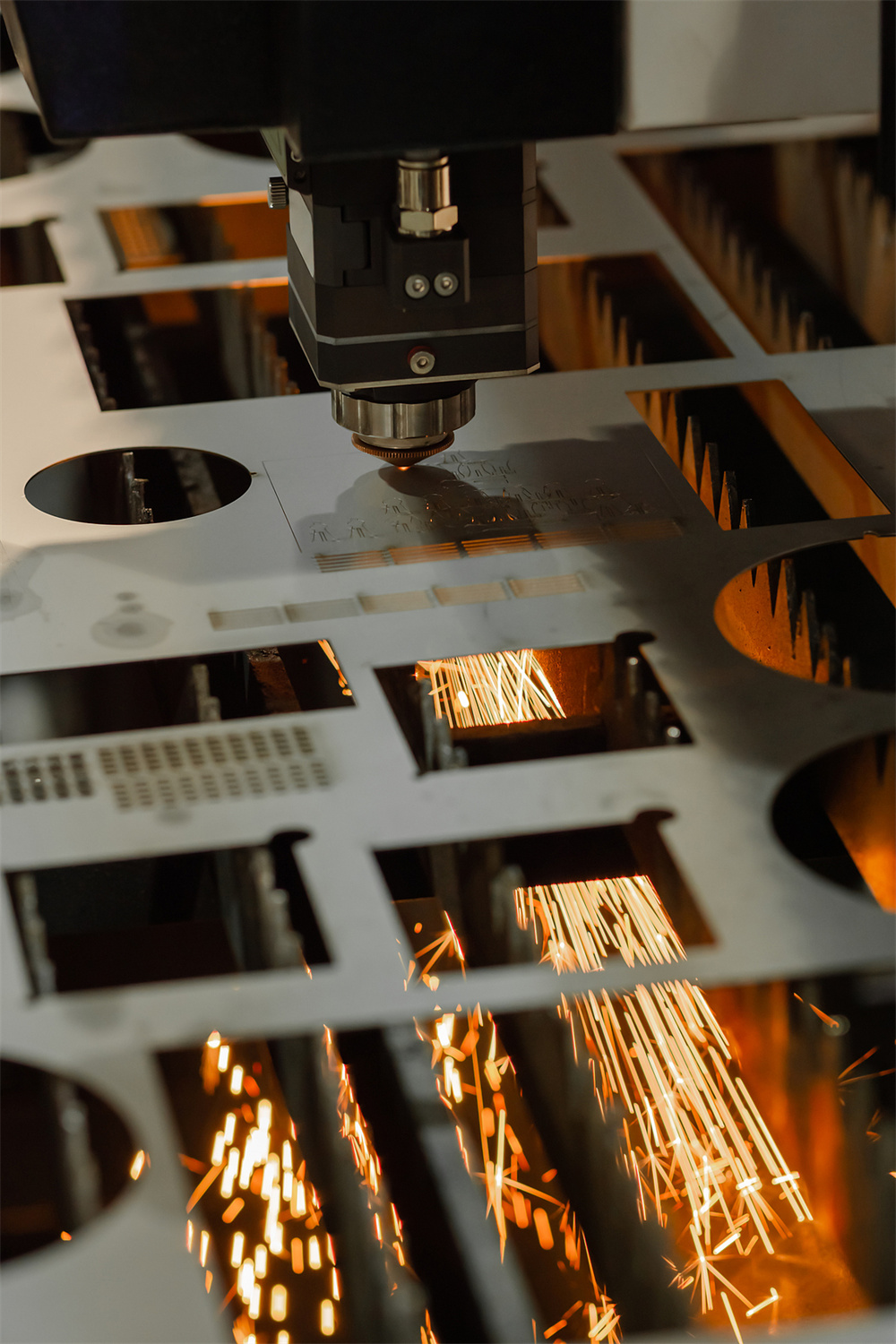
Lubrication is the lifeblood of any CNC machinery, and for laser cutting machine maintenance for better speed and precision, it is the key to reducing friction-induced heat and wear. Most modern HARSLE machines are equipped with automatic lubrication systems, but these still require human oversight. The lubrication plan should specify the type of grease or oil required for different components. For instance, the linear guides typically require a different viscosity of lubricant than the high-speed ball screws used in the Z-axis.
The frequency of lubrication depends on the machine’s duty cycle. A machine running three shifts a day will require much more frequent lubrication than one running a single shift. It is a common mistake to ‘over-grease’ components, which can actually attract more dust and create a grinding paste that accelerates wear. The goal is to maintain a thin, consistent film of lubricant that protects the metal surfaces from oxidation and reduces the torque required by the servo motors. When the motors work against less resistance, they can achieve higher acceleration rates, directly improving the machine’s cutting speed.
In addition to the axes, the lubrication plan should include the cleaning and oiling of the slat table. While the slats themselves are sacrificial, keeping the support structure clean and lightly oiled prevents slag from welding itself to the frame, making it easier to replace slats and maintain a flat cutting surface. A flat surface is critical for the capacitive height sensor in the laser head to maintain a constant standoff distance, which is a prerequisite for precision cutting.
Troubleshooting Signals: Listening to Your Machine
Experienced operators can often ‘hear’ when a machine is falling out of its optimal state. A change in the pitch of the cutting process or a high-pitched whine from the servo motors are early warning signals. If the machine begins to produce parts with a heavy burr on the bottom edge, it usually indicates a problem with the focal position or the gas pressure. If the dimensions of the parts are consistently off in one axis, it points toward a mechanical backlash issue or a loose coupling in the drive train.
Another common troubleshooting signal is the ‘kerf’ width. If the kerf becomes wider than usual, it suggests that the laser beam is no longer focused correctly or that the protective lens is dirty. Modern CNC controllers provide a wealth of diagnostic data, including alarm codes and real-time monitoring of the laser power. Operators should be trained to interpret these codes rather than simply clearing them. For example, a ‘following error’ alarm often indicates that the axis is meeting mechanical resistance, signaling a need for immediate lubrication or inspection of the guide rails.
Monitoring the quality of the cut surface is perhaps the best way to troubleshoot. A ‘striation’ pattern that is inconsistent or slanted indicates that the cutting speed is either too high or too low for the material thickness, or that the nozzle is misaligned. By systematically checking these variables, operators can quickly return the machine to its peak performance levels, ensuring that the laser cutting machine maintenance for better speed and precision remains a proactive rather than reactive process.
Comprehensive Maintenance Schedule Table
To simplify the maintenance process, the following table outlines the essential tasks and their recommended frequencies. Adhering to this schedule is the most effective way to ensure long-term reliability.
| Frequency | Component | Maintenance Task | Objective |
|---|---|---|---|
| Daily | Protective Lens | Inspect and clean with optical-grade wipes | Prevent beam distortion and lens damage |
| Daily | Nozzle & Ceramic Ring | Check for slag, center the beam, inspect for cracks | Ensure stable gas flow and height sensing |
| Daily | Water Chiller | Check water level and temperature settings | Maintain stable cooling for laser source |
| Weekly | Guide Rails & Racks | Clean debris and check lubrication film | Ensure smooth motion and prevent ‘jitter’ |
| Weekly | Dust Collection System | Empty dust bins and check filter pressure | Maintain airflow and clean work environment |
| Monthly | Electrical Cabinet | Vacuum dust filters and check cooling fans | Prevent overheating of electronic components |
| Monthly | Gas Lines | Check for leaks and inspect regulator stability | Ensure consistent auxiliary gas delivery |
| Quarterly | X/Y/Z Axis Alignment | Check squareness and calibrate focal point | Maintain dimensional accuracy and precision |
| Bi-Annually | Chiller Water Replacement | Drain, flush, and refill with deionized water | Prevent algae growth and mineral buildup |
| Annually | Full System Calibration | Professional inspection of laser source and optics | Verify peak power output and beam quality |
Frequently Asked Questions (FAQ)
1. Why is my laser cutting speed decreasing over time?
A decrease in cutting speed is usually caused by a loss of laser power reaching the material. This is most commonly due to a dirty or damaged protective lens, a worn-out nozzle, or an improperly focused beam. Additionally, if the chiller is not maintaining the correct temperature, the laser source may automatically reduce its power output to prevent damage. Regular cleaning and checking the optical path are essential to restore speed.
2. How often should I change the water in my chiller?
For most industrial environments, it is recommended to change the chiller water every 3 to 6 months. You must use deionized or distilled water to prevent mineral buildup in the narrow cooling channels of the laser source. If the environment is particularly dusty or if you notice any discoloration in the water, more frequent changes and a system flush may be necessary.
3. Can I use any type of grease for the guide rails?
No. You should always use the specific lubricant recommended by the manufacturer (e.g., HARSLE). Using the wrong grease can lead to increased friction, gumming up of the bearings, or even chemical reactions that damage the seals of the linear guides. The wrong viscosity can also put undue strain on the servo motors, affecting both speed and precision.
4. What causes ‘burrs’ or dross on the bottom of the cut?
Burrs are typically caused by an imbalance between cutting speed, laser power, and gas pressure. If the speed is too high, the molten metal isn’t fully blown out of the kerf. If the focal point is incorrect, the laser doesn’t melt the metal cleanly. Checking the nozzle centering and ensuring the auxiliary gas (especially Nitrogen for stainless steel) is at the correct pressure will usually resolve this issue.
5. How do I know if my laser source is failing?
Signs of a failing fiber laser source include a significant drop in maximum cutting thickness, inconsistent power output during a single cut, or frequent ‘laser alarm’ codes on the controller. However, before assuming the source is failing, always check the external optics (lenses and windows) first, as 90% of power issues are related to the delivery system rather than the source itself.
6. Does the type of material affect the maintenance schedule?
Yes. Cutting materials like galvanized steel or aluminum produces more fine dust and fumes than standard carbon steel. If you primarily cut these materials, you will need to clean your filters, lenses, and mechanical components more frequently to prevent the corrosive or abrasive dust from causing premature wear on the machine’s sensitive parts.