Hydraulic Press Machine Cost by Tonnage: 10 Ton to 1000 Ton Buying Guide


Introduction to Hydraulic Press Investment
In the world of metal fabrication and industrial manufacturing, the hydraulic press remains a cornerstone of production. Whether you are deep drawing automotive parts, punching precision components, or molding composite materials, understanding the financial landscape of this equipment is vital. The Hydraulic Press Machine Cost By Tonnage: 10 Ton 1000 Ton Buying process is not merely about looking at a price tag; it is about understanding the engineering, the components, and the long-term value that different tonnage capacities bring to your shop floor.
HARSLE, a leader in the metalworking machinery industry, recognizes that for many businesses, the purchase of a hydraulic press is a significant capital expenditure. This guide aims to demystify the pricing structures associated with various tonnages, ranging from light-duty 10-ton workshop presses to massive 1000-ton industrial powerhouses. By the end of this article, you will have a clear roadmap for budgeting and selecting the right machine for your specific application requirements.
The cost of a hydraulic press is influenced by a multitude of factors, including frame design, hydraulic circuit complexity, control systems, and safety features. As we navigate through the different tonnage brackets, we will explore why a 500-ton press isn’t simply ten times the price of a 50-ton press, and what technical nuances drive the final invoice. This comprehensive guide is designed for procurement managers, factory owners, and engineers who need to justify their equipment investments with hard data and technical insight.
Price Range Overview by Tonnage
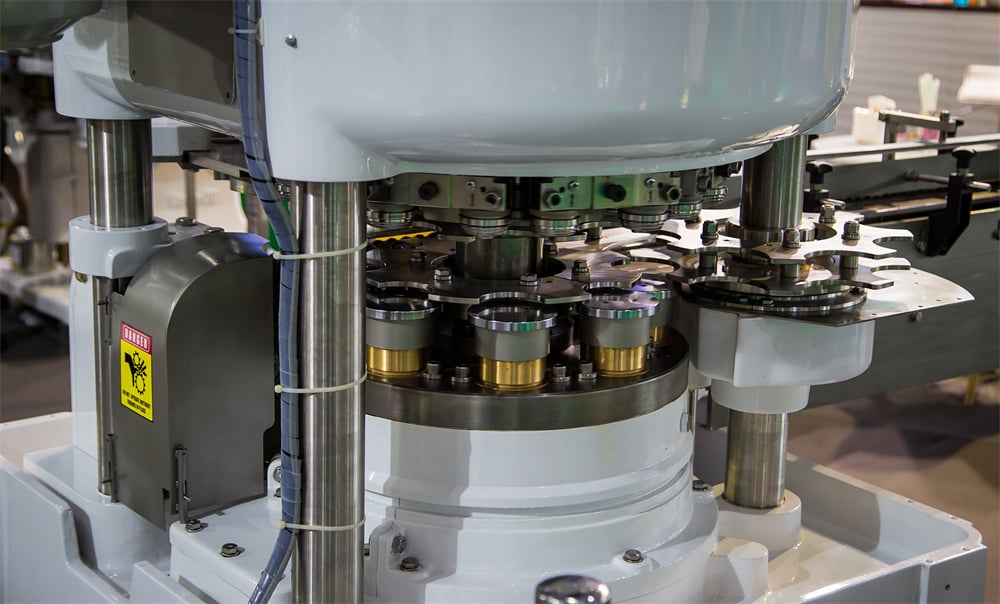
When discussing the Hydraulic Press Machine Cost By Tonnage: 10 Ton 1000 Ton Buying, it is helpful to categorize machines into specific brackets. These brackets often represent different tiers of manufacturing capability and structural engineering. Below is a general overview of what you can expect in the current market for standard configurations.
Small Scale: 10 Ton to 50 Ton
Machines in the 10 to 50-ton range are typically used for light assembly, laboratory testing, jewelry making, or small-scale punching. These are often C-frame (gap frame) or benchtop models. Prices in this category can range from $2,000 for basic manual/electric workshop presses to $15,000 for high-precision, automated C-frame units. The primary cost drivers here are the quality of the hydraulic pump and the precision of the ram movement.
Medium Scale: 60 Ton to 200 Ton
This is the most common range for general metal fabrication, including bending, straightening, and shallow drawing. These machines are usually H-frame or four-column designs. A standard 100-ton H-frame press might cost between $15,000 and $45,000 depending on the stroke length and speed requirements. As you move toward 200 tons, the structural integrity of the frame becomes a major cost factor, with prices often reaching $60,000 to $85,000 for well-equipped industrial models.
Large Scale: 300 Ton to 500 Ton
At this level, we enter the realm of heavy-duty industrial production. These presses are used for deep drawing, large-scale molding, and heavy plate forming. The engineering required to manage the stresses of 500 tons of pressure is significant. You can expect prices to range from $100,000 to $250,000. These machines often feature advanced PLC controls, high-speed hydraulic manifolds, and sophisticated safety light curtains.
Heavy Industrial: 600 Ton to 1000 Ton
The 1000-ton hydraulic press is a massive investment, often custom-built for specific automotive or aerospace applications. The Hydraulic Press Machine Cost By Tonnage: 10 Ton 1000 Ton Buying for these giants starts at $300,000 and can easily exceed $750,000 or even $1 million when fully automated with robotic loading and unloading systems. The cost is driven by the sheer volume of high-grade steel used in the frame and the massive hydraulic reservoirs and cooling systems required to maintain continuous operation.
Main Cost Drivers in Hydraulic Press Manufacturing
Understanding why prices vary so drastically requires a look under the hood. The tonnage is just the starting point; the components and construction methods are what truly dictate the price. Here are the primary drivers that HARSLE and other manufacturers consider when pricing a machine.
1. Frame Construction and Steel Quality
The frame must withstand the rated tonnage without excessive deflection. A 500-ton press requires significantly more steel and more complex welding/stress-relieving processes than a 50-ton press. The choice between a C-frame, H-frame, or Four-column design also impacts the cost. Four-column presses offer the best accessibility and pressure distribution but require precision-ground columns and bushings, which adds to the manufacturing expense.
2. Hydraulic Components and Systems
The heart of the machine is the hydraulic system. High-end brands like HARSLE often utilize components from world-renowned suppliers such as Rexroth, Vickers, or Parker. The cost of the main pump, the manifold blocks, and the proportional valves can account for 30-40% of the total machine cost. Servo-driven hydraulic systems, which offer immense energy savings and precision, are more expensive upfront but provide a lower total cost of ownership.
3. Control Systems and Automation
A basic manual valve control is inexpensive, but modern manufacturing demands precision. Integration of PLC systems (like Siemens or Schneider), HMI touchscreens, and CNC capabilities for multi-axis control significantly increases the price. These systems allow for programmable stroke lengths, pressure holding times, and speed profiles, which are essential for complex forming tasks.
4. Speed and Cycle Times
Standard presses move at a relatively slow pace. If your production line requires high-speed approach and pressing speeds, the machine needs larger pumps, more powerful motors, and advanced cooling systems to handle the heat generated by rapid oil flow. Doubling the speed of a press can sometimes increase the cost by 50% due to the upgraded hydraulic requirements.
Configuration Impact: Choosing the Right Frame
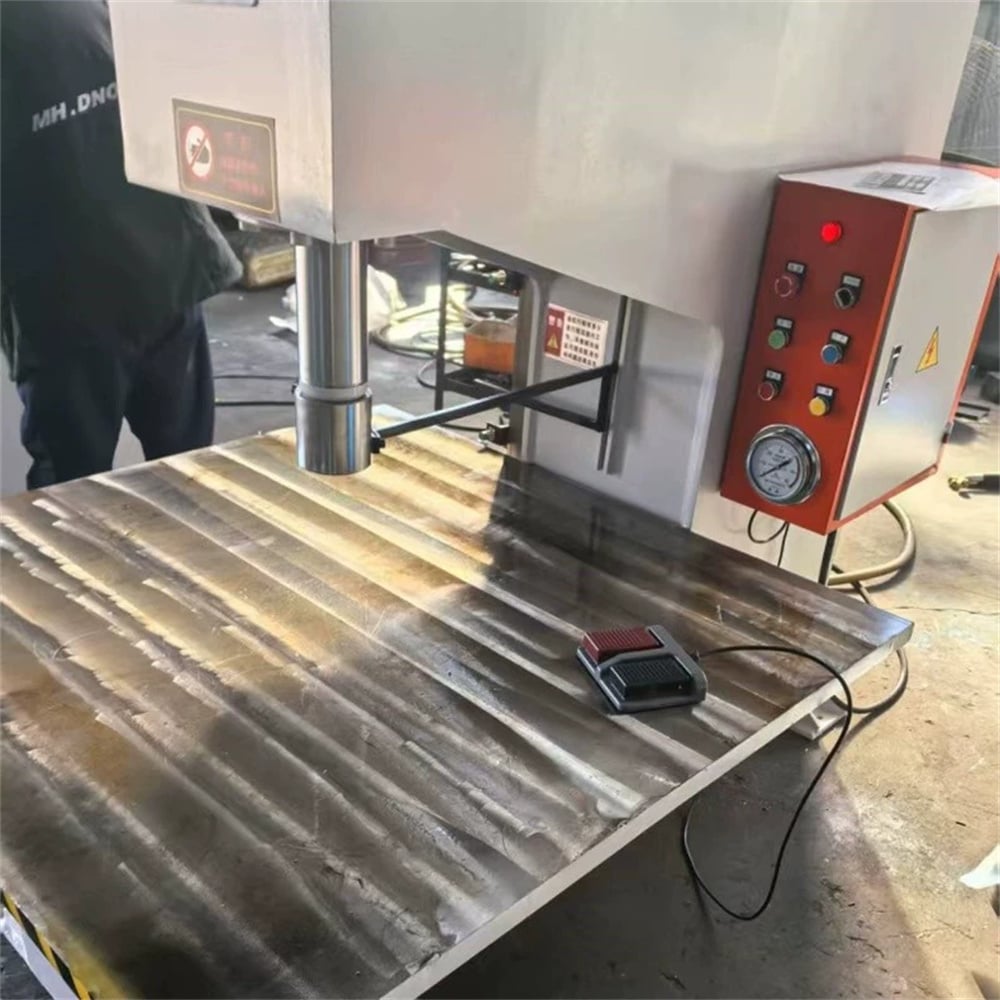
The physical configuration of the press is a major factor in the Hydraulic Press Machine Cost By Tonnage: 10 Ton 1000 Ton Buying equation. Each frame type has its own cost-to-benefit ratio depending on the application.
- C-Frame (Gap Frame): These are generally the most affordable. They provide excellent access from three sides, making them ideal for small parts and manual loading. However, they are prone to “yaw” or deflection under high pressure, which limits them to lower tonnages (usually under 250 tons).
- H-Frame (Straight-Side): These are more rigid than C-frames and can handle much higher tonnages. The closed-frame design minimizes deflection, which is critical for maintaining die life and part accuracy. They are more expensive due to the increased amount of steel and the complexity of the frame assembly.
- Four-Column Press: This design offers the most versatility and precision. The four columns ensure that the bolster and ram remain perfectly parallel, even under off-center loading. This is the preferred choice for high-tonnage applications (500-1000 tons) and deep drawing, but it carries a premium price tag due to the precision machining required for the columns.
When selecting a configuration, consider not just the current job but the flexibility for future projects. A four-column press might be more expensive today, but its ability to handle a wider variety of dies and materials might save you from buying a second machine later.
Hidden Costs of Purchasing a Hydraulic Press
The quote you receive from a manufacturer is rarely the final cost of getting the machine into production. Buyers must account for several “hidden” or secondary costs that can impact the budget by 10% to 20%.
Shipping and Logistics
A 500-ton press can weigh upwards of 30,000 kg. Shipping such a heavy piece of equipment, especially if it’s an international delivery, requires specialized heavy-lift transport and ocean freight. Furthermore, the cost of moving the machine from the port to your factory and then onto its final foundation can be substantial.
Foundation and Installation
Large presses (typically 300 tons and above) cannot simply be placed on a standard factory floor. They require reinforced concrete foundations to absorb vibration and support the static and dynamic loads. Professional installation, including leveling, hydraulic fluid filling (which can be hundreds of gallons), and electrical hookups, should be budgeted for.
Tooling and Die Sets
A hydraulic press is useless without the proper tooling. Custom die sets for deep drawing or complex forming can cost thousands of dollars. When calculating the Hydraulic Press Machine Cost By Tonnage: 10 Ton 1000 Ton Buying, always include the cost of the initial tooling required to start production.
Training and Maintenance
To get the most out of a modern CNC hydraulic press, your operators need training. While HARSLE provides comprehensive manuals and support, on-site training sessions are an investment in productivity. Additionally, a preventative maintenance plan—including oil analysis, filter changes, and seal inspections—is necessary to protect your investment.
ROI Calculation: Justifying the Expense
Investing in a high-tonnage hydraulic press is a strategic move. To calculate the Return on Investment (ROI), you must look beyond the purchase price and consider the operational gains. A more expensive, high-speed press might have a better ROI than a cheaper, slower one if it increases your daily output by 30%.
Consider the following formula for a basic ROI assessment: (Annual Profit from Press – Annual Operating Costs) / Total Investment Cost. The “Annual Profit” should include the savings from bringing outsourced work in-house, the reduction in scrap rates due to better precision, and the increased throughput. Often, a HARSLE hydraulic press pays for itself within 18 to 36 months in a high-volume production environment.
Furthermore, energy efficiency plays a massive role in ROI. Modern servo-hydraulic presses can reduce energy consumption by up to 50% compared to traditional fixed-displacement pump systems. Over a 10-year lifespan, the energy savings alone can sometimes cover a significant portion of the machine’s initial cost.
Buying Advice: How to Select the Right Tonnage
Choosing the wrong tonnage is a costly mistake. If the tonnage is too low, you risk damaging the machine and the tooling. If it’s too high, you’ve overspent on capacity you don’t need. Here is a checklist for the Hydraulic Press Machine Cost By Tonnage: 10 Ton 1000 Ton Buying process:
- Calculate Your Required Force: Use engineering formulas to determine the exact tonnage needed for your thickest material and largest part. Always add a 20-25% safety margin to avoid running the press at its absolute limit.
- Determine the Stroke and Daylight: Ensure the machine has enough “daylight” (the space between the bolster and the ram) to accommodate your dies and the part removal process.
- Evaluate Speed Requirements: If you are doing high-volume stamping, speed is king. If you are doing deep drawing, you need controlled, consistent pressure rather than raw speed.
- Check the Manufacturer’s Reputation: Look for companies like HARSLE that have a proven track record, provide robust warranties, and offer accessible after-sales service.
- Request a Test Run: If possible, have the manufacturer run a sample of your part on a similar machine to verify the results before finalizing the purchase.
Frequently Asked Questions (FAQ)
What is the average lifespan of a hydraulic press?
With proper maintenance, a high-quality industrial hydraulic press can last 20 to 30 years. Many machines built in the mid-20th century are still in operation today, though their control systems often require upgrading to meet modern standards.
Should I buy a new or used hydraulic press?
While used presses are cheaper, they often come with hidden wear, outdated safety features, and no warranty. New machines from HARSLE offer the latest technology, energy efficiency, and the peace of mind that comes with factory support and modern safety compliance.
Can a 1000-ton press be used for small jobs?
Technically yes, but it is highly inefficient. The energy required to move the massive ram and the potential for damaging small dies make it impractical. It is always best to match the machine tonnage as closely as possible to the job requirements.
How does a servo-hydraulic press differ in cost?
A servo-hydraulic press typically costs 20-30% more than a standard hydraulic press. However, it offers much higher precision, lower noise levels, and significantly lower energy costs, making it a better long-term investment for many shops.
What maintenance is most critical for a hydraulic press?
Oil cleanliness is the most critical factor. Contaminated oil can damage expensive valves and pumps. Regular filter changes and oil analysis are the best ways to ensure the longevity of your hydraulic system.
Conclusion
Navigating the Hydraulic Press Machine Cost By Tonnage: 10 Ton 1000 Ton Buying landscape requires a balance of technical knowledge and financial foresight. From the compact efficiency of a 10-ton press to the immense power of a 1000-ton system, each machine serves a specific niche in the manufacturing ecosystem. By understanding the cost drivers—from frame design to hydraulic components—and accounting for the total cost of ownership, you can make an informed decision that drives your business forward. HARSLE remains committed to providing high-quality, cost-effective solutions for all your metal forming needs, ensuring that your investment today yields productivity for decades to come.