Hydraulic Press Machine Pricing Factors Every Buyer Should Know

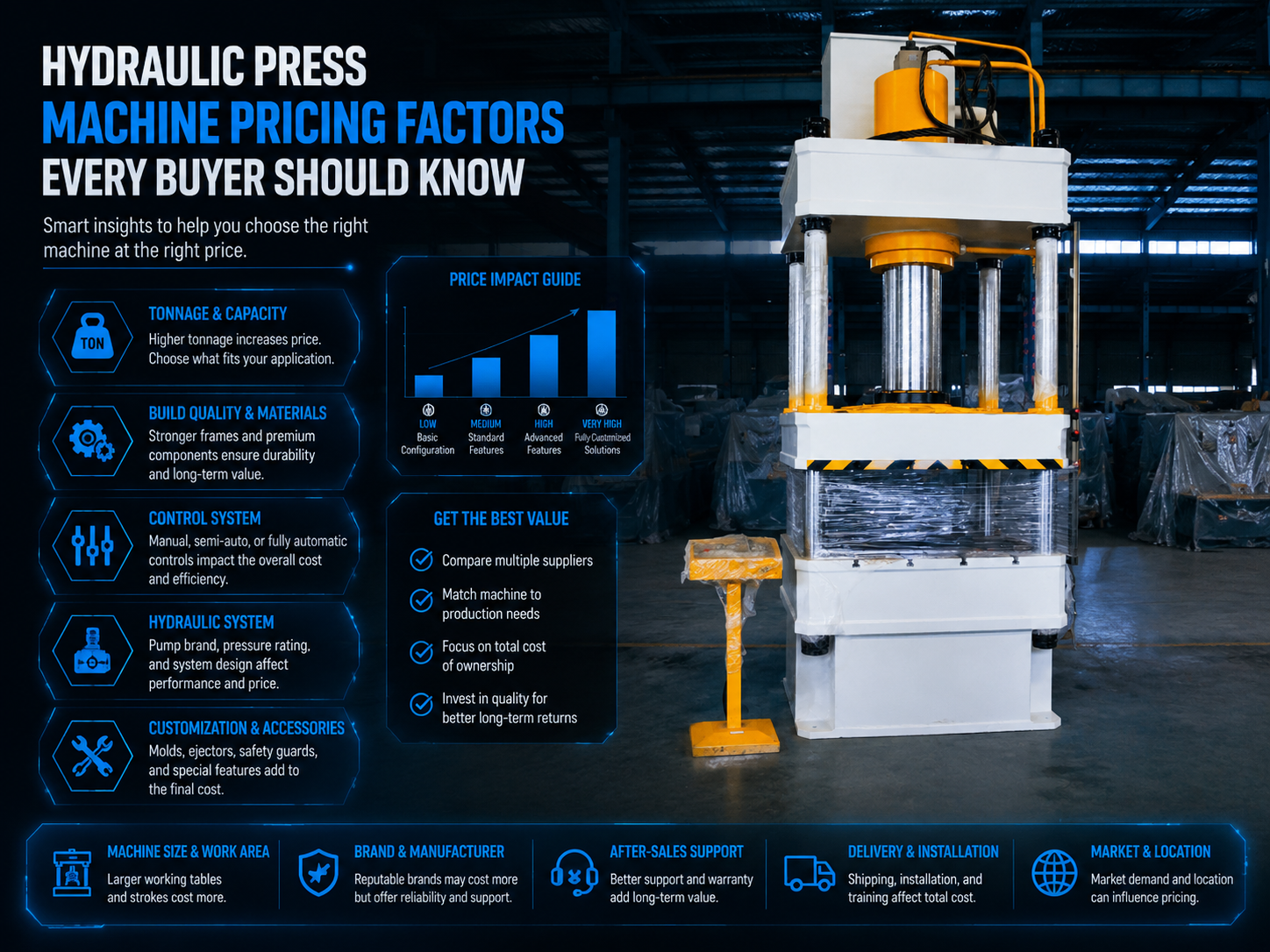
Introduction to Hydraulic Press Investment
Investing in a hydraulic press is a significant capital expenditure for any metal fabrication facility. Whether you are a small workshop looking for a versatile C-frame press or a large-scale automotive manufacturer requiring a high-tonnage four-column press, understanding the financial landscape is critical. The market for hydraulic presses is vast, with prices ranging from a few thousand dollars to several million. This disparity is not arbitrary; it is driven by a complex interplay of engineering, component quality, and customization.
For many buyers, the initial quote is often the primary focus. However, the true cost of ownership extends far beyond the purchase price. To make an informed decision, one must delve into the specific Hydraulic Press Machine Pricing Factors Every Buyer Should Know. These factors influence not only the upfront cost but also the long-term efficiency, maintenance requirements, and overall return on investment (ROI). At HARSLE, we believe that transparency in pricing helps our clients build more sustainable and profitable operations.
In this comprehensive guide, we will break down the primary drivers of hydraulic press costs, explore the impact of technical configurations, identify hidden expenses that often catch buyers off guard, and provide a framework for calculating ROI. By the end of this article, you will have the knowledge necessary to navigate the procurement process with confidence and ensure that your investment aligns perfectly with your production goals.
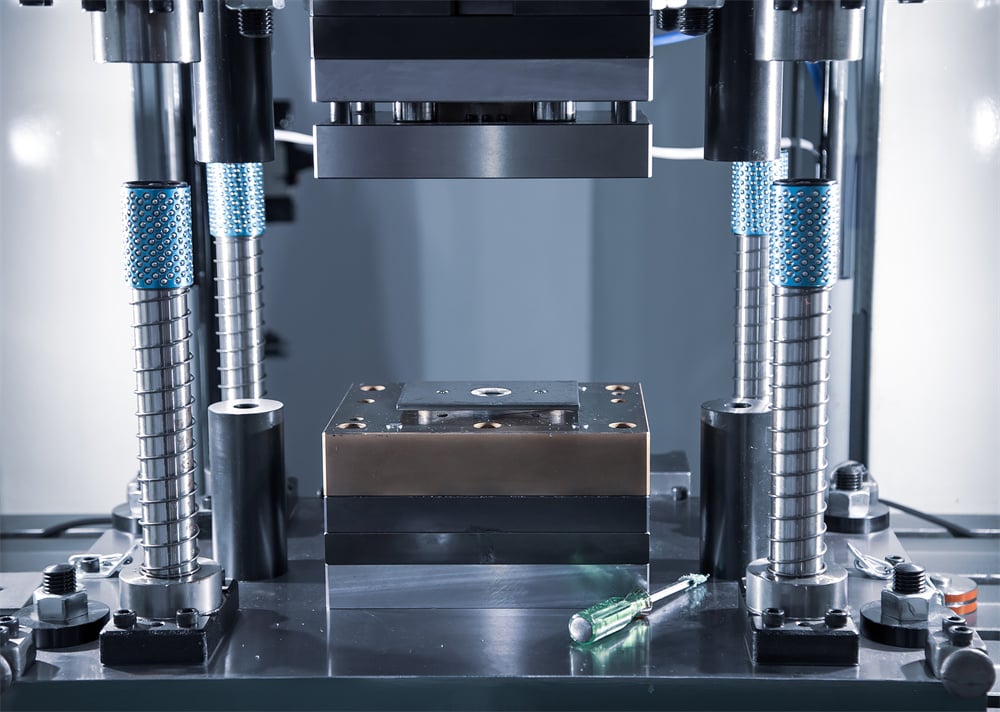
Price Range Overview: Categorizing the Market
The price of a hydraulic press is most fundamentally tied to its capacity, measured in tonnage. Tonnage refers to the maximum amount of force the press can exert. As the tonnage increases, so does the size of the frame, the diameter of the cylinders, and the power of the hydraulic unit. Generally, the market can be divided into three main tiers based on capacity and complexity.
Entry-Level and Small Capacity (10 to 100 Tons): These machines are typically used for light assembly, laboratory testing, or small-scale metal forming. Prices in this category can range from $5,000 to $30,000. Benchtop models and simple C-frame presses dominate this tier. While affordable, they often lack advanced control systems and high-speed capabilities.
Mid-Range Capacity (100 to 500 Tons): This is the most common category for general metal fabrication, including deep drawing, punching, and bending. Prices typically range from $40,000 to $150,000. In this bracket, you begin to see more robust H-frame designs, basic PLC controls, and improved safety features. The variation in price here is often due to the quality of the hydraulic components and the level of automation included.
High-Capacity and Specialized (500 to 5,000+ Tons): These are massive industrial machines used in the automotive, aerospace, and heavy equipment industries. Prices start at $200,000 and can easily exceed $1,000,000 for custom-engineered solutions. These presses feature sophisticated CNC systems, multi-axis control, and high-speed hydraulic circuits. The engineering required to manage such immense forces safely and precisely is a major contributor to the cost.
| Press Category | Tonnage Range | Typical Price Range (USD) | Primary Applications |
|---|---|---|---|
| Small/Benchtop | 10 – 50 Tons | $5,000 – $20,000 | Jewelry, small parts assembly, lab work |
| C-Frame (Gap) | 25 – 250 Tons | $15,000 – $80,000 | Punching, riveting, light forming |
| H-Frame / 4-Column | 100 – 1,000 Tons | $50,000 – $350,000 | Deep drawing, heavy stamping, molding |
| Custom/Heavy Duty | 1,000+ Tons | $400,000+ | Automotive body panels, aerospace components |
Main Cost Drivers: What Are You Really Paying For?
When analyzing Hydraulic Press Machine Pricing Factors Every Buyer Should Know, it is essential to look under the hood. The frame construction is the first major cost driver. A press frame must withstand immense pressure without flexing. Cast iron frames offer excellent vibration damping but are expensive to produce. Welded steel plate frames are more common and cost-effective, but the thickness and quality of the steel, as well as the stress-relieving processes used after welding, significantly impact the price and the machine’s lifespan.
The hydraulic system itself is the heart of the machine. High-end presses utilize components from reputable global brands like Bosch Rexroth, Parker, or Eaton. These components are more expensive than generic alternatives but offer superior reliability, faster response times, and easier access to spare parts worldwide. The type of pump—whether it is a simple gear pump or a high-efficiency variable displacement piston pump—also plays a massive role in the final quote. Piston pumps are more expensive but provide better control and energy efficiency.
Control systems are another significant variable. A basic manual valve control is the cheapest option but offers little precision. Moving up to a PLC (Programmable Logic Controller) with a touch-screen HMI (Human Machine Interface) allows for stored recipes, precise stroke control, and pressure monitoring. The most expensive systems are full CNC (Computer Numerical Control) units that can synchronize multiple cylinders and integrate with robotic loading systems. The software development and hardware integration for these systems add thousands to the machine’s cost.
Finally, the cylinder design and manufacturing quality cannot be overlooked. The cylinder is the component that does the actual work. High-quality cylinders feature honed bores, chrome-plated rods, and premium sealing systems to prevent leaks and ensure smooth movement. Cheap cylinders may save money upfront but are prone to premature seal failure and internal scoring, leading to costly downtime and repairs.
Configuration Impact: Customization and Specifications
Beyond the basic tonnage and frame type, the specific dimensions and performance requirements of your application will dictate the price. One of the most critical specifications is the “Daylight” or “Open Height.” This is the distance between the bolster plate and the ram when it is fully retracted. Increasing the daylight requires a taller frame and longer cylinder rods, which increases material costs and structural requirements.
Similarly, the “Stroke Length”—the distance the ram travels—affects the price. A longer stroke requires a longer cylinder and more hydraulic fluid, as well as a more robust guiding system to ensure the ram remains perfectly aligned throughout its travel. If your process involves deep drawing, you will need a significant stroke and likely a hydraulic cushion in the bed, which is an additional high-cost component used to control the blank-holding pressure.
The table size (bolster area) is another factor. A larger table allows for larger dies but requires a heavier frame to prevent deflection. If you require high precision, you might opt for a four-column design over a C-frame. While C-frames offer better access to the work area from three sides, they are prone to “yawning” or opening up under high pressure. Four-column presses distribute the load more evenly across four points, providing superior parallelism and accuracy, but they are more complex and expensive to manufacture.
Speed is the final major configuration factor. Standard hydraulic presses are relatively slow compared to mechanical presses. If your production requires high cycle rates, you will need a “High-Speed” hydraulic circuit. This involves larger valves, accumulators to store energy, and more powerful motors. These components can easily add 20-30% to the base price of the machine but are essential for high-volume manufacturing environments.
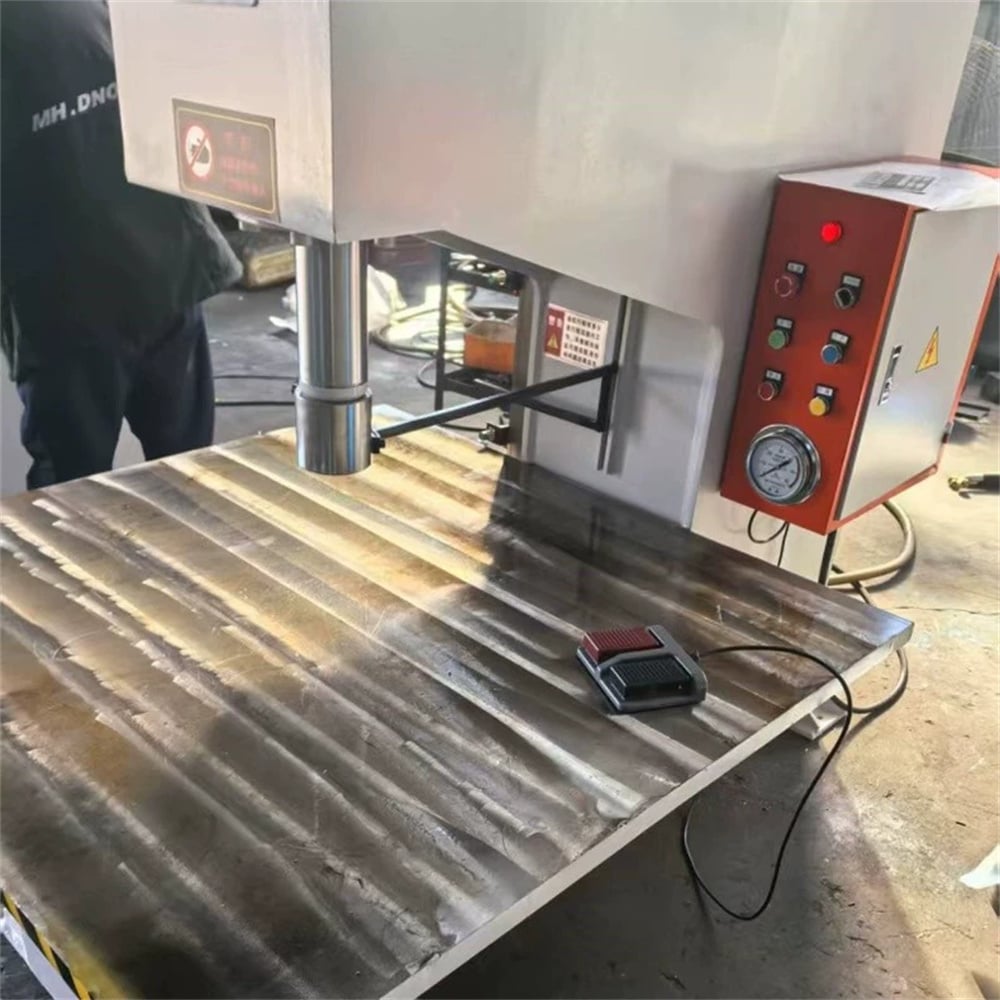
Hidden Costs: Beyond the Initial Quote
When calculating the total investment, many buyers overlook the “hidden” costs associated with industrial machinery. Shipping and logistics are the first hurdle. A 200-ton press can weigh upwards of 15,000 kg. Shipping such a heavy, oversized item across oceans or continents involves specialized containers, heavy-lift cranes, and significant freight charges. Furthermore, once the machine arrives, you will need a rigger to move it into your facility and place it on its foundation.
Installation and commissioning are rarely included in the base price unless specified. This process involves leveling the machine, filling it with hydraulic oil (which can be hundreds of gallons), connecting power, and performing initial test runs. Many manufacturers, including HARSLE, offer technician services for onsite setup, but the buyer typically covers travel, lodging, and daily labor rates. Skipping professional installation can lead to improper setup, which may void the warranty or cause premature wear.
Tooling and dies are another major expense. A hydraulic press is useless without the specific dies required for your parts. Depending on the complexity of the part, a single set of progressive dies can cost as much as the press itself. Buyers must also consider the cost of die clamping systems. Manual clamping is cheap but slow, while hydraulic quick-die-change (QDC) systems significantly reduce setup time but add several thousand dollars to the machine’s configuration.
Finally, consider the cost of safety compliance. Depending on your local regulations (such as OSHA in the US or CE in Europe), you may need to add light curtains, physical guarding, dual-hand tie-down controls, and safety monitoring relays. While these are essential for operator protection, they are often quoted as optional add-ons. Neglecting these during the budgeting phase can lead to unexpected expenses during the final safety inspection of your facility.
ROI Calculation: Justifying the Investment
To justify the Hydraulic Press Machine Pricing Factors Every Buyer Should Know, one must look at the Return on Investment (ROI). A more expensive machine with advanced features often pays for itself through increased productivity and reduced waste. For example, a press equipped with a servo-motor driven hydraulic system can reduce energy consumption by up to 50% compared to traditional constant-speed motors. Over several years of multi-shift operation, these energy savings can amount to tens of thousands of dollars.
Productivity gains are another key metric. A press with faster approach and return speeds reduces cycle times, allowing you to produce more parts per hour. If a $100,000 press is 20% faster than an $80,000 press, the increased output may cover the $20,000 price difference in less than a year. Additionally, advanced control systems reduce scrap rates by ensuring consistent pressure and stroke depth, which is particularly important when working with expensive materials like stainless steel or aerospace alloys.
Longevity and maintenance costs also factor into the ROI. A cheaper machine built with inferior components may require more frequent repairs and have a shorter overall lifespan. Downtime is the enemy of profitability; if a machine is down for a week waiting for a custom part from an obscure manufacturer, the lost production revenue can be staggering. Investing in a machine from a reputable manufacturer like HARSLE, which uses standardized, high-quality components, ensures that maintenance is straightforward and parts are readily available.
Lastly, consider the versatility of the machine. A hydraulic press with a large bolster and adjustable stroke can handle a wider variety of jobs than a specialized, limited-capacity machine. This versatility allows you to take on more diverse contracts, increasing the machine’s utilization rate and shortening the payback period. When calculating ROI, always look at the total cost of ownership over a 10-year period rather than just the first-year expenditure.
Buying Advice: How to Choose the Right Supplier
Choosing the right supplier is just as important as choosing the right machine. When evaluating quotes, do not simply look at the bottom line. Request a detailed breakdown of the components. Ask specifically about the brand of the valves, the pump, the PLC, and the electrical components. A supplier who is hesitant to provide this information may be using low-quality parts to keep the price down.
Check the manufacturer’s track record and customer reviews. Do they have experience in your specific industry? A supplier like HARSLE, with a global presence and a history of producing thousands of machines, offers a level of security that a smaller, unproven company cannot. Ask about the warranty terms—what is covered, and for how long? Is there a local service partner, or does the manufacturer provide remote diagnostic support?
Before finalizing a purchase, provide the supplier with detailed drawings of the parts you intend to produce. A good supplier will review your requirements and may suggest a different tonnage or configuration that is better suited to your needs. They might even recommend a lower-cost option if they believe you are over-specifying for your application. This consultative approach is a hallmark of a professional machinery partner.
Finally, if possible, visit the manufacturer’s facility or a customer site to see the machines in action. Observe the build quality, the neatness of the hydraulic piping, and the organization of the electrical cabinet. These details are often indicative of the overall care and engineering standards of the company. A well-built machine will look professional and operate smoothly, providing you with the confidence that your investment is sound.
Frequently Asked Questions (FAQ)
1. Why is there such a big price difference between a C-frame and an H-frame press?
C-frame presses are generally cheaper because they use less steel and are easier to manufacture. However, they are prone to slight frame deflection (yawning) under high loads. H-frame presses are more rigid and provide better support for the ram, making them more expensive but more accurate for heavy-duty or high-precision work.
2. Can I save money by buying a used hydraulic press?
Used machines can be 30-60% cheaper than new ones. However, they come with risks, such as hidden wear in the cylinders, outdated control systems, and lack of warranty. Often, the cost of retrofitting an old press with modern safety features and controls can bring the total cost close to that of a new, entry-level machine.
3. How much does a servo-hydraulic system add to the price?
A servo-driven hydraulic system typically adds 15-25% to the initial cost of the machine. However, the investment is usually recovered within 2-3 years through energy savings, reduced oil cooling requirements, and quieter operation.
4. What is the typical lead time for a custom hydraulic press?
Standard models may be in stock or available within 4-8 weeks. Custom-engineered presses with specific daylight, stroke, or high-speed requirements typically have lead times ranging from 12 to 24 weeks, depending on the complexity and the manufacturer’s current backlog.
5. Does the price include the hydraulic oil?
In most cases, no. Hydraulic oil is heavy and expensive to ship. Most manufacturers ship the machine dry, and the buyer is responsible for purchasing and filling the oil (usually ISO 46 or 68 grade) during installation. This can add several hundred to a few thousand dollars to your initial setup cost.