New vs Used Shearing Machine: Which Buying Option Makes More Sense?


Introduction to the Shearing Machine Dilemma
In the competitive world of metal fabrication, the decision to invest in a shearing machine is a pivotal moment for any workshop or industrial facility. Whether you are a startup looking to establish your first production line or an established manufacturer seeking to expand capacity, the question inevitably arises: New Vs Used Shearing Machine: Which Buying Option Makes More Sense? This choice is not merely about the initial price tag; it involves a complex calculation of long-term reliability, technological capabilities, maintenance requirements, and overall return on investment (ROI).
A shearing machine is the workhorse of the sheet metal industry, responsible for precise, straight-line cuts on various materials, from mild steel to stainless steel and aluminum. Because these machines are built to withstand immense pressure and repetitive stress, they often have long lifespans, which makes the used market particularly tempting. However, the rapid advancement in CNC technology, hydraulic efficiency, and safety standards means that a new machine offers advantages that a decade-old model simply cannot match. In this comprehensive guide, we will dissect every aspect of the buying process to help you make an informed decision for your business.

Price Range Overview: New vs. Used
The most immediate difference between new and used shearing machines is the upfront capital expenditure. Generally, a used shearing machine can be purchased for 40% to 60% of the cost of a brand-new equivalent. For example, a standard 6mm x 2500mm hydraulic swing beam shear might cost between $15,000 and $22,000 when new, while a well-maintained used unit from a reputable brand might be found for $7,000 to $10,000.
However, the price range for new machines varies significantly based on the country of origin and the level of technology. Premium European or Japanese brands command the highest prices, often exceeding $50,000 for mid-range capacities. In contrast, high-quality manufacturers like HARSLE provide a middle ground, offering advanced CNC features and robust construction at a more accessible price point. Used machines, on the other hand, have a price floor dictated by their scrap metal value and the remaining life of their hydraulic components and blades.
When looking at the used market, prices are often inconsistent. A machine that appears to be a bargain at $5,000 might require $4,000 in immediate repairs, whereas a $12,000 used machine might be ready for immediate production. For new machines, the pricing is transparent and usually includes a warranty, which adds a layer of financial security that is absent in the used market. It is essential to view the price not as a static number, but as the starting point of the machine’s total cost of ownership.
Main Cost Drivers in Shearing Machinery
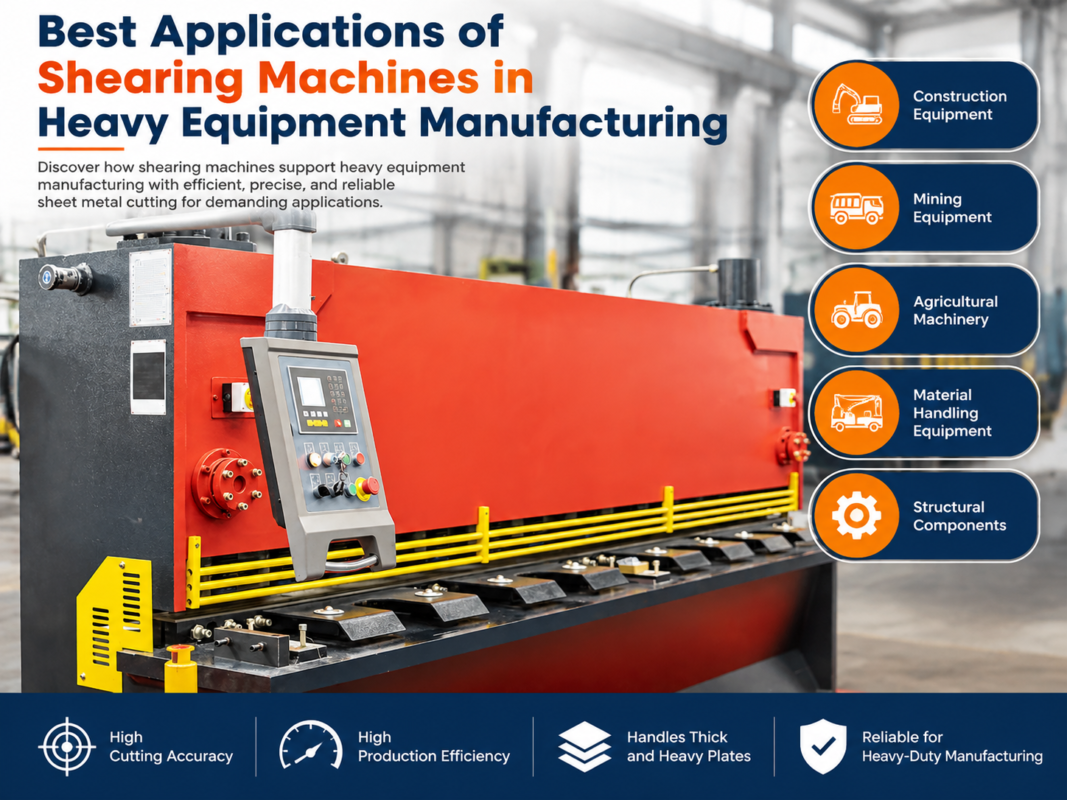
Understanding what drives the cost of a shearing machine is crucial for evaluating whether a used deal is actually a bargain. The primary cost driver is the cutting capacity—specifically the maximum thickness and length of the material the machine can handle. A machine capable of shearing 16mm plate is significantly more expensive than one limited to 4mm, due to the massive increase in frame rigidity and hydraulic power required.
The frame construction is another critical factor. New machines utilize modern FEA (Finite Element Analysis) to ensure that the steel frame can handle maximum loads without deflection. In older, used machines, the frame may have suffered from fatigue or improper use, which can lead to permanent inaccuracies in cutting. The quality of the blades also impacts cost; high-carbon, high-chrome blades (such as D2 or Cr12MoV) are expensive but offer much longer intervals between sharpening.
The hydraulic system and control unit represent the “heart and brain” of the machine. Modern new machines feature integrated hydraulic manifolds from brands like Bosch-Rexroth, which minimize piping and reduce the risk of leaks. They also come equipped with CNC controllers (like the Delem DAC series or Estun E21S) that automate the backgauge positioning and blade gap adjustment. A used machine with an obsolete controller can be a liability, as finding replacement parts for 20-year-old electronics is often difficult and expensive.
Configuration Impact: Technology and Efficiency
The configuration of a shearing machine determines its productivity and the skill level required from the operator. When comparing new vs. used, the technological gap is most evident here. New machines often feature automatic blade gap adjustment, which allows the operator to change the distance between the upper and lower blades via the CNC screen based on material thickness. This ensures a clean cut with minimal burrs and extends blade life. Older used machines often require manual adjustment using levers or handwheels, which is time-consuming and prone to human error.
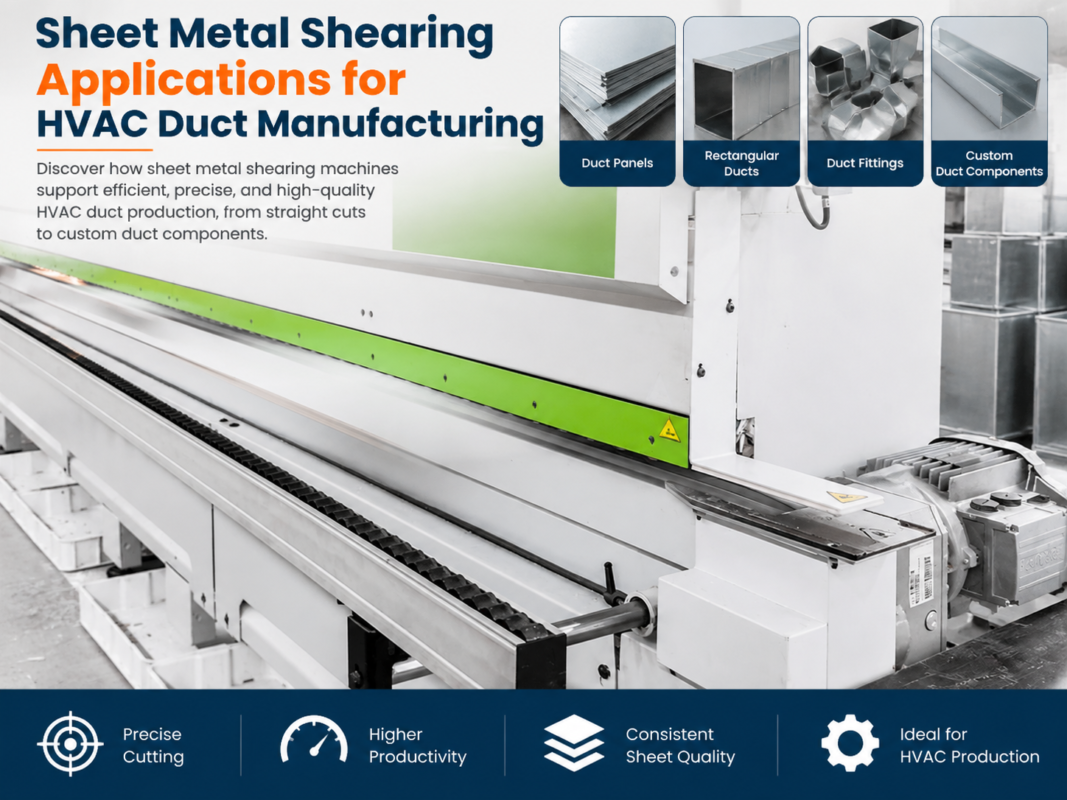
Another major configuration difference is the backgauge system. Modern new shears utilize high-precision ball screws and AC servo motors for the backgauge, providing accuracy within ±0.1mm. Used machines may still use lead screws or even manual scales, which significantly slows down production and increases the likelihood of wasted material. Furthermore, new machines are often configured with pneumatic rear support systems to prevent thin sheets from sagging before they reach the backgauge, a feature rarely found on older used models.

Hidden Costs of Buying Used
While the lower purchase price of a used shearing machine is attractive, the hidden costs can quickly erode those savings. The most significant hidden cost is downtime. A used machine is more likely to experience component failure, and if the machine is an older model, sourcing parts can take weeks. In a high-volume production environment, a week of downtime can cost more than the price difference between a new and used machine.
Rigging and Transportation: Moving a 5-ton or 10-ton piece of machinery is expensive. When you buy new, the manufacturer or dealer often has streamlined logistics. When buying used from a private seller, you are responsible for hiring specialized riggers to decommission, load, and transport the machine. Additionally, installation and calibration are rarely included with used purchases. You may need to hire a technician to level the machine, fill the hydraulic reservoir (which can hold hundreds of liters of expensive oil), and calibrate the backgauge.
Safety Compliance: Safety regulations for industrial machinery have become much stricter over the last decade. A used machine may lack modern light curtains, emergency stop circuits, or finger guards that meet current OSHA or CE standards. Retrofitting these safety features to a used machine can cost thousands of dollars. Finally, consider energy efficiency. Modern hydraulic systems use variable speed drives or more efficient pumps that consume significantly less electricity than the oversized, constantly running motors found in older shears.
ROI Calculation: New vs. Used
To determine which option makes more sense, you must calculate the Return on Investment (ROI). For a new machine, the ROI is calculated based on high uptime, low maintenance costs, and increased speed. Because a new CNC shear can be set up faster and cuts more accurately, the “cost per part” is lower. You also benefit from tax incentives like Section 179 (in the US), which allows businesses to deduct the full purchase price of new equipment from their taxable income.
For a used machine, the ROI calculation is riskier. While the initial investment is lower, the maintenance costs are higher. A simple formula to compare the two is: (Total Investment + Estimated Maintenance + Cost of Downtime) / Total Output over 5 years. In many cases, the higher output and lower maintenance of a new machine result in a faster payback period despite the higher initial cost. If your production volume is low (e.g., a maintenance shop that only uses the shear once a week), a used machine might offer a better ROI. However, for daily production, new is almost always the winner.
Comparison Table: New vs. Used Shearing Machines
| Feature | New Shearing Machine | Used Shearing Machine |
|---|---|---|
| Initial Cost | Higher ($15k – $100k+) | Lower ($5k – $50k) |
| Technology | Latest CNC, Auto-adjustments | Manual or Obsolete CNC |
| Warranty | 1-3 Years typical | None (As-is) |
| Maintenance | Minimal for first 3-5 years | Frequent and unpredictable |
| Safety | Full CE/OSHA compliance | May require expensive retrofits |
| Accuracy | High (±0.1mm) | Variable (depends on wear) |
| Parts Availability | Readily available from OEM | Can be difficult for older models |
Buying Advice: How to Choose
If you decide to go the used route, never buy sight-unseen. You must inspect the machine under power. Check the hydraulic cylinders for leaks, listen for unusual noises in the pump, and inspect the blades for chips. Bring a piece of material and perform a test cut; check for squareness and the quality of the edge. Ask for maintenance logs and find out why the previous owner is selling. If the machine has been sitting idle for years, the seals in the hydraulic system may have dried out, leading to immediate leaks once put back into service.
If you decide to buy new, focus on the reputation of the manufacturer and the level of after-sales support. Companies like HARSLE provide comprehensive manuals, video tutorials, and remote technical support, which are invaluable during the first few months of operation. Look for a machine that offers a bit more capacity than you currently need; it is better to have a machine that runs at 70% capacity than one that is constantly pushed to its 100% limit, as this will significantly extend the machine’s lifespan.
Ultimately, the decision should be based on your production requirements. If your business depends on the shearing machine for daily output, the reliability and warranty of a new machine provide peace of mind that justifies the higher cost. If the shear is a secondary tool for occasional use, a high-quality used machine can save capital for other areas of your business. However, always factor in the cost of potential repairs and the value of your own time when managing an older piece of equipment.
Frequently Asked Questions (FAQ)
1. How long does a typical hydraulic shearing machine last?
With proper maintenance, a high-quality hydraulic shearing machine can last 20 to 30 years. The frame is virtually indestructible if not overloaded, but hydraulic seals, pumps, and electrical components will need replacement or refurbishment every 10-15 years. Blades typically need sharpening every 6-12 months depending on usage.
2. Can I upgrade the CNC controller on an old shearing machine?
Yes, it is possible to retrofit a new CNC controller onto an old machine, but it is often a complex and expensive process. It involves replacing the backgauge motors, sensors, and the control unit itself. Often, the cost of a professional retrofit can approach 30-50% of the cost of a new machine, making it less economically viable than simply buying new.
3. What are the most common problems with used shearing machines?
The most common issues include hydraulic leaks from worn seals, dull or chipped blades, inaccurate backgauges due to worn lead screws, and electrical faults in aging relays or PLC units. Frame cracking is rare but can occur if the machine was consistently used to cut material thicker than its rated capacity.
4. Is a swing beam shear better than a guillotine shear?
It depends on your needs. A swing beam shear is generally simpler, more robust, and cheaper, making it great for standard fabrication. A guillotine shear allows for adjustable rake angles, which reduces distortion in thin strips and is generally preferred for high-precision or heavy-plate applications. New guillotine shears offer more flexibility but at a higher price point.
5. Does HARSLE provide training for new shearing machines?
Yes, HARSLE provides comprehensive support for new machine owners, including detailed operation manuals, installation guides, and video training. For many customers, remote technical support is available to help operators get familiar with the CNC interface and maintenance procedures, ensuring a smooth transition to the new equipment.
6. What should I check first when a used machine arrives?
First, check the oil levels and the condition of the hydraulic fluid. If the oil is milky or dark, change it immediately. Second, check all electrical connections that may have loosened during transport. Third, verify the blade gap and ensure the blades are sharp and properly seated before attempting the first cut.