Punching Machine Features That Improve Safety, Speed, and Accuracy: A Comprehensive Guide


Introduction to Modern Punching Machine Technology
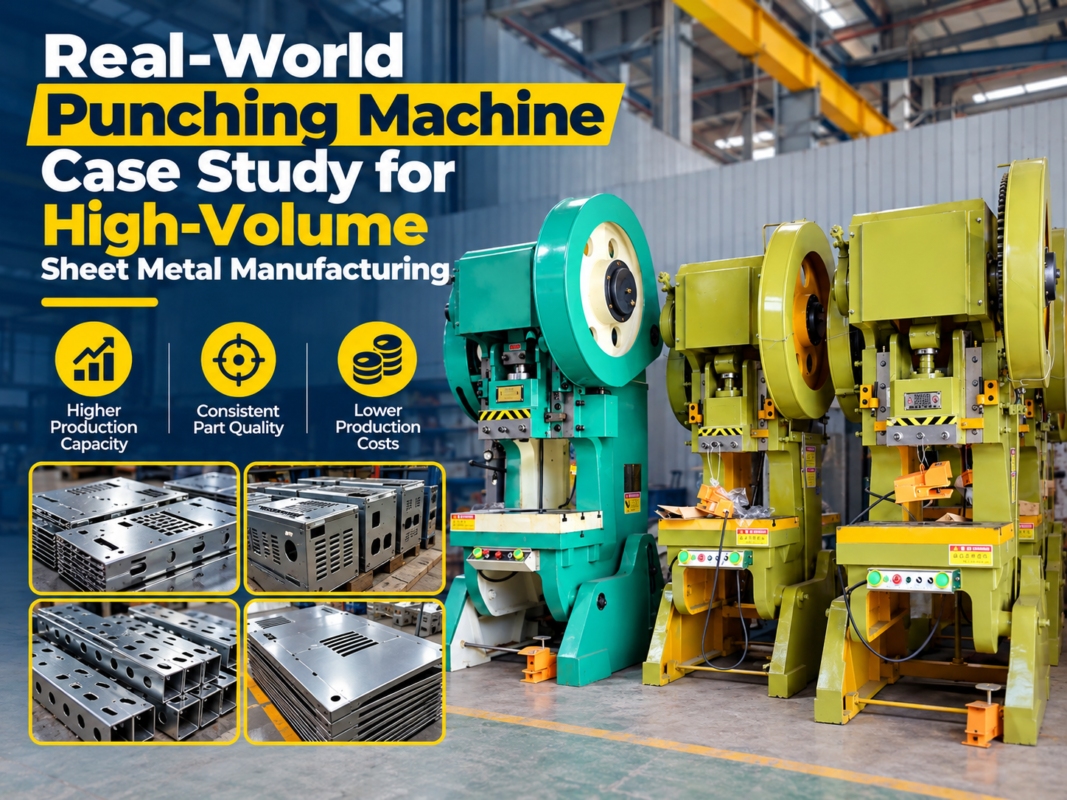
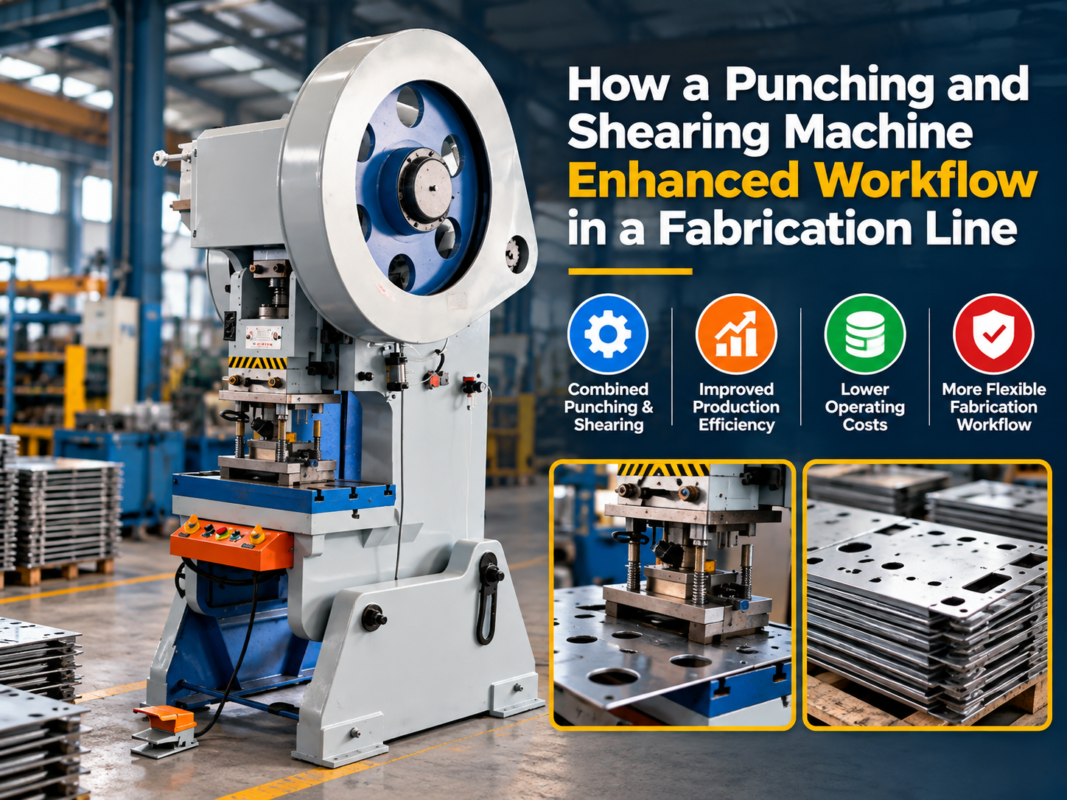
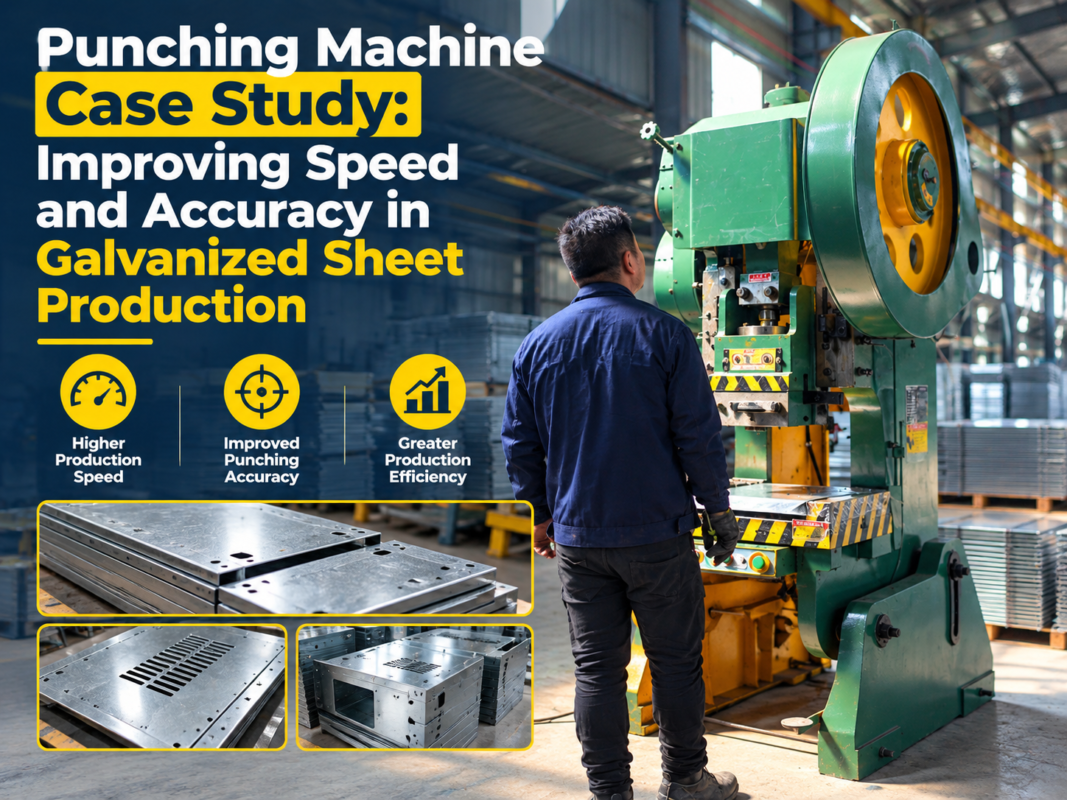
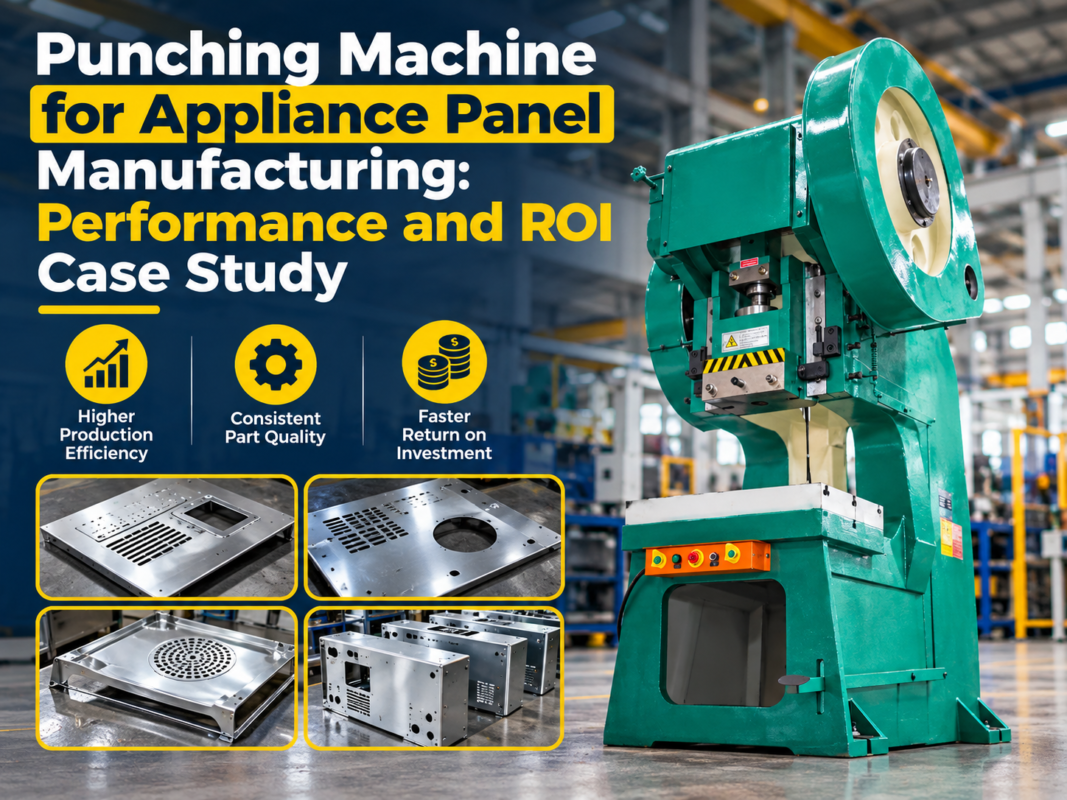
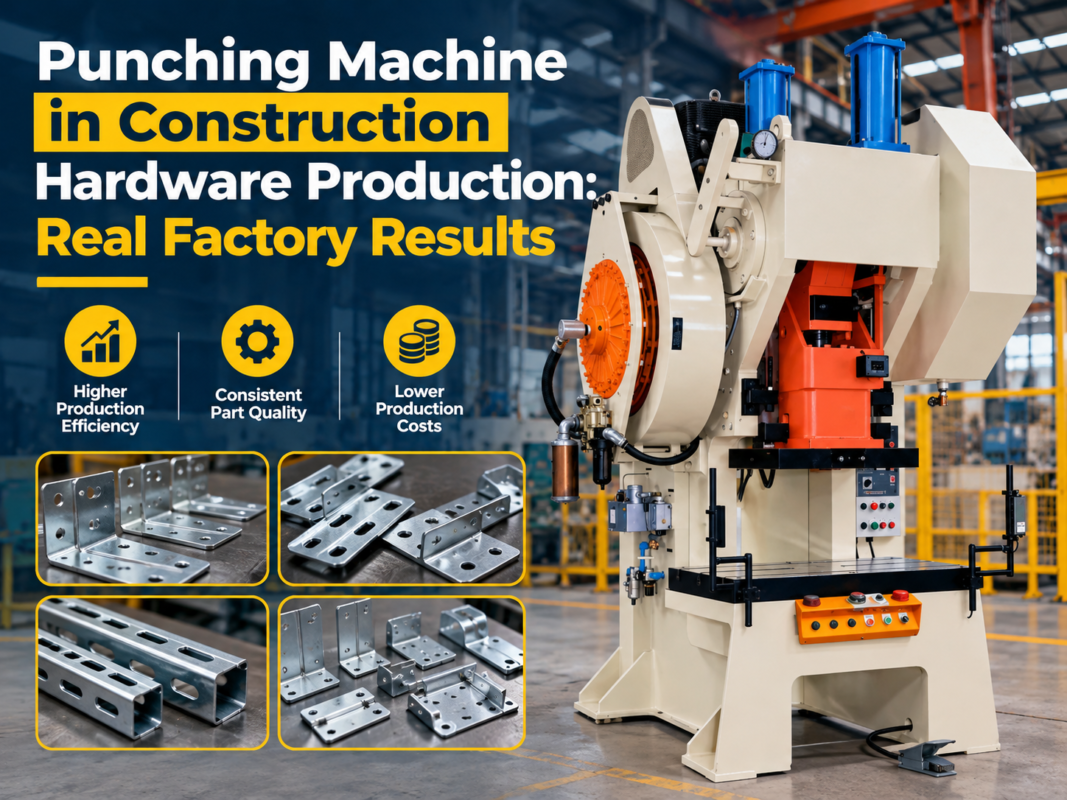
In the competitive landscape of metal fabrication, the efficiency of a workshop is often defined by the capabilities of its primary equipment. Among these, the punching machine remains a cornerstone for high-volume production and intricate component manufacturing. However, not all punching machines are created equal. The evolution of industrial technology has introduced a suite of punching machine features that improve safety, speed, and accuracy, transforming these machines from simple mechanical presses into sophisticated, CNC-controlled powerhouses.
For manufacturers looking to upgrade their floor or invest in their first high-performance unit, understanding these features is critical. Safety is no longer just about physical guards; it involves integrated electronic systems that prevent accidents before they happen. Speed is no longer just about the number of strokes per minute but the efficiency of the entire workflow, including tool changes and material handling. Accuracy has moved beyond manual measurements into the realm of micron-level precision maintained by closed-loop feedback systems. This guide explores how HARSLE and other industry leaders integrate these features to provide a superior return on investment.
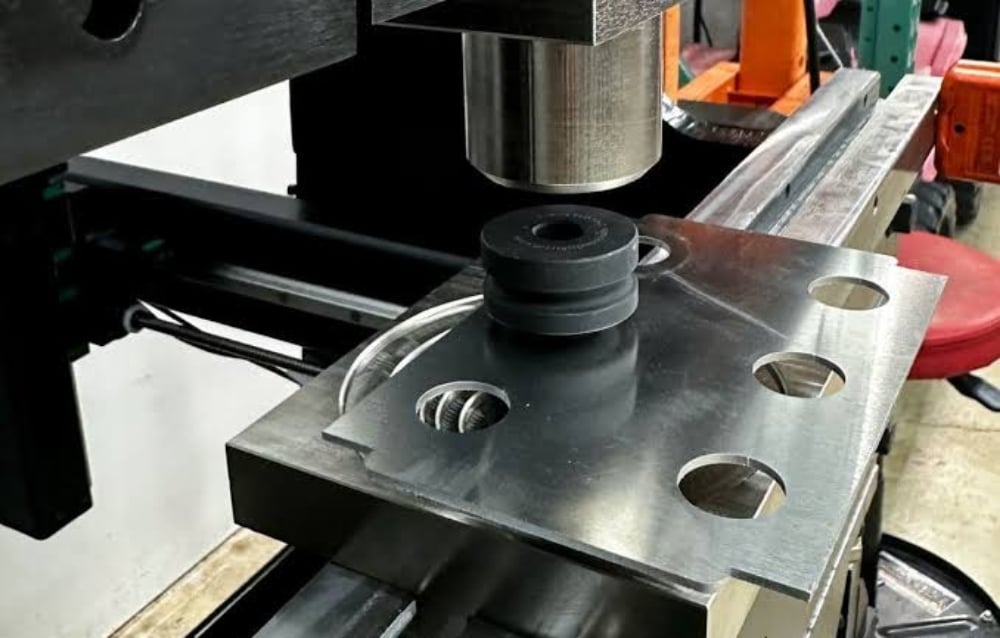
Price Range Overview: From Manual to High-End CNC
The cost of a punching machine varies significantly based on its technology level, tonnage, and automation features. Understanding the price tiers helps businesses align their budget with their production requirements. Generally, the market is divided into three primary categories:
- Entry-Level Manual and Mechanical Presses ($2,000 – $15,000): These are typically small-tonnage machines used for simple, repetitive tasks. They lack CNC controls and rely heavily on manual positioning and mechanical flywheels. While affordable, they offer the lowest levels of safety and speed.
- Mid-Range Hydraulic and Basic CNC Machines ($20,000 – $60,000): This category includes hydraulic punching machines with basic NC or CNC controllers. They offer better safety through hydraulic overload protection and improved accuracy via motorized backgauges. These are ideal for small to medium-sized fabrication shops.
- High-End CNC Turret Punching Machines ($70,000 – $250,000+): These are the industry standard for high-speed, high-accuracy production. Featuring multi-station turrets, auto-index tools, and advanced servo-hydraulic systems, these machines maximize throughput. Brands like HARSLE provide various configurations in this range to suit specific industrial needs.
While the initial investment for high-end machines is substantial, the reduction in labor costs and material waste often justifies the price. When evaluating the price, it is essential to look beyond the sticker price and consider the long-term operational efficiency provided by advanced punching machine features that improve safety, speed, and accuracy.
Main Cost Drivers in Punching Machinery
Several technical factors dictate the final price of a punching machine. Identifying these drivers allows buyers to prioritize features that will have the most significant impact on their specific production goals.
1. Tonnage and Frame Construction
The force capacity (tonnage) is a primary cost driver. A 30-ton machine is significantly cheaper than a 100-ton machine. Furthermore, the frame design—whether it is a C-frame or an O-frame (bridge frame)—affects both cost and accuracy. O-frames are more expensive but offer superior rigidity, which prevents frame deflection and ensures long-term punching accuracy.
2. CNC Control System
The “brain” of the machine accounts for a large portion of the cost. High-end systems like Fanuc or Siemens, or specialized proprietary controllers from HARSLE, offer advanced nesting software, 3D simulation, and real-time monitoring. These systems directly contribute to the punching machine features that improve safety, speed, and accuracy by automating complex calculations and movements.
3. Tooling Capacity and Turret Design
A machine with a 32-station turret costs more than one with 16 stations. The inclusion of “Auto-Index” stations—which allow tools to rotate 360 degrees—adds complexity and cost but drastically reduces the number of tools required and the time spent on manual setups.
4. Drive Mechanism: Mechanical vs. Hydraulic vs. Servo-Electric
Traditional mechanical flywheels are the cheapest but loudest and least flexible. Hydraulic systems offer better control over the stroke. The most expensive and advanced option is the servo-electric drive, which provides the highest speed and energy efficiency while allowing for precise control over the ram’s position at every millisecond of the stroke.
Configuration Impact on Performance
The configuration of a punching machine determines how it handles different materials and complexities. A well-configured machine balances the three pillars of safety, speed, and accuracy.
The Role of Servo-Hydraulic Systems
Modern machines often utilize servo-hydraulic technology. Unlike older mechanical systems that have a fixed stroke, servo-hydraulics allow the operator to program the top and bottom dead centers of the punch. This means for thinner materials, the stroke can be shortened, significantly increasing the hits-per-minute (speed). This configuration also improves safety by allowing the machine to stop instantly if an obstruction is detected.
Auto-Index Stations and Tooling
Accuracy is greatly enhanced by auto-index stations. In a standard turret, a rectangular tool can only punch at a fixed angle (e.g., 0 or 90 degrees). With auto-index, the tool can rotate to any angle, allowing for complex contours to be punched with a single tool. This reduces the “nibbling” effect and results in a smoother finish, which is a hallmark of high-accuracy punching.
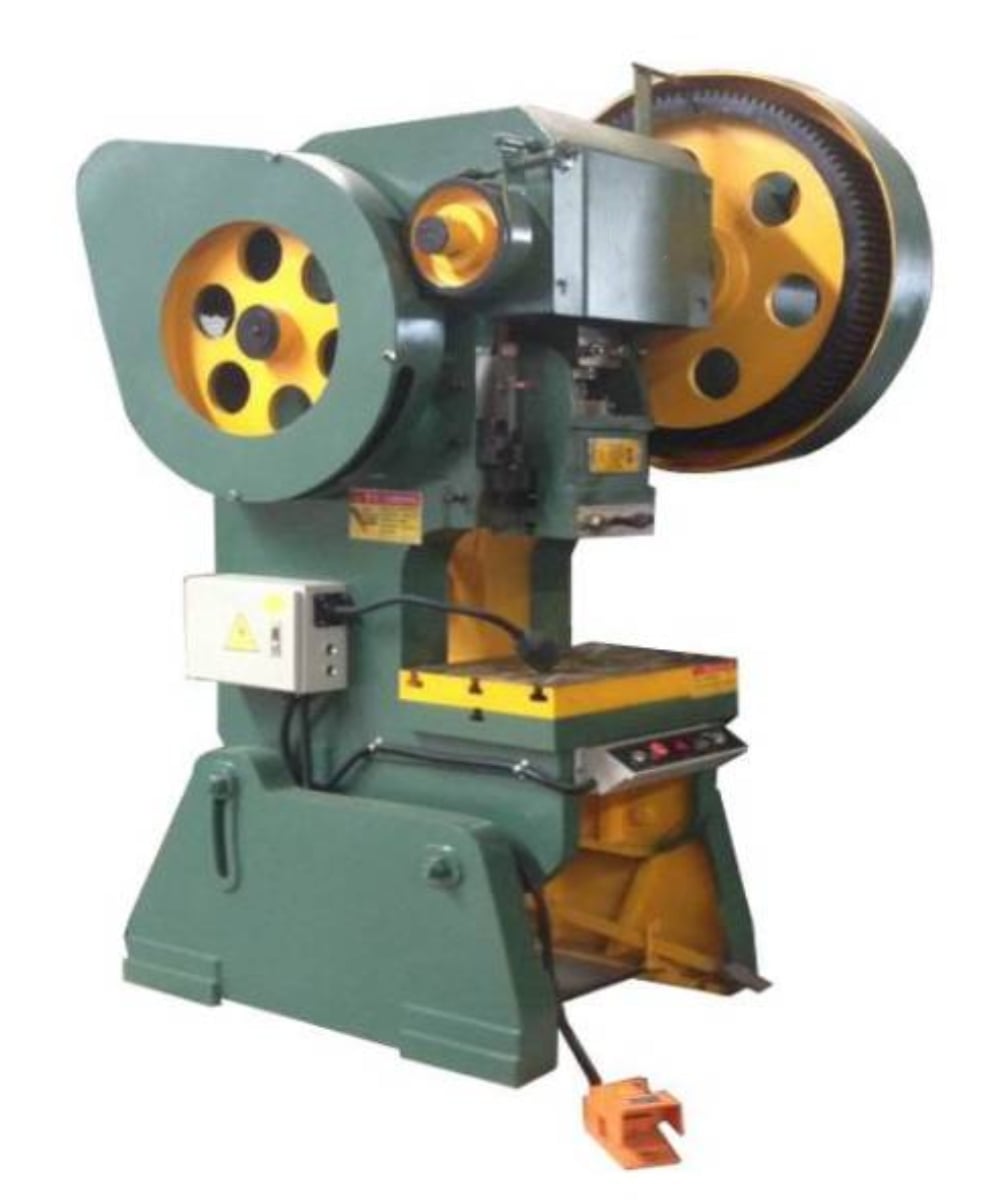
Material Handling and Worktables
The type of worktable—brush or ball—impacts the speed and surface quality of the workpiece. Brush tables are essential for stainless steel or pre-painted materials to prevent scratching (accuracy/quality), while ball tables are better for heavy plates to reduce friction and increase movement speed.
Punching Machine Features That Improve Safety
Safety is the most critical aspect of any industrial operation. Modern punching machines incorporate multiple layers of protection to safeguard operators and the machine itself.
Light Curtains and Laser Barriers
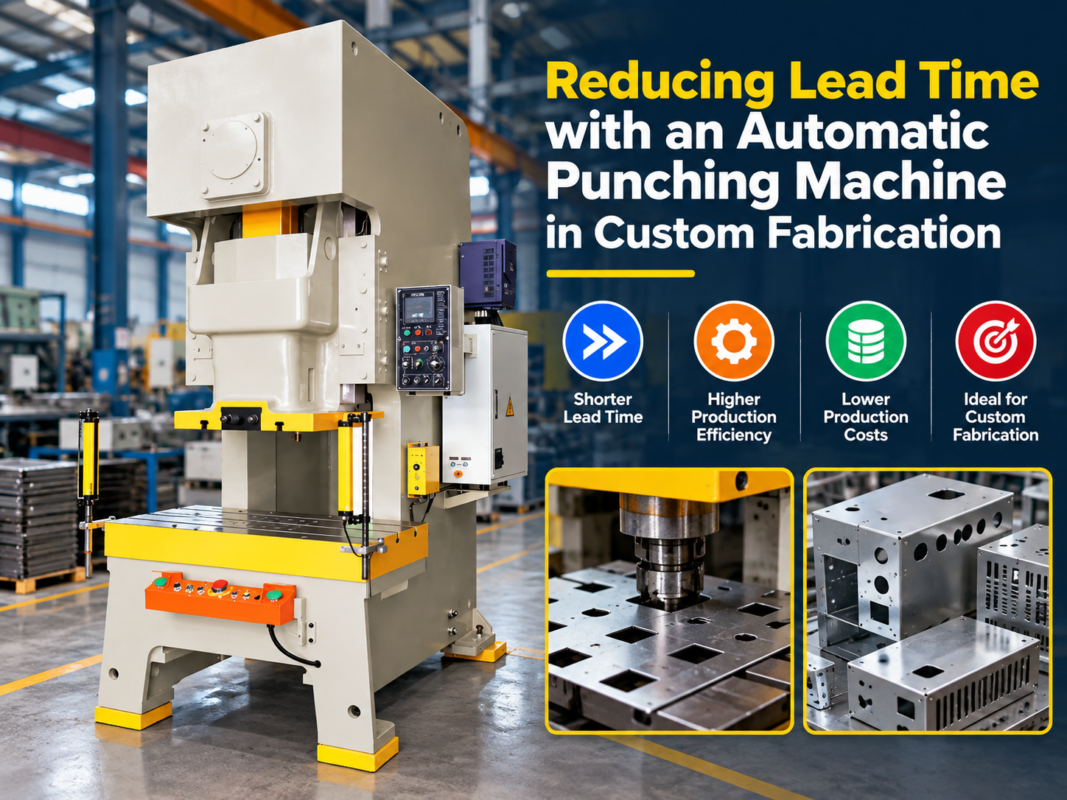
One of the most effective punching machine features that improve safety is the integration of infrared light curtains. These sensors create an invisible perimeter around the danger zone. If an operator’s hand or any object breaks the beam during operation, the machine’s controller triggers an emergency stop in milliseconds. This is far more effective than traditional physical guards, which can sometimes be bypassed or removed.
Hydraulic Overload Protection
To protect the machine’s structural integrity and the operator, hydraulic punching machines are equipped with overload protection. If the machine attempts to punch a material that is too thick or if a tool becomes jammed, the system automatically releases the pressure. This prevents catastrophic frame failure or tool shattering, which could lead to flying debris.
Dual-Hand Control Stations
For manual or semi-automatic operations, dual-hand controls ensure that the operator’s hands are safely away from the ram during the downward stroke. The machine will only cycle if both buttons are pressed simultaneously, ensuring a high level of manual safety.
Features That Enhance Speed and Throughput
In high-volume manufacturing, every second saved per part translates to significant profit. Speed is achieved through a combination of rapid movement and minimized downtime.
High-Speed Hit Rates
Modern CNC turret punches can achieve hit rates exceeding 1,000 hits per minute (HPM) for marking and over 400 HPM for standard punching. This is made possible by high-response servo motors and optimized hydraulic valves that minimize the time between the command and the physical movement.
Automatic Tool Changers (ATC)
Downtime is the enemy of speed. Machines equipped with large turrets or automatic tool changers allow for a wide variety of holes and shapes to be punched without stopping the machine to swap tools manually. A machine that can switch from a 10mm round punch to a 20x20mm square punch in under two seconds is vastly more productive than a single-station press.
Rapid Traverse Rates
Speed isn’t just about the punch; it’s about how fast the sheet moves between hits. High-performance machines feature rapid traverse speeds of up to 80-100 meters per minute. This is achieved through precision-ground ball screws and high-torque servo drives that can accelerate and decelerate the heavy sheet metal with incredible quickness.
Features That Ensure Precision and Accuracy
Accuracy in punching ensures that parts fit together perfectly in assembly, reducing the need for secondary operations like grinding or filing.
Closed-Loop CNC Feedback
The most accurate machines use a closed-loop system. Linear encoders monitor the actual position of the X and Y axes and feed this data back to the CNC controller. If there is a discrepancy of even a few microns due to thermal expansion or mechanical wear, the controller adjusts the movement in real-time to compensate.
Precision Ball Screws and Linear Guides
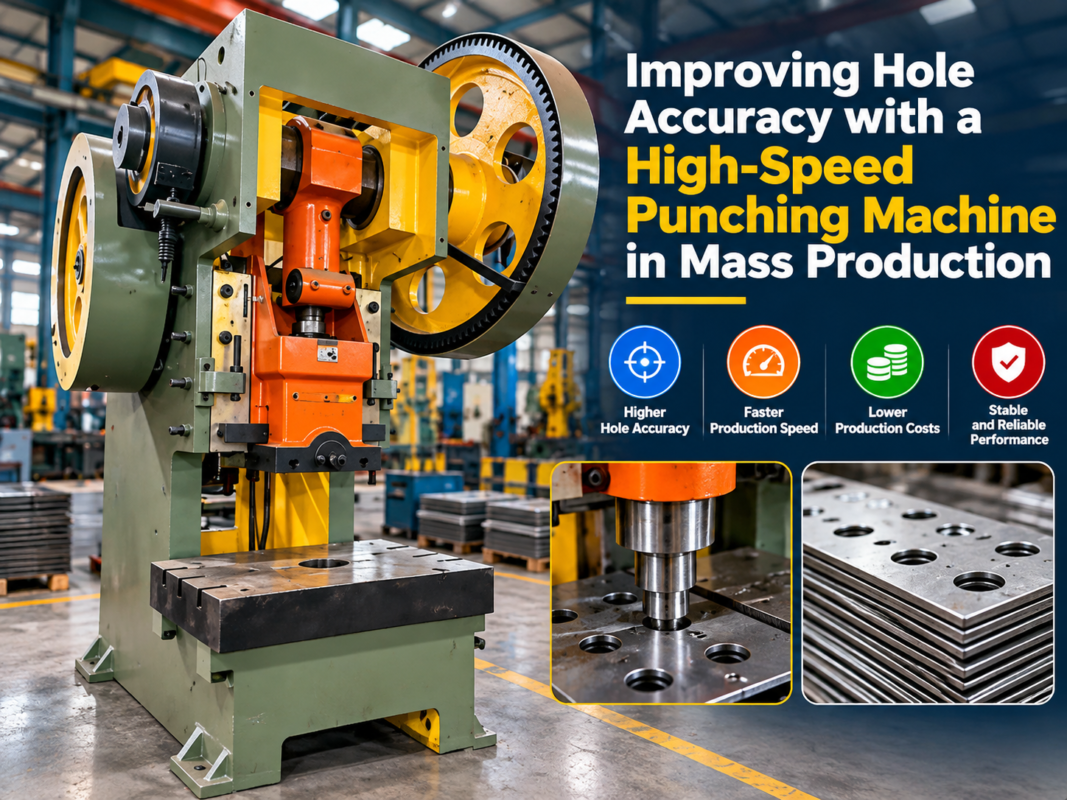
The mechanical foundation of accuracy lies in the quality of the ball screws and linear guides. HARSLE utilizes high-precision components that minimize backlash—the slight play between moving parts. This ensures that even after years of operation, the machine maintains its ability to hit the exact same spot repeatedly.
Thermal Compensation Software
As machines run, they generate heat, which can cause metal components to expand slightly. Advanced punching machine features that improve accuracy include thermal sensors and software that calculates this expansion and adjusts the punch coordinates accordingly, ensuring consistency from the first part of the morning to the last part of the shift.
Hidden Costs to Consider
When purchasing a punching machine, the initial price is only part of the total cost of ownership. Buyers must account for several “hidden” expenses:
- Tooling Sets: A full set of high-quality punches and dies can cost several thousand dollars. Furthermore, specialized tools for forming (like louvers or countersinks) add to the investment.
- Maintenance and Consumables: Hydraulic oil, filters, and seal kits require regular replacement. Additionally, tools need periodic sharpening to maintain accuracy and prevent burrs.
- Software Licenses: To truly utilize a CNC punching machine, you need CAD/CAM nesting software. This software optimizes the layout of parts on a sheet to minimize waste, but it often requires an annual subscription or a significant upfront license fee.
- Power Consumption: High-tonnage hydraulic machines can be energy-intensive. Investing in a servo-electric model may have a higher upfront cost but can save thousands in electricity bills over its lifespan.
- Operator Training: A sophisticated machine requires a skilled operator. Budgeting for professional training ensures that the machine is used safely and to its full potential.
ROI Calculation: Is the Investment Worth It?
Calculating the Return on Investment (ROI) involves comparing the total cost of the machine against the expected increase in profit. A high-speed, high-accuracy machine provides ROI through:
- Reduced Labor Costs: Automation allows one operator to manage multiple machines or perform other tasks while the machine runs.
- Material Savings: Advanced nesting software reduces scrap, which is a significant saving when working with expensive materials like stainless steel or aluminum.
- Elimination of Secondary Processes: High-accuracy punching produces clean edges and precise holes, eliminating the need for manual deburring or re-drilling.
- Increased Capacity: Faster hit rates and quicker setups allow a shop to take on more orders and meet tighter deadlines.
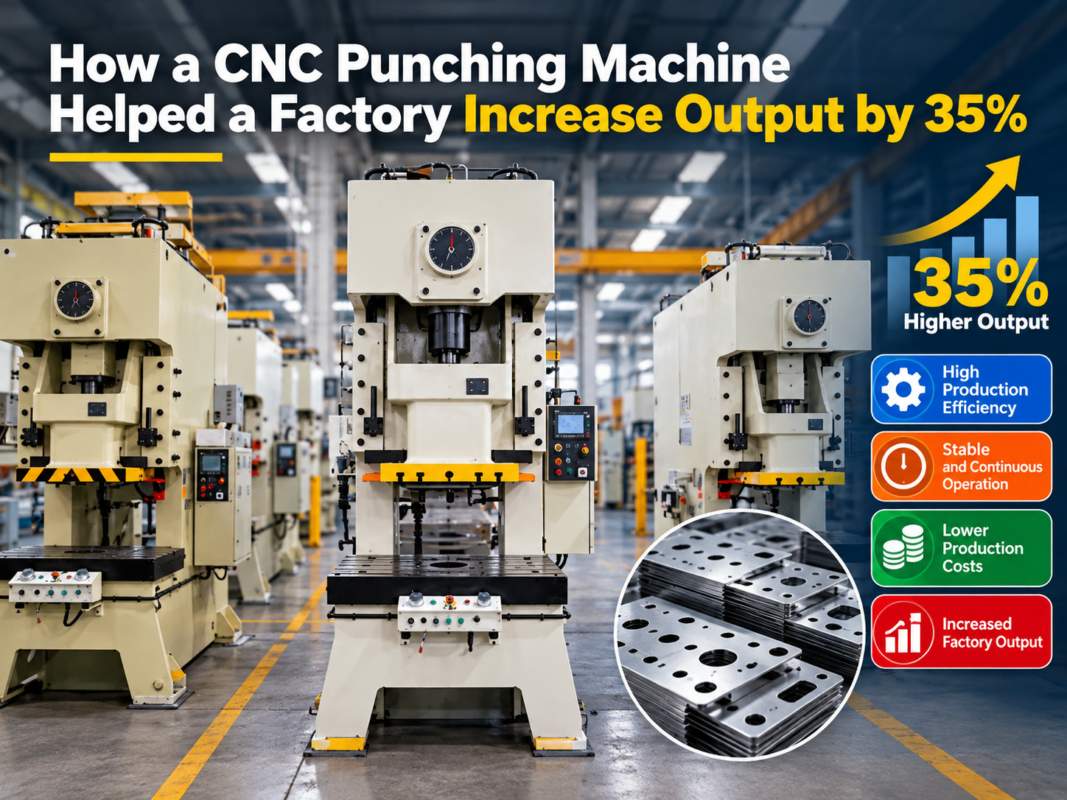
For example, if a new HARSLE CNC turret punch reduces part production time by 30% and material waste by 10%, most shops find that the machine pays for itself within 18 to 24 months of full-time operation.
Buying Advice: Selecting the Right HARSLE Machine
Choosing the right machine requires a deep dive into your current and future production needs. Here is a checklist for potential buyers:
- Assess Material Thickness: Ensure the machine’s tonnage is sufficient for your thickest material. Punching 6mm steel requires significantly more force than 1mm aluminum.
- Evaluate Part Complexity: If your parts have many different hole sizes or complex shapes, prioritize a machine with a larger turret and auto-index stations.
- Consider Floor Space: CNC turret punches have a large footprint. Ensure your facility can accommodate the machine and the necessary clearance for material loading.
- Check After-Sales Support: Industrial machinery requires maintenance. Choosing a reputable brand like HARSLE ensures you have access to spare parts, technical documentation, and expert technicians.
- Future-Proofing: It is often better to buy a machine with slightly more capacity than you currently need to allow for business growth.
Frequently Asked Questions (FAQ)
What is the most important safety feature on a punching machine?
While all safety features are important, the light curtain is often considered the most vital for modern CNC machines as it provides a non-intrusive but fail-safe way to stop the machine if an operator enters the work zone.
How does a CNC punching machine improve accuracy compared to manual methods?
CNC machines use computer-controlled servo motors and precision ball screws to position the material within microns. This eliminates human error in measurement and positioning, ensuring every part is identical.
Can a punching machine perform tasks other than making holes?
Yes, modern punching machines can perform forming operations such as creating louvers, ribs, countersinks, and even small bends using specialized forming tools.
What is the difference between a mechanical and a hydraulic punching machine?
Mechanical machines use a flywheel to store energy and deliver a fixed-force strike. Hydraulic machines use fluid pressure, allowing for variable force, adjustable stroke lengths, and better protection against overloads.
How often should I sharpen my punching tools?
Tool sharpening frequency depends on the material being punched. Generally, tools should be inspected every 10,000 to 50,000 hits. Sharpening them early prevents burrs on the workpiece and extends the overall life of the tool.
Is nesting software necessary?
While not strictly necessary for simple parts, nesting software is highly recommended for CNC punching. It significantly reduces material waste and automates the programming process, which is essential for maximizing the speed and ROI of the machine.