Punching Machine Buyer’s Checklist for Fabrication and Manufacturing


Introduction to the Punching Machine Buyer’s Checklist for Fabrication and Manufacturing
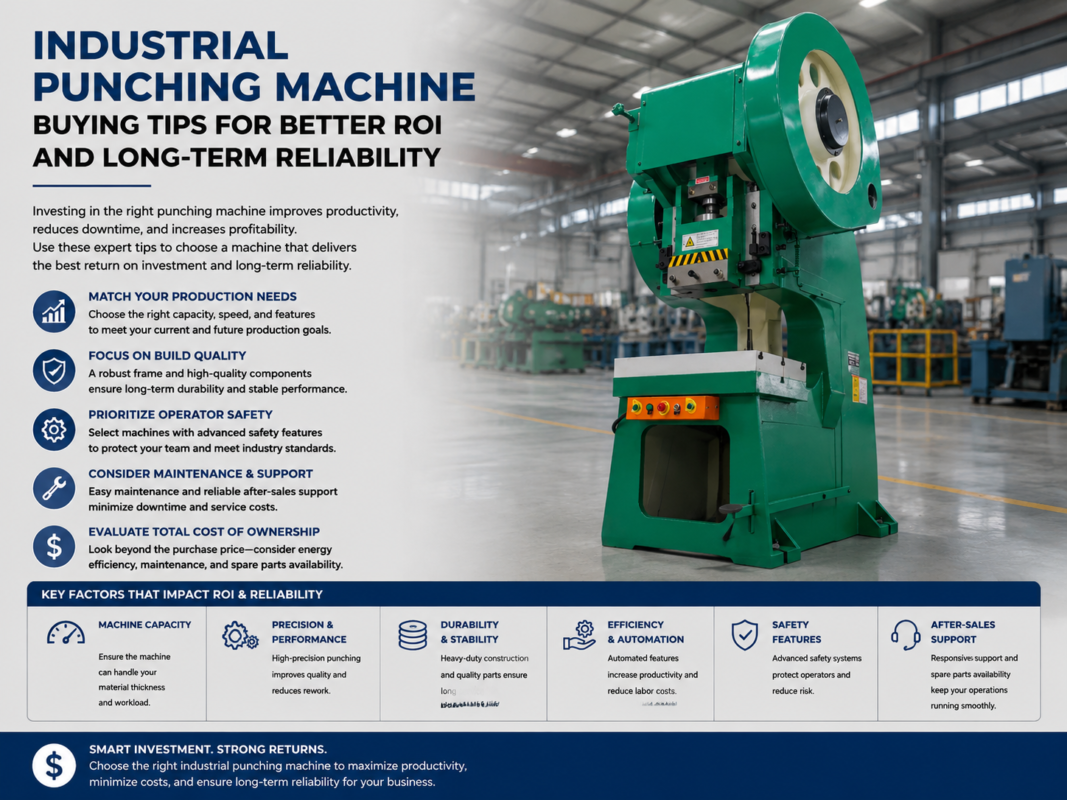
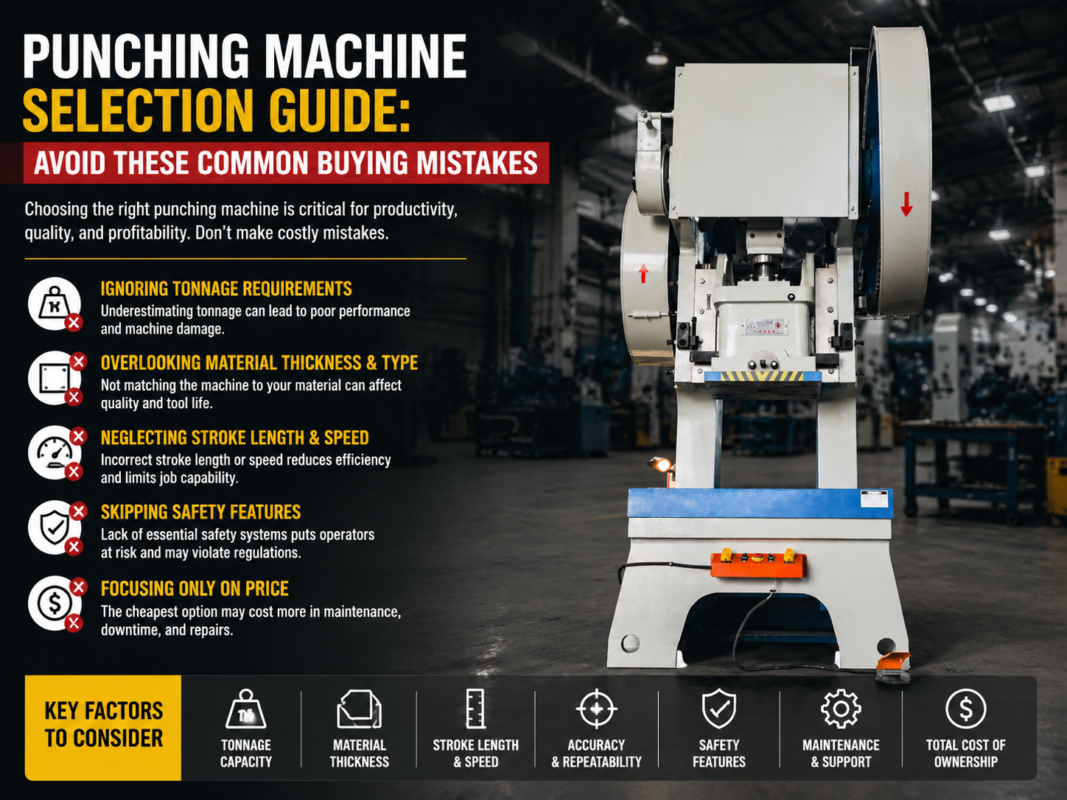
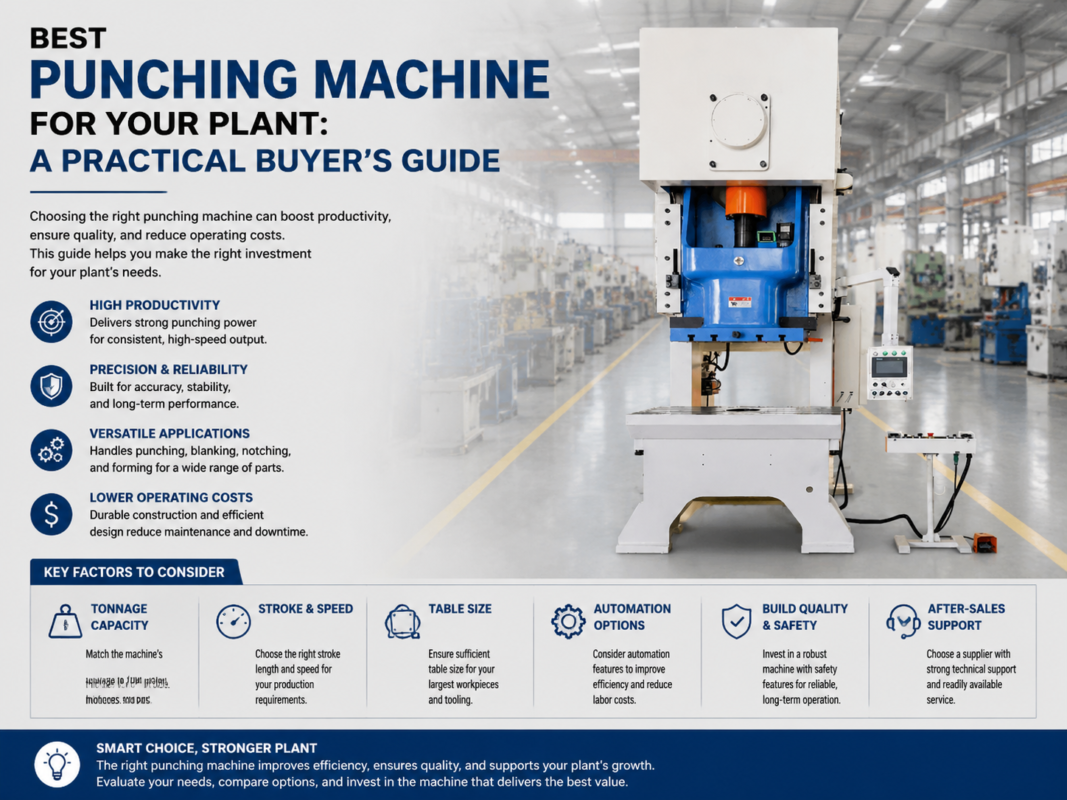
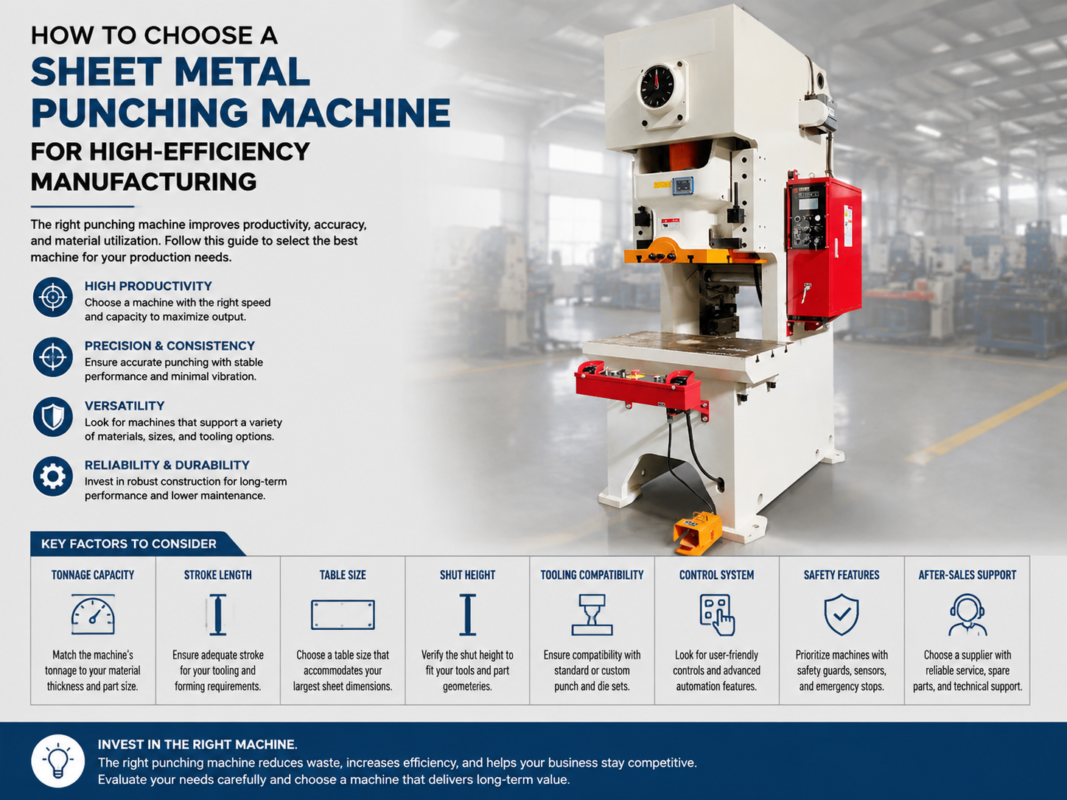
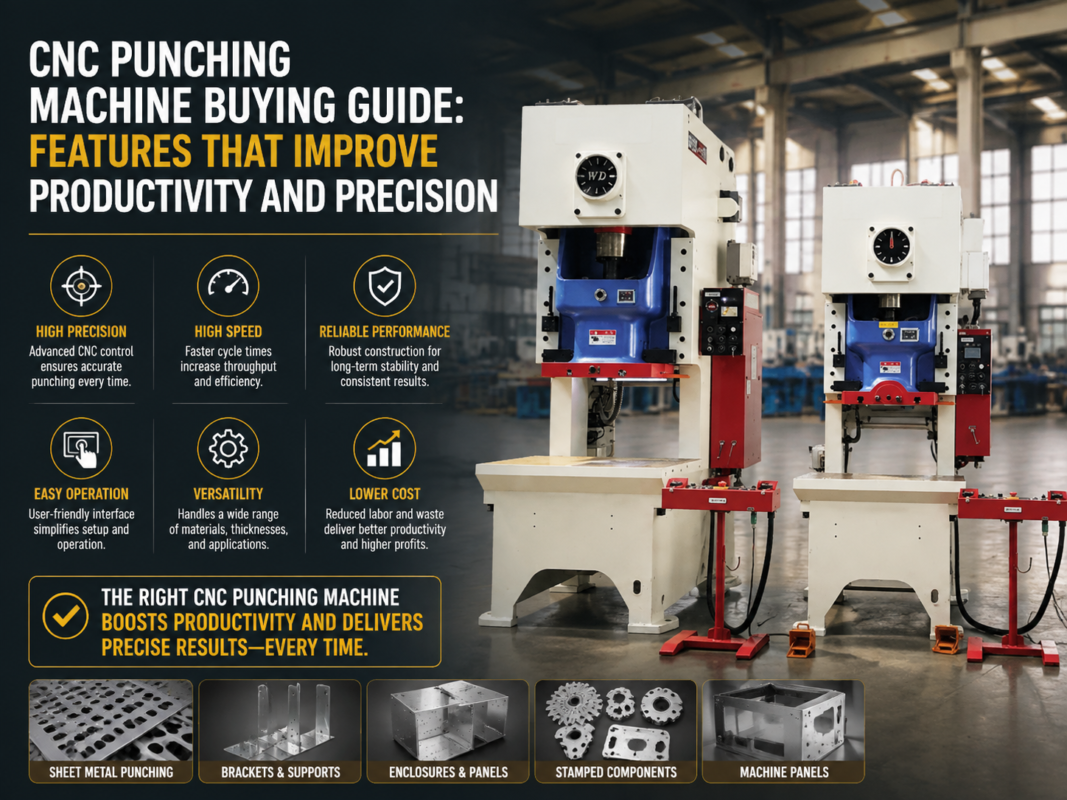
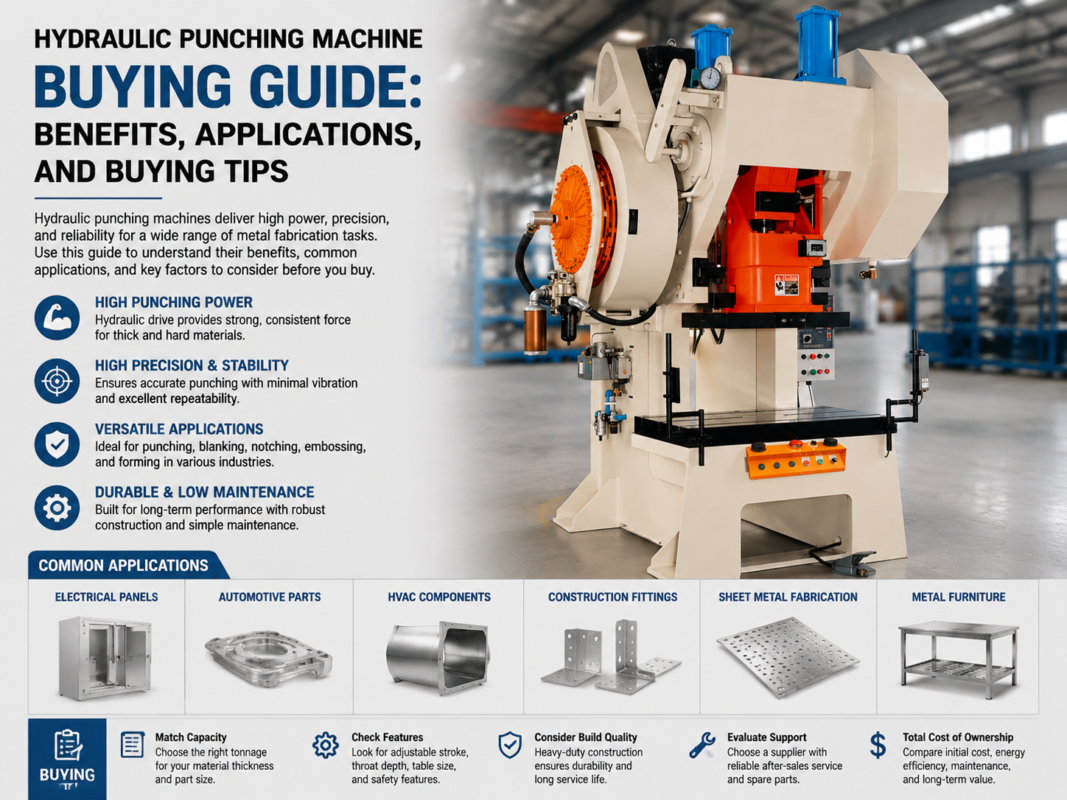
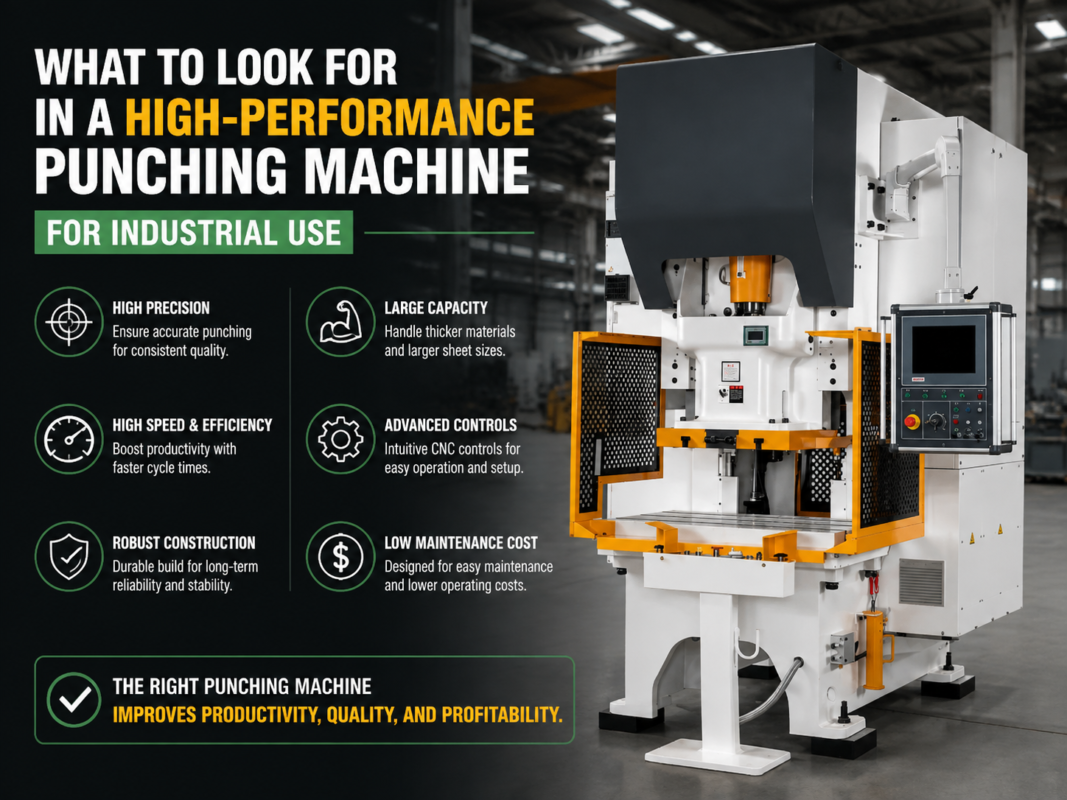
In the competitive landscape of modern metalworking, selecting the right equipment is not merely a purchase; it is a strategic investment that dictates the efficiency, precision, and profitability of your production line. A punching machine is a cornerstone of sheet metal fabrication, capable of creating holes, notches, and complex forms with high speed and repeatability. However, the market is saturated with various types of machines, from simple manual presses to sophisticated CNC turret punching centers. Navigating these options requires a structured approach, which is why a Punching Machine Buyer’s Checklist Fabrication Manufacturing is essential for any facility manager or business owner.
The goal of this guide is to provide a deep dive into the technical and financial considerations involved in acquiring a punching machine. Whether you are a small job shop looking for your first mechanical press or a large-scale manufacturer upgrading to a high-speed CNC turret system, understanding the nuances of tonnage, throat depth, and control systems will prevent costly mistakes. This checklist serves as your roadmap, ensuring that every dollar spent contributes to a measurable return on investment (ROI) and long-term operational success.
Price Range Overview: Understanding the Market Tiers
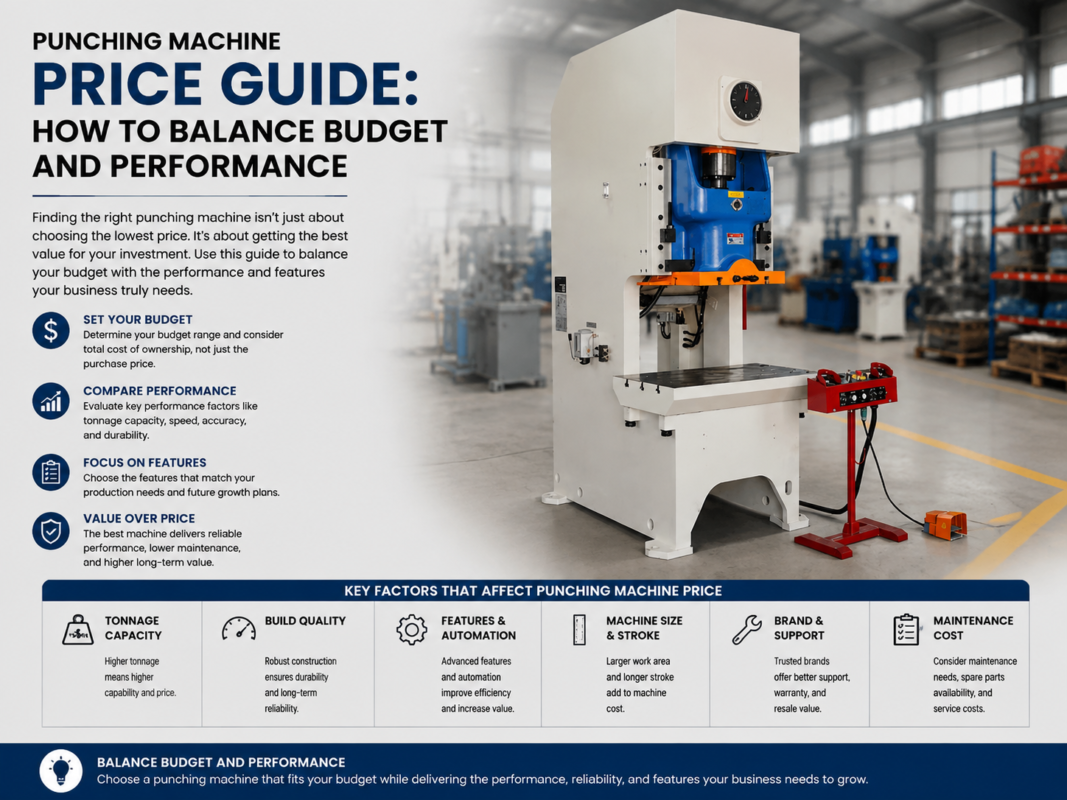
The price of a punching machine varies significantly based on its technology, capacity, and automation level. Generally, the market can be divided into three primary tiers. Entry-level machines, often manual or simple hydraulic single-hole punchers, typically range from $2,000 to $15,000. These are ideal for low-volume production, prototyping, or maintenance tasks where high-speed automation is not a priority. They offer basic functionality but lack the versatility required for complex industrial fabrication.
Mid-range machines, which include high-quality hydraulic punching machines and basic CNC models, usually fall between $20,000 and $70,000. These machines offer better precision, higher tonnage, and the ability to handle thicker materials. They are the workhorses of many medium-sized fabrication shops, providing a balance between cost and performance. In this range, you begin to see features like digital readouts, improved safety guarding, and more robust frame constructions.
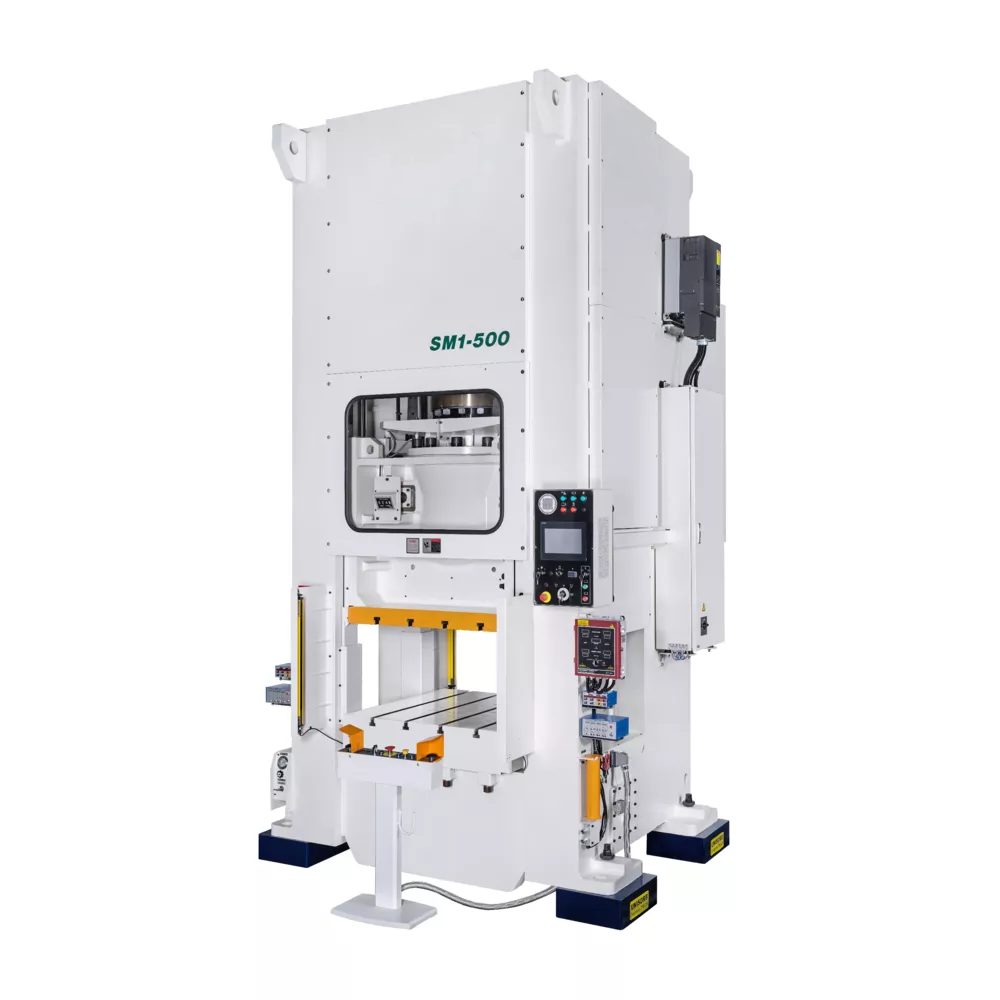
High-end industrial equipment, specifically CNC Turret Punching Machines, represents the top tier of the market. These machines can cost anywhere from $80,000 to over $350,000. The high price tag is justified by their incredible speed (often exceeding 600 hits per minute), multi-tool turrets that eliminate manual tool changes, and advanced software integration. For high-volume manufacturing where throughput and accuracy are paramount, these machines are the industry standard. When reviewing your Punching Machine Buyer’s Checklist Fabrication Manufacturing, it is vital to align your budget with the specific production demands of your facility.
Main Cost Drivers in Punching Machinery
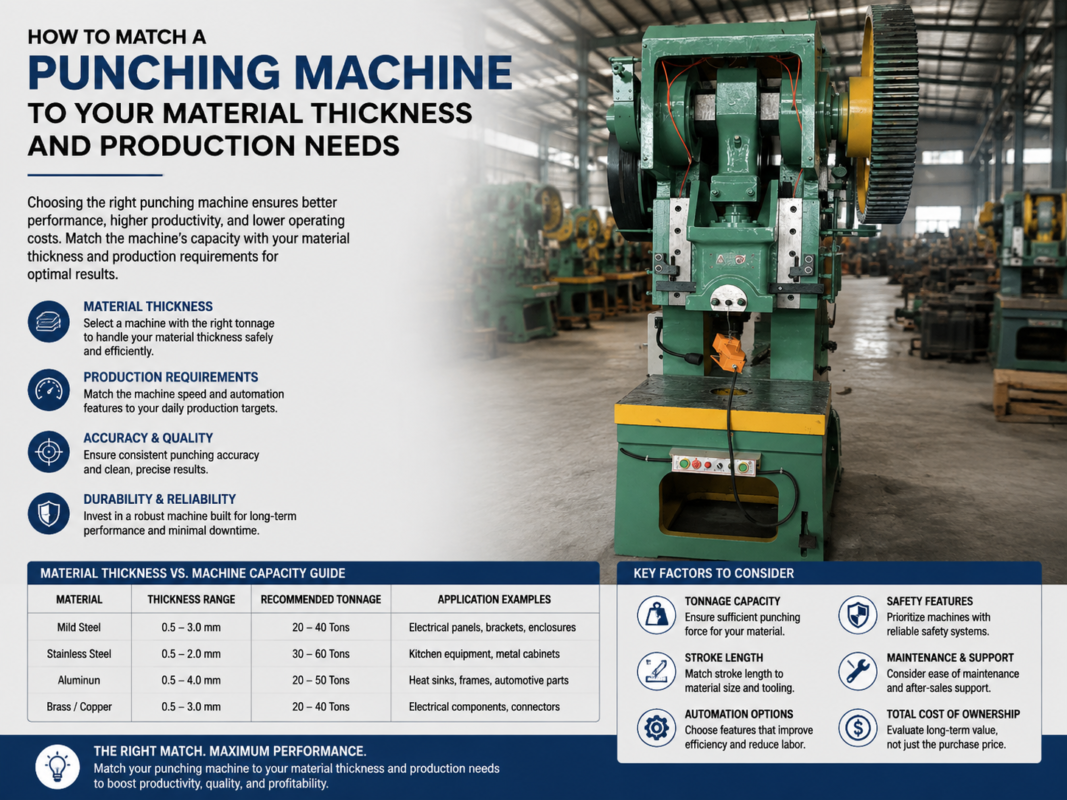
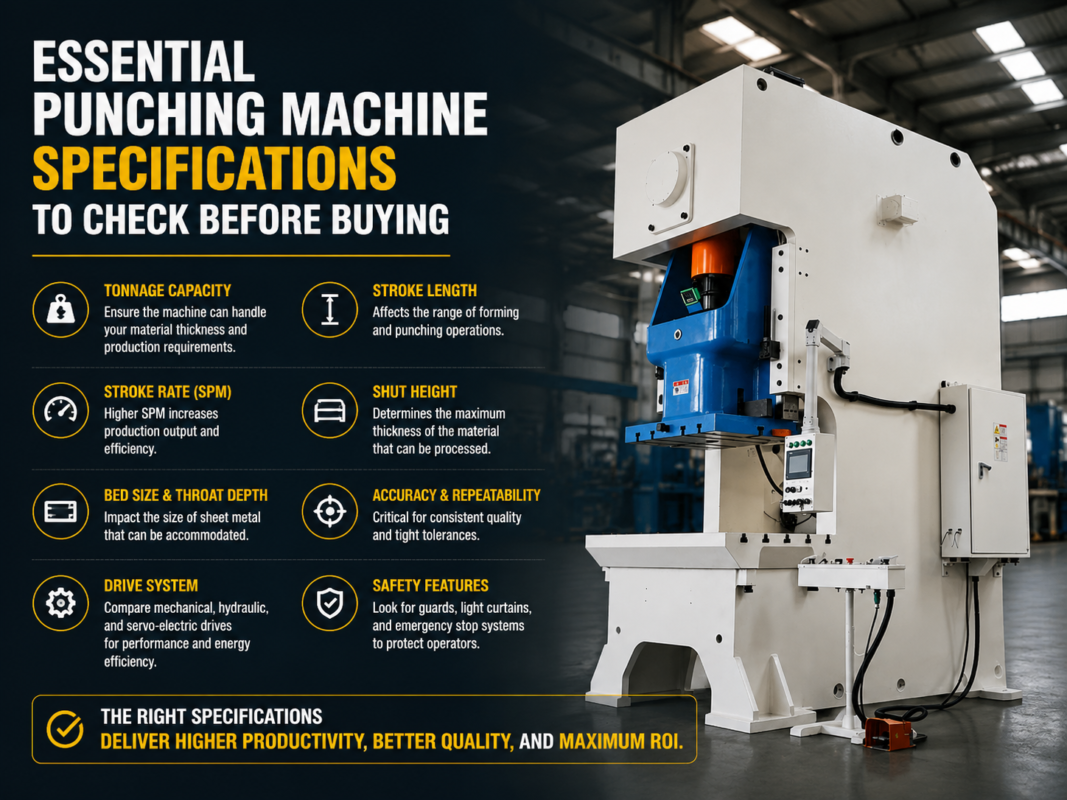
Several technical factors directly influence the final invoice of a punching machine. The most prominent driver is Tonnage. The force required to punch through metal increases with material thickness and hole diameter. A 16-ton machine is significantly cheaper than a 100-ton or 200-ton model. Buyers must calculate their maximum required force based on their thickest material to ensure the machine isn’t underpowered, which leads to premature wear and poor edge quality.
Throat Depth is another critical cost factor. This measurement determines the maximum width of the sheet metal that can be processed. A deeper throat allows for larger sheets to be punched without flipping or repositioning, which saves time but requires a much larger and more rigid frame. Consequently, machines with a 1250mm or 1500mm throat depth are priced higher than those with a 500mm depth due to the increased steel and engineering required for the frame’s stability.
The Control System and Automation level also play a massive role. A machine equipped with a basic PLC (Programmable Logic Controller) will be more affordable than one featuring a full-blown CNC system from brands like Fanuc or Siemens. Furthermore, the inclusion of automatic loading and unloading systems, or “lights-out” manufacturing capabilities, can double the price of the base machine. While expensive, these features drastically reduce labor costs and increase the machine’s duty cycle.
Configuration Impact: Tailoring the Machine to Your Needs
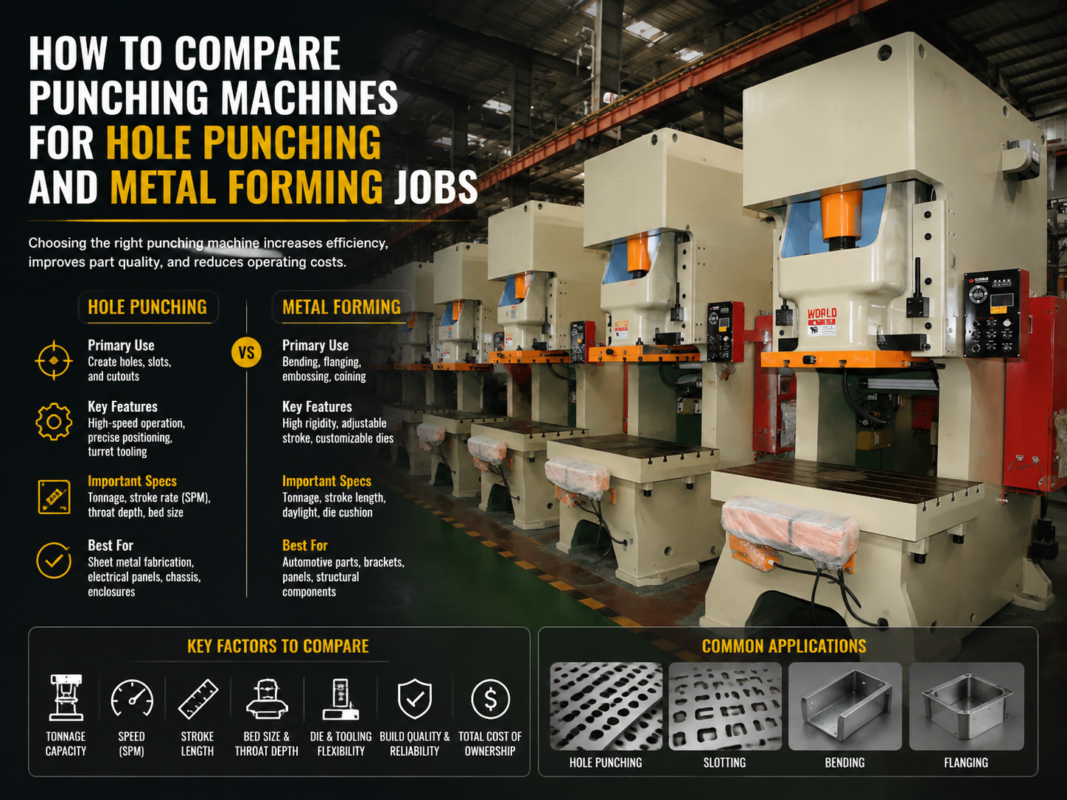
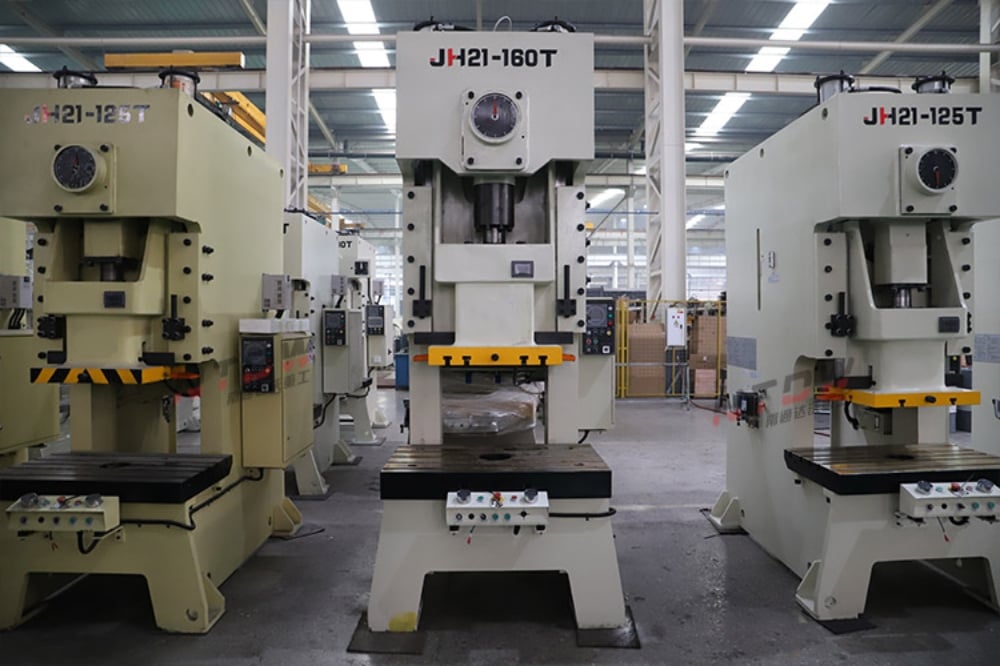
The configuration of the machine determines its versatility on the shop floor. One of the most important decisions is choosing between a Mechanical, Hydraulic, or Servo-Electric drive system. Mechanical presses are fast and relatively inexpensive but offer less control over the stroke. Hydraulic systems provide full power throughout the entire stroke and are generally more versatile for forming operations. Servo-electric systems are the most modern, offering the highest precision and energy efficiency, though they come with a higher upfront cost.
The Turret Capacity is another configuration detail that impacts productivity. A turret with 12 stations requires more frequent manual tool changes if your parts have many different hole sizes or shapes. Conversely, a 32 or 50-station turret allows for a wide variety of tools to be loaded simultaneously, enabling the production of complex parts in a single setup. Auto-index stations, which allow the tool to rotate 360 degrees, further enhance the machine’s capability by reducing the number of specialized tools needed.
Finally, consider the Tooling System compatibility. Most modern machines use “Thick Turret” or “Thin Turret” style tooling. Choosing a machine that is compatible with industry-standard tooling (like Amada-style) ensures that you have access to a wide range of affordable punches and dies from various third-party suppliers. Proprietary tooling systems can lock you into a single vendor, potentially increasing your long-term operational costs.
Hidden Costs: What the Quote Might Not Show
When finalizing your Punching Machine Buyer’s Checklist Fabrication Manufacturing, you must look beyond the sticker price. Installation and Commissioning are often separate charges. This includes the cost of a technician to set up the machine, level it, and ensure it is integrated with your power supply. For large CNC machines, you may also need to invest in a reinforced concrete foundation to handle the vibration and weight, which can cost several thousand dollars in site preparation.
Tooling Sets are rarely included in the base price of the machine. A comprehensive set of punches and dies for a turret machine can easily add $10,000 to $20,000 to your initial investment. Additionally, Software Licenses for CAD/CAM nesting are essential for CNC machines. Without efficient nesting software, you will waste material and increase your cost per part. Ensure you account for annual software maintenance fees and training for your operators to use these programs effectively.
Lastly, consider Maintenance and Spare Parts. High-speed punching machines require regular lubrication, filter changes, and hydraulic fluid replacement. It is wise to keep a stock of common wear parts, such as strike pins and springs, to avoid downtime. Energy consumption is also a factor; older hydraulic systems can be power-hungry compared to modern servo-driven models. Calculating the total cost of ownership (TCO) over five to ten years provides a much clearer picture than the initial purchase price alone.
ROI Calculation: Justifying the Investment
Calculating the Return on Investment (ROI) is the most critical step for any business. To do this, you must compare the cost of the new machine against the projected savings and revenue increases. Start by looking at Labor Savings. A CNC turret punch can often do the work of three or four manual machines, allowing you to reallocate staff to other areas of the shop. If the machine reduces your labor requirement by 2,000 hours per year at a rate of $25/hour, that is a $50,000 annual saving right there.
Next, evaluate Material Utilization. Advanced nesting software used with CNC punching machines can reduce scrap by 10% to 20%. In a high-volume shop, this reduction in raw material waste can save tens of thousands of dollars annually. Furthermore, the increased Throughput allows you to take on more orders and meet tighter deadlines, which directly boosts your top-line revenue. A machine that pays for itself in 18 to 24 months is generally considered an excellent investment in the metal fabrication industry.
Don’t forget to include the Quality Improvement factor. High-precision punching reduces the need for secondary operations like deburring or manual grinding. Parts that come off the machine ready for assembly or painting save time and reduce the risk of errors. When these factors are quantified, the decision to invest in a higher-quality HARSLE punching machine often becomes clear, as the long-term gains far outweigh the initial capital expenditure.
Professional Buying Advice for Fabrication Shops
When you are ready to pull the trigger, follow these pieces of professional advice to ensure a smooth acquisition. First, Test Your Parts. Any reputable manufacturer, like HARSLE, should be willing to run a sample of your most complex part on the machine you are considering. This proves the machine’s capability and gives you a realistic idea of the cycle time and edge quality. If a vendor refuses to provide a test run or a video of the machine in action, consider it a red flag.
Second, Evaluate After-Sales Support. A punching machine is a complex piece of equipment, and eventually, something will need repair. Check the availability of local technicians and the lead time for spare parts. A machine that sits idle for three weeks waiting for a $50 sensor is a massive liability. Ask for references from other customers in your region to gauge the manufacturer’s commitment to service and support.
Third, Future-Proof Your Purchase. Don’t just buy for the work you have today; buy for the work you want tomorrow. If you currently work with 3mm mild steel but plan to expand into 6mm plate, ensure your machine has the tonnage and rigidity to handle the heavier load. Likewise, opting for a CNC system with expandable memory or IoT connectivity can help you stay competitive as Industry 4.0 standards become more prevalent in the fabrication sector.
The Ultimate Punching Machine Buyer’s Checklist
Use this condensed checklist during your final evaluation process:
- Capacity: Does the tonnage exceed your thickest material requirements by at least 20%?
- Dimensions: Is the throat depth sufficient for your largest sheet sizes?
- Speed: Does the hits-per-minute (HPM) rating meet your production targets?
- Accuracy: What is the positioning accuracy and repeatability (e.g., +/- 0.1mm)?
- Tooling: Is the machine compatible with standard thick/thin turret tooling?
- Software: Does it include or support industry-standard CAD/CAM nesting software?
- Safety: Are light curtains, emergency stops, and interlocked guarding included?
- Footprint: Does the machine fit in your shop with adequate clearance for material handling?
- Power: Does your facility have the necessary electrical and pneumatic supply?
- Warranty: What is the duration and what specifically is covered (parts vs. labor)?
| Feature | Manual Punching | Hydraulic Single-End | CNC Turret Punch |
|---|---|---|---|
| Production Volume | Low / Prototyping | Medium / Job Shop | High / Industrial |
| Tool Change | Manual (Slow) | Manual (Moderate) | Automatic (Fast) |
| Precision | Operator Dependent | High | Very High |
| Initial Cost | $ | $$ | $$$ |
Frequently Asked Questions (FAQ)
1. What is the difference between a mechanical and hydraulic punching machine?
Mechanical punching machines use a flywheel and crankshaft to deliver a quick, high-impact blow. They are generally faster for simple punching but offer less control. Hydraulic machines use fluid pressure, allowing for full tonnage at any point in the stroke, which is better for forming, drawing, and working with thicker materials. Hydraulic systems are also generally quieter and easier to protect against overloading.
2. How do I calculate the tonnage required for my application?
The formula for punching force (tonnage) is: Length of Cut x Material Thickness x Shear Strength / 2000. For a round hole, the length of cut is the circumference (π x diameter). It is always recommended to add a 20-30% safety margin to this calculation to ensure the machine operates within its optimal range and to account for tool dulling.
3. Is CNC turret punching better than laser cutting?
It depends on the application. CNC punching is significantly faster and cheaper for parts with many repetitive holes, louvers, or forms (like ribs and offsets) that a laser cannot do. However, laser cutting is better for complex, organic shapes and very thick materials where a punch would require expensive custom tooling. Many modern shops use both technologies to maximize their capabilities.
4. How often should I sharpen my punching tools?
Tooling should be sharpened as soon as you notice a decrease in edge quality or an increase in the “burr” height on the underside of the part. Typically, a punch should be sharpened after every 20,000 to 50,000 hits, depending on the material hardness. Regular sharpening extends the life of the tool and reduces the stress on the punching machine’s frame and drive system.
5. Can a punching machine handle stainless steel?
Yes, but stainless steel is much harder than mild steel or aluminum. You will need a machine with higher tonnage and specialized tooling (often with high-performance coatings like TiCN). When punching stainless, it is also crucial to use a larger die clearance to prevent the material from galling or sticking to the punch.
6. What are the benefits of an auto-index station?
An auto-index station allows the CNC control to rotate the punch and die to any angle. This means you can use a single rectangular tool to punch slots at 0, 45, and 90 degrees, rather than needing three separate tools. This significantly increases the flexibility of the turret and reduces the time spent on tool setups.