How to Compare Punching Machine Prices Without Sacrificing Quality


Introduction: The Dilemma of Price vs. Quality in Metal Fabrication
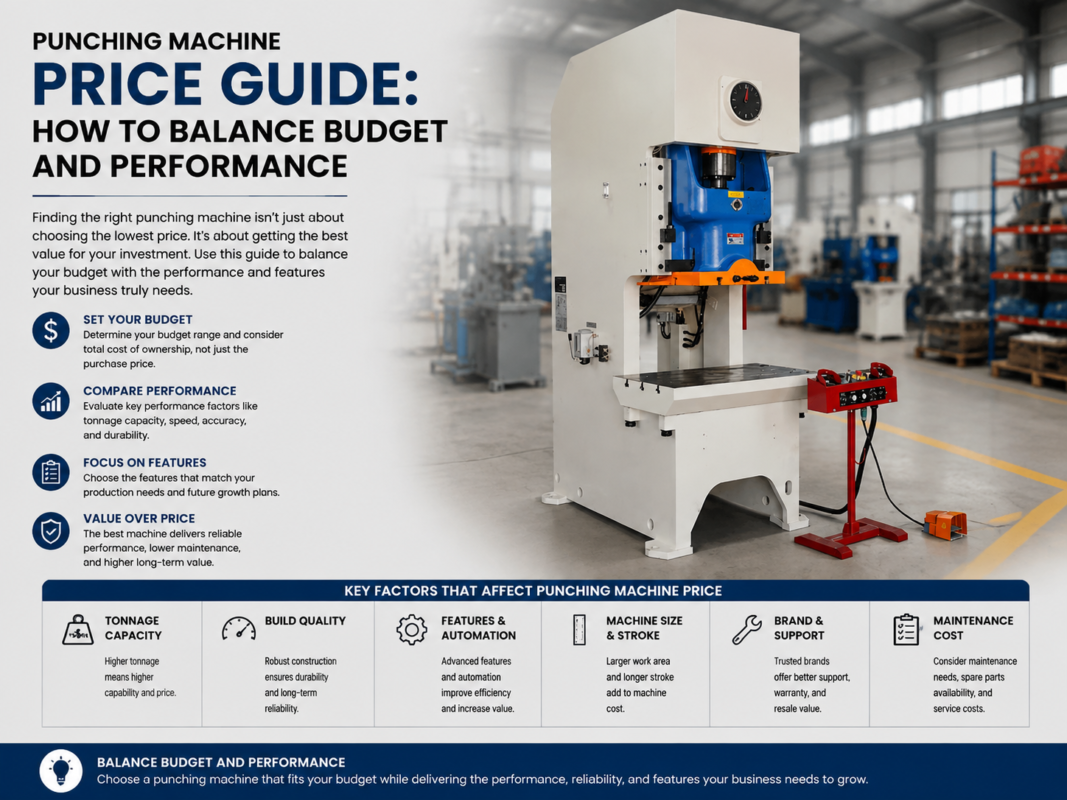
In the competitive landscape of metal fabrication, acquiring a punching machine is a significant capital investment. For many workshop owners and procurement managers, the primary challenge is how to Compare Punching Machine Prices Without Sacrificing Quality. A low-cost machine might seem like a bargain initially, but if it lacks precision, requires frequent repairs, or has a short operational lifespan, the total cost of ownership will skyrocket. Conversely, overpaying for features your production line doesn’t need can drain your capital reserves.
To make an informed decision, one must look beyond the sticker price. Quality in a punching machine is defined by its structural integrity, the sophistication of its control system, its speed, and its long-term reliability. This guide is designed to help you navigate the complex market of industrial punching equipment, ensuring you get the best value for your investment while maintaining the high standards required for modern manufacturing.
Price Range Overview: Understanding the Market Tiers
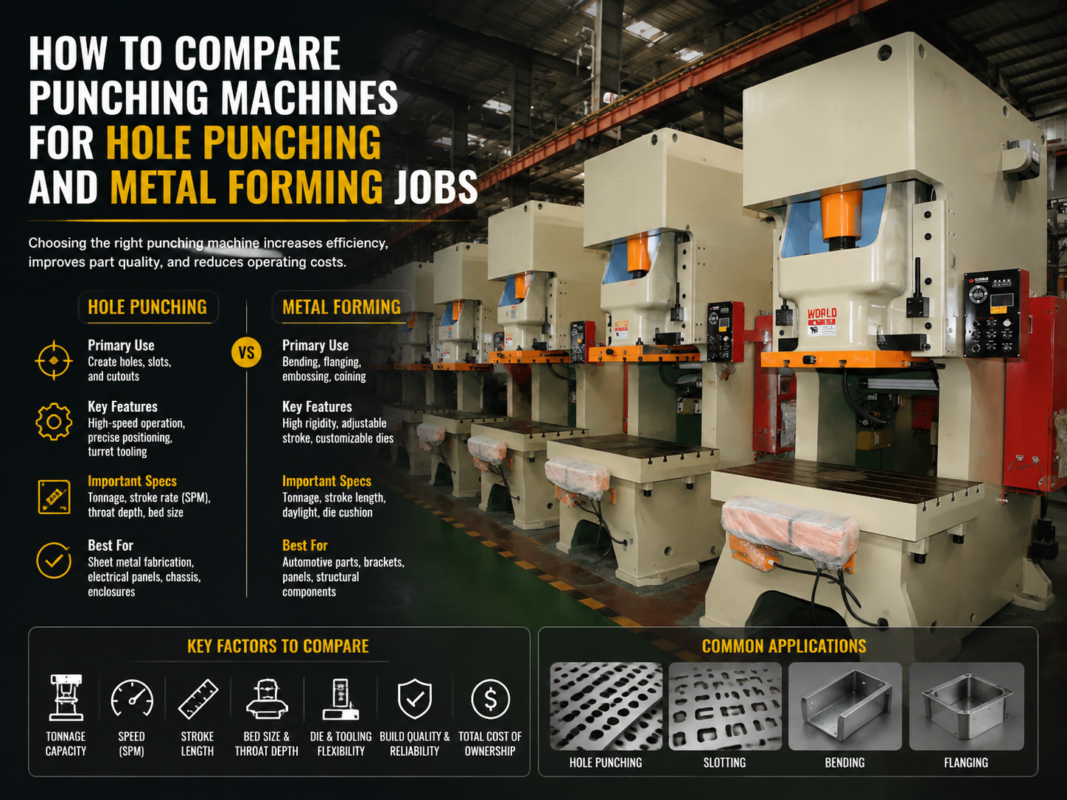
When you begin to Compare Punching Machine Prices Without Sacrificing Quality, you will notice three distinct tiers in the market. Understanding where your needs fall within these tiers is the first step in narrowing down your options. Entry-level manual or semi-automatic punching machines typically range from $5,000 to $20,000. These are suitable for small-scale operations or specific, low-volume tasks where high-speed automation isn’t a priority.
The mid-range market, where most professional fabrication shops operate, features mechanical and hydraulic CNC punching machines priced between $40,000 and $120,000. These machines offer a blend of speed, accuracy, and durability. They often feature multi-station turrets and basic automation capabilities. At this level, the quality of components—such as the hydraulic valves and the CNC controller—becomes a critical factor in price variation.
High-end, fully automated servo-electric turret punch presses can exceed $250,000. These machines are designed for 24/7 high-volume production. They offer the highest hit rates, lowest energy consumption, and integrated loading/unloading systems. While the price is high, the quality and throughput are unmatched, making them the most cost-effective choice for large-scale industrial manufacturers.
Main Cost Drivers: What Are You Actually Paying For?
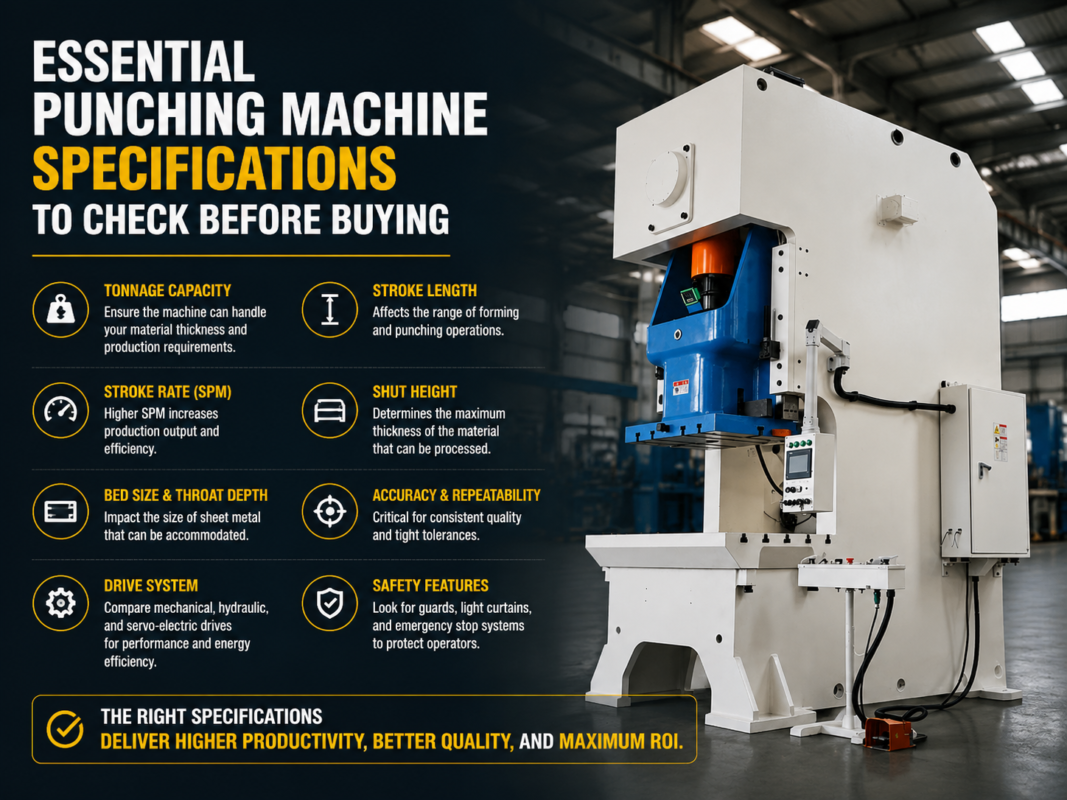
To effectively Compare Punching Machine Prices Without Sacrificing Quality, you must understand the primary drivers of cost. The first is Tonnage and Capacity. A 30-ton machine is significantly cheaper than a 50-ton machine because the latter requires a much heavier frame, larger hydraulic cylinders (or more powerful servo motors), and more robust internal components to handle the increased force without deforming.
The Drive System is another major cost driver. Traditional mechanical flywheel presses are generally the most affordable but offer less control over the stroke. Hydraulic systems provide more flexibility and power but require more maintenance. Servo-electric drives are the most expensive due to the high cost of large-scale servo motors and sophisticated electronics, but they offer the best precision and energy efficiency.
Frame Construction also dictates price. A “C-frame” machine is easier to access but can suffer from “yaw” or deflection under high pressure. An “O-frame” (or bridge frame) is more expensive to manufacture because it uses more steel and requires more precise machining, but it offers superior rigidity, which directly translates to better punching accuracy and longer tool life. When comparing prices, always check the weight of the machine; a heavier machine usually indicates a more rigid, high-quality frame.
Configuration Impact: Features That Justify the Cost
The configuration of a punching machine can swing the price by tens of thousands of dollars. One of the most important components is the CNC Control System. Brands like Fanuc, Siemens, and Rexroth are industry standards. While a machine using a generic or proprietary controller might be cheaper, it may lack the user-friendly interface, software compatibility, and global support network that established brands provide. Choosing a reputable controller is a key way to ensure quality isn’t sacrificed for a lower price.
The Turret Layout and Tooling Capacity also play a role. A turret with 12 stations is cheaper than one with 32 or 58 stations. Furthermore, the inclusion of “Auto-Index” stations—which allow the tool to rotate to any angle—adds significant cost but greatly increases the machine’s versatility and reduces the number of tools you need to buy. If your parts have complex geometries, paying more for auto-index stations is a wise investment.
Safety features and sensors should not be overlooked. High-quality machines include sheet jam sensors, clamp sensors, and light curtains. These features protect the machine from damage and ensure operator safety. While they add to the initial price, they prevent costly downtime and potential legal liabilities, making them essential for maintaining quality and operational integrity.
Hidden Costs: Beyond the Initial Purchase Price
When you Compare Punching Machine Prices Without Sacrificing Quality, you must account for the “hidden” costs that aren’t always visible in the initial quote. Shipping and Logistics for a 10-ton to 20-ton machine can be substantial, especially if it requires specialized flatbed transport or overseas shipping. Additionally, Installation and Commissioning often require a factory-trained technician, whose travel and labor costs may or may not be included in the price.
Tooling is another significant ongoing expense. A machine might come with a basic starter set, but high-quality thick turret tooling can cost thousands of dollars. Furthermore, different machines use different tooling standards (e.g., Trumpf-style vs. Amada-style). Ensure the machine you choose uses a standard that is readily available and competitively priced in your region.
Finally, consider Energy Consumption and Maintenance. A cheaper hydraulic machine might consume significantly more electricity than a modern servo-electric model. Over five years, the difference in utility bills could exceed the initial price gap between the two machines. Similarly, check the availability of spare parts. A low-cost machine from an obscure manufacturer might become a paperweight if you can’t source a replacement seal or circuit board quickly.
ROI Calculation: Measuring Value Over Time
The true way to Compare Punching Machine Prices Without Sacrificing Quality is to calculate the Return on Investment (ROI). To do this, estimate the machine’s throughput. How many holes can it punch per minute? How quickly can it change tools? A machine that is 20% more expensive but 40% faster will pay for itself much sooner than the cheaper alternative.
Consider the Scrap Rate. High-quality machines with precise positioning (e.g., +/- 0.1mm) produce fewer defective parts. In industries using expensive materials like stainless steel or aluminum, reducing scrap by even 2% can save thousands of dollars annually. This precision is a direct result of the machine’s build quality and control system sophistication.
Labor costs are also a factor. Modern CNC punching machines with intuitive software require less setup time and can often be operated by less specialized personnel after initial training. Some machines even support “lights-out” manufacturing, where they run unattended overnight. When calculating ROI, factor in the reduction in man-hours per part, which often justifies the higher price of a high-quality, automated machine.
Buying Advice: How to Vet Suppliers and Machines
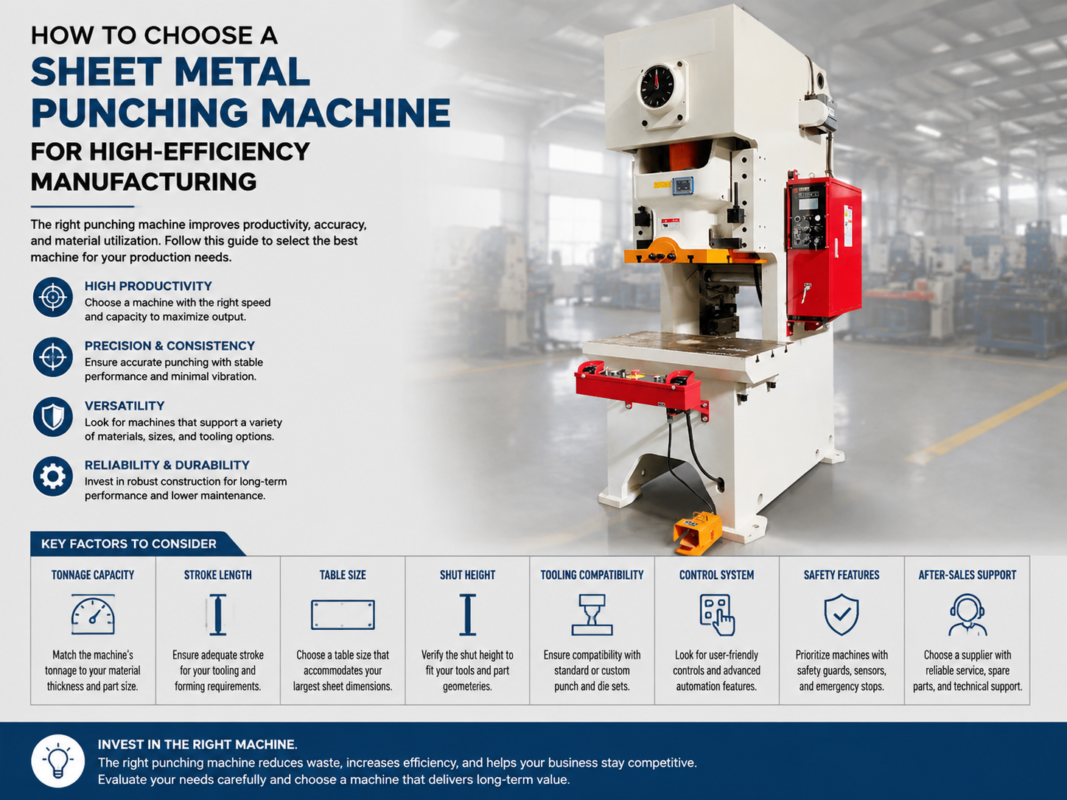
To ensure you are making a sound investment, follow a rigorous vetting process. First, request a Bill of Materials (BOM) for the machine’s critical components. Check the brands of the linear guides, ball screws, electrical components, and hydraulic systems. If the manufacturer uses reputable global brands like HIWIN, Schneider, or Bosch Rexroth, it is a strong indicator of quality.
Second, ask for a Live Demonstration or Video of the machine punching a part similar to what you intend to produce. Pay attention to the noise level (excessive vibration indicates poor frame rigidity) and the edge quality of the punched holes. If possible, visit the manufacturer’s facility or a customer site to see the machine in a real production environment.
Third, evaluate the Warranty and After-Sales Support. A manufacturer like HARSLE, which provides comprehensive warranties and has a dedicated technical support team, offers much more value than a vendor who disappears after the sale. Ensure that the warranty covers both parts and labor and that there is a clear protocol for troubleshooting and repairs. Quality isn’t just about the hardware; it’s about the support system that keeps that hardware running.
Frequently Asked Questions (FAQ)
1. Why is there such a huge price difference between mechanical and servo-electric punching machines?
Mechanical machines use a flywheel and clutch system, which is simpler and cheaper to build but offers less control. Servo-electric machines use high-torque servo motors to drive the ram directly. This allows for variable stroke profiles, higher speeds, lower noise, and significantly lower energy consumption. The cost of the high-powered electronics and motors is what drives the price up.
2. Can I use third-party tooling in a high-quality punching machine?
Yes, most high-quality machines are designed to use industry-standard tooling (like the “Thick Turret” standard). This is actually a way to save money without sacrificing quality, as you can choose from various reputable tooling manufacturers. However, always ensure the tooling meets the machine’s specifications to avoid damage.
3. How much should I budget for maintenance annually?
For a high-quality CNC punching machine, you should budget approximately 2-3% of the purchase price for annual maintenance. This includes lubricants, filters, and occasional replacement of wear parts like seals or sensors. Investing in a higher-quality machine often lowers this percentage because the components are more durable.
4. Is a used machine a good way to save money without sacrificing quality?
A used machine from a top-tier brand can be a good value, but it comes with risks. You must inspect the frame for cracks, check the turret for alignment issues, and verify the state of the CNC controller. Often, the cost of retrofitting an old machine with modern controls makes a new, mid-range machine a more sensible investment.
5. Does the weight of the machine really matter?
Yes, absolutely. In the world of metal fabrication, weight equals rigidity. A heavier machine absorbs vibrations better, which leads to higher punching accuracy and longer tool life. When you Compare Punching Machine Prices Without Sacrificing Quality, always look at the net weight. If one machine is significantly lighter than another in the same class, it likely has a thinner frame.
6. What is the most important feature for a small shop?
For a small shop, versatility is key. Look for a machine with a decent number of turret stations and at least two auto-index stations. This allows you to handle a wide variety of jobs without constantly stopping the machine to change tools, providing the best balance of price and capability.