Common Buying Mistakes Avoid When Choosing A Shearing Machine: A Comprehensive Guide


Introduction to Selecting the Right Shearing Machine
In the world of metal fabrication, the shearing machine is a cornerstone of production. Whether you are cutting thin sheets of galvanized steel or thick plates of carbon steel, the precision and efficiency of your shear dictate the quality of every subsequent process, from bending to welding. However, many workshop owners and procurement managers fall into traps that lead to buyer’s remorse. Understanding the Common Buying Mistakes Avoid When Choosing A Shearing Machine is essential to ensuring that your investment yields a high return and serves your facility for decades.
Choosing a shearing machine is not merely about finding a tool that cuts metal; it is about finding a machine that matches your specific material types, production volume, and accuracy requirements. A mistake in the selection phase can lead to increased scrap rates, frequent downtime, and even safety hazards. In this guide, we will break down the financial, technical, and operational aspects of purchasing a shearing machine, helping you navigate the complex market with confidence.

Price Range Overview: What to Expect
The price of a shearing machine varies significantly based on its capacity, technology, and brand reputation. Generally, the market is divided into three main tiers. Entry-level machines, often manual or basic hydraulic swing beam models (QC12Y series), typically range from $5,000 to $15,000. These are suitable for small workshops or maintenance departments where high-speed production is not the primary concern. They offer basic functionality but may lack the advanced automation features required for high-precision work.
Mid-range machines, which include NC-controlled hydraulic shears with better backgauge systems and improved blade materials, usually fall between $15,000 and $40,000. These machines are the workhorses of the industry, providing a balance between cost and performance. They are capable of handling a wider variety of thicknesses and lengths, often featuring digital displays for easier setup. For many growing fabrication businesses, this tier represents the best value for money.
High-end industrial shearing machines, particularly CNC-controlled guillotine shears (QC11Y series) with automatic blade gap adjustment and high-speed hydraulics, can exceed $50,000 and reach well over $100,000 for large-scale models. These machines are designed for 24/7 operation, offering extreme precision, minimal distortion, and integration into automated production lines. When considering the Common Buying Mistakes Avoid When Choosing A Shearing Machine, one of the biggest errors is choosing a machine from the wrong price tier—either overspending on features you don’t need or underspending on a machine that cannot handle your workload.
Main Cost Drivers in Shearing Machinery
Several factors contribute to the final price tag of a shearing machine. The most significant is the cutting capacity, defined by the maximum thickness and length of the material. A machine designed to cut 20mm thick steel requires a much more robust frame, larger hydraulic cylinders, and higher-torque motors than one designed for 4mm sheet metal. The structural integrity of the machine frame—specifically whether it is a heavy-duty welded steel plate construction that has undergone stress relief—is a major cost driver that ensures long-term accuracy.
The quality of the hydraulic and electrical components also plays a vital role. Premium brands like HARSLE utilize world-class components such as Bosch-Rexroth valves, Siemens motors, and Schneider electrics. While these increase the initial purchase price, they significantly reduce the likelihood of component failure and simplify the sourcing of replacement parts. Furthermore, the blade material is a critical cost factor. High-carbon, high-chrome blades (such as 6CrW2Si or Cr12MoV) are more expensive but offer superior wear resistance and the ability to cut stainless steel without dulling quickly.
Automation and control systems are the third major driver. A basic NC controller that only manages the backgauge position is relatively inexpensive. In contrast, a full CNC system that automatically calculates the blade gap, rake angle, and stroke length based on material type and thickness adds several thousand dollars to the cost. However, this automation reduces human error and setup time, which can be a decisive factor in high-volume environments.
Configuration Impact: Swing Beam vs. Guillotine
One of the most Common Buying Mistakes Avoid When Choosing A Shearing Machine is failing to understand the mechanical difference between a swing beam shear and a guillotine shear. The hydraulic swing beam shear (QC12Y) uses a circular arc motion for the upper blade. It is generally simpler in design, easier to maintain, and more affordable. However, because the blade moves in an arc, the rake angle is fixed, and the blade gap adjustment is often manual. This can lead to “twist” or “bow” in thin strips of metal.
The hydraulic guillotine shear (QC11Y), on the other hand, moves the upper blade in a straight vertical line. This design allows for an adjustable rake angle. By reducing the rake angle for thinner materials, the operator can significantly reduce distortion and produce flatter cuts. Guillotine shears are also better suited for heavy-duty applications because the vertical force is distributed more evenly across the frame. Choosing a swing beam shear when your application requires the precision of a guillotine is a common error that results in poor product quality.
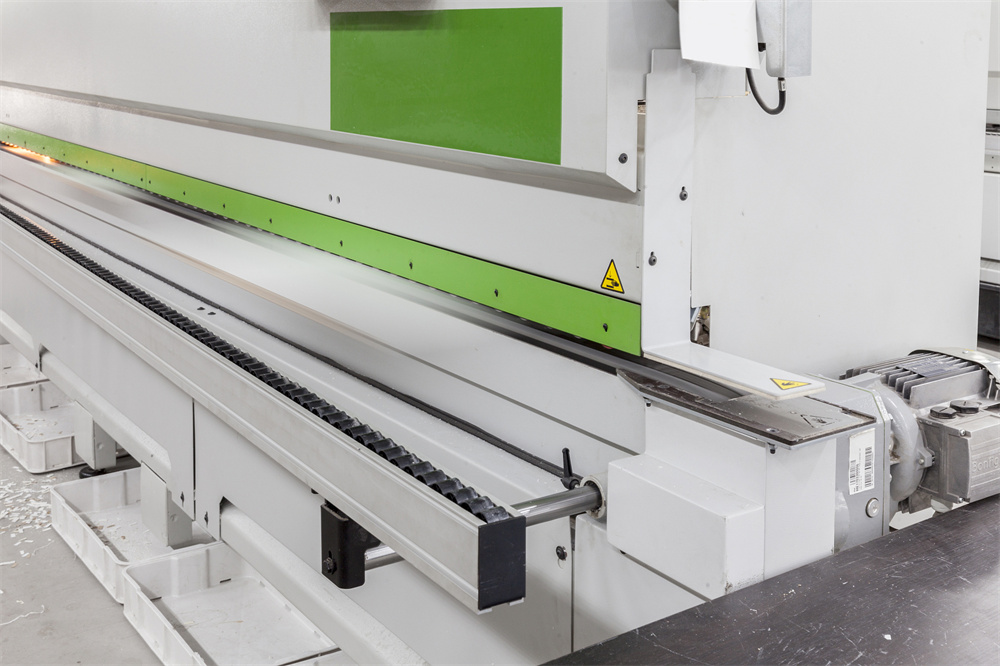
Hidden Costs of Ownership
The purchase price is only the beginning of the financial commitment. Buyers often overlook the hidden costs associated with industrial machinery. Shipping and logistics can be substantial, especially for heavy shears that require specialized flatbed transport or maritime shipping. Once the machine arrives, rigging and installation require professional equipment and expertise. A machine that is not leveled and anchored correctly will suffer from premature wear and inaccurate cuts.
Maintenance is another ongoing cost. Hydraulic systems require regular oil changes and filter replacements. Blades need to be rotated or reground periodically to maintain a clean edge. Furthermore, power consumption is a factor; high-capacity shears draw significant amperage, which may require upgrades to your facility’s electrical infrastructure. Finally, training costs should not be ignored. Even the best machine is only as good as its operator. Investing in comprehensive training for your staff ensures that the machine is used safely and efficiently, preventing costly accidents and repairs.
ROI Calculation: Justifying the Investment
To determine if a shearing machine is a sound investment, you must calculate the Return on Investment (ROI). Start by estimating the labor savings. A CNC shearing machine can reduce setup times by up to 50% compared to manual methods. If your operators spend two hours a day adjusting backgauges and blade gaps, a CNC system could save hundreds of man-hours per year. Additionally, consider the reduction in scrap. Precise cuts mean fewer wasted parts and less secondary processing (like grinding or straightening), which directly impacts the bottom line.
Another factor in ROI is the ability to bring work in-house. If you are currently outsourcing your shearing needs, calculate the monthly fees paid to service centers plus the cost of transportation. By performing these operations in-house, you gain better control over your production schedule and lead times. Typically, a well-chosen shearing machine in a busy shop can pay for itself within 18 to 36 months. However, this calculation only works if you avoid the Common Buying Mistakes Avoid When Choosing A Shearing Machine that lead to excessive downtime or poor quality.
Buying Advice: Avoiding Common Pitfalls
When you are ready to purchase, keep the following advice in mind to avoid common mistakes:
- Don’t Underestimate Material Thickness: Always buy a machine with a capacity slightly higher than your thickest material. If you frequently cut 6mm steel, buy an 8mm or 10mm machine. Running a machine at its absolute limit constantly will shorten its lifespan.
- Check the Tensile Strength: Shearing machine capacities are usually rated for mild steel (approx. 450 N/mm²). If you are cutting stainless steel, the capacity drops significantly (often by 50%). Failing to account for this is a recipe for machine failure.
- Verify the Backgauge Range: Ensure the backgauge can travel far enough for your largest parts. Also, look for a “swing-away” backgauge feature, which allows you to cut sheets longer than the backgauge’s maximum reach.
- Inspect the Blade Gap Adjustment: For shops that switch between different thicknesses frequently, an easy-to-use blade gap adjustment (preferably motorized or CNC) is essential for preventing burrs and protecting the blades.
- Prioritize Safety: Never compromise on safety features. Ensure the machine has finger guards, emergency stop buttons, and ideally, rear light curtains to prevent access to the cutting area during operation.
Technical Specifications Checklist
Before finalizing a purchase, review this technical checklist to ensure the machine meets your industrial standards:
| Feature | Requirement / Specification | Importance |
|---|---|---|
| Cutting Length | 3200mm to 6000mm (Standard) | Determines max sheet width |
| Cutting Thickness | 4mm to 25mm+ | Determines material versatility |
| Rake Angle | Adjustable (0.5° – 3°) | Reduces distortion in thin sheets |
| Backgauge Stroke | 600mm to 1000mm | Determines part depth |
| Strokes Per Minute | 8 – 20 SPM | Determines production speed |
| Blade Material | 9CrSi or 6CrW2Si | Determines blade longevity |
Frequently Asked Questions (FAQ)
1. What is the most common mistake when buying a shearing machine?
The most common mistake is buying based solely on price without considering the material’s tensile strength. Many buyers assume a machine rated for 6mm mild steel can also cut 6mm stainless steel, which is incorrect and can damage the machine.
2. Should I choose a Swing Beam or a Guillotine shear?
If you need high precision and minimal distortion, especially across varying thicknesses, a Guillotine shear is better. If you are on a budget and primarily cut the same thickness of material with moderate precision requirements, a Swing Beam shear is a cost-effective choice.
3. How often do shearing machine blades need to be sharpened?
This depends on the material being cut and the volume of production. Generally, blades should be rotated (most have 2 or 4 cutting edges) every 6-12 months and professionally reground when all edges are dull. Using dull blades increases the load on the hydraulic system and produces poor-quality cuts.
4. Is CNC control necessary for a shearing machine?
CNC is not strictly necessary but highly recommended for shops with high product variety. It automates the blade gap and rake angle adjustments, which ensures the best cut quality for every sheet and prevents operator errors that lead to blade damage.
5. What maintenance is required for a hydraulic shearing machine?
Key maintenance tasks include checking hydraulic oil levels, replacing oil filters, lubricating the backgauge lead screws and guides, and checking the tightness of the blade bolts. Regular inspection of the electrical connections is also advised.
6. Can I cut aluminum on a steel shearing machine?
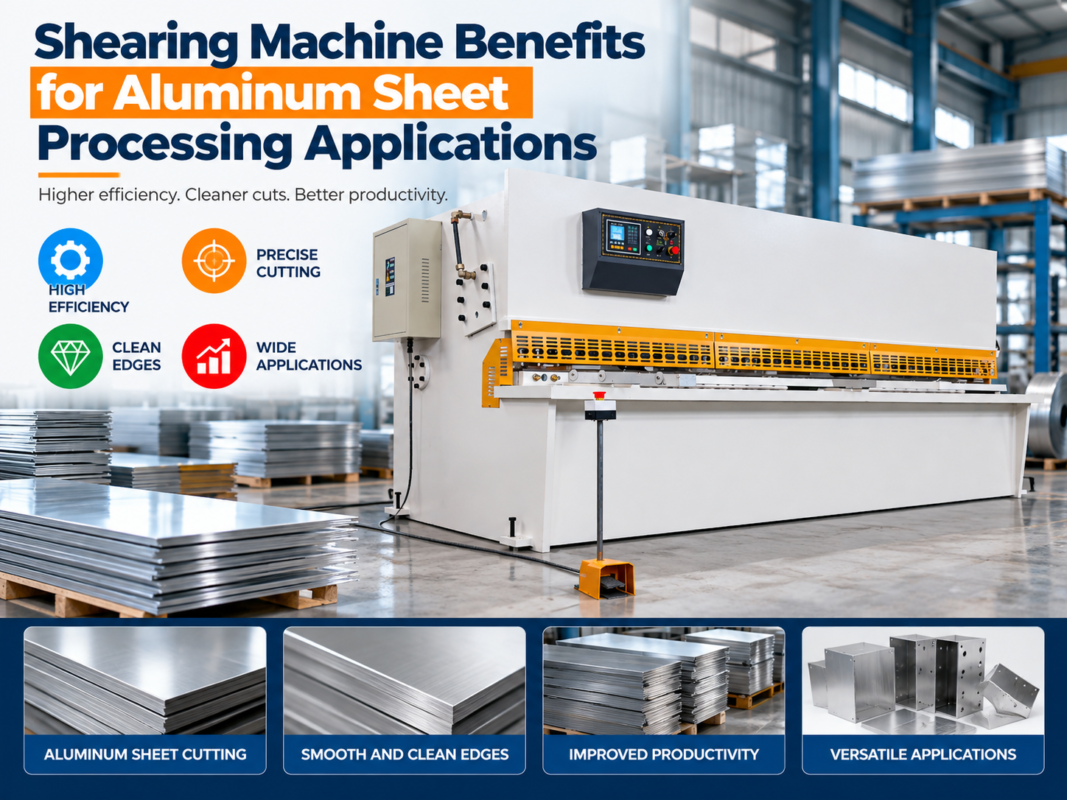
Yes, you can cut aluminum, but you must adjust the blade gap to be much tighter than for steel. If the gap is too wide, the aluminum will bend or “draw” into the gap rather than being sheared cleanly.
Conclusion
Investing in a shearing machine is a significant step for any metal fabrication business. By understanding the Common Buying Mistakes Avoid When Choosing A Shearing Machine, you can protect your capital and ensure your shop is equipped with a tool that enhances productivity. Focus on capacity, configuration, and component quality rather than just the initial price. With the right machine, such as those offered by HARSLE, you will achieve cleaner cuts, lower maintenance costs, and a more efficient production line for years to come.