Best Shearing Machine Features for High-Volume Metal Cutting Operations


Introduction to High-Volume Metal Shearing
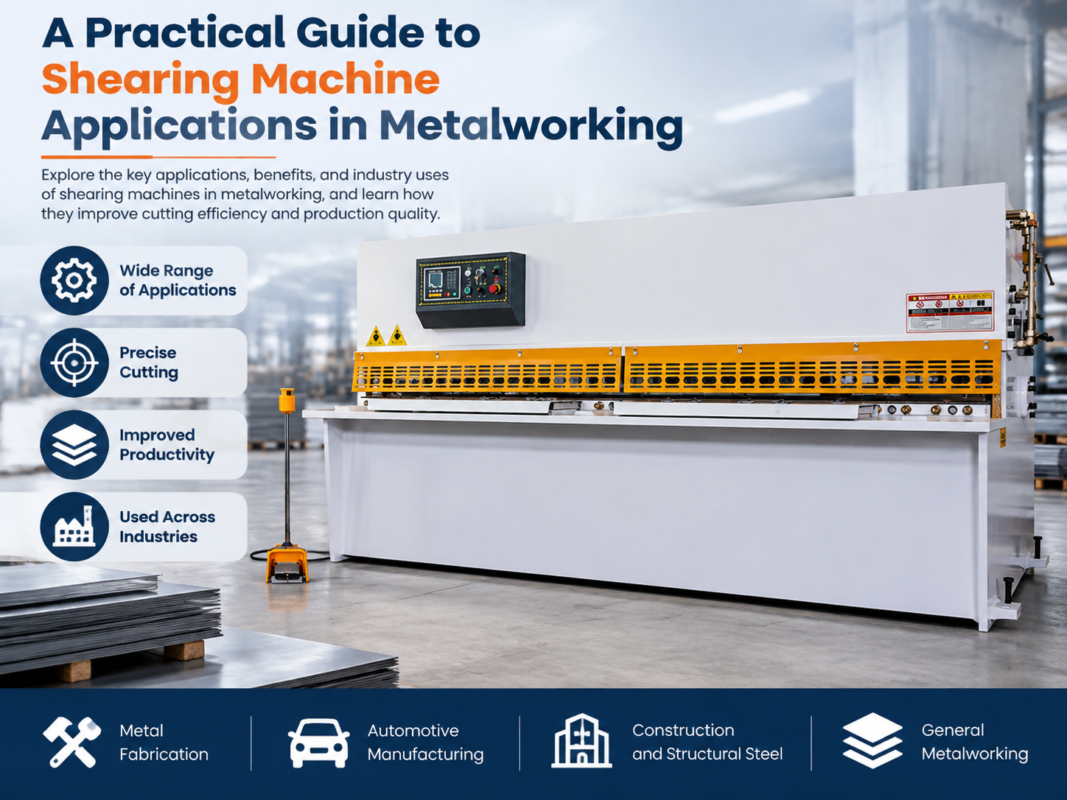
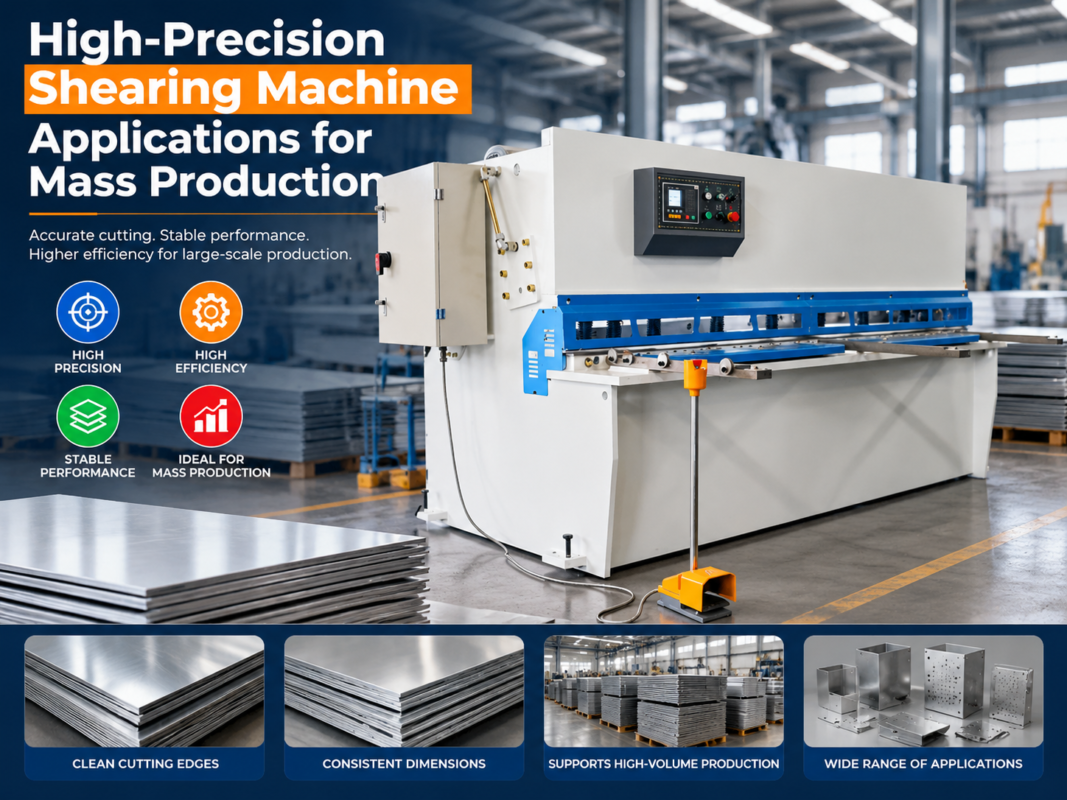
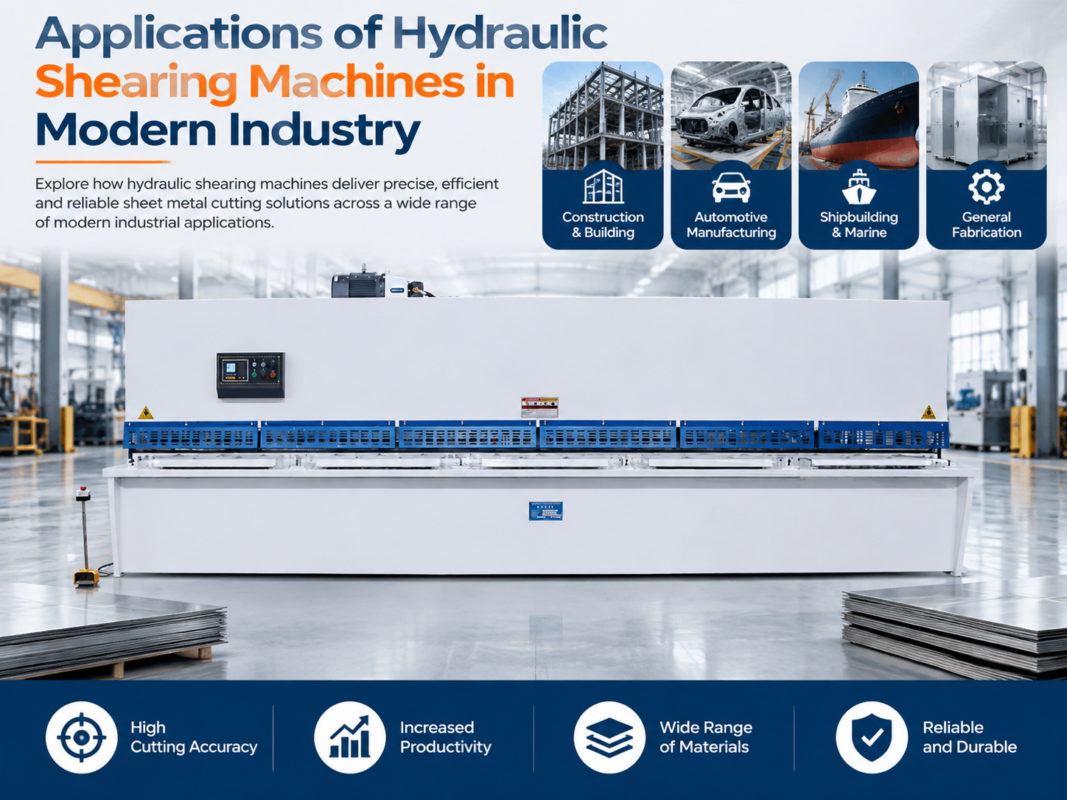
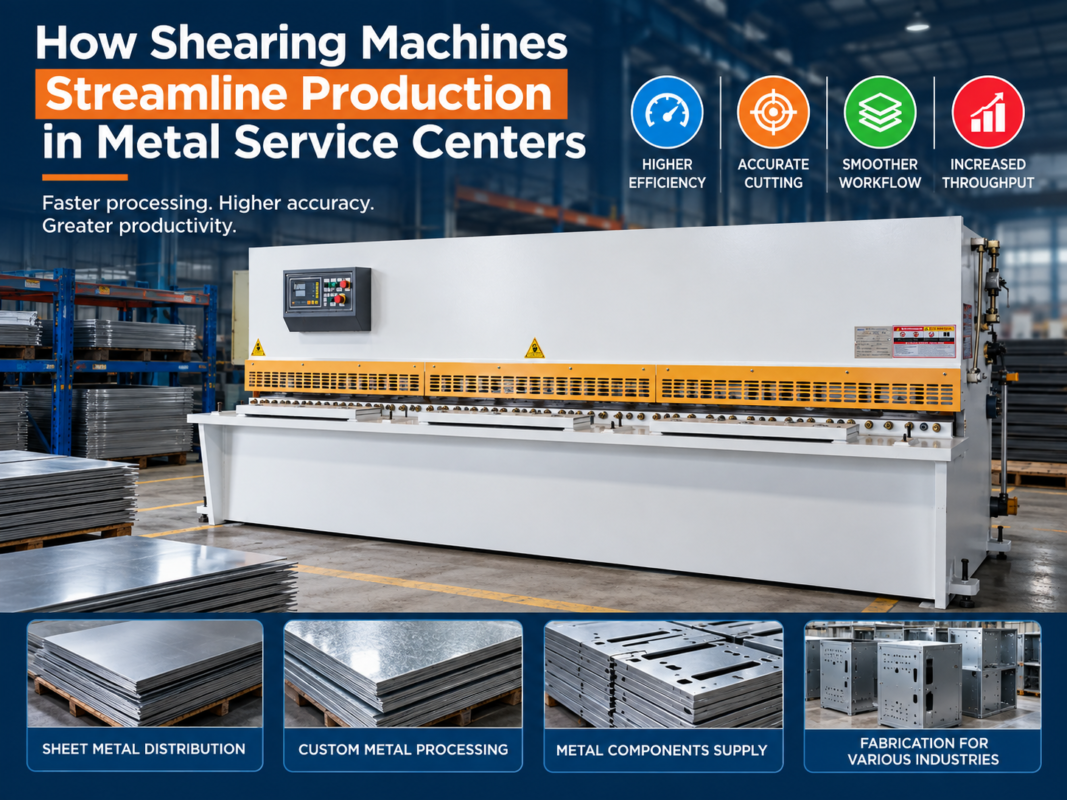
In the competitive landscape of modern metal fabrication, efficiency is the cornerstone of profitability. For facilities engaged in high-volume production, the choice of equipment can make or break the bottom line. When it comes to sheet metal processing, identifying the Best Shearing Machine Features High-Volume Metal Cutting Operations require is essential for maintaining throughput without sacrificing precision. High-volume operations demand more than just a machine that cuts; they require a robust system capable of continuous duty cycles, minimal downtime, and rapid adjustment to varying material thicknesses.
HARSLE has long been at the forefront of providing industrial solutions that cater to these demanding environments. A high-volume shearing operation typically involves processing hundreds or thousands of sheets per shift. This intensity puts immense stress on the hydraulic systems, the mechanical frame, and the cutting blades. Therefore, the features integrated into the machine must prioritize durability, thermal stability, and automation. In this guide, we will break down the critical components that define a top-tier shearing machine for mass production, from the structural integrity of the frame to the sophistication of the CNC interface.
Understanding the nuances of shearing technology—such as the difference between swing beam and guillotine designs—is the first step in optimizing a production line. Furthermore, as labor costs rise and the demand for tighter tolerances increases, the role of automated backgauges and pneumatic sheet supports becomes undeniable. This article provides a deep dive into the technical and financial aspects of selecting the right shearing machine for high-capacity workflows.
Price Range Overview for Industrial Shearing Machines
The investment required for a shearing machine varies significantly based on its capacity, technology level, and automation features. For high-volume operations, entry-level manual machines are rarely sufficient. Instead, businesses must look toward NC (Numerical Control) or CNC (Computer Numerical Control) hydraulic shears. Generally, the price range for industrial-grade shearing machines can be categorized into three tiers.
- Entry-Level Industrial (NC Hydraulic): $12,000 – $25,000. These machines, such as the standard QC12Y series, are suitable for shops moving from manual to semi-automated processes. They offer basic digital readouts for backgauge positioning but may lack the speed and cooling systems required for 24/7 high-volume cycles.
- Mid-Range High-Performance (CNC Guillotine): $28,000 – $55,000. This is the sweet spot for most high-volume operations. These machines feature variable rake angles, automatic blade gap adjustment, and more robust hydraulic units. They are designed to handle a wider variety of material thicknesses with high precision.
- Advanced Automated Systems: $60,000 – $150,000+. At this level, you are investing in full automation. These systems often include front-loading conveyors, automatic stacking units, and high-speed CNC controllers that can store hundreds of programs. These are intended for Tier 1 automotive suppliers or large-scale steel service centers.
When evaluating the price, it is crucial to look beyond the initial sticker cost. A cheaper machine that requires frequent blade changes or suffers from hydraulic overheating will eventually cost more in lost production time than a premium model. High-volume operations should prioritize machines with high-quality components from reputable brands like Bosch-Rexroth for hydraulics and Schneider for electronics, as these ensure long-term reliability.

Main Cost Drivers in High-Volume Shearing Equipment
Several factors contribute to the final price of a shearing machine, and for high-volume users, these drivers are often linked to the machine’s ability to maintain accuracy under pressure. The first major cost driver is the cutting capacity (length and thickness). A machine rated for 16mm thick steel requires a significantly heavier frame and more powerful hydraulic cylinders than one rated for 6mm, leading to a higher price point due to material and engineering costs.
The blade material and quality represent another significant cost driver. For high-volume cutting, standard carbon steel blades will dull quickly. High-carbon, high-chrome blades (such as Cr12MoV or 6CrW2Si) are necessary to withstand the friction and heat of continuous cutting. While these blades increase the initial cost, they provide a much longer service life between regrinds, which is vital for maintaining uptime in a busy shop.
Control Systems and Automation also play a pivotal role. A basic E21S controller is affordable but limited. In contrast, a DAC-360T or similar CNC system allows for automatic calculation of the rake angle, blade gap, and stroke length based on the material type entered by the operator. This reduces setup time from minutes to seconds, which, in a high-volume environment, translates to thousands of dollars in saved labor and increased output annually.
Finally, the hydraulic and cooling architecture impacts the price. High-volume machines generate significant heat. Advanced models include oversized oil reservoirs and integrated air or water cooling systems to keep the hydraulic fluid at an optimal temperature. Without these, the machine’s seals can degrade, and the cutting speed may slow down as the oil thins, leading to inconsistent performance.
Configuration Impact: Swing Beam vs. Guillotine
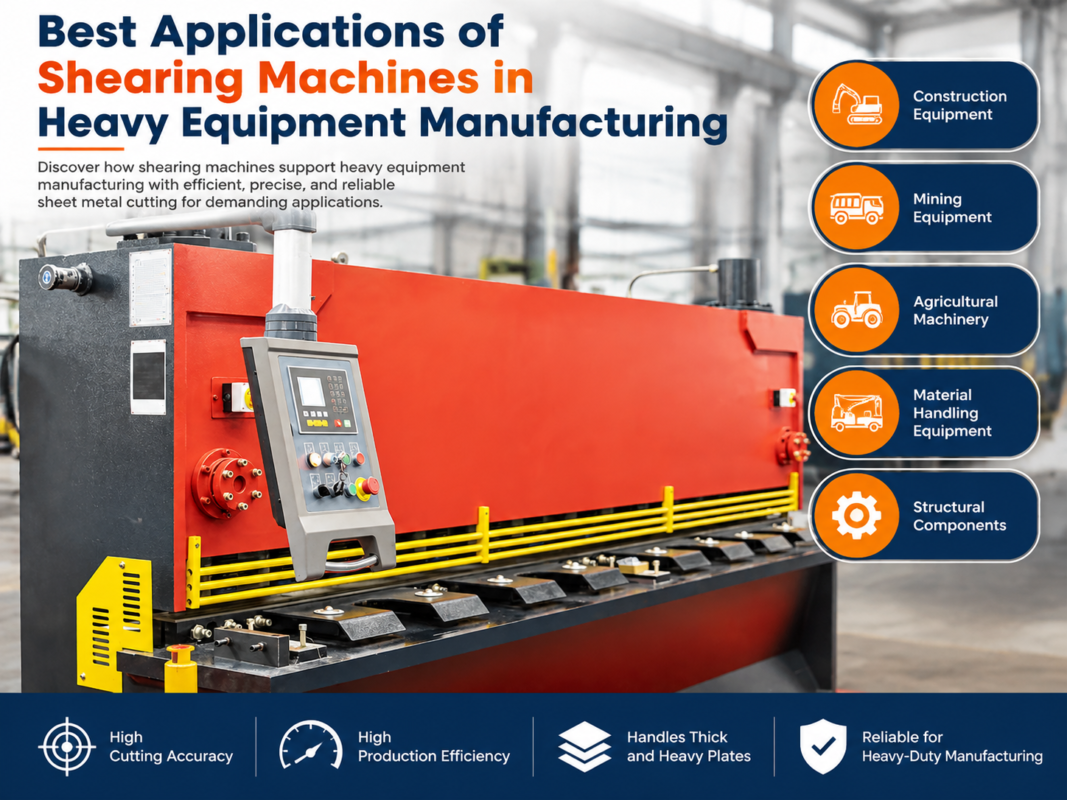
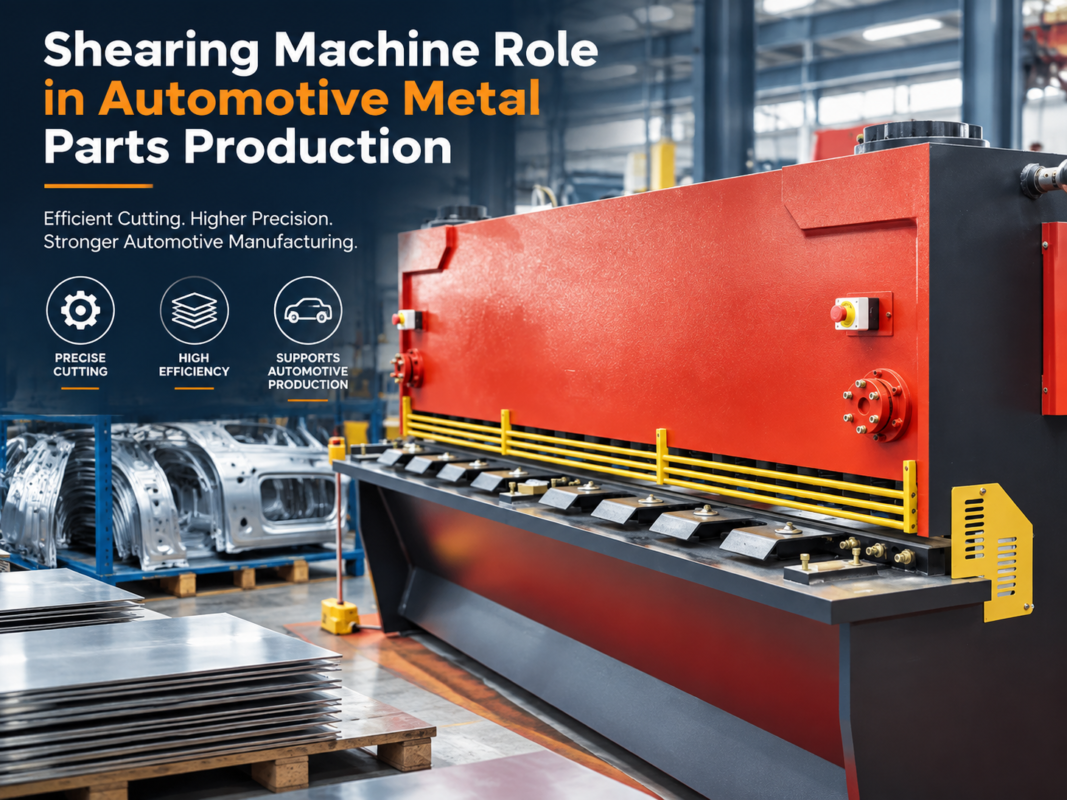
Choosing the right mechanical configuration is perhaps the most critical decision for high-volume cutting. The two primary types are the Hydraulic Swing Beam Shear (QC12Y) and the Hydraulic Guillotine Shear (QC11Y). Each has distinct characteristics that affect how they perform in a high-output environment.
Hydraulic Swing Beam Shears
The swing beam shear uses a circular arc movement for the upper blade. It is generally simpler in design, which often makes it more affordable and easier to maintain. For high-volume operations focusing on thinner gauges (up to 8mm or 10mm), a swing beam shear is often sufficient. However, because the blade moves in an arc, the rake angle is fixed. This can lead to “twist” or “bow” in narrow strips of metal, which might require secondary leveling processes, adding time and cost to the production line.
Hydraulic Guillotine Shears
For the absolute Best Shearing Machine Features High-Volume Metal Cutting Operations demand, the guillotine shear is often the superior choice. In a guillotine shear, the upper blade moves vertically in a straight line. This allows for an adjustable rake angle. By reducing the rake angle for thinner materials, the machine can produce perfectly flat cuts with minimal distortion. For high-volume shops that process a wide range of thicknesses, the ability to optimize the rake angle ensures that every piece meets quality standards without rework.
Additionally, guillotine shears typically offer a more precise blade gap adjustment. In high-volume settings, even a slight misalignment in the blade gap can lead to burrs on the edge of the metal. CNC-controlled guillotine shears can adjust this gap automatically, ensuring clean cuts across different batches of material without manual intervention from the operator.
Hidden Costs of Operating Shearing Machines
While the purchase price is the most visible expense, high-volume operations must account for several hidden costs that can impact the total cost of ownership (TCO). One of the most overlooked is energy consumption. Older hydraulic systems run the pump at full speed regardless of whether the machine is cutting or idling. Modern high-volume shears often utilize variable speed drives or servo-hydraulic systems that only consume power during the cutting stroke, potentially saving thousands in electricity costs over the machine’s life.
Blade Maintenance and Replacement is another recurring cost. In a high-volume shop, blades may need to be rotated or sharpened every few months. The cost isn’t just the sharpening fee; it’s the downtime required to remove, transport, and reinstall the blades. Machines designed with “quick-change” blade features or those that use four-sided reversible blades can significantly mitigate these costs by doubling the time between professional sharpenings.
Floor Space and Material Handling are also hidden factors. A high-volume shear requires significant space for raw material inflow and finished part outflow. If the machine isn’t equipped with a rear pneumatic sheet support system, the cut pieces will drop and potentially bend or scratch, leading to scrap. Investing in a sheet support system or a conveyor-stacker at the outset can prevent these hidden losses in material quality and labor efficiency.
ROI Calculation for High-Volume Operations
Calculating the Return on Investment (ROI) for a high-volume shearing machine involves comparing the total cost of the new machine against the projected gains in productivity and savings in labor and scrap. To calculate ROI, use the following formula:
ROI = (Annual Gains – Annual Costs) / Initial Investment
Consider a scenario where a shop upgrades from a manual shear to a CNC Guillotine Shear with a stacking system:
- Labor Savings: If the CNC system reduces setup time by 30 minutes per day and the stacking system eliminates the need for one manual off-loader, the annual labor savings could exceed $40,000.
- Material Savings: Improved accuracy and reduced distortion (via adjustable rake angles) can reduce scrap rates by 2-3%. On a high-volume line processing $500,000 of steel annually, this is a $10,000 – $15,000 saving.
- Increased Throughput: If the new machine cycles 20% faster, the shop can take on more contracts without increasing headcount.
In many cases, a high-quality shearing machine from HARSLE can pay for itself within 18 to 24 months when utilized in a high-volume environment. The key is to ensure the machine’s features align perfectly with the specific production needs to maximize these gains.
Buying Advice: Selecting the Right Features
When you are ready to purchase, keep a checklist of the Best Shearing Machine Features High-Volume Metal Cutting Operations require. First, prioritize the frame rigidity. Look for a fully welded steel plate structure that has been stress-relieved through vibration or heat treatment. A rigid frame prevents deflection, which is the primary cause of inaccurate cuts and premature blade wear.
Second, insist on high-quality hydraulics and electronics. Brands like Rexroth, Vickers, and Siemens are industry standards for a reason: they offer global support and proven longevity. For high-volume work, ensure the hydraulic system includes a high-capacity oil cooler to prevent overheating during long shifts.
Third, evaluate the backgauge system. For high volume, a ball-screw backgauge driven by a servo motor is essential. This setup provides the speed and repeatability (typically +/- 0.05mm) necessary to keep the production line moving without constant manual measurements. Additionally, consider a “swing-away” backgauge feature, which allows the operator to cut sheets longer than the backgauge stroke when necessary.
Finally, don’t overlook safety and ergonomics. High-volume operations can be fatiguing. Features like shadow line lighting (to see exactly where the cut will fall), front support arms with rollers, and light curtain safety barriers not only protect the operator but also improve the overall pace of work by making the machine easier and safer to interact with.
Frequently Asked Questions (FAQ)
What is the difference between NC and CNC shearing machines?
An NC (Numerical Control) machine typically controls only the backgauge position. The operator must manually set the blade gap and rake angle. A CNC (Computer Numerical Control) machine automates these settings based on the material thickness and type entered into the controller, making it much faster and more accurate for high-volume operations with varying tasks.
How often should I sharpen the blades in a high-volume environment?
This depends on the material being cut (stainless steel dulls blades faster than mild steel) and the blade quality. Generally, in a high-volume shop, blades should be inspected monthly. High-quality Cr12MoV blades might last 6-12 months before needing a regrind, especially if they are four-sided and can be rotated.
Why is the rake angle important for high-volume cutting?
The rake angle is the slope of the upper blade. A higher rake angle allows the machine to cut thicker material with less force but can cause “twist” in the metal. For high-volume shops, having an adjustable rake angle (found on guillotine shears) is vital because it allows you to use a low angle for thin sheets to ensure they remain flat, and a high angle for thick sheets to protect the machine.
Do I need a pneumatic sheet support system?
If you are cutting thin gauge materials (under 3mm) in high volumes, yes. Without support, thin sheets will sag before they reach the backgauge, leading to inaccurate dimensions. A pneumatic support system holds the sheet level until the cut is made, then drops it safely onto a stacker or conveyor.
How does HARSLE ensure the durability of its shearing machines?
HARSLE utilizes advanced manufacturing techniques, including heavy-duty steel plate welding and precision machining of all components. By integrating world-class components from brands like Siemens and Bosch-Rexroth, HARSLE machines are engineered to withstand the rigors of continuous industrial use, providing the reliability needed for high-volume metal cutting operations.