Shearing Machine Maintenance Requirements to Consider Before Purchase: A Comprehensive Guide


Introduction to Shearing Machine Maintenance and Procurement
When investing in industrial metal fabrication machinery, the initial sticker price is often just the tip of the iceberg. For professionals in the sheet metal industry, understanding the shearing machine maintenance requirements to consider before purchase is vital for ensuring long-term profitability and operational efficiency. A shearing machine is a workhorse, often subjected to high-pressure cycles and abrasive materials. Without a clear maintenance strategy and an understanding of how different machine designs impact upkeep, a business may find itself burdened by unexpected downtime and skyrocketing repair costs.
HARSLE, a leader in metalworking solutions, emphasizes that the ‘Total Cost of Ownership’ (TCO) should be the primary metric for any procurement decision. This guide delves deep into the technical and financial aspects of shearing machine maintenance, helping you identify which features simplify upkeep and which configurations might demand more specialized attention. By the end of this article, you will be equipped with the knowledge to select a machine that balances performance with manageable maintenance demands.
Price Range Overview: Balancing Initial Cost and Maintenance
The market for shearing machines is broad, ranging from basic manual mechanical shears to highly sophisticated CNC hydraulic guillotine shears. Generally, the price of a shearing machine is dictated by its cutting capacity (thickness and length) and its technological sophistication. Entry-level hydraulic swing beam shears (QC12Y series) typically range from $5,000 to $15,000 for standard capacities. These machines are robust but require manual intervention for blade gap adjustments, which can lead to uneven wear if not managed correctly by the operator.
Mid-range machines, often featuring NC (Numerical Control) for backgauge positioning and semi-automatic blade gap adjustment, fall between $15,000 and $35,000. These units offer a better balance, as the automation reduces the likelihood of ‘operator error’—a leading cause of premature component failure. High-end CNC guillotine shears (QC11K series), which can cost anywhere from $40,000 to over $100,000, feature fully automated systems that adjust the rake angle and blade gap based on material type. While the initial investment is higher, these machines often have lower long-term maintenance costs per ton of metal processed due to their precision and built-in diagnostic tools.

Main Cost Drivers in Shearing Machine Maintenance
The primary cost drivers in shearing machine maintenance are the hydraulic system, the shearing blades, and the electrical control components. The hydraulic system is the heart of the machine; it includes the pump, valves, cylinders, and the oil itself. Using low-quality hydraulic oil or failing to change filters can lead to pump cavitation or valve blockages, which are expensive to rectify. High-quality brands like Rexroth or Vickers are preferred in HARSLE machines because their reliability significantly reduces the frequency of hydraulic failures.
Shearing blades are the most significant consumable. The material of the blade—typically 9CrSi for standard steel or Cr12MoV for stainless steel—determines how many cuts can be made before sharpening is required. A major maintenance requirement to consider before purchase is the ease of blade removal. If a machine design requires four technicians and a full day to flip or change blades, the labor cost and downtime will far outweigh the savings of a cheaper machine. Furthermore, the rake angle adjustment mechanism plays a role; a fixed rake angle might be simpler to maintain but limits the machine’s versatility and can increase stress on the frame when cutting thicker materials.
Configuration Impact: Swing Beam vs. Guillotine Shears
One of the most critical shearing machine maintenance requirements to consider before purchase is the mechanical configuration: Swing Beam (QC12Y) versus Guillotine (QC11Y/K). Swing beam shears operate on a pivot point. This design is mechanically simpler with fewer moving parts, making it generally easier to maintain for smaller shops. However, because the upper blade moves in an arc, the blade gap is not perfectly uniform throughout the stroke, which can lead to slightly faster blade wear on the edges and a limitation in cutting very thick plates with high precision.
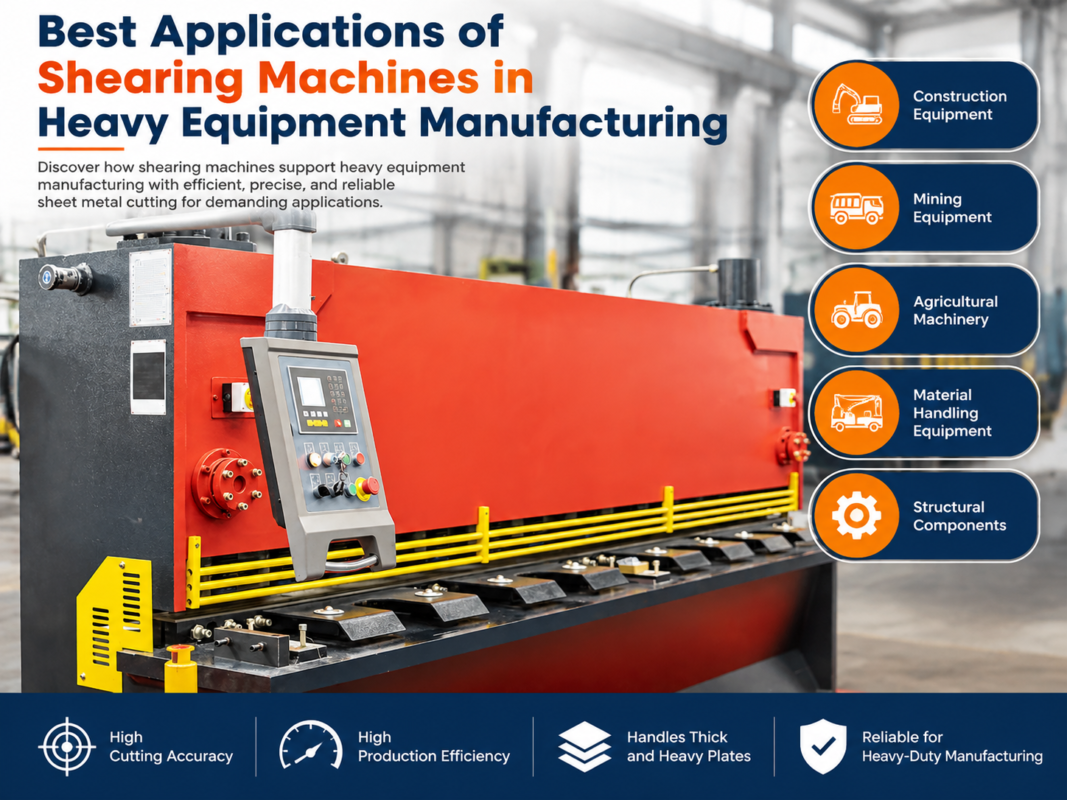
Guillotine shears, on the other hand, move the upper blade in a strictly vertical path. This allows for an adjustable rake angle, which minimizes plate distortion (bowing and twisting). From a maintenance perspective, guillotine shears have more complex sliding guides (usually involving high-strength rollers or bronze wear plates). These guides require regular lubrication and periodic adjustment to maintain accuracy. While the maintenance is more technical, the ability to adjust the rake angle reduces the tonnage required for specific cuts, thereby extending the life of the hydraulic seals and the structural frame of the machine.

Hidden Costs: What Buyers Often Overlook
Beyond the obvious costs of blades and oil, several hidden maintenance requirements can impact your budget. One such factor is the nitrogen return system. Most modern hydraulic shears use nitrogen cylinders to return the upper beam to its starting position. Over time, nitrogen can leak, requiring a recharge. If the machine does not have an easily accessible charging port or if the seals are of poor quality, this becomes a recurring headache. Buyers should inquire about the brand of seals used (e.g., NOK from Japan) as these are critical for preventing internal and external hydraulic leaks.
Another hidden cost is the electrical system’s susceptibility to the shop environment. In many fabrication shops, dust and metal shavings are prevalent. If the shearing machine’s electrical cabinet is not properly sealed (IP54 or higher) or lacks a cooling fan with a filter, the PLC and motor drives can overheat or short-circuit. Replacing a proprietary CNC controller can cost thousands of dollars, making the initial quality of the electrical cabinet a major maintenance consideration. Additionally, the availability of spare parts is a ‘hidden’ factor; choosing a manufacturer like HARSLE ensures that standard components are used, which can be sourced locally if an emergency arises.
ROI Calculation: The Impact of Maintenance on Profitability
To calculate the true Return on Investment (ROI), one must look at the ‘Maintenance Cost per Cut.’ A machine that requires $2,000 in annual maintenance and produces 100,000 cuts is far more profitable than a ‘budget’ machine that requires $4,000 in maintenance and only produces 50,000 cuts due to frequent downtime. When evaluating shearing machine maintenance requirements to consider before purchase, factor in the ‘Downtime Cost.’ If your shop rate is $100/hour and the machine is down for 40 hours a year due to poor design, that is a $4,000 loss in productivity alone.
Investing in features like automatic lubrication systems can significantly improve ROI. These systems ensure that all sliding ways and pivot points receive the correct amount of grease at the right intervals, preventing the ‘seizing’ of components that occurs when manual greasing is forgotten. While an automatic lubricator might add $500 to the purchase price, it can extend the mechanical life of the machine by years, directly boosting the long-term ROI and resale value of the equipment.
Buying Advice: A Checklist for Prospective Owners
When you are ready to purchase, use the following checklist to evaluate the maintenance friendliness of a shearing machine:
- Blade Material and Accessibility: Are the blades made of high-carbon, high-chrome steel? Can they be flipped (4-sided blades) to extend life?
- Hydraulic Component Brand: Does the machine use reputable brands like Rexroth, Schneider, or Siemens?
- Lubrication System: Is there a centralized lubrication point, or better yet, an automated system?
- Frame Construction: Is the frame stress-relieved through vibration or heat treatment? A stable frame prevents misalignment that causes uneven blade wear.
- Control System: Does the CNC/NC system offer error codes and diagnostics to help troubleshoot issues quickly?
- Support and Documentation: Does the manufacturer provide a detailed maintenance manual and a clear schedule for oil and filter changes?
HARSLE recommends that buyers prioritize machines with a ‘User-Friendly’ design. This includes features like a front-operated backgauge for easier adjustment and a clear sightline for the shadow line cutting feature, which reduces the chance of ‘miss-cuts’ that can damage the blades.
Frequently Asked Questions (FAQ)
How often should I sharpen the blades on a shearing machine?
The frequency of sharpening depends on the material thickness and type. For mild steel, blades may last for 100,000 to 200,000 cuts before needing a flip or grind. Stainless steel, being much harder, can reduce this lifespan by 50% or more. Always monitor the burr level on your cut pieces; a large burr indicates dull blades.
What type of hydraulic oil is best for a shearing machine?
Most hydraulic shears use ISO VG 46 or ISO VG 68 anti-wear hydraulic oil. It is crucial to use a high-quality oil that maintains its viscosity under heat. HARSLE recommends changing the oil after the first 500 hours of operation (the ‘break-in’ period) and every 2,000 to 3,000 hours thereafter.
Can I perform maintenance myself, or do I need a specialist?
Basic tasks like lubrication, cleaning, and monitoring oil levels can be done by the operator. However, blade gap calibration, nitrogen recharging, and hydraulic valve adjustments should be performed by trained technicians to ensure safety and machine accuracy. Many HARSLE customers benefit from our remote technical support to guide their in-house teams through these processes.
Why is the blade gap adjustment so important?
If the blade gap is too wide, the metal will ‘fold’ between the blades rather than shear, causing a poor finish and putting immense lateral stress on the machine. If it is too tight, the blades can strike each other, leading to catastrophic failure. Proper adjustment is the single most important factor in minimizing maintenance costs.
Does the rake angle affect maintenance?
Yes. A higher rake angle reduces the force required to cut, which protects the hydraulic system. However, it increases the ‘twist’ in the cut-off piece. A machine with an adjustable rake angle allows you to find the ‘sweet spot’ between protecting the machine and maintaining part quality.
Conclusion
In conclusion, the shearing machine maintenance requirements to consider before purchase are as critical as the machine’s cutting capacity. By focusing on high-quality components, accessible designs, and automated maintenance features, you can ensure that your HARSLE shearing machine remains a productive asset for decades. Remember that a well-maintained machine not only produces better parts but also retains a much higher resale value, ensuring your investment is protected from every angle.