A Complete Buying A Sheet Metal Punching Machine: The Ultimate Guide for 2024


Introduction to Sheet Metal Punching Technology
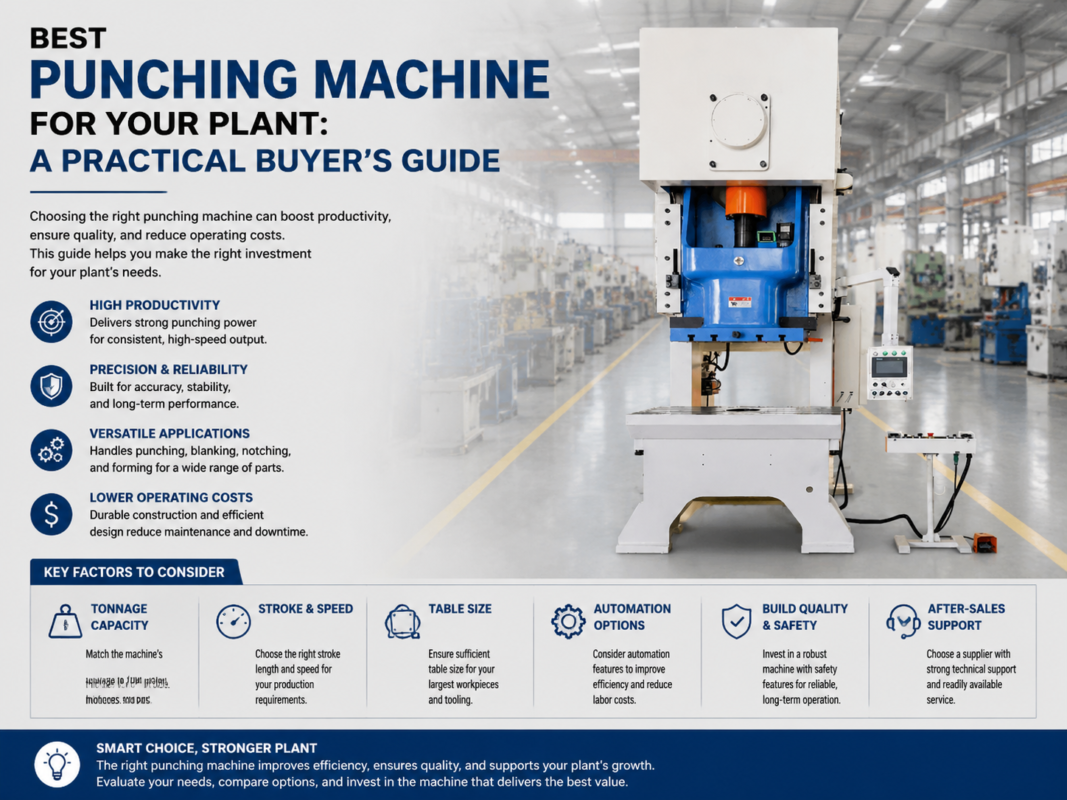
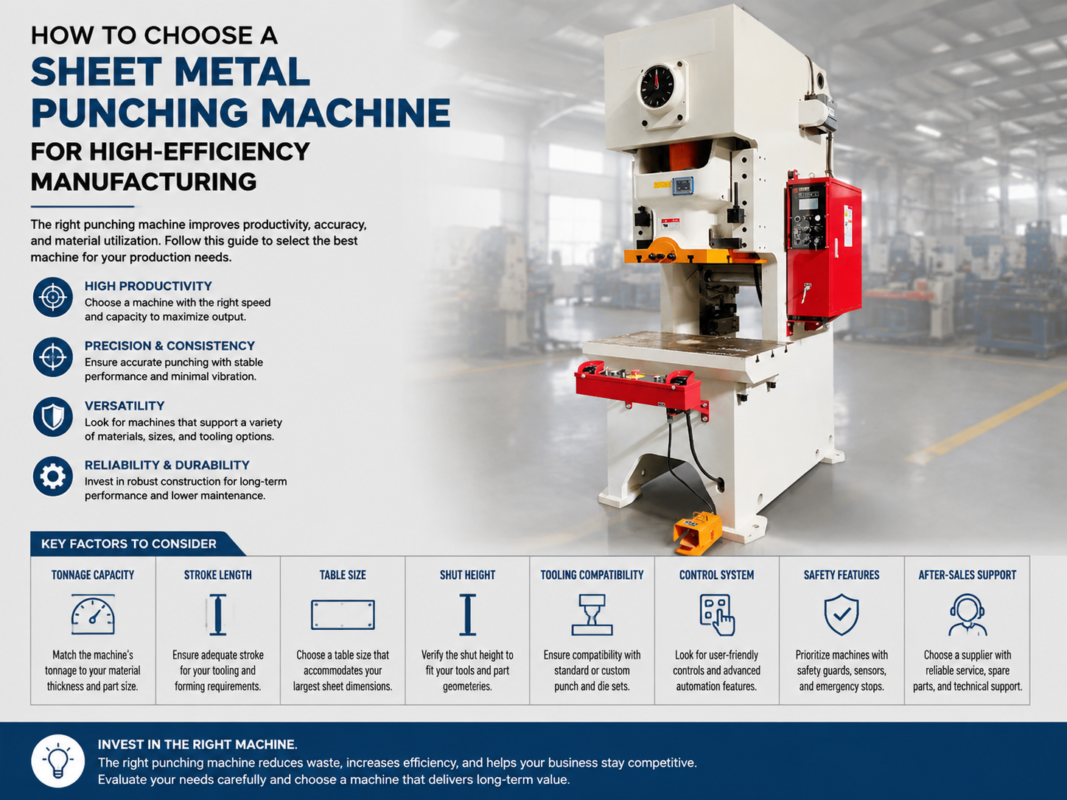
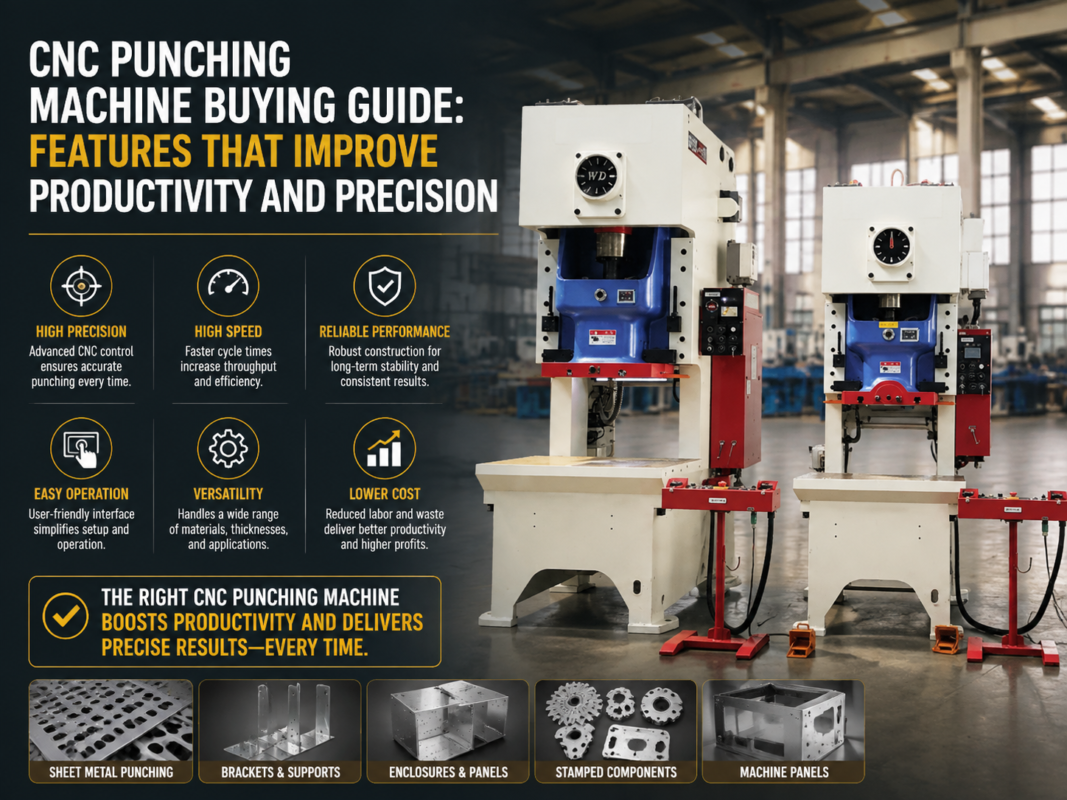
In the world of modern metal fabrication, the ability to create precise holes, louvers, and complex shapes in sheet metal is a foundational requirement. Whether you are producing electrical enclosures, automotive components, or HVAC ducting, the efficiency of your operation often hinges on the quality of your punching equipment. This article serves as A Complete Buying A Sheet Metal Punching Machine guide, designed to help workshop owners and procurement managers navigate the complex landscape of industrial machinery. At HARSLE, we understand that purchasing a punching machine is a significant capital investment, and making the right choice requires a deep dive into technical specifications, cost structures, and long-term ROI.
Sheet metal punching machines have evolved from simple manual presses to highly sophisticated CNC (Computer Numerical Control) turret punch presses. These modern machines offer unparalleled speed and accuracy, capable of performing hundreds of hits per minute with tolerances measured in microns. However, with this technological advancement comes a wide array of options, price points, and configurations. Understanding the nuances of tonnage, throat depth, and turret capacity is essential before signing any purchase agreement. This guide will break down every aspect of the buying process to ensure your next machine meets your production needs today and scales with your business tomorrow.
Price Range Overview: What to Expect
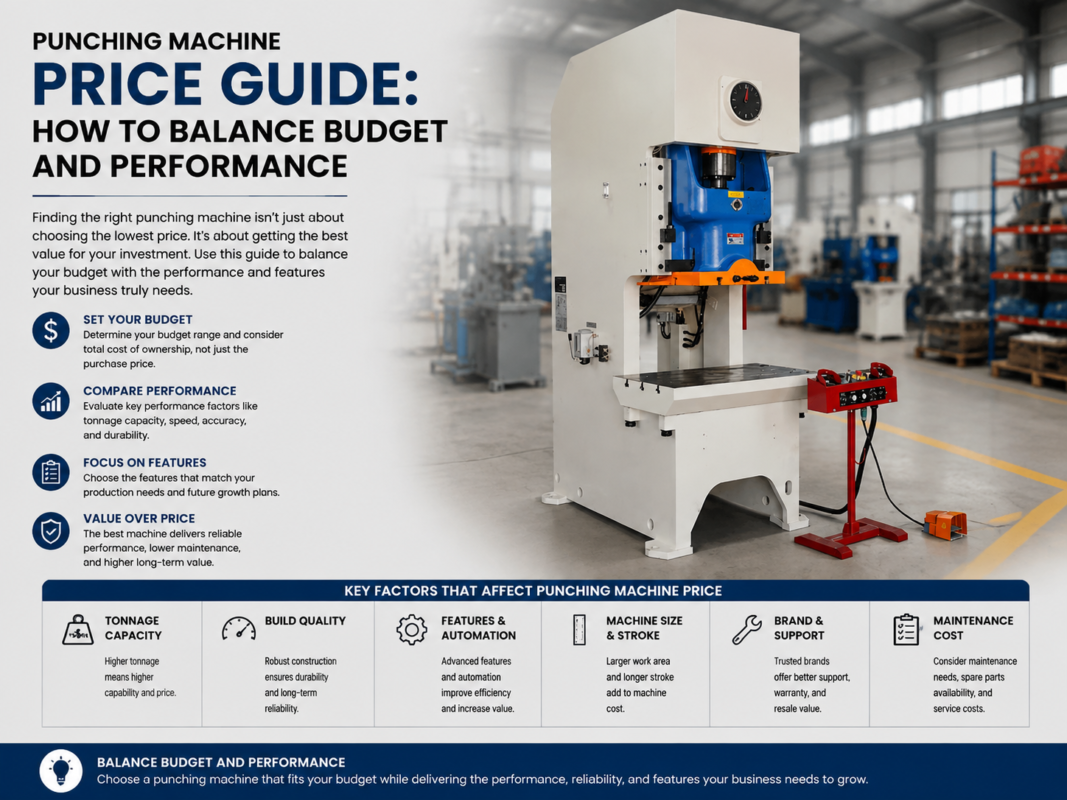
When embarking on A Complete Buying A Sheet Metal Punching Machine journey, the first question most buyers ask is about the price. The cost of a punching machine varies drastically based on its automation level, power, and brand reputation. Generally, the market is divided into three primary tiers: entry-level manual or mechanical machines, mid-range CNC turret punch presses, and high-end automated servo-electric systems.
Entry-level machines, often used for low-volume production or simple hole-punching tasks, typically range from $5,000 to $20,000. These are usually mechanical or basic hydraulic presses with limited automation. While they are affordable, they lack the speed and versatility required for complex industrial fabrication. For small workshops or specialized tasks, these machines provide a cost-effective entry point into metalworking.
Mid-range CNC turret punch presses represent the bulk of the industrial market. These machines, priced between $40,000 and $120,000, offer multi-station turrets that allow for various tools to be used without manual intervention. They are equipped with sophisticated CNC controllers (such as Fanuc or Siemens) and can handle medium to high-volume production runs. HARSLE’s range of CNC punching machines often falls into this category, providing a balance between high-end performance and accessible pricing.
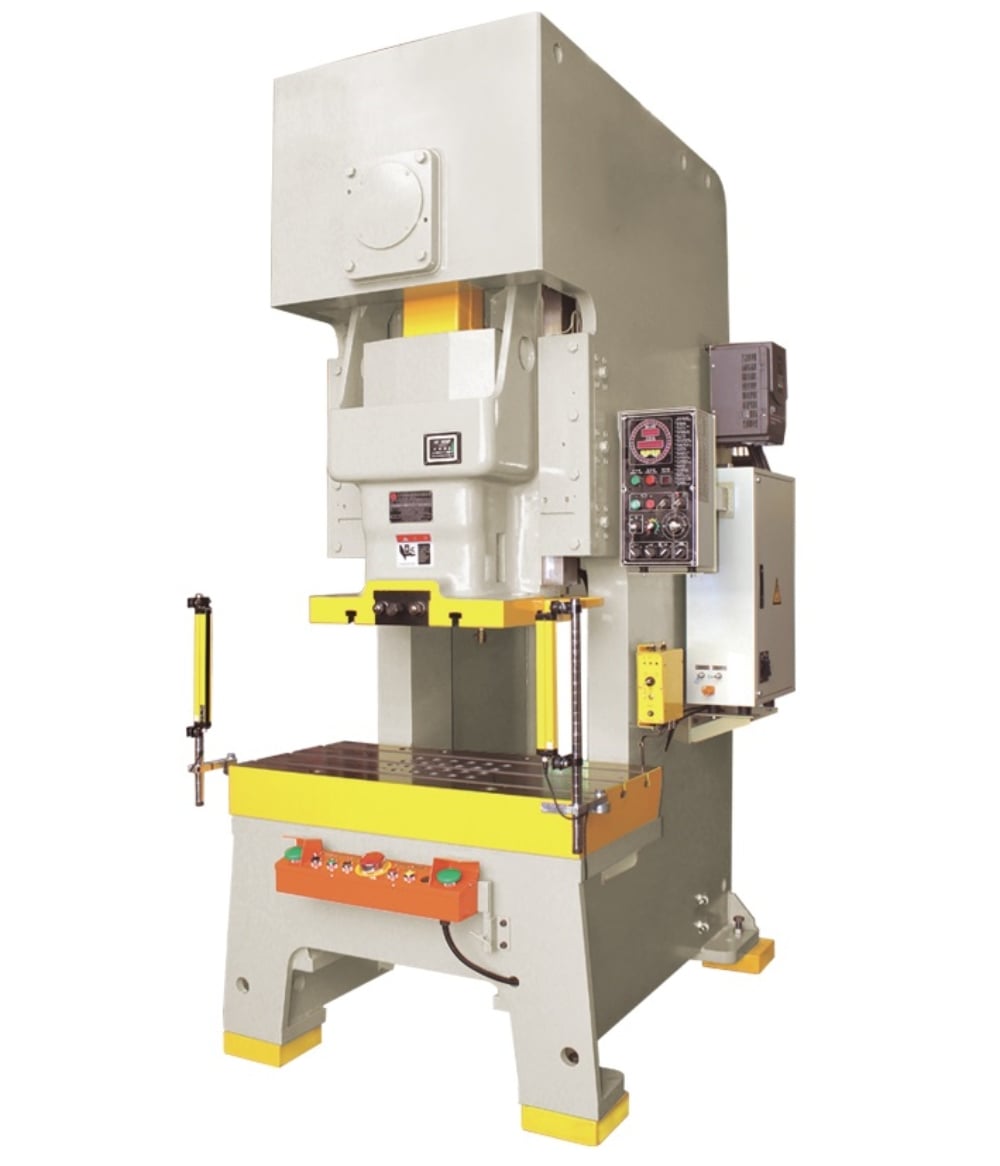
At the top of the spectrum are high-performance servo-electric and fully automated punching cells. These machines can cost anywhere from $150,000 to over $500,000. They utilize advanced servo-drive technology instead of traditional hydraulics, offering extreme precision, lower energy consumption, and faster cycle times. Often integrated with automatic loading and unloading systems, these machines are designed for 24/7 operation in high-output manufacturing environments.
Main Cost Drivers in Punching Machinery
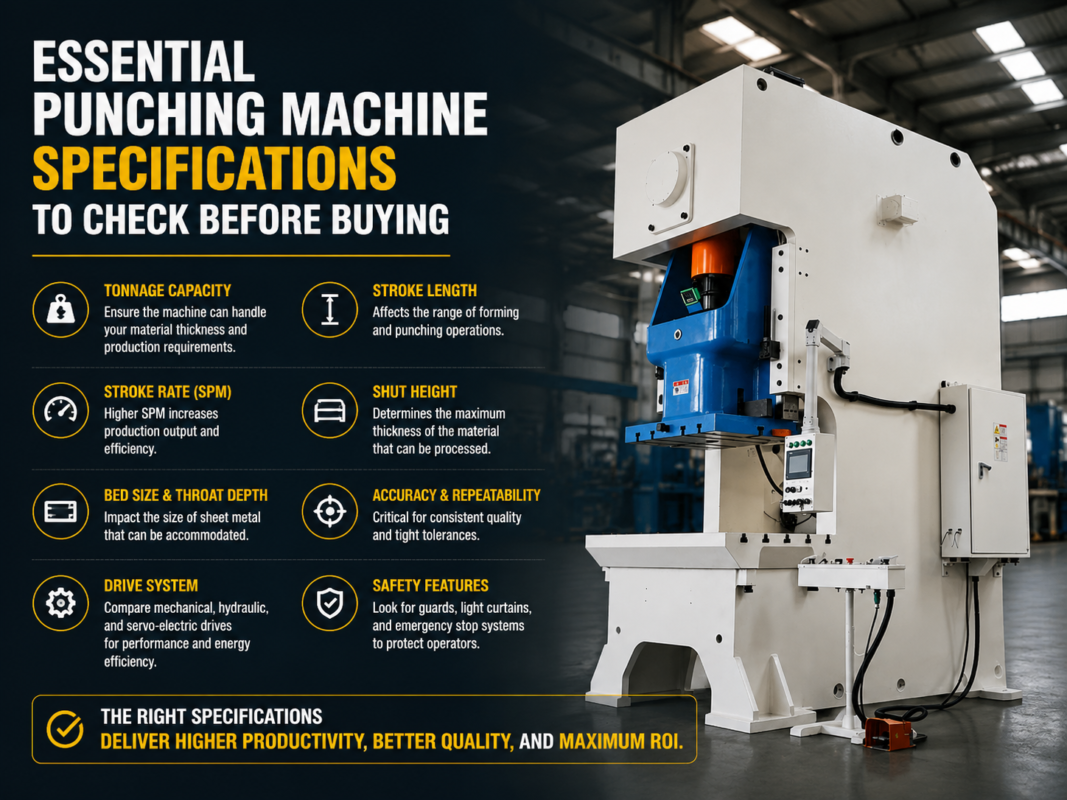
Understanding what drives the price of a machine is crucial for A Complete Buying A Sheet Metal Punching Machine strategy. Several technical factors contribute to the final invoice, and knowing which ones are essential for your specific applications can save you thousands of dollars. The primary cost drivers include tonnage, throat depth, turret configuration, and the control system.
1. Tonnage and Pressing Power
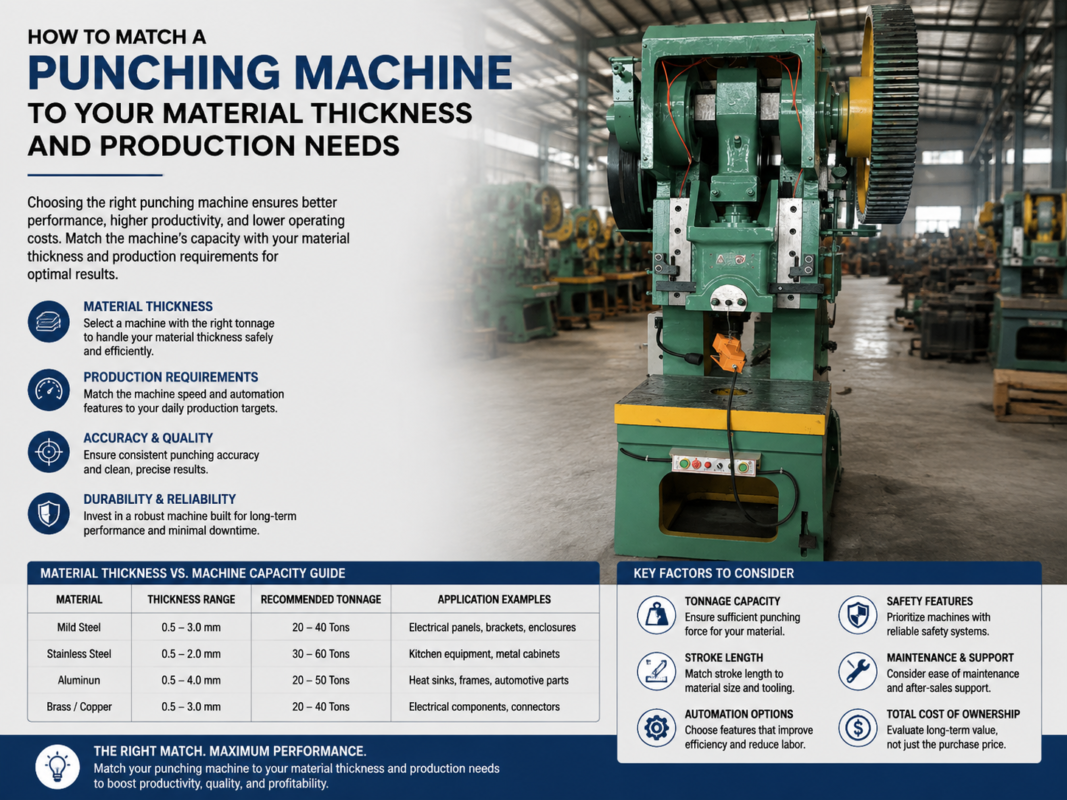
The tonnage of a machine determines the maximum thickness and type of material it can punch. A 20-ton machine might be sufficient for thin aluminum or mild steel, but if you are working with 6mm stainless steel, you will likely need a 30-ton or 50-ton press. Higher tonnage requires more robust frames and more powerful hydraulic or servo systems, which directly increases the cost. It is vital to calculate your maximum required force based on the thickest material and largest hole diameter you plan to produce.
2. Throat Depth and Sheet Size
Throat depth refers to the distance from the center of the punch to the back frame of the machine. This dimension dictates the maximum width of the sheet metal the machine can handle. A larger throat depth (e.g., 1250mm or 1500mm) allows for the processing of larger sheets without the need for repositioning, which improves accuracy and reduces cycle time. However, larger throat depths require more massive frames to maintain rigidity, adding to the machine’s price tag.
3. Turret Capacity and Tooling Style
The number of stations in the turret (ranging from 12 to 50+) significantly impacts productivity. A larger turret allows you to keep more tools loaded, reducing setup times between different jobs. Additionally, the choice between “Thick Turret” and “Thin Turret” tooling styles affects both the initial machine cost and the ongoing cost of consumables. Thick turret tooling is generally more durable and widely available, making it the industry standard for most CNC applications.
Configuration Impact: Hydraulic vs. Servo-Electric
One of the most critical decisions in A Complete Buying A Sheet Metal Punching Machine is choosing the drive system. Historically, hydraulic systems were the only option for high-tonnage punching. While hydraulic machines are powerful and relatively easy to maintain, they are noisy, generate heat, and consume significant energy even when idling. Modern hydraulic systems have improved, but they still require oil changes and cooling systems.
Servo-electric punching machines have revolutionized the industry. Instead of a hydraulic ram, these machines use a high-torque servo motor to drive the punching head. This configuration offers several advantages: it is significantly more energy-efficient (using power only during the actual punch), it is much quieter, and it provides superior control over the ram’s position. This precision allows for advanced operations like high-speed marking, forming, and even tapping. While the initial investment for a servo-electric machine is higher, the lower operating costs and increased versatility often lead to a better long-term value.
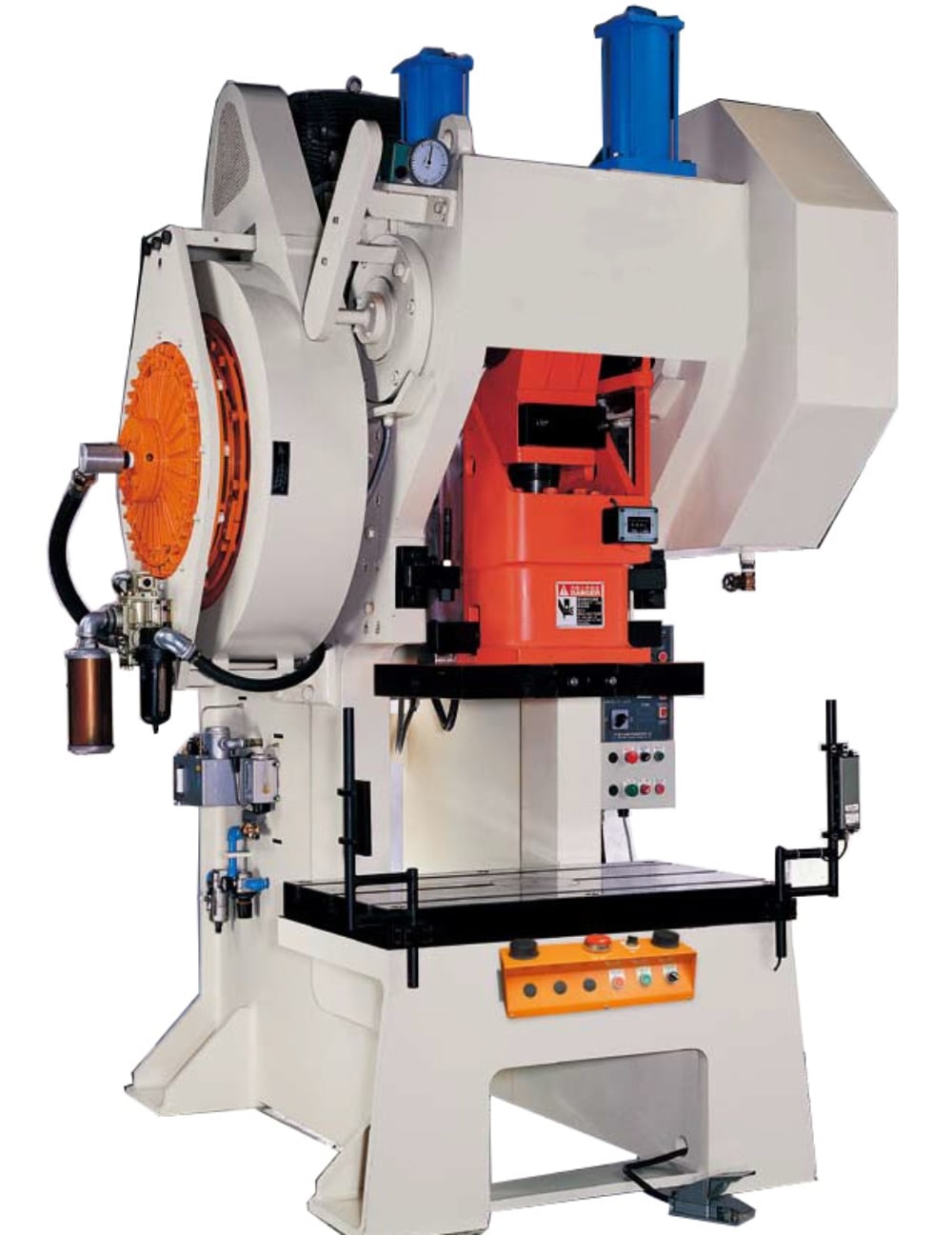
Furthermore, the frame design—C-frame vs. O-frame—plays a role in configuration. C-frame machines offer easier access for loading large or oddly shaped sheets but are more prone to “yawing” or deflection under high pressure. O-frame (or bridge frame) machines enclose the punching area, providing maximum rigidity and ensuring that the punch and die remain perfectly aligned even during heavy-duty operations. For high-precision work, the O-frame is almost always the preferred choice.
Hidden Costs of Ownership
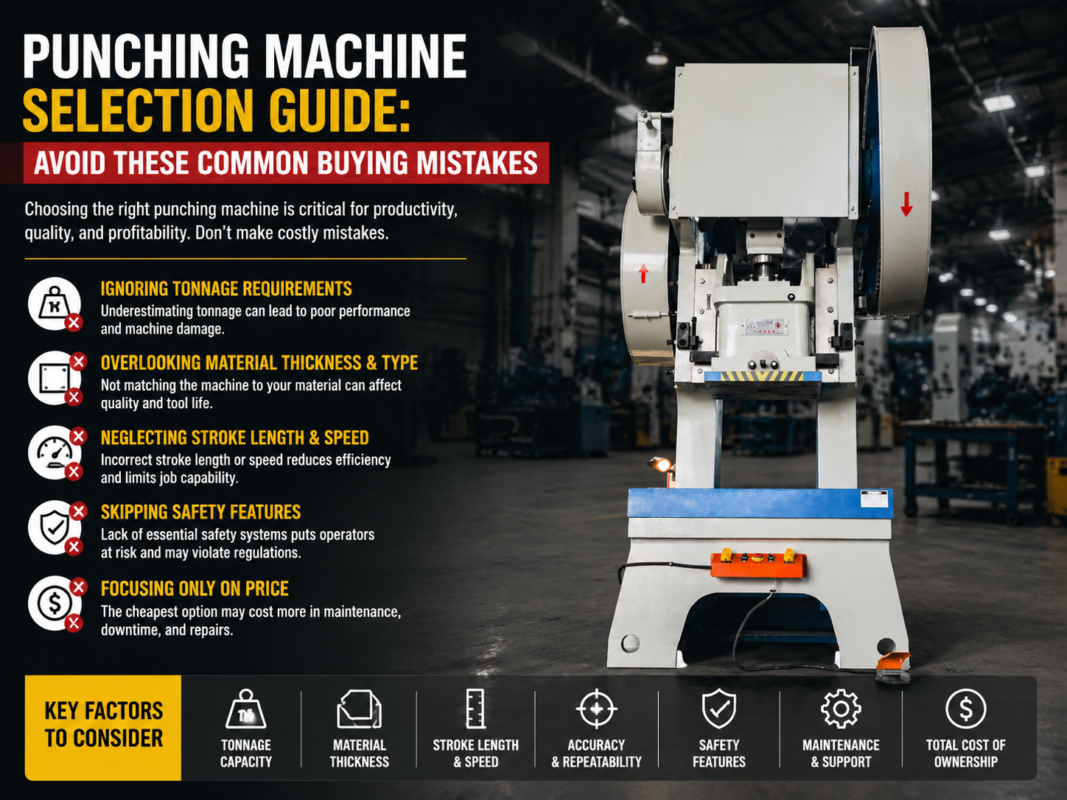
When calculating the budget for A Complete Buying A Sheet Metal Punching Machine, many buyers overlook the secondary expenses that follow the initial purchase. These “hidden costs” can add 10% to 30% to your total investment in the first year. Being aware of them allows for more accurate financial planning.
- Shipping and Logistics: Industrial punching machines are heavy and require specialized transport. Depending on your location and the machine’s origin, freight, rigging, and crane rental fees can be substantial.
- Foundation and Installation: High-tonnage machines require a stable, reinforced concrete floor to prevent vibration and maintain accuracy. You may need to invest in a dedicated foundation before the machine arrives.
- Tooling Sets: A machine is useless without tools. A basic set of punches and dies for various shapes (round, square, oblong) and sizes can cost several thousand dollars. Specialized forming tools (louvers, countersinks) are even more expensive.
- Software and Training: To get the most out of a CNC machine, you need CAD/CAM nesting software. While some manufacturers include basic software, premium versions that optimize material usage are often an extra cost. Additionally, your operators will need professional training to run the machine safely and efficiently.
- Maintenance and Consumables: Beyond electricity, you must account for hydraulic oil, filters, and the sharpening of tools. A regular maintenance schedule is essential to prevent costly downtime.
ROI Calculation: Making the Business Case
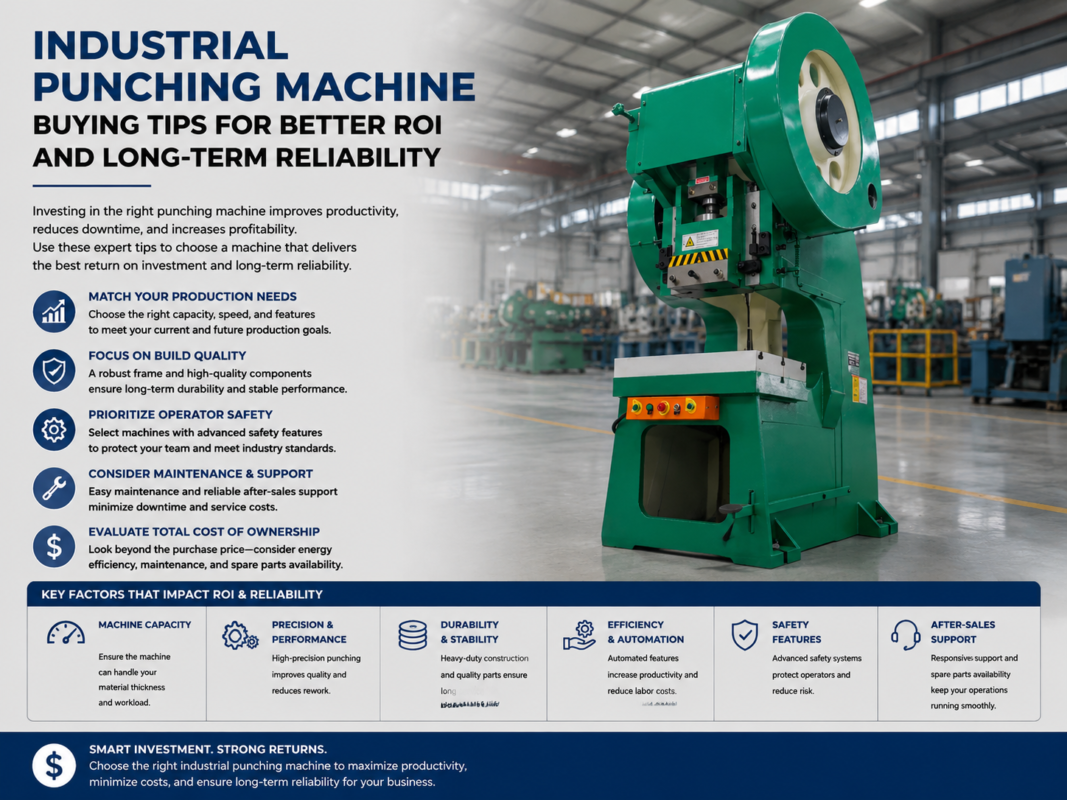
To justify the purchase of a sheet metal punching machine, you must perform a Return on Investment (ROI) calculation. This involves comparing the total cost of ownership against the projected revenue or savings the machine will generate. In A Complete Buying A Sheet Metal Punching Machine analysis, ROI is typically driven by three factors: labor reduction, material savings, and increased throughput.
Consider a scenario where you currently outsource your punching needs. By bringing the process in-house, you eliminate the markup from the supplier and reduce lead times. If the machine allows one operator to do the work of three manual workers, the labor savings alone can pay for the machine in 2-3 years. Furthermore, modern nesting software can reduce material waste by 10-15%, which, for high-cost materials like stainless steel or copper, results in significant annual savings.
The formula for a basic ROI is: (Annual Gains – Annual Cost of Investment) / Annual Cost of Investment. However, for machinery, it is often more useful to calculate the “Payback Period” in months. If a $100,000 machine generates $4,000 in monthly savings/profit, the payback period is 25 months. At HARSLE, we help our clients run these numbers to ensure the machine they choose aligns with their financial goals.
Expert Buying Advice and Checklist
Before finalizing your purchase, follow this expert checklist to ensure you have covered all bases in A Complete Buying A Sheet Metal Punching Machine process. These steps are designed to vet both the machine and the manufacturer.
- Define Your Material Scope: Clearly list the maximum thickness and types of metal you will punch. Don’t just buy for what you do now; buy for what you want to do in two years.
- Request a Sample Part: Send a CAD file of your most complex part to the manufacturer. Ask them to punch it and provide a report on the cycle time and accuracy. This is the best way to verify performance.
- Check Controller Compatibility: Ensure the CNC controller is a recognized brand with local support. If the controller fails and there are no local technicians, your production will grind to a halt.
- Evaluate After-Sales Support: Ask about the warranty period, the availability of spare parts, and the manufacturer’s response time for technical issues. A cheap machine with poor support is a liability.
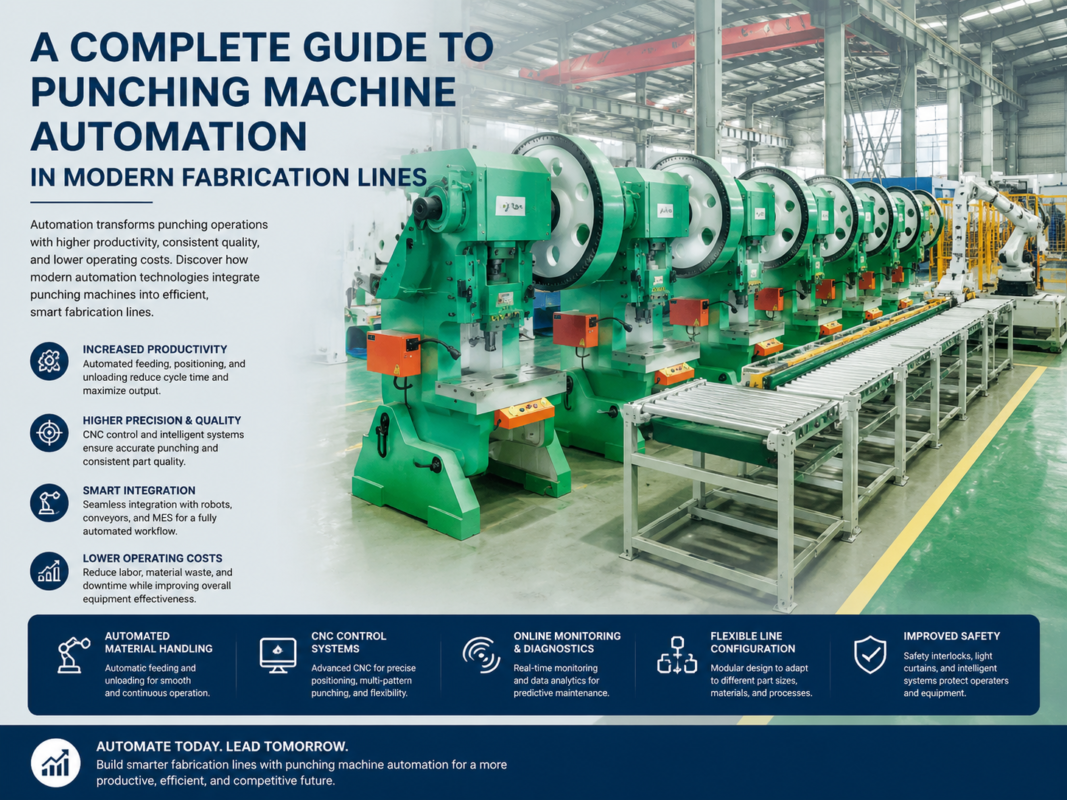
- Consider Future Automation: Even if you don’t need it now, check if the machine can be retrofitted with automatic loaders or robotic arms in the future.
Frequently Asked Questions (FAQ)
What is the difference between a punching machine and a laser cutting machine?
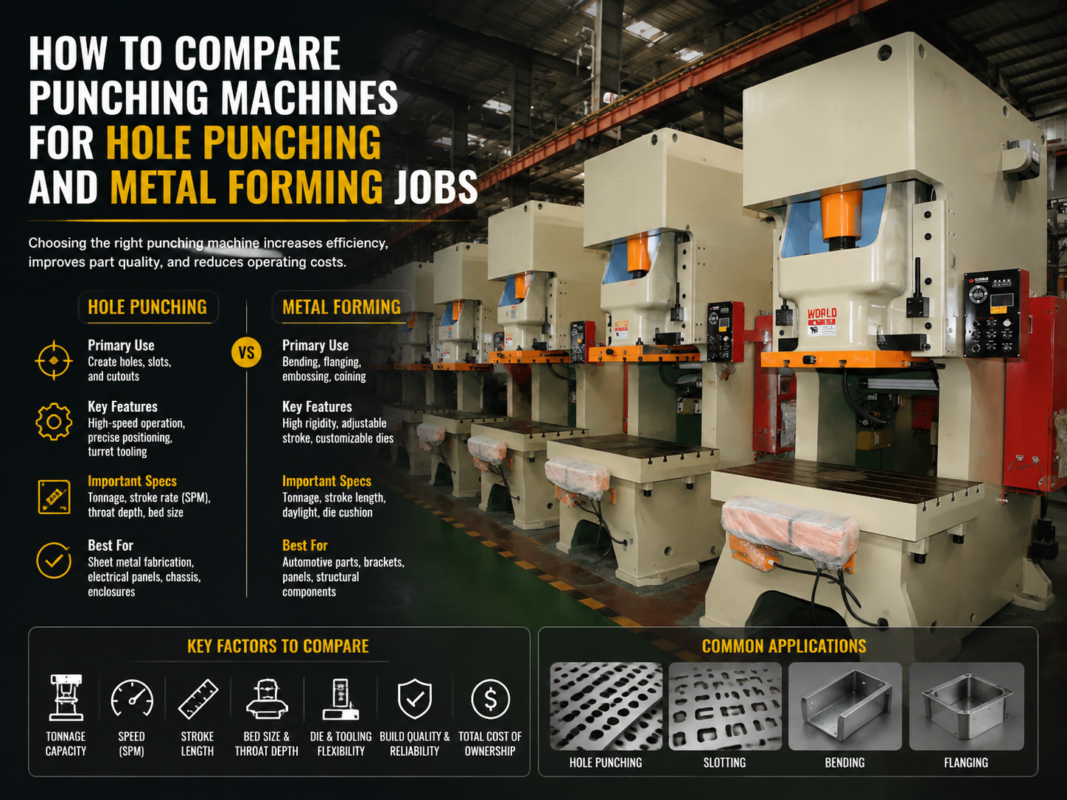
While both can cut shapes in sheet metal, a punching machine is significantly faster for repetitive holes and can perform forming operations like louvers, ribs, and embossing, which a laser cannot. However, a laser is better for very complex, irregular shapes and thicker materials where tool changes would be inefficient.
How often should I sharpen my punching tools?
Tool life depends on the material being punched. Generally, tools should be inspected every 10,000 to 50,000 hits. Sharpening them early and often (removing only 0.1mm at a time) is much better than waiting until the tool is dull, which can damage the machine and the workpiece.
Can a punching machine handle stainless steel?
Yes, but it requires higher tonnage and specialized, high-speed steel (HSS) or coated tooling. Stainless steel is harder and more abrasive than mild steel, so expect faster tool wear and ensure your machine has the necessary rigidity.
Is CNC training difficult for new operators?
Modern CNC interfaces are quite intuitive, often featuring graphical touchscreens. An operator with basic computer skills can usually learn the fundamentals in 3-5 days of professional training, though mastering nesting software and tool optimization takes longer.
What is the typical lifespan of a HARSLE punching machine?
With proper maintenance and regular servicing, a high-quality industrial punching machine can last 15 to 20 years or more. Many machines from the 1990s are still in operation today, though their electronics are often the first components to become obsolete.
Conclusion
Choosing the right equipment is a journey that requires technical knowledge and strategic planning. By following this A Complete Buying A Sheet Metal Punching Machine guide, you are now equipped to evaluate machines based on more than just the sticker price. Focus on the configuration that fits your workflow, account for the hidden costs, and always prioritize long-term reliability and support. At HARSLE, we are committed to providing the metal fabrication industry with high-performance machinery that drives growth and efficiency. Contact our team today to discuss your specific punching requirements and find the perfect solution for your workshop.