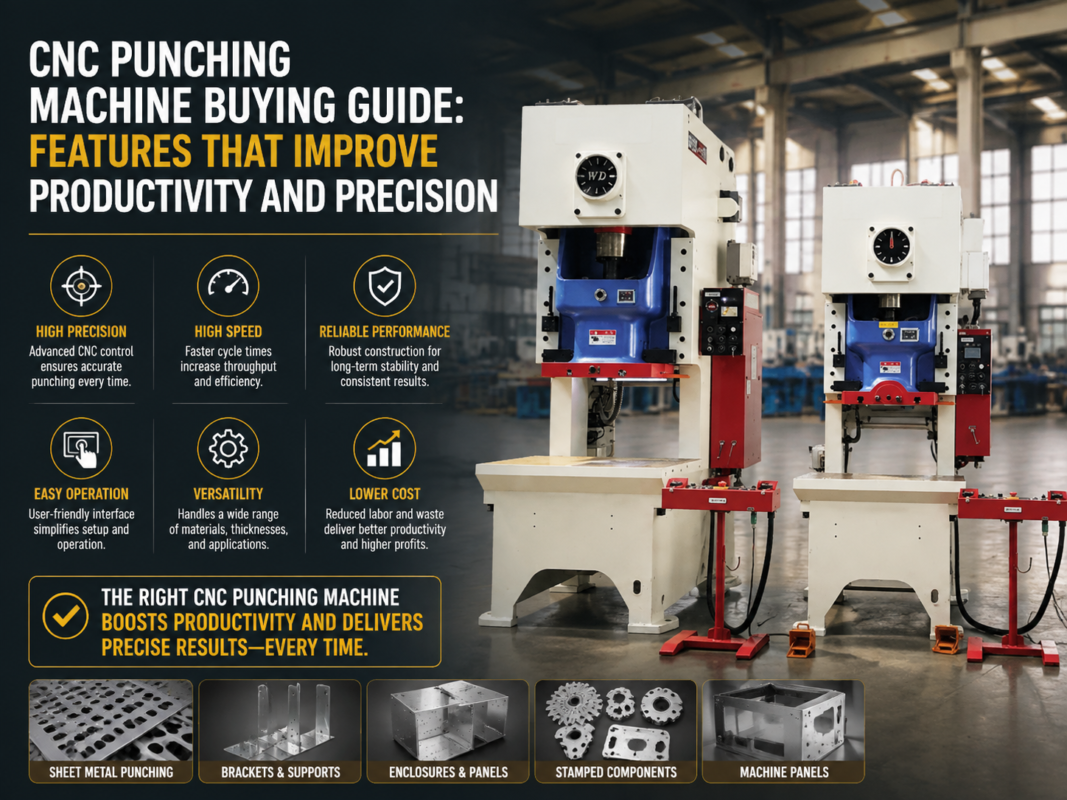
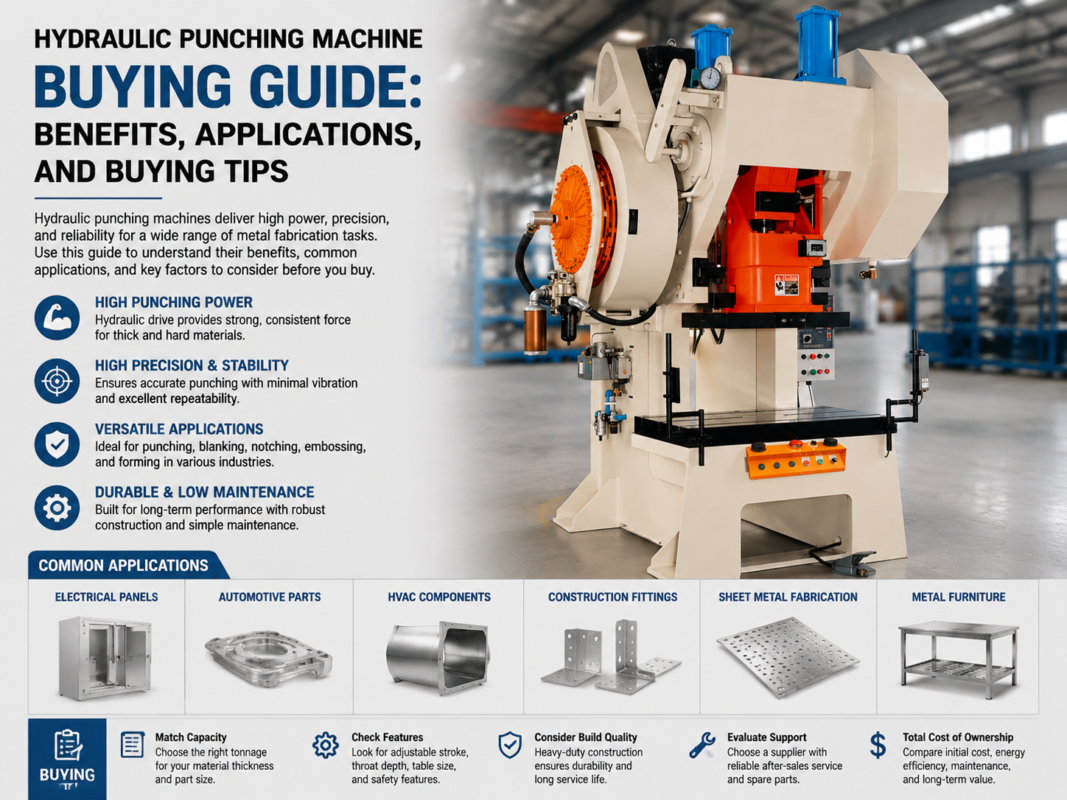
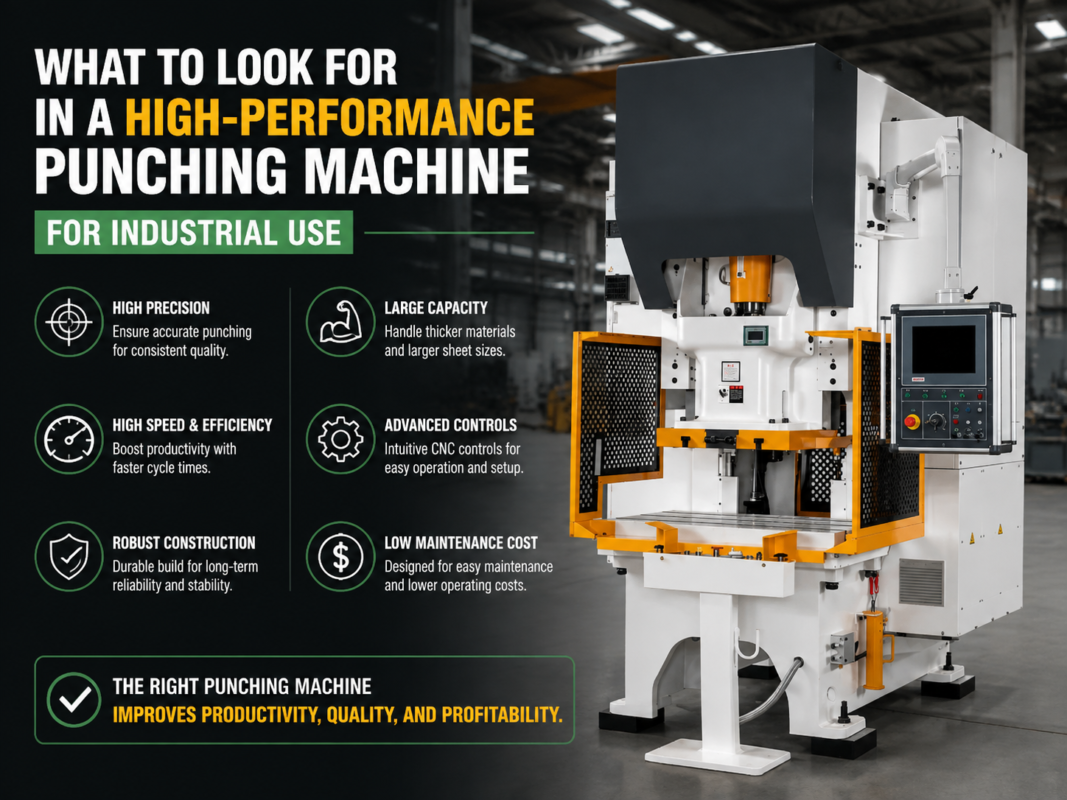
Essential Punching Machine Specifications to Check Before Buying: A Comprehensive Guide


Introduction to Punching Machine Procurement
In the competitive landscape of metal fabrication, selecting the right equipment is not merely a purchase; it is a strategic investment that dictates your production capacity, accuracy, and long-term profitability. Among the various tools in a fabricator’s arsenal, the punching machine remains a cornerstone for high-speed hole making, forming, and contouring. However, the market is saturated with diverse models ranging from simple manual presses to sophisticated CNC turret punch presses. Navigating this landscape requires a deep understanding of technical specifications and how they align with your specific manufacturing needs.
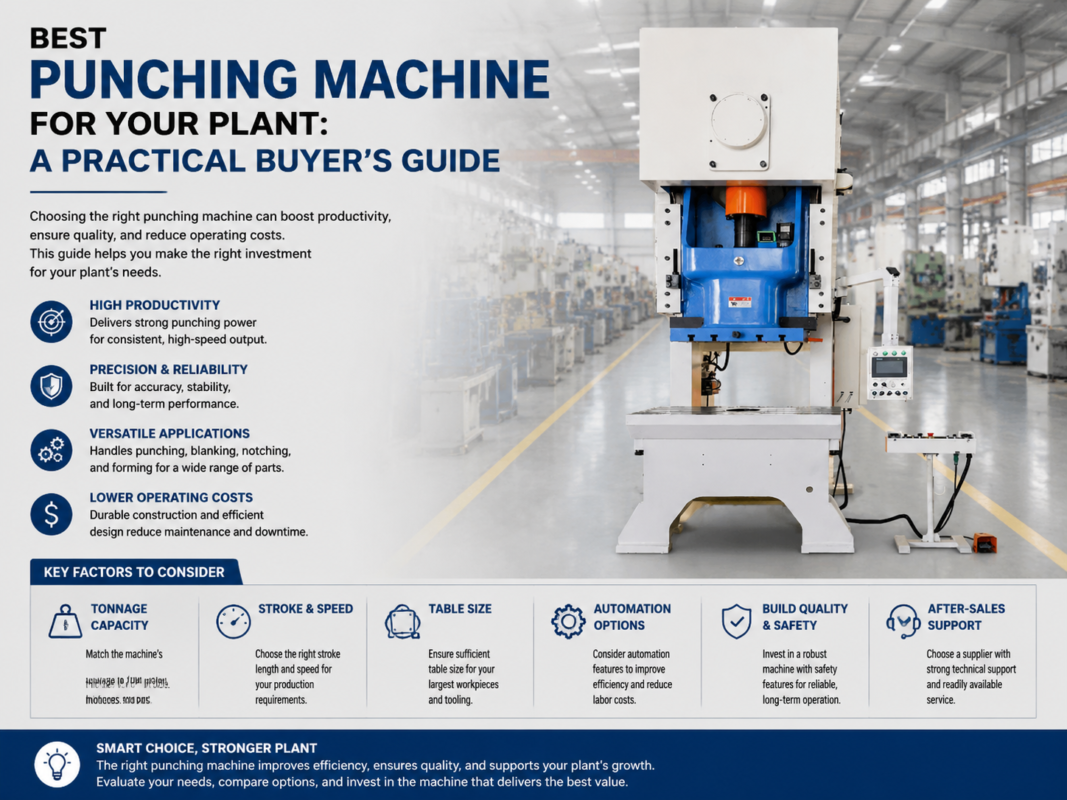
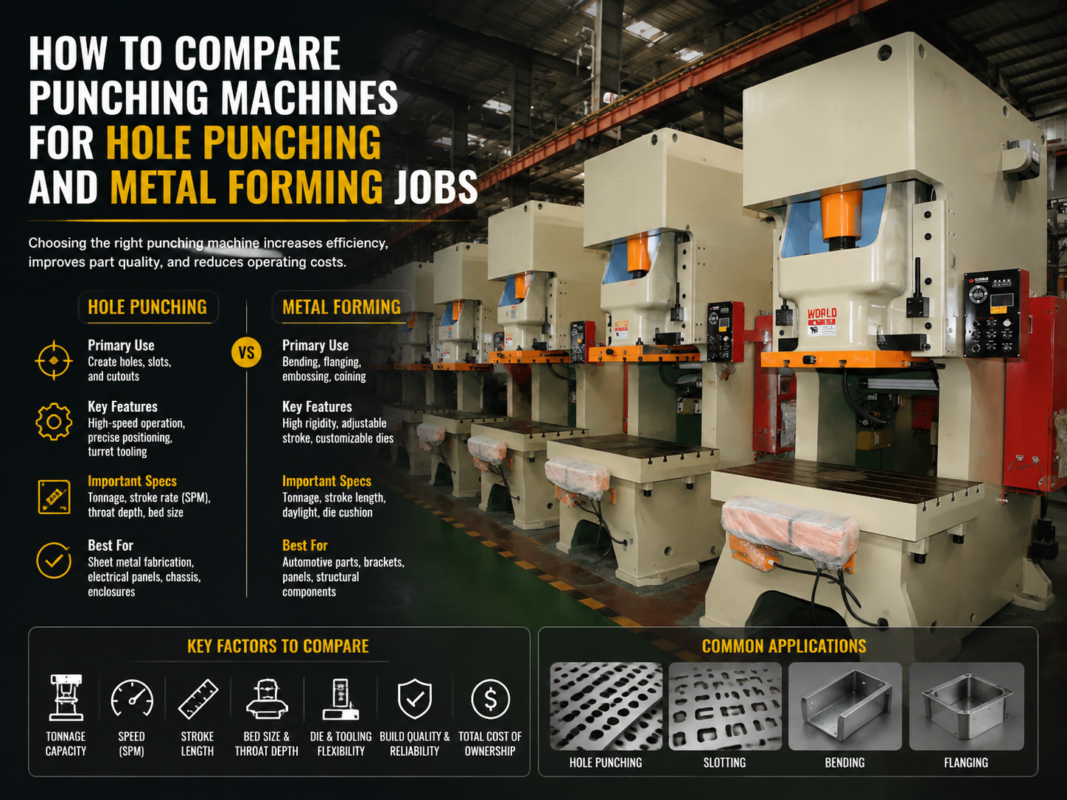
When we discuss the Essential Punching Machine Specifications Check Before Buying, we are looking at a multi-faceted evaluation process. It involves more than just looking at the price tag; it requires an analysis of tonnage, throat depth, hit rates, and control systems. A mismatch between machine capabilities and production requirements can lead to bottlenecks, excessive tool wear, or underutilized high-end features that never pay for themselves. This guide is designed to provide professional buyers and factory managers with the technical depth needed to make an informed decision.
Price Range Overview: Understanding the Market Tiers
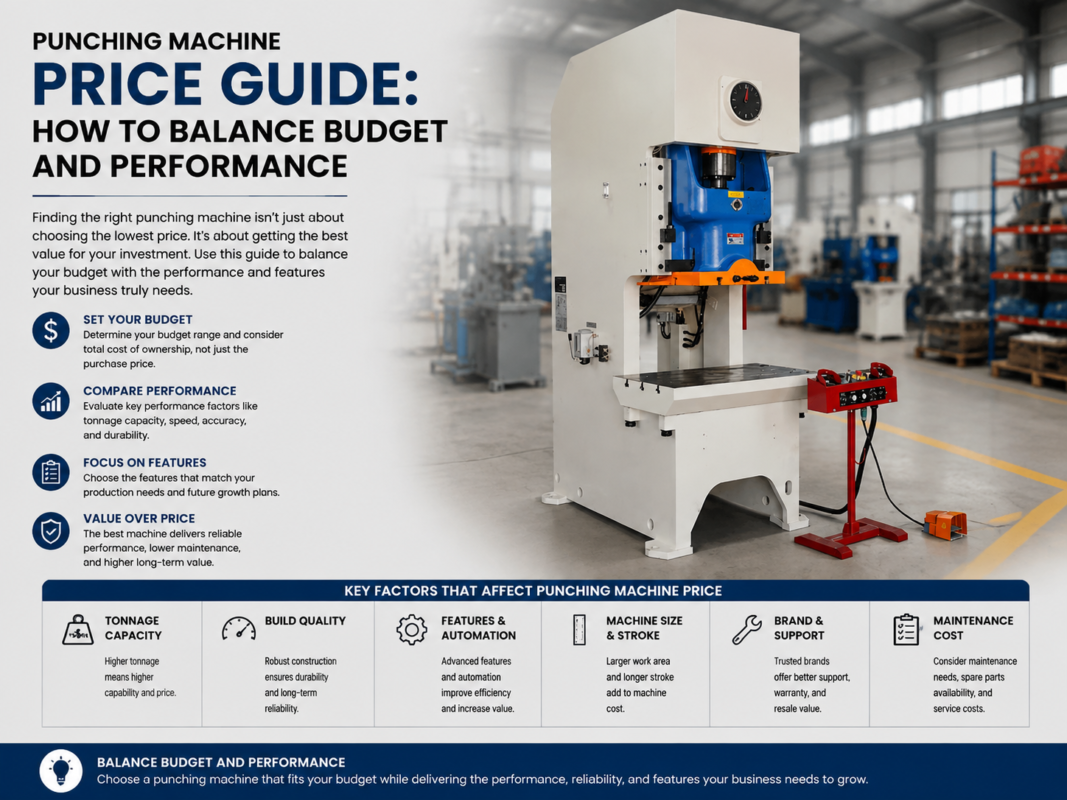
The cost of a punching machine varies significantly based on its technology, automation level, and brand reputation. Generally, the market can be divided into three primary tiers: entry-level manual/mechanical machines, mid-range hydraulic CNC machines, and high-end servo-electric turret punch presses. Understanding where your needs fall within these tiers is the first step in the procurement process.
Entry-level machines, often manual or semi-automatic mechanical presses, typically range from $5,000 to $20,000. These are suitable for small workshops or low-volume production where precision requirements are moderate. They offer basic punching capabilities but lack the speed and versatility of CNC systems. While the initial investment is low, the labor cost per part is significantly higher due to manual positioning and tool changes.
Mid-range CNC punching machines, which often utilize hydraulic power systems, fall into the $40,000 to $120,000 bracket. These machines introduce automated sheet positioning and turret configurations that allow for multiple tools to be housed simultaneously. They are the workhorses of the modern fabrication shop, offering a balance between speed, power, and cost-effectiveness. At this level, the Essential Punching Machine Specifications Check Before Buying becomes critical, as small differences in CNC controllers or hydraulic efficiency can impact performance.
High-end systems, particularly servo-electric turret punch presses and large-format automated lines, can exceed $250,000. These machines offer the highest hit rates (often exceeding 1,000 hits per minute), superior energy efficiency, and advanced features like auto-index stations and integrated loading/unloading systems. For high-volume manufacturers, the high initial cost is offset by extremely low operating costs and high throughput.
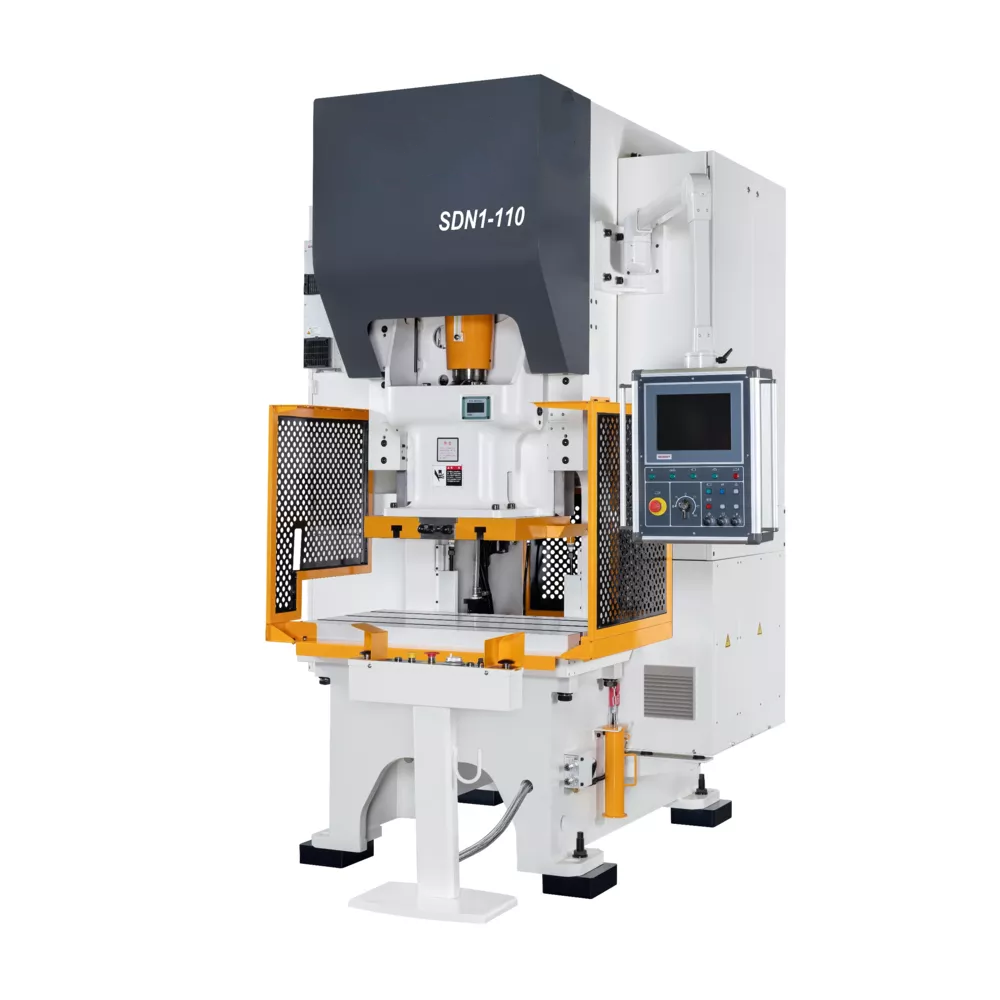
Main Cost Drivers in Punching Machinery
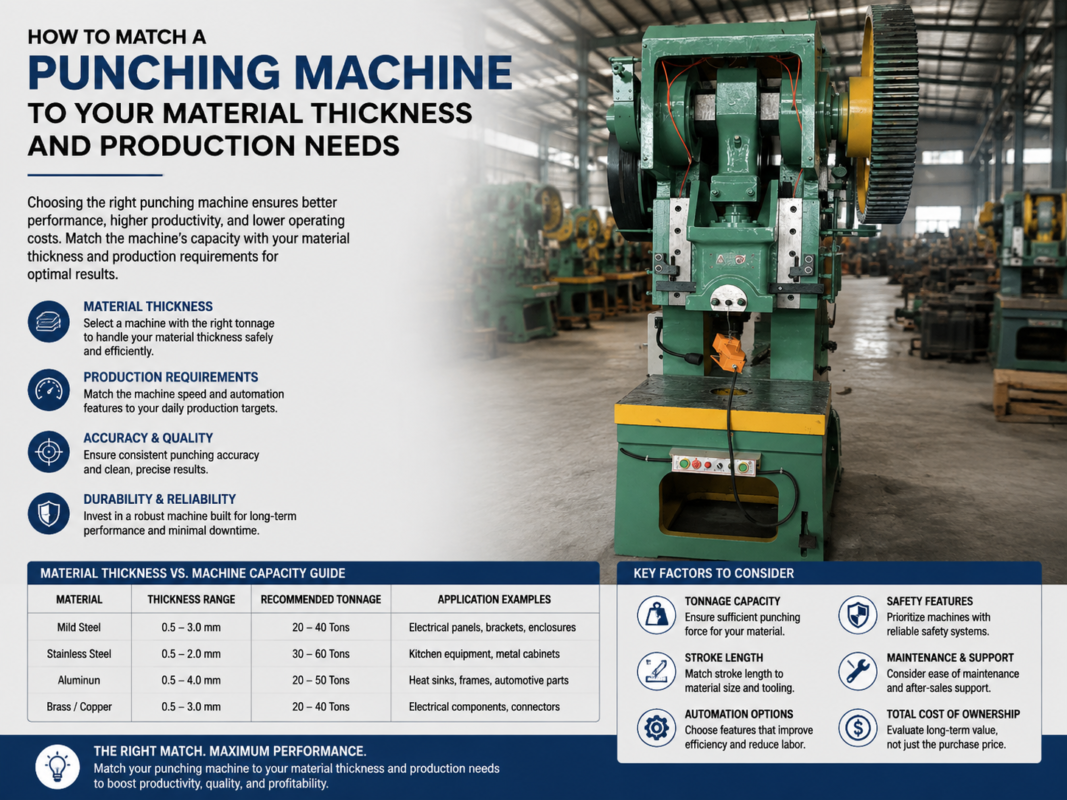
Several technical factors drive the final price of a punching machine. Identifying these drivers allows buyers to prioritize features that add value while avoiding over-specification. The most prominent cost driver is the machine’s tonnage. Tonnage refers to the maximum force the machine can exert to shear through metal. A 30-ton machine is standard for most sheet metal work, but if you are working with thicker stainless steel or large-diameter holes, you may require 50 tons or more. Each increase in tonnage requires a more robust frame and a more powerful drive system, directly increasing the price.
Throat depth is another significant factor. This specification determines the maximum width of the sheet the machine can handle without repositioning. A deeper throat allows for larger sheets but requires a much heavier and more rigid frame to prevent deflection during the punching cycle. If your product line involves large panels, a deep throat is non-negotiable, but it comes at a premium. Conversely, if you primarily work with small brackets, a standard throat depth will suffice and save you thousands in capital expenditure.
The complexity of the turret and the number of tool stations also impact the cost. A machine with a 32-station turret costs more than a 16-station model because of the precision engineering required for the turret indexing mechanism. Furthermore, the inclusion of “Auto-Index” stations—which allow tools to rotate 360 degrees—adds significant cost but drastically reduces the number of tools needed for complex geometries. When performing an Essential Punching Machine Specifications Check Before Buying, evaluate your part complexity to determine if the investment in auto-indexing is justified.
Configuration Impact: Hydraulic vs. Servo-Electric
The drive system is the heart of the punching machine, and the choice between hydraulic and servo-electric configurations is one of the most important decisions a buyer will make. Traditionally, hydraulic systems were the standard due to their high power density and reliability. Modern hydraulic systems are highly refined, offering variable stroke control and overload protection. However, they require consistent maintenance of oil levels, filters, and cooling systems, and they can be noisy and energy-intensive.
Servo-electric drive systems have gained massive popularity in recent years. Instead of using hydraulic fluid to move the ram, these machines use a high-torque servo motor and a toggle mechanism. The primary advantages are energy efficiency (using power only during the stroke), lower maintenance (no oil changes), and extreme precision in ram positioning. This precision allows for advanced forming operations like louvering, embossing, and tapping with high repeatability. While servo-electric machines have a higher upfront cost, their lower operating costs often lead to a better total cost of ownership.
The CNC controller is the brain of the configuration. Brands like Fanuc, Siemens, and proprietary HARSLE systems offer different levels of user interface, processing speed, and compatibility with CAD/CAM software. A high-end controller can process complex nesting patterns faster and provide better diagnostic tools, reducing downtime. Ensure the controller supports the file formats your design team uses and offers a user-friendly interface for the operator to minimize the learning curve.
Hidden Costs of Ownership
The purchase price of the machine is only the beginning. To truly understand the financial impact, buyers must account for hidden costs that often go overlooked during the initial Essential Punching Machine Specifications Check Before Buying. Tooling is perhaps the most significant ongoing expense. A full set of high-quality punches and dies can cost several thousand dollars. Furthermore, different machines use different tooling styles (e.g., Thick Turret vs. Thin Turret vs. Trumpf-style). Choosing a machine that uses a standard, widely available tooling style can save significant money over the life of the machine.
Installation and commissioning are other critical factors. This includes the cost of preparing a reinforced concrete foundation (necessary for high-tonnage machines to prevent vibration), electrical hookups, and the initial training of operators. If the manufacturer is located overseas, consider the costs of shipping, customs duties, and the availability of local technical support. A machine that is $10,000 cheaper but lacks local service can become a liability if a breakdown halts production for weeks.
Software and integration costs should also be budgeted. To maximize the efficiency of a CNC punching machine, you need sophisticated nesting software that minimizes material waste. Some manufacturers include basic software, while others charge a premium for advanced modules. Additionally, consider the power consumption. A machine that runs 16 hours a day will have a significant impact on your utility bills; here, the energy efficiency of a servo-electric system becomes a tangible financial benefit.
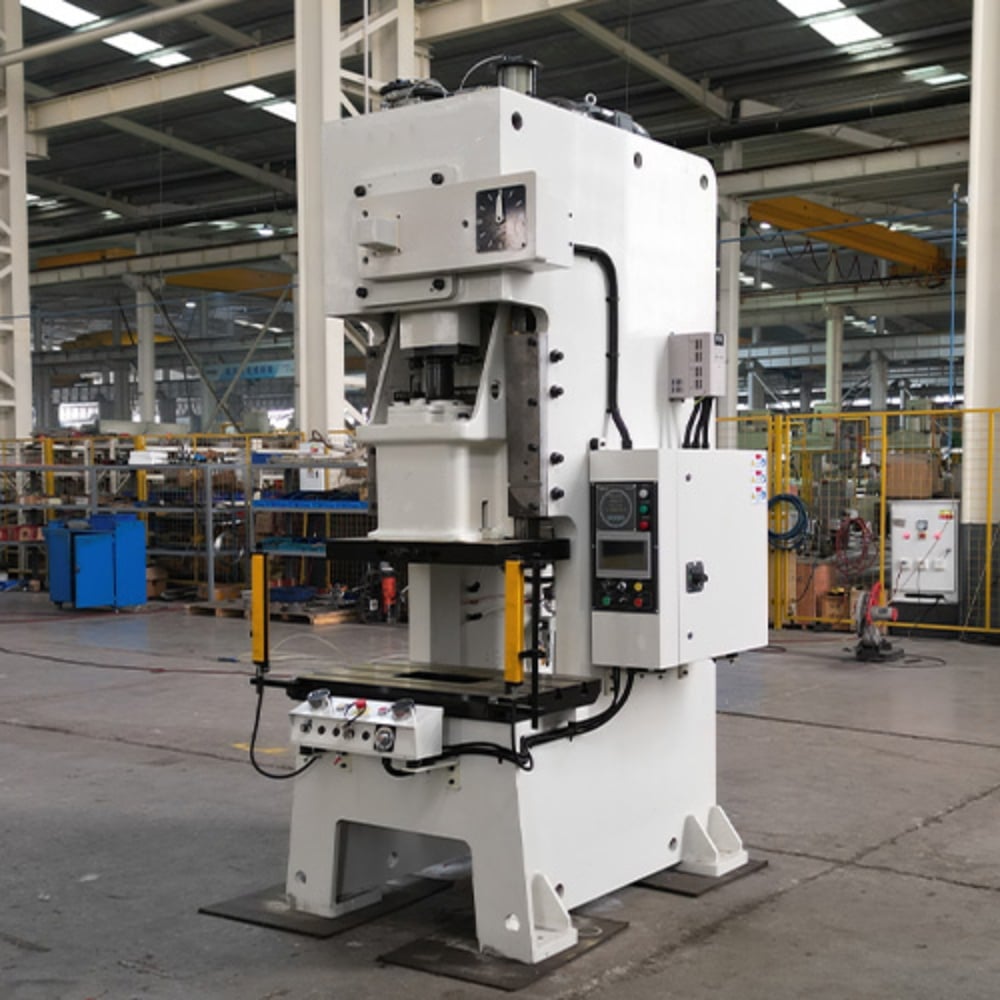
ROI Calculation: When Will the Machine Pay for Itself?
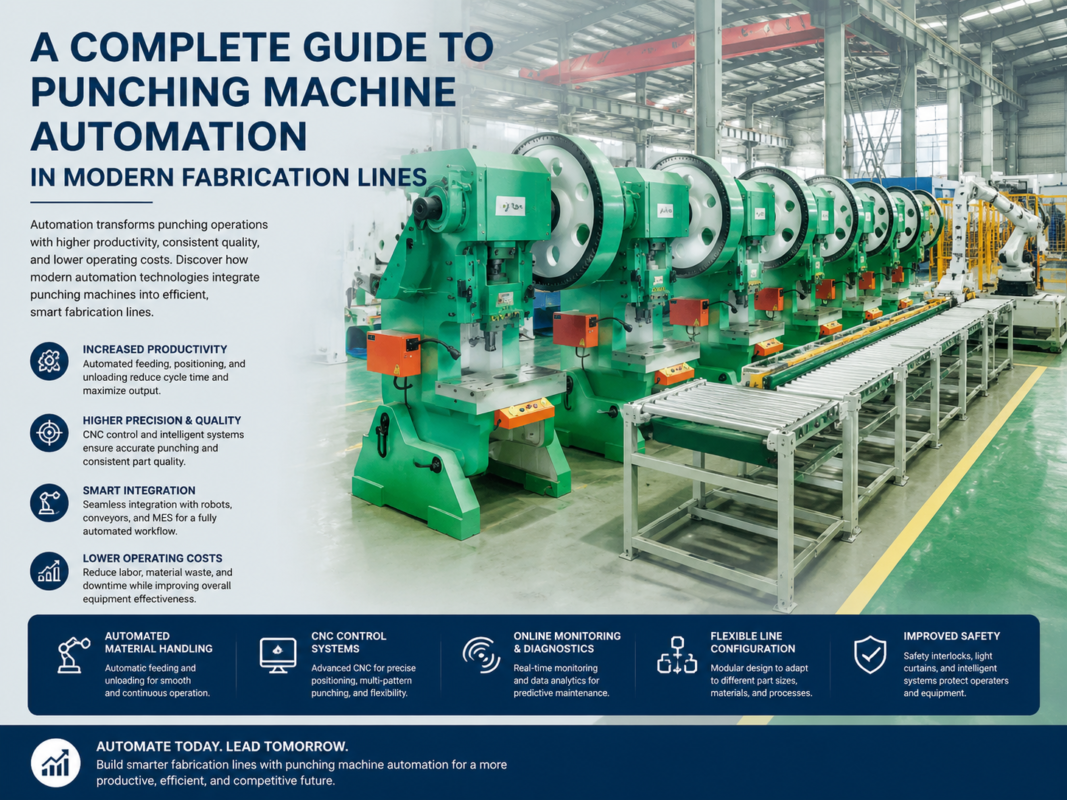
Calculating the Return on Investment (ROI) is essential for justifying the purchase to stakeholders. The ROI of a punching machine is driven by three main factors: productivity gains, scrap reduction, and labor savings. To start, compare the cycle time of your current process (or outsourced cost) against the projected cycle time of the new machine. A CNC turret punch press can often replace multiple manual machines or secondary operations, drastically reducing the time per part.
Scrap reduction is another major contributor. CNC machines with precision sensors and high-quality nesting software can squeeze more parts out of a single sheet of metal than manual methods. If you are working with expensive materials like stainless steel or aluminum, a 5-10% improvement in material utilization can save thousands of dollars annually. Furthermore, the high repeatability of CNC punching reduces the rate of rejected parts, saving both material and the labor already invested in the workpiece.
Labor savings are realized not just through faster punching, but through reduced setup times. A machine with a large turret capacity allows you to keep common tools loaded at all times, eliminating the need for frequent tool changes between jobs. When calculating ROI, also consider the “opportunity cost.” What other projects could your team take on if the punching process was automated? Often, the ability to take on more complex, higher-margin work is the biggest driver of long-term profitability.
Buying Advice: A Checklist for Success
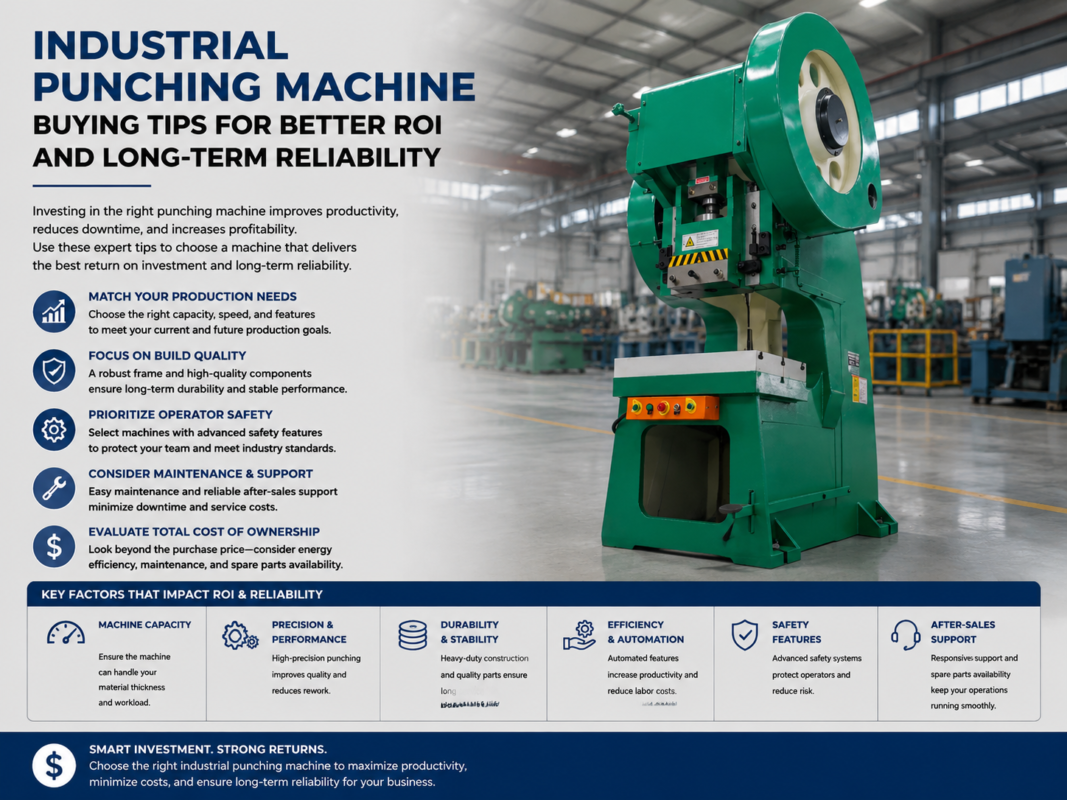
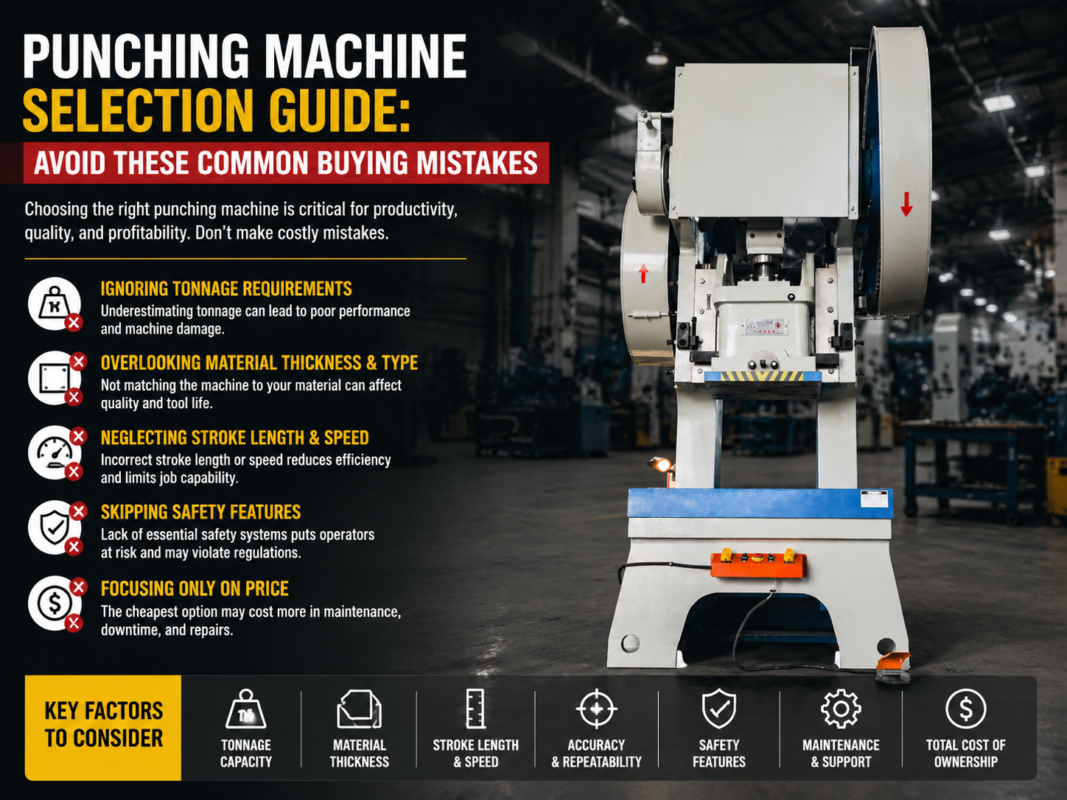
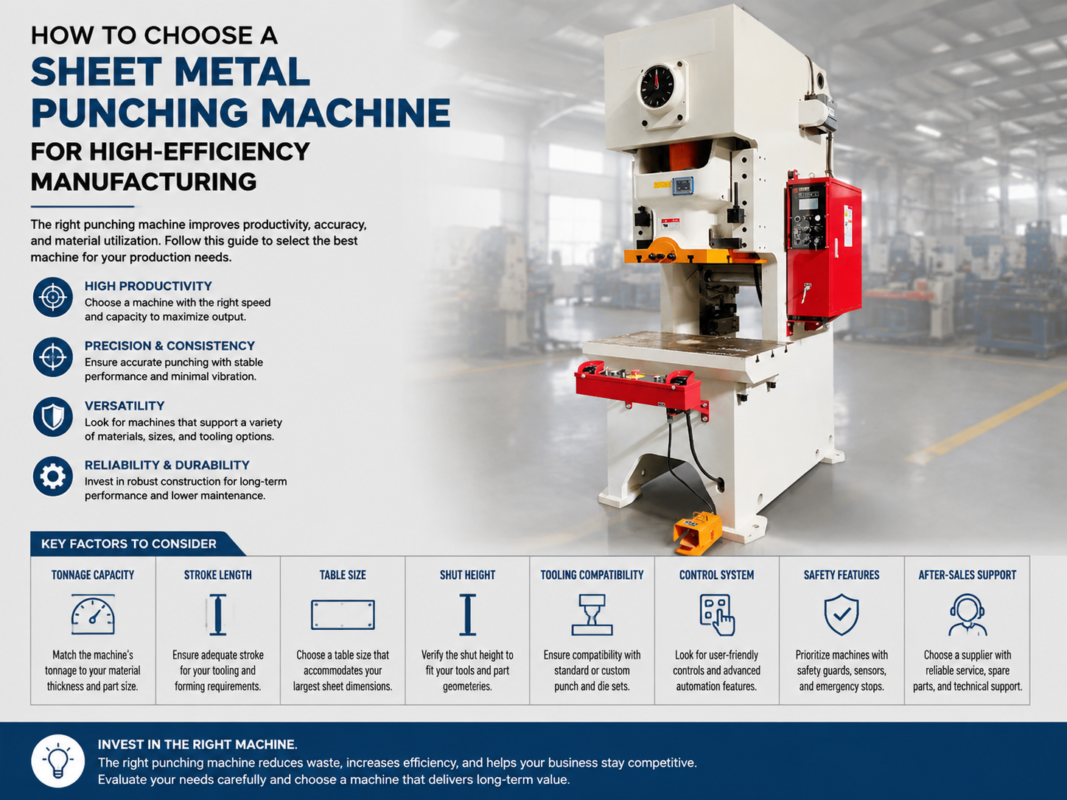
Before signing a purchase order, it is vital to perform a final Essential Punching Machine Specifications Check Before Buying. Use the following checklist to ensure no detail is missed:
- Material Compatibility: Does the machine’s tonnage and frame rigidity match the thickest and hardest material you plan to punch?
- Sheet Size: Will the throat depth and table size accommodate your largest workpieces without excessive repositioning?
- Accuracy Requirements: What are the positioning and repeatability tolerances? Are they sufficient for your most demanding customers?
- Tooling Style: Is the machine compatible with industry-standard tooling, or are you locked into a proprietary system?
- Software Integration: Does the CNC controller and nesting software integrate with your existing CAD workflow?
- After-Sales Support: Does the manufacturer offer a clear warranty, available spare parts, and local or remote technical support?
- Future Proofing: Is the machine capable of being upgraded with automation (like loaders/unloaders) if your volume increases?
At HARSLE, we recommend that buyers send samples of their most challenging parts to the manufacturer for test punching. This allows you to verify the edge quality, hit rate, and accuracy in a real-world scenario. Seeing the machine perform on your specific applications is the best way to validate the technical specifications provided in the brochure.
Frequently Asked Questions (FAQ)
1. What is the difference between a mechanical and a hydraulic punching machine?
Mechanical punching machines use a flywheel and clutch system to deliver a fixed-stroke punch. They are generally faster for simple, high-volume tasks but lack flexibility. Hydraulic machines use fluid power to drive the ram, allowing for variable stroke lengths and better control over the punching process, which is essential for forming and working with varied material thicknesses.
2. How much tonnage do I really need?
Tonnage depends on the material type, thickness, and the perimeter of the hole. The formula is: Tonnage = Perimeter x Thickness x Shear Strength. For example, punching a 1-inch hole in 1/4-inch mild steel requires significantly more force than the same hole in thin aluminum. It is always safer to have a 20% buffer above your maximum calculated requirement to prevent machine strain.
3. Is a servo-electric machine worth the extra cost?
For most high-production environments, yes. The savings in energy (up to 60% less than hydraulic), reduced maintenance, and the ability to perform complex forming operations with high precision usually result in a lower total cost of ownership over 5-10 years.
4. How often should I sharpen my punching tools?
Tooling should be sharpened as soon as you notice a decrease in edge quality or an increase in the “burr” height on the workpiece. Running dull tools increases the load on the machine and can lead to premature wear of the ram and turret components. Many modern shops use an automated tool grinder to maintain consistent tool geometry.
5. Can a punching machine replace a laser cutter?
While there is overlap, they are different tools. A punching machine is much faster for making holes and can perform forming operations (like louvers) that a laser cannot. However, a laser is better for complex, organic shapes and very thick materials where a punch would struggle. Many shops use both to maximize their capabilities.
6. What maintenance is required for a CNC turret punch press?
Daily maintenance includes cleaning the table and turret, checking lubrication levels, and inspecting tools. Weekly and monthly tasks involve checking hydraulic oil (if applicable), inspecting drive belts or lead screws, and verifying the alignment of the turret stations. Regular professional calibration is also recommended to maintain precision.