
Punching Machine Vs Laser Cutting Machine: Best Choice Sheet Metal Fabrication?


Comparison Summary: Navigating the Choice Between Punching and Laser Cutting
In the modern landscape of sheet metal fabrication, the debate over Punching Machine Vs Laser Cutting Machine: Best Choice Sheet Metal Fabrication? remains a central concern for factory owners and production managers. Both technologies have evolved significantly over the last decade, with CNC turret punches becoming more versatile and fiber lasers reaching unprecedented speeds and power levels. Choosing between them is not merely a matter of which machine is ‘better’ in a vacuum, but rather which technology aligns with your specific production volume, material types, and geometric complexity requirements.
A CNC punching machine operates by using a physical tool and die set to ‘punch’ shapes out of a metal sheet. It is a mechanical process that excels in high-speed repetition and secondary operations like forming. On the other hand, a laser cutting machine uses a high-energy light beam to melt or vaporize material along a programmed path. This thermal process offers unmatched flexibility for complex shapes without the need for physical tooling. While lasers have gained massive market share due to their ease of use, punching machines remain indispensable for specific industrial applications where forming and high-speed hole patterns are required.
To make an informed decision, one must look beyond the initial purchase price. Factors such as electricity consumption, gas costs, tool maintenance, and labor requirements play a massive role in the total cost of ownership. Furthermore, the ‘best choice’ often depends on the thickness of the material and the desired edge quality. In this comprehensive guide, we will break down the technical nuances of both machines to help you determine which investment will yield the highest ROI for your workshop.
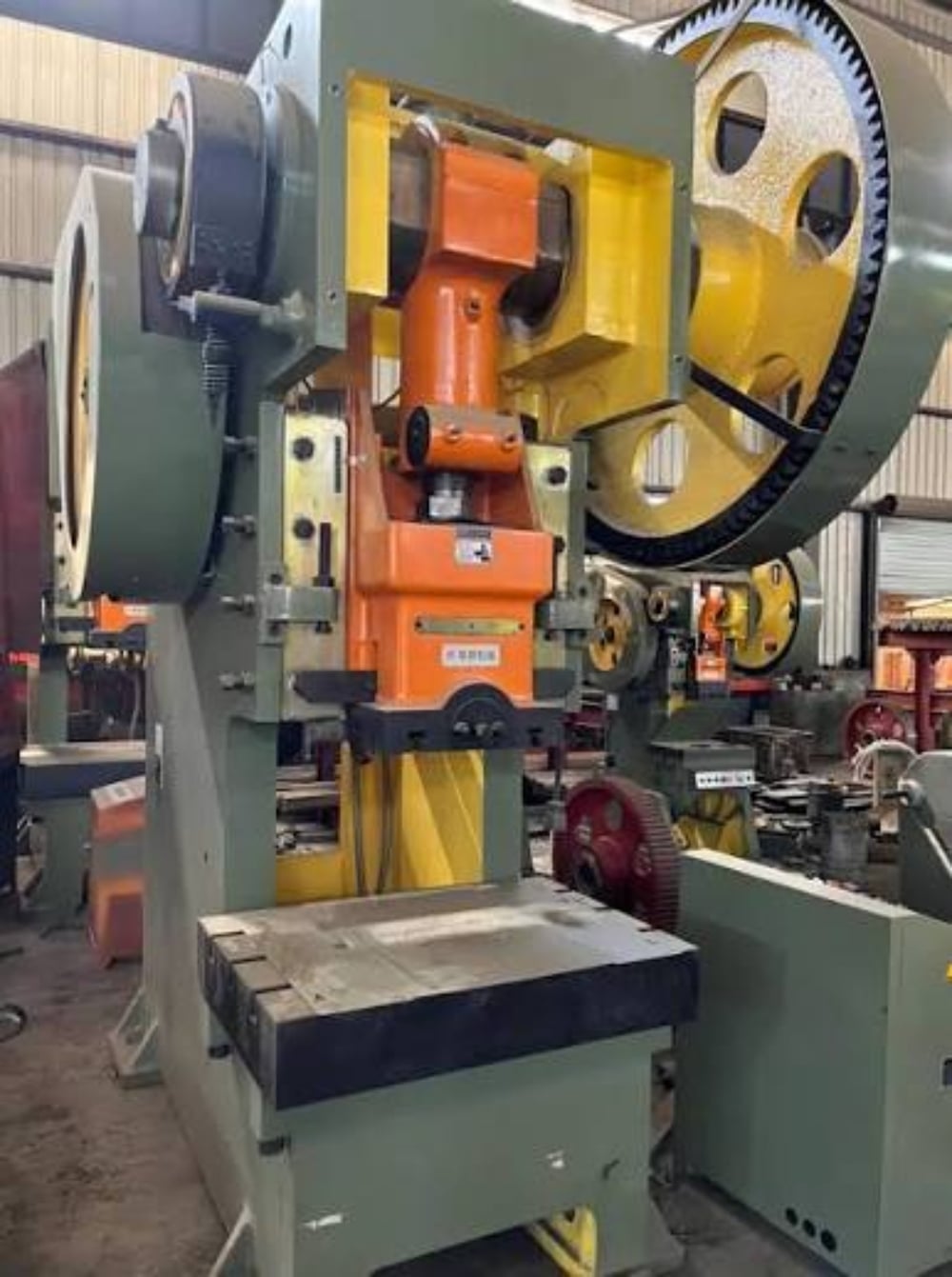
Punching Machine Overview: The Power of Mechanical Precision
The CNC turret punching machine is a workhorse of the traditional fabrication shop. It utilizes a rotating turret that holds dozens of different tools, ranging from simple rounds and squares to complex forming tools. When the machine operates, the sheet is moved rapidly in the X and Y axes, and the ram strikes the tool to create a hole or a form. This process is incredibly fast for repetitive patterns. For instance, if a design requires hundreds of identical small holes, a punching machine can complete the task in a fraction of the time it would take a laser to traverse the same distance.
One of the most significant advantages of a punching machine is its ability to perform 3D forming operations. Unlike a laser, which can only cut 2D profiles, a punch press can create louvers, ribs, countersinks, and even threads (using specialized tapping tools). This eliminates the need for secondary processes on other machines, thereby reducing handling time and labor costs. For manufacturers of electrical enclosures, HVAC components, and metal furniture, these forming capabilities are often the deciding factor in favor of punching technology.
However, punching machines do have limitations. They are restricted by the physical tools available in the turret. If a customer requests a unique shape that isn’t in your tool library, you must purchase a custom die, which adds cost and lead time. Additionally, punching can introduce mechanical stress into the material, potentially causing slight warping in very thin or very large sheets. The noise level of a mechanical punch is also significantly higher than that of a laser, requiring considerations for the shop floor environment.
Modern punching machines, like those offered by HARSLE, have integrated advanced hydraulic systems and servo-electric drives. These innovations allow for better control over the ram’s stroke, enabling ‘quiet punching’ and more precise forming. Despite the rise of lasers, the punching machine remains the king of high-volume, standardized production where speed and integrated forming are paramount.
Laser Cutting Machine Overview: The Versatility of Fiber Technology
The introduction of fiber laser technology revolutionized sheet metal fabrication. A laser cutting machine works by focusing a high-power laser beam through a nozzle onto the workpiece. An assist gas (usually Oxygen, Nitrogen, or compressed air) is used to blow away the molten metal, leaving a clean, precise cut. Because there is no physical contact between the cutting head and the material, there is no tool wear, and the machine can cut incredibly intricate patterns that would be impossible for a punch press.
The primary draw of the laser cutting machine is its ‘infinite’ tooling. You don’t need to stop the machine to change tools or wait for a custom die to arrive. If you can draw it in CAD software, the laser can cut it. This makes laser cutting the ideal choice for prototyping, short-run production, and jobs with complex geometries. The precision of a fiber laser is also superior, often achieving tolerances within +/- 0.1mm, with a heat-affected zone that is minimal compared to older CO2 laser technology.
Fiber lasers are also exceptionally fast when cutting thin materials and can handle a wider variety of materials, including highly reflective metals like copper and brass, which were historically difficult for CO2 lasers. The edge quality produced by a laser is typically smoother than a punched edge, which can sometimes have a ‘burr’ or a slight rollover. This high-quality finish often removes the need for secondary deburring processes, saving time in the overall production cycle.
Despite these benefits, laser cutting has its drawbacks. The initial investment for a high-power fiber laser is generally higher than that of a CNC punch. Furthermore, lasers cannot perform forming operations. If your part requires a louver or a flange, you will need to move the part to a press brake or a dedicated forming machine after it has been cut. The consumption of assist gases, particularly Nitrogen for clean-cutting stainless steel, can also represent a significant ongoing operational cost.
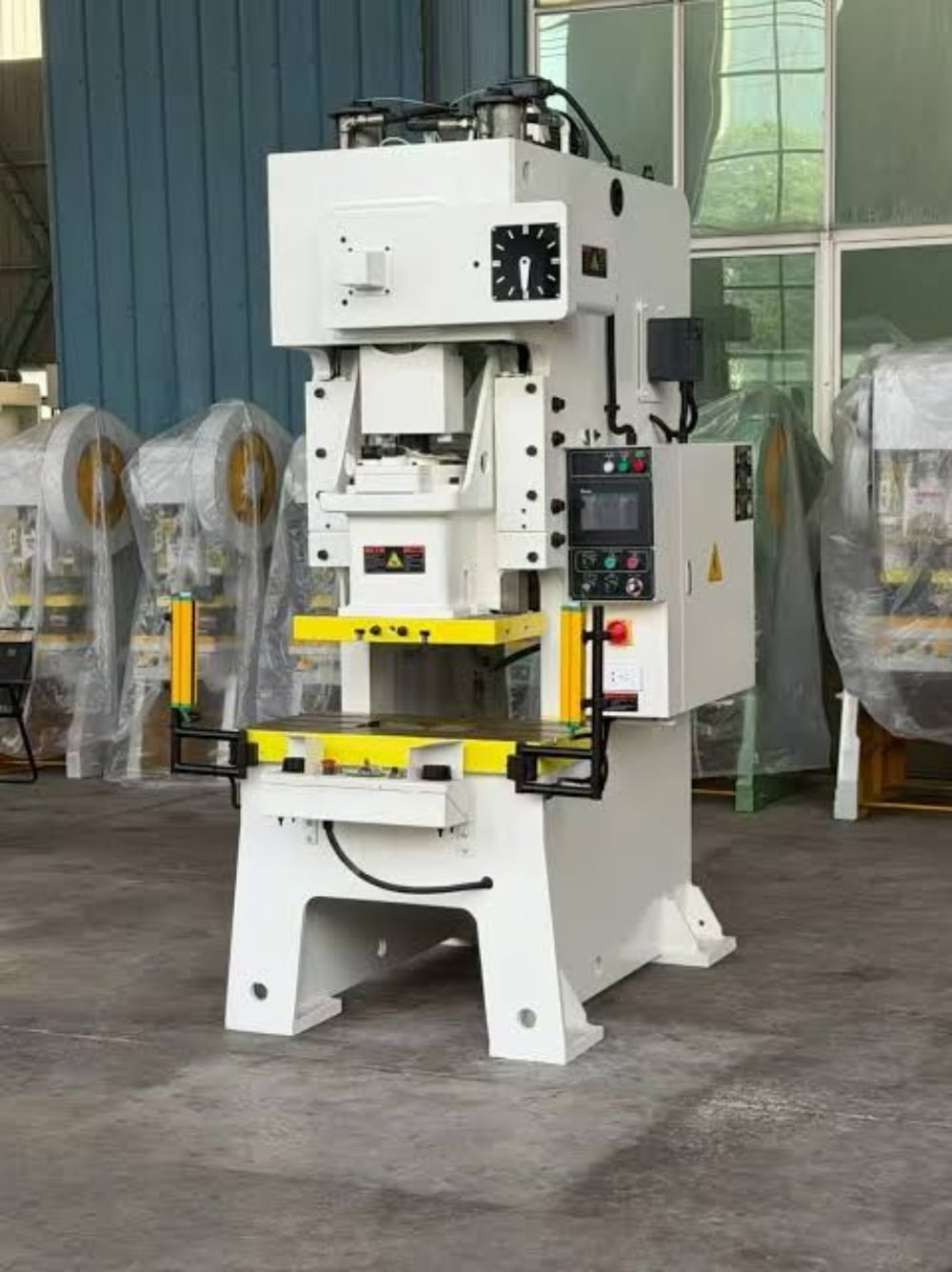
Specification Comparison Table
To better understand the technical differences, let’s look at a direct comparison of the key specifications for a standard 30-ton CNC Punch vs. a 3kW Fiber Laser.
| Feature | CNC Turret Punching Machine | Fiber Laser Cutting Machine |
|---|---|---|
| Cutting Mechanism | Mechanical Tool & Die | High-Energy Light Beam |
| Complexity of Shape | Limited by Tooling | Virtually Unlimited |
| Hole Speed | Extremely High (Repetitive) | Moderate to High |
| Forming Capability | Yes (Louvers, Ribs, Taps) | No (2D Cutting Only) |
| Material Versatility | Steel, Aluminum, Stainless | Almost all metals (inc. Copper/Brass) |
| Edge Quality | Good (May have burrs) | Excellent (Smooth finish) |
| Tooling Costs | High (Ongoing replacement) | Zero (No physical tools) |
| Setup Time | Moderate (Tool loading) | Low (Software based) |
| Maintenance | High (Mechanical wear) | Low to Moderate (Optics/Chiller) |
Best-fit Applications: When to Choose Which?
Deciding on Punching Machine Vs Laser Cutting Machine: Best Choice Sheet Metal Fabrication? often comes down to the specific ‘mix’ of work your shop handles. If your business model is built on high-volume contracts for standardized parts, the punching machine is likely your best friend. For example, producing perforated panels for architectural use or ventilation grilles is significantly more cost-effective on a punch press. The speed at which a punch can ‘nibble’ or hit a pattern of holes is unmatched by the travel speed of a laser head.
Conversely, if you are a job shop that takes on diverse projects every day—ranging from custom signage to intricate automotive components—the laser cutting machine is the superior choice. The ability to switch from 1mm aluminum to 10mm mild steel with just a few clicks on the controller allows for maximum flexibility. Laser cutting is also the preferred method for parts that require high aesthetic quality, as the lack of physical contact prevents the scratches and tool marks that can sometimes occur during the punching process.
There is also a growing trend toward ‘Combination Machines’ which integrate both a turret punch and a fiber laser into a single platform. These machines offer the ‘best of both worlds’—the forming and high-speed punching of a turret press combined with the complex profiling capabilities of a laser. While these machines represent a higher capital investment, they can drastically reduce part handling and floor space requirements for high-end fabrication facilities.
Another factor to consider is the material thickness. While fiber lasers have become very efficient at cutting thick plates (up to 25mm or more), punching machines are generally limited to materials under 6mm. If your work involves heavy plate fabrication, the laser is the clear winner. However, for thin-gauge electronics housings, the punching machine’s ability to create standoffs and threaded holes in a single setup provides a massive competitive advantage.
Cost and Maintenance Comparison
The financial implications of choosing between a punch and a laser are multi-faceted. The initial purchase price of a mid-range CNC turret punch might be lower than a high-power fiber laser, but the ‘hidden’ costs of tooling can add up quickly. A single specialized forming tool can cost hundreds of dollars, and standard punches require regular sharpening to maintain cut quality. A shop using a punching machine must maintain an organized tool crib and invest time in tool maintenance and setup.
Laser cutting machines have a higher upfront cost but virtually zero tooling costs. However, they are not ‘free’ to run. The electricity consumption of a fiber laser is significant, and the cost of assist gases (Oxygen and Nitrogen) can be a major monthly expense. Nitrogen, used for oxide-free edges on stainless steel and aluminum, is particularly expensive. Some shops mitigate this by installing nitrogen generators, but this adds to the initial capital expenditure. Maintenance for lasers involves keeping the optics clean, maintaining the water chiller, and ensuring the cutting head is calibrated.
Labor costs also differ. A punching machine often requires a more skilled operator who understands tool clearances, turret layouts, and mechanical setups. A laser cutting machine is generally easier to program and operate, thanks to advanced nesting software that automates much of the process. However, the speed of the laser means that the ‘bottleneck’ often shifts to material loading and unloading, necessitating investments in automation like shuttle tables or robotic loaders to keep the machine running at peak efficiency.
In terms of longevity, both machines are built for industrial use and can last 15-20 years with proper care. The mechanical components of a punch press (bearings, bushings, hydraulic seals) will eventually wear out and require replacement. For a fiber laser, the laser source itself has a very long lifespan (often 100,000 hours), but the sensitive optical components and the cutting head are susceptible to damage if not maintained in a clean environment.
Recommendation: Making the Final Decision
So, what is the final verdict on Punching Machine Vs Laser Cutting Machine: Best Choice Sheet Metal Fabrication? The answer depends on your business strategy. If your goal is to produce high volumes of parts with integrated features like louvers and taps, the CNC Punching Machine is the most efficient and cost-effective tool for the job. It remains the industry standard for specific sectors like HVAC and appliance manufacturing.
If your goal is maximum flexibility, high precision, and the ability to handle a wide variety of materials and complex designs without the burden of tooling, the Fiber Laser Cutting Machine is the clear winner. It is the backbone of the modern job shop and provides the agility needed to respond to changing market demands and rapid prototyping needs.
For many growing businesses, the ideal solution is actually a combination of both. Having a laser for complex profiles and a punch for high-volume hole patterns and forming allows a shop to optimize every job for the lowest possible cost per part. When evaluating your options, we recommend performing a ‘part analysis’ on your top 10 most produced items. Calculate the cycle time and cost per part for both technologies. Often, the data will make the choice for you. At HARSLE, we provide expert consultation to help you analyze your production needs and select the machine that will drive your business forward.
Frequently Asked Questions (FAQ)
1. Can a laser cutting machine do everything a punching machine can?
No. While a laser can cut any 2D shape, it cannot perform 3D forming operations like creating louvers, ribs, or countersinks. It also cannot perform mechanical tapping (threading) within the same process. For these features, a punching machine or secondary operations are required.
2. Which machine is faster for thin sheet metal?
It depends on the geometry. For complex contours, the fiber laser is faster. For sheets with many repetitive holes (like a perforated screen), the punching machine is significantly faster because it can strike multiple times per second as the sheet moves.
3. Is laser cutting more expensive than punching?
The initial investment for a laser is usually higher. However, the ongoing cost of tooling for a punch press can make it more expensive over time, depending on the variety of parts you produce. Laser cutting also has higher gas and electricity costs.
4. What is the maximum thickness each machine can handle?
Most CNC turret punches are limited to about 6mm (1/4″) thickness. Fiber lasers can cut much thicker materials, with high-power models (12kW+) easily handling 25mm to 50mm steel plates.
5. Does laser cutting leave a better edge than punching?
Generally, yes. A laser produces a very smooth, square edge. Punching can leave a slight ‘rollover’ on the top edge and a ‘burr’ on the bottom, which might require a secondary deburring process depending on the quality requirements of the part.
6. Which machine is easier to maintain?
Fiber lasers generally have fewer moving mechanical parts than a turret punch, making daily maintenance simpler. However, the maintenance they do require (optics and chillers) is more specialized. Punching machines require regular tool sharpening and lubrication of the mechanical drive system.


