Laser Cutting Machine Applications in Automotive Manufacturing: A Comprehensive Guide

Introduction to Laser Cutting in the Automotive Sector
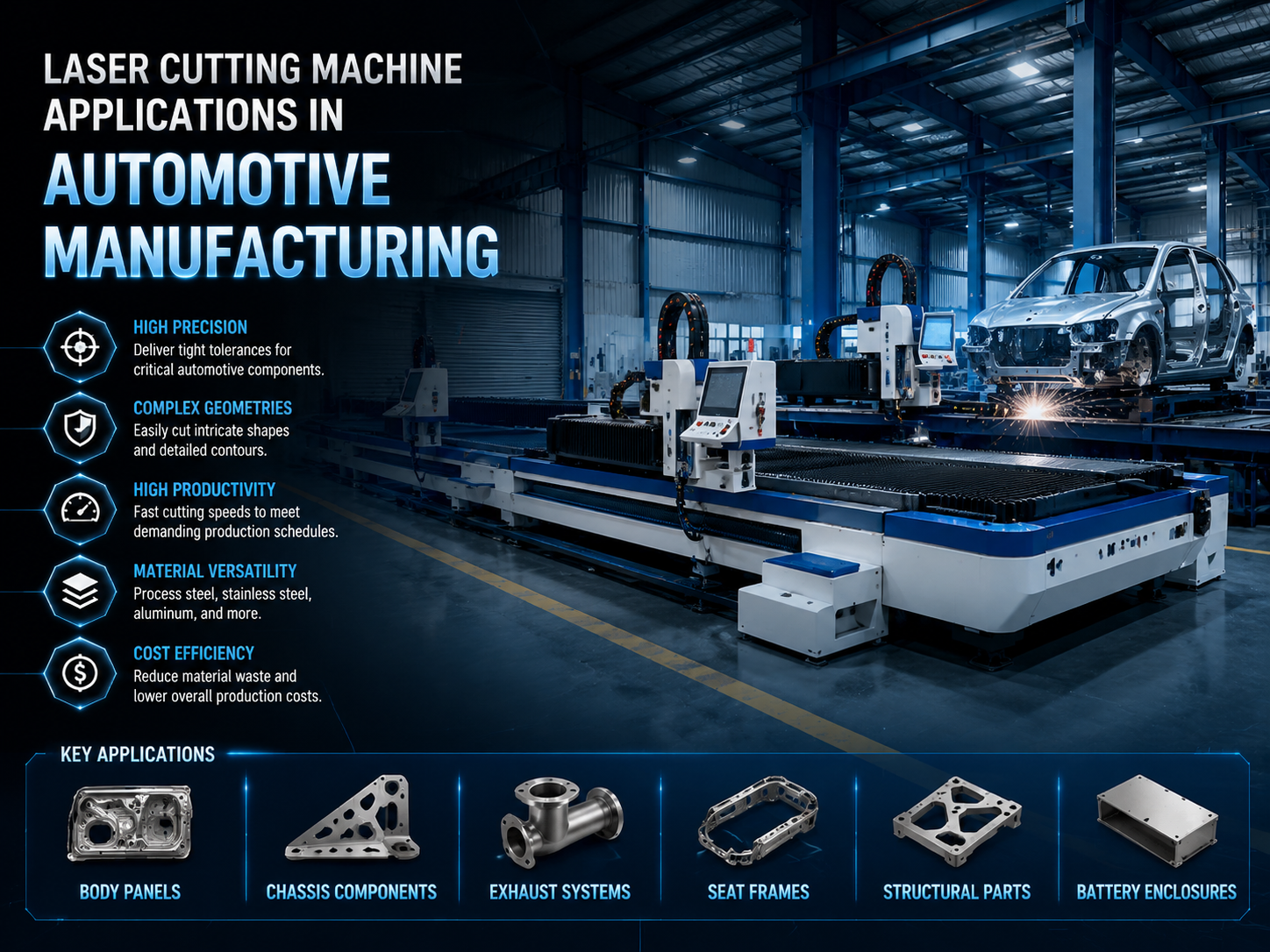
The automotive industry is currently undergoing one of the most significant transformations in its history. From the shift toward electric vehicles (EVs) to the increasing demand for lightweight, high-strength materials, manufacturers are under constant pressure to innovate. At the heart of this industrial evolution lies the fiber laser cutting machine. Laser cutting machine applications in automotive manufacturing have transitioned from niche prototyping tools to indispensable components of the high-volume production line. This technology offers unparalleled precision, speed, and flexibility, allowing car manufacturers to meet stringent safety standards while optimizing production costs.
Traditional methods such as mechanical die stamping and plasma cutting often struggle with the complex geometries and ultra-high-strength steels (UHSS) used in modern vehicle design. Laser cutting, however, utilizes a concentrated beam of light to melt or vaporize material with extreme accuracy. This process is non-contact, meaning there is no tool wear, and the heat-affected zone (HAZ) is kept to a minimum, preserving the metallurgical properties of the automotive components. As we delve deeper into this guide, we will explore how HARSLE’s advanced laser solutions are driving efficiency across the global automotive supply chain.
Primary Application Scenarios in Automotive Production
Body-in-White (BIW) Components
The Body-in-White (BIW) stage refers to the phase where a car’s sheet metal components have been welded together but before moving to painting or engine integration. Laser cutting machine applications in automotive manufacturing are most prominent here. Critical structural parts such as A-pillars, B-pillars, roof rails, and sills are often made from thermoformed high-strength steel. These materials are incredibly hard, making traditional trimming nearly impossible. 3D five-axis laser cutting machines are used to trim these complex shapes with sub-millimeter precision, ensuring a perfect fit during the assembly process.
Chassis and Suspension Systems
The chassis is the backbone of the vehicle, requiring components that can withstand immense stress and vibration. Laser cutting is used to fabricate control arms, subframes, and shock absorber mounts. By using high-power fiber lasers, manufacturers can cut thick plates of carbon steel or aluminum with clean edges that require no secondary grinding. This is vital for the structural integrity of the chassis, as any micro-cracks or rough edges could lead to fatigue failure over the vehicle’s lifespan.
Exhaust and Emission Control Systems
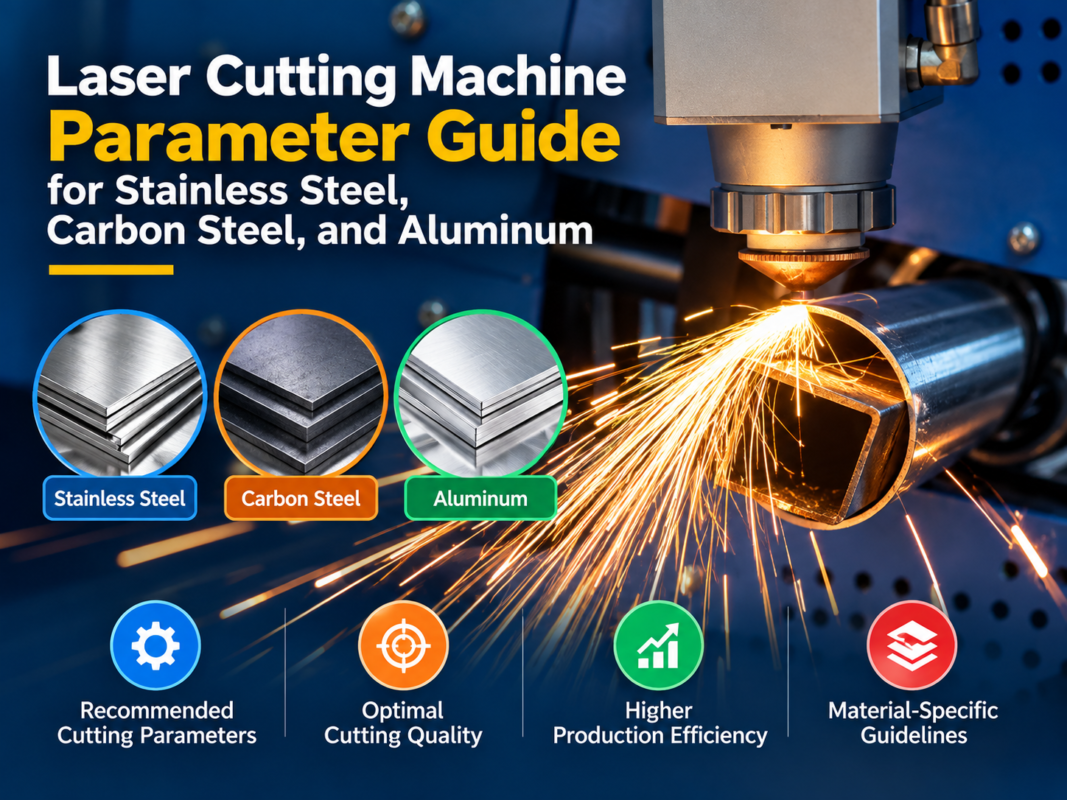
Exhaust systems involve intricate piping and manifold designs. Laser cutting machines equipped with rotary axes (tube cutting attachments) are used to cut holes, slots, and complex end-profiles in stainless steel tubes. This ensures that components like catalytic converters and mufflers fit together seamlessly, reducing the risk of leaks and improving the overall efficiency of the engine’s emission system. The ability to cut stainless steel without discoloration or excessive slag is a major advantage of fiber laser technology.
Electric Vehicle (EV) Battery Enclosures
With the rise of EVs, the demand for battery trays and enclosures has skyrocketed. These components are typically made from lightweight aluminum to offset the weight of the battery cells. Laser cutting is the preferred method for creating the intricate cooling channels and mounting holes required for battery thermal management systems. The precision of the laser ensures that the enclosure is airtight and watertight, which is a critical safety requirement for lithium-ion battery packs.
Material and Process Requirements
High-Strength and Ultra-High-Strength Steels (HSS/UHSS)
Modern vehicles rely on Advanced High-Strength Steels (AHSS) to improve crash safety while keeping weight low. These materials are difficult to process using mechanical shears or dies because they cause rapid tool wear. Laser cutting machines handle these materials with ease, as the laser beam does not care about the hardness of the metal. The process requires a stable beam quality and high-pressure assist gases (usually Nitrogen) to ensure a clean, oxide-free cut that is ready for welding.
Aluminum and Lightweight Alloys
Aluminum is widely used in the automotive industry for body panels and engine components to improve fuel efficiency. However, aluminum is highly reflective and has high thermal conductivity, which can be challenging for older CO2 lasers. Modern fiber lasers, like those offered by HARSLE, operate at a wavelength that is more readily absorbed by aluminum, allowing for faster cutting speeds and higher quality finishes. Precise control over the laser power is necessary to prevent melting the edges of thin aluminum sheets.
Precision and Tolerance Standards
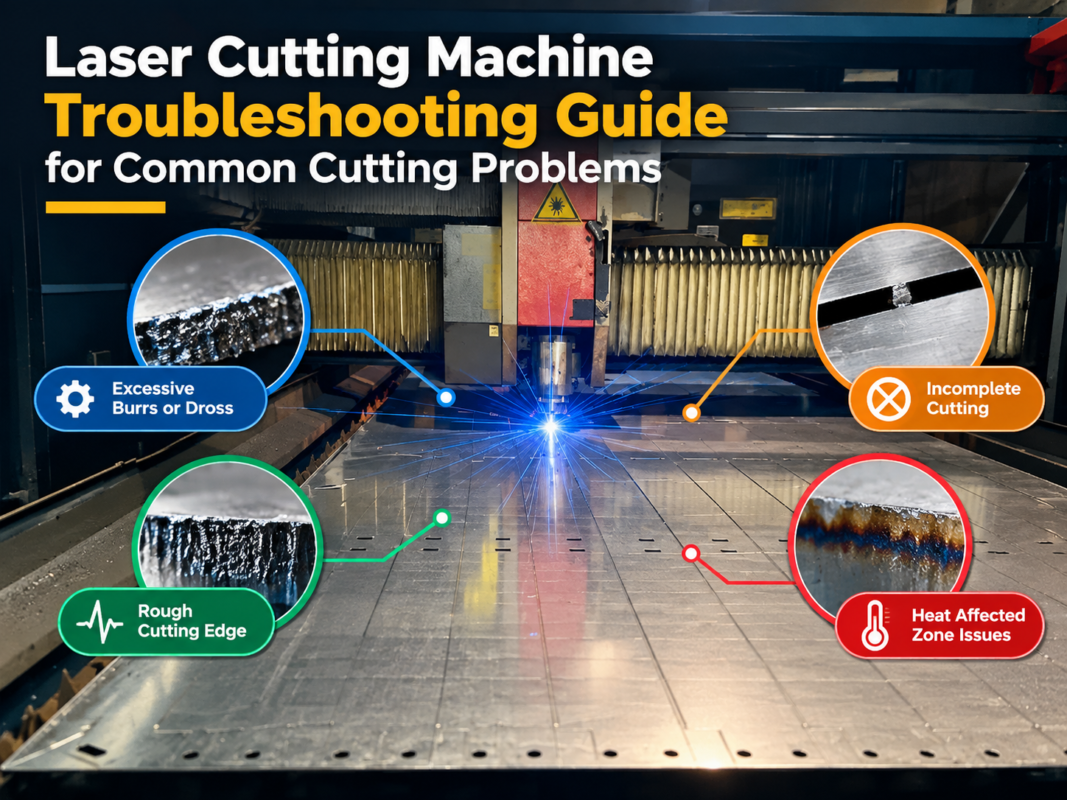
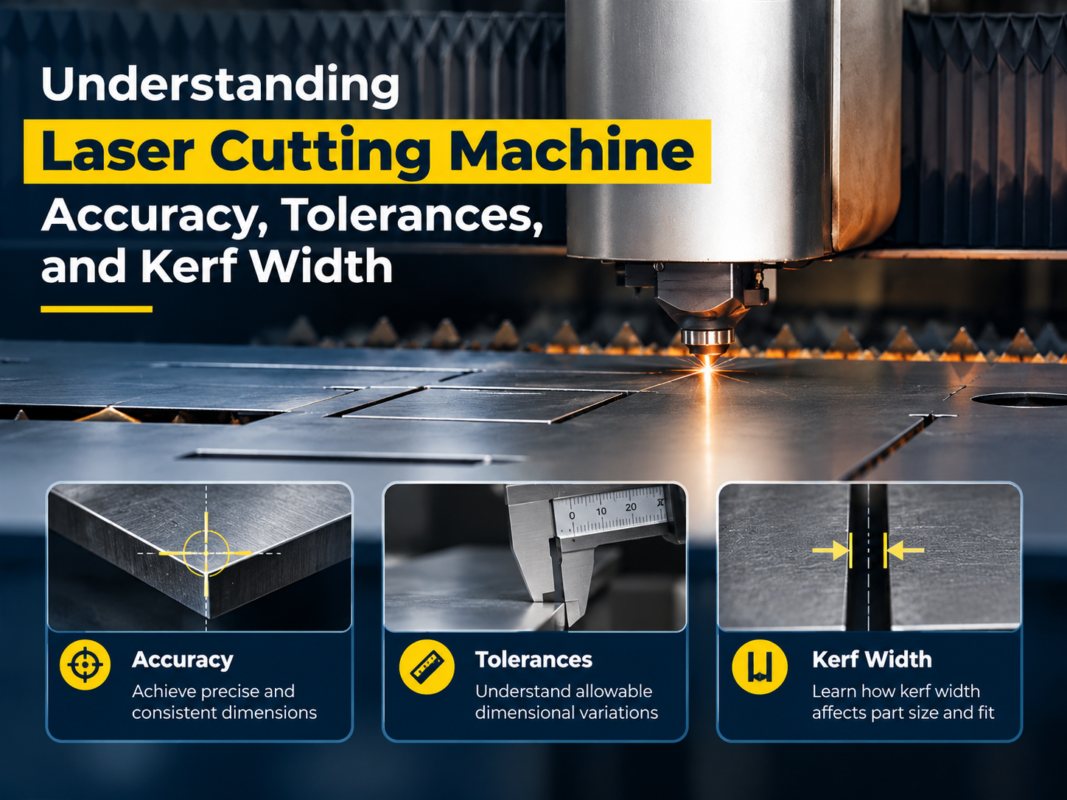
The automotive industry operates on tight tolerances, often within +/- 0.05mm. Laser cutting machines must be equipped with high-precision linear guides and servo motors to maintain this accuracy over thousands of cycles. Furthermore, the edge quality must be superior; any burrs or dross can interfere with automated robotic welding systems or cause paint adhesion issues later in the production line.
Recommended Machine Configuration for Automotive Applications
Fiber Laser Source Selection
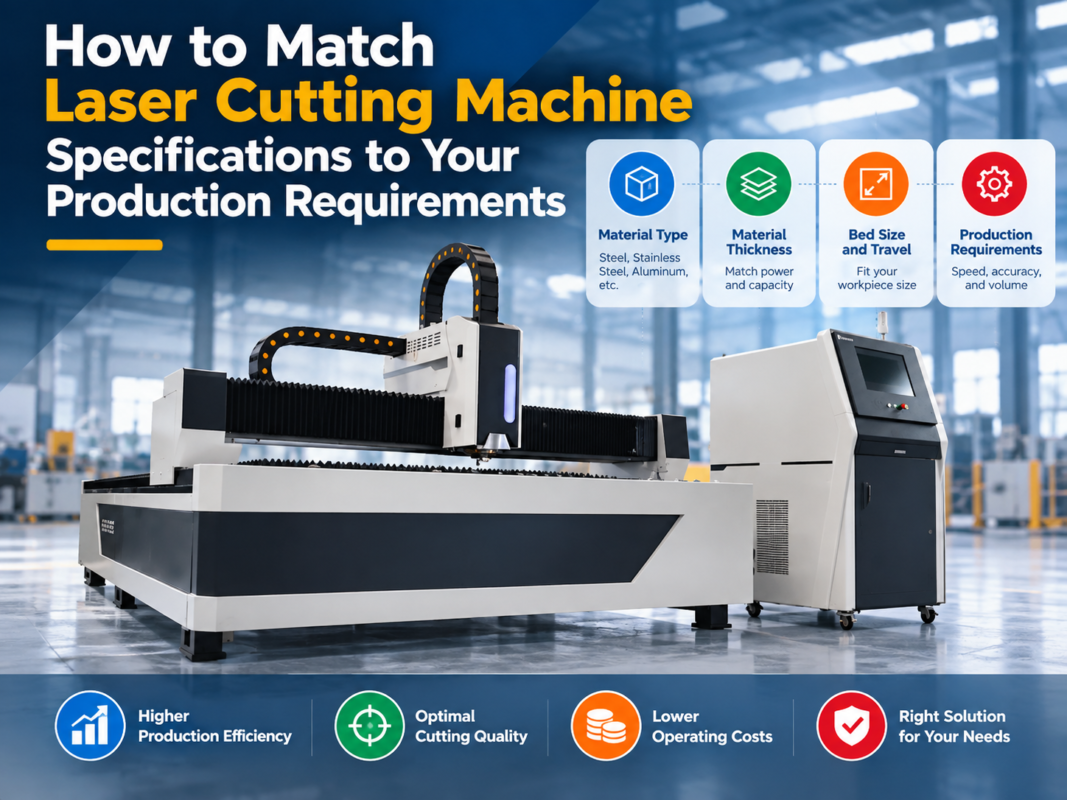
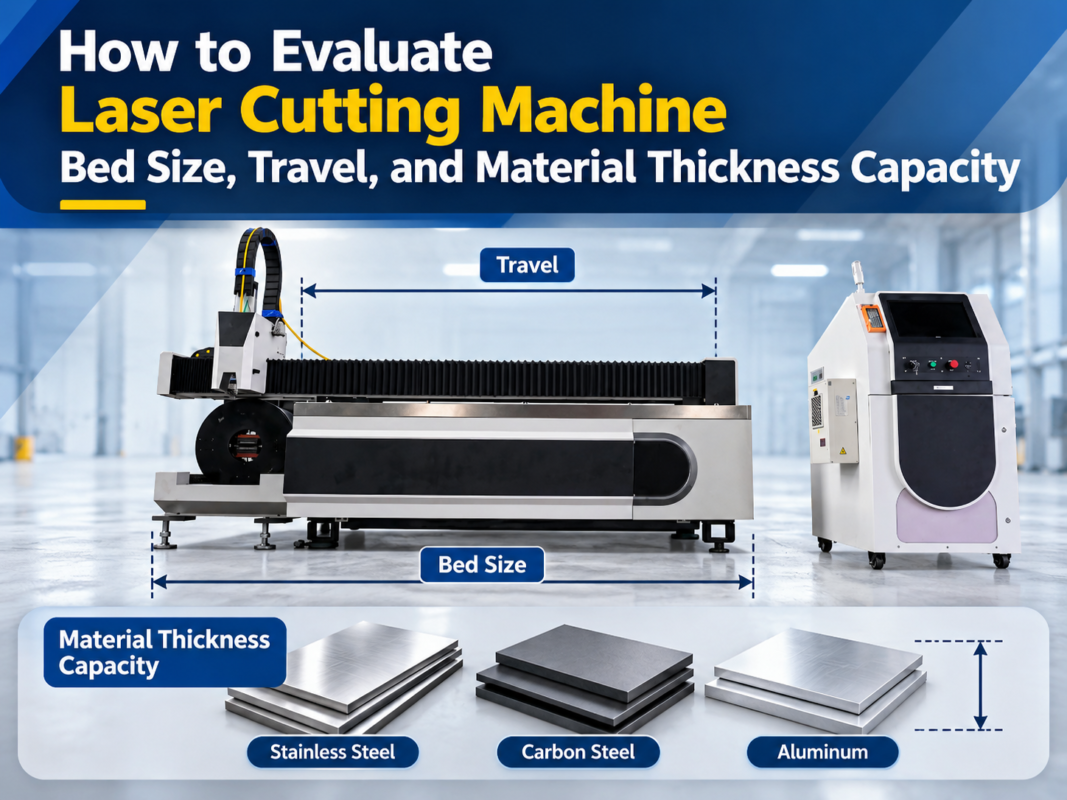
For automotive manufacturing, a fiber laser source is the gold standard. Depending on the thickness of the material, power levels typically range from 6kW to 20kW. A 6kW laser is sufficient for most body panels and thin structural parts, while 12kW to 20kW sources are used for thick chassis components and heavy-duty truck frames. HARSLE recommends using reputable sources like IPG or Raycus to ensure long-term stability and beam consistency.
3D Five-Axis Cutting Heads
While flatbed lasers are great for 2D parts, many automotive components are three-dimensional. A 3D five-axis laser cutting head allows the machine to follow the contours of a pre-formed part, cutting holes and trimming edges at various angles. This is essential for processing hot-stamped parts used in safety cages. The head must be equipped with sensitive height-sensing technology to maintain a constant focal distance from the uneven surface of the metal.
Automation and Material Handling
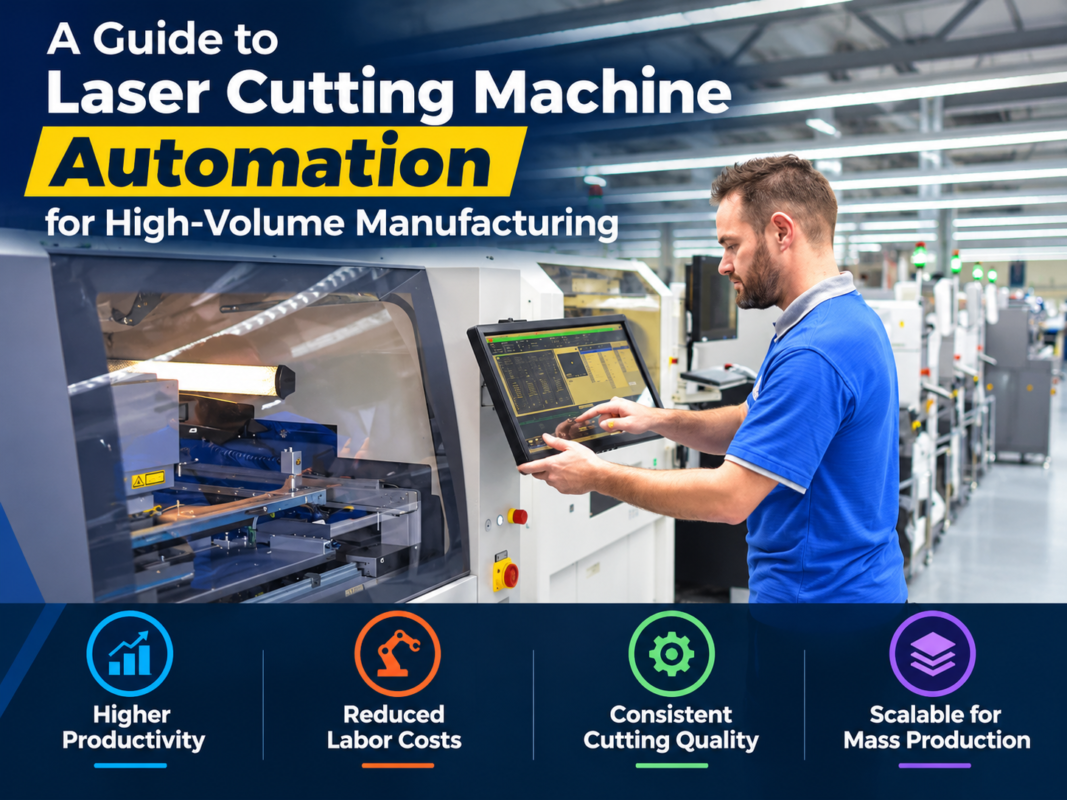
In a high-volume automotive environment, downtime is costly. Recommended configurations include automatic loading and unloading systems, such as pallet changers or robotic arms. This allows the machine to continue cutting while the operator removes finished parts and loads new sheets. Integration with a centralized factory management system (MES) is also crucial for tracking production data and maintaining a lean manufacturing workflow.
Bed Structure and Stability
The machine bed must be exceptionally rigid to handle the high accelerations (up to 2.0G) required for fast cutting. A heavy-duty welded frame that has been stress-relieved through heat treatment is preferred. This prevents vibrations from affecting the cut quality, especially when the laser is moving at high speeds across the sheet metal.
The Laser Cutting Workflow in Automotive Plants
- Design and CAD/CAM Integration: The process begins with a 3D model of the automotive part. This model is imported into CAM software, where the cutting path is optimized. For 3D parts, the software must account for the movement of all five axes to avoid collisions with the workpiece.
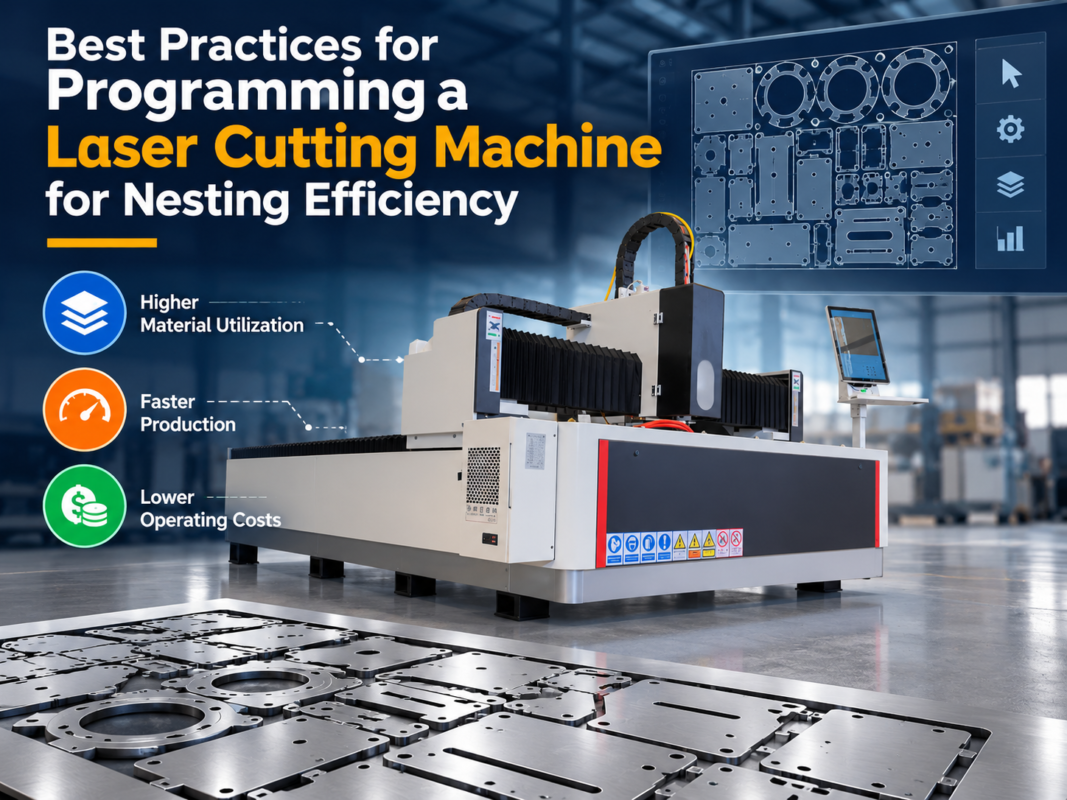
- Nesting Optimization: For 2D parts, nesting software is used to arrange as many parts as possible on a single sheet of metal. This minimizes scrap and significantly reduces material costs, which is vital when dealing with expensive alloys.
- Material Preparation: The sheet metal or pre-formed part is loaded onto the machine bed. In automated setups, sensors verify the material thickness and position to ensure the laser starts at the correct coordinates.
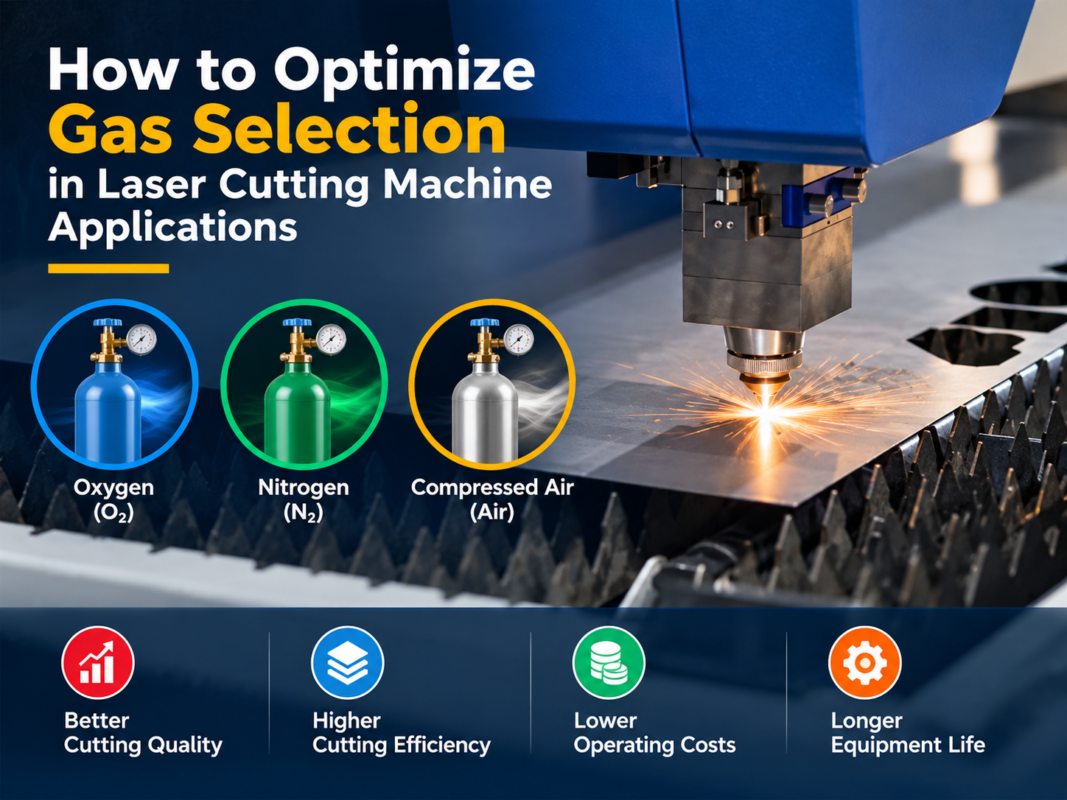
- The Cutting Process: The laser head moves according to the programmed path. Assist gases like Oxygen (for carbon steel) or Nitrogen (for stainless steel and aluminum) are blown through the nozzle to clear the molten metal. High-speed piercing technology is used to start the cut instantly without damaging the surrounding material.
- Quality Inspection: Once the cut is complete, parts are often inspected using automated vision systems or CMM (Coordinate Measuring Machines) to ensure they meet the required tolerances.
- Post-Processing: While laser cutting produces a nearly finished part, some components may move to a deburring station or directly to the welding and assembly line.
Productivity and Economic Benefits
The adoption of laser cutting machine applications in automotive manufacturing offers a massive boost to productivity. Unlike traditional stamping, which requires expensive custom dies that can take months to manufacture, laser cutting is purely digital. If a part design changes, the manufacturer simply updates the CAD file. This flexibility reduces the “time-to-market” for new vehicle models and allows for cost-effective small-batch production or customization.
Furthermore, the material utilization rate is much higher with laser cutting. Advanced nesting algorithms can reduce waste by up to 20% compared to traditional shearing methods. When multiplied across millions of vehicles, these savings are substantial. Additionally, the high speed of fiber lasers—often exceeding 50 meters per minute on thin materials—ensures that production targets are met without the need for a massive fleet of machines, saving floor space and energy.
Case Example: HARSLE Fiber Laser in a Tier 1 Supplier Plant
A leading Tier 1 automotive supplier specializing in safety components recently integrated a HARSLE 12kW High-Power Fiber Laser Cutting Machine into their production line. Previously, they relied on mechanical trimming for their high-strength steel bumper beams, which resulted in frequent tool breakage and significant downtime. After switching to the HARSLE laser system, they reported a 40% increase in production throughput. The non-contact nature of the laser eliminated tool costs entirely, and the 3D cutting capability allowed them to combine multiple processing steps into a single machine cycle. The supplier also noted a significant improvement in the precision of the mounting holes, which led to faster assembly times in the final vehicle build.
Frequently Asked Questions (FAQ)
1. What is the difference between CO2 and Fiber lasers in automotive manufacturing?
Fiber lasers are generally preferred for automotive applications because they are more energy-efficient, have faster cutting speeds on thin to medium materials, and can easily cut reflective metals like aluminum and brass. CO2 lasers are becoming less common but are still used for certain non-metallic interior components.
2. How does laser cutting affect the edge of high-strength steel?
Laser cutting creates a very narrow heat-affected zone (HAZ). While there is a slight thermal impact, it is usually negligible for automotive structural parts. Using Nitrogen as an assist gas helps keep the edge clean and prevents oxidation, which is critical for subsequent welding processes.
3. Can laser cutting machines be integrated into robotic cells?
Yes, many automotive plants use robotic arms equipped with fiber laser cutting heads. This allows for maximum flexibility when cutting complex 3D shapes, as the robot can move the laser head around a stationary workpiece from multiple angles.
4. What maintenance is required for an industrial laser cutting machine?
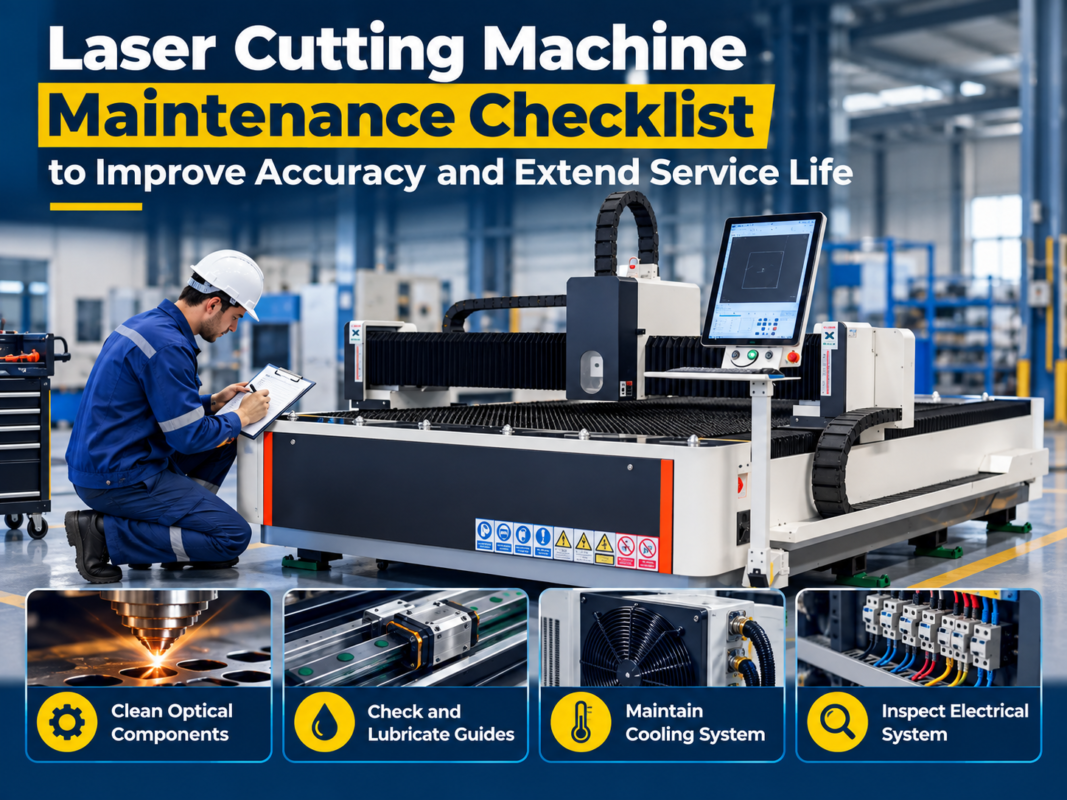
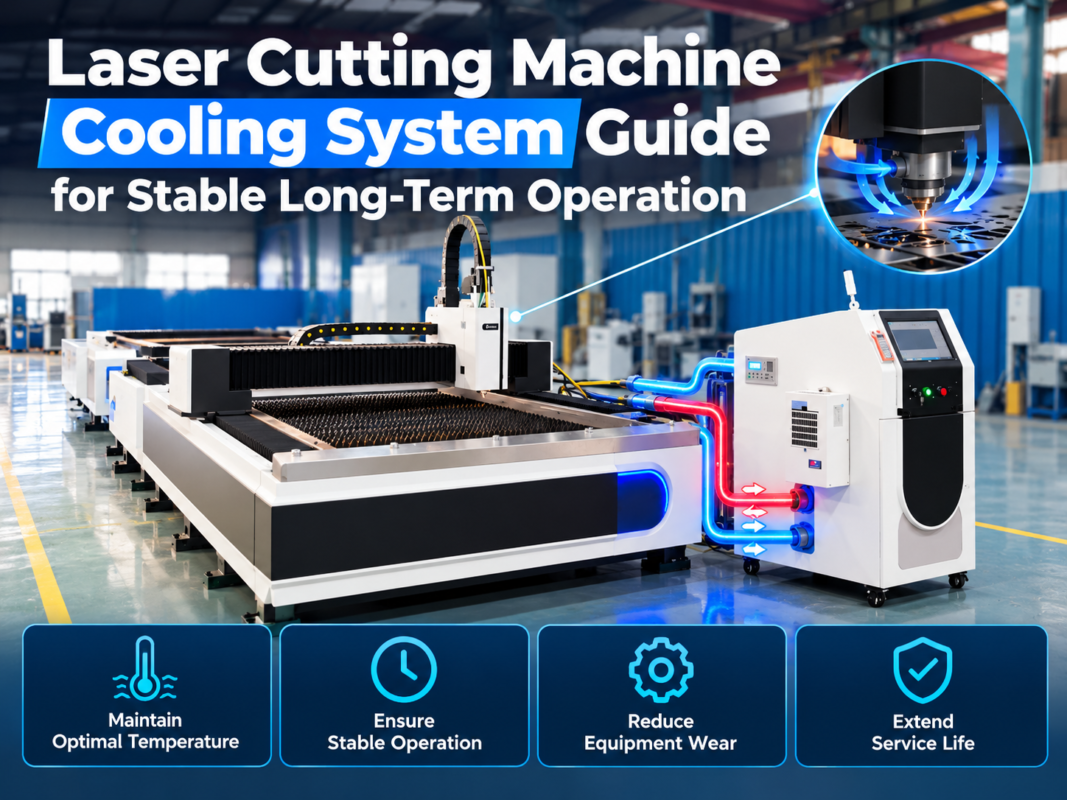
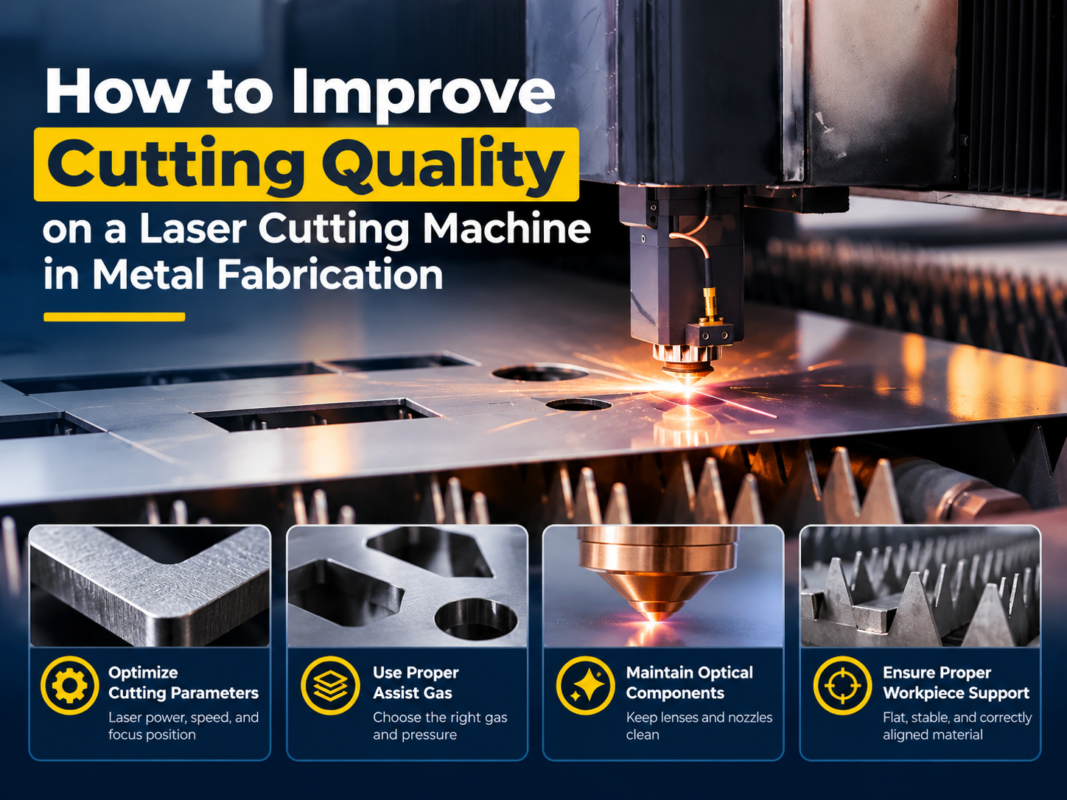
Regular maintenance includes cleaning the protective lenses, checking the nozzle for wear, ensuring the cooling system (chiller) is functioning correctly, and lubricating the linear guides. Fiber laser sources themselves are remarkably low-maintenance compared to older laser technologies.
5. Is laser cutting cost-effective for mass production?
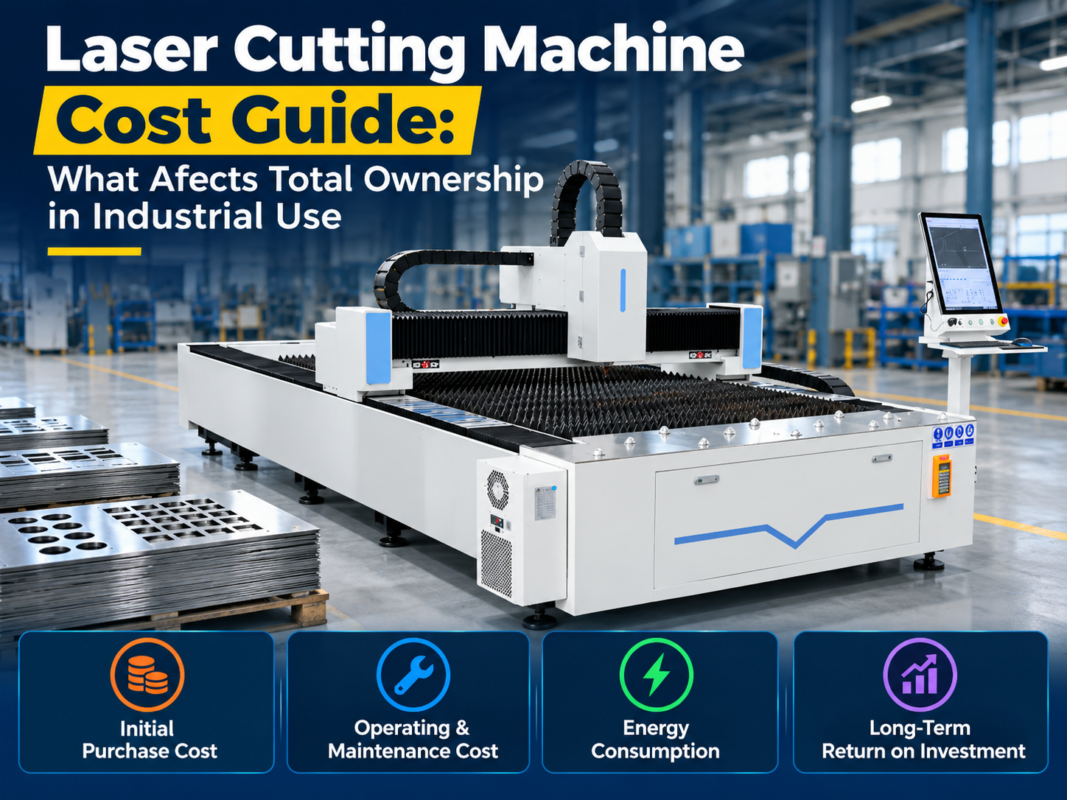
While the initial investment is higher than some traditional methods, the combination of high speed, low material waste, and the elimination of expensive tooling makes laser cutting highly cost-effective for both medium and high-volume automotive production.
Conclusion and Call to Action
Laser cutting machine applications in automotive manufacturing have redefined what is possible in vehicle design and production efficiency. As the industry moves toward more complex, lightweight, and electric-driven platforms, the precision of fiber laser technology will remain a cornerstone of manufacturing excellence. HARSLE is committed to providing the automotive industry with cutting-edge laser solutions that deliver reliability, speed, and unmatched accuracy.
Are you looking to upgrade your automotive production line with the latest in fiber laser technology? Contact HARSLE today to speak with our technical experts. We can help you select the perfect machine configuration to meet your specific material and volume requirements, ensuring your facility stays ahead of the competition in this fast-paced industry. Visit our website or reach out to our sales team for a personalized consultation and quote.