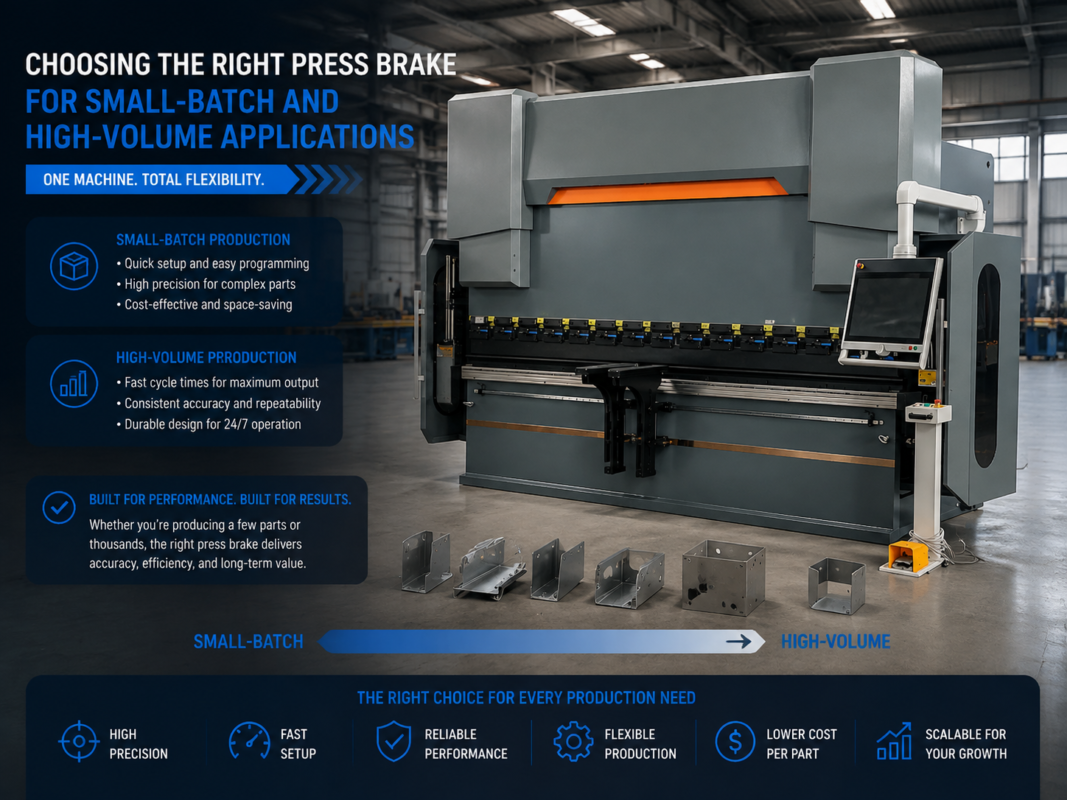
How Press Brakes Improve Precision In Automotive Sheet Metal Bending


Introduction to Precision Bending in the Automotive Sector
In the modern automotive manufacturing landscape, the demand for precision is higher than ever before. As vehicles evolve to become lighter, safer, and more aerodynamically efficient, the components that comprise them must meet incredibly tight tolerances. This is where the role of the press brake becomes central. Understanding how press brakes improve precision in automotive sheet metal bending is essential for any fabricator looking to supply the Tier 1 and Tier 2 automotive markets. From the structural integrity of the chassis to the aesthetic perfection of body panels, the accuracy of a bend can determine the success or failure of a production run.
HARSLE has been at the forefront of developing machinery that addresses these specific industrial needs. Automotive sheet metal bending involves working with a variety of materials, including high-strength steel (HSS), aluminum alloys, and stainless steel. Each of these materials reacts differently under pressure, requiring a machine that can adapt in real-time to maintain consistency. The transition from traditional mechanical brakes to advanced CNC hydraulic and electric press brakes has revolutionized the industry, allowing for repeatable accuracy that was previously thought impossible.
Precision in this context refers to more than just the final angle of the bend. It encompasses the repeatability of the process across thousands of parts, the compensation for material thickness variations, and the ability to handle complex geometries without manual intervention. In this comprehensive guide, we will explore the technical mechanisms and strategic considerations that allow modern press brakes to achieve these high standards in the automotive sector.
Key Considerations for Automotive Sheet Metal Bending
Material Variability and Springback Management
One of the primary challenges in automotive bending is the inherent variability in metal sheets. Even within a single batch of steel, there can be slight differences in tensile strength and thickness. When a press brake applies force, the metal undergoes elastic deformation before reaching the plastic deformation stage. Once the pressure is released, the metal tends to ‘spring back’ toward its original shape. How press brakes improve precision in automotive sheet metal bending often comes down to how they manage this springback.
Modern CNC press brakes utilize sophisticated databases and sensors to calculate the exact over-bend required to achieve the target angle. For automotive manufacturers using high-strength steels, which exhibit significant springback, this automated calculation is vital. Without it, operators would spend hours on trial-and-error, leading to wasted material and inconsistent part quality. By integrating material property data directly into the controller, the machine can adjust its stroke depth to compensate for these variables automatically.
Tight Tolerances and Assembly Requirements
Automotive assembly lines are highly automated environments where robots perform welding and joining tasks. For these robots to function correctly, every component must be identical. A deviation of even half a degree in a bend angle can result in a part that does not fit into a welding jig, causing a line stoppage. Precision bending ensures that brackets, pillars, and reinforcements align perfectly during the assembly process. This level of accuracy reduces the need for secondary operations, such as manual straightening or grinding, thereby lowering the overall cost of production.
Complexity of Modern Automotive Geometries
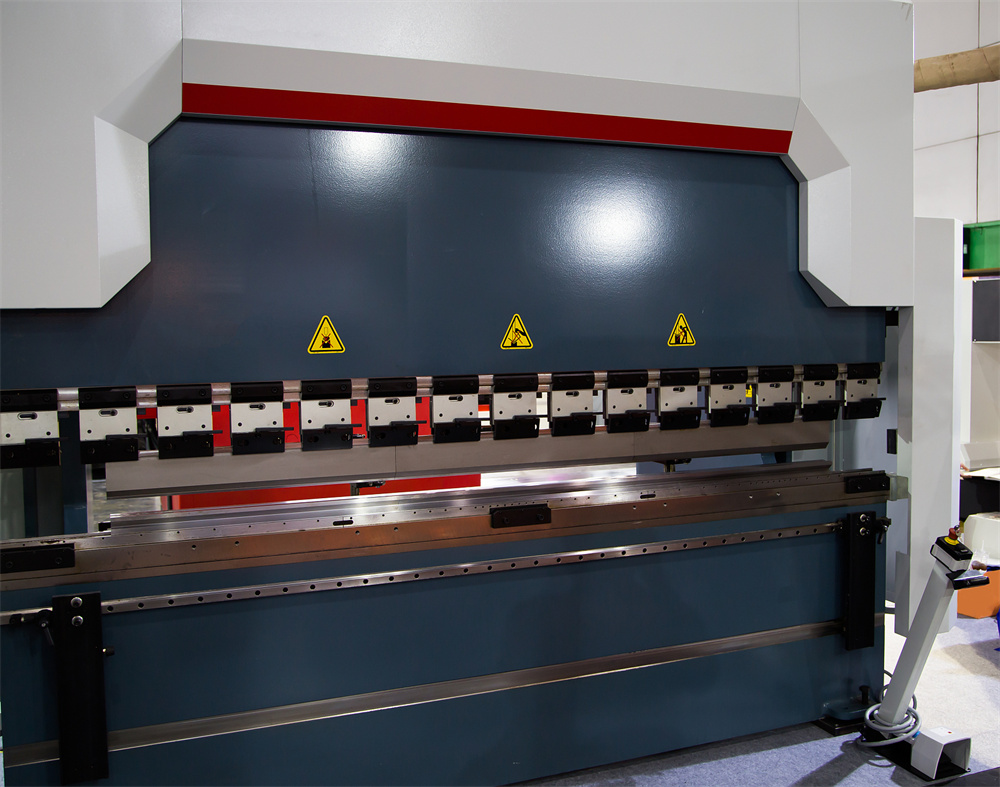
Today’s car designs feature complex curves and multi-stage bends designed for both crash safety and fuel efficiency. Components like the A-pillar or the inner door frame require multiple bends at different angles and orientations. Achieving this with manual equipment is nearly impossible at scale. Advanced press brakes utilize multi-axis backgauges that can move in 4, 6, or even 8 directions (X1, X2, R1, R2, Z1, Z2, etc.). This allows the workpiece to be positioned accurately for every single bend in a sequence, ensuring that the spatial relationship between bends remains perfect.
Technical Details: How Modern Press Brakes Achieve Precision
CNC Control and Offline Programming
The brain of the modern press brake is the CNC (Computer Numerical Control) system. These systems have evolved from simple coordinate entry interfaces to powerful graphical workstations. Offline programming allows engineers to simulate the bending process on a computer before a single piece of metal is touched. This simulation identifies potential collisions with the tooling or the machine frame and calculates the optimal bend sequence. By the time the program reaches the shop floor, the precision is already mathematically guaranteed.
Furthermore, CNC systems can store thousands of programs, ensuring that a part produced today is identical to one produced six months from now. This repeatability is a cornerstone of automotive quality control. The integration of 3D visualization helps operators see exactly how to orient the part, reducing the risk of human error, which is often the leading cause of precision loss in fabrication.
Hydraulic Synchronization and Proportional Valve Technology
In a hydraulic press brake, maintaining the parallelism between the upper beam and the lower table is critical. If one side of the beam descends further than the other, the bend angle will vary across the length of the part. How press brakes improve precision in automotive sheet metal bending is largely through the use of synchronized hydraulics. High-speed proportional valves regulate the flow of oil to the cylinders with millisecond precision, guided by linear encoders that track the beam’s position to within microns.
This synchronization ensures that the pressure is distributed evenly, which is particularly important for long automotive parts like side sills or truck frame rails. Without this technology, the “twist” in the machine would result in a “propeller effect” on the finished part, making it unusable for precision assembly.
Crowning Systems: Compensating for Deflection
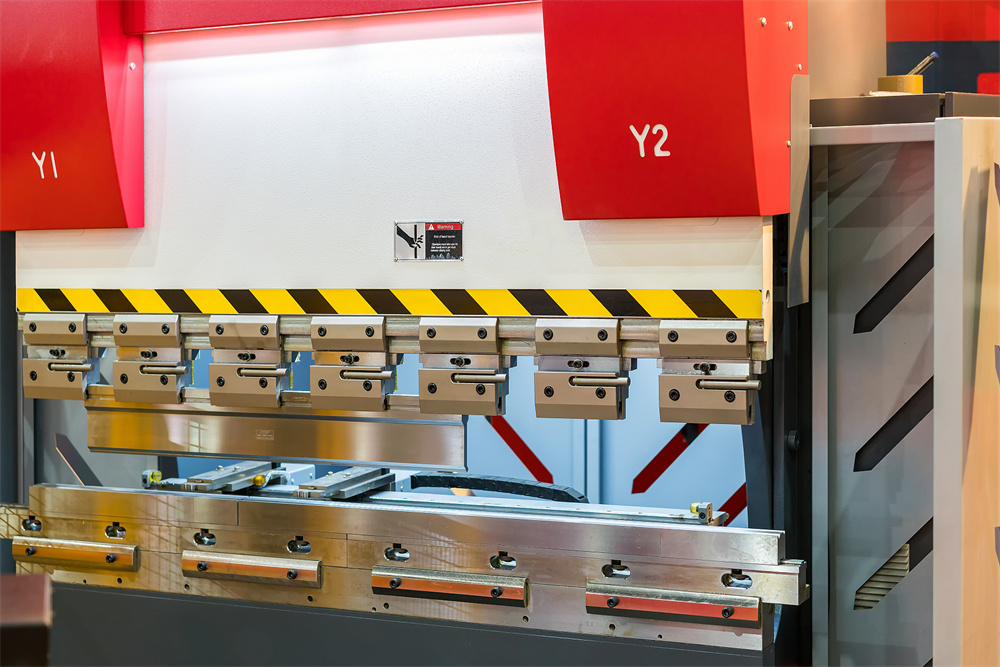
Every press brake, no matter how robustly built, will experience some degree of deflection (bowing) when under high tonnage. The center of the beam and the table tend to push away from each other, resulting in a “canoe” shape where the bend angle in the middle of the part is wider than at the ends. To counter this, automotive-grade press brakes are equipped with crowning systems. These systems—either hydraulic or mechanical—apply a counter-curve to the table to match the deflection of the beam.
Advanced CNC crowning systems calculate the required compensation based on the part length, thickness, and material type. This ensures a consistent angle across the entire length of the bend, which is crucial for long structural components. In the automotive industry, where structural integrity is paramount, crowning is not an optional feature but a necessity for precision.
Real-Time Angle Measurement Systems
Perhaps the most significant advancement in precision is the integration of real-time angle measurement. Laser or contact-based sensors measure the actual angle of the bend as it is being formed. If the sensor detects that the material is not reaching the desired angle due to unexpected hardness or thickness, it signals the CNC to adjust the stroke depth instantly. This “active” correction eliminates the need for test bends and ensures that the very first part in a production run is perfect. For high-value automotive materials, this reduction in scrap provides a massive return on investment.
Selection Advice for Automotive Fabricators
Determining Tonnage and Length Requirements
When selecting a press brake for automotive applications, the first step is to analyze the thickest and hardest materials you intend to bend. High-strength steels require significantly more tonnage than standard mild steel. It is advisable to choose a machine with a tonnage capacity at least 20% higher than your maximum calculated requirement to avoid running the machine at its limit, which can accelerate wear and decrease precision over time. Similarly, the bed length should accommodate your longest parts while allowing for the use of multiple tool setups side-by-side.
Evaluating Backgauge Flexibility
For automotive parts with non-parallel edges or complex shapes, a standard 2-axis backgauge is rarely sufficient. Look for machines offering at least a 4-axis (X, R, Z1, Z2) or 6-axis backgauge. The ability of the backgauge fingers to move independently allows for the secure positioning of asymmetrical parts. This flexibility is key to maintaining precision in multi-bend sequences where the gauging point changes with every hit.
Tooling Compatibility and Quick-Change Systems
Precision is only as good as the tooling used. In the automotive sector, where production schedules are tight, the ability to change tools quickly is vital. Hydraulic or pneumatic tool clamping systems allow operators to swap dies and punches in seconds rather than minutes. Furthermore, using precision-ground, hardened tooling ensures that the tools themselves do not deform under pressure, maintaining the accuracy of the bend radius over thousands of cycles.
Software Integration and Industry 4.0
In the era of smart manufacturing, your press brake should not be an island. Ensure the machine’s software can integrate with your existing CAD/CAM systems. The ability to import DXF or STEP files directly into the press brake controller reduces setup time and eliminates data entry errors. Additionally, look for machines that offer data logging and remote diagnostics, which are essential for maintaining the high uptime required in automotive supply chains.
Frequently Asked Questions (FAQ)
How does CNC technology specifically improve bending accuracy?
CNC technology improves accuracy by controlling the movement of the ram and backgauge with extreme precision (often within 0.01mm). It also automates the calculation of bend allowances and springback compensation, removing the variability associated with manual operator adjustments.
Why is crowning important for automotive parts?
Automotive parts often include long structural members. Without crowning, the machine’s natural deflection causes the bend angle to vary along the length of the part. Crowning ensures the angle is uniform from end to end, which is critical for the structural integrity and fitment of the component.
Can a press brake handle high-strength steel (HSS) used in modern cars?
Yes, but it requires a machine with high tonnage and advanced control features. HSS has high springback and requires precise pressure control. Modern hydraulic press brakes with real-time angle sensing are specifically designed to handle the challenges of HSS.
What is the benefit of a multi-axis backgauge?
A multi-axis backgauge allows for the precise positioning of complex, asymmetrical parts. In automotive fabrication, where parts often have irregular shapes, being able to gauge off different points in 3D space is essential for maintaining the correct relationship between multiple bends.
How often should a press brake be calibrated to maintain precision?
For high-precision automotive work, a daily check of the backgauge and ram positioning is recommended. A full professional calibration should be performed annually or whenever a significant change in part quality is noticed. Regular maintenance of the hydraulic oil and filters also plays a role in maintaining consistent performance.
Conclusion: The Future of Precision with HARSLE
The automotive industry will continue to push the boundaries of what is possible with sheet metal. As electric vehicle (EV) architectures introduce new structural challenges and the use of lightweight materials becomes universal, the technology within the press brake must keep pace. How press brakes improve precision in automotive sheet metal bending is a story of continuous innovation—from the integration of AI-driven software to the refinement of hydraulic response times.
HARSLE remains committed to providing automotive fabricators with the tools they need to succeed in this demanding environment. By investing in high-precision CNC press brakes, manufacturers can ensure they meet the rigorous standards of the global automotive market, reduce waste, and improve their overall operational efficiency. Precision is not just a goal; in the world of automotive manufacturing, it is the foundation of safety, performance, and brand reputation. With the right equipment and a deep understanding of the bending process, fabricators can turn the challenges of modern automotive design into a competitive advantage.