Mastering Hydraulic Press Applications for Sheet Metal Embossing and Coining: A Comprehensive Guide


Introduction to Hydraulic Press Applications for Sheet Metal Embossing and Coining
In the modern landscape of metal fabrication, the demand for precision, aesthetic detail, and structural integrity has never been higher. Hydraulic press applications for sheet metal embossing and coining represent two of the most critical processes in high-end manufacturing. Whether you are producing automotive components, decorative architectural panels, or intricate coinage, the ability to manipulate metal at the molecular level requires robust, reliable, and highly controllable machinery. HARSLE provides the industrial backbone for these operations, ensuring that every stroke of the press delivers consistent results.
Embossing and coining are often confused, yet they serve distinct purposes in metal forming. Embossing involves creating raised or sunken designs on sheet metal, typically for aesthetic or functional purposes like grip patterns or branding. Coining, on the other hand, is a high-pressure cold forging process that forces metal to flow into the intricate details of a die, resulting in extreme precision and surface finish. Both processes rely heavily on the controlled tonnage and stroke repeatability that only a high-quality hydraulic press can provide.
The versatility of a hydraulic press makes it the preferred choice over mechanical presses for these specific applications. Unlike mechanical presses that have a fixed stroke length and speed, hydraulic presses offer adjustable pressure, dwell time, and stroke control. This flexibility is essential when working with varying material thicknesses and complex die geometries. By mastering these applications, manufacturers can significantly reduce waste, improve cycle times, and achieve superior product quality.
As we delve into this guide, we will explore the technical nuances of these processes, the selection criteria for the right equipment, and the maintenance practices that keep your HARSLE machinery running at peak performance. Understanding the synergy between hydraulic force and material behavior is the first step toward achieving excellence in metal fabrication.
Key Considerations for Embossing and Coining Processes
When implementing hydraulic press applications for sheet metal embossing and coining, the first consideration must be the tonnage requirements. Coining, in particular, requires significantly higher pressure than embossing because the metal must be forced to fill every void in the die cavity. If the press tonnage is insufficient, the material will not flow correctly, leading to incomplete details and potential die damage. Manufacturers must calculate the surface area of the design and the yield strength of the material to ensure the press has adequate capacity.
Material selection plays a pivotal role in the success of these operations. Ductile materials like aluminum, copper, and low-carbon steel are generally easier to emboss and coin. However, as the material hardness increases, so does the requirement for press rigidity and lubrication. High-strength alloys may require specialized die coatings and lubricants to prevent galling and ensure the material flows smoothly into the die patterns without tearing or cracking.
Die design and maintenance are equally critical. In coining, the die is subjected to immense pressure, often exceeding the yield strength of the metal being formed. This necessitates the use of high-grade tool steels and precise heat treatment processes. Furthermore, the alignment of the upper and lower dies must be perfect. Even a slight misalignment can result in uneven wall thickness, distorted patterns, or premature die failure. HARSLE presses are engineered with high-precision guiding systems to maintain this alignment throughout the entire stroke.
Finally, the speed and dwell time of the press must be optimized. In embossing, a faster stroke might be acceptable, but in coining, a controlled, slower stroke with a brief dwell period at the bottom dead center (BDC) allows the metal to “set” into the die. This dwell time is crucial for achieving the sharp, crisp details that define high-quality coining. Adjusting these parameters on a HARSLE hydraulic press is intuitive, allowing operators to fine-tune the process for every unique part.
Technical Details of Hydraulic Press Operations
The technical superiority of hydraulic presses in embossing and coining lies in their ability to provide constant force throughout the entire stroke. In a mechanical press, the force is only at its maximum at the very bottom of the stroke. In contrast, a hydraulic press can exert its full rated tonnage at any point in the stroke. This is a game-changer for deep embossing or complex coining where the material needs to be moved over a longer distance while under constant pressure.
Hydraulic systems also allow for precise control over the speed of the ram. By utilizing proportional valves, operators can program the ram to approach the workpiece quickly, slow down during the actual forming phase to prevent material tearing, and then retract at a high speed to maximize cycle efficiency. This level of control is essential for maintaining the structural integrity of the metal, especially when working with thin-gauge sheets that are prone to buckling.
Another technical advantage is the integration of programmable logic controllers (PLCs) and HMI interfaces. Modern HARSLE hydraulic presses allow for the storage of hundreds of job recipes. Once the optimal pressure, speed, and dwell time for a specific embossing or coining job are determined, they can be saved and recalled instantly. This drastically reduces setup time and ensures that the quality of the first part is identical to the quality of the thousandth part.
Thermal management is a technical detail often overlooked. The high-pressure hydraulic fluid generates significant heat during continuous operation. HARSLE presses are equipped with advanced cooling systems to maintain the viscosity of the hydraulic oil. Consistent oil temperature is vital for maintaining consistent pressure and preventing the degradation of seals and valves, which in turn ensures the longevity of the machine and the precision of the parts produced.
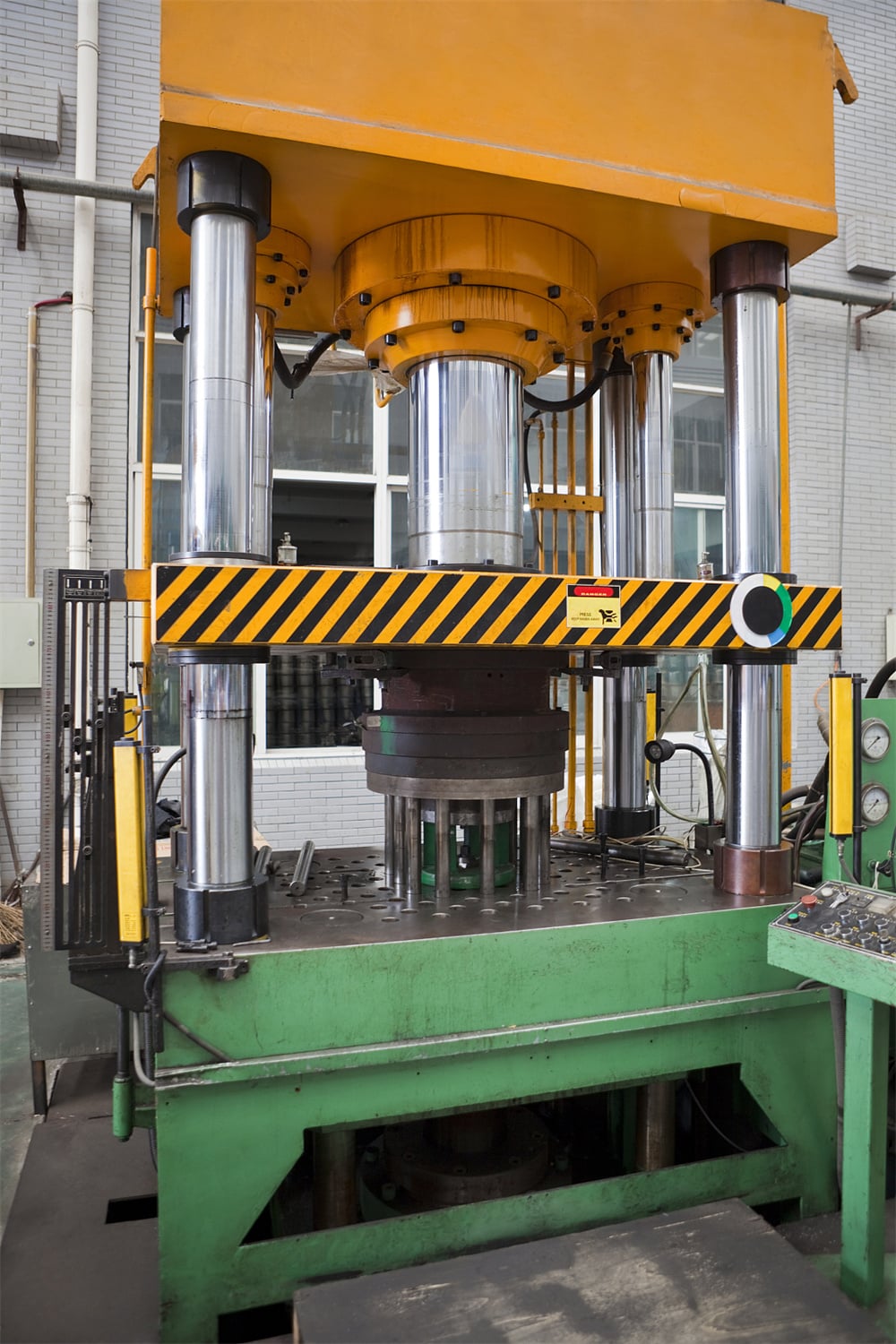
Selection Advice: Choosing the Right Equipment
Selecting the right hydraulic press for your facility requires a clear understanding of your current and future production needs. Start by evaluating the maximum tonnage required for your largest part. It is always advisable to select a press with a tonnage capacity 20-30% higher than your calculated requirement to avoid running the machine at its absolute limit, which can accelerate wear and tear.
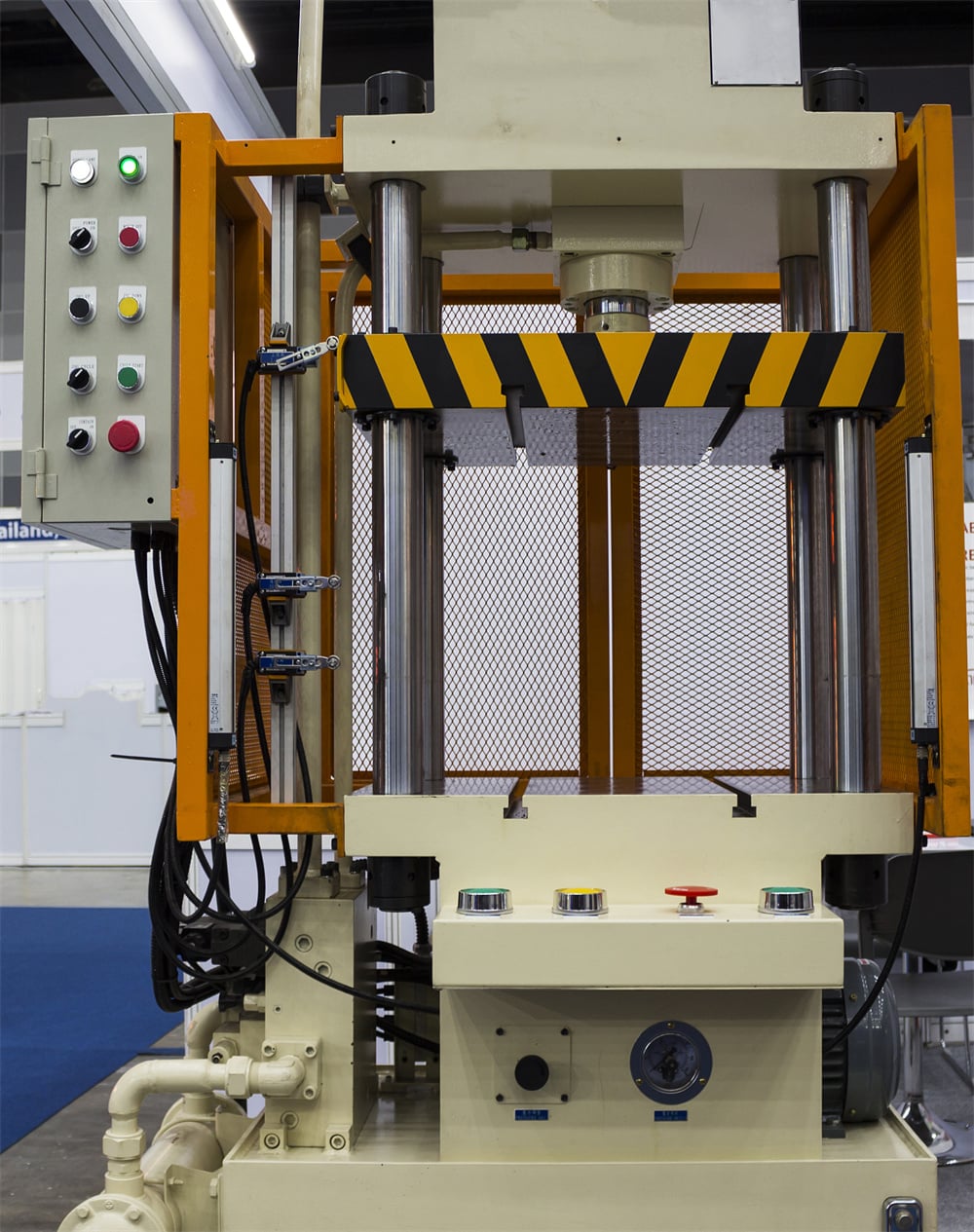
Consider the bed size and daylight opening. The bed size must accommodate your largest die set, including any necessary clamping mechanisms or auxiliary equipment. The daylight opening—the distance between the ram and the bed—must be sufficient to allow for easy die changes and the insertion of the workpiece. If you plan to use automated feeding systems, ensure the press frame design allows for easy integration of conveyors or robotic arms.
Look for features that enhance safety and ease of use. Light curtains, dual-hand controls, and emergency stop systems are non-negotiable. Furthermore, consider the ease of maintenance. HARSLE machines are designed with accessible hydraulic manifolds and electrical cabinets, making routine inspections and repairs straightforward. A machine that is easy to maintain will have significantly less downtime over its service life.
Finally, consider the manufacturer’s support and reputation. Investing in a HARSLE hydraulic press means gaining access to a global network of technical support, spare parts availability, and expert guidance. When you are in the middle of a production run, knowing that you have reliable support behind your equipment is just as important as the specifications of the machine itself.
Buyer Checklist for Hydraulic Presses
- Calculate maximum tonnage based on material yield and surface area.
- Determine the required stroke length and daylight opening.
- Verify the availability of programmable dwell time features.
- Assess the rigidity of the frame to prevent deflection under load.
- Check for compatibility with existing die sets and automation systems.
- Ensure the presence of modern safety features like light curtains.
- Review the availability of local service and spare parts.
Frequently Asked Questions (FAQ)
What is the main difference between embossing and coining?
Embossing creates a raised design on one side of the sheet by pushing the metal into a cavity, while coining is a high-pressure process that forces metal to flow into a die to create highly detailed, sharp impressions on both sides of the material.
Why is a hydraulic press better than a mechanical press for coining?
Hydraulic presses provide constant force throughout the entire stroke and allow for adjustable dwell time, which is essential for the metal to fully fill the die cavity in coining applications.
How do I determine the tonnage required for my project?
Tonnage is calculated by multiplying the surface area of the design by the pressure required to deform the specific material. It is recommended to consult with HARSLE engineers to ensure your calculations account for material work hardening.
How often should I perform maintenance on my hydraulic press?
Routine maintenance should be performed according to the manufacturer’s manual, typically involving monthly oil checks, filter replacements, and annual inspections of seals, valves, and structural components.
Can HARSLE presses be customized for specific embossing needs?
Yes, HARSLE offers a range of customization options, including specialized bed sizes, custom stroke lengths, and integrated automation solutions to meet the specific requirements of your embossing or coining project.
Conclusion
Hydraulic press applications for sheet metal embossing and coining are fundamental to high-quality metal fabrication. By leveraging the precision, power, and versatility of HARSLE hydraulic presses, manufacturers can achieve exceptional results that meet the rigorous demands of modern industry. From the initial calculation of tonnage to the final fine-tuning of dwell times, every step in the process contributes to the overall quality and efficiency of your production line.
Investing in the right equipment is only the beginning. By prioritizing proper die maintenance, regular machine servicing, and operator training, you ensure that your investment continues to pay dividends for years to come. Whether you are a small job shop or a large-scale manufacturer, HARSLE provides the technology and support necessary to push the boundaries of what is possible in sheet metal forming. Embrace the power of hydraulic precision and elevate your fabrication capabilities today.