How Hydraulic Press Machines Support Rubber and Composite Molding: A Comprehensive Guide


Introduction
In the modern landscape of industrial manufacturing, the demand for high-performance materials has never been greater. Whether it is automotive components, aerospace parts, or consumer electronics, the ability to shape rubber and composite materials with extreme precision is paramount. This is where HARSLE hydraulic press machines support rubber and composite molding, providing the necessary force, thermal consistency, and cycle control required for high-quality production. By utilizing fluid power to generate immense pressure, these machines offer a level of versatility that mechanical presses simply cannot match.
The process of molding rubber and composites involves more than just applying pressure; it requires a sophisticated balance of temperature, dwell time, and uniform force distribution. As industries shift toward lightweight materials to improve fuel efficiency and structural integrity, the role of the hydraulic press has evolved from simple metal forming to complex polymer processing. HARSLE has been at the forefront of this evolution, engineering machinery that meets the rigorous standards of modern material science.
Understanding how hydraulic press machines support rubber and composite molding requires a deep dive into the mechanics of material flow and curing. Unlike metal, which is often cold-formed or hot-forged, rubber and composites undergo chemical changes during the molding process. This article explores the technical nuances, operational considerations, and strategic advantages of integrating HARSLE hydraulic presses into your production line.
Key Considerations for Rubber and Composite Molding
When selecting equipment for rubber and composite molding, the primary consideration is the ability to maintain consistent pressure over an extended period. Unlike metal stamping, where the action is instantaneous, rubber and composite molding often require a “dwell time” where the material is held under pressure while it cures or vulcanizes. HARSLE hydraulic presses are designed with advanced pressure-holding valves that ensure the force remains constant throughout the entire cycle, preventing defects such as voids or incomplete filling.
Thermal management is another critical factor. Most rubber and composite materials require heated molds to facilitate the cross-linking or curing process. HARSLE presses can be equipped with integrated heating platens that provide uniform temperature distribution across the entire surface area. This uniformity is essential to prevent warping, uneven curing, or internal stresses that could compromise the structural integrity of the finished part.
Material flow characteristics also dictate the machine requirements. Rubber compounds and fiber-reinforced composites have varying viscosities. A hydraulic press allows for adjustable ram speeds, enabling the operator to control the flow rate of the material into the mold cavity. By slowing down the closing speed as the mold reaches the final position, manufacturers can prevent air entrapment and ensure that the material fills every intricate detail of the mold design.
Finally, the repeatability of the process is non-negotiable. In high-volume production environments, every part must meet the same specifications. HARSLE’s CNC-controlled hydraulic systems allow for the storage of hundreds of recipes, ensuring that pressure, temperature, and timing parameters are identical for every batch. This level of automation reduces human error and significantly increases the yield of high-quality parts.
Technical Details of HARSLE Hydraulic Presses
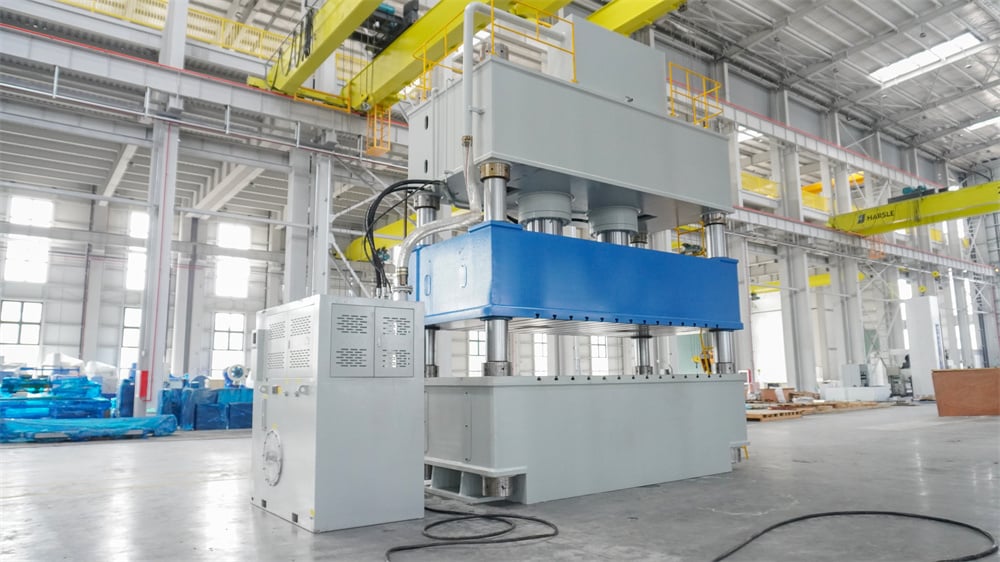
The core of HARSLE’s success in this sector lies in the robust design of our hydraulic systems. Our presses utilize high-efficiency hydraulic pumps and proportional valves that allow for precise control over the tonnage applied. This is particularly important for composite molding, where the pressure must be ramped up gradually to allow the resin to penetrate the fiber matrix without damaging the reinforcement structure.
Structural rigidity is another hallmark of HARSLE equipment. When molding composites, the press must withstand high internal pressures without deflecting. Our frames are constructed from high-grade steel, stress-relieved to ensure long-term stability. This rigidity ensures that the platens remain perfectly parallel throughout the stroke, which is vital for maintaining uniform part thickness and preventing flash—the excess material that escapes the mold cavity.
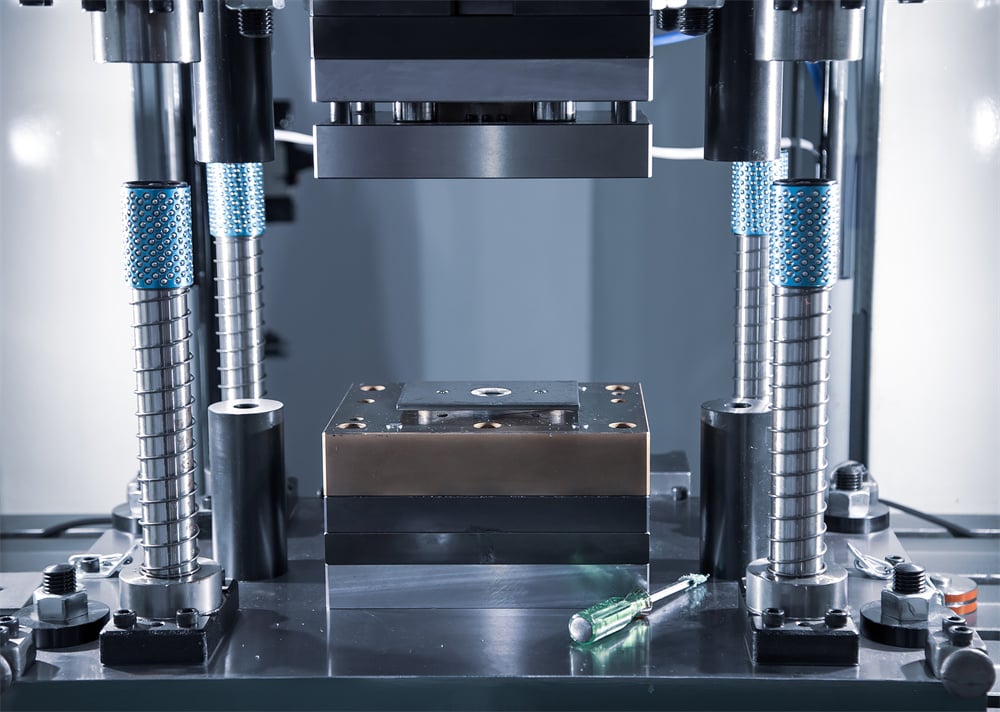
The integration of PLC (Programmable Logic Controller) systems allows for sophisticated multi-stage pressing cycles. For example, a cycle might involve an initial low-pressure stage to allow for air evacuation, followed by a high-pressure stage for consolidation, and a final holding stage for curing. HARSLE’s intuitive interface makes it easy for operators to program these complex sequences, providing a level of flexibility that is essential for job shops handling a variety of different materials.
Safety and maintenance features are also integrated into the technical design. HARSLE presses include light curtains, dual-hand controls, and emergency stop systems that meet international safety standards. Furthermore, our hydraulic systems are designed for easy access, with modular components that simplify routine maintenance tasks like oil changes, filter replacements, and seal inspections, ensuring that downtime is kept to an absolute minimum.
Selection Advice: Choosing the Right Press
Selecting the right hydraulic press for rubber and composite molding begins with a thorough analysis of your part dimensions and material requirements. You must first determine the required tonnage, which is calculated by multiplying the surface area of the part by the required pressure per square inch. It is always advisable to select a press with a slightly higher capacity than your maximum requirement to ensure the machine is not running at its limit, which extends the lifespan of the hydraulic components.
Consider the daylight and stroke requirements of your molds. The daylight is the maximum opening between the platens, and the stroke is the distance the ram travels. If you are using deep-draw molds or complex multi-part molds, ensure that the press has sufficient clearance for loading and unloading. HARSLE offers customizable daylight and stroke options to accommodate unique tooling requirements.
Evaluate the need for auxiliary equipment. Do you require automatic mold loading systems? Are you using vacuum-assisted molding to improve surface finish? HARSLE can integrate various peripherals, including mold heating/cooling units, vacuum pumps, and automated part ejectors. Discussing your specific workflow with our engineering team allows us to tailor the press configuration to your exact production needs.
Finally, consider the long-term support and serviceability of the machine. HARSLE provides comprehensive training for operators and maintenance staff, along with a global network of support. Investing in a machine from a reputable manufacturer ensures that you have access to spare parts, technical documentation, and expert advice throughout the entire lifecycle of the equipment.
FAQ: Hydraulic Press Machines Support Rubber and Composite Molding
- Q: Why is a hydraulic press better than a mechanical press for rubber molding?
A: Hydraulic presses provide constant pressure throughout the stroke, which is essential for the curing process. Mechanical presses have a variable force profile that is better suited for high-speed stamping, not the sustained pressure required for polymers. - Q: Can HARSLE presses handle both rubber and composite materials?
A: Yes, our presses are highly versatile. With adjustable pressure, speed, and temperature settings, they can be configured to handle a wide range of materials, from natural rubber to advanced carbon-fiber composites. - Q: How do I prevent flash in my molded parts?
A: Flash is usually caused by platen deflection or uneven pressure. HARSLE’s rigid frame design and parallel-motion systems minimize deflection, ensuring a tight seal between mold halves. - Q: What maintenance is required for the hydraulic system?
A: Regular oil analysis, filter changes, and checking for leaks in the hydraulic lines are essential. Our maintenance manual provides a detailed schedule to keep your press running at peak performance. - Q: Can HARSLE customize a press for my specific mold size?
A: Absolutely. We specialize in custom solutions and can adjust platen sizes, daylight, and stroke to fit your specific tooling requirements perfectly.
Conclusion
The integration of HARSLE hydraulic press machines into your rubber and composite molding operations represents a significant investment in quality, efficiency, and long-term productivity. By leveraging the precise force control, thermal stability, and structural rigidity that our machines offer, manufacturers can overcome the common challenges associated with polymer processing. Whether you are producing high-precision aerospace components or high-volume automotive rubber parts, HARSLE provides the technology and support necessary to excel in a competitive market.
As we have explored, the success of the molding process depends on a synergy between material science and machine capability. HARSLE remains committed to advancing this synergy through continuous innovation in hydraulic engineering. We invite you to consult with our technical team to discuss your specific molding challenges and discover how our tailored solutions can elevate your production standards. With the right equipment, the possibilities for material innovation are virtually limitless, allowing your business to push the boundaries of what is possible in modern manufacturing.
In summary, choosing HARSLE means choosing a partner dedicated to your success. From the initial selection phase to long-term maintenance and technical support, we are here to ensure that your hydraulic press remains the backbone of your molding operations. Explore our range of industrial machinery today and see how we can help you achieve superior results in every cycle.