Common Punching Machine Problems and Maintenance Fixes for Fabrication Shops


The Critical Role of Maintenance in Modern Fabrication Shops
In the high-stakes environment of a modern metal fabrication shop, the punching machine stands as a cornerstone of productivity. Whether it is a mechanical turret punch or a high-speed hydraulic system, these machines are responsible for creating precise holes, louvers, and forms in sheet metal at incredible speeds. However, the sheer force and repetitive nature of punching operations mean that wear and tear are inevitable. Understanding Common Punching Machine Problems Maintenance Fixes Fabrication Shops encounter is not just about fixing what is broken; it is about proactive asset management.
HARSLE understands that downtime is the enemy of profitability. When a punching machine goes offline, the entire production line often grinds to a halt. This leads to missed deadlines, wasted material, and increased labor costs. By implementing a rigorous maintenance strategy, shops can extend the lifespan of their equipment by years, if not decades. Maintenance ensures that the machine operates within its designed tolerances, which directly impacts the quality of the finished product. A well-maintained machine produces clean cuts with minimal burrs, reducing the need for secondary finishing processes.
Furthermore, safety is a paramount concern. A punching machine that is poorly maintained poses a significant risk to operators. Loose bolts, failing hydraulic seals, or malfunctioning electrical sensors can lead to catastrophic mechanical failures. Regular maintenance fixes for fabrication shops ensure that all safety interlocks and emergency systems are functioning correctly, protecting the most valuable asset in any shop: the people. In this comprehensive guide, we will explore the systematic approach to keeping your punching machinery in peak condition.
Daily Inspection: The First Line of Defense
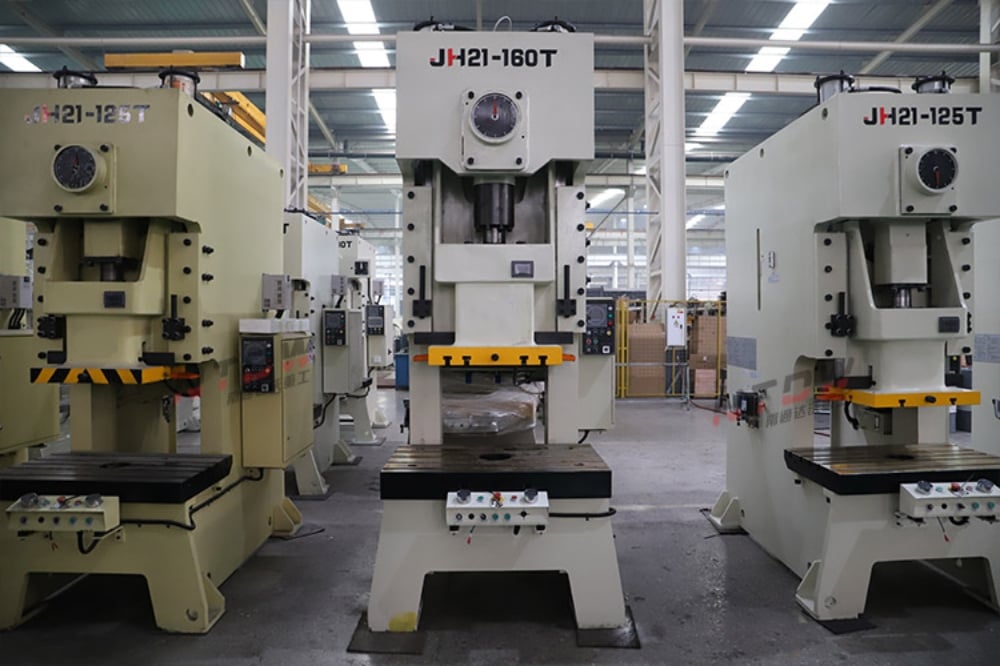
The most effective maintenance program begins with a daily inspection routine. This should be performed by the operator at the start of every shift. The goal is to identify potential issues before they escalate into major failures. A daily walk-around allows the operator to become familiar with the machine’s “normal” state, making it easier to spot anomalies like oil puddles, loose wires, or unusual debris.
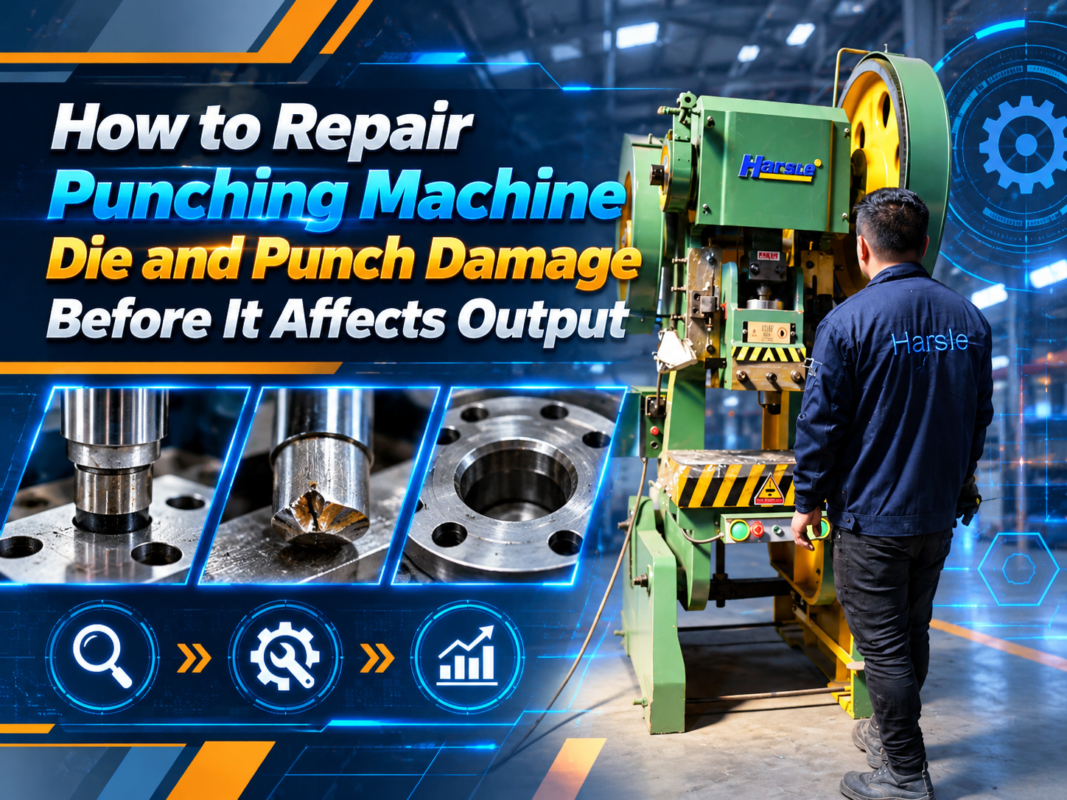
Start by checking the workspace. Ensure that the area around the punching machine is clear of scrap metal and oil spills. Debris can interfere with the machine’s movement or cause tripping hazards. Next, perform a visual inspection of the tooling. Look for signs of chipping or excessive wear on the punches and dies. Dull tooling increases the load on the machine’s motor and hydraulic system, leading to premature wear of internal components. If the tooling looks worn, it should be replaced or sharpened immediately.
Check the air pressure and hydraulic fluid levels. Most modern punching machines rely on pneumatic systems for clamping or tool changing and hydraulic systems for the main punching force. If levels are low, it could indicate a leak that needs to be addressed. Finally, test the emergency stop buttons and light curtains. These safety devices must be functional at all times. A daily log should be kept to record these checks, providing a historical record that can be invaluable for troubleshooting future problems.
Hydraulic System Checks: Ensuring Consistent Power
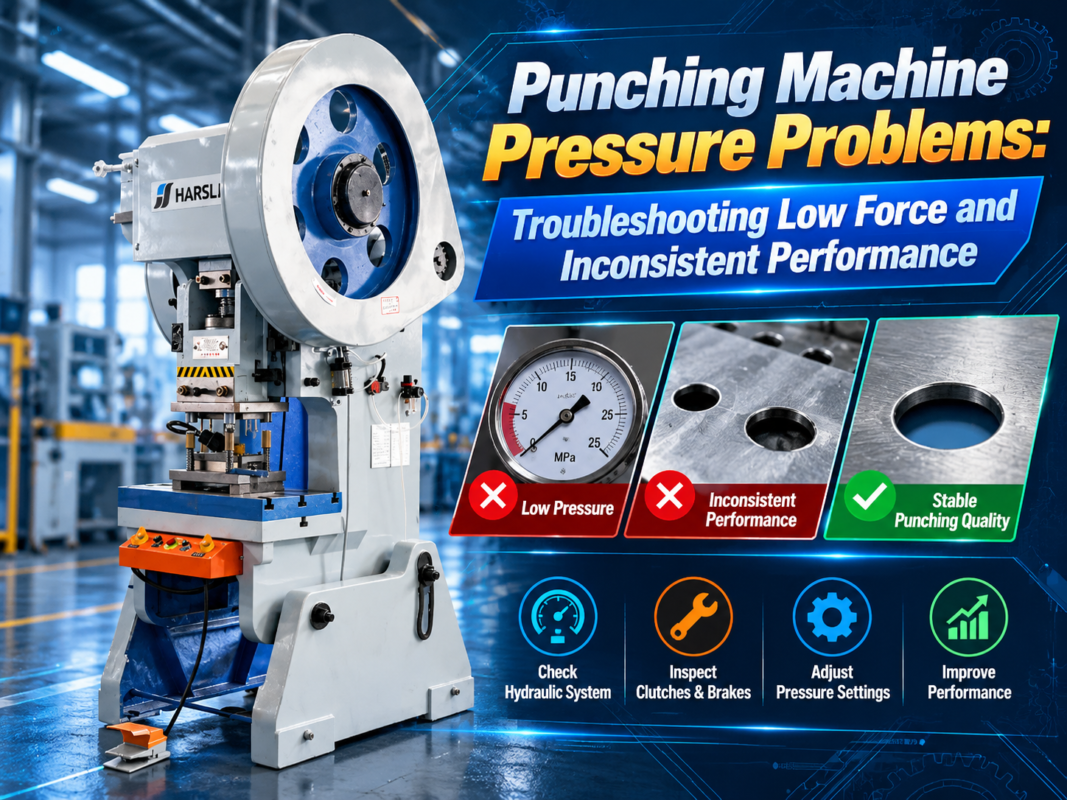
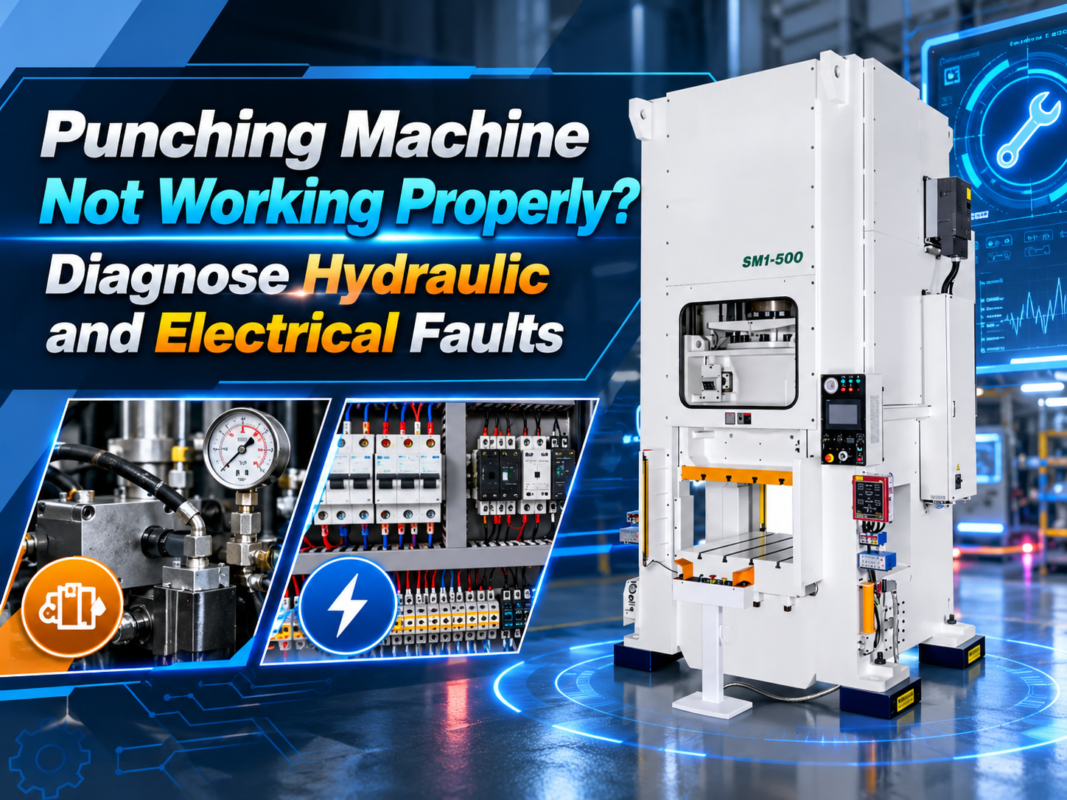
The hydraulic system is the heart of many punching machines, providing the massive force required to pierce through thick metal plates. Common punching machine problems often stem from hydraulic issues, such as overheating, contamination, or pressure fluctuations. Maintaining the hydraulic system requires a focus on fluid cleanliness and temperature regulation.
Hydraulic oil should be clear and free of bubbles. If the oil appears milky, it likely contains water; if it is dark and smells burnt, it has oxidized due to excessive heat. Contaminated oil acts as an abrasive, wearing down valves and pump components. Fabrication shops should implement a regular oil analysis program to monitor the health of the fluid. Additionally, filters must be changed according to the manufacturer’s schedule. A clogged filter can cause a drop in pressure, leading to inconsistent punching depths and sluggish machine response.
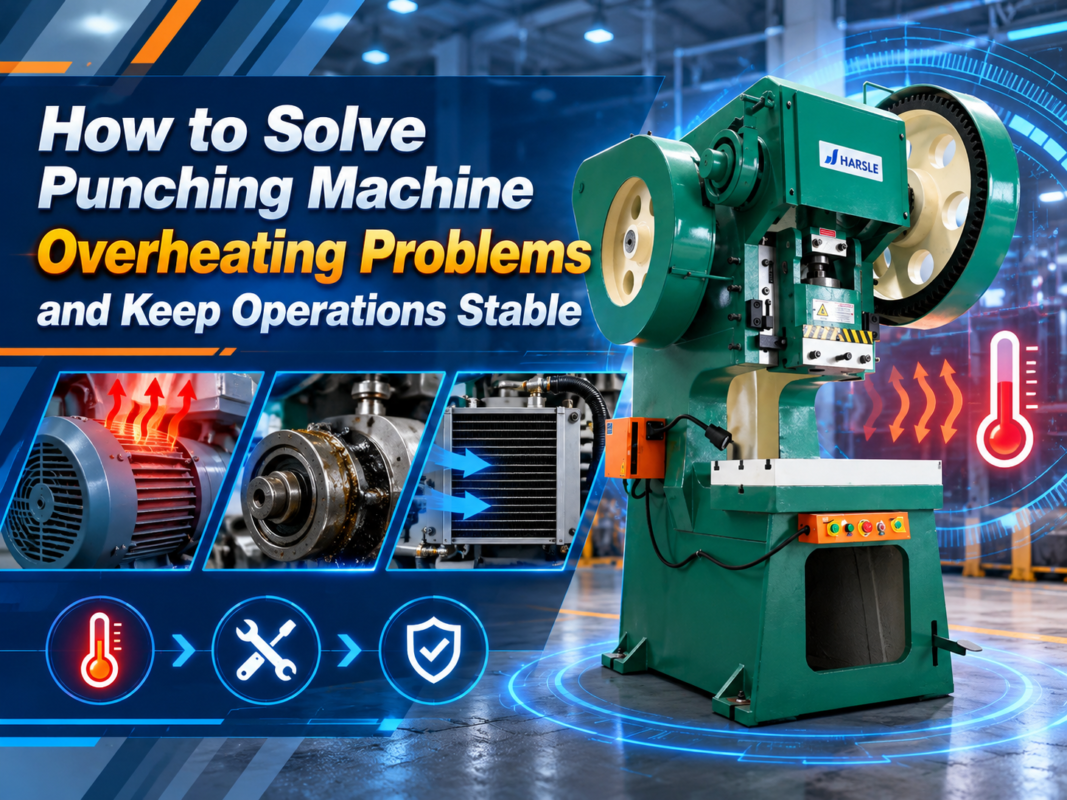
Temperature control is equally important. Hydraulic systems generate significant heat during operation. If the cooling system—whether it be an air-cooled heat exchanger or a water-cooled system—is not functioning correctly, the oil’s viscosity will drop. This leads to internal leakage within the valves and reduced efficiency. Check the cooling fans for dust buildup and ensure that water lines are not kinked or clogged. Addressing these hydraulic maintenance fixes for fabrication shops will prevent the “spongy” feel that often precedes a total system failure.
Electrical and Control System Maintenance
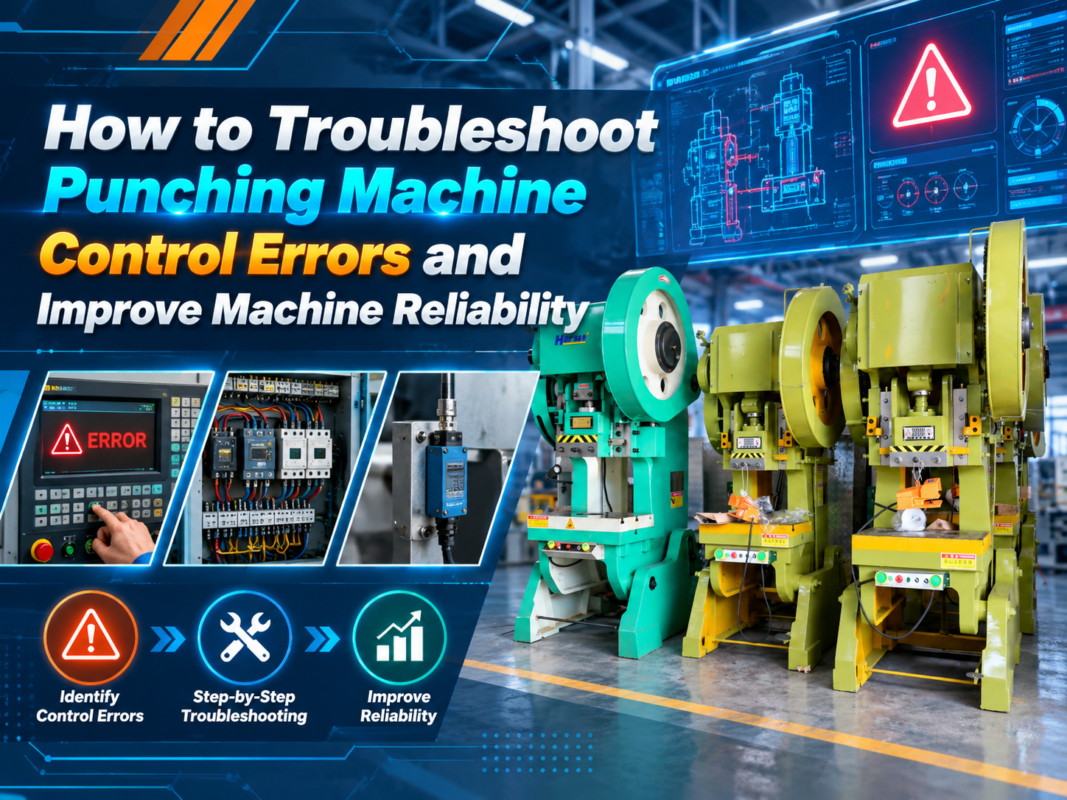
Modern punching machines are complex electro-mechanical systems. The CNC controller, sensors, and wiring are the brains of the operation. Electrical problems can be some of the most frustrating to diagnose because they often manifest as intermittent faults. To prevent these, a clean and stable electrical environment is necessary.
Dust is the primary enemy of electrical components. In a fabrication shop, metallic dust is common and can be conductive. If this dust enters the electrical cabinet, it can cause short circuits or overheat sensitive circuit boards. Ensure that the electrical cabinet doors are always closed and that the cooling fans or air conditioners for the cabinet are working. Periodically, the power should be shut off, and the cabinet should be cleaned using a vacuum or low-pressure compressed air.
Check all external wiring and sensors. The vibration from the punching process can loosen electrical connections over time. Loose wires can cause voltage drops or signal interference, leading to positioning errors or unexpected machine stops. Inspect the limit switches and proximity sensors for physical damage or buildup of grease and metal shavings. If a sensor is covered in grime, it may fail to trigger, causing the machine to over-travel and potentially damage the frame or tooling.
Mechanical Components and Structural Integrity
The mechanical structure of a punching machine must withstand millions of cycles of high-impact force. Over time, the constant vibration can affect the alignment of the ram and the bed. Mechanical maintenance fixes for fabrication shops involve checking the tightness of all structural bolts and ensuring the precision of the guiding systems.
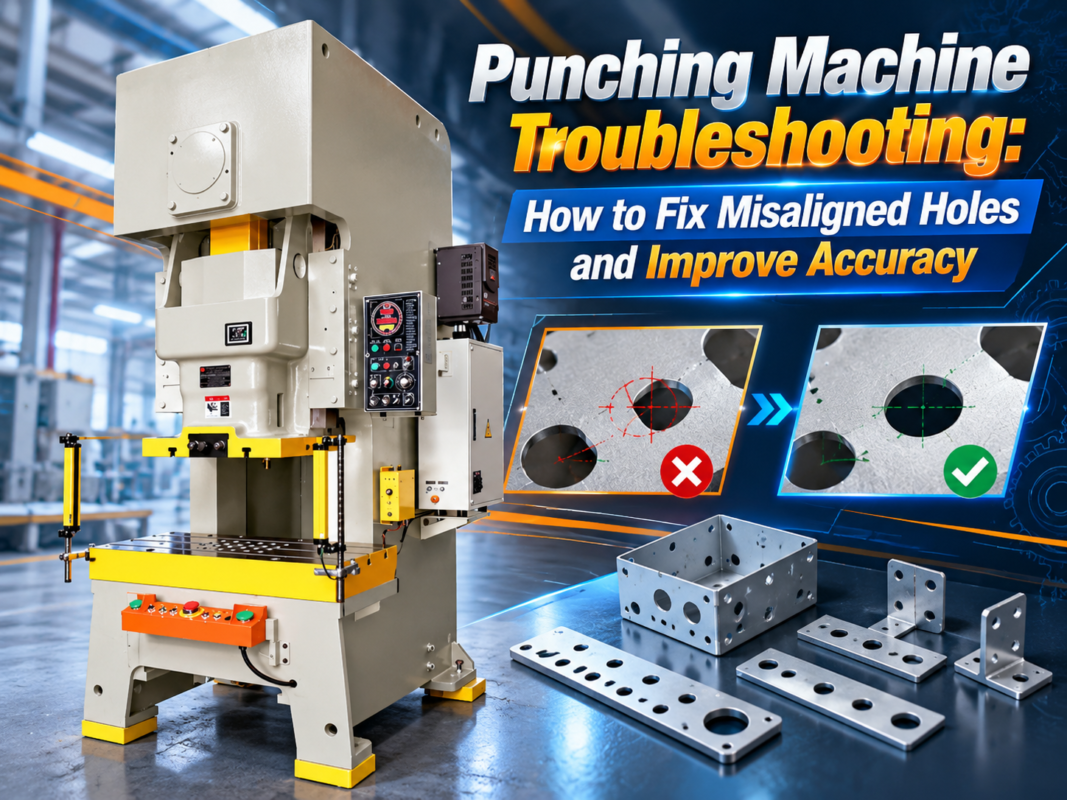
The ram and its guiding ways should be inspected for scoring or excessive play. If the ram is not perfectly perpendicular to the die, the punch will enter the die at an angle, causing rapid tool wear and poor hole quality. This misalignment can also put uneven stress on the machine frame, leading to cracks in extreme cases. Use a dial indicator to check for any deviation in the ram’s path. If play is detected, the gibs or guides may need adjustment or replacement.
Furthermore, the turret or tool changer mechanism requires specific attention. In turret punch presses, the alignment between the upper and lower turret is critical. If these are out of sync, the punch will hit the edge of the die, causing catastrophic tool failure. Regularly check the indexing pins and bushings for wear. A well-maintained mechanical system ensures that the energy of the punch is directed entirely into the workpiece, rather than being dissipated through vibration and friction.
The Comprehensive Lubrication Plan
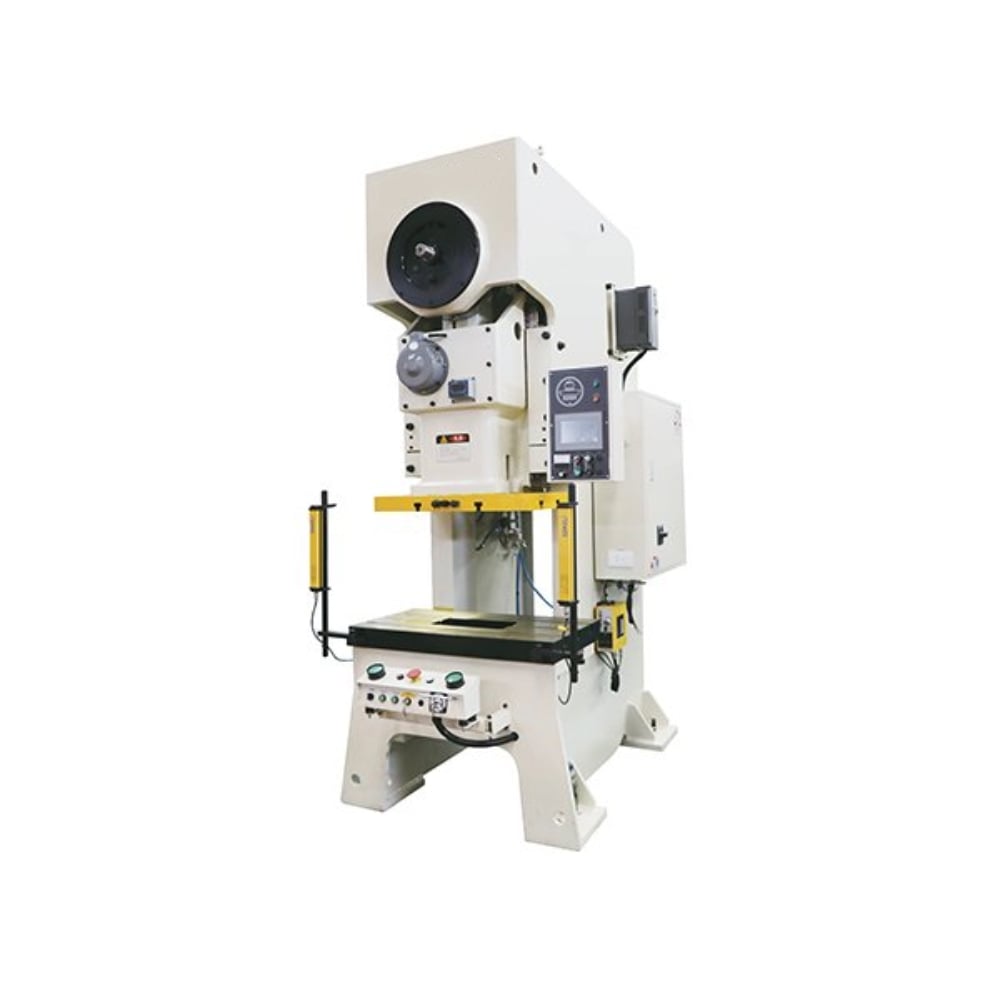
Lubrication is perhaps the most critical yet frequently overlooked aspect of machine maintenance. Without proper lubrication, metal-on-metal contact will quickly destroy bearings, gears, and slideways. A comprehensive lubrication plan should specify the type of lubricant, the location of the lubrication points, and the frequency of application.
Most high-end punching machines, like those from HARSLE, feature centralized lubrication systems. These systems automatically deliver a measured amount of oil or grease to critical points at set intervals. However, these systems are not “set and forget.” The reservoir must be kept full, and the delivery lines must be checked for blockages. If a single line is blocked, one bearing may run dry while the rest of the machine appears fine, leading to a localized but expensive failure.
For machines requiring manual lubrication, operators must follow a strict schedule. Use only the lubricants recommended by the manufacturer. Substituting a high-pressure grease with a standard variety can lead to premature wear under the heavy loads of punching. Pay special attention to the ball screws and linear guides, as these components are vital for the accuracy of the sheet positioning. A thin, consistent film of lubricant protects these parts from corrosion and reduces the friction that causes heat buildup.
Troubleshooting Signals: Listening to Your Machine
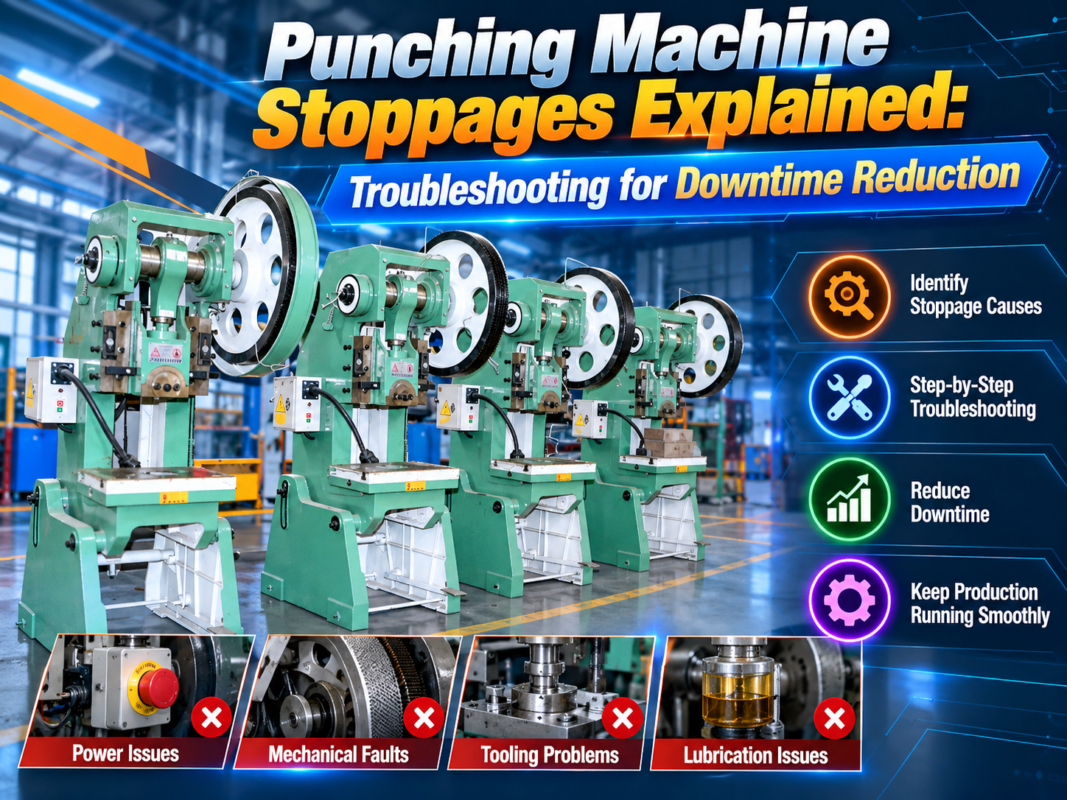
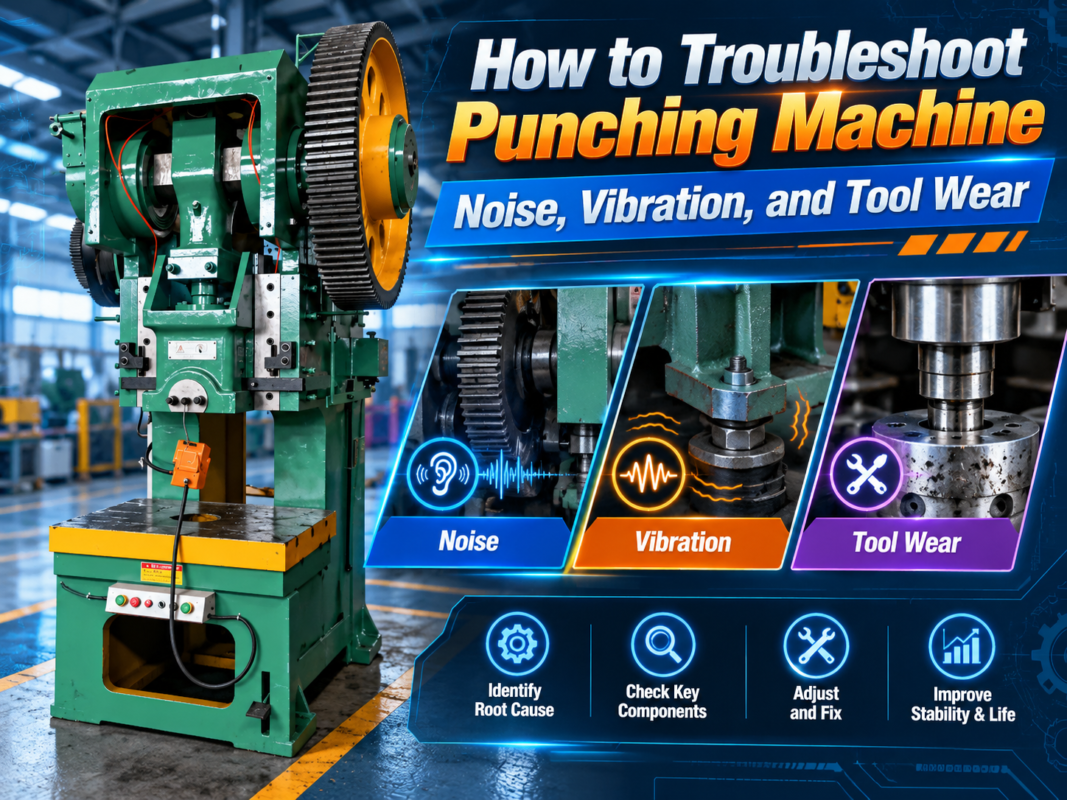
Experienced operators often “feel” when a machine is not performing correctly. Troubleshooting common punching machine problems involves paying attention to the signals the machine provides through sound, heat, and vibration. If a machine suddenly starts making a loud banging noise, it could indicate that the stripping force is too high or that the punch is sticking in the material.
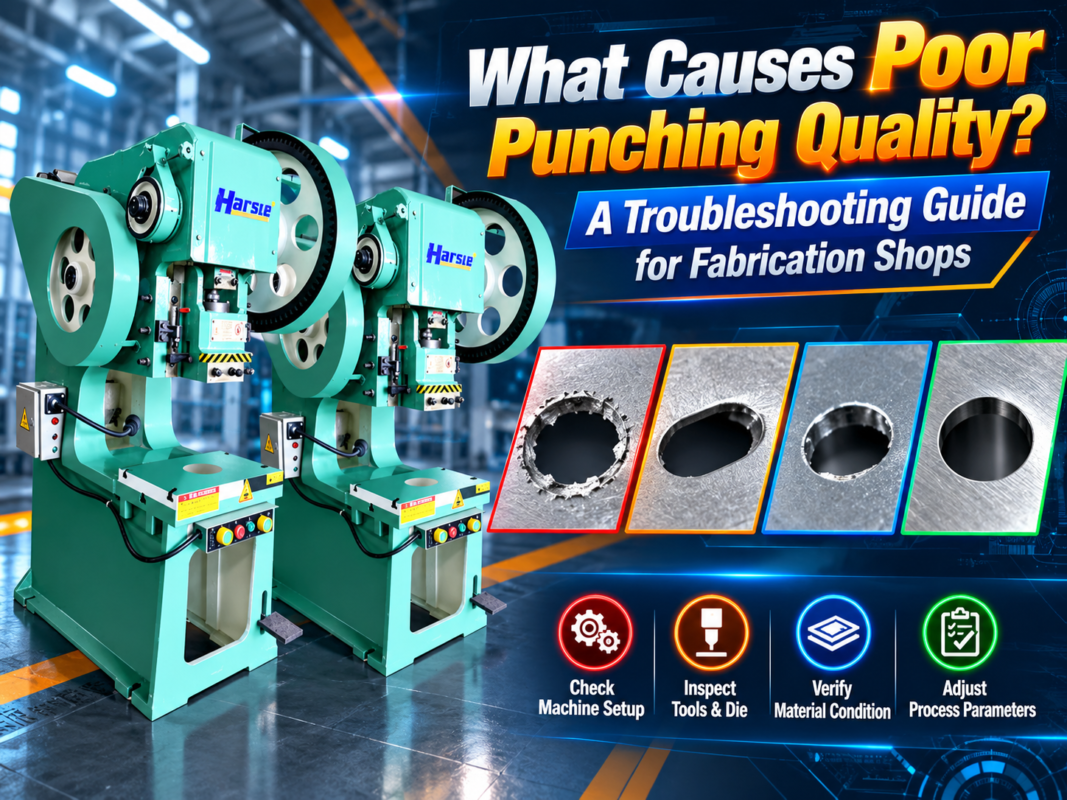
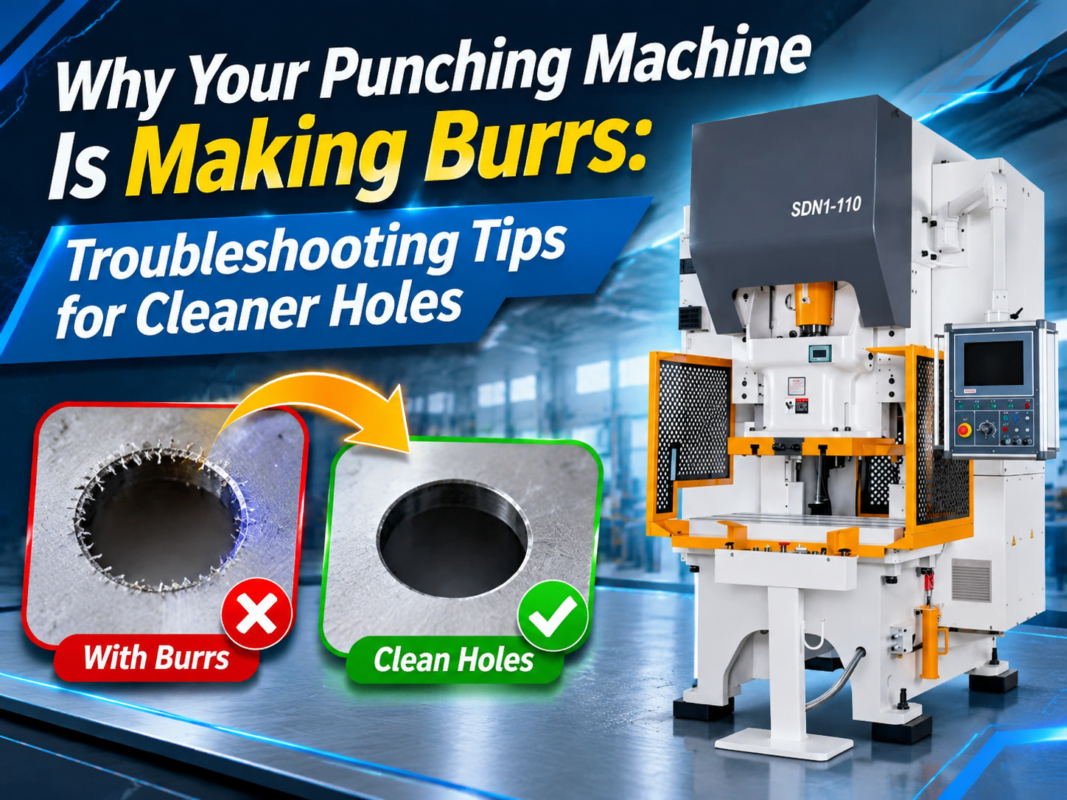
Vibration is another key indicator. While punching is inherently a high-vibration process, an increase in vibration levels can point to loose mounting bolts or a failing motor bearing. If the machine starts producing parts with excessive burrs, it is a clear signal that the tool clearance is incorrect or the tools are dull. Burrs are not just a quality issue; they indicate that the machine is working harder than necessary to shear the metal.
Heat is also a diagnostic tool. If a bearing housing or a hydraulic valve feels excessively hot to the touch, it is likely failing. Using an infrared thermometer can help maintenance personnel identify “hot spots” before they lead to a breakdown. By responding to these early warning signals, fabrication shops can perform maintenance fixes on their own terms, rather than during an emergency mid-shift failure.
Maintenance Schedule Table for Fabrication Shops
To ensure consistency, every shop should have a visible maintenance schedule. Below is a recommended framework for a standard punching machine maintenance routine.
| Frequency | Component | Action Required |
|---|---|---|
| Daily | Tooling | Inspect for chips, wear, and proper lubrication. |
| Daily | Safety Systems | Test E-stops, light curtains, and interlocks. |
| Daily | Hydraulics | Check oil levels and look for external leaks. |
| Weekly | Air Filters | Clean or replace pneumatic system filters. |
| Weekly | Slideways | Wipe down and apply fresh lubricant if manual. |
| Monthly | Electrical Cabinet | Vacuum dust and check cooling fan operation. |
| Monthly | Bolts/Fasteners | Check torque on high-vibration mounting bolts. |
| Quarterly | Hydraulic Oil | Perform oil analysis and check for contamination. |
| Bi-Annually | Alignment | Check ram-to-table squareness and turret alignment. |
| Annually | Full System Calibration | Verify CNC accuracy and replace hydraulic filters. |
Frequently Asked Questions (FAQ)
What are the most common causes of punch breakage?
Punch breakage is usually caused by improper tool alignment, excessive tool wear, or using the wrong clearance for the material thickness. If the punch is not centered in the die, it will deflect and snap. Additionally, punching material that exceeds the machine’s rated capacity can cause immediate tool failure.
How often should I sharpen my punching tools?
Tooling should be sharpened as soon as a slight radius appears on the cutting edge or when burr height on the workpiece increases. Waiting too long to sharpen tools requires more material to be removed during the grinding process, which actually shortens the overall life of the tool. Regular, light sharpening is better than infrequent, heavy grinding.
Why is my hydraulic punching machine losing pressure?
Pressure loss can be attributed to several factors: a worn hydraulic pump, leaking seals in the cylinders, or a malfunctioning pressure relief valve. It can also be caused by air trapped in the hydraulic lines or contaminated oil that is preventing valves from seating properly. Check for visible leaks first, then inspect the filters and oil quality.
Can I use any industrial grease for my machine?
No. You should always use the specific grade and type of lubricant recommended by the manufacturer. Punching machines operate under high shock loads and specific speeds. Using the wrong grease can lead to inadequate film strength, causing metal-on-metal contact and rapid component failure.
How do I reduce the noise level of my punching operation?
While punching is noisy, you can mitigate it by ensuring the machine is properly leveled and anchored to a solid foundation. Using “whisper” or roof-top shear tooling can also significantly reduce the noise by shearing the metal gradually rather than all at once. Proper lubrication of the mechanical parts also prevents frictional squealing.
Conclusion: Maximizing ROI Through Diligent Care
In conclusion, addressing Common Punching Machine Problems Maintenance Fixes Fabrication Shops face is a matter of discipline and technical knowledge. By treating your HARSLE punching machine as a precision instrument rather than just a piece of heavy iron, you ensure its reliability for years to come. A systematic approach—combining daily inspections, careful hydraulic and electrical monitoring, and a strict lubrication schedule—will pay dividends in the form of higher uptime, better part quality, and a safer working environment.
Remember that maintenance is an investment, not an expense. The time spent checking a filter or tightening a bolt is a fraction of the time lost to a major repair. By following the guidelines outlined in this guide, fabrication shops can maintain a competitive edge, delivering high-quality products on time, every time. Keep your tools sharp, your oil clean, and your sensors clear, and your punching machine will remain the powerhouse of your production floor.