
How to Compare Laser Cutting Machine Prices Before You Buy: A Comprehensive Guide


Introduction to Laser Cutting Machine Procurement
In the modern metal fabrication industry, the decision to invest in a fiber laser cutting machine is often the turning point for a business’s productivity and profitability. However, the market is flooded with options ranging from budget-friendly entry-level models to high-end, automated industrial powerhouses. Navigating this landscape requires more than just looking at a sticker price; it requires a strategic approach to Compare Laser Cutting Machine Prices Before You Buy. Understanding the nuances of what makes one machine cost $30,000 and another $300,000 is essential for any workshop manager or business owner.
The price of a laser cutting machine is a reflection of its engineering, component quality, and the long-term value it provides. When you compare laser cutting machine prices before you buy, you are essentially evaluating the machine’s ability to deliver precision, speed, and reliability over a decade or more. A lower upfront cost might seem attractive, but if it leads to frequent downtime or high consumable costs, the total cost of ownership (TCO) will quickly exceed that of a premium machine. This guide is designed to break down every factor that influences pricing, helping you make an informed decision that aligns with your production goals and budget constraints.
Price Range Overview: What to Expect
The price of fiber laser cutting machines varies significantly based on power output and machine capabilities. Generally, the market can be divided into three primary tiers. Entry-level machines, typically featuring laser powers between 1kW and 3kW, are priced between $20,000 and $50,000. These machines are ideal for small shops focusing on thin materials like 1mm to 10mm carbon steel or stainless steel. They offer a great entry point into CNC technology without a massive capital layout.
Mid-range machines, which are the workhorses of the industry, usually range from 4kW to 12kW. These machines often cost between $60,000 and $160,000. They are designed for high-volume production and can handle thicker materials with ease. At this level, you start to see more robust frame designs, better motion control systems, and often the inclusion of exchange tables to minimize loading and unloading times. This tier represents the best balance between performance and price for most established fabrication businesses.
High-power and specialized machines (15kW to 40kW+) represent the top tier, with prices often exceeding $200,000 and sometimes reaching $500,000 for fully automated systems. These machines are built for heavy industry, capable of cutting through 50mm+ steel plates with incredible speed. When you compare laser cutting machine prices before you buy at this level, you are paying for extreme efficiency, advanced automation features, and the highest grade of components available globally. The investment is significant, but for high-output factories, the ROI is often the fastest due to the sheer volume of parts produced.
Main Cost Drivers in Laser Cutting Technology
The most significant component influencing the price is the laser source. The laser source accounts for approximately 30% to 50% of the total machine cost. Brands like IPG Photonics are considered the gold standard for reliability and beam quality, commanding a premium price. Alternatively, brands like Raycus or Maxphotonics offer excellent performance at a more competitive price point. When you compare laser cutting machine prices before you buy, always check which brand and model of laser source is included, as this dictates the machine’s cutting capacity and longevity.
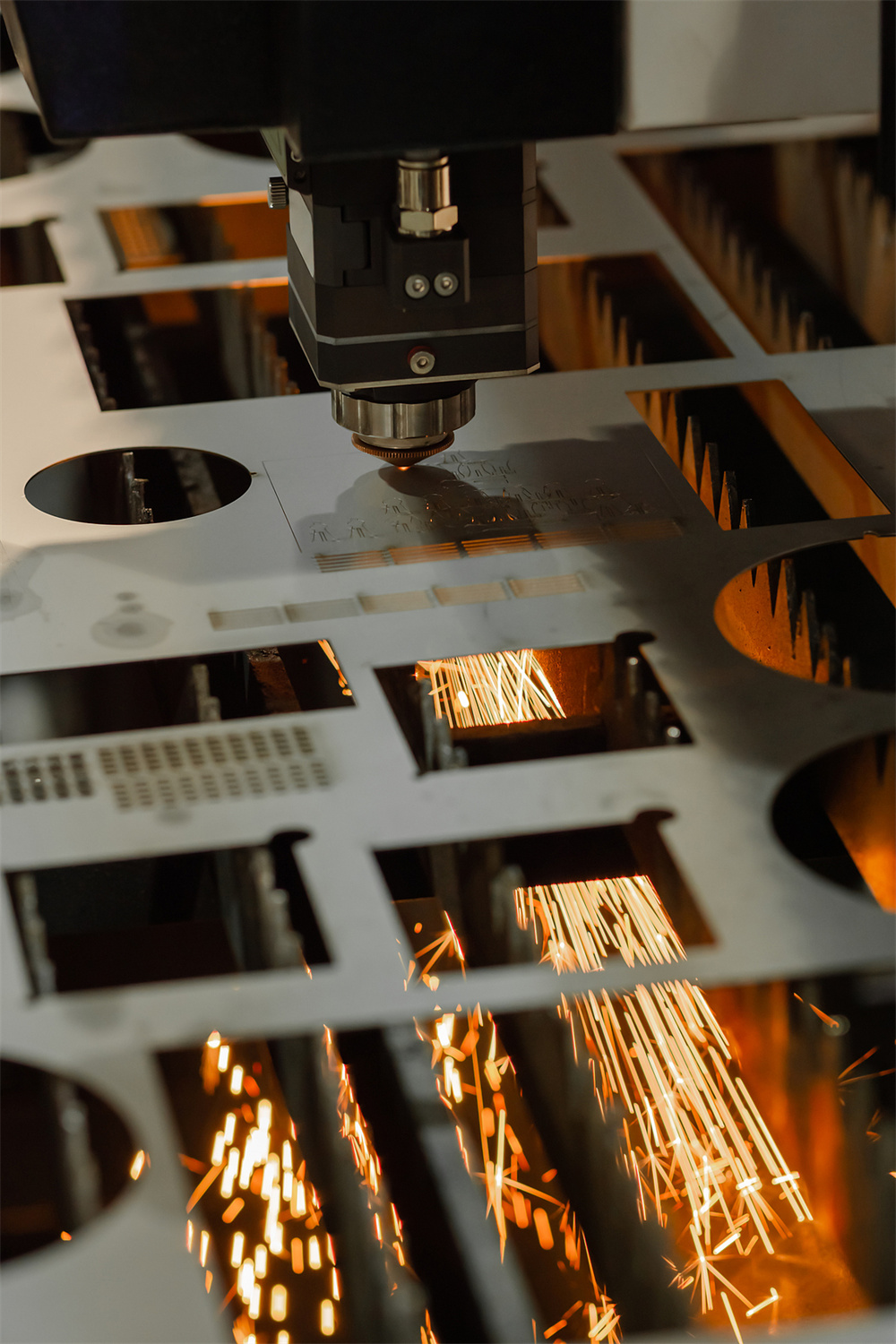
Beyond the laser source, the cutting head is another critical driver. Advanced heads with auto-focus capabilities, such as those from Precitec or Raytools, add to the cost but significantly improve productivity by reducing setup times. A manual focus head is cheaper but requires the operator to stop the machine and adjust the lens for different material thicknesses, which can lead to hours of lost production over a month. Therefore, the technology within the head is a vital comparison point.
The machine bed and frame construction also play a massive role in pricing. A high-quality laser cutting machine requires a heavy, stress-relieved frame to maintain accuracy at high speeds. Cast iron beds are more expensive than welded steel tube frames because they offer superior thermal stability and vibration dampening. If you are looking for high-precision cutting over many years, the investment in a cast iron bed is usually justified. Cheaper machines often use lighter frames that may warp or vibrate over time, leading to a loss of cutting precision.
Configuration Impact: Features That Change the Price
The configuration of the machine can swing the price by tens of thousands of dollars. One of the most common upgrades is the exchange table (shuttle table). A single-table machine requires the operator to wait for the cutting process to finish before unloading parts and loading a new sheet. An exchange table allows the next sheet to be loaded while the machine is still cutting, effectively doubling the machine’s uptime. While this adds to the initial price, the increase in throughput is often so significant that it pays for itself within the first year.
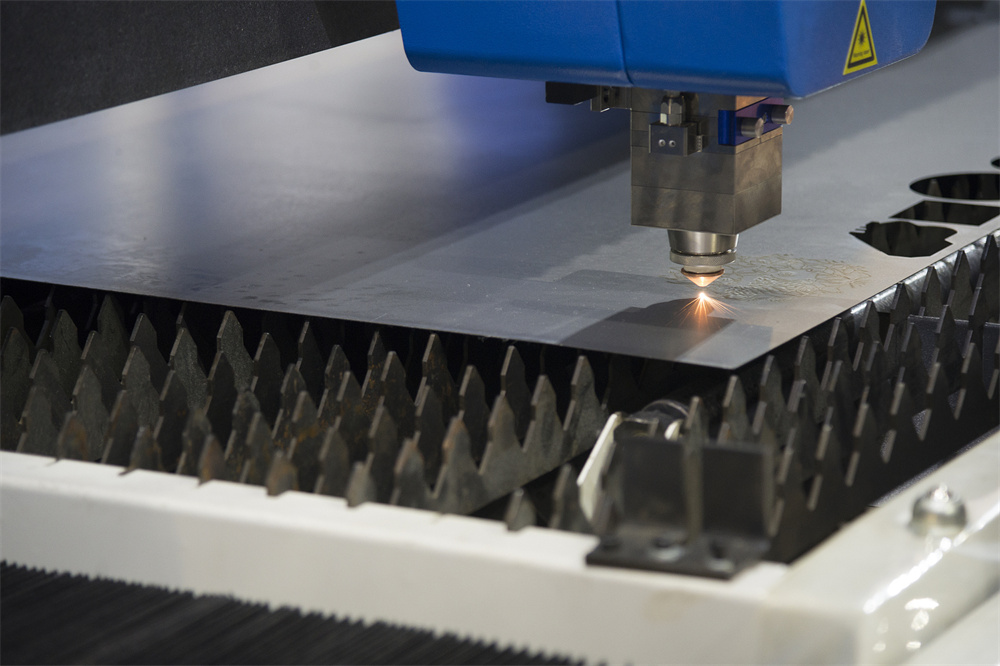
Safety and environmental configurations also impact the cost. Fully enclosed machines are more expensive than open-bed models. However, an enclosure is essential for protecting operators from reflected laser radiation and for efficient dust and fume extraction. In many regions, safety regulations make an enclosed machine mandatory. When you compare laser cutting machine prices before you buy, ensure you are comparing like-for-like safety features, as an open machine might seem cheaper but could lead to compliance issues or safety hazards.
The motion system, including servo motors, gearboxes, and rack-and-pinion systems, is another area where configurations vary. High-end machines use Japanese (Yaskawa or Panasonic) or European servo motors and high-precision racks (YYC or Atlanta). These components ensure that the machine can move at high accelerations (up to 2.0G) without losing accuracy. Lower-priced machines may use domestic or unbranded motors that lack the torque and precision required for high-speed industrial cutting. Always ask for a detailed component list to see what is “under the hood.”
Hidden Costs: What the Quote Might Not Show
When you compare laser cutting machine prices before you buy, the quoted price is rarely the final cost to get the machine running on your floor. Shipping and logistics are major factors, especially for international purchases. A fiber laser machine is a heavy, oversized piece of equipment that requires specialized sea freight and inland trucking. Additionally, you must account for import duties, taxes, and customs clearance fees, which can add 5% to 20% to the total cost depending on your country’s trade agreements.
Installation and training are often overlooked. Some manufacturers include this in the price, while others charge it as a separate line item. You will need a technician to level the machine, calibrate the laser, and train your staff on the software (like CypCut or Lantek). Furthermore, the site preparation costs—such as installing a stabilized power supply, a dedicated grounding wire, and a high-pressure air compressor or gas tanks—are responsibilities of the buyer. These “hidden” infrastructure costs can easily add $5,000 to $15,000 to your initial budget.
Consumables and maintenance represent the ongoing hidden costs. While fiber lasers are low-maintenance compared to CO2 lasers, you still need to budget for protective windows, nozzles, ceramic rings, and filter elements. Additionally, the cost of assist gases (Oxygen, Nitrogen, or Compressed Air) is a significant operational expense. Nitrogen cutting provides a clean, oxide-free edge but is expensive. If the machine is capable of high-pressure air cutting, it can save you thousands in gas costs annually, which is a critical factor to consider during the price comparison phase.
ROI Calculation: Making the Investment Make Sense
To truly compare laser cutting machine prices before you buy, you must calculate the Return on Investment (ROI). A machine that costs $20,000 more but cuts 30% faster will likely generate more profit over its lifespan. To calculate ROI, estimate your monthly production volume and the average revenue per hour the machine will generate. Subtract the monthly costs, including the machine lease payment, labor, electricity, gas, and consumables.
For example, if a 6kW machine allows you to cut twice as fast as a 3kW machine, you can take on more jobs without increasing labor costs. In many cases, the higher-priced, higher-power machine results in a lower cost-per-part. Additionally, consider material utilization. Modern nesting software included with better machines can save 5-10% in material waste. For a shop spending $10,000 a month on steel, a 10% saving is $1,200 a month, which directly contributes to paying off the machine faster. Always look at the “cost per part” rather than just the “cost of the machine.”
Buying Advice: How to Choose the Right Supplier
Choosing the right supplier is just as important as choosing the right machine. When you compare laser cutting machine prices before you buy, investigate the manufacturer’s reputation and after-sales service capabilities. A cheap machine from a supplier with no local support can become a liability the moment a component fails. Ask for references from existing customers in your region and inquire about the availability of spare parts. A reputable manufacturer like HARSLE provides comprehensive support and transparent pricing, ensuring you know exactly what you are getting for your investment.
Before finalizing a purchase, request a cutting sample using your specific material and drawings. This allows you to verify the machine’s speed and edge quality firsthand. Also, pay attention to the warranty terms. A standard warranty is usually 1-2 years, but some suppliers offer extended warranties on the laser source. Ensure the warranty covers both parts and remote technical support. Finally, don’t be afraid to negotiate, but remember that a deep discount often comes at the expense of component quality or service levels. Aim for the best value, not the lowest price.
Frequently Asked Questions (FAQ)
1. Why is there such a big price difference between 3kW and 6kW machines?
The price jump is primarily due to the cost of the laser source and the upgraded cooling and motion systems required to handle the higher power. A 6kW source is significantly more expensive to manufacture and requires a more robust chiller and more durable optical components to manage the increased heat and energy.
2. Is it better to buy a used laser cutting machine to save money?
While used machines are cheaper, they come with risks. Fiber laser technology evolves rapidly, so a 5-year-old machine may be significantly less efficient than a new one. Additionally, the laser source has a finite lifespan, and replacing a degraded source can cost nearly as much as a new entry-level machine. For most, a new machine with a warranty is a safer investment.
3. Can I use compressed air instead of Nitrogen to save on costs?
Yes, many modern fiber lasers are equipped to cut with high-pressure compressed air. This significantly reduces operating costs. However, the edge quality may not be as clean as Nitrogen (it may have slight oxidation), and you will need a high-quality screw compressor with integrated drying and filtration to protect the laser optics.
4. How long does it typically take to see a return on investment?
Most well-utilized fiber laser machines see an ROI within 12 to 24 months. This depends on your shop’s workload, the complexity of the parts, and how much you were previously spending on outsourcing laser cutting services. By bringing the process in-house, you save the markup and lead time of external vendors.
5. What is the most important component to check when comparing prices?
The laser source is the most important, followed closely by the control system and the machine bed construction. These three elements determine the machine’s performance, ease of use, and long-term accuracy. Always ensure these components are from reputable, well-documented brands.












